The Housing Dilemma in South Africa and the Rise of Container Homes
South Africa’s housing market has long been plagued by contradictions: the growing demand for affordable, durable dwellings collides with high construction costs, lengthy build times, and the need to adapt to diverse climates—from arid inland regions to humid coastal areas. Against this backdrop, container homes have emerged as a transformative solution, addressing both practical and economic pain points for homeowners, businesses, and even government institutions. Behind this trend stands Beijing Chengdong (CDPH), a professional private enterprise deeply rooted in the integrated housing industry, which has been quietly reshaping the African market with its mature container house technology and global service capabilities.
Chengdong’s vision is to provide overall solutions for engineering camps worldwide through integrated housing products and services, aiming to become a global expert and service provider in engineering camps serving builders. With a global layout covering over 100 countries, including key markets in Africa, Chengdong has accumulated more than 2,000 overseas cooperation cases. Its container houses, as a type of modular house, are designed with high standards and flexibility, making them particularly suitable for South Africa’s market needs—whether for temporary engineering camps, permanent residences, or emergency response facilities. As South Africa accelerates infrastructure development and addresses housing shortages, Chengdong’s container homes are gaining traction for their cost-effectiveness, adaptability, and sustainability.
Core Pain Points of South Africa’s Housing Market
High Construction Costs and Prolonged Timelines
Traditional brick-and-mortar construction in South Africa faces skyrocketing costs of raw materials and labor, making homeownership unattainable for many middle- and low-income groups. A standard small family home often requires 3-6 months of construction, with costs easily exceeding R1.5 million, not including land fees and utility connections. Delays caused by weather, supply chain disruptions, and on-site coordination further increase project costs, leaving many projects unfinished or over budget. For businesses involved in mining, energy development, and infrastructure construction, the need for rapid on-site accommodation and office space makes traditional construction even less feasible.
Climate Adaptability and Durability Challenges
South Africa’s diverse climate poses strict requirements for building durability. Inland areas suffer from extreme temperatures—scorching heat in summer and sudden cold snaps in winter—while coastal regions face humidity and salt corrosion. Traditional buildings often struggle with poor insulation, leading to high energy consumption, or structural damage from environmental factors. Additionally, parts of South Africa are prone to natural disasters such as floods and wildfires, demanding housing solutions that can withstand emergencies and be quickly restored or relocated.
Flexibility for Diverse Usage Scenarios
South Africa’s economic landscape includes booming mining, agriculture, and infrastructure sectors, which require a large number of temporary or semi-permanent spaces—such as worker dormitories, on-site offices, storage facilities, and temporary classrooms in remote areas. Traditional buildings are often fixed in structure, unable to be disassembled, reused, or relocated, resulting in resource waste once the project is completed. For emergency situations like natural disasters or public health crises, the lack of rapidly deployable housing further exacerbates post-event difficulties.
Why Container Homes Resonate with South Africa: Core Advantages
Modular Design for Rapid Deployment and Flexibility
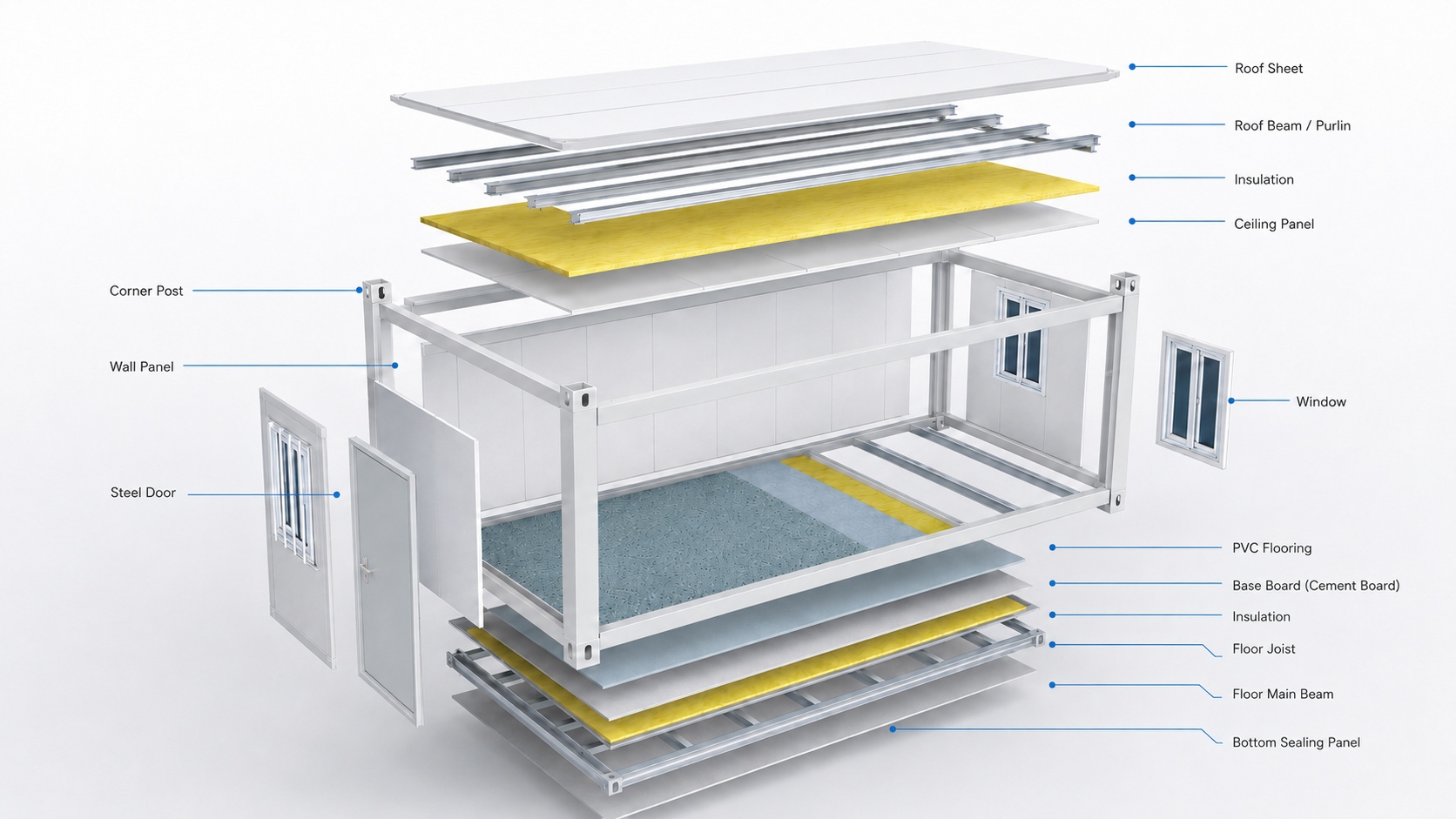
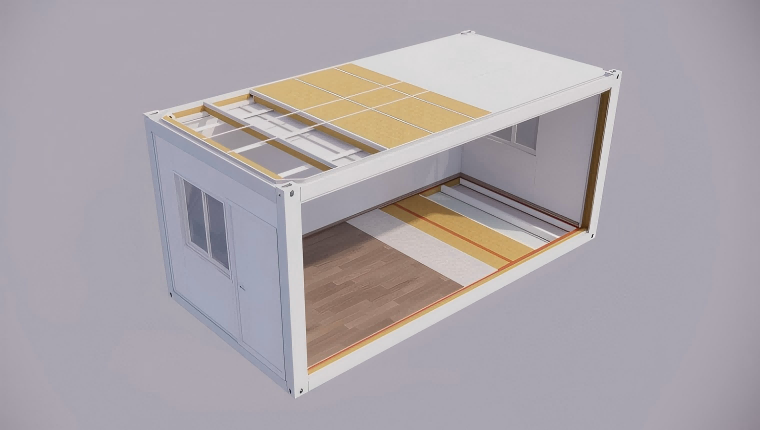
Chengdong’s container homes embody the essence of modular construction—90% of components are prefabricated in factories, with on-site assembly completed through bolted connections, eliminating the need for complex wet work. A single 20ft container home can be installed and put into use in just 3-7 days, while multi-container combinations (for larger spaces like dormitories or offices) take no more than 15 days. This speed is a game-changer for South African businesses: mining companies can quickly set up worker camps near project sites, and government agencies can deploy emergency shelters within days of a disaster.
Moreover, Chengdong’s container homes offer exceptional flexibility. As a basic unit, a single container can be used independently as a studio or office, while horizontal and vertical combinations can form spacious living areas—even stacking up to 3 floors high. This adaptability meets diverse needs, from small family homes to large-scale engineering camps, and the modular design allows for easy disassembly, relocation, and reuse, reducing waste and long-term costs.
Cost-Effectiveness for All Budgets
Container homes significantly undercut traditional construction costs. Chengdong’s basic 20ft container home (suitable for single-person or studio use) starts at around R100,000-R300,000, while mid-range 40ft or multi-container configurations (with complete kitchens, bathrooms, and upgraded finishes) range from R300,000-R700,000—30-60% lower than equivalent traditional homes. The cost savings stem from Chengdong’s scale advantages: a 70,000㎡ self-operated standardized factory, annual production capacity of 40,000 container houses, and a green supply chain that minimizes material waste.
For South African users, the cost benefits extend beyond the initial investment. Container homes have a service life of over 15 years with proper maintenance, and their steel structure is resistant to termites, rot, and corrosion—reducing maintenance costs by 30-50% compared to traditional homes. Additionally, the ability to reuse containers for multiple projects (e.g., relocating a construction camp to a new site) further enhances cost-effectiveness.
Climate Adaptability and Durability
Chengdong’s container homes are engineered to withstand South Africa’s harsh conditions. The steel frame (available in Q235 or high-strength Q345B steel) provides structural stability, resisting deformation and seismic activity. Customizable insulation options—such as rockwool or polyurethane (PU) insulation—ensure thermal comfort in extreme temperatures, reducing heating and cooling energy consumption by 40-60%. For coastal areas, anti-corrosion treatments protect the steel structure from salt damage, while sealed designs prevent water leakage in humid environments.
These features have been validated in Chengdong’s African projects. For example, in mining areas in northern South Africa, Chengdong’s container homes have operated stably for years, withstanding high temperatures and dust storms while maintaining comfortable indoor conditions. Their durability and low maintenance requirements make them ideal for remote areas where regular upkeep is challenging.
Environmental Sustainability Aligned with Global Trends
As South Africa emphasizes green development, container homes’ sustainability has become a key selling point. Chengdong’s container homes promote environmental protection in multiple ways: factory prefabrication reduces on-site waste by over 80% compared to traditional construction; the steel structure is 100% recyclable; and the modular design avoids large-scale land hardening, making land reclamation easier after use. Additionally, the houses can be equipped with solar panels and energy-saving fixtures, aligning with South Africa’s push for renewable energy adoption.
This sustainability resonates with both individual homeowners and corporate clients. Many South African mining and energy companies are choosing Chengdong’s container homes to meet their environmental, social, and governance (ESG) goals, while government agencies appreciate the low ecological impact for public projects like temporary schools and clinics.
Chengdong’s Product Portfolio & South Africa Market Fit
To better meet South Africa’s diverse needs, Chengdong offers a range of integrated housing products, with container houses as the core. Below is a detailed breakdown of product types and their application scenarios in South Africa:
Product Type | Key Features | Target Scenarios in South Africa | Price Range (ZAR) |
Container House (Modular) | Factory-prefabricated, stackable up to 3 floors, reusable, customizable | Engineering camps, mining dormitories, urban temporary offices, luxury residences | 100,000 - 1,500,000+ |
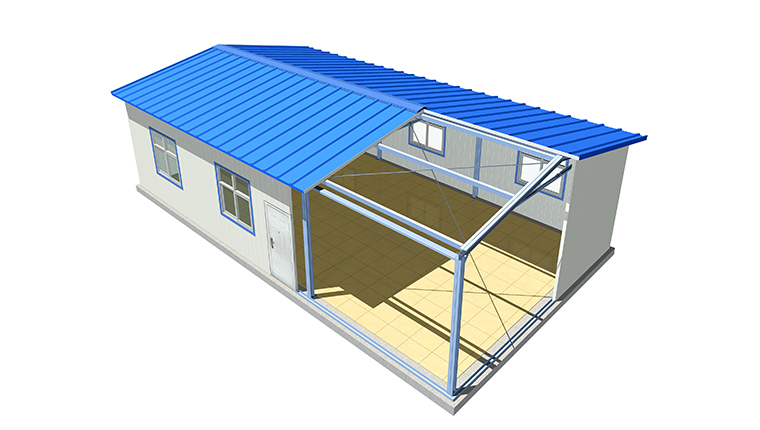
Assembled House (Non-modular) | Cost-effective, corrosion-resistant, quick on-site assembly | Rural schools, remote medical clinics, low-budget worker housing | 80,000 - 250,000 |
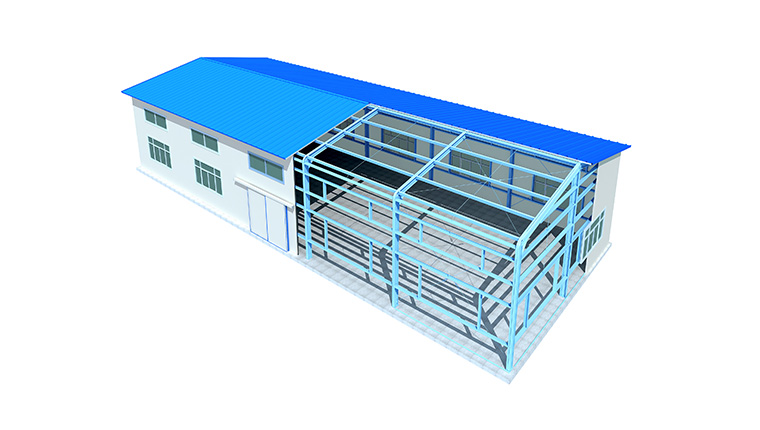
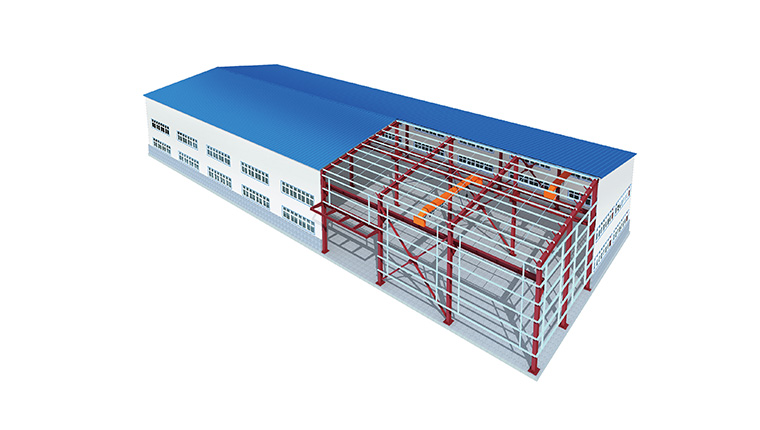
ZM Series Large-Scale Buildings | Lightweight steel structure, mechanized production, suitable for large spaces | Mining warehouses, construction site canteens, community activity centers | 300,000 - 800,000 |
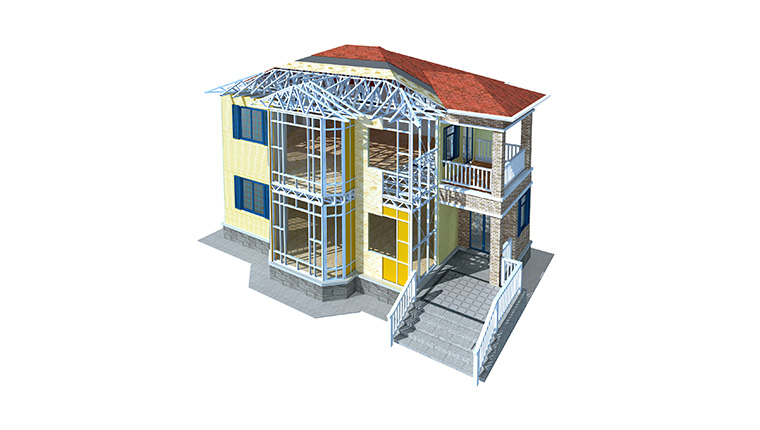
Light Steel Villa | Semi-permanent, personalized design, energy-efficient | High-end resorts, permanent residences, boutique accommodations | 700,000 - 2,000,000+ |
Custom Equipment Containers | Specialized for extreme environments (high temperature, cold), integrated with professional equipment | Field research stations, oilfield control rooms, emergency medical shelters | Customized based on requirements |
This product matrix covers from low-budget temporary housing to high-end permanent residences, fully adapting to South Africa’s urban-rural differences, industry characteristics, and climate variations. For example, assembled houses are popular in rural areas due to their affordability, while container houses and ZM series products are widely used in mining and infrastructure projects for their durability and rapid deployment.
Chengdong’s Practice in South Africa: Cases and Local Adaptation
Engineering Camp Solutions for Mining and Infrastructure Projects
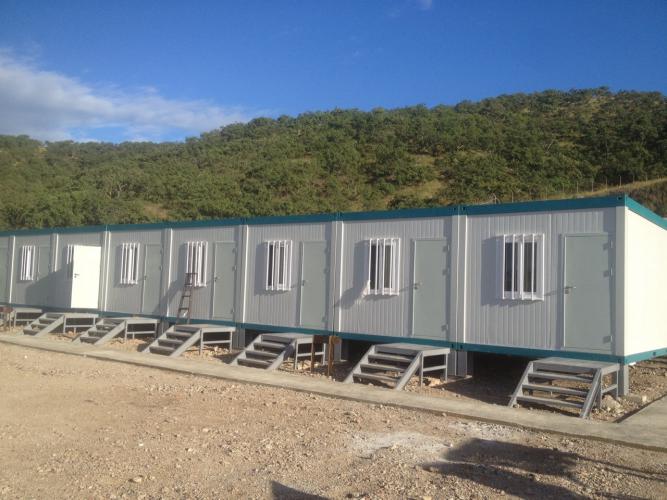
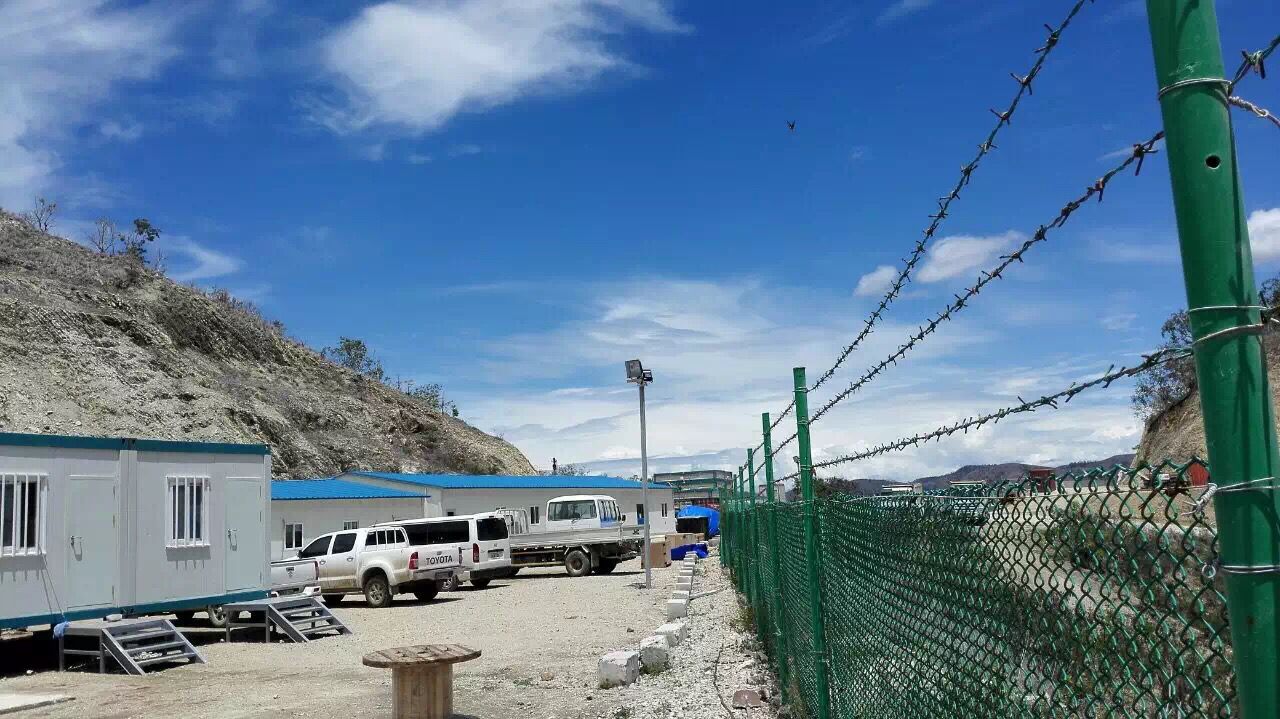
South Africa’s mining and infrastructure sectors are major consumers of container homes, and Chengdong has established a strong presence in these fields. For example, in a large gold mining project in the Free State Province, Chengdong provided over 200 container units, including standard double dormitories with bathrooms, multi-functional offices, and storage facilities. The modular combination formed a complete camp capable of accommodating 800 workers, with quick assembly completed in just 12 days—saving the mining company months of construction time and reducing costs by 40% compared to traditional camps.
Chengdong’s container homes for engineering camps are tailored to on-site needs: sound insulation design ensures privacy in dormitories, durable flooring resists heavy use, and waterproof electrical systems adapt to South Africa’s occasional heavy rains. The company’s local supply chain cooperation in South Africa further shortens delivery times and reduces transportation costs, ensuring timely project support.
Emergency Response and Public Service Applications
In regions prone to floods and wildfires, Chengdong’s container homes have proven invaluable for emergency response. During a 2023 flood in KwaZulu-Natal, Chengdong collaborated with local authorities to deploy 50 container homes as temporary shelters, each equipped with basic living facilities and waterproof structures. The shelters were assembled in 3 days, providing safe accommodation for 200 displaced residents. Unlike tents, these container homes offer long-term durability, allowing them to be repurposed as community centers after the emergency.
Chengdong also caters to South Africa’s demand for basic public services. In remote rural areas of Limpopo Province, the company supplied 30 container classrooms, featuring good lighting, sound insulation, and environmental-friendly interior materials. These classrooms were installed in 5 days, solving the problem of inadequate school facilities for local children. The modular design allows for future expansion if student numbers grow.
Chengdong vs. Competitors: Core Advantage Comparison
In South Africa’s container house market, Chengdong stands out among local and international competitors with its comprehensive strengths. Below is a comparison with key competitors:
Advantage Dimension | Chengdong | International Competitors (e.g., Karmod) | Local South African Suppliers |
Production Scale | 70,000㎡ self-operated factory, 40,000 units/year capacity | Medium-sized factories, 15,000-25,000 units/year | Small-scale workshops, <10,000 units/year |
R&D Capability | 80-person R&D team, 20 million RMB annual investment, 75+ patents | Basic R&D, limited customization | Minimal R&D, mainly assembling imported components |
Global Experience | 2,000+ overseas cases, covering 100+ countries | Regional experience (e.g., Europe, Middle East) | Local project experience only |
Service Capability | One-stop solution (design, production, delivery, installation, maintenance) | Focus on product sales, limited after-sales | Installation-only services, no overall solutions |
Adaptability | Customized for African climate (heat, corrosion resistance) | Standardized products, poor local adaptation | Simple modifications, limited technical support |
This comparison shows that Chengdong’s advantages lie in large-scale production capacity, strong R&D capabilities, global project experience, and one-stop services—addressing the pain points of long delivery times, poor adaptation, and inadequate after-sales services faced by many competitors in South Africa.
Future Trends: Container Homes Shaping South Africa’s Housing Landscape
Policy Support and Market Expansion
South Africa’s government has recognized container homes as a solution to affordable housing shortages, with plans to integrate modular construction into national housing policies. Incentives for green building and affordable housing are expected to boost demand for container homes in the coming years. Chengdong, with its rich experience in global markets and compliance with international standards (including CE certification for modular products), is well-positioned to capitalize on this trend. The company’s annual R&D investment of 20 million yuan and 80-person R&D team ensure continuous product upgrades, such as improved insulation materials and smart home integration, to meet evolving market needs.
Localization and Customization
To better serve the South African market, Chengdong has strengthened localization efforts: cooperating with local logistics providers to optimize transportation networks, training local installers to ensure efficient on-site services, and customizing products based on regional preferences. For example, in coastal areas, the company offers enhanced anti-corrosion treatments; in cold highlands, thicker insulation and heating systems are provided. This localization strategy, combined with Chengdong’s global quality control system, ensures that products are both adaptable and reliable.
Container Homes—A Practical Choice for South Africa’s Housing Future
Container homes have become a symbol of affordable, flexible, and sustainable housing in South Africa, addressing the core pain points of high costs, slow construction, and poor adaptability in the traditional market. As a global leader in integrated housing, Beijing Chengdong has played a pivotal role in this transformation, bringing mature technology, rich experience, and localized services to South Africa. Its container homes not only meet the needs of engineering camps, emergency response, and public services but also provide ordinary South Africans with a path to affordable homeownership.
FAQ: Common Questions About Chengdong Container Homes in South Africa
What is the delivery time for Chengdong’s container homes in South Africa?For standard models, delivery takes 2-4 weeks after order confirmation; customized products take 4-8 weeks, including production, transportation, and on-site installation.
Can container homes be customized according to specific project needs?Yes. Chengdong supports full customization of size, layout, interior finishes, and functional configurations (e.g., adding solar systems, anti-corrosion treatments) to meet diverse needs such as mining camps, schools, and emergency shelters.
Do Chengdong’s products meet South African building standards?All products comply with international quality standards (ISO, CE certification) and are adapted to South African local building codes, including structural safety, fire protection, and environmental requirements.
What after-sales services does Chengdong provide in South Africa?The company offers a 15-year product warranty (for steel structures) and 24/7 on-site maintenance services. Local service teams in major South African cities ensure timely troubleshooting and parts replacement.
How does Chengdong ensure cost-effectiveness for large-scale projects?For bulk orders (over 50 units), Chengdong provides factory-direct pricing and customized logistics plans. The modular design reduces on-site labor costs by 50-70%, and reusable components lower long-term investment risks.




 More
More








![Top Advantages of Modular Construction Explained [2025]](/uploads/upload/images/20250424/0fb390068474145a09a8c0504c73b1d2.png)
 May 09, 2025