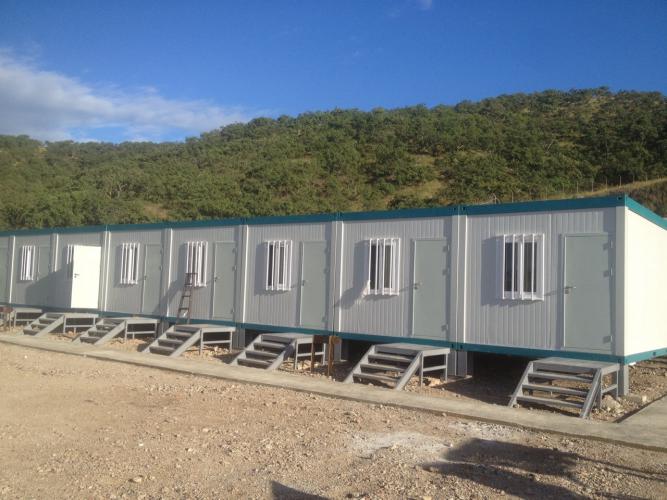
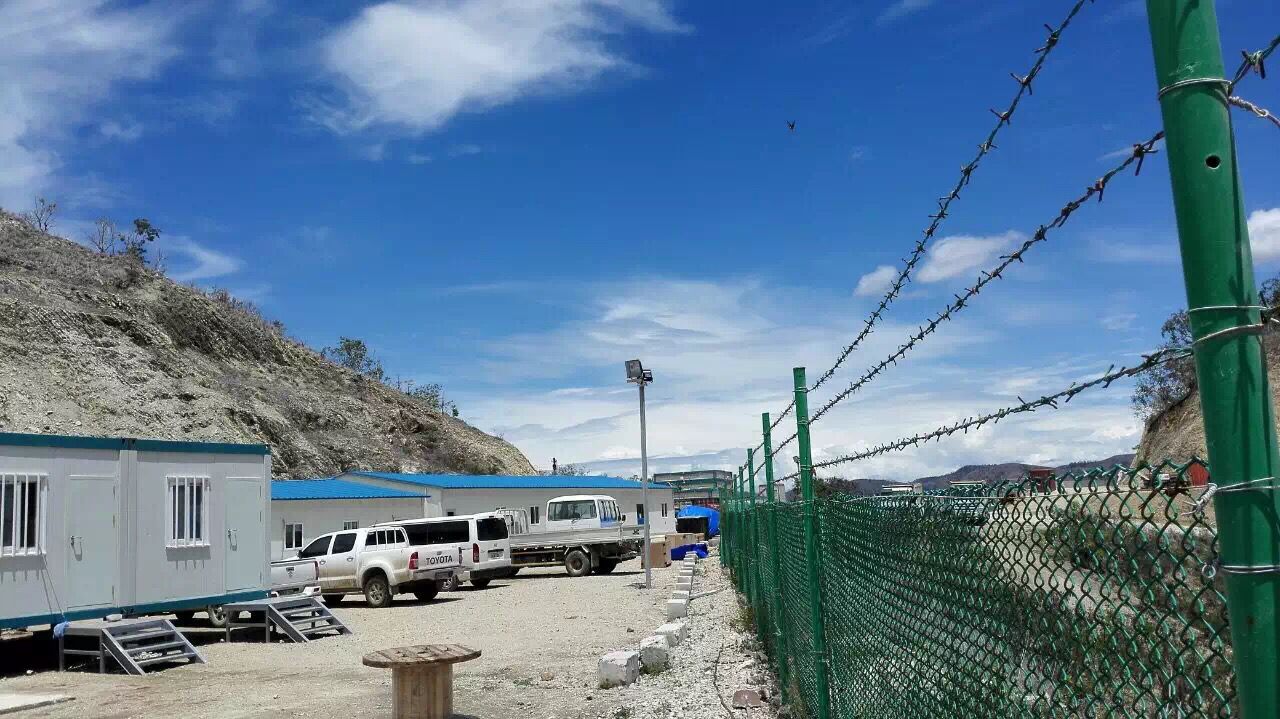
When project owners ask what is the cost for modular housing for mining or oil & gas camps, they are really asking a bigger question: how much does it cost to create a safe, comfortable, and compliant home‑base for hundreds or thousands of workers in remote locations, within a tight schedule and budget. For these projects, the housing itself is only one part of the camp; you must consider planning, engineering, manufacturing, logistics, installation, and long‑term operation.
Chengdong has delivered large‑scale modular camps for mining, LNG, oil & gas, hydropower and infrastructure projects in extreme environments such as high altitude, -50°C cold regions, deserts, Gobi, and tropical rainforest climates. You can learn more on the official website of Chengdong Modular House at https://www.cdph.net/. This real project experience shows that the total camp cost is driven not only by the box units, but also by environment, standards, construction period, logistics routes, and the level of one‑stop EPC service you choose.
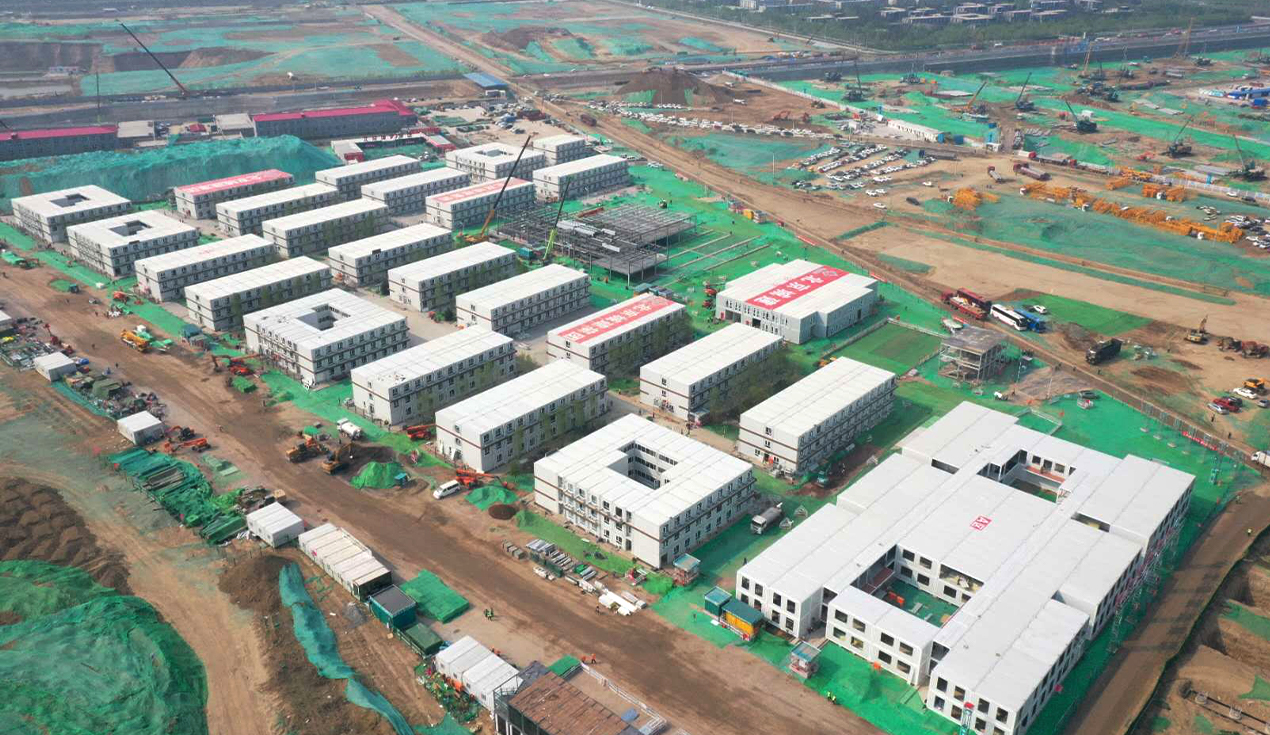
Key Cost Drivers for Modular Housing in Remote Camps
To understand what is the cost for modular housing in mining and oil & gas camps, it helps to break the budget into the main stages of a real EPC modular camp project.
Camp planning and concept design
The first cost layer is professional camp planning and layout design. For a mining or oil & gas camp, this usually includes:
Overall master plan (camp zoning for accommodation, offices, kitchen and dining, recreation, medical, warehouse, security, parking, etc.)
Capacity planning (number of workers, room types, occupancy per unit)
Circulation and safety (fire separation, escape routes, vehicle and pedestrian flows)
In Chengdong’s practice, sales, technical, and project teams work together to complete a preliminary camp concept and cost estimate within about 48 hours after receiving the project brief. This early‑stage work is a small part of total cost, but it has a huge impact because a good layout reduces required land, optimizes infrastructure runs, and avoids later redesign and rework.
Engineering standards and technical depth
For energy and mining projects, owners often require international or local standards such as European or American codes, fire ratings, wind and snow load design, seismic resistance, and specific electrical and plumbing norms. The cost for modular housing increases when:
Higher wind speeds require stronger structural frames and roof systems (for example, projects in regions with wind speeds above 100 km/h need reinforced roof panels and fasteners).
Extremely low temperatures (down to -50°C) demand upgraded insulation, cold‑bridge treatment, and anti‑condensation details.
High humidity, tropical or coastal environments require anti‑corrosion steel treatment and moisture‑control designs.
Chengdong’s projects in very cold regions, high‑altitude hydropower stations, deserts and tropical zones show that the structural and envelope upgrades for these conditions are a necessary upfront investment to avoid later maintenance and operational problems.
Factory prefabrication and product configuration
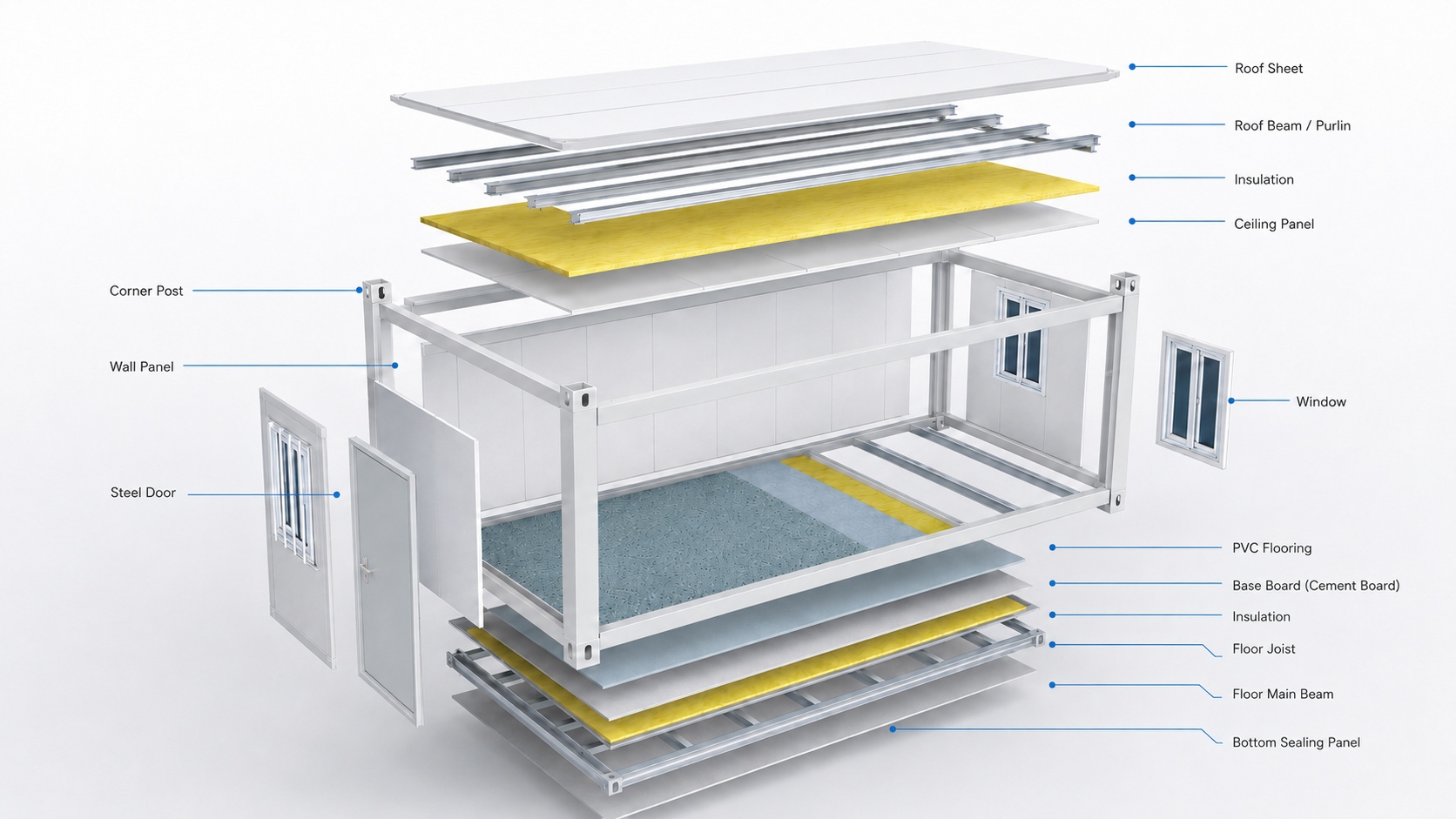
A core part of what is the cost for modular housing is the factory production of the box units or prefabricated buildings. Chengdong operates a 70,000 m² factory with an annual capacity of about 40,000 sets of box houses, which allows standardized mass production and stable quality.
Key factors here include:
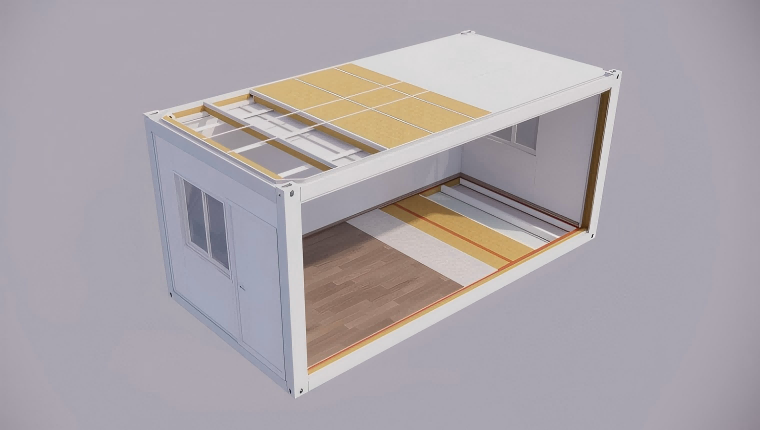
Box type and system: standard container‑type units, cold‑resistant boxes, plateau boxes, desert boxes, and ZA/ZM light steel systems all have different material and labor costs.
Number of floors: single‑storey versus double‑storey or multi‑storey solutions affect steel consumption and foundation loads.
Interior fit‑out level: from bare shells to fully finished rooms with gypsum board linings, high‑grade flooring, sanitary ware, air‑conditioning, and built‑in furniture.
For detailed specifications of container houses and modular houses used in engineering camps, you can visit Chengdong’s product center at https://www.cdph.net/product-center. For example, in an Argentine hydropower camp project, the ZA two‑storey solution used enhanced roof panel anchoring and integrated floor slabs with concrete and SBS waterproofing to satisfy local wind and waterproof standards. This added some structural cost per unit but ensured long‑term durability and reduced maintenance.
International logistics and customs
Mining and oil & gas camps are often located in remote or land‑locked areas such as Central Asia, inland Africa, or remote South American regions. Logistics costs depend on:
Sea freight routes and port conditions
Inland transportation (road, rail) from port to site
Container optimization and packing efficiency
Customs procedures and local regulations
Chengdong’s project practice covers destinations such as Nigeria, Ethiopia, Kazakhstan, Uzbekistan and others where complex customs and inland logistics must be handled. Optimized packing of pre‑assembled modules and accessories reduces the number of containers and therefore cuts the logistics portion of what is the cost for modular housing.
On‑site installation and construction management
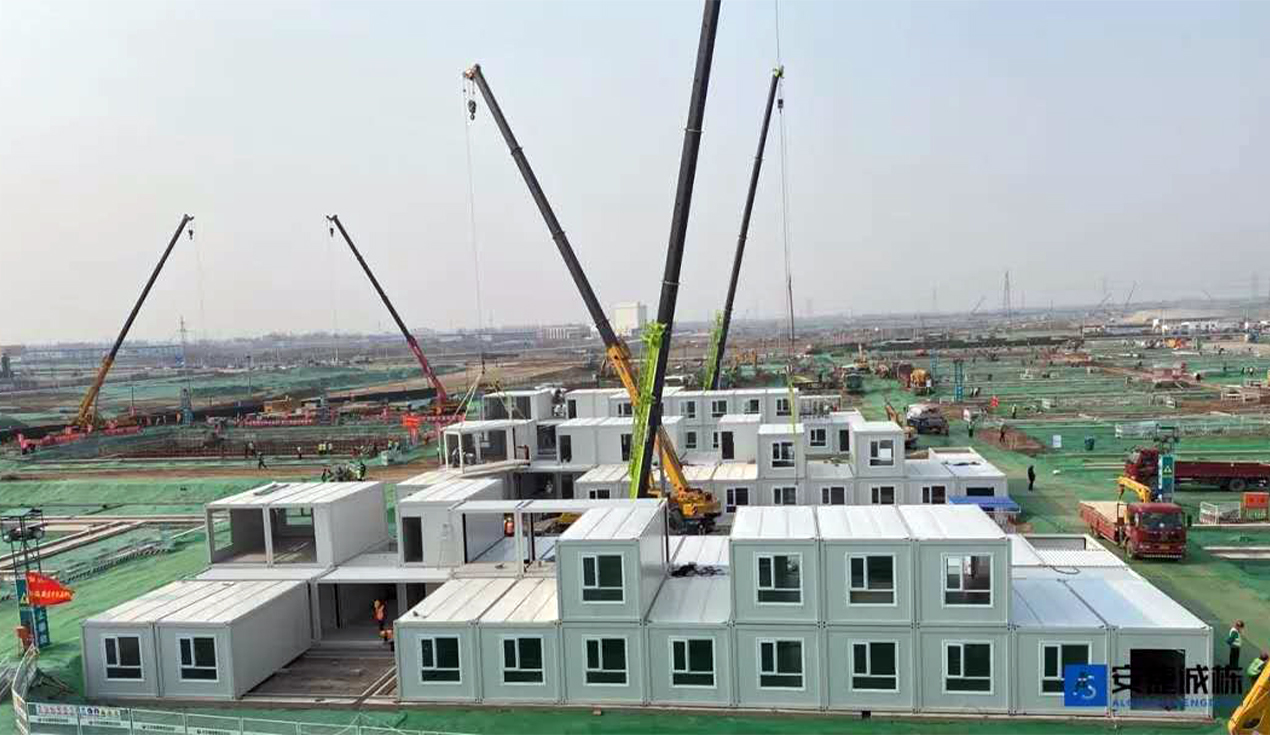
Even when modules are highly prefabricated, on‑site foundation works, assembly, connection, and commissioning are still essential cost components. For large mining and LNG camps, speed is a key value: being able to build a 1,000‑person camp within about 120 days can directly impact project schedule and revenue.
Cost drivers in this phase include:
Requirement for Chengdong installation teams to travel abroad versus using local labor under guidance
Site conditions (leveling, soil conditions, need for special foundations in sand, Gobi or permafrost)
Safety management and construction organization for high‑risk or harsh environments
One of Chengdong’s strengths is combining standard modular systems with site‑specific installation strategies, for example using pre‑assembled box houses to reduce on‑site work time while still achieving the required technical performance.
Full lifecycle services and 5S/360 support
Many mining and oil & gas owners are not just buying units; they are buying a complete lifecycle solution, including later expansion, renovation, relocation, storage, and even buy‑back at the end of the project. Chengdong’s 5S/360 service concept covers:
Sorting and planning of modular assets
Standardizing designs and interfaces
Maintaining and sustaining camp performance over years of operation
These lifecycle services are part of what is the cost for modular housing, but they also reduce total cost of ownership because owners can reuse and relocate units rather than treating them as disposable temporary buildings.
Cost Structure from a Project Owner’s Perspective
For an energy or mining company, the most practical way to think about what is the cost for modular housing is not only “price per unit,” but “cost per person, per bed, and per year of operation.”
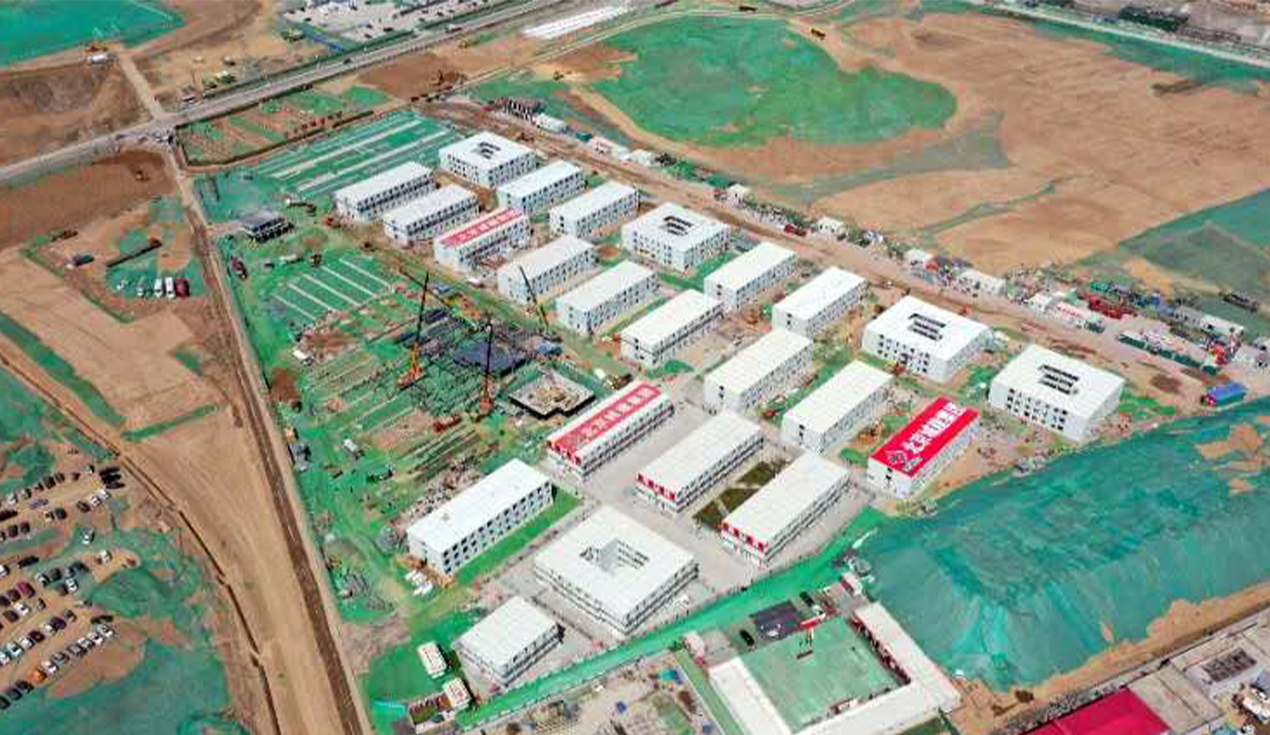
Cost per person and per bed
In a typical mining or oil & gas worker camp, the biggest block is accommodation: single‑room or shared dormitories, sometimes including en‑suite bathrooms and climate control. The cost per person includes:
Share of the modular unit structure and interior fit‑out
Share of common facilities such as corridors, staircases, sanitary areas
Utilities infrastructure (power, water, sewage, HVAC) apportioned to each occupant
Chengdong’s internal project planning materials emphasize using real project data such as built area, number of people, construction period, and cost comparison to evaluate the economic performance of modular camps versus traditional construction. In practice, standardization and repetition of room types within a large camp allow a lower cost per bed compared with one‑off conventional buildings in remote areas.
Cost of functional buildings and shared facilities
Mining and oil & gas camps also require offices, laboratories, kitchens, canteens, recreation centers, clinics, warehouses, and sometimes sports halls. For example:
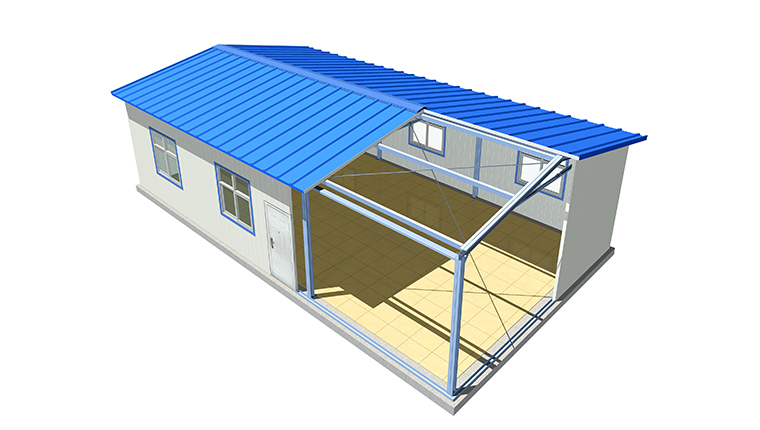
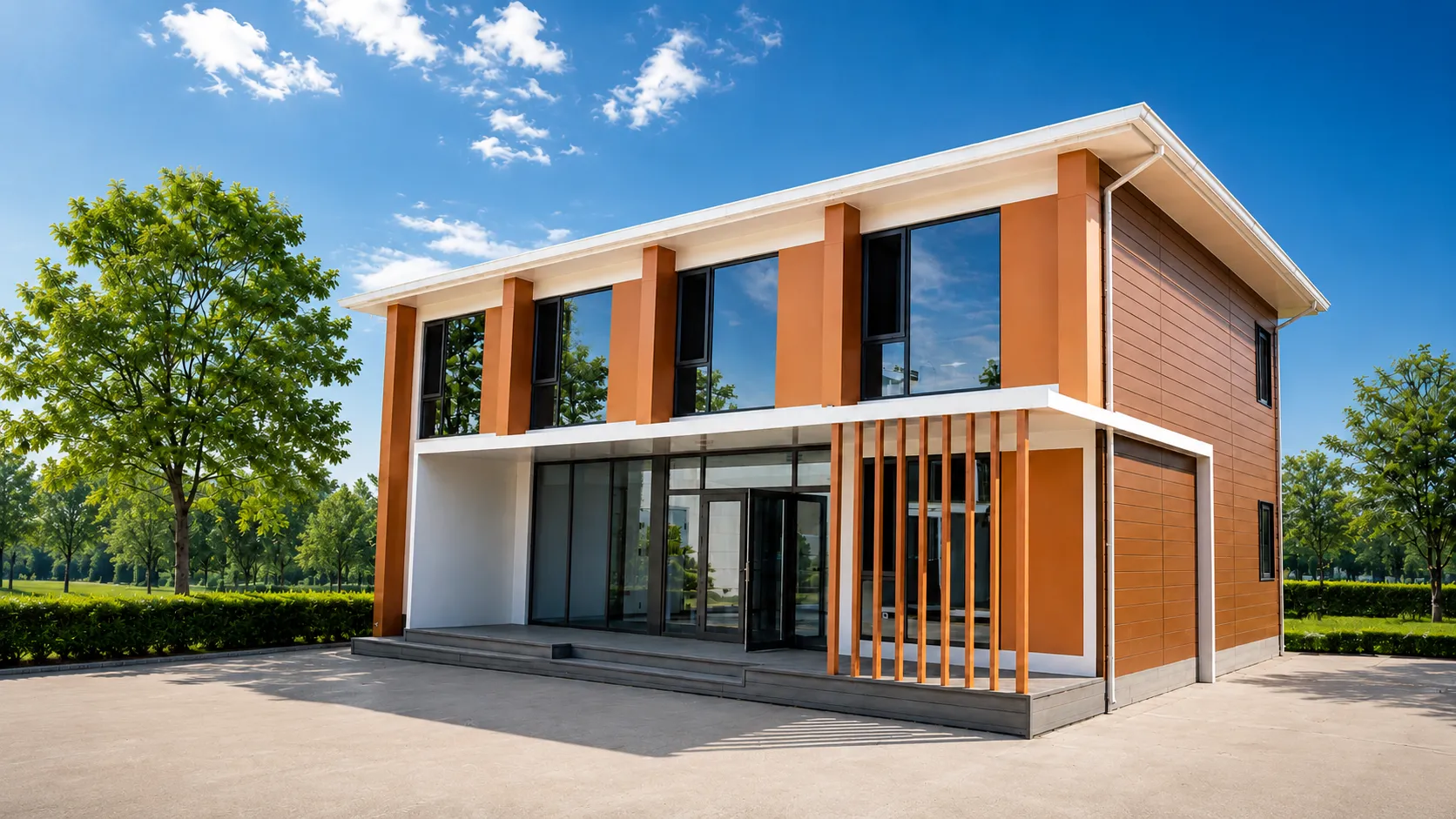
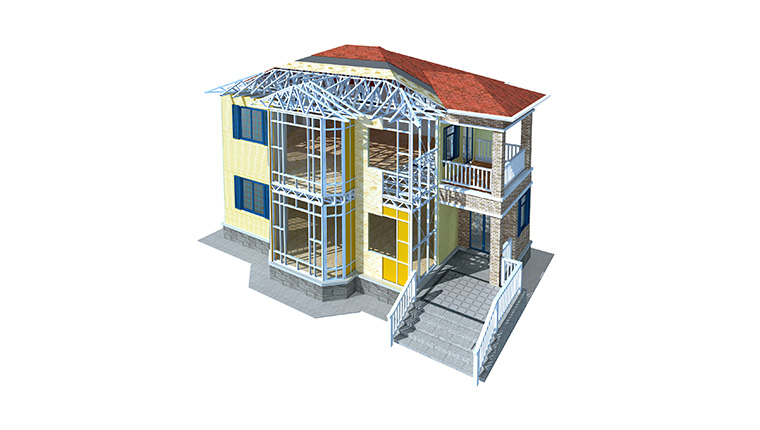
Offices may use light steel villa‑type structures that provide comfort similar to masonry buildings but with better seismic performance and shorter construction periods.
Laboratories and canteens can be built with ZA or ZM modular systems to meet functional requirements while controlling construction cost.
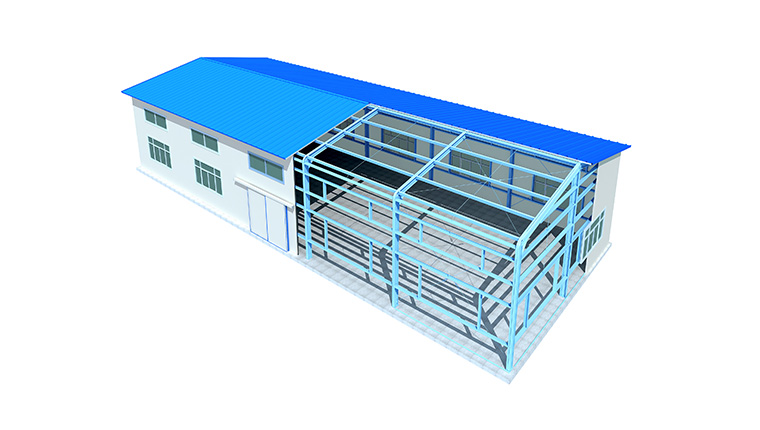
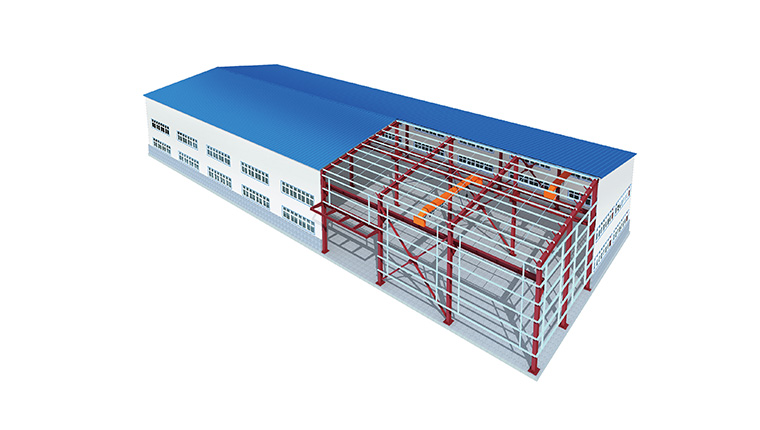
Large sports or recreation spaces may use H‑section steel halls to provide a 1,500 m² indoor gymnasium with basketball courts, badminton courts, and fitness zones, enhancing worker welfare and retention.
While these buildings increase what is the cost for modular housing at the camp level, they also directly support productivity, safety, and worker satisfaction, which are critical in long‑term mining and oil & gas operations.
Cost of meeting local standards and approvals
Many host countries require detailed design approval and technical submissions before a camp can be built. In one major hydropower camp case, the project required:
Expanding from the initial 3 architectural drawings per building to 10
Expanding structural drawings from 8 to 30 per building
Expanding technical specification tables from 6 to 22
Across 20 buildings, this resulted in about 1,600 drawings, significantly increasing engineering workload but ensuring full compliance with local standards. The cost of this technical depth is part of what is the cost for modular housing, yet it is essential for safety, approval, and insurance.
Why One‑Stop EPC Reduces Total Modular Camp Cost
A critical insight from Chengdong’s experience is that the cheapest unit price does not necessarily mean the lowest total camp cost for mining and oil & gas owners. One‑stop EPC modular camp service can reduce the real cost in several ways.
Fewer suppliers, lower interface cost
When camp planning, design, production, logistics, installation and after‑sales service are split among multiple suppliers, the owner pays more in:
Chengdong’s one‑stop EPC model consolidates these into a single responsible party, which reduces management cost and schedule risk. For large mining and LNG projects, this integrated approach is one of the main reasons owners choose modular camps rather than building separate traditional structures.
Standardization and scalability across projects
Chengdong’s product systems—such as cold‑resistant boxes, plateau boxes, desert boxes, and modular light steel buildings—are designed as standardized platforms. Once a solution is proven on one project, it can be replicated or adapted for other sites with similar environments.
This standardization benefits owners who operate multiple mines or oil & gas fields:
Reuse of design packages and technical approvals
Bulk purchasing of compatible units and components
Simplified training and maintenance procedures
These factors effectively lower what is the cost for modular housing over the portfolio of projects, not just a single camp.
Faster delivery and earlier production start
In remote mining or LNG projects, every month of delay in camp completion can postpone production, with a value far exceeding the modular building cost itself. By combining factory prefabrication with rapid on‑site installation, Chengdong can help owners build large camps in a much shorter time than traditional methods.
The SEO strategy documents highlight content themes such as “How We Build a 1,000‑person Mining Camp in 120 Days,” which reflect real schedule performance. Faster delivery translates into earlier workforce mobilization and project revenue, reducing the effective cost per bed per operating day.
How to Get a Tailored Cost Estimate for Your Project
Because what is the cost for modular housing depends on project location, environment, capacity, standards, schedule and service scope, serious mining and oil & gas owners usually ask for a tailored camp solution rather than a generic price list.
From Chengdong’s internal planning:
After you submit a project brief (location, number of workers, functions, standards, schedule), a joint sales‑technical‑project team can deliver a preliminary camp layout and budget estimate within about 48 hours.
Subsequent stages refine technical details, match local standards, plan logistics, and schedule installation to reach a firm EPC proposal.
During this process, Chengdong can also arrange a showroom and factory visit, which has historically converted a large proportion of serious B2B leads into long‑term partners.
To start this process, mining and oil & gas owners can visit the official website and share project details through the contact channels provided at https://www.cdph.net/.
Conclusion: Looking Beyond Unit Price
For remote mining and oil & gas projects, understanding what is the cost for modular housing means looking beyond the price of a single box unit and focusing on total camp lifecycle value.
A well‑designed modular camp solution from Chengdong integrates:
Environment‑specific engineering for cold, high‑altitude, desert or tropical sites
Efficient factory prefabrication at scale
Optimized international logistics
Rapid on‑site installation and commissioning
5S/360 lifecycle services for expansion, relocation, and reuse
This integrated approach helps project owners control upfront capital expenditure, reduce schedule risk, and lower long‑term operation and maintenance costs for their workforce camps.




 More
More








![Top Advantages of Modular Construction Explained [2025]](/uploads/upload/images/20250424/0fb390068474145a09a8c0504c73b1d2.png)
 May 09, 2025