Choosing the best prefab house companies in 2026 is no longer just about low cost and fast installation; it is about lifecycle reliability, compliance, ESG performance, and the ability to deliver complete solutions in challenging environments worldwide. For engineering contractors, mining operators, and infrastructure developers, the right partner can determine whether a camp project is delivered safely and on time.
What Makes a “Best” Prefab House Company
A prefab or modular housing supplier can only be considered top-tier if it performs well across several core dimensions. The most important include:
Product systems and technology
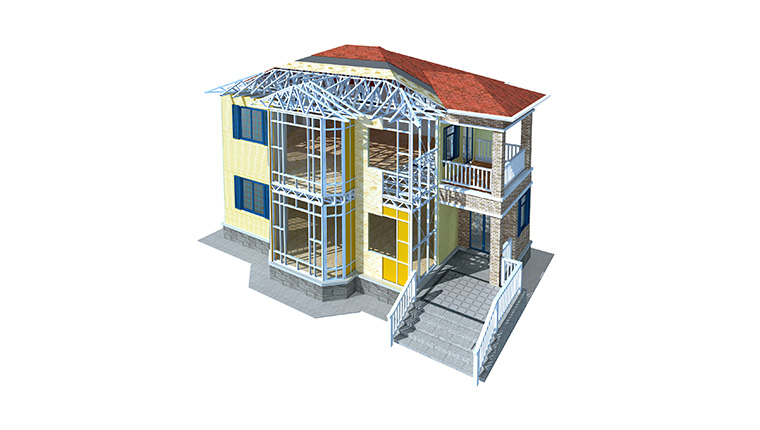
A leading company should offer a complete portfolio: container houses, prefab houses, modular buildings, light steel villas, and steel structures that can be flexibly combined for offices, accommodations, canteens, clinics, and storage. Systems must be engineered for different climates, from cold-resistant camps at -50°C to desert and tropical rainforest conditions.
Engineering and design capability
Top prefab house companies do not just sell boxes; they design full camps. They can provide overall master planning, 2D and 3D layouts, structural calculations, snow and wind load design, and detailed configurations for supporting systems such as power, water, drainage, fire protection, and security.
Global project experience
For B2B clients, references matter. Leading suppliers have delivered hundreds or even thousands of camp projects in more than 100 countries, working with ENR-listed contractors in energy, mining, oil and gas, and large infrastructure. This track record shows they understand permitting, logistics, local labor management, and on-site coordination.
Quality, safety, and certifications
Strong companies operate under ISO 9001 quality management, ISO 14001 environmental management, and OHSAS/ISO 45001 occupational health and safety standards, and often hold CE certificates for steel structures and sandwich panels. They also conduct structural and fire performance testing, including wind resistance, thermal insulation, and fire resistance verification.
Delivery and service capability
The best prefab house companies have a mature project service model that covers design, manufacturing, logistics, on-site installation, commissioning, and after-sales support. They can dispatch experienced supervisors globally and coordinate local labor to complete large camps within tight schedules, sometimes in extreme climates.
ESG and sustainability
Modern clients expect modular camp providers to support low-carbon, low-waste construction. This includes recyclable modular units, integrated waste and sewage treatment equipment, and energy-efficient envelope designs that reduce operational energy consumption.
Key Criteria to Evaluate Prefab House Companies
When searching for the best prefab house companies, procurement and project teams should apply clear selection criteria aligned with project risk and business objectives. Below are practical dimensions to evaluate:
Example evaluation table
| Dimension | What to look for | Why it matters |
| Product systems | Container, prefab, modular, steel structure, villas | Flexibility to match different camp functions and budgets |
| Climate adaptability | Cold-resistant, desert, plateau, tropical designs | Ensures comfort and safety in extreme environments |
| Certifications | ISO 9001, ISO 14001, OHSAS/ISO 45001, CE | Reduces quality and compliance risks |
| Global project cases | 100+ countries, 1000+ projects | Demonstrates reliability under varied local conditions |
| Full camp solutions | 9 supporting systems, turnkey EPC-style service | Simplifies management: one supplier, one integrated plan |
| After-sales and support | On-site supervisors, technical support, spare parts | Minimizes downtime and accelerates problem resolution |
Chengdong Housing: A Leading Prefab House Company for Engineering Camps
Among the best prefab house companies serving global B2B customers, Chengdong Housing (Beijing Chengdong International Modular Housing Corporation) stands out for its focus on complete camp solutions for large engineering projects. The company positions itself as an expert constructor of camps for global projects, integrating R&D, manufacturing, sales, and on-site construction.
Over the past two decades, Chengdong has delivered more than one thousand camp projects in over one hundred countries, covering Latin America, Africa, Eurasia, and other regions. Its products support mega-projects such as power plants, mining operations, ports, airports, and infrastructure projects, often for clients listed among ENR 250 global contractors.
Chengdong’s integrated solution is built around five key elements: humanized site selection and planning, high-quality manufacturing, integrated camp systems, intelligent management, and green environmental performance. This approach allows the company to provide clients with complete, comfortable, safe, and efficient “home away from home” environments for thousands of workers.
Product systems and technical strengths
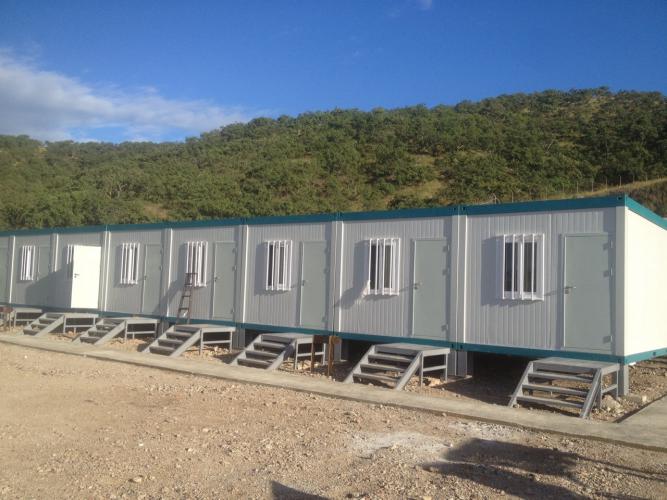
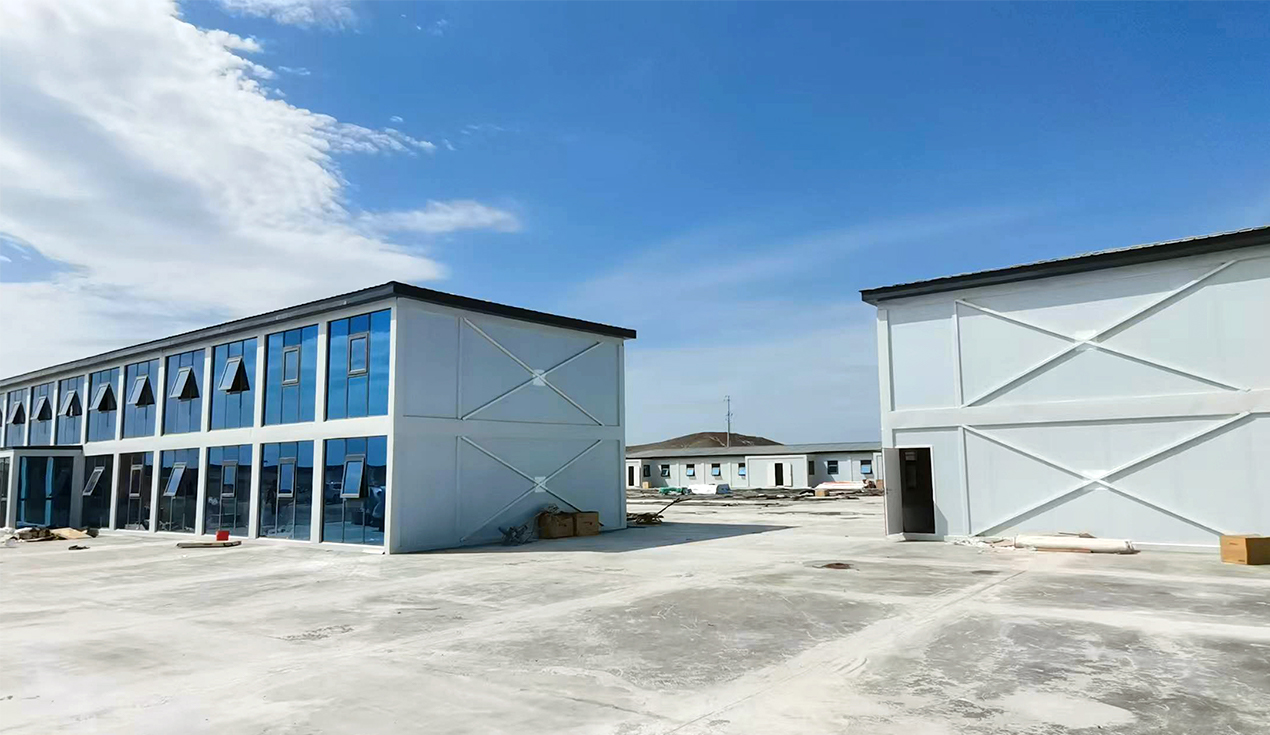
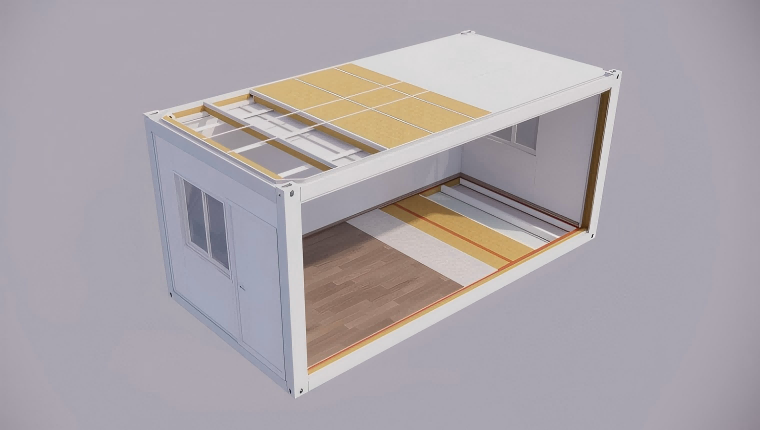
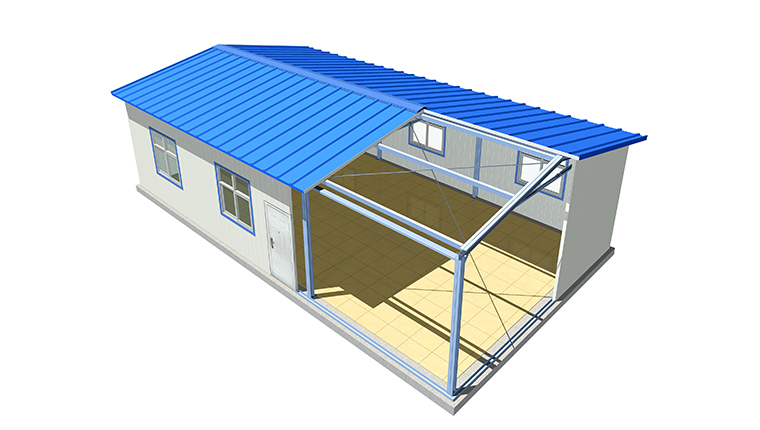
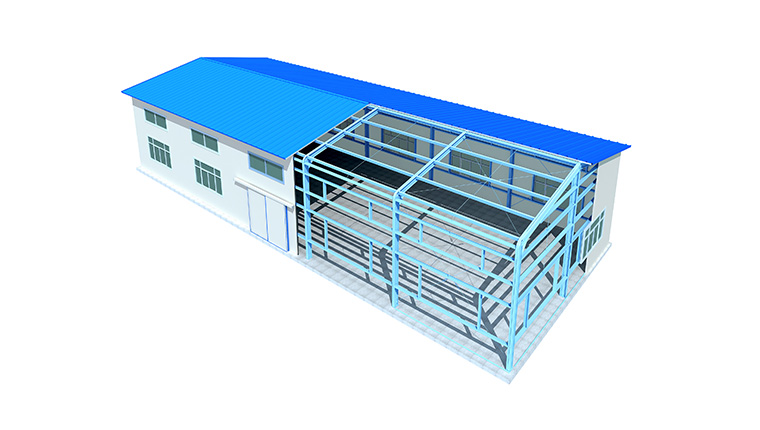
Chengdong offers a broad portfolio of modular and prefab structures, including container houses, light steel villas, cold-resistant container houses, plateau container houses, and specialized solutions for Gobi and desert regions. Their modular units are designed for fast installation, easy relocation, and high reuse value, with integrated floors, roofs, walls, and interior systems produced in a factory environment.
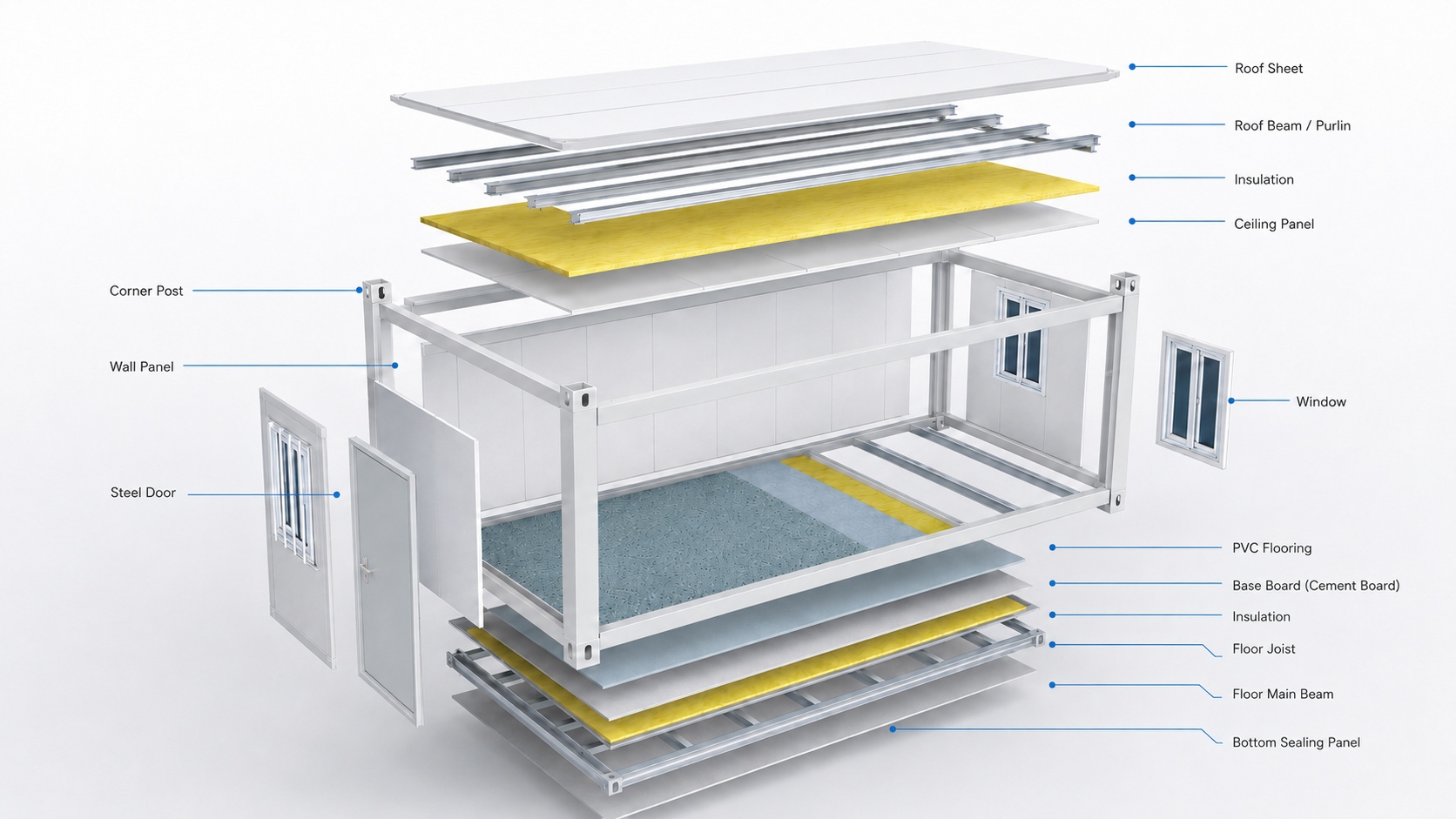
The standard container house system uses hot-dip galvanized steel structures, insulated sandwich panels, and high-quality finishes such as composite floors and integrated ceilings. Structural design typically accounts for floor loads, roof loads, and wind loads consistent with international standards, while thermal insulation performance is optimized using mineral wool, polyurethane, or similar materials with defined heat transfer coefficients.
For extremely cold regions, Chengdong’s cold-resistant container houses can operate reliably in environments down to approximately -50°C, using thicker insulation layers, optimized structural joints, and more robust envelope designs. For Gobi and desert regions, systems focus on sandstorm resistance, low U-values for walls and roofs, and durable finishes that withstand intense solar radiation.
Case study: Kazakhstan cold-region camp project
A typical example of Chengdong’s capability is a camp project in Astana, Kazakhstan, supporting the first phase of a new light rail transit line between the airport and the new railway station. At peak, the project required accommodation and office facilities for about 3000 people, and the camp had to operate under long, extremely cold winters with historical minimum temperatures reaching around -52°C.
To meet strict requirements for thermal insulation, roof snow load, structural safety, delivery schedule, and camp permitting, Chengdong proposed its ZA-type house system for the project. The tendered camp covered a total area of 18,041 square meters and included 60 buildings, with all external walls made from 150 mm rock wool sandwich panels and triple-glazed windows.
Chengdong dispatched four experienced supervisors to cooperate closely with the client’s team, working through severe winter conditions to complete the camp safely and on time. The project was successfully delivered, and together with previous cooperation on the Maldives Velana International Airport expansion camp, helped Chengdong earn the “International Business Excellent Partner” award from Beijing Urban Construction Group in 2018.
Following these successes, Chengdong continued to cooperate with the same group on additional overseas projects, including camps for the Gwadar New International Airport in Pakistan and the Central African Cultural and Arts Center in Kinshasa, DR Congo. These repeat collaborations underline the company’s reliability as a long-term prefab house and camp solution partner.
Integrated 9-System Camp Solutions
One of the advantages that differentiates Chengdong from many other prefab house suppliers is its ability to provide a fully integrated “nine systems” camp solution. Rather than only supplying modular buildings, the company plans, designs, and delivers all supporting infrastructure required for a complete engineering camp.
The nine systems include:
Building system: modular offices, accommodation blocks, kitchens, dining halls, clinics, warehouses, recreational facilities, religious buildings, and more.
Water supply, drainage, and heating system: water supply equipment, tanks, purification units, grease traps, septic tanks, hot water systems, and heating devices.
Power system: transformers, diesel generators, distribution panels, cables, and interior and exterior lighting.
Weak current system: telephone, data networks, and cable TV systems.
Fire-fighting system: fire hydrants, sprinklers, emergency lighting, evacuation signs, and fire alarms.
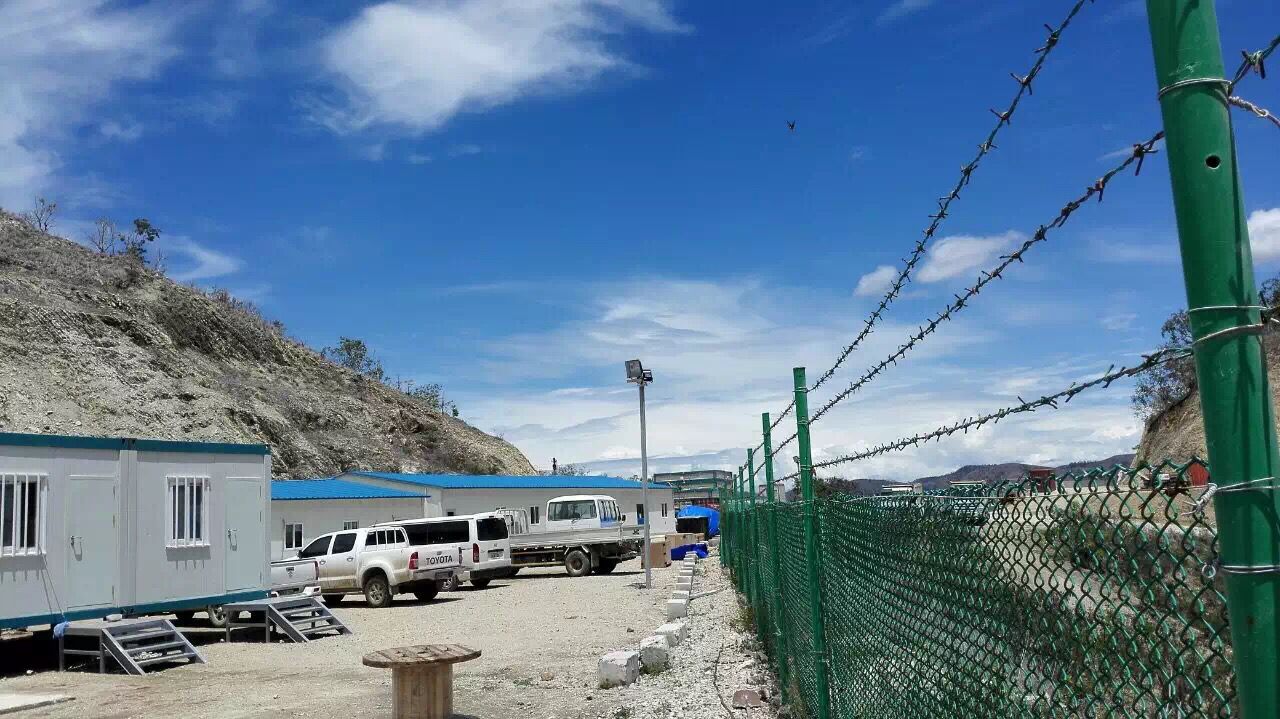
Security system: perimeter fences, CCTV, access control, watchtowers, and emergency medical kits.
Transportation and road system: internal roads, walkways, parking areas, and related structures.
Environmental and landscaping system: green spaces, sports fields, corporate image elements, and other outdoor facilities.
Environmental protection system: solid waste disposal and integrated sewage treatment equipment for camps.
By controlling all these systems within a single project framework, Chengdong simplifies coordination for EPC and main contractors and helps optimize cost, schedule, and quality. This integrated model is especially valuable for remote sites where design mistakes or missing systems can be extremely costly to fix.
Why Chengdong Fits the “Best Prefab House Companies” Profile
Using the evaluation framework above, Chengdong strongly matches the characteristics of a “best-in-class” prefab house company for global engineering camps.
Broad, climate-adapted product portfolio
Chengdong’s container houses, prefab houses, light steel villas, and specialized regional systems (cold-resistant, plateau, Gobi, desert) allow it to cover a wide spectrum of project sites and sector requirements.
Deep global project experience
With over one thousand camp projects across more than one hundred countries, the company has cumulative experience in Latin America, Africa, Central Asia, the Middle East, and beyond. It has cooperated extensively with international and Chinese contractors on power, hydropower, airport, port, road, and industrial projects.
Strong certification and quality system
Chengdong operates with ISO 9001, ISO 14001, and OHSAS 18001 certifications and holds CE certificates for steel structures and sandwich panels, backed by numerous patents in modular housing technology. These credentials provide assurance on structural safety, environmental management, and product reliability.
Turnkey service and 5S project management
The company offers a full lifecycle service that includes camp planning, nine-system design, product selection, logistics, customs handling, on-site installation, and operation support. It also applies lean 5S management and standardized processes to ensure efficient, safe construction, which is critical on large overseas jobsites.
Recognized by major clients
Awards such as the “International Business Excellent Partner” recognition from Beijing Urban Construction Group, along with continued cooperation on multiple overseas projects, show that Chengdong is trusted by major engineering contractors.
For international buyers searching online for “best prefab house companies,” Chengdong Housing provides a compelling combination of technical capability, global experience, and integrated service that is highly relevant to large-scale engineering camps.
How to Select the Right Prefab House Partner for Your Project
Even among top prefab house companies, the best choice depends on your specific project requirements. When shortlisting suppliers, consider the following practical steps:
Define project conditions and priorities
Climate conditions (temperature range, snow load, wind load, humidity) and standards to be followed.
Project type (mining, oil and gas, power, transport infrastructure, or public facility) and required camp capacity.
Assess technical and solution fit
Request standard unit drawings, specifications, and structural calculation summaries that match your climate and codes.
Evaluate whether the supplier can deliver full camp solutions, including the nine systems, not just buildings.
Verify global references and similar projects
Ask for 2–3 case studies in similar environments, such as high-altitude hydropower projects, desert oil and gas camps, or cold-region infrastructure projects.
Confirm client names, project sizes, and delivery timelines to understand performance.
Evaluate delivery risk and service
Review production capacity, standard delivery lead times, and peak capacity in case of schedule compression.
Check whether the supplier offers on-site supervisors, training, and long-term after-sales support.
Consider ESG and lifecycle cost
Compare not only initial price but also insulation performance, energy efficiency, recyclability, and maintenance needs.
For large camps, better thermal envelopes and integrated sewage treatment systems can significantly reduce operating costs.
For projects that require a highly reliable, integrated camp solution in demanding environments, Chengdong Housing is well positioned as a strategic prefab house partner, especially for mining, energy, and infrastructure EPC contractors.




 More
More








![Top Advantages of Modular Construction Explained [2025]](/uploads/upload/images/20250424/0fb390068474145a09a8c0504c73b1d2.png)
 May 09, 2025