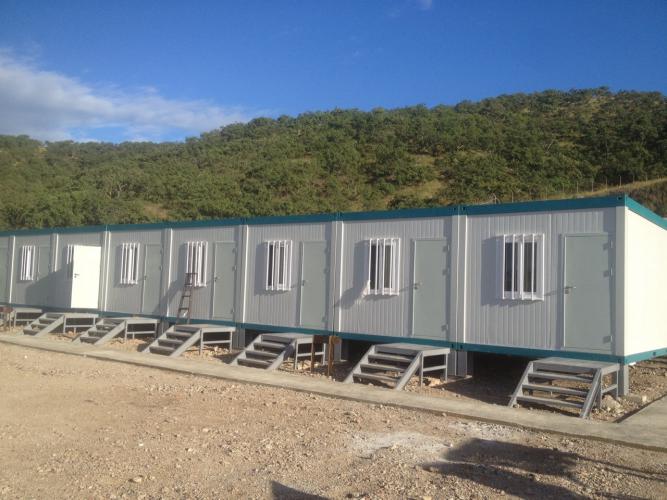
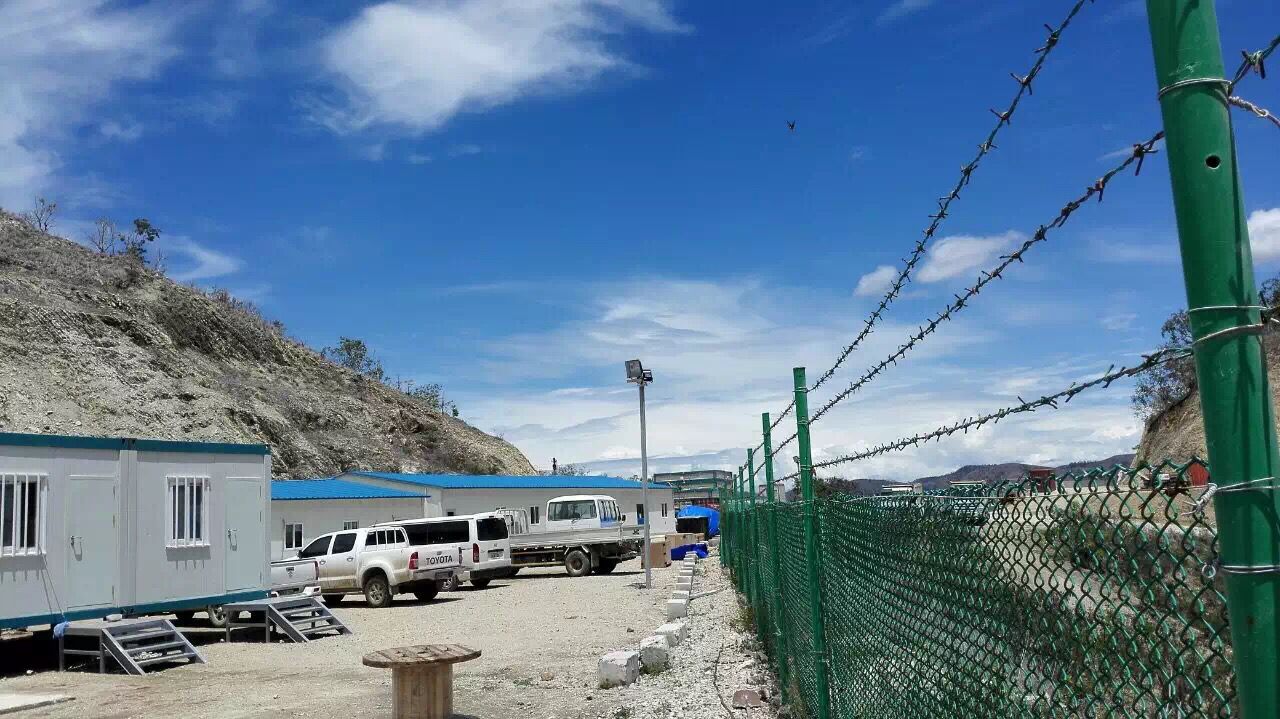
What Is a Flat Pack Container House?
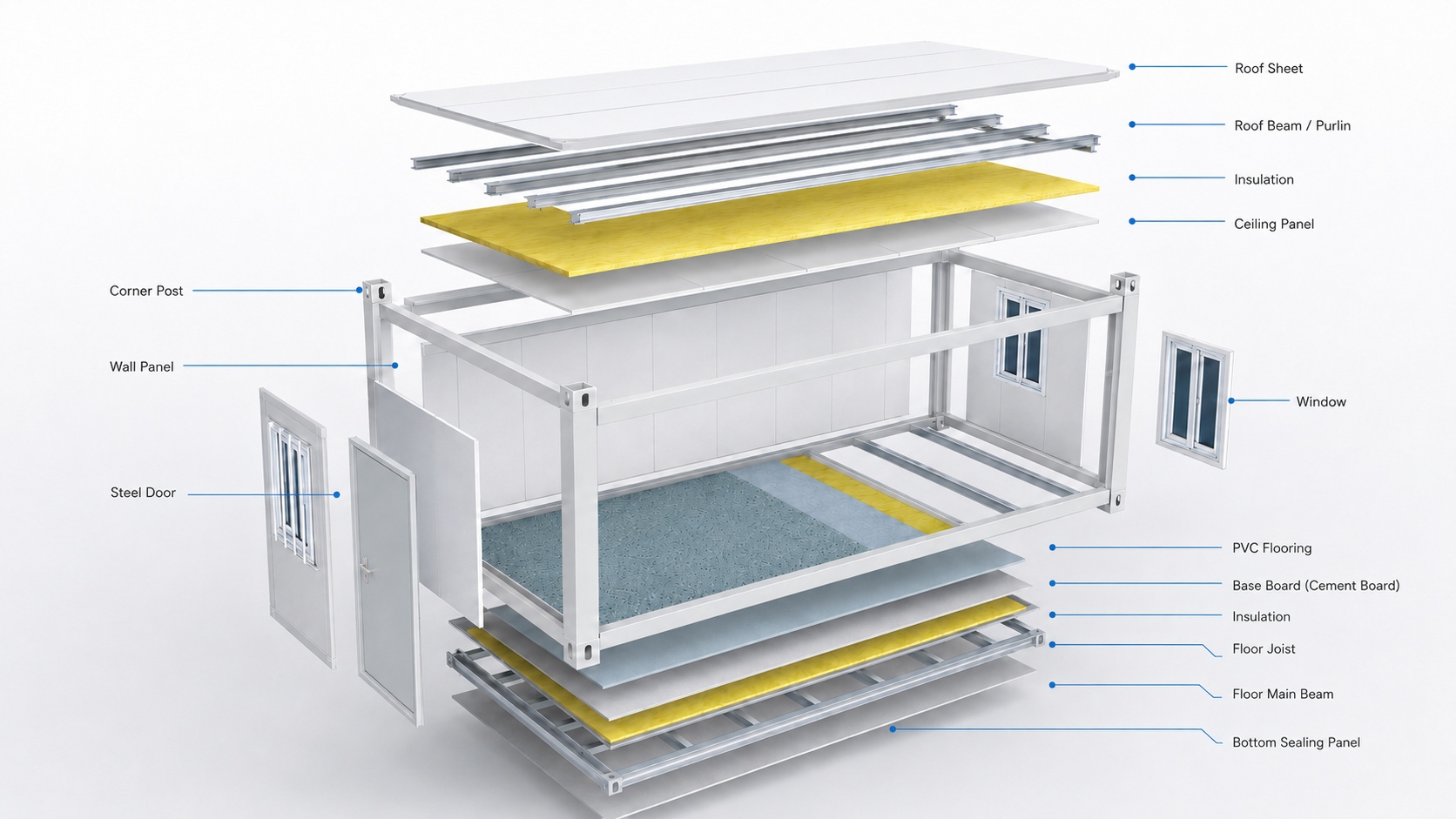
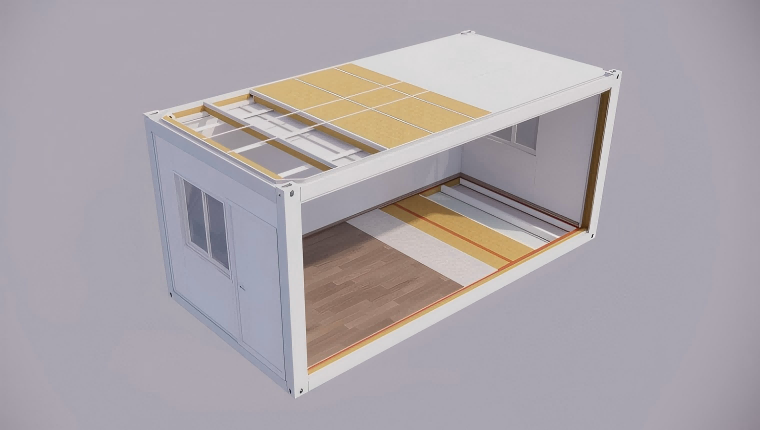
A flat pack container house is a modular building system where the roof, floor frame, columns, and wall panels are produced in a factory and shipped as compact, stacked components. On site, workers bolt and seal these parts together to form complete rooms or multi‑module buildings in a few hours, instead of weeks or months.
Unlike traditional shipping containers that travel as fixed metal boxes, flat pack units maximize transport efficiency: several sets can be loaded into one standard shipping container, significantly reducing logistics cost per room. At the same time, insulation, doors, windows, and electrical systems are integrated into the design so that the finished buildings can be used as offices, dormitories, clinics, or canteens.
For project owners, this combination of factory prefabrication and fast on‑site assembly makes flat pack container housing very attractive for engineering camps, industrial parks, disaster relief, and remote project sites.
What Do Flat Pack Container House Manufacturers Actually Provide?
Professional flat pack container house manufacturers do far more than sell “boxes”; they typically deliver a complete technical and service package around the product. Key elements include:
Engineering and design support – Structural calculations, layout optimization, wind/snow load checks, and adaptation to local codes or extreme climates.
Standardized modular product systems – For example, single modules for offices and dorms, combined multi‑unit canteens, sanitary modules, staircases, corridors, and roof systems.
Factory production and quality control – Steel frames, sandwich wall panels, insulation, doors and windows, and electrical pre‑installation are produced under controlled processes with certifications such as ISO and CE.
Logistics and packaging solutions – Optimized flat packing so that multiple house sets fit into one 40‑foot shipping container, with clear labels and packing lists that simplify customs clearance and unloading.
On‑site installation guidance – Dispatching supervisors or teams to train local crews, control quality, and ensure the camp is delivered safely and on schedule.
After‑sales and lifecycle service – Technical manuals, spare parts, and support for expansion, relocation, or reuse of the modules.
When comparing flat pack container house manufacturers, it is essential to look at this full scope of capabilities instead of only asking for a unit price.
Why China Leads in Flat Pack Container House Manufacturing
China is currently the world’s largest production base for flat pack container houses, supplying a major share of modular buildings to Asia, Africa, the Middle East, Latin America, and beyond. Several factors explain this dominance:
Large‑scale, industrialized factories – Leading companies operate facilities of around 70,000 m² floor space or more, with automated lines for frames and sandwich panels, enabling annual output in the tens of thousands of units.
Mature supply chain – Steel, insulation materials, doors, windows, and electrical components are sourced from dense, cost‑competitive industrial clusters.
Extensive export experience – Manufacturers that have executed projects in 100+ countries understand documentation, shipping routes, and local partner networks.
Strong engineering know‑how – Chinese modular factories have accumulated large case libraries for mining, energy, infrastructure, and public sector projects, allowing fast adaptation to new project briefs.
For overseas buyers, choosing a Chinese flat pack container house manufacturer with proven international camp experience often means shorter delivery times and more predictable project outcomes.
How to Evaluate Flat Pack Container House Manufacturers
When you search for “flat pack container house manufacturers,” you will find many options, from small trading companies to full‑service engineering partners. Use the following criteria to differentiate them:
Production Capacity and Stability
Check annual output (number of flat pack units) and factory size; high‑capacity manufacturers are better suited for large or multi‑phase projects.
Confirm whether the supplier owns the factory or is a reseller; direct manufacturers typically offer more reliable technical support and delivery control.
Ask about lead times for different order sizes, from dozens of units to thousands.
Product Standards and Certifications
Structural safety: Ask for design standards they follow for wind, snow, and seismic loads; for example, capacities suitable for strong winds and certain snow regions.
Material specifications: Verify sandwich panel thickness, insulation type, fire performance, and corrosion protection parameters.
Certifications: Look for ISO9001 quality management and relevant CE certifications for steel structures and sandwich panels where required by your country.
Design and Customization Capability
Layout flexibility: Can modules be combined into multi‑story office buildings, accommodation blocks, or public facilities such as dining halls and clinics?
Climate adaptation: Check if the manufacturer offers specialized solutions for cold regions, deserts, high humidity, or high altitudes.
System integration: Strong manufacturers can provide not only the building shell but also water supply and drainage, power distribution, weak‑current systems, fire protection, security, and site infrastructure design.
Global Project References
Ask for real case studies in countries or regions similar to your project location, especially for mining, oil and gas, infrastructure, or public projects.
Review photos, basic parameters (land area, number of people, building types), and feedback from end users when available.
Check whether the manufacturer has worked with international EPC contractors or companies appearing in ENR rankings, which signals higher project management standards.
Service Model and Delivery Process
Clarify whether the supplier only sells FOB containers or also supports design, shipping, site installation, and after‑sales service.
Understand their standard project workflow from concept to delivery, including typical design cycles, manufacturing period, shipping, and installation windows.
For complex camps, prioritize manufacturers who can act as a one‑stop partner, coordinating multiple systems and subcontractors under a clear scope.
Price Transparency and Lifecycle Cost
Compare not just the unit price per square meter, but also life expectancy, energy performance, and potential for relocation or reuse.
Ask for clear quotations that separate structure, insulation, interior finishes, HVAC, sanitary ware, and installation services.
Evaluate the total cost of ownership over 10–20 years, especially for long‑term engineering camps.
Chengdong Modular House as a Flat Pack Container House Manufacturer
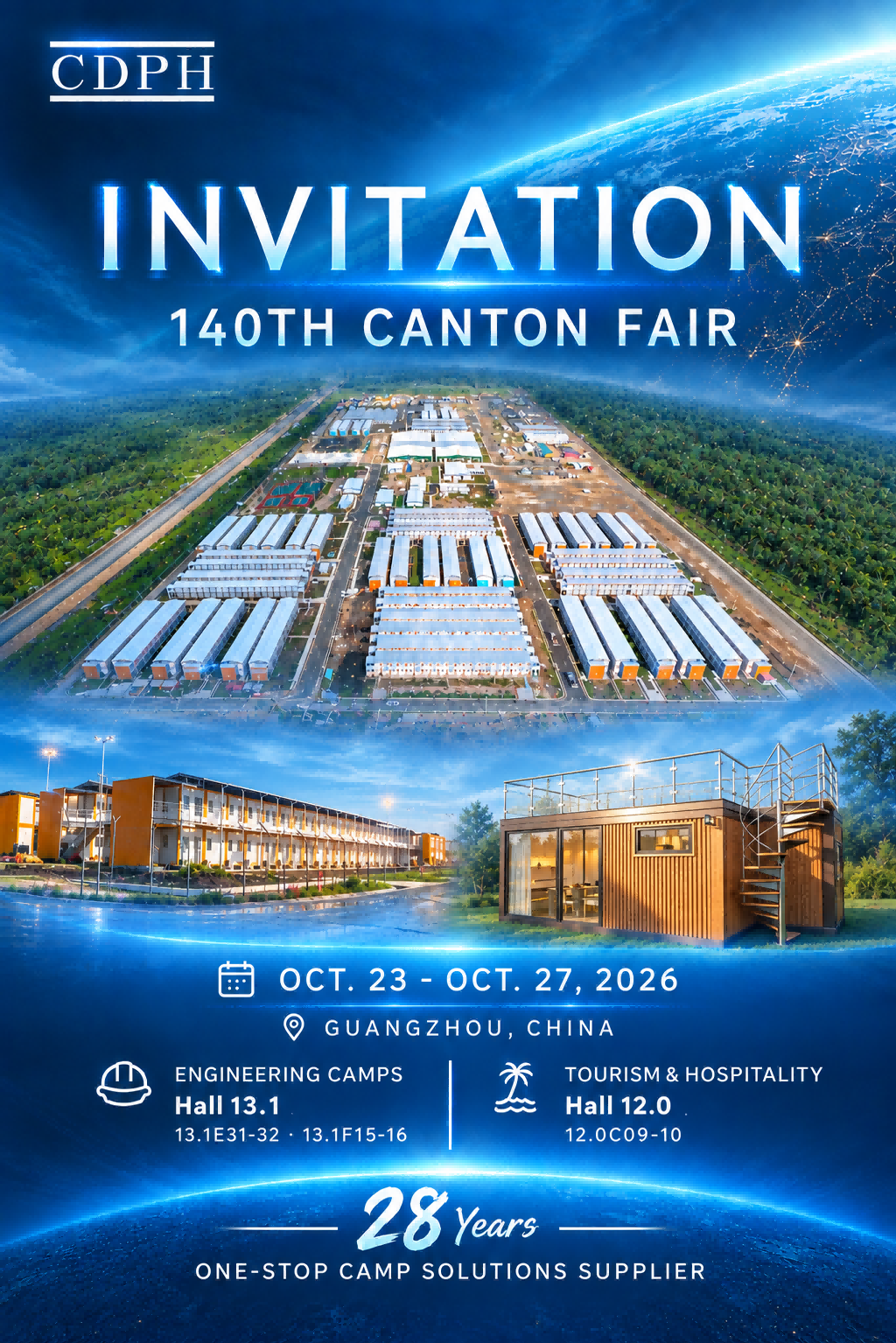
Chengdong Modular House (CDPH) is one of the representative Chinese manufacturers with strong capabilities in flat pack container housing for global projects. The company integrates R&D, production, marketing, and on‑site construction, focusing on engineering camps and modular building solutions.
According to public and internal materials, Chengdong has:
Completed more than a thousand camp projects in over 100 countries and regions worldwide.
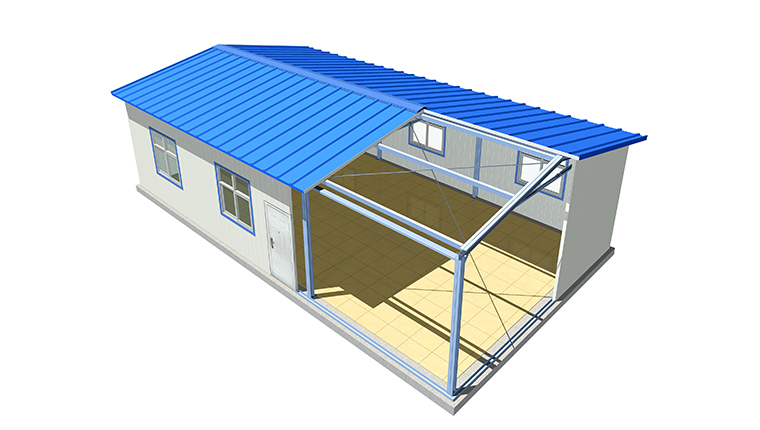
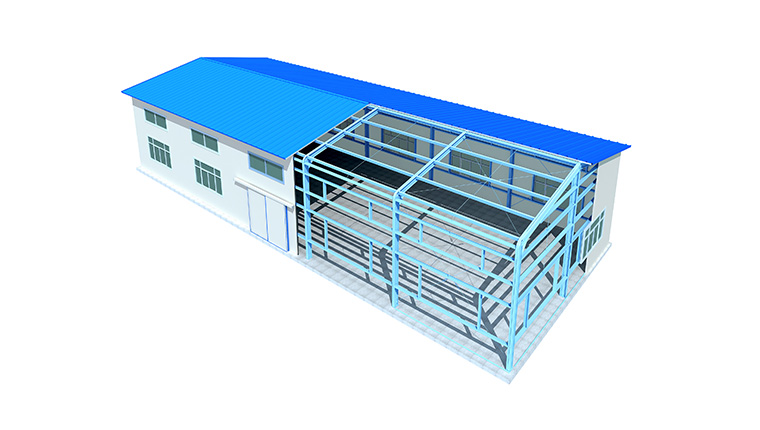
A comprehensive product portfolio including flat pack container houses, box houses, steel structures, and other modular systems.
Large‑scale factories with integrated production of frames, panels, and accessories, supporting high‑volume orders and tight schedules.
Extensive experience serving contractors and owners in energy, mining, infrastructure, industrial parks, and public facilities.
For buyers searching for flat pack container house manufacturers, Chengdong offers not only products, but also planning, design, logistics, and on‑site management as a complete camp solution partner.
Case Highlight: Rapid Deployment Container Housing for Afghanistan Aid
A typical example of Chengdong’s capability as a flat pack container house manufacturer is the “Rapid Deployment Container Housing for Afghanistan Aid Project.” In this project, Chengdong provided modular container housing to support humanitarian and assistance operations in a challenging environment.
Key characteristics of the case include:
Fast deployment – Flat pack or modular container houses were designed for short production cycles and rapid on‑site installation, allowing the camp to become operational quickly to meet urgent aid needs.
Custom design – Housing layouts and configurations were adapted to the functional requirements of the aid mission, including accommodation and support facilities.
Professional support – Chengdong’s team offered technical guidance and project coordination to ensure that the modular housing matched local conditions and operational constraints.
By referencing this project, potential buyers can see how a capable flat pack container house manufacturer can support not only commercial engineering but also aid, military, and emergency deployments.
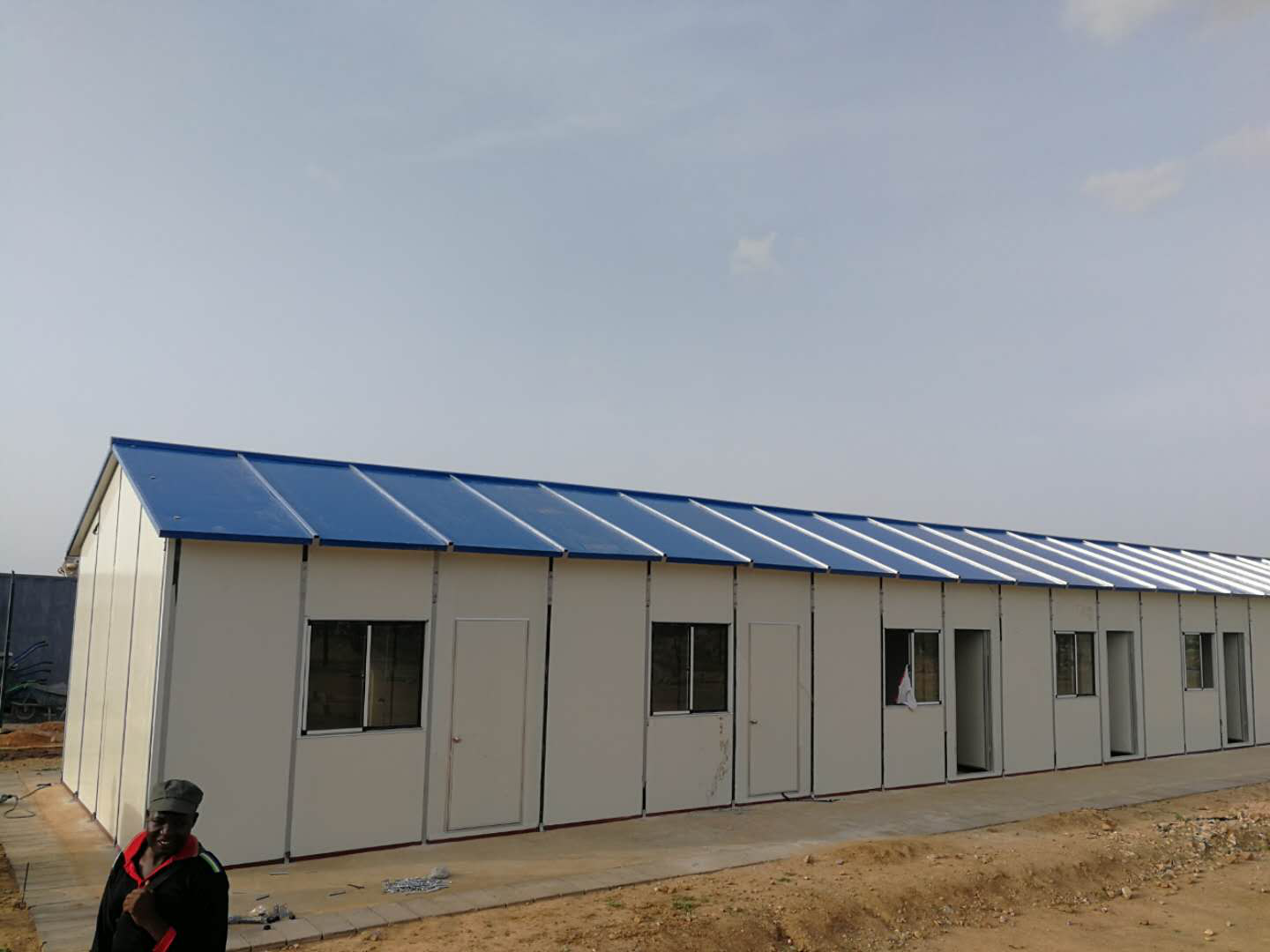
Technical and Quality Considerations for Long‑Lasting Flat Pack Houses
Flat pack container houses are often used for 10–20 years or more, so technical details matter when selecting a manufacturer. Some important points:
Structural performance – Verify the frame design, column and beam specifications, and floor load capacities to ensure they match intended uses such as offices, dormitories, or storage.
Corrosion resistance – Hot‑dip galvanized components and robust coating systems help container houses resist harsh climates and extend service life.
Thermal and acoustic performance – Sandwich panel thickness and insulation material quality strongly influence indoor comfort and energy consumption.
Fire safety – Ask about fire resistance levels of wall and ceiling panels and compliance with relevant standards.
System integration – Pre‑installed electrical cables, lighting, and plumbing components reduce on‑site errors and speed up commissioning.
Manufacturers who invest in laboratory testing, third‑party certifications, and continuous product improvement can usually provide more reliable, durable housing solutions.
How Flat Pack Container House Manufacturers Support Different Industries
Leading manufacturers design product families and service packages for different application scenarios. Examples include:
Energy and mining projects – Worker accommodation, site offices, dining halls, recreation areas, and medical rooms in remote locations.
Infrastructure and industrial parks – Site camps for construction contractors, temporary offices, and staff housing near large industrial zones.
Public service and education – Temporary schools, clinics, and office space where permanent buildings are not yet available.
Military and assistance projects – Rapid deployment camps, command centers, and logistics bases using flat pack containers for fast assembly and relocation.
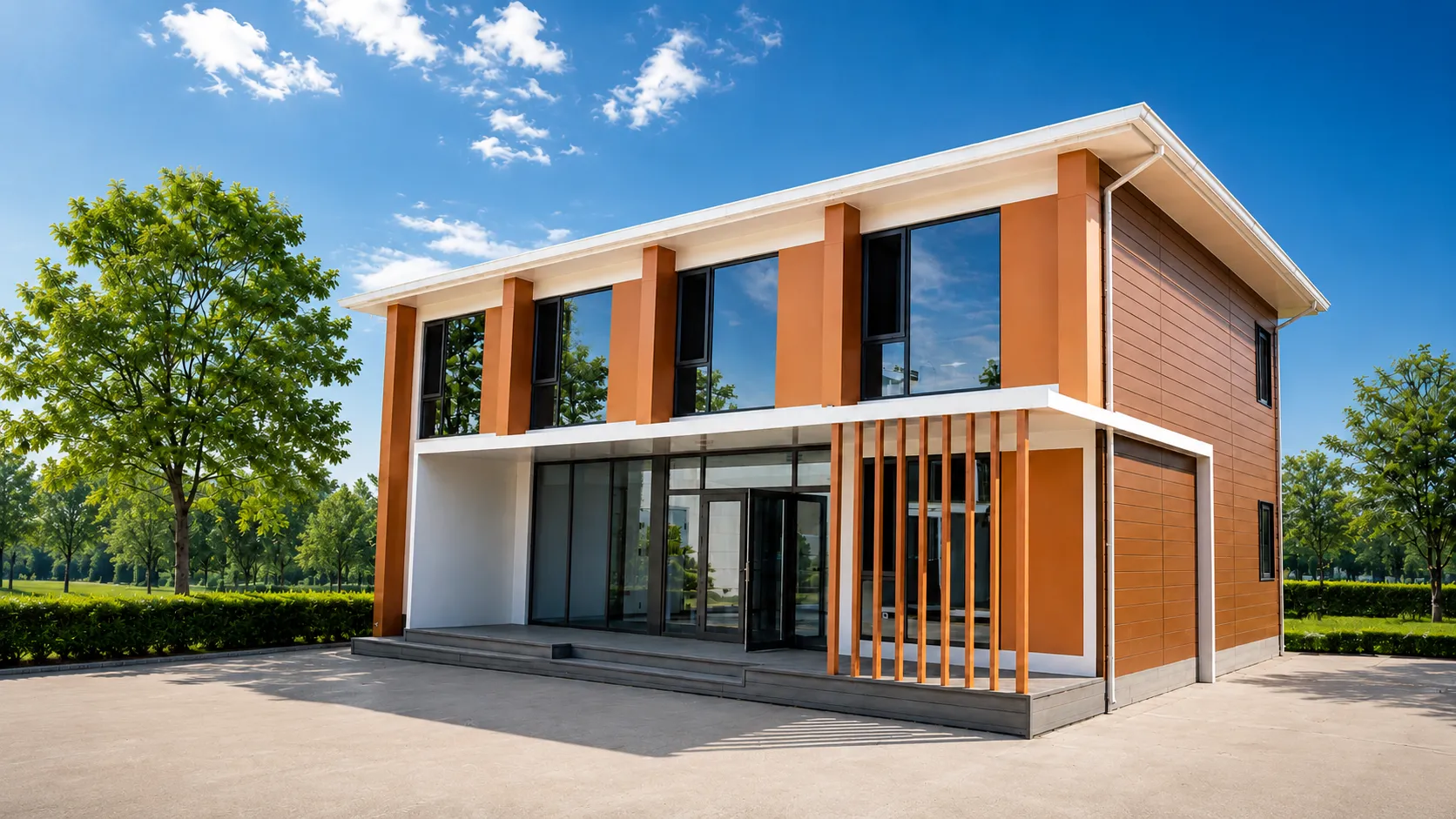
Because flat pack container houses are modular and stackable, manufacturers can configure them into single‑story or multi‑story complexes that evolve with project phases.
Practical Checklist for Selecting a Flat Pack Container House Manufacturer
To turn all of the above into a concrete action plan, use the checklist below when shortlisting suppliers:
Define your project needs
Location, climate, required service life, number of people, and key functions (accommodation, office, canteen, clinic, etc.).
Request technical proposals
Ask at least three manufacturers to provide preliminary layout plans, module specifications, and design parameters for wind/snow loads and insulation.
Evaluate factory and references
Check factory photos, production lines, and sample projects, especially in countries or industries similar to yours.
Compare total solutions, not just unit prices
Include design, manufacturing, shipping, on‑site installation, and after‑sales service in your comparison.
Confirm schedule and risk control
Align on the full timeline from design to installation; ensure the manufacturer can support any urgent deployment requirements.
Start with a pilot or phase
For large projects, consider starting with one section or phase to verify quality and coordination before scaling up.
Sample Comparison Points to Discuss with Manufacturers
When you talk with potential flat pack container house manufacturers, using concrete questions will help reveal their real capability. For example:
| Aspect | Question to Ask | Why It Matters |
| Factory capacity | How many flat pack units can you produce per month? | Ensures they can meet your project schedule. |
| Design standards | What structural and insulation standards do your flat pack houses meet? | Confirms suitability for local climate and regulations. |
| Project experience | Do you have similar cases in my region or industry? | Reduces learning curve and project risk. |
| Service scope | Can you provide design, shipping, and on‑site installation guidance? | Clarifies whether you get a full solution or just materials. |
| Quality assurance | Which certifications and tests back your products? | Indicates long‑term performance and compliance. |
Using this structured approach will make it easier to identify manufacturers that can truly support your project from concept to completion.
By understanding what flat pack container houses are, how manufacturers differ, and how companies like Chengdong Modular House execute real projects such as the Afghanistan aid container housing, you can make more informed, lower‑risk decisions when selecting flat pack container house manufacturers for your next project.




 More
More










![Top Advantages of Modular Construction Explained [2025]](/uploads/upload/images/20250424/0fb390068474145a09a8c0504c73b1d2.png)
 May 09, 2025