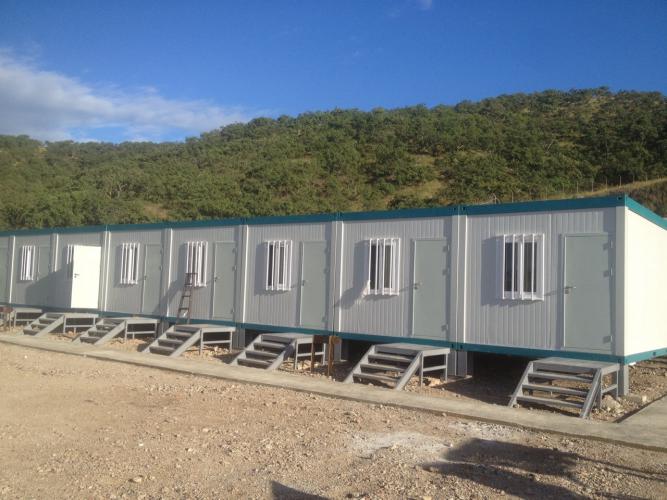
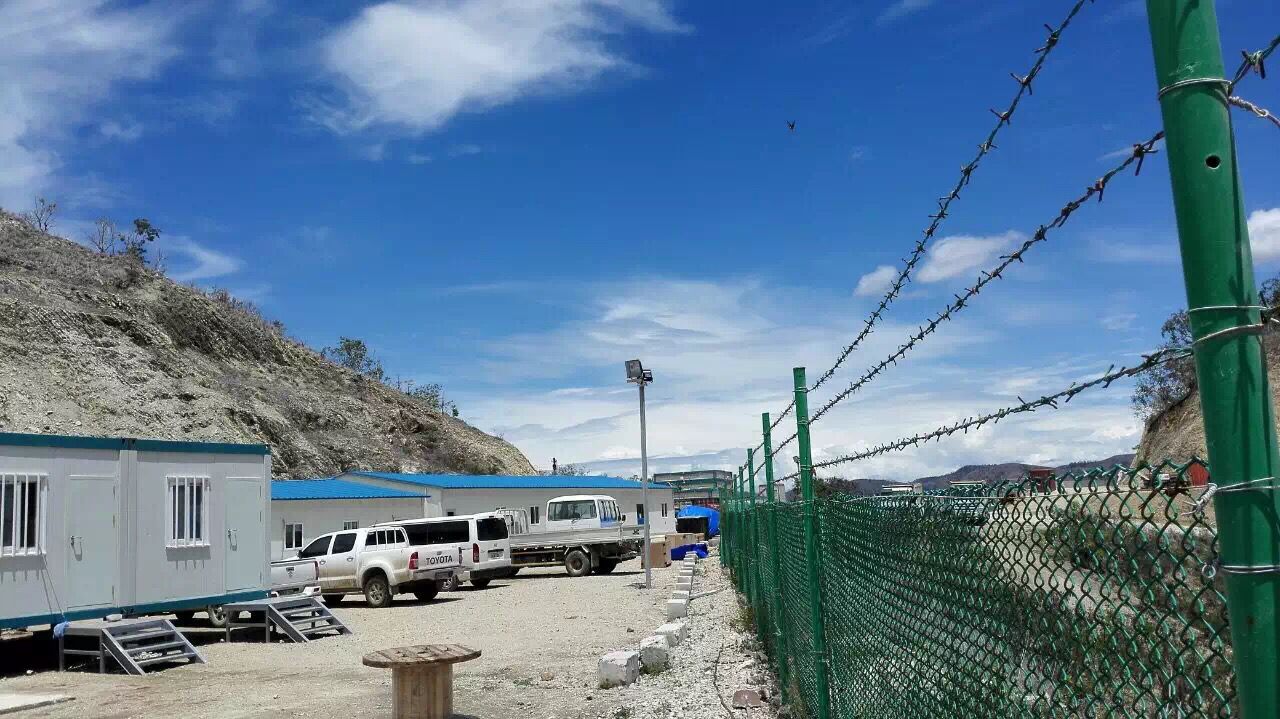
What Is a Labor Accommodation Camps Manufacturer?
A labor accommodation camps manufacturer is a specialized company that designs, produces, and installs modular or prefab housing complexes for workers on large construction, energy, mining, and infrastructure projects. Instead of building permanent housing from scratch, project owners rely on these manufacturers to deliver complete worker camps that can be deployed quickly, used safely for years, and then expanded, relocated, or dismantled as project needs change.
A professional manufacturer integrates several capabilities under one roof:
R&D and engineering of modular buildings and camp layouts.
Factory production of container houses, prefab houses, and steel structures.
Global logistics, including packaging, shipping, and customs support.
On‑site installation, commissioning, and, in some cases, operation support of the camp.
By working with a single, reliable labor accommodation camps manufacturer, project owners can reduce coordination risk and secure a predictable, repeatable solution for workforce housing across multiple sites.
Why Labor Accommodation Camps Matter for Modern Projects
On today’s large infrastructure and industrial projects, labor accommodation is not a side issue; it directly affects productivity, safety, and cost. A well‑designed labor camp provides more than beds; it offers a complete living environment tailored to the realities of shift work, remote locations, and diverse teams.
Key reasons labor accommodation camps are critical include:
Worker productivity: Comfortable rooms, good sleep, and reliable meals help crews maintain concentration over long shifts in demanding environments.
Safety and compliance: Proper fire protection, sanitation, and crowd‑flow planning reduce incidents and help owners comply with HSE and labor regulations.
Faster project delivery: Factory‑built camps can be installed in weeks instead of months, allowing projects to ramp up quickly and hit schedule milestones.
ESG and community relations: Centralized modular camps minimize pressure on local housing markets and allow for better control of wastewater, waste, and emissions.
Because of these factors, many EPC contractors now treat the choice of labor accommodation camps manufacturer as a strategic decision rather than a last‑minute procurement.
What a Good Labor Accommodation Camps Manufacturer Provides
When you evaluate a labor accommodation camps manufacturer, it helps to break down what they actually deliver. Typically, a mature manufacturer offers an end‑to‑end solution built around modular technology and integrated systems.
Modular Design and Standardized Room Types
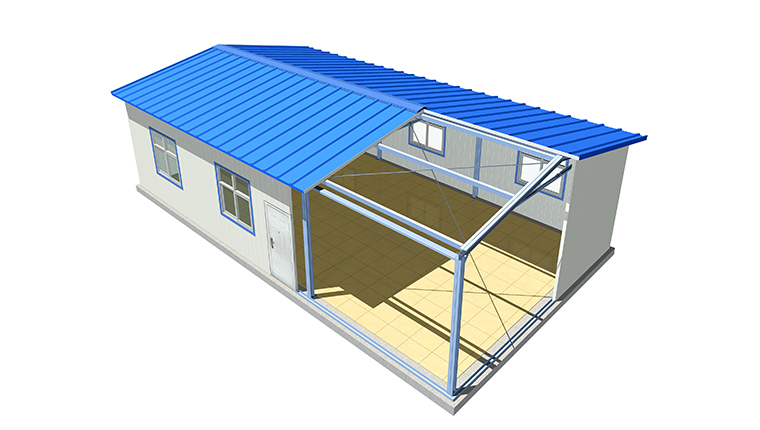
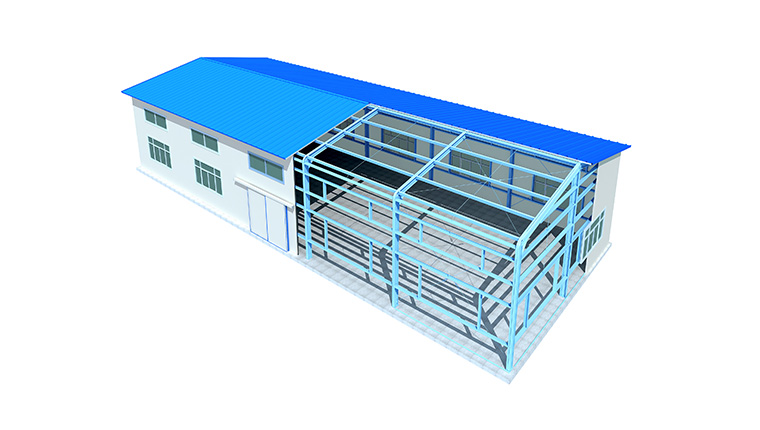
Labor camps are usually composed of standardized modular units that can be combined into different layouts and building types. Common components include:
Dormitories with single, double, or dorm‑style rooms.
Administrative offices and meeting rooms for site management.
Canteens and industrial kitchens sized to headcount.
Clinics or first‑aid rooms and isolation rooms where required.
Recreation areas such as gyms, TV rooms, and outdoor courts.
Support buildings like warehouses, workshops, and laundry facilities.
By using pre‑engineered room modules and layouts, manufacturers can guarantee consistent quality and predictable performance across different projects.
Integrated “Nine Systems” Camp Engineering
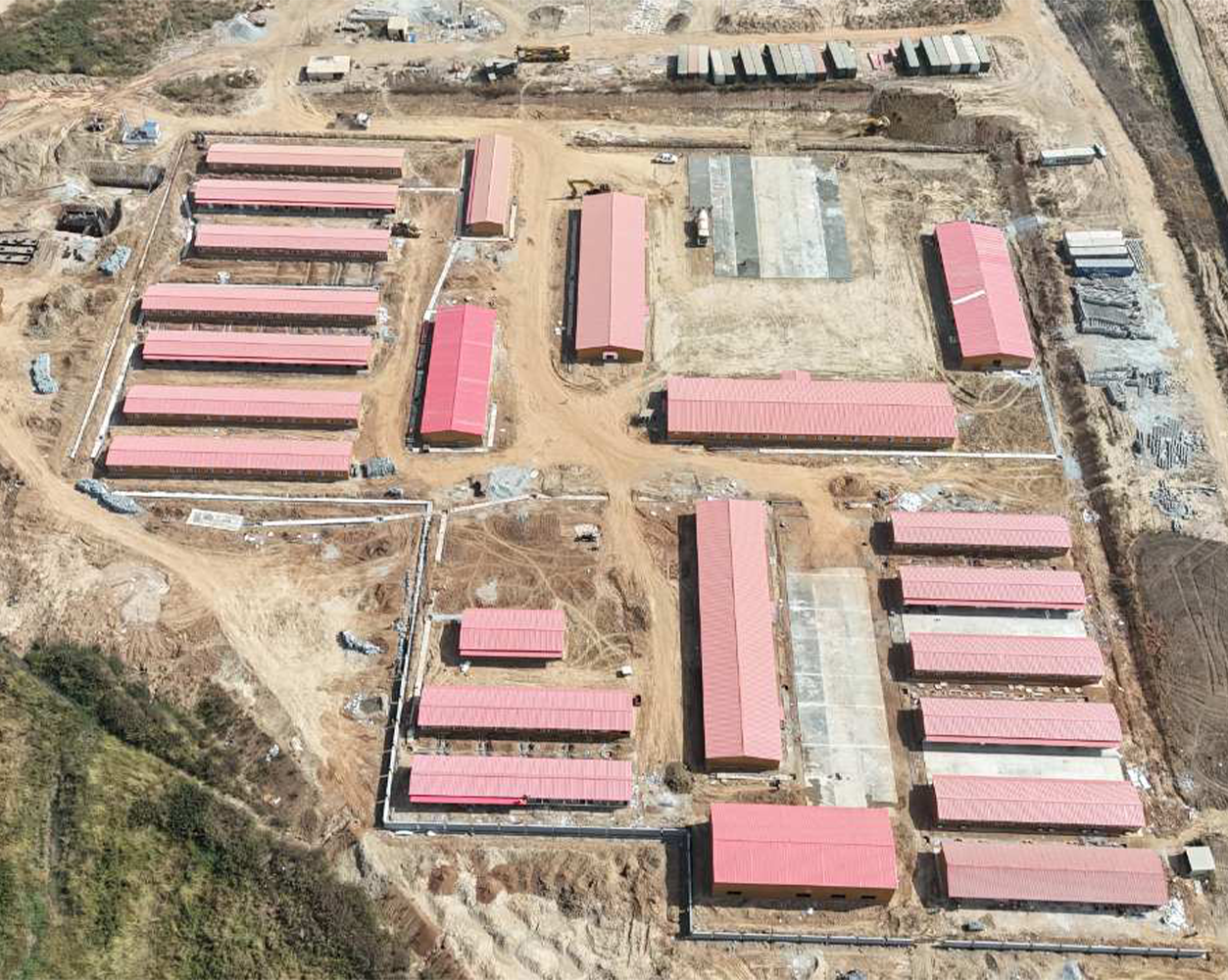
Leading manufacturers treat the camp as an integrated engineered system, not a collection of random buildings. A complete labor accommodation camp solution typically integrates:
Building system (housing, offices, clinics, kitchens, etc.).
Water supply and drainage system (pumps, tanks, treatment, hot water).
Power system (transformers, generators, distribution, lighting).
Low‑current system (telecom, data network, CCTV, access control).
Fire protection system (alarms, sprinklers, hydrants, emergency lighting).
Security system (fencing, gates, monitoring).
Road and traffic system (vehicle roads, walkways, parking).
Environmental facilities system (landscaping, sports fields, corporate image).
Environmental protection system (solid waste, sewage treatment).
This whole‑camp view is crucial for safe operation and cost‑effective maintenance over the life of the project.
Off‑Site Manufacturing and Fast Installation
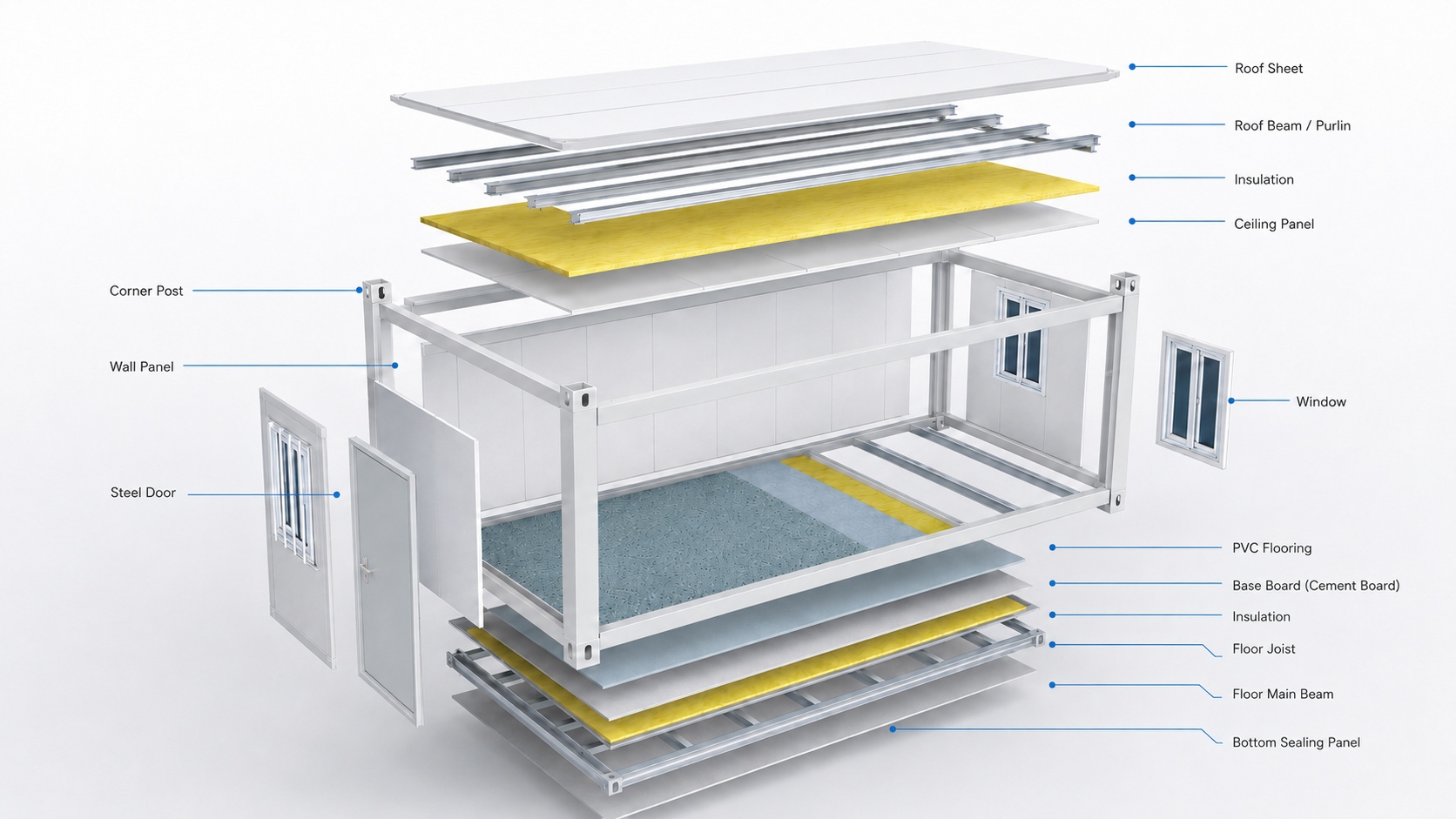
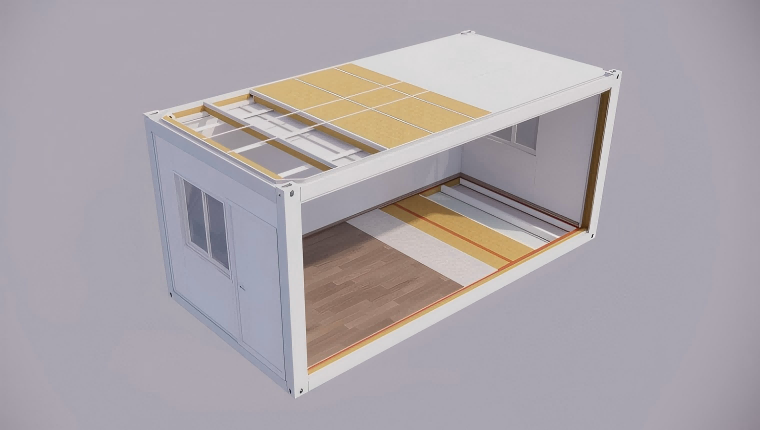
A core advantage of using a labor accommodation camps manufacturer is the high degree of off‑site manufacturing. Container houses and panelized modules are built in controlled factories, with structural, thermal, and finishing work completed before shipment.
Typical process:
Factory production of modules under ISO‑certified quality systems.
Packaging for sea and land transport, with optimized container loading.
On‑site assembly using bolts and modular connectors, with minimal wet works.
Testing and commissioning of utilities and safety systems before handover.
This approach shortens delivery schedules, improves quality consistency, and reduces the environmental impact of on‑site construction.
How to Evaluate and Choose a Labor Accommodation Camps Manufacturer
Not all manufacturers offer the same capabilities or reliability, so a structured evaluation process is essential.
Technical Strength and Certifications
Check whether the manufacturer can provide:
Proven modular systems tested for structural loads, wind, and seismic performance.
Certified quality, environmental, and occupational health and safety management systems (for example, ISO 9001, ISO 14001, and OHS systems).
International certifications for steel structures and sandwich panels where applicable.
These credentials indicate the manufacturer’s ability to deliver safe, durable camps in compliance with global standards.
Project Experience and Case Studies
Real projects are the best proof of capability. Look for:
Number of completed labor or workforce camp projects and countries served.
Industry sectors covered (construction, oil and gas, mining, industrial parks).
References or case studies with similar climate, scale, and regulations to your project.
For example, Chengdong highlights more than 2,000 modular camp projects across over 100 countries, demonstrating the ability to adapt to different climates and codes.
Human‑Centric Design Approach
A competent labor accommodation camps manufacturer treats worker comfort as a design priority. Signs of human‑centric design include:
Clear zoning that separates noisy service areas from quiet dormitory blocks.
Factory‑made bathroom modules that are structurally waterproof, easy to clean, and reusable.
Climate‑adapted insulation, ventilation, and acoustics for hot deserts, cold plateaus, or high‑humidity coastal regions.
These details help reduce fatigue and improve retention, especially on remote, long‑term projects.
Turnkey and EPC Capabilities
Some owners prefer a single point of responsibility for the entire camp lifecycle. In this case, you should verify whether the manufacturer can work under a turnkey or EPC model:
Conceptual planning and camp master design.
Detailed engineering of buildings and all nine support systems.
Civil works coordination, module installation, and interior fit‑out.
Optional operation support, maintenance, or relocation services.
Under a strong EPC builder, the client provides key requirements and location, and the manufacturer delivers a complete, ready‑to‑use camp.
Chengdong as a Leading Labor Accommodation Camps Manufacturer
Beijing Chengdong International Modular Housing Corporation (CDPH) is widely recognized as an engineering camp expert and leading prefabricated labour camps manufacturer. The company focuses on modular houses, container houses, prefab houses, and steel structures for global engineering projects, including large‑scale labor accommodation camps for infrastructure, mining, and energy developments.
Key strengths of Chengdong in labor accommodation camps include:
Over 2,000 modular camp projects delivered across more than 100 countries.
Integration of R&D, production, marketing, and construction, with decades of experience in overseas camp projects.
One‑stop “5S 360” lifecycle services, covering camp planning, product selection, logistics, installation, and after‑sales support.
Specialized climate‑adapted systems such as cold‑resistant, desert, plateau, and tropical‑rainforest container houses.
Because Chengdong positions itself as an engineering camp expert rather than just a building supplier, it can help owners solve complex challenges around remote workforce housing, from early feasibility to final handover.
Real‑World Worker Accommodation Example
To understand what a capable labor accommodation camps manufacturer can deliver, consider a recent modular dormitory project Chengdong supplied for a mining camp in an extremely cold region. The camp used modular dormitory units to house workers and engineers in single or shared rooms, combined with offices, meeting rooms, and support facilities such as canteens and recreation spaces.
Thanks to factory‑built modules designed for low temperatures, the camp offered climate‑controlled, comfortable rooms and well‑planned building systems that supported both productivity and worker retention in a harsh environment. For a project owner, this type of solution demonstrates how an experienced labor accommodation camps manufacturer can turn a remote, high‑risk site into a stable, livable base for long‑term operations.
Central Asia Labor Accommodation Camp Case
One recent project in Central Asia shows how a capable labor accommodation camps manufacturer can integrate housing, offices, and services into a compact, efficient campus. In this mining and oil & gas region, the client required a 4,000–10,000 square meter modular camp that could provide accommodation, office space, and a restaurant area for long‑rotation crews working in a harsh climate far from urban centers.
Chengdong delivered a modular house–based camp with clearly planned zones for sleeping, administration, and catering, supported by complete water, power, fire protection, and security systems engineered as part of an integrated solution. By manufacturing the units off‑site and coordinating logistics to this Central Asian location, Chengdong helped the owner shorten overall delivery time while still giving workers a safe, comfortable environment close to the production area.
Comparing Labor Accommodation Camps Manufacturers
When you shortlist potential partners, it can help to compare them across a few key dimensions.
| Dimension | Strong labor accommodation camps manufacturer | Weak supplier |
| Technical standards | Modular systems with structural testing and international certifications. | Generic structures with limited engineering documentation. |
| Project track record | Hundreds or thousands of camp projects across multiple regions. | Few references, mainly small local jobs. |
| Service scope | Integrated design, manufacturing, logistics, installation, and EPC options. | Only sells modules, little support beyond factory gate. |
| Human‑centric design | Clear zoning, climate‑adapted HVAC, reusable bathroom modules. | Minimal focus on comfort; basic shelter only. |
| Global support | Experience with customs, local codes, and multi‑country deployments. | Limited international experience and weak after‑sales service. |
Choosing a partner that scores well on these aspects can significantly reduce project risk and improve outcomes for both owners and workers.
Steps to Start Your Labor Accommodation Camp Project
If you are planning a new camp and want to work effectively with a labor accommodation camps manufacturer, you can follow a simple roadmap.
Define workforce and rotation
Clarify peak headcount, trades, and rotation patterns to determine total beds and room mix.
Select and survey the site
Assess topography, access roads, safety distances, and climate conditions, then share base maps and requirements with the manufacturer.
Choose modular system and specification
Decide on container or panelized modules and select appropriate insulation and finishes for your environment.
Agree on scope and delivery model
Define whether you need just modules, full camp design and supply, or turnkey EPC including installation and commissioning.
Align schedule and logistics
Coordinate factory production, shipping, and on‑site works with your overall project timeline to avoid bottlenecks.
Plan operation and maintenance
Establish clear responsibilities and procedures for camp upkeep, safety inspections, and potential future expansion or relocation.
Working with an experienced labor accommodation camps manufacturer like Chengdong makes each step more predictable and data‑driven, helping you transform workforce housing from a challenge into a competitive advantage.




 More
More











![Top Advantages of Modular Construction Explained [2025]](/uploads/upload/images/20250424/0fb390068474145a09a8c0504c73b1d2.png)
 May 09, 2025