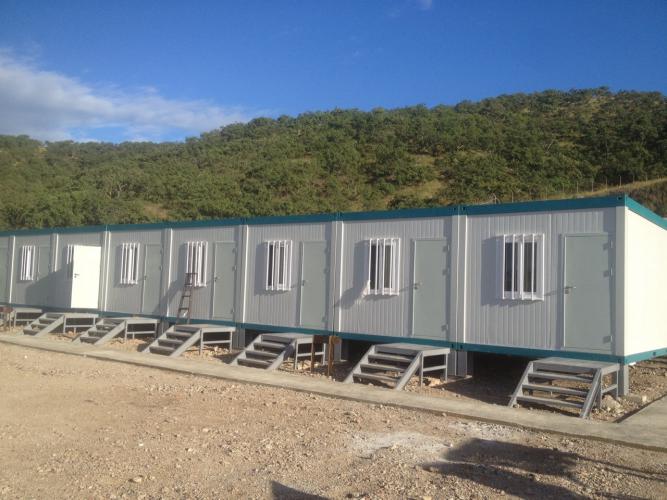
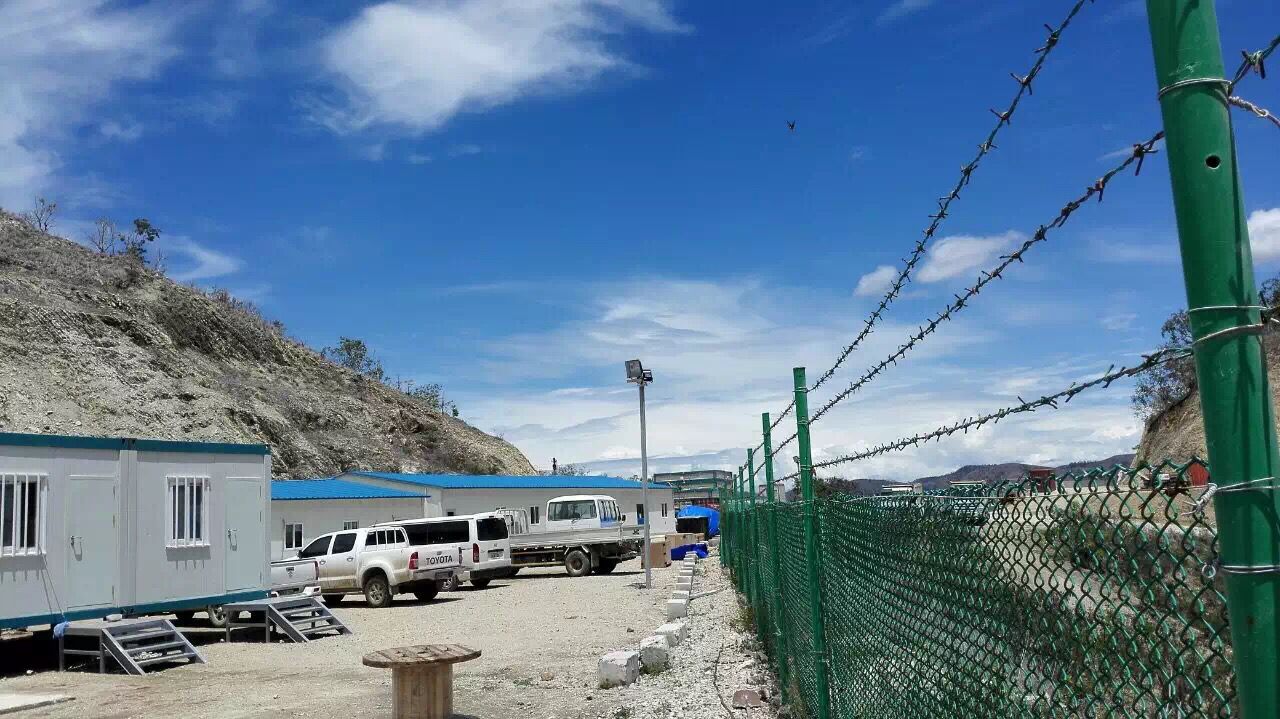
What Is a Man Camp in an Oil Field?
A man camp in an oil field is a temporary or semi‑permanent workforce housing complex built near drilling, pipeline, or refinery projects so crews can live and work on site. Instead of relying on distant hotels or scattered rentals, operators centralize accommodation, catering, recreation, and site services in a dedicated camp designed around shift work and safety.
Typical oilfield man camps are self‑contained micro‑communities that include:
Sleeping quarters (single rooms, double rooms, or dormitories)
Offices, control rooms, and meeting spaces for project management
Dining halls, industrial kitchens, and food storage areas
Recreation facilities such as gyms, lounges, outdoor courts, and TV rooms
Medical rooms or small clinics and first‑aid stations
Laundry, storage, workshops, and maintenance areas
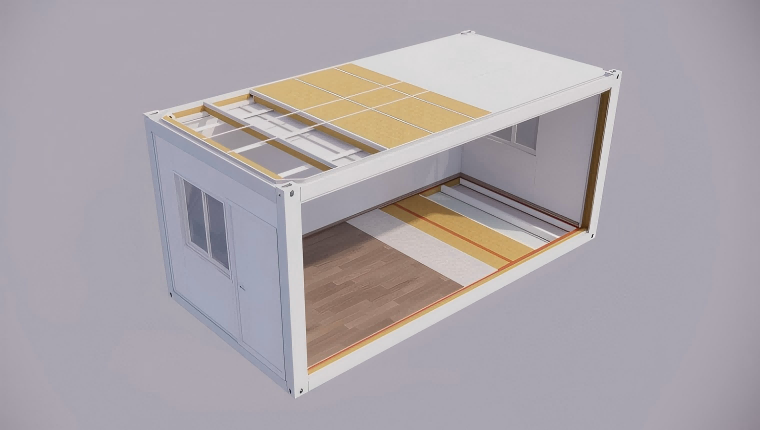
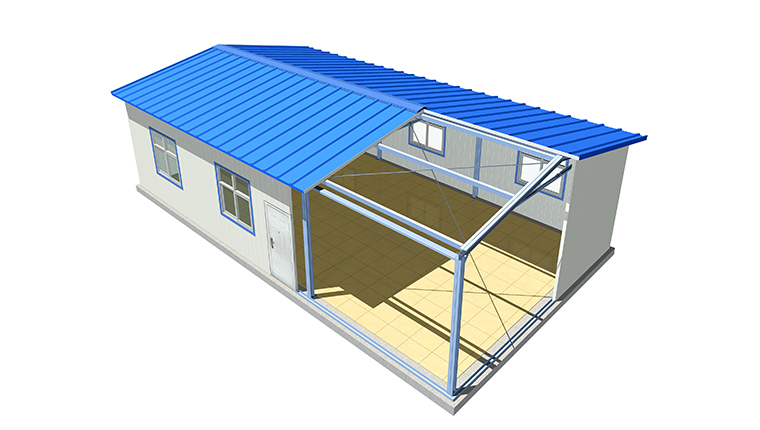
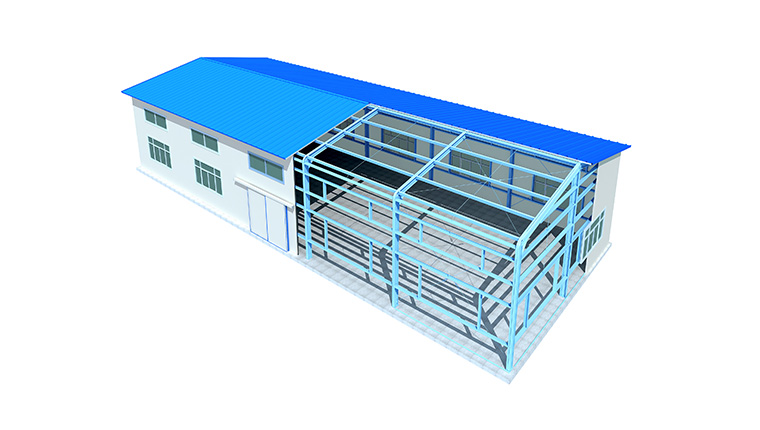
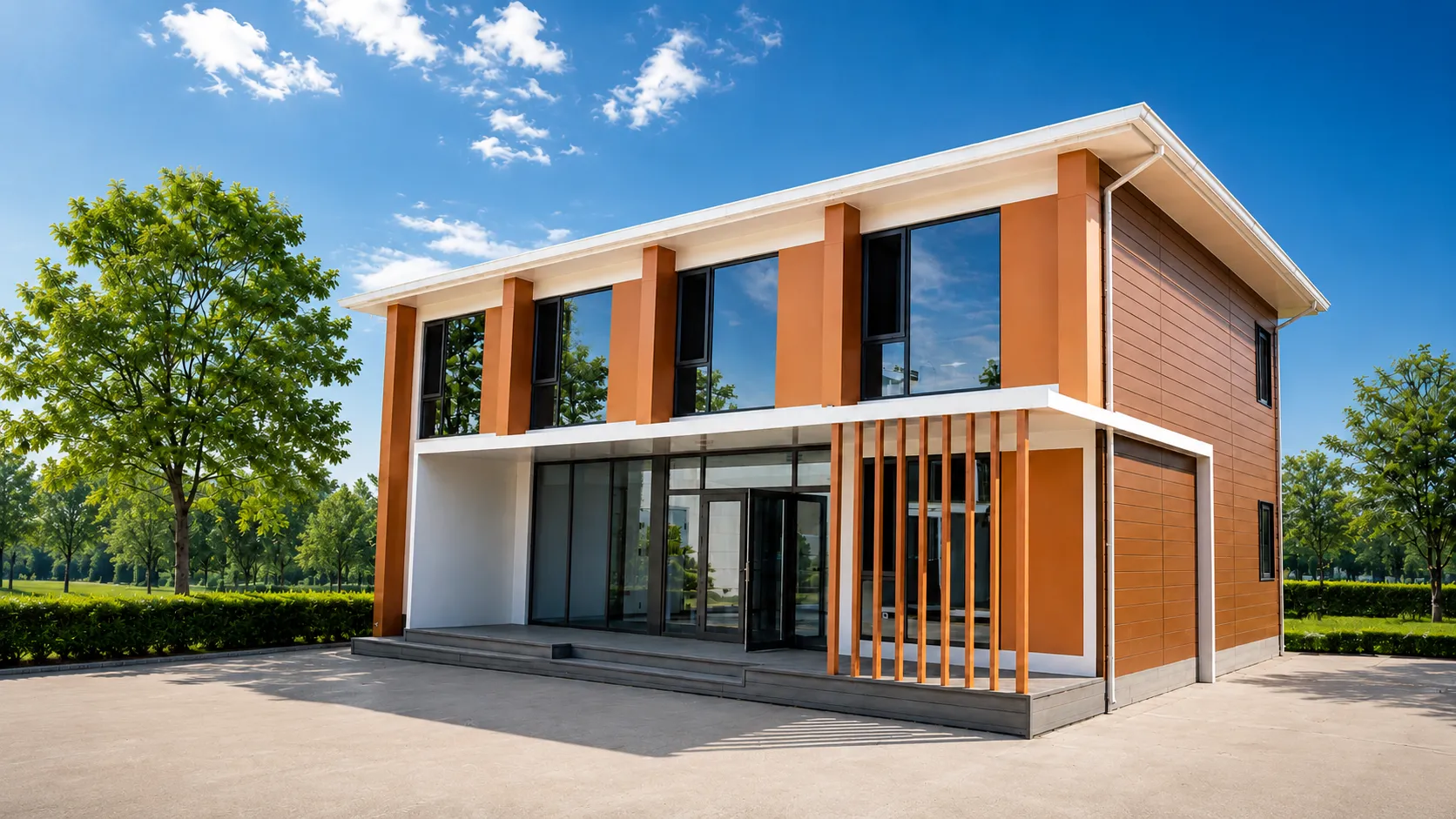
In modern projects, these facilities are increasingly delivered as modular buildings produced off‑site and assembled quickly at the field location, often using container‑based or large‑panel prefab systems.
Why Oil Field Projects Rely on Man Camps
Remote oil and gas developments typically happen far from cities, with limited infrastructure, harsh climates, and tight production schedules. Man camp oil field housing directly supports project success in several ways:
Operational efficiency: Keeping crews within walking distance or a short shuttle ride from the workface reduces travel time and fatigue, so more of each 12‑hour shift is productive.
HSE and fatigue management: Centralized, well‑planned housing helps enforce rest periods, emergency muster points, and safety training, which directly supports HSE performance.
Cost control: Modular man camps avoid long‑term investment in permanent housing for a temporary workforce and can be relocated or resized as headcount changes.
Schedule certainty: Off‑site manufacturing of camp buildings means installation often runs in parallel with drilling or construction, compressing the overall project schedule.
ESG and community relations: Purpose‑built camps with proper wastewater treatment, waste management, and controlled site access help operators reduce environmental impact and minimize disruption to nearby communities.
For oil and gas owners and EPC contractors, the man camp is no longer just “bunkhouse space”; it is a strategic asset that influences safety metrics, staff retention, and cost per barrel.
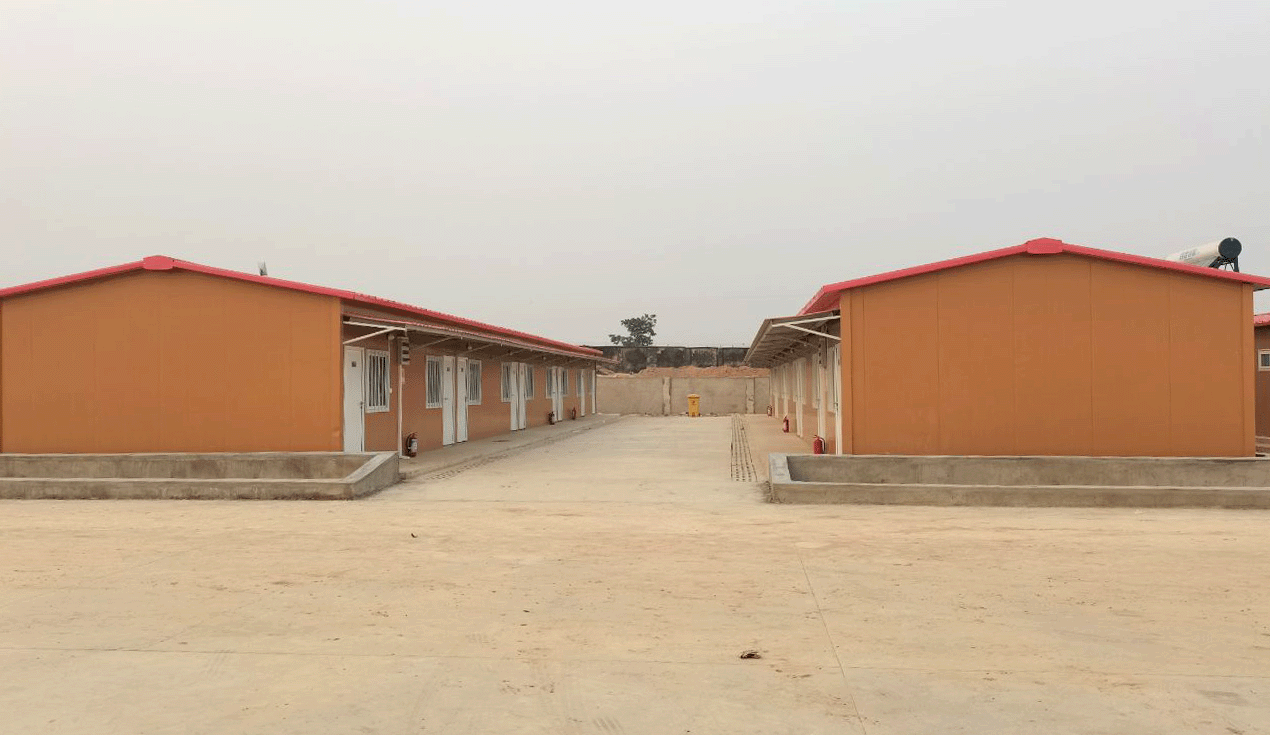
Key Design Principles for Oil Field Man Camps
Designing a high‑performing man camp oil field facility requires more than lining up modular boxes on a grid. Professional camp builders typically follow several principles.
Master Planning and Functional Zoning
A well‑designed camp separates living, working, and logistics flows to reduce noise, improve safety, and support long shifts.
Common zones include:
Residential area: dormitories, VIP units, shared units, and sanitation modules.
Administrative and office area: project offices, control rooms, meeting rooms, and training rooms.
Catering and leisure area: kitchen, dining hall, café, gym, outdoor sports field, and prayer or quiet rooms.
Technical and logistics area: generators, water treatment, fire‑water tanks, warehouses, and vehicle parking.
Vertical design and drainage planning are crucial in desert, tundra, or high‑rainfall areas to manage stormwater and avoid flooding of accommodation rows.
Modular Building Systems and Layouts
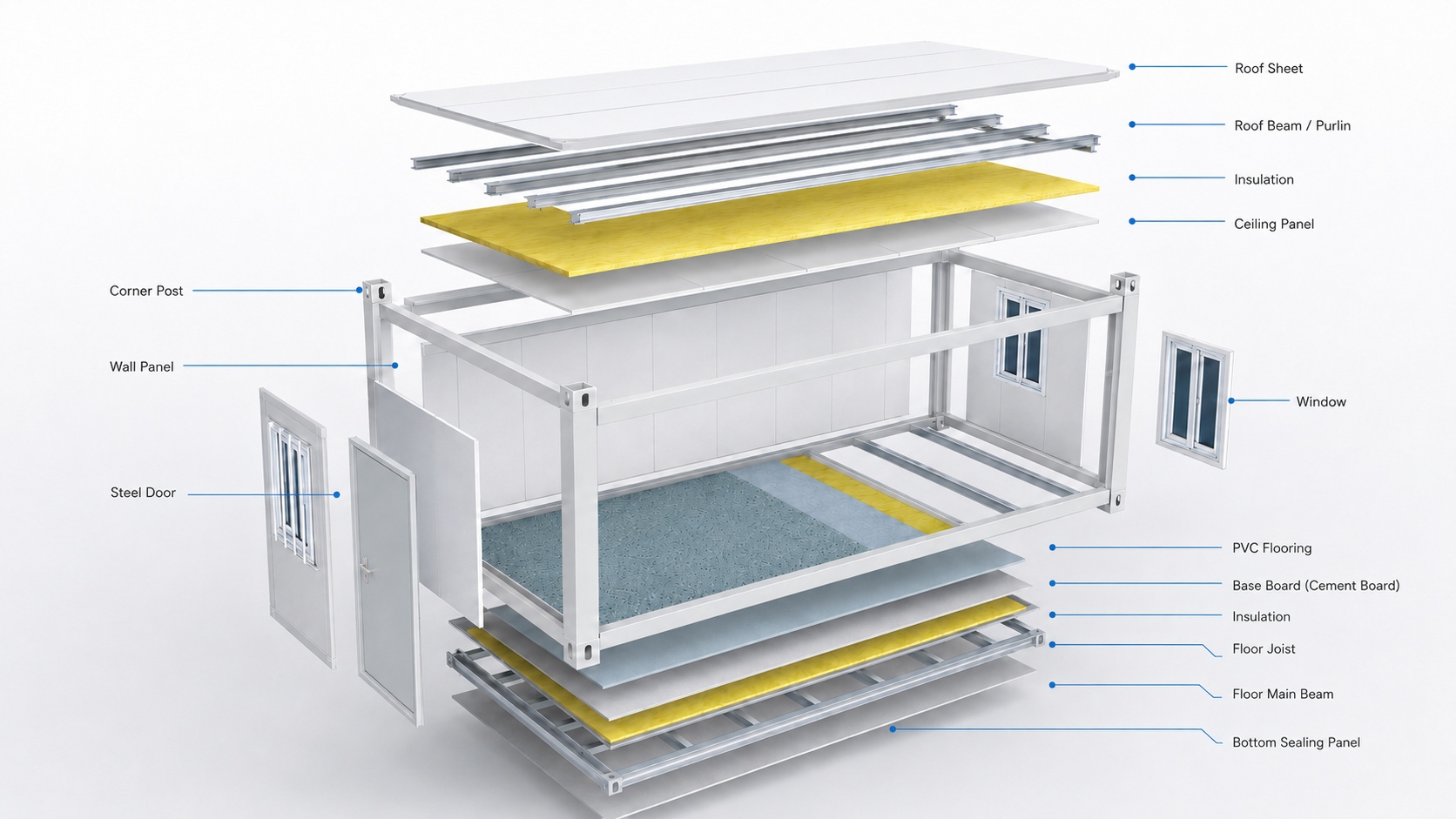
Most man camp oil field projects now use standardized modular systems that can be shipped as flat‑pack containers or large panels and connected on site. Typical unit sizes (for example, 45‑foot modules of around 41 square meters) allow flexible combinations for offices or bedrooms.
Modular systems deliver:
Repeatable room types (single, double, suite, open dormitory).
Fast installation and demobilization compared with traditional construction.
High reusability, as units can be relocated to new oilfield projects once the current one finishes.
Climate‑Responsive Design
Oil field man camps must operate in conditions ranging from Arctic cold to desert heat, and camp design must match the climate.
Examples of adaptations include:
Enhanced insulation, triple‑layer wall panels, and snow‑load design for sub‑zero or polar sites.
Sandstorm‑resistant façades, dust‑proofing details, and sun‑shade corridors for Middle East deserts.
High‑humidity detailing, anti‑corrosion coatings, and ventilation strategies in coastal or tropical environments.
Chengdong, for example, supplies cold‑resistant container houses engineered for temperatures down to around −50 °C, as well as desert and tropical models tailored to local loads and heat‑transfer coefficients.
Nine‑System Engineering Approach
Leading modular camp providers treat the camp as an integrated system rather than a set of isolated buildings. Chengdong’s mature “nine systems” framework is an illustration:
Building system (accommodation, offices, clinics, etc.)
Water supply, drainage, and heating system (pumps, tanks, hot water, plumbing).
Power system (transformers, generators, distribution, interior and exterior lighting).
Low‑current system (communication, data, CCTV, access control).
Fire protection system (hydrants, sprinklers, alarms, emergency lighting).
Security system (perimeter fencing, guard towers, surveillance).
Road and traffic system (vehicle roads, walkways, parking, signage).
Environmental facilities system (landscaping, sports fields, corporate signage).
Environmental protection system (solid waste management, sewage treatment).
This type of integrated engineering ensures that every container or prefab unit is part of a coherent, safe, and maintainable camp.
Essential Facilities Inside Oil Field Man Camps
From the worker’s point of view, the value of a man camp is measured in sleep quality, meal reliability, and daily convenience. Oilfield housing therefore emphasizes several functional areas.
Accommodation Units
Accommodation is the backbone of any man camp oil field project. Camp owners often choose a mix of layouts to balance comfort and density:
Single‑room units for supervisors, engineers, or long‑rotation staff.
Double or quad rooms for regular crew.
Suite‑style rooms with small living areas for key personnel on extended assignments.
Modern modular units integrate:
Comfortable beds and wardrobes, with under‑bed storage to maximize space.
Individual or shared bathrooms with preassembled “integrated bathrooms” that can be reused multiple times.
Independent HVAC so each room can set its own temperature without affecting the rest of the block.
Pre‑engineered floor loads, wind resistance, and thermal performance are verified through structural testing and certifications to ensure long‑term durability.
Catering and Recreation
Oilfield shifts are long and repetitive, so nutrition and morale are critical. This is why man camps typically include:
Central dining halls with commercial kitchens sized to headcount.
Separated serving lines for different cuisines when multinational teams share the camp.
Recreation rooms with TVs, games, and internet access, plus outdoor sports courts and gyms.
Using LED “green lighting,” as highlighted in Chengdong’s camp manual, reduces energy consumption and maintenance, while improving visual comfort in common areas.
Utilities, Fire Safety, and Security
High‑reliability utility systems are non‑negotiable for man camp oil field facilities.
Typical infrastructure includes:
Water supply pumps, ground tanks, purification equipment, and hot‑water systems sized to daily consumption.
Wastewater treatment plants using integrated packaged units, which are easier to install and relocate than traditional concrete systems.
Diesel or hybrid power generation with redundancy, plus external lighting and lightning protection.
For safety, wireless fire alarm systems, hydrants, and emergency lighting help camps meet international standards while simplifying on‑site cabling. Perimeter fencing, access control, and CCTV systems protect personnel and assets, especially in politically sensitive regions.
Modular Man Camps vs Traditional Oilfield Housing
Energy operators often compare dedicated man camps with alternatives such as hotels, rented apartments, or ad‑hoc mobile homes. The table below summarizes key differences.
| Aspect | Modular man camp oil field | Conventional housing (hotels, rentals, scattered cabins) |
| Proximity to site | Located on or near the oil field, minimal commute. | Often 30–90 minutes away in regional towns, long daily travel. |
| Schedule | Off‑site fabrication, rapid installation aligned with project milestones. | Dependent on local availability; expansion can be slow or impossible. |
| Cost control | Clear per‑bed or per‑person budget; units can be reused on future projects. | Market‑driven room rates; sunk cost with little reuse potential. |
| HSE & security | Purpose‑built muster points, access control, and emergency systems. | Limited control over building safety; mixed tenant profiles. |
| Worker comfort | Consistent room standards, climate‑specific design, onsite recreation. | Highly variable quality, limited amenities tailored to shift workers. |
| ESG performance | Integrated wastewater, waste management, and reduced commuting emissions. | Fragmented systems, more driving, heavier footprint on local communities. |
For long‑term or high‑headcount drilling and pipeline projects, modular man camp oil field solutions usually deliver better lifecycle value, despite the upfront camp package investment.
Cost Drivers and Budget Planning
The cost of a man camp oil field project is typically measured on a per‑person or per‑bed basis, bundling both buildings and supporting systems. Key price drivers include:
Camp size and room mix (ratio of single to shared rooms).
Climate and structural requirements (snow loads, insulation levels, wind and seismic design).
Scope of common facilities (clinics, gyms, prayer rooms, sports fields).
Utility system sizing (power generation capacity, water treatment plant size).
Project location, access logistics, and customs processes.
Chengdong’s cost guidance for mining and oil & gas camps emphasizes looking beyond only the “box price,” to also model lifecycle operating costs, relocation potential, and the impact of better accommodation on staff retention and safety metrics.
How Chengdong Positions Its Oil Field Man Camp Solutions
Chengdong Modular House is a specialist in modular houses, container houses, and prefab camps for global engineering projects and has delivered more than a thousand camp projects across over one hundred countries. The company is widely recognized as an engineering camp expert and has worked with many ENR‑listed EPC contractors on large‑scale energy, mining, hydropower, and infrastructure camps.
For man camp oil field applications, Chengdong’s offering typically includes:
Turnkey modular camp design and EPC delivery for oil and gas worker housing, LNG camps, and drilling camps.
Climate‑specific container and prefab house systems, including cold‑resistant, desert, plateau, and tropical‑rainforest models.
One‑stop “5S 360” camp lifecycle services, covering planning, nine‑system product integration, logistics, installation, and operation support.
Proven oil and gas field case studies, such as Tanzania gas pipeline camps and hydropower and pipeline projects across Africa, the Middle East, and South America.
By integrating brand strengths such as CE‑certified steel structures, ISO‑certified management systems, and decades of remote‑camp experience, Chengdong can position its man camp oil field solutions as lower‑risk and higher‑reliability options for international owners.
Central Asia Oil & Gas Man Camp Example
To see how these principles work in practice, consider a recent modular camp project Chengdong delivered for a mining and energy enterprise in Central Asia. In this project, the owner needed a mid‑size camp in a remote plateau environment, with year‑round operation and significant temperature swings between seasons.
Chengdong supplied a modular house apartment complex for employees of a mining enterprise, providing integrated accommodation, offices, and restaurant facilities in a single, compact campus of roughly 4,000–10,000 square meters. The camp design followed the same nine‑system engineering approach used for oil and gas field man camps, including building, water and drainage, power, low‑current, fire protection, security, road and traffic, environmental facilities, and environmental protection systems. Thanks to off‑site modular construction and coordinated logistics, the Central Asia camp was installed and commissioned within a tight schedule, giving the client a safe, comfortable base for long‑rotation crews close to the production area.
Practical Steps to Launch a Man Camp Oil Field Project
If you are planning a new oilfield development, pipeline section, or refinery expansion, a structured approach to man camp planning will reduce risk and speed up approvals.
A typical roadmap includes:
Define workforce profile and rotation model
Clarify peak headcount, skills mix, and rotation pattern (for example, 28/28 or 14/14) to determine room types and total beds.
Select site and plan master layout
Work with an experienced camp designer to evaluate topography, access roads, prevailing winds, and safety distances to the process area, then develop a functional zoning plan.
Choose modular system and climate package
Decide between container houses and large‑panel prefab, and select cold‑resistant, desert, or standard specifications according to the project environment.
Engineer nine core support systems
Size water, power, fire protection, security, communications, and environmental facilities as an integrated system, not as separate purchases.
Plan logistics, installation, and commissioning
Align factory production and shipping with your field schedule, and define responsibilities for foundations, on‑site assembly, inspection, and handover.
Establish operations and maintenance procedures
Put in place preventive maintenance for buildings and utilities, and clear rules for camp housekeeping, security, and emergency response.
Chengdong actively invites project owners and EPCs to send project briefs and, in many cases, can return a tailored conceptual camp layout and quote within a short time frame, helping teams move quickly from feasibility to execution.
By understanding what a man camp oil field facility is, how modular systems work, and how integrated providers such as Chengdong deliver turnkey solutions, project teams can turn workforce housing from a problem into a predictable, value‑adding part of their oil and gas developments.




 More
More










![Top Advantages of Modular Construction Explained [2025]](/uploads/upload/images/20250424/0fb390068474145a09a8c0504c73b1d2.png)
 May 09, 2025