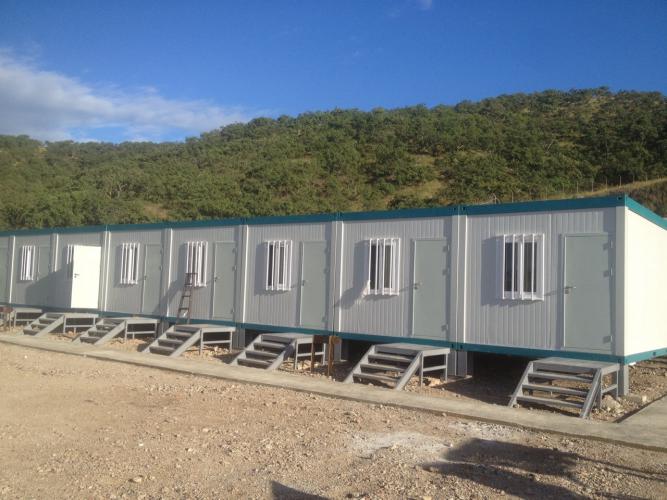
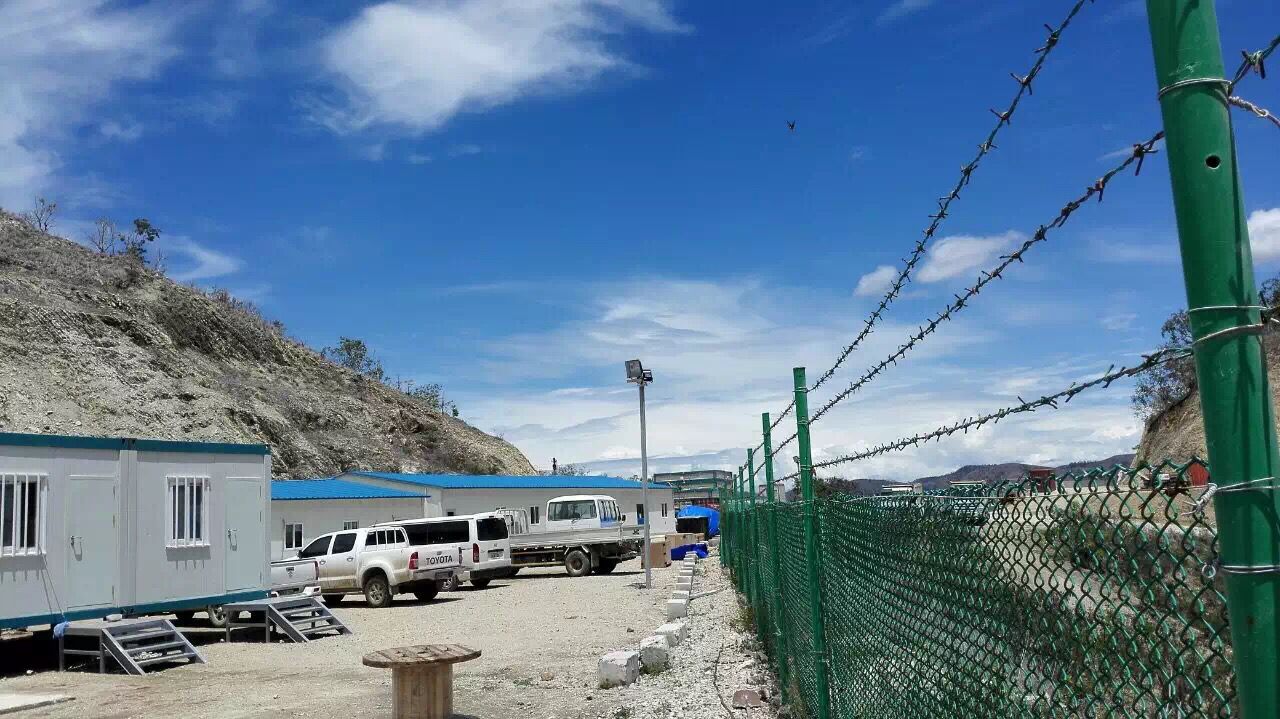
What Is a Prefabricated House Office?
A prefabricated house office is a modular building, usually made of steel-framed container or panel systems, that is manufactured in a factory and quickly assembled on site to provide functional office space. Instead of waiting months for traditional construction, companies can obtain ready-to-use workspaces in a fraction of the time while maintaining safety, comfort, and durability.
These offices can be used as temporary or semi-permanent buildings for construction sites, energy projects, industrial plants, public facilities, and corporate expansions. By combining standardized modules with customized layouts, a prefabricated house office can serve as a single manager’s room or a multi-storey office complex for hundreds of staff.
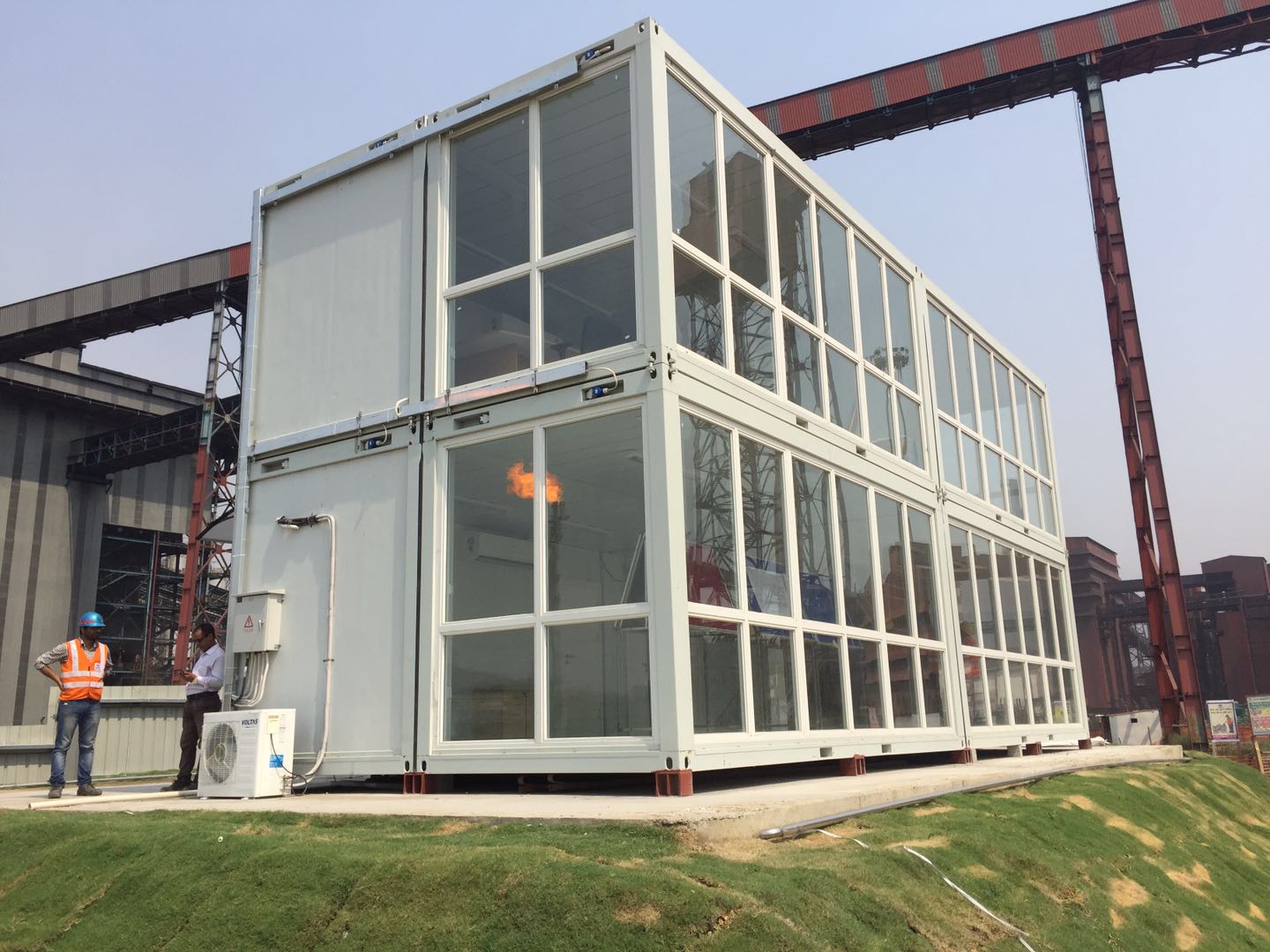
Why Choose a Prefabricated House Office?
When a project needs office space, time and cost are critical. A prefabricated house office offers clear advantages over conventional concrete or brick buildings.
Shorter delivery and installation time
Most of the structure, wall panels, doors, windows, and internal systems are manufactured off-site under controlled conditions. Once the modules arrive at the project location, installation can be completed in days or weeks, significantly reducing project waiting time and avoiding lengthy wet construction processes.
Predictable cost and reduced waste
Industrialized production minimizes material waste, rework, and on-site labor risks, which helps control the total cost of ownership. Because specifications and layouts are predefined, customers receive transparent pricing and can plan budgets more accurately.
Flexible, relocatable workspace
A prefabricated house office can be disassembled, relocated, and reinstalled on new sites, which is ideal for construction contractors, oil and gas companies, and mining operators that move between projects. This relocability increases asset utilization and reduces long-term accommodation costs.
Typical Applications of Prefabricated House Offices
The versatility of modular office buildings makes them suitable for a wide range of industries and scenarios.
Construction and engineering camps
Prefab offices are widely used on infrastructure projects such as highways, railways, airports, bridges, and industrial parks. They can serve as project management offices, design and supervision offices, meeting rooms, document archives, and logistics coordination centers.
Oil, gas, and mining projects
In remote and harsh environments, companies need safe, insulated, and durable office buildings with stable performance. Prefabricated house offices for these sectors can be configured for desert, plateau, Gobi, or extremely cold regions, with specialized thermal and structural designs.
Public service and commercial spaces
Governments, schools, hospitals, and private enterprises use modular offices for temporary expansions, renovation periods, or rapid deployment of new facilities. They are suitable for administrative offices, temporary registration centers, clinic offices, or emergency response command rooms.
Main Types and Configurations
Different project requirements call for different configurations of prefabricated house offices.
Single-unit office containers
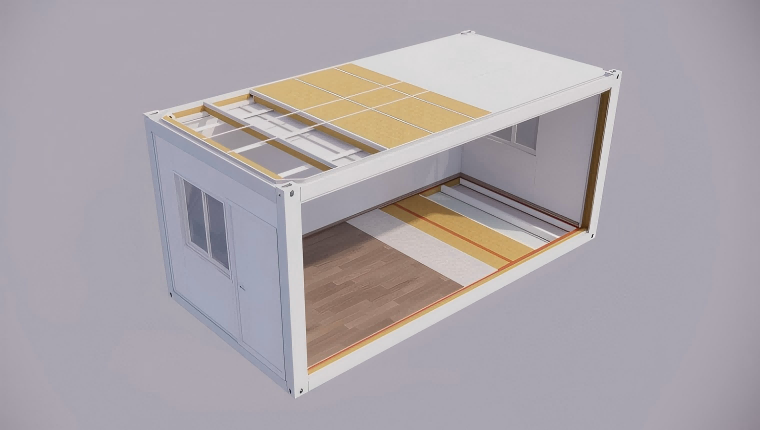
These are standard 20-foot or 40-foot modules fitted out as individual offices, small team rooms, or site manager offices. They are fast to deploy, easy to relocate, and often used as basic construction site offices or guard rooms.
Multi-module office complexes
By connecting modules side by side and stacking them vertically, suppliers can create large-scale office buildings with corridors, staircases, reception areas, open-plan workspaces, meeting rooms, and toilets. Such complexes can reach multiple storeys and accommodate hundreds of employees.
Special climate and functional designs
For extreme climates, there are cold-resistant container houses for temperatures down to around -50°C, desert-adapted offices with optimized insulation and sun protection, and plateau offices designed for high-altitude conditions. These solutions ensure workers enjoy safe, comfortable environments despite harsh weather.
Structural Design, Safety, and Comfort
Modern prefabricated house offices are engineered to meet stringent structural and safety standards, making them suitable for long-term use.
Robust structural system
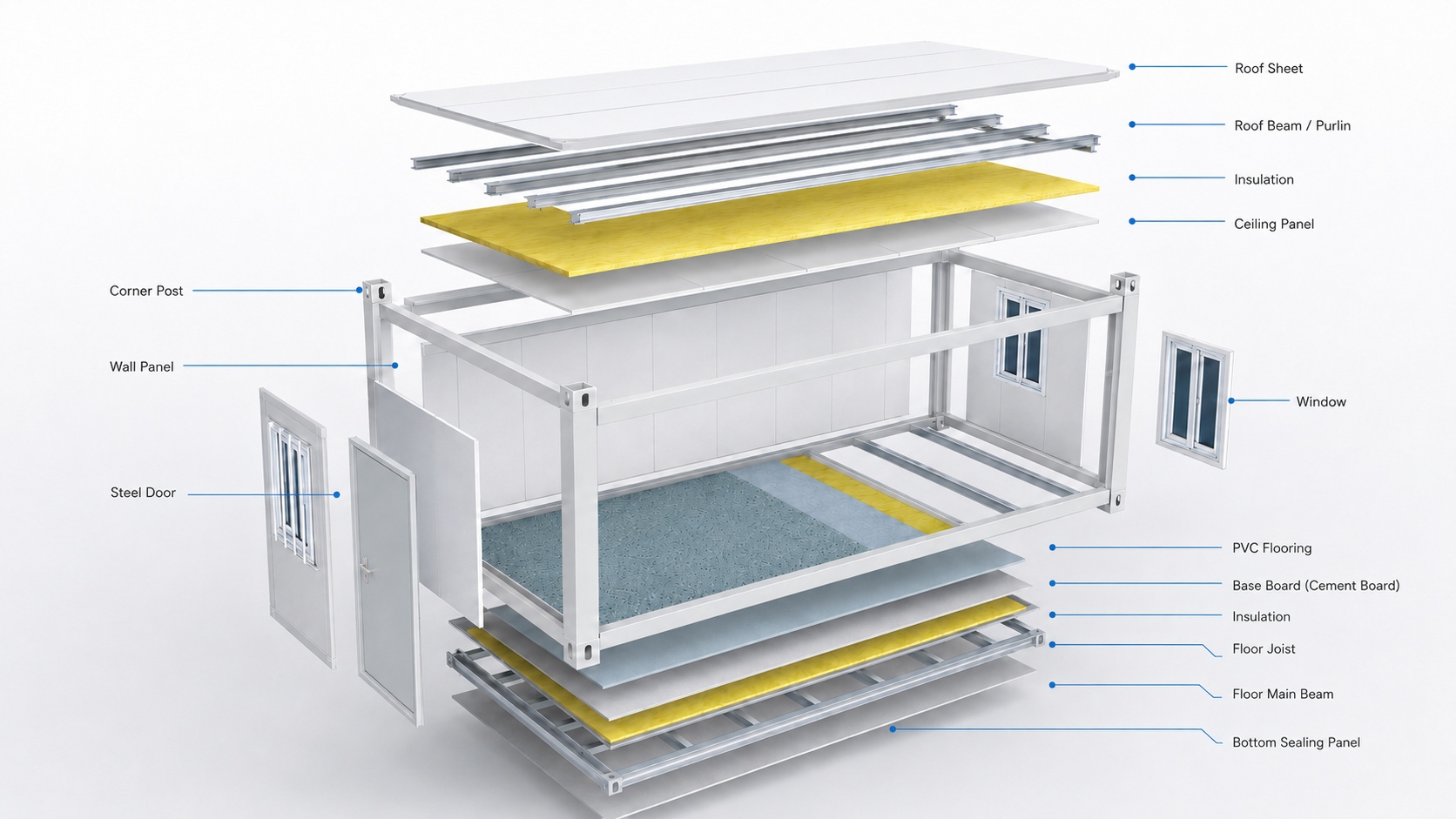
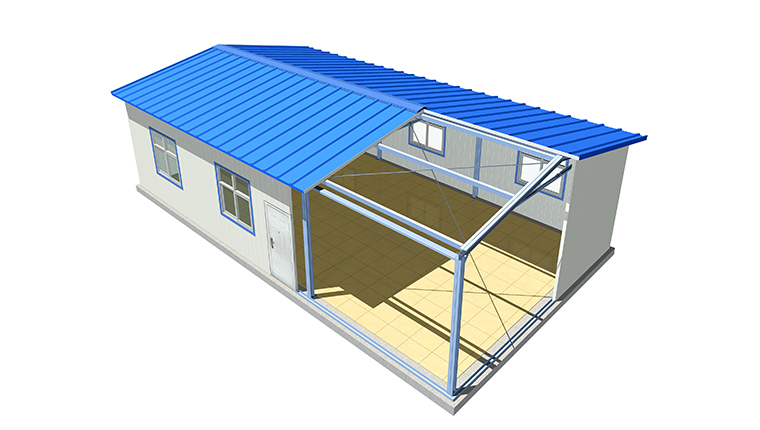
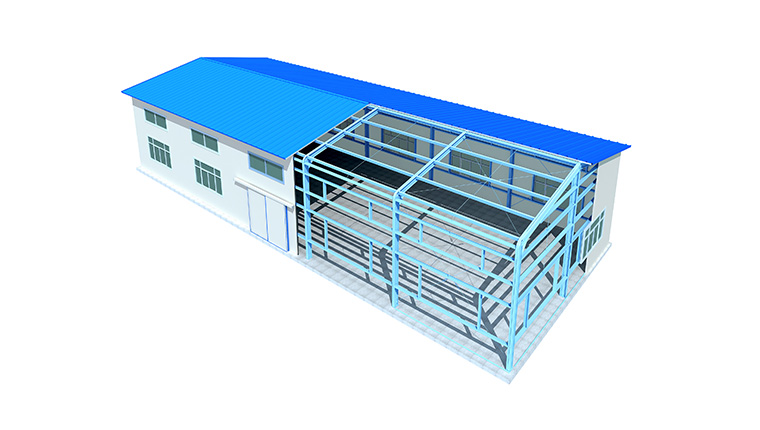
The main skeleton typically uses high-strength steel profiles and modular box structures that resist wind, snow, and seismic loads in line with relevant standards. Engineers design the modules to remain stable during stacking and connection, ensuring the overall building performs reliably over its service life.
Thermal and acoustic performance
Wall and roof systems often include sandwich panels with rock wool, polyurethane, or other insulation materials to provide excellent thermal resistance and fire protection. High-quality doors and windows with sealing systems help maintain indoor temperature and minimize noise from busy construction sites or industrial zones.
Comfortable interior environment
Prefabricated offices integrate lighting, air conditioning, power distribution, and network cabling to create an efficient and comfortable work environment. Proper design allows for good ventilation, adequate natural light, and ergonomic layouts that support daily office operations.
Customization Options for Your Prefabricated Office
One of the key strengths of a prefabricated house office is its high degree of customization.
Space planning and layout
Customers can choose open-plan layouts to encourage collaboration, or use partitions to create management offices, meeting rooms, HR and finance areas, and document rooms. Corridors, staircases, and emergency exits are planned according to local regulations and safety standards.
Exterior appearance and branding
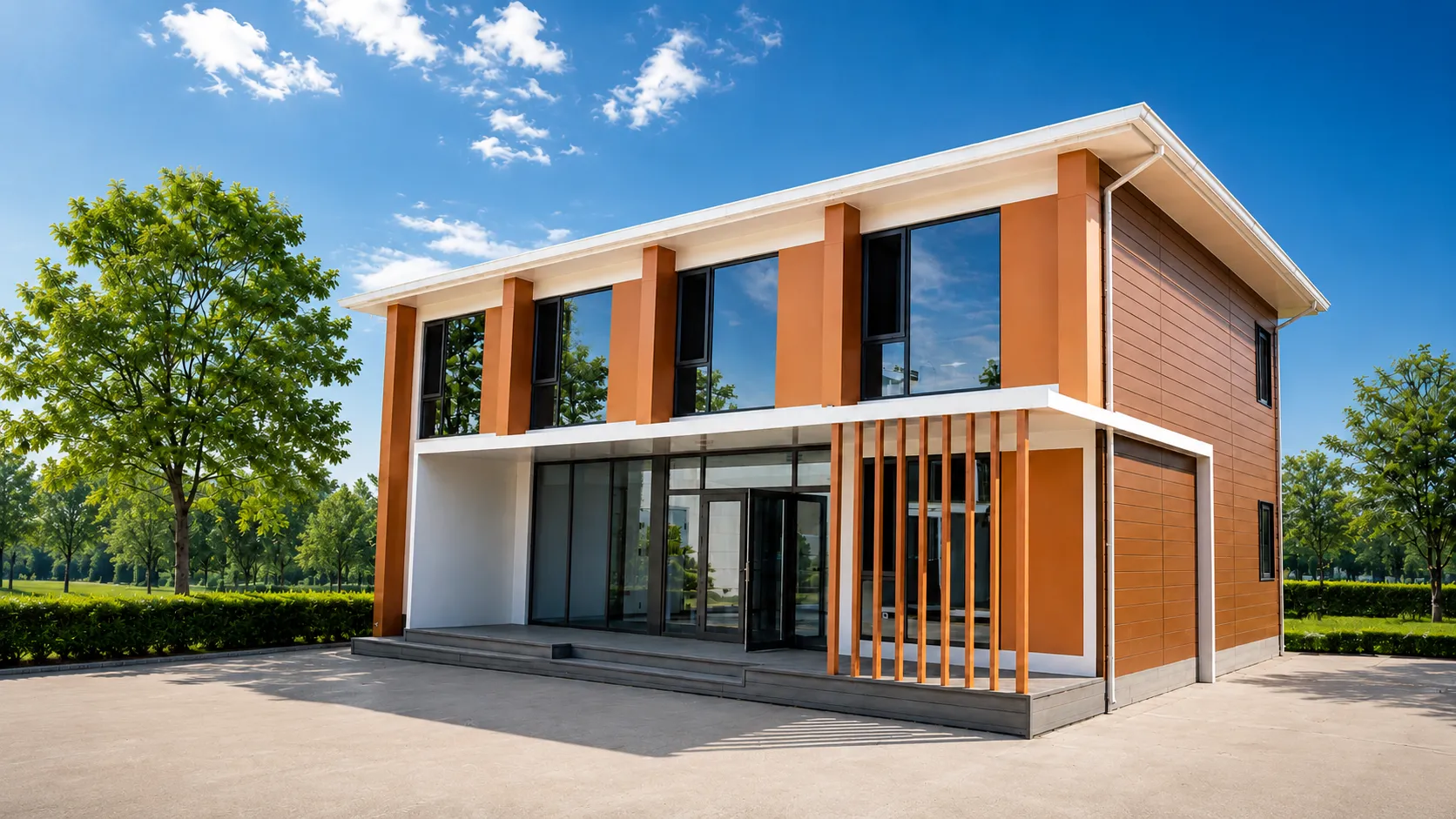
Exterior wall materials, colors, and facade treatments can be tailored to match corporate identity or surrounding buildings. Companies can incorporate logos, signage, and other visual elements to strengthen brand image even in remote project locations.
System integration and smart functions
Depending on project needs, suppliers can integrate access control systems, video surveillance, smoke and fire detection, IT server rooms, and energy-saving controls. For companies focusing on ESG goals, options such as energy-efficient lighting, high-performance insulation, and renewable energy interfaces are available.
Installation Process and Project Timeline
A well-organized process ensures that a prefabricated house office is delivered on time and ready for use when the project needs it most.
Needs analysis and scheme design
The supplier communicates with the client to understand site conditions, climate, required office capacity, functional rooms, and budget, then proposes an optimized modular layout.
Factory production and quality control
Steel structures, wall and roof panels, doors, windows, and interior components are produced in a factory with standardized processes and inspections. This approach improves consistency and reduces defects compared with purely on-site construction.
Logistics and on-site assembly
Modules and materials are shipped to the site by road, sea, or rail, depending on the project location. On-site teams install the structure, connect modules, complete interior finishing, and coordinate utilities such as electricity, water, and sewage.
Inspection and handover
After installation, the building undergoes inspections for structure, waterproofing, electrical and mechanical systems, and safety. Once approved, the office is handed over fully functional, so the client can move in quickly.
The total timeline, from design confirmation to office handover, is usually much shorter than the traditional building route, which is crucial for fast-track projects.
Cost Considerations and Budget Planning
While each project is unique, understanding the cost drivers of a prefabricated house office helps buyers make informed decisions.
Main cost factors
Key elements include building size, number of storeys, material specifications, climate requirements, transport distance, and the complexity of on-site foundations and utilities. Projects in extreme climates or remote areas may require enhanced insulation and specialized structures, which influence pricing.
Life-cycle and operating cost
Energy-efficient design and reliable insulation reduce heating and cooling expenses over the building’s life. The ability to relocate and reuse modules across multiple projects further improves the economic return on investment.
How to request an accurate quotation
To obtain precise pricing, buyers should prepare basic data such as site location, climate conditions, required number of employees, functional room list, expected delivery time, and any local standards that must be met. Providing clear requirements enables the supplier to design a cost-effective solution and avoid later changes.
Real-World Project Experience
An experienced supplier of prefabricated buildings accumulates a large number of reference projects in different regions and industries. For example, modular office camps have been deployed in deserts, plateaus, cold regions, and coastal zones for international oil and gas fields, mining operations, and large-scale infrastructure works.
These projects demonstrate the adaptability of prefabricated house offices to various climates and cultural environments while maintaining reliable quality. Large overseas projects often involve hundreds or thousands of units, showing that modular solutions can scale to meet the needs of complex engineering camps and industrial parks.
Choosing the Right Prefabricated House Office Supplier
Selecting a qualified partner is essential to the success of your office project.
Experience and certifications
Look for suppliers with many years in modular housing, international project experience, and relevant quality certifications for their products and factories. A strong track record in engineering camps, oil and gas projects, and military or emergency applications indicates robust design and execution capabilities.
Complete product and service system
Leading companies can provide container houses, prefab houses, steel structures, and modular solutions that cover offices, accommodation, dining halls, recreation areas, and supporting facilities. One-stop services including planning, design, production, logistics, installation, and after-sales support help clients manage projects more efficiently.
Official website and contact channels
When evaluating a supplier, explore their official website, such as the product and case sections on https://www.cdph.net/, to understand their solutions and project experience. Then use the contact page or inquiry form to describe your needs and request tailored proposals.
Prefabricated House Office: A Smart Choice for Modern Projects
A prefabricated house office combines industrialized manufacturing, modular design, and flexible deployment to deliver fast, reliable office space for a wide variety of projects and organizations. Its advantages in speed, cost control, adaptability, and sustainability make it an increasingly attractive alternative to traditional construction, especially for engineering camps and remote or time-critical projects.
By clearly defining project requirements and choosing an experienced modular building supplier, companies can obtain safe, comfortable, and efficient office environments that support their teams from day one. For more information on modular office solutions and engineering camp buildings, you can explore the product and case information available on the official website at https://www.cdph.net/.




 More
More











![Top Advantages of Modular Construction Explained [2025]](/uploads/upload/images/20250424/0fb390068474145a09a8c0504c73b1d2.png)
 May 09, 2025