Introduction: The Growing Need for Affordable Housing Solutions
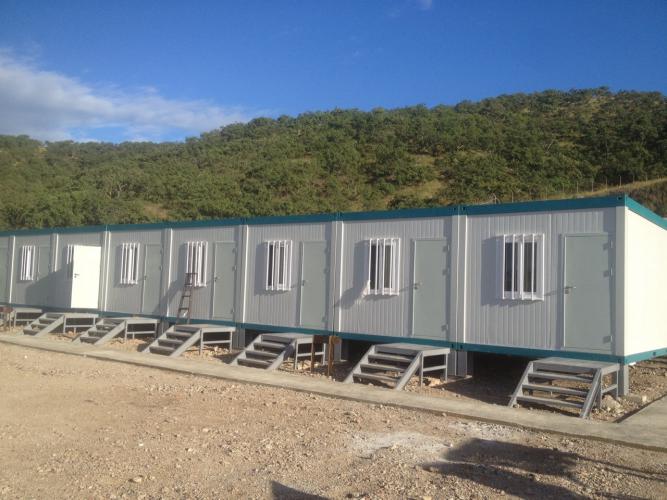
The global housing crisis continues to impact millions of people worldwide. Rising construction costs, limited land availability, and extended building timelines have made traditional housing increasingly unaffordable for many communities and industries. This is where low-budget container houses emerge as a game-changing solution. Unlike conventional construction methods that can take months or even years to complete, modern container housing offers a practical, economical alternative that doesn't compromise on quality or functionality.
Low-budget container housesrepresent a revolutionary approach to housing that combines affordability with durability, sustainability with speed of installation, and flexibility with structural integrity. Whether you're looking to establish temporary housing for a large-scale construction project, provide emergency shelter, create affordable residential units, or develop a construction camp in a remote location, container housing has proven itself across over 100 countries as the solution of choice for forward-thinking organizations and governments.
Understanding Low Budget Container Houses: What Makes Them Different
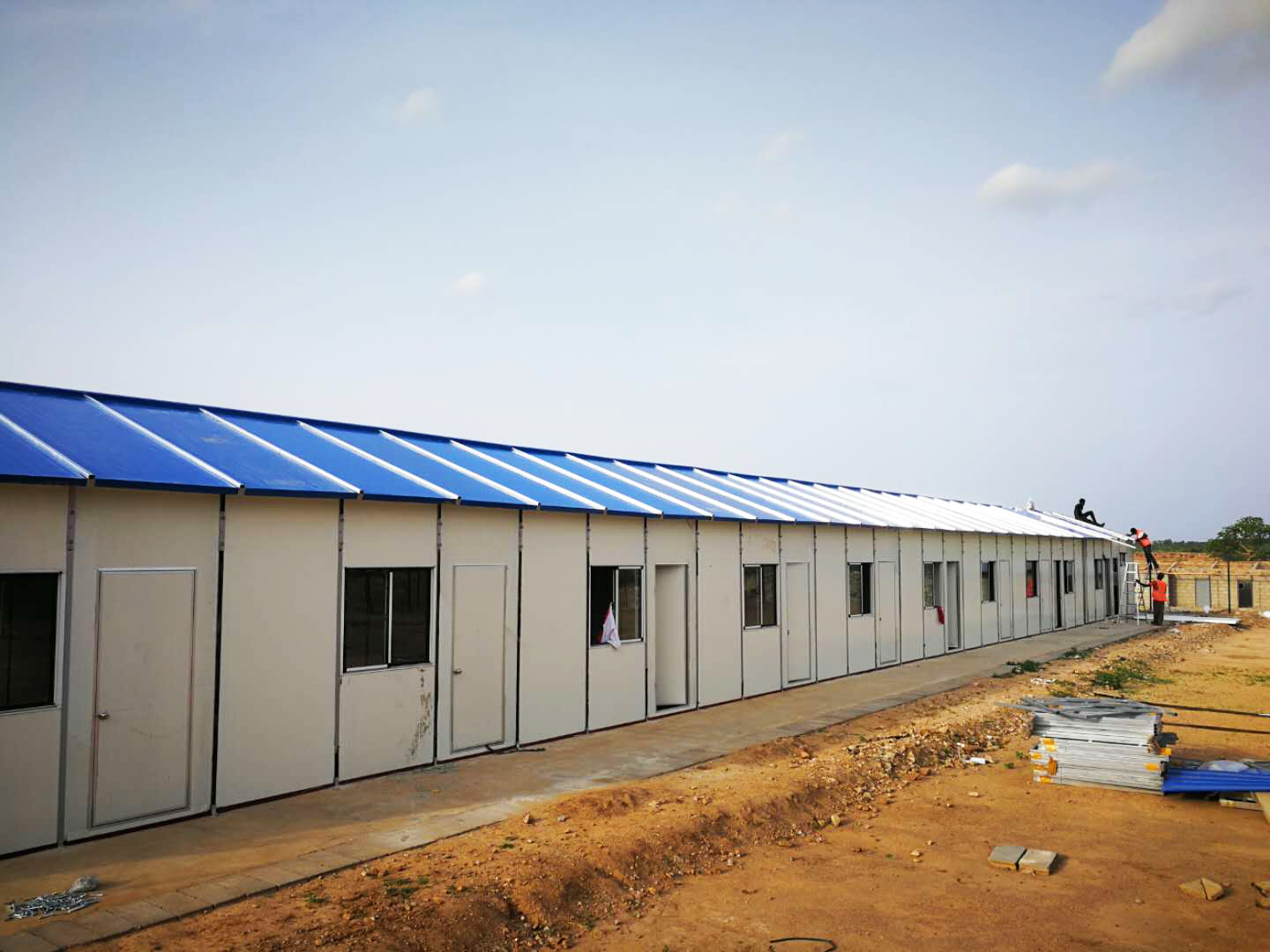
A low-budget container house is fundamentally different from the makeshift container conversions you might imagine. These are engineered, factory-prefabricated modular structures that utilize standardized shipping containers as their basic structural framework. The key to their affordability lies not in cutting corners on quality, but in optimizing every aspect of production and installation.
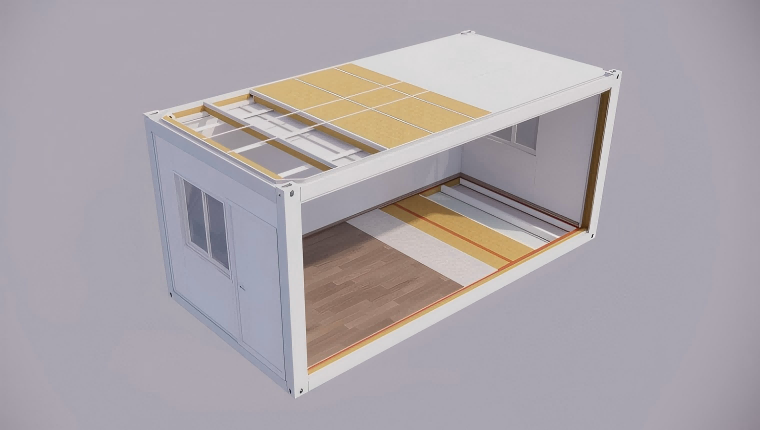
Container houses adopt a modular design philosophy where each unit is manufactured in controlled factory environments with precision machinery. This approach eliminates on-site construction inefficiencies, weather delays, and labor cost overruns that plague traditional building projects. The standardized nature of container dimensions—typically 6055mm in length, 2990mm in width, and 2896mm in height for standard units—means manufacturers can mass-produce components at scale, dramatically reducing per-unit costs.
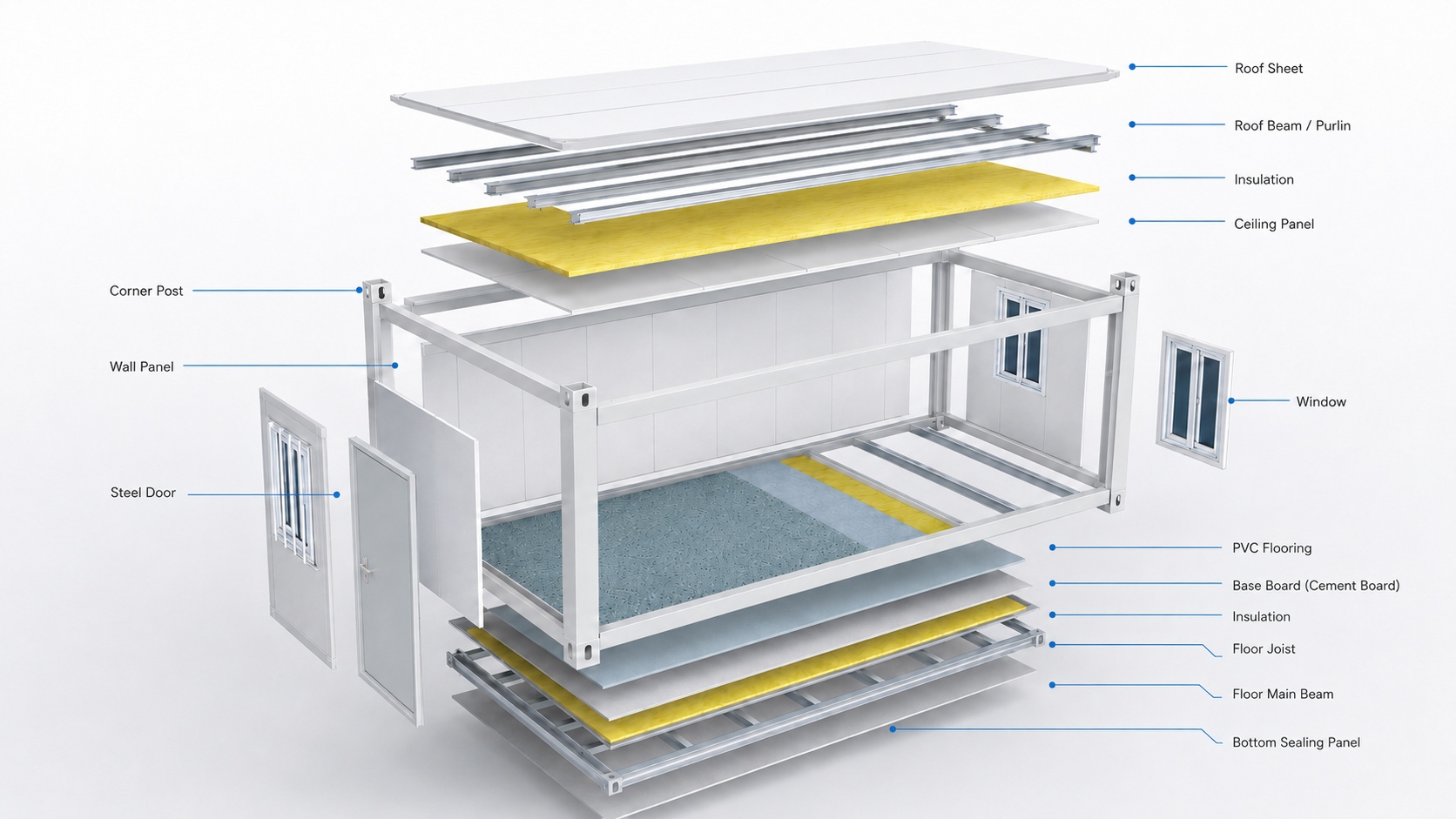
The structural integrity of a low-budget container house is ensured through the use of hot-dip galvanized steel frames that provide superior corrosion resistance. These are not mere metal boxes; they are engineered structures with reinforced joints, bolted connections, and integrated insulation systems designed to withstand environmental challenges ranging from extreme heat in tropical regions to harsh winters in northern climates.
The Economics of Container Housing: Why Prices Are So Competitive
Several factors combine to make container houses exceptionally affordable compared to traditional construction:
Factory Production Efficiency: Manufacturing in controlled environments allows for mechanized production that significantly reduces labor costs and improves quality consistency. Unlike site-built structures that depend on local labor availability and weather conditions, factory production operates on predictable timelines with optimized processes.
Modular Stacking and Combination: Container houses can be stacked vertically up to three layers and combined horizontally in multiple configurations. This flexibility means organizations can invest in just the number of units they need, adding more as requirements expand. The flat-pack packaging method further reduces transportation expenses—an organization can consolidate five units of housing into a single 20-foot standard shipping container.
Reusability and Longevity: Unlike temporary shelters or disposable structures, a quality low-budget container house maintains its integrity for decades. This extended service life means the cost per year of occupancy remains exceptionally low. Many deployed units continue functioning as "good as new" after five, ten, or more years of continuous use.
Reduced Transportation Costs: The standardized dimensions and flat-pack capability mean efficient use of cargo space. Organizations can significantly reduce shipping costs per unit compared to other prefabricated housing solutions, which is particularly valuable for projects in remote or international locations.
Elimination of On-Site Construction Delays: Projects don't face delays due to weather, material shortages, or construction complexity. Since the structure arrives essentially ready for use, organizations avoid costly project delays and the cascading expenses that follow.
Types of Low Budget Container Housing Available
Modern manufacturers offer several container house variants to suit different budgets and applications:
Standard Container Houses: These represent the most budget-conscious option, providing basic structural integrity and essential features like insulation, electrical prefabrication, and interior flooring. Standard units typically feature 75mm glass fiber or rock wool insulation in walls and roofs, creating comfortable thermal environments across diverse climates.
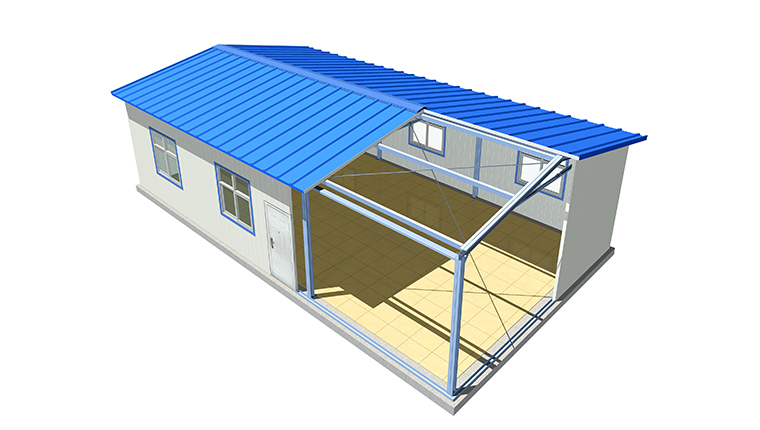
ZA Type Houses: A step up in customization, ZA type houses feature hot-dip galvanized cold-formed steel structures that provide exceptional corrosion resistance—crucial in maritime or chemical-heavy environments. These units offer flexible design options and improved sealing performance due to their construction methodology.
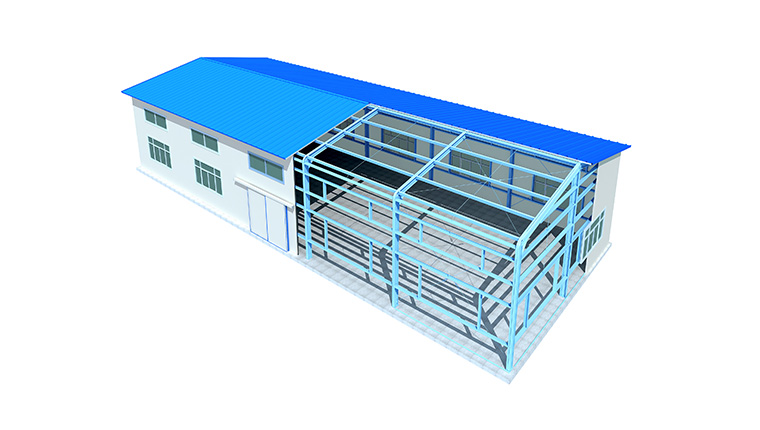
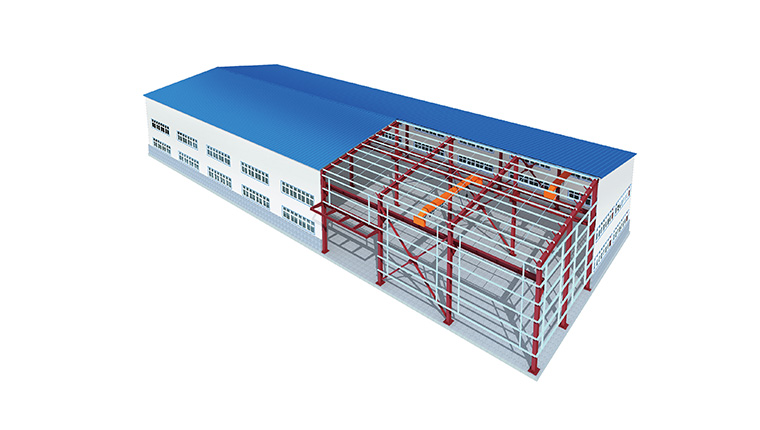
M-Type Steel Structures: For organizations needing larger, open-plan spaces without internal columns, M-type structures provide this capability at a lower cost than traditional H-steel alternatives. These are ideal for dining facilities, storage, workshops, or any application requiring substantial uninterrupted floor space.
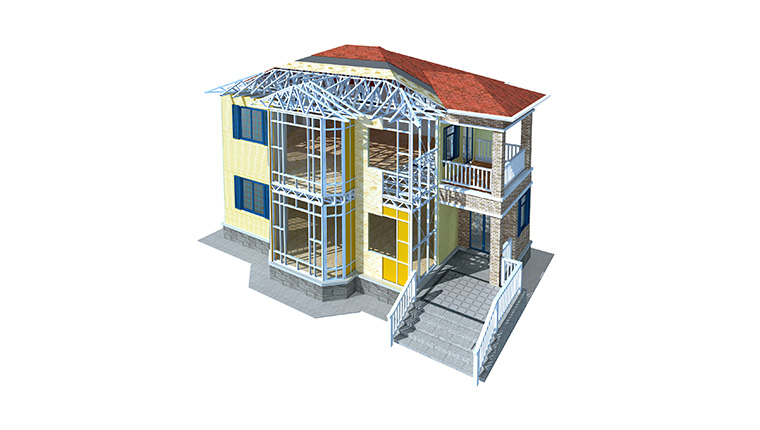
Light Steel Module Products: Representing the premium end of the "low-budget" spectrum, these structures use advanced sheet-type module systems with superior seismic resistance and fire-resistant properties. They're suitable for semi-permanent installations where enhanced comfort and safety features justify slightly higher initial investment.
Key Cost-Saving Features That Define Affordability
Prefabricated Electrical Systems: Each container house arrives with factory-installed electrical circuits and fixtures. This eliminates expensive on-site electrical work, reduces labor hours, and minimizes installation errors that could cause costly revisions.
Integrated Insulation: Walls feature integrated insulation composed of 75mm rock wool or glass fiber, eliminating the need for secondary insulation work. Roof and floor insulation are similarly pre-installed, ensuring thermal efficiency from day one without additional expense.
Flat-Pack Delivery Method: The structural components arrive in optimally packaged configurations that maximize container utilization. This reduces shipping volume by up to 80% compared to fully assembled structures, translating directly into cost savings.
Modular Interior Configuration: Internal layouts can be standardized for mass-produced units, or customized within the prefabrication process. This flexibility allows organizations to avoid expensive on-site modifications while still achieving desired functionality.
Minimal Foundation Requirements: Unlike traditional buildings requiring extensive concrete foundations, container houses function with simple concrete pad foundations or even ground-level placement in many climates, reducing site preparation costs significantly.
Real-World Applications Demonstrating Proven Value
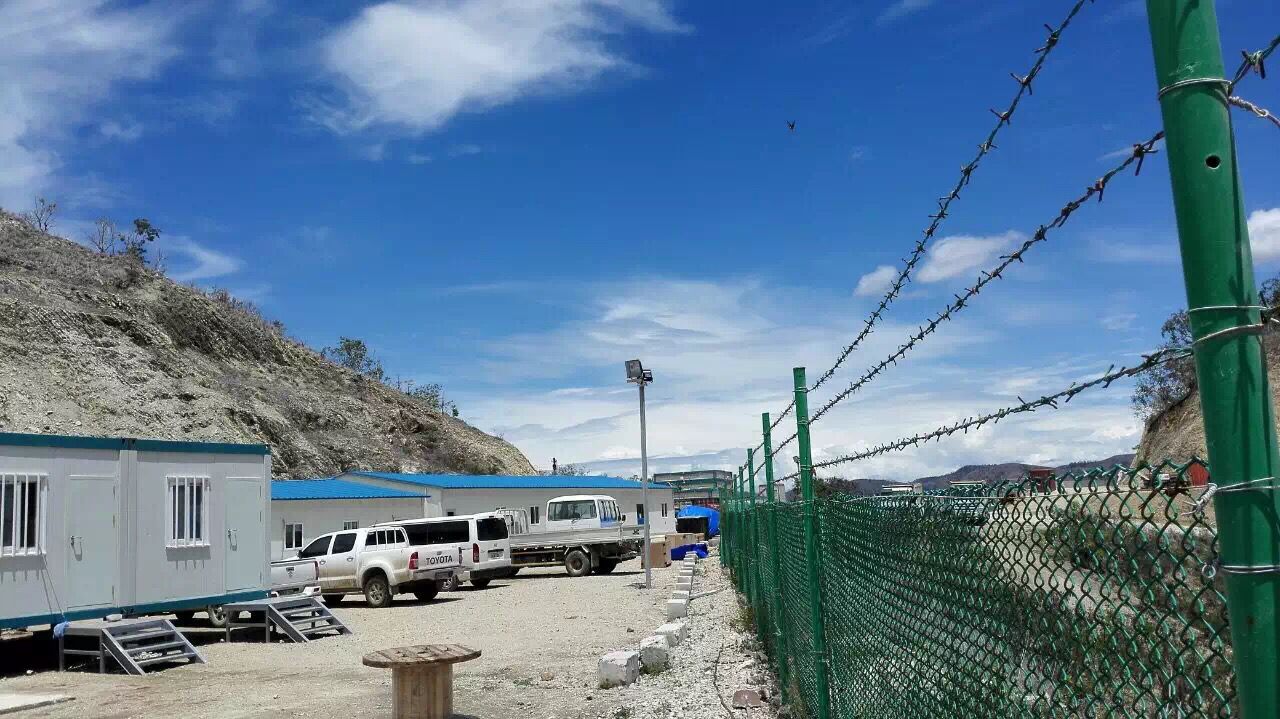
Mining and Energy Extraction Projects: In remote mining operations spanning continents from Africa to South America, low-budget container houses provide safe, dignified accommodation for hundreds of workers simultaneously. Projects have deployed thousands of units to support mining operations, with particular success in creating modular dormitory complexes that maintain worker morale while controlling costs.
Construction Camp Infrastructure: Large infrastructure projects—from highway construction to airport expansion to railway development—routinely rely on container housing to accommodate project teams. The ability to incrementally add housing as projects expand or reduce it as phases complete provides exceptional financial flexibility.
Disaster Relief and Emergency Housing: When natural disasters displace populations, container houses provide weatherproof shelter rapidly. Their durability and reusability mean equipment purchased for one emergency remains available for subsequent responses, improving disaster preparedness infrastructure efficiency.
Educational Facilities: Schools in underserved regions have successfully utilized container house technology to expand classroom space, create teacher accommodation, and establish administrative facilities. The modular nature allows schools to expand capabilities as enrollment grows.
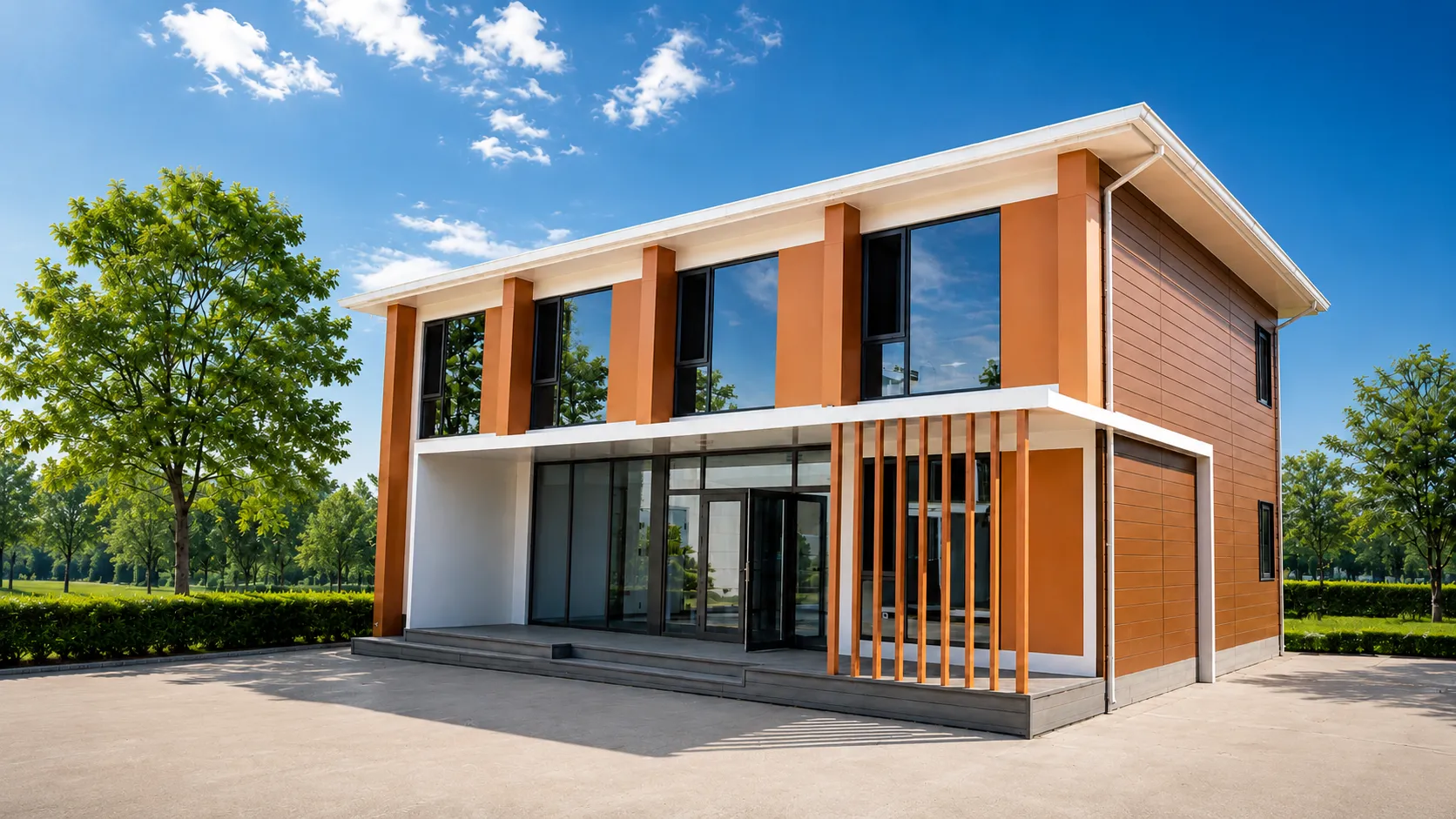
Commercial and Hospitality Applications: Container houses have been adapted for boutique hotel accommodations, office complexes, and retail spaces, proving that budget-friendly construction doesn't mean compromising on aesthetic appeal or functionality.
Beyond Affordability: The Complete Value Proposition
While cost-effectiveness is the primary driver for low-budget container house adoption, several additional benefits explain their global proliferation:
Rapid Deployment: Factory-prefabricated units can be deployed within weeks of order, compared to months or years for traditional construction. For time-sensitive projects, this speed represents enormous value beyond the financial savings.
Environmental Sustainability: Container reuse diverts material from recycling/disposal streams. The controlled factory production reduces construction waste by 80-90% compared to site-built alternatives. Many manufacturers optimize designs for recyclability and use sustainable materials throughout.
Structural Durability: Hot-dip galvanized steel frames resist corrosion in marine, desert, and industrial environments. Well-maintained units function reliably across 20-30+ year lifespans, making them far more sustainable than disposable housing alternatives.
Climate Adaptability: Standardized designs accommodate regional climate requirements through material selection. Arctic installations feature enhanced thermal insulation, tropical versions incorporate ventilation optimization, and coastal units utilize enhanced corrosion protection—all within the affordable housing category.
Design Flexibility: Despite standardized manufacturing, low-budget container houses offer surprising customization options. Organizations can modify interior layouts, add covered outdoor areas, incorporate local architectural elements, and configure spaces to match cultural or functional preferences without substantially increasing costs.
Quality Assurance and Safety Standards
The perception that "low-budget" equals "low-quality" doesn't apply to modern container housing. Reputable manufacturers implement rigorous quality control processes:
Structural designs undergo engineering analysis for wind loads, seismic forces, and stacking loads
Materials meet international standards for fire resistance, insulation performance, and structural integrity
Factory production processes employ mechanized systems that maintain consistency superior to manual on-site construction
Installation supervision by experienced professionals ensures proper assembly and long-term performance
Extended warranties typically cover structural components for 5-10 years
Third-party certifications from engineering firms and regulatory bodies validate the quality of manufactured units, providing confidence for institutional buyers.
Customization Without Breaking the Budget
One of the most appealing aspects of low-budget container housing is the ability to customize features while maintaining affordability:
Interior Layout Options: Single dormitories, double occupancy rooms, office configurations, bathroom placement—all can be optimized during the prefabrication phase at minimal additional cost.
Exterior Finishes: While standard units typically feature gray or white color-coated exterior panels, custom color schemes can enhance aesthetics for hospitality or commercial applications at modest cost premiums.
Functional Module Additions: Integrated bathroom pods, kitchen modules, or stair configurations can be incorporated into the prefabricated design, reducing on-site assembly complexity.
Local Material Integration: Many manufacturers work with regional suppliers for certain components, supporting local economies while maintaining cost efficiency.
Global Availability and Sourcing
Low-budget container houses are manufactured and deployed across every continent. Leading providers maintain production facilities in multiple countries, offering several advantages:
Reduced shipping distances for regional projects
Ability to meet diverse regulatory requirements across jurisdictions
Support for local employment and supply chains
Flexibility in responsive production for urgent projects
With 40,000+ units of annual production capacity globally and presence in over 100 countries, supply chain reliability is well-established. Organizations can source units for projects spanning Africa, Asia, Latin America, the Middle East, and beyond with confidence in consistent quality and reliable delivery.
Making the Transition to Container Housing
For organizations considering low-budget container houses for the first time, several best practices ensure successful implementation:
Clear Specification Development: Define space requirements, occupancy types, climate conditions, and functional needs before requesting quotes. Clearer specifications lead to better initial designs and avoid expensive modifications.
Site Assessment: While container houses adapt to diverse conditions, understanding soil conditions, drainage, wind exposure, and local regulations helps optimize design and installation planning.
Professional Consultation: Working with experienced providers early in the planning process helps identify optimization opportunities and avoid costly mistakes. Many reputable manufacturers offer free consultation and site assessment services.
Phased Implementation: For large-scale projects, implementing container housing in phases allows organizations to validate assumptions, adjust specifications based on actual performance, and optimize ongoing deployments.
Maintenance Planning: While low-maintenance compared to traditional structures, establishing basic maintenance protocols—particularly for exterior surfaces and drainage systems—extends service life and maintains appearance.
Conclusion: Redefining Housing Affordability
Low-budget container houses represent a genuine disruption to housing development paradigms. By combining industrial-scale manufacturing efficiency with proven engineering, modular design philosophy with practical flexibility, and cost-consciousness with quality commitment, they've become the default solution for temporary and semi-permanent housing globally.
Whether addressing housing shortages in developing regions, providing infrastructure for large projects, offering emergency shelter, or creating affordable residential communities, container housing has demonstrated remarkable versatility and value. The economics are straightforward: factory production reduces costs while improving quality, modular design enables flexible configurations at scale, and extended service life means low per-year occupancy costs.
For decision-makers evaluating affordable housing solutions, low-budget container houses deserve serious consideration. The combination of rapid deployment, proven performance across 100+ countries, customization flexibility, quality assurance, and exceptional cost-effectiveness makes them an increasingly obvious choice as housing affordability challenges persist globally.
Contact CDPH for Your Container Housing Needs
For detailed information about low-budget container house solutions tailored to your specific requirements, contact the experts at Chengdong Modular Housing:
Headquarters: No. 8, East Street, Art Museum, Xiaopu Art Park, Songzhuang Town, Tongzhou District, Beijing, China
Free Service Hotline: Tel: 4000-99-4000
Email: chengdong@cdph.com.cn
Website: https://www.cdph.net
Global Presence: With operations across multiple continents and partnerships in over 100 countries, CDPH brings decades of experience in engineering camp construction, project planning, installation support, and customer service that extends beyond the initial purchase.
Explore how low-budget container housing can revolutionize your housing challenges today.




 More
More












![Top Advantages of Modular Construction Explained [2025]](/uploads/upload/images/20250424/0fb390068474145a09a8c0504c73b1d2.png)
 May 09, 2025