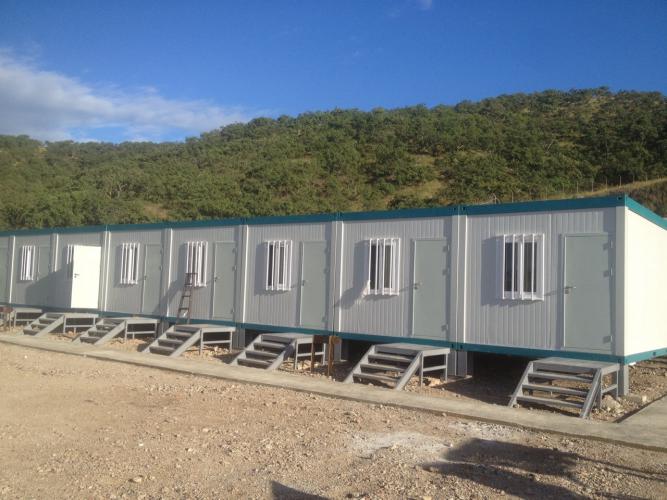
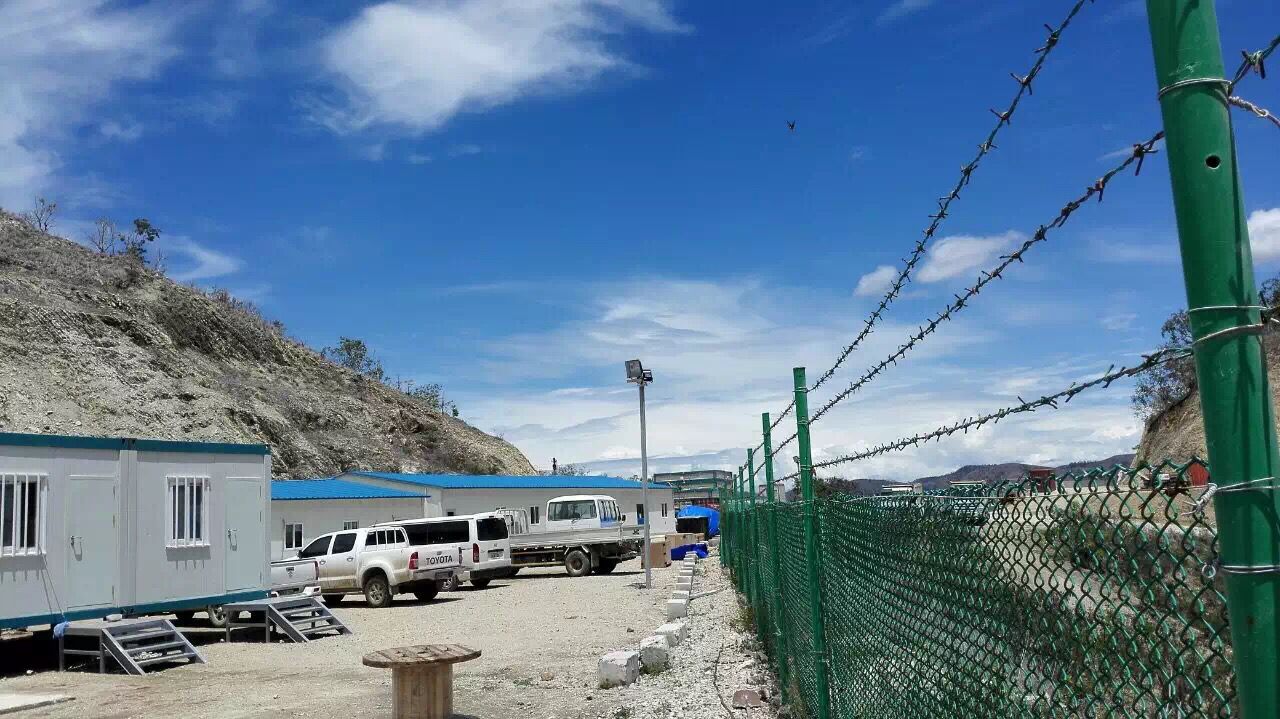
The global energy industry faces a critical infrastructure challenge that traditional construction methods simply cannot solve. As oil and gas exploration advances into Earth's most remote, hostile, and operationally complex environments—from Guyana's rainforests to Siberian permafrost to Middle Eastern deserts—the need to rapidly, reliably, and cost-effectively house thousands of workers has become a strategic competitive advantage. This is where top modular house builders are revolutionizing how major energy companies approach workforce accommodation.
In 2024, when ExxonMobil secured environmental approval for its Payara project in Guyana—a 1-billion-barrel resource designed to sustain 20 years of production—project managers faced a traditional construction proposal that would have cost USD 80-120 million and required 12-18 months of construction time. The remote jungle location, extreme heat, humidity exceeding 85-95%, and relentless tropical rainfall compounded every risk. Yet when procurement teams evaluated modular solutions from top modular house builders, the economics transformed completely: USD 50-60 million, 6 months, 95% factory-prefabricated, and fully predictable quality. This represents the 30% cost savings and 50% timeline acceleration that characterize modern modular construction—and it's now becoming industry standard across upstream, midstream, and downstream operations.

Understanding the Five Immovable Constraints of Oil & Gas Projects
Oil and gas assets exist where geology, not proximity to infrastructure, dictates location. This geographic isolation creates what industry leaders call "the five immovable constraints"—challenges that modular housing directly addresses and that traditional construction cannot overcome efficiently.
Geographic Isolation: The Infrastructure Desert
The world's richest oil and gas deposits lie buried in the planet's most isolated regions. Road networks don't exist. All building materials must travel vast distances—sometimes weeks by ship and truck. Materials sourcing alone can add USD 5-10 million to a traditional camp project.
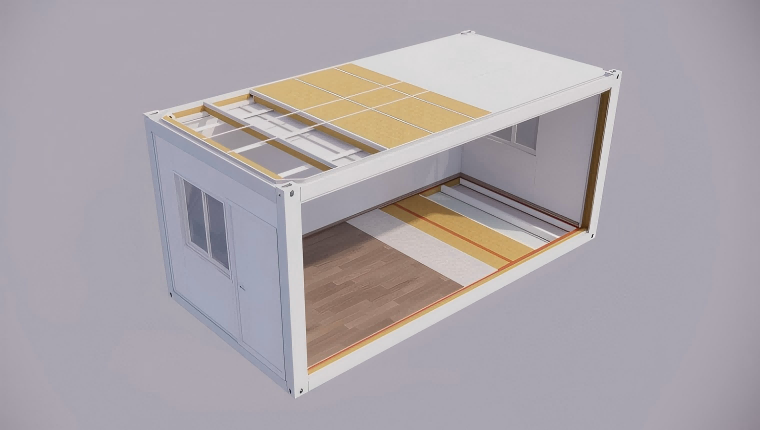
Top modular house builders solve this through flat-pack logistics: multiple units stack into standard shipping containers, reducing transportation volume by 60-70%. A USD 50 million modular camp requiring 30-50 container loads can ship globally in 2-4 weeks. Traditional materials for the same scope would require 150+ trucks and 3-4 months of overland delivery, creating schedule risk and cost uncertainty. This is why major oil majors now prioritize modular: it transforms supply chain unpredictability into logistics predictability.
Extreme Climate: Five Environmental Battlegrounds
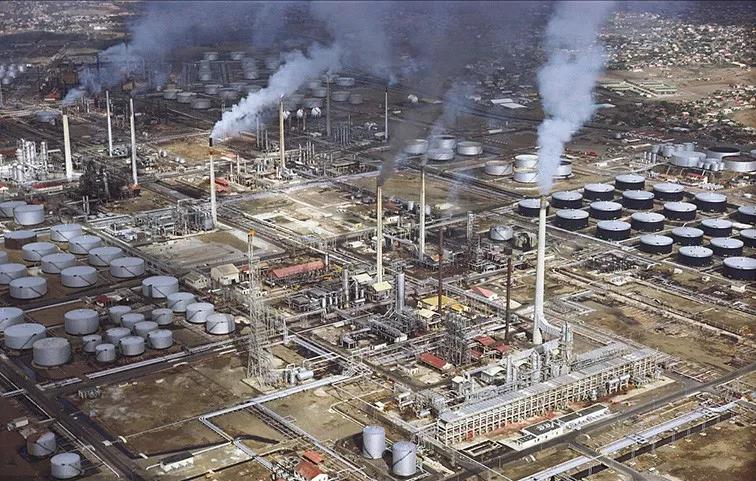
Oil & gas resources cluster across five distinct climate extremes, each demanding specialized engineering solutions that modular manufacturers have mastered.
Desert Heat Environments (Middle East, North Africa): Mid-summer temperatures routinely reach 55-65°C. Standard HVAC systems for traditional camps consume 3-5x normal energy, inflating operating costs by USD 8-15 million annually for large camps. Top modular house builders deploy high-reflectance coatings, 100mm specialized insulation, and zone-specific HVAC systems engineered for desert conditions. Energy consumption drops 30-40%, generating USD 100-200 million in lifecycle savings across a 20-year project.
Coastal/Humid Environments (Southeast Asia, West Africa, Caribbean): Salt spray, 70-95% humidity, and relentless rainfall destroy traditional structures in 3-5 years. Rust costs accelerate maintenance budgets 200-300%. Top modular house builders use hot-dip galvanized cold-formed steel (ISO 12944 C4-C5 classification, 25-30 year design life) with elevated floor systems that eliminate standing water and rust-accelerating ventilation gaps. These systems maintain structural integrity and aesthetics across 25+ year project lifecycles.
Hurricane-Force Wind Environments (Caribbean, Gulf of Mexico, Bay of Bengal): Category 4+ hurricanes generate wind speeds exceeding 45 m/s. Traditional structures fail catastrophically; even "reinforced" buildings sustain 30-40% damage requiring 4-6 months restoration. Top modular house builders engineer structures that survive Category 5 hurricanes with zero structural damage. Real-world validation: the Bahamas Island Camp survived a Category 4 hurricane with complete structural preservation and only 2 weeks restoration time. This reliability prevents USD 50-200 million in project schedule delays and damage costs.
Extreme Cold Environments (Siberia, Arctic, Canada): Winter temperatures plunge to -52°C, making steel brittle and freezing water/HVAC systems. Traditional construction experiences 15-30% cost overruns and 6-12 month delays. Top modular house builders deploy 150mm thick rock wool insulation, triple-layer insulated glass, and thermal break design to eliminate cold bridging. All systems are factory-installed and tested in climate chambers before shipment, eliminating field assembly stress and failure modes.
Vertical Altitude Environments (Andes, Himalayas, Tibet Plateau): Altitude above 4,000 meters creates extreme UV, rapid diurnal temperature swings (-20°C to +30°C in 24 hours), and thin atmosphere pressure. Traditional structures suffer material brittleness and fastener failure. Top modular house builders use specialized high-altitude metallurgy and fastener standards (ISO 4017/4014 with enhanced coating protocols) designed for vertical environments.
Worker Welfare Drives Productivity and Retention
A second-order benefit of modular housing often exceeds the direct cost savings: improved worker welfare drives substantial productivity gains.
Poor accommodation generates 30-40% annual worker attrition in remote oil & gas projects. High turnover destroys project continuity, increases training costs, and creates safety vulnerabilities. World-class modular camps deployed by top modular house builders include private dormitories, fitness centers, multi-cultural dining facilities, entertainment areas, and high-speed internet connectivity. These amenities reduce annual turnover to 5-10%—a 75-85% improvement.
For a 3,000-person camp operating for 4 years, this translates to:
Reduced recruitment costs: USD 8-12 million savings (turnover recruitment averages USD 3,000-4,000 per worker)
Improved safety culture: 20-30% reduction in recordable incidents
Enhanced productivity: 15-25% improvement in output per person-hour
Operational stability: Consistent crew composition enables faster ramp-up and higher quality execution
These intangible benefits often exceed the USD 20-30 million in direct capital cost savings that modular provides.
The Economics of Scale Volatility and Flexibility
Oil & gas projects commonly experience 10-100x personnel scaling from exploration to full construction. A 200-person exploration team can grow to 3,000-40,000 personnel during peak construction. Traditional construction cannot accommodate this elasticity: building a 40,000-person camp assumes that utilization level will be maintained. When projects scale down (as they typically do post-construction), USD 100-300 million in accommodation assets become stranded, impractical to repurpose, and expensive to demolish.
Top modular house builders solve this through modular scalability: camps deploy incrementally in 4-8 week cycles, matching personnel ramp-up precisely. Surplus modules don't become liabilities—they transfer to new projects (either operated by the same company or sold/leased to competitors). This redeployability transforms accommodation from a sunk cost into a rotating asset, saving USD 30-50 million per mid-scale project.
Market Scale and Growth: A USD 215 Billion Opportunity
The global modular construction market reached USD 112.54 billion in 2025 and is projected to grow to USD 214.76 billion by 2034—a 6.9-7.45% compound annual growth rate that exceeds global GDP growth and signals modular's accelerating market capture.
Oil and gas projects represent 35-40% of global industrial modular applications, positioning the sector as a USD 22-28 billion opportunity by 2034. This scale attracts world-class manufacturers and drives continuous innovation in extreme-environment engineering.
Regional growth varies significantly. Africa's modular construction adoption accelerates at 12-15% CAGR, driven by new exploration in hostile environments and weak traditional construction infrastructure. The Middle East and North Africa cluster grows at 9-10% CAGR, reflecting ongoing energy development and the region's extreme environmental challenges. This geographic divergence reflects where top modular house builders deliver their greatest competitive advantage.
Quantified Benefits: The Performance Comparison
The competitive advantage of modular solutions becomes crystalline in direct performance comparison:
| Metric | Traditional Construction | Modular Construction | Advantage |
| Deployment Timeline | 12-18 months | 2-3 months | 60-75% faster |
| Total Capital Cost | 100% baseline | 70-75% | 25-30% cost savings |
| Labor Costs | 100% baseline | 50% | 50% reduction |
| Material Waste | 15-20% | 2-5% | 90% waste reduction |
| Quality Defect Rate | 10-15% | <3% | 70-80% improvement |
| Staff Turnover | 30-40% annually | 5-10% annually | 75-85% reduction |
| Energy Efficiency | Standard baseline | 35-40% superior | Significant OPEX savings |
| Relocatability | 0% (permanent) | 100% (modular) | Full asset reuse capability |
These metrics represent the fundamental value propositions that have positioned top modular house builders as strategic partners for every major oil and gas operator globally.
The Strategic Imperative: Why Oil Majors Prioritize Modular
Oil majors including ExxonMobil, Shell, BP, Saudi Aramco, and Qatar Petroleum have systematized modular procurement as their default strategy for new projects. This shift reflects three converging imperatives:
Cost Control and CAPEX Certainty: Energy price volatility directly impacts project NPV. A CAPEX increase of just 10% reduces project NPV by 15-20%. Modular's fixed-price contracts and 25-30% total cost compression directly protect project economics, making modular not a preference but a necessity in volatile energy markets.
Timeline Acceleration and Opportunity Cost: Three months faster camp deployment means three months earlier project startup. For a mid-scale project generating USD 100+ million in annual production revenue, this translates to USD 25 billion in additional lifecycle value. No CAPEX investment offers better returns than modular's timeline compression.
Sustainability and ESG Compliance: Modular construction cuts project waste 90%, reduces carbon intensity 40%, and enables circular reuse models. As oil majors face increasing ESG pressure, modular's sustainability profile becomes a competitive necessity. Leading manufacturers now provide carbon accounting and third-party verification supporting oil majors' net-zero commitments.
Selecting Top Modular House Builders: What Matters
Not all modular manufacturers possess the specialized expertise required for extreme-environment oil & gas applications. Top modular house builders share common characteristics:
Extreme-environment mastery: Proven track records in desert, arctic, humid coastal, and hurricane-prone regions
Scale and certifications: 2,000+ global projects across 100+ countries; ISO 9001:2015, CE marking (EN 1090-1), AWS welding certifications
Technology integration: CNC cutting, robotic welding, automated assembly, BIM/digital twin capabilities
Supply chain resilience: Multi-tiered supplier networks preventing single-point failures
Lifecycle support: On-site assembly support, 24/7 technical support, spare parts availability across 20+ year operational lifecycles
Leading manufacturers operate annual production capacities exceeding 40,000+ modular units and maintain engineering teams specializing in extreme-environment design. This combination of scale, technology, and experience distinguishes genuinely world-class providers from regional competitors.
Conclusion: The Future is Modular
As oil and gas exploration advances deeper into remote, extreme, operationally complex environments, traditional construction methods have demonstrably hit their limits. Top modular house builders have transformed what was once a constraint—building in impossible places—into a competitive advantage.
The 30% cost savings, 50% timeline acceleration, 75-85% improvement in workforce retention, and 90% waste reduction represent not just project economics but a fundamental transformation in how the global energy industry houses its workforce and builds critical infrastructure.
Over the next decade, the modular accommodation sector will grow from USD 12-16 billion to USD 22-28 billion, capturing an ever-larger share of oil and gas infrastructure investment. Modular builders with extreme-environment mastery, global operational experience, and integrated service capabilities—the truly top modular house builders—will capture the lion's share of this market.
The future of energy depends on how intelligently, sustainably, and reliably we house the workers building that energy. Modular housing is becoming that answer.




 More
More









![Top Advantages of Modular Construction Explained [2025]](/uploads/upload/images/20250424/0fb390068474145a09a8c0504c73b1d2.png)
 May 09, 2025