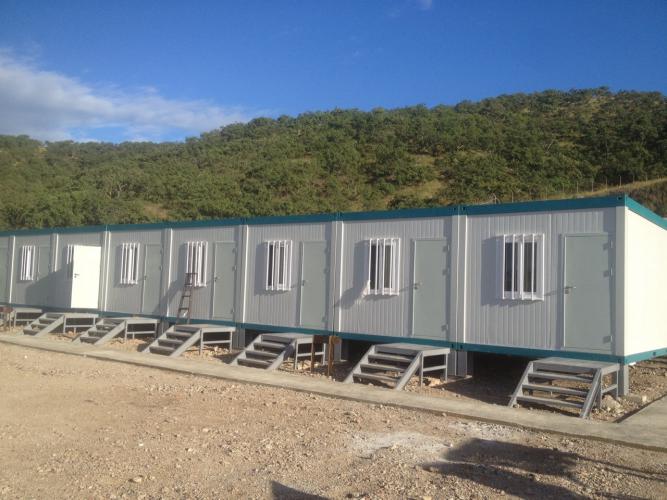
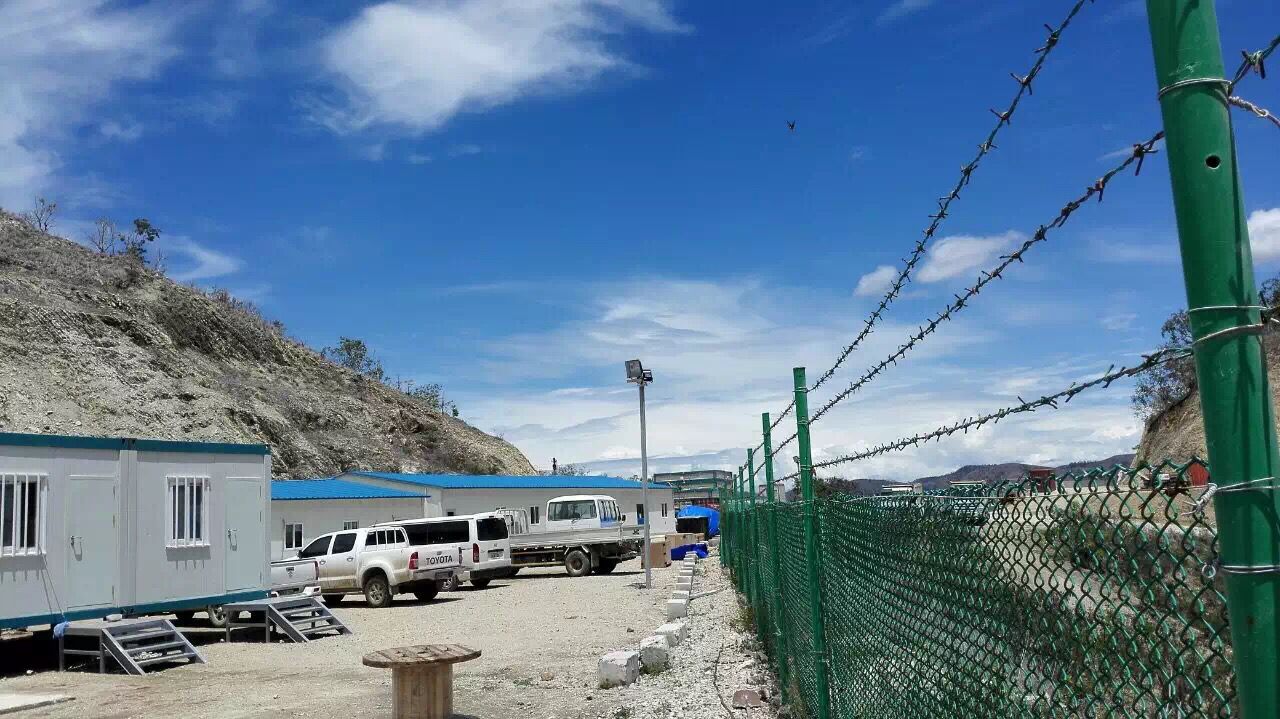
Introduction: A Game-Changing Moment for Central African Infrastructure
On January 5, 2026, China International Marine Containers (CIMC) officially dispatched what would become a watershed moment for the Central African construction industry. The Office Building Project, destined for Yaoundé, Cameroon, represents the region's first-ever modular office building—a landmark achievement that introduces cutting-edge prefabrication technologies to an emerging market hungry for modern infrastructure.
This isn't merely another construction project. It's a demonstration of how mobile modular office solutions are fundamentally transforming the speed, efficiency, and sustainability of workplace development across Africa. With a construction timeline more than 50% faster than traditional methods, this 3,000-square-meter facility accommodating nearly 200 professionals exemplifies why modular construction is becoming the preferred solution for businesses, developers, and governments worldwide.
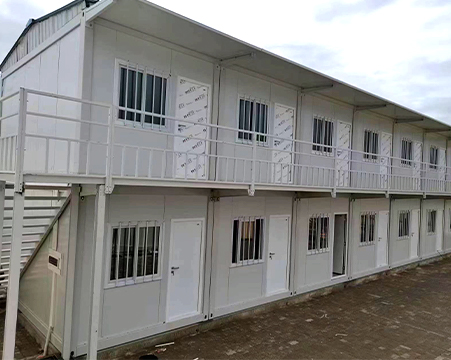
The Project Breakdown: Scale, Scope, and Specifications
The Yaoundé Office Building Project encompasses 78 factory-manufactured modular units assembled into a comprehensive workspace solution. Located in the prestigious Bastos District of Cameroon's capital, the facility was engineered to meet strict permanent building standards while delivering the flexibility and speed that traditional construction cannot match.
Key Project Metrics:
Total Construction Area: Approximately 3,000 square meters
Modular Units: 78 prefabricated components
Occupancy Capacity: Nearly 200 professionals
Expected Completion: Second half of 2026
On-Site Construction Timeline Reduction: Over 50% faster than conventional methods
Factory Prefabrication Level: 90%+ of all construction work
The facility includes diverse functional spaces: modern offices, professional meeting rooms, dining facilities, specialized prayer rooms honoring local cultural practices, and dedicated nursing areas—demonstrating how mobile modular office solutions integrate international quality standards with local community needs.
The 50% Construction Timeline Acceleration: How Modular Design Achieves This
The dramatic acceleration in construction timelines—a reduction exceeding 50% compared to traditional methods—stems from a fundamental reimagining of when and where building work occurs. Rather than concentrating all construction activities on-site, modular construction strategically shifts 90% of fabrication to controlled factory environments.
Traditional Construction vs. Modular Speed
In conventional construction workflows, site-based teams must:
Construct structural frameworks from raw materials
Install mechanical, electrical, and plumbing systems sequentially
Complete interior finishing and quality inspections on-site
Coordinate between multiple subcontractors across weeks or months
This sequential process creates bottlenecks. Weather delays, supply chain disruptions, and labor coordination challenges extend timelines unpredictably.
By contrast, the CIMC Yaoundé project leverages parallel processing—a defining advantage of modular construction:
Factory Phase (Simultaneous Operations):
Structural steel fabrication using precision equipment
Parallel mechanical, electrical, and plumbing installation within module walls
Complete interior finishing: flooring, tiling, interior painting
Integration of smart building systems and climate management technology
Attachment of external curtain walls for finished aesthetic
100% factory testing of all integrated systems
Site Phase (While Factory Works):
Ground preparation and foundation work proceeds independently
Utility connection points are prepared in advance
Site logistics and staging areas are organized
Final Assembly Phase:
Modules arrive pre-finished and testing-certified
Crane-assisted positioning and bolted connections (no welding required)
Utility connection completion
Project handover within weeks rather than months
This parallel workflow—simultaneous factory and site activities—compresses total project duration from 18-24 months (traditional) to 9-12 months (modular), achieving the documented 50%+ timeline reduction.
Manufacturing Excellence: 90% Factory Prefabrication
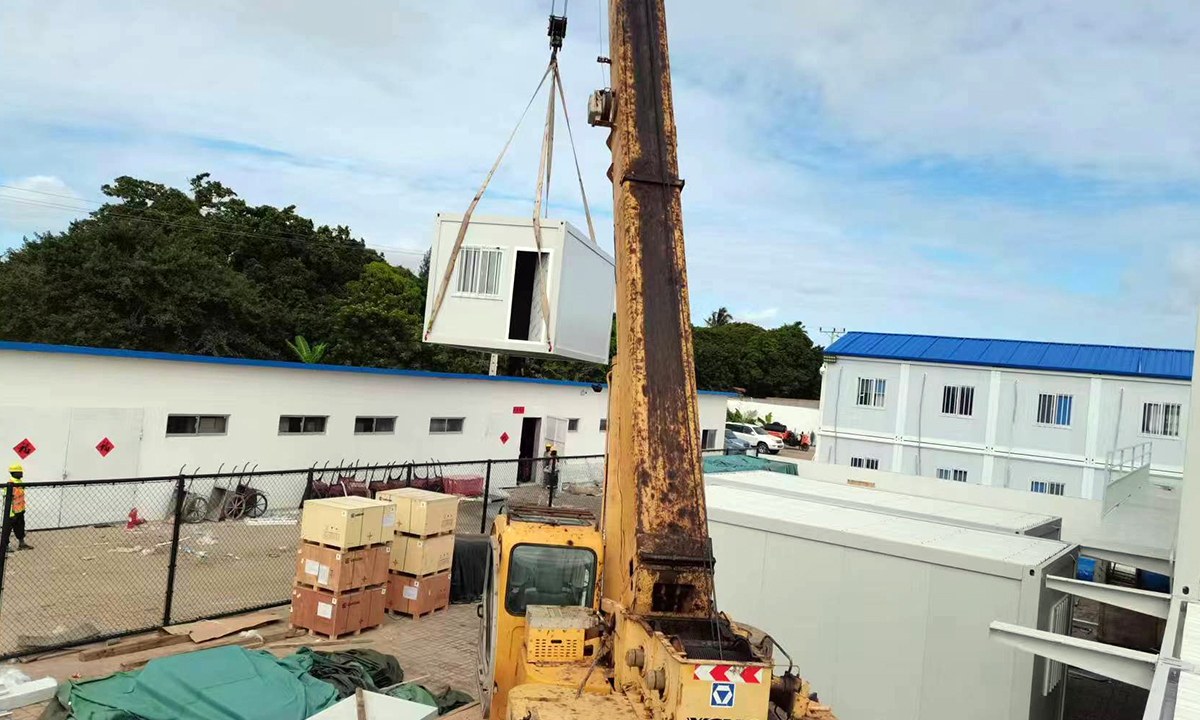
The CIMC Xinhui manufacturing facility in Jiangmen, Guangdong Province represents the infrastructure backbone enabling these unprecedented construction speeds. This flagship production base manufactured all 78 modular units to rigorous international standards—a process demonstrating why mobile modular office solutions deliver superior quality compared to site-based alternatives.
The Five-Phase Factory Production Workflow
Phase 1: Structural Steel Fabrication
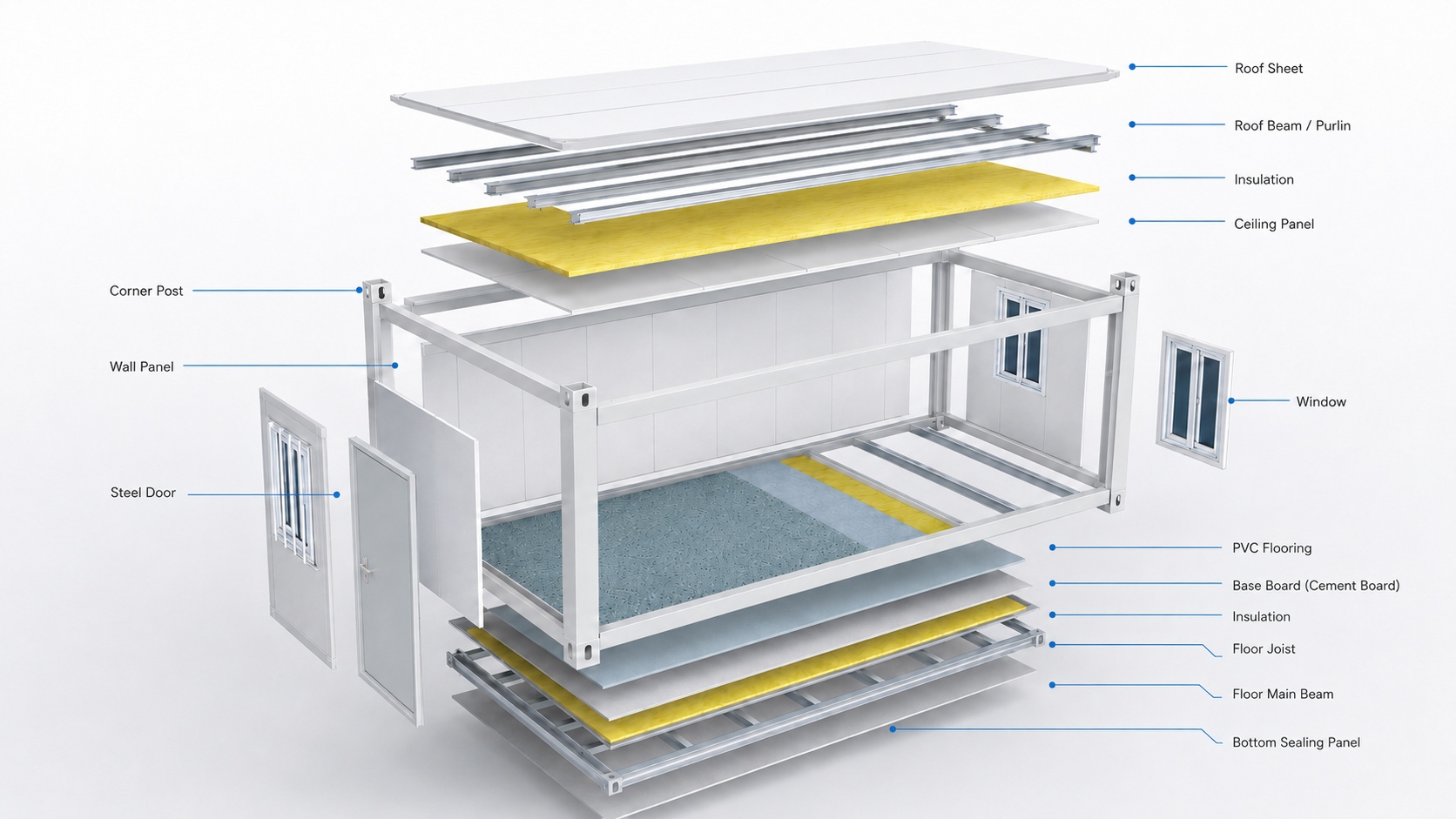
Robust steel frameworks are engineered to satisfy international construction codes and support multi-story structural loads. Each module's steel foundation is hot-dip galvanized for superior corrosion resistance, essential for long-service-life installations.
Phase 2: Parallel Mechanical, Electrical & Plumbing Installation
While structural work progresses, integrated MEP systems are installed within module walls. This parallel approach prevents the sequential delays endemic to traditional construction, where plumbing cannot begin until framing concludes.
Phase 3: Complete Interior Finishing
All interior elements—flooring installation, ceramic tiling, interior painting, and fixture mounting—are completed in factory conditions, where quality control and environmental factors are precisely controlled. This level of completion eliminates on-site finishing delays.
Phase 4: Smart System Integration & Testing
Pre-installed intelligent building technology enables climate management, security monitoring, and occupancy sensors. All systems undergo comprehensive factory testing, ensuring immediate functionality upon installation.
Phase 5: External Facade Attachment
Contemporary curtain walls and exterior finishing are attached during manufacturing. This factory-based approach ensures the completed building presents a modern, permanent appearance—eliminating the industrial aesthetic often associated with container-based or temporary structures.
Transportation: A 60-Day Intercontinental Logistics Journey
The journey of the Yaoundé modules from China to Central Africa exemplifies the global logistical sophistication required for large-scale modular deployments. The initial shipment departure on January 5, 2026, initiated a complex intermodal route:
Shipping Route:
Departure from Jiangmen, crossing the South China Sea
Transit through the Strait of Malacca into the Indian Ocean
Southward navigation along Africa's eastern coastline
Circumnavigation of the Cape of Good Hope
Northward passage to Central African ports
Ground transportation to Yaoundé project site
Total Journey Duration: Approximately 60 days
This extended logistics window demonstrates a critical advantage of modular construction: parallel project advancement. While modules traverse oceanic routes, site preparation teams simultaneously work in Cameroon, ensuring that by the time modules arrive in March 2026, receiving infrastructure is fully prepared for immediate installation and assembly.
The Mobile Modular Office Advantage: Why Cameroon Matters for Africa
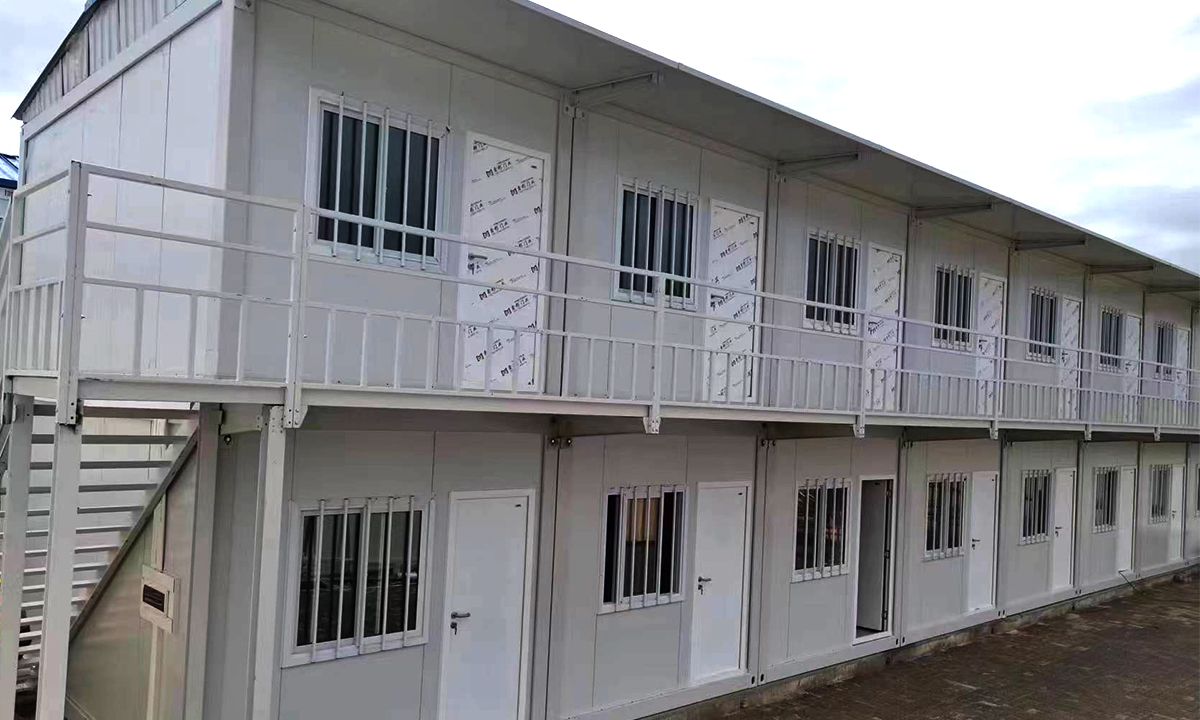
The Yaoundé project arrives during a pivotal moment for Central African economic development. The region's economic corridor is entering an accelerated growth phase, driven by expanding finance, technology, and trade sectors concentrating in Cameroon's capital.
Regional Economic Context:
Central Africa's economic growth projected at 3.4% in 2026
Cameroon specifically forecasted to expand 3.6% this year
Rapid agglomeration of finance, technology, and trade industries
Surging demand for modern office and residential spaces that traditional construction cannot efficiently meet
Traditional construction methodologies struggle to keep pace with this demand acceleration. Projects that require 18-24 months introduce unacceptable delays for companies seeking to establish operations during this growth window. Mobile modular office solutions eliminate this constraint.
Sustainability and Environmental Benefits: The Invisible 50%
Beyond construction timeline acceleration, the modular approach delivers substantial environmental advantages that resonate with global sustainability imperatives.
Waste Reduction:
On-site construction waste reduced by over 50% compared to traditional methods
Factory-controlled production generates minimal scrap material
Precision manufacturing prevents overordering and material waste
Offsite completion eliminates weather-induced material damage
Environmental Quality:
Dramatically reduced on-site noise pollution
Elimination of heavy construction equipment operating in urban centers
Reduced airborne particulate matter and dust
Minimal disruption to surrounding Bastos District neighborhoods
Prefabrication Efficiency:
20-30% reduction in embodied carbon compared to distributed site-based construction
Optimized logistics routes reduce transportation emissions
Factory energy systems operate at higher efficiency than mobile site equipment
These environmental benefits position modular construction as the sustainable alternative to traditional methods—a critical advantage as Cameroon and Central Africa increasingly prioritize ESG (Environmental, Social, Governance) compliance.
The "International Quality, Local Care" Design Philosophy
A distinctive aspect of the CIMC Yaoundé project is its integration of international construction standards with deep respect for local cultural practices. This philosophy—"International Quality, Local Care"—reflects a mature understanding of how modern workplaces must serve diverse professional communities.
Cultural Integration Features:
Prayer Rooms: Dedicated spaces honoring the significant role faith plays in Cameroonian professional life
Nursing Areas: Comprehensive facilities supporting working mothers and healthcare needs
Climate Control: Engineering optimized for tropical environments and monsoon rainfall
Dining Facilities: Catering infrastructure accommodating diverse culinary preferences and dietary practices
This approach demonstrates that mobile modular office solutions are not one-size-fits-all commodities—they are sophisticated, culturally informed workspace ecosystems designed for specific geographic and social contexts.
Quantified Performance: The Numbers Behind the Speed
The documented 50%+ construction timeline acceleration translates into concrete business benefits:
Timeline Comparison:
Traditional Construction: 18-24 months from groundbreaking to occupancy
Modular Construction (Yaoundé Project): 9-12 months from factory initiation to operational facility
Net Acceleration: 9-12 months saved—approximately 50% reduction
Completion Schedule:
Factory production: Concurrent with site preparation
Shipping and logistics: 60 days (parallel with site work)
On-site assembly and finishing: 4-8 weeks
Total project duration: Approximately 6 months from factory start to occupancy
Occupancy Impact:
For a business seeking to establish Central African operations, this acceleration means:
Operational offices available 6-12 months earlier than traditional construction
Competitive advantage during the region's accelerating growth phase
Substantially reduced carrying costs during pre-opening periods
Faster revenue generation for time-sensitive business initiatives
Market Implications: The Beginning of a New Era
CIMC's Yaoundé project is strategically significant beyond this individual facility. It represents a conscious pivot from Africa as an "exploration" market to Africa as a "pioneering" opportunity. The company explicitly intends to establish Central Africa—and the broader Global South—as priority markets for modular construction solutions.
Strategic Context:
Africa faces annual urban population growth exceeding 10 million residents
Traditional construction infrastructure cannot accommodate this rate of demand
Modular solutions offer the speed, quality, and sustainability needed for rapid urbanization
Cameroon serves as the "pivot point" for expanded Global South operations
Global Modular Construction Market Trajectory
The Yaoundé project arrives within a broader context of accelerating global adoption:
Global Modular Construction Market Size (2024): $89 billion
Projected Market Size (2032): $151 billion
Compound Annual Growth Rate: 6.9%
Asia-Pacific Regional Dominance: 45.32% of global market share
These figures underscore the structural shift toward modular methodologies—not as a niche alternative, but as the mainstream construction approach for time-sensitive, quality-critical, and sustainability-conscious projects.
Challenges and Technical Considerations
While the modular approach offers substantial advantages, professionals should understand the technical requirements:
Design Complexity: Modular standardization requires precise upfront planning to avoid costly late-stage modifications
Transportation Precision: Long-distance logistics demand meticulous coordination and contingency planning
Assembly Quality: On-site installation requires skilled labor and rigorous quality supervision
Regulatory Navigation: Different regions maintain varying modular building code standards
The CIMC Yaoundé project demonstrates that these challenges are fully manageable with experienced leadership, precise project management, and integrated coordination across design, manufacturing, logistics, and installation teams.
The Future of Mobile Modular Office Spaces
The Yaoundé project exemplifies several trends defining the future of mobile modular office construction:
Integration of Smart Building Technology: IoT sensors, intelligent climate control, and occupancy monitoring are now standard factory-installed features, not post-installation upgrades.
Permanent Building Standards: Modular construction is transitioning from temporary or semi-permanent categorization to full permanent building classification—a psychological and regulatory milestone.
Supply Chain Transparency: Global logistics networks now enable detailed tracking from factory to final installation, with real-time visibility supporting project management.
Sustainability as Standard: Environmental performance (waste reduction, carbon footprint, lifecycle assessment) is integral to modular design rather than an added feature.
Cultural Localization: International quality standards are increasingly combined with region-specific customization, creating authentic local solutions rather than imported commodities.
Conclusion: A Transformational Moment for Africa and Beyond
Central Africa's first modular office project represents far more than a construction milestone. It demonstrates how mobile modular office solutions are fundamentally reshaping the possibilities for rapid, high-quality, sustainable workspace development across emerging markets.
The documented 50% construction timeline acceleration—from traditional 18-24 months to modular 9-12 months—delivers concrete competitive advantage during periods of accelerating economic growth. The facility's opening in the second half of 2026 will provide modern workspace for nearly 200 professionals in a 3,000-square-meter facility engineered to international standards while honoring Cameroonian cultural values.
For businesses, developers, and governments across Africa and the Global South, the Yaoundé project signals a new paradigm: no longer must rapid expansion be compromised by extended construction timelines or quality trade-offs. Mobile modular office solutions enable unprecedented speed, quality, and sustainability—the defining requirements of 21st-century infrastructure development.
As CIMC and other leading modular manufacturers deepen their presence across Africa and emerging markets, expect accelerating adoption of these methodologies. The future of global construction is being built not primarily on traditional sites, but in advanced factories—from which integrated, high-performance, culturally contextualized workspaces are deployed with unprecedented speed.
The Yaoundé Office Building Project is the beginning, not the conclusion, of this transformational trend.
About the Technology
Mobile modular office construction represents the convergence of three core technologies: factory-based prefabrication, precision logistics, and on-site assembly systems. This integrated approach delivers the quantified 50%+ timeline acceleration, 30-40% cost savings, and 50%+ waste reduction that distinguish modular solutions from traditional construction methodologies. As demonstrated by the Central Africa project, these advantages are no longer theoretical—they are operational realities benefiting real organizations across the Global South.
For more information about modular office solutions, visit https://www.cdph.net/




 More
More












![Top Advantages of Modular Construction Explained [2025]](/uploads/upload/images/20250424/0fb390068474145a09a8c0504c73b1d2.png)
 May 09, 2025