
Tel / Whatsapp:+86 18001125785

Email:chengdong@cdph.com.cn

INQUIRY→

Home/

News/

Blog/

Modular Flat Pack Container House Solutions for Global Projects/

Modular Flat Pack Container House Solutions for Global Projects

Blog

Release date:May 08, 2026

Share:

What Is a Modular Flat Pack Container House?


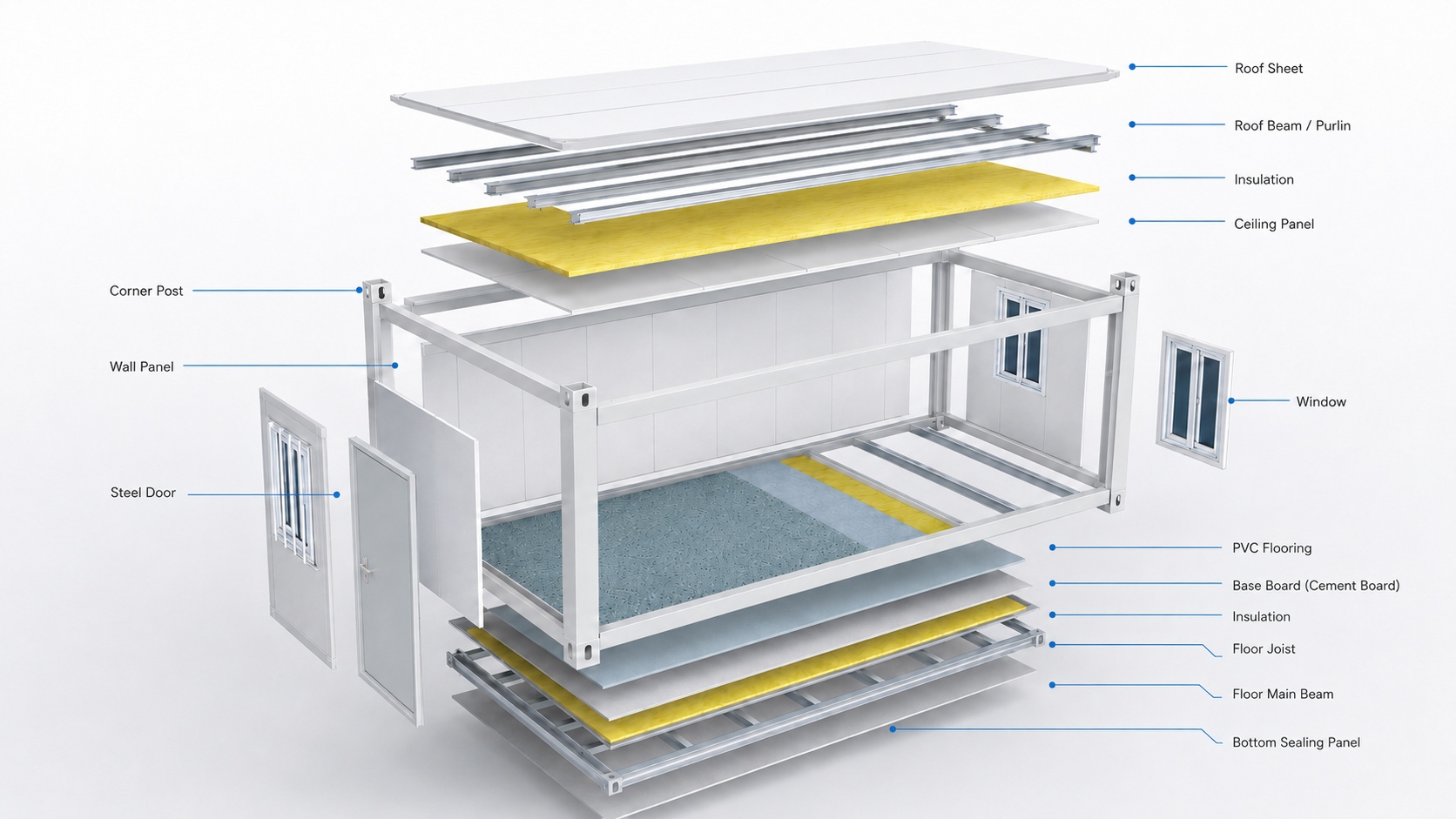
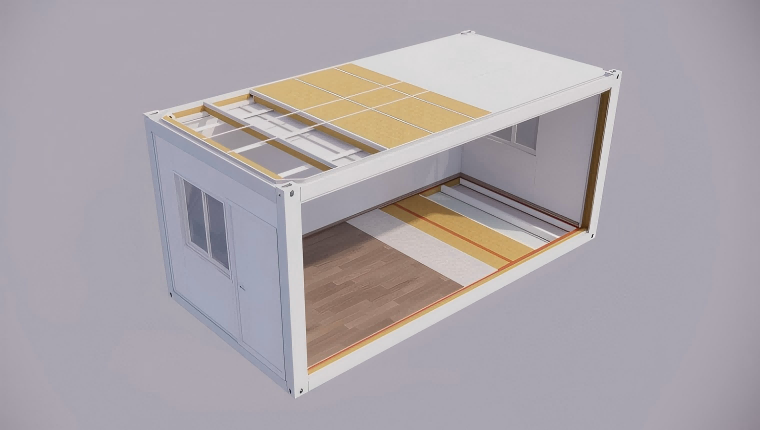
A modular flat pack container house is a prefabricated building system where the roof, floor, columns, and wall panels are manufactured in a factory and shipped to site in compact “flat pack” form. On site, workers assemble these modules into complete units that can be used alone or combined horizontally and vertically as multi‑storey buildings.

Unlike traditional fully welded container houses that must be transported as a whole box, flat pack units are disassembled into panels, dramatically reducing transport volume and cost while keeping the structural frame strong and reusable. This makes them particularly suitable for overseas engineering camps, mining projects, and infrastructure sites where logistics and speed are critical.


Key Advantages of Flat Pack Container Houses


Flat pack container houses bring a combination of speed, flexibility, and lifecycle value that is difficult for conventional buildings to match. Below are the most important benefits for project owners and EPC contractors.


  1. Efficient Transport and Lower Logistics Costs


Because each unit is shipped in flat panels, multiple houses can be loaded into a single shipping container, significantly increasing transport efficiency. Industry data show that flat‑pack technology can reduce transportation costs by roughly 40–60% compared with shipping fully assembled container units. For international projects or remote sites where freight is a major budget item, this cost saving directly improves project economics.

Flat packs are also easier to move overland into mountainous, desert, or high‑latitude regions where access roads are narrow and heavy lifts are complicated, because the components can be split into manageable bundles.


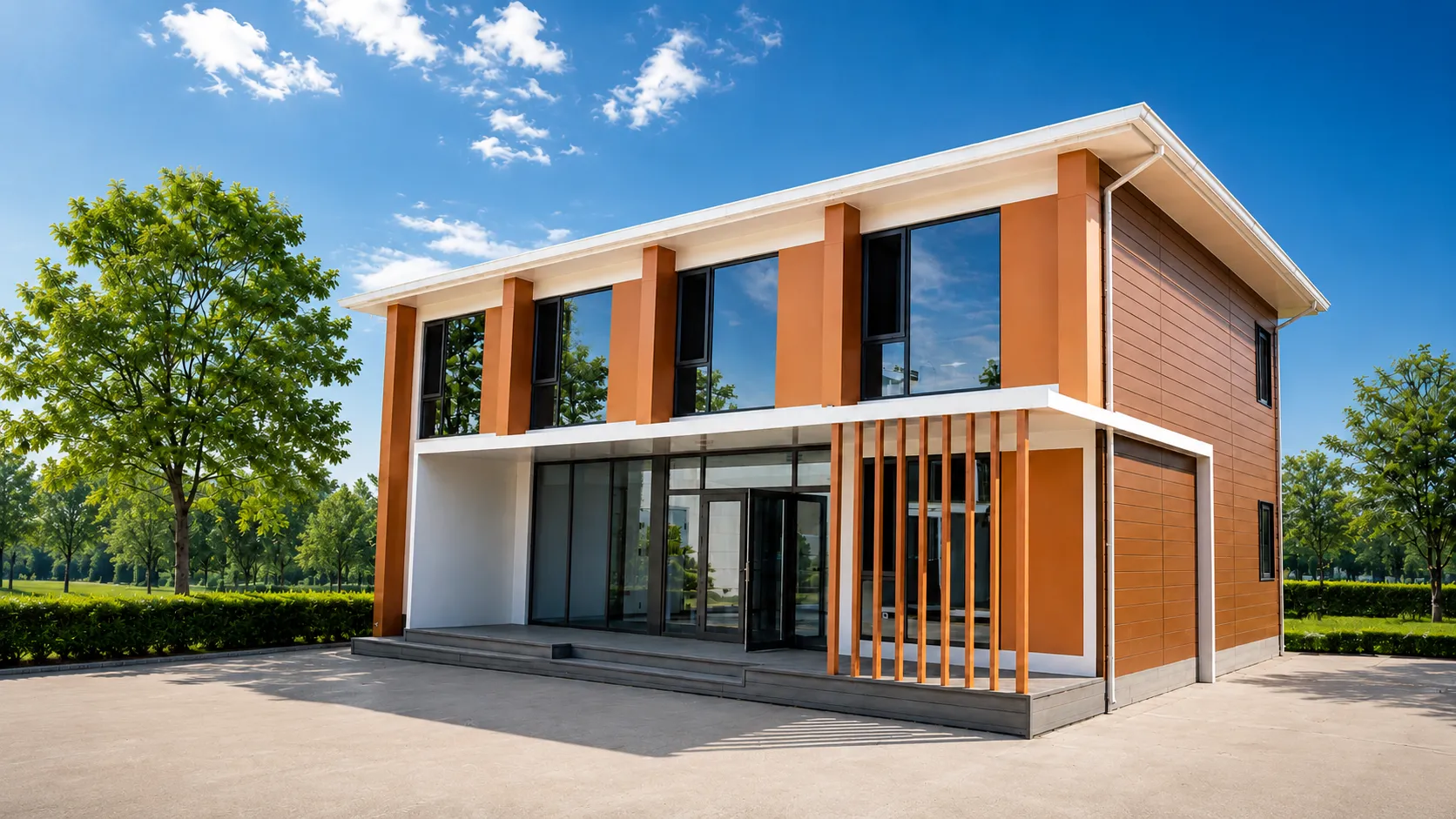
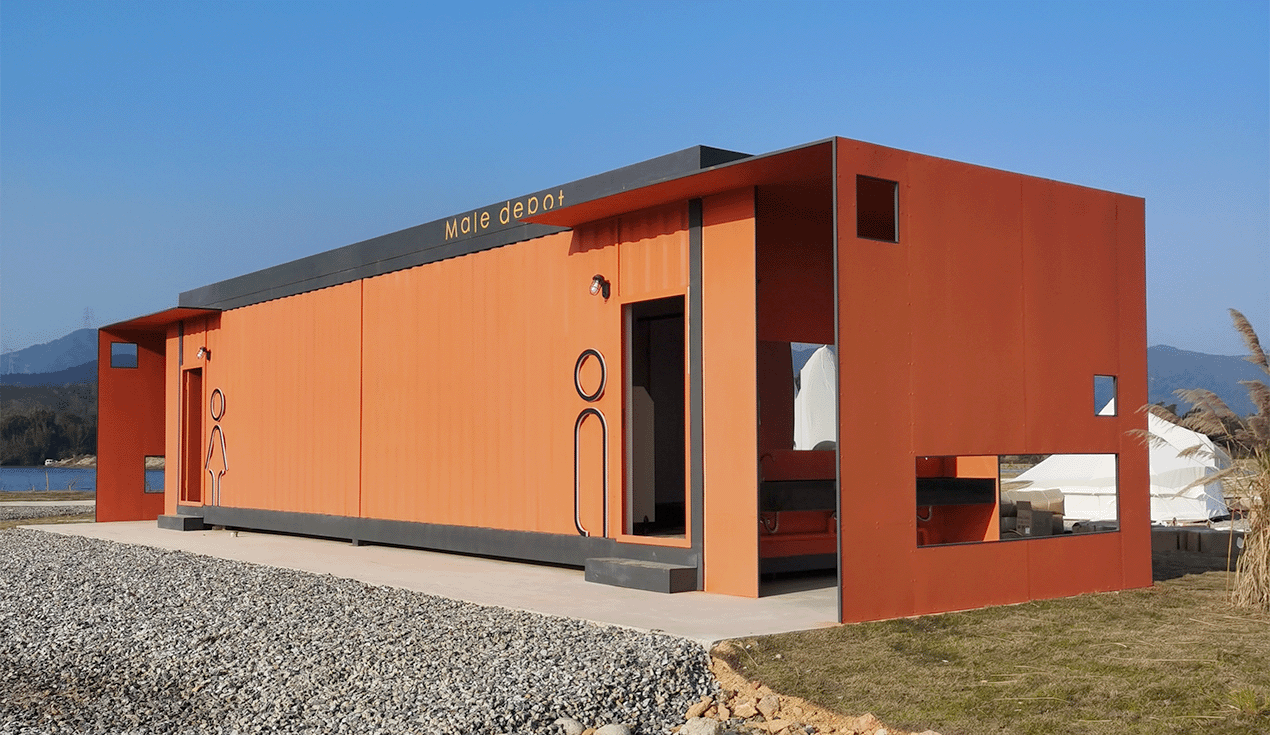
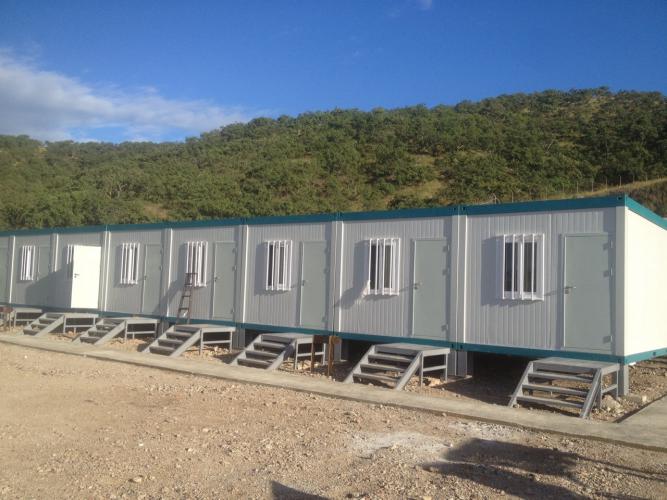
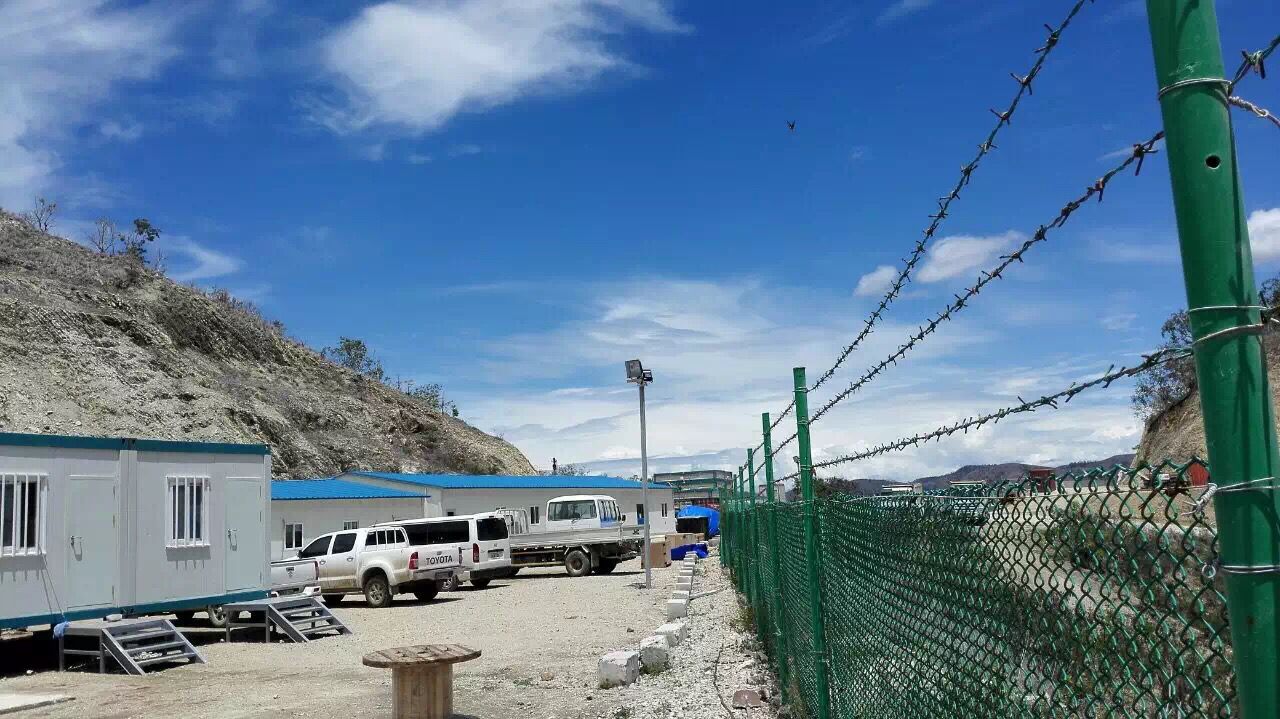
modular flat pack container house

  1. Rapid On‑Site Assembly


Most structural work and finishing is completed in the factory, leaving only assembly and simple connections for the site team. Standardized connectors and pre‑engineered modules allow a unit to be installed in hours to a few days depending on size and complexity.

Chengdong’s flat pack container houses, for example, are engineered for on‑site assembly in about 2–4 hours per standard unit under normal working conditions, enabling very fast camp deployment. When manufacturing and foundation works run in parallel, overall project schedules can be shortened by 20–40% versus traditional construction.


  1. Strong, Safe, and Durable Structures


Flat pack container systems typically use a welded steel frame combined with insulated sandwich panels, creating a stable, earthquake‑resistant, wind‑resistant, and fire‑resistant building envelope. Chengdong and similar manufacturers design their container houses to withstand harsh climates, including heavy snow, strong winds, and large temperature differences.

High‑quality modular units are designed for a service life of around 15–20 years under normal use, and can be reused across multiple project cycles. This reusability not only reduces waste but also spreads the capital expenditure over many years.


  1. Modular Flexibility and Expandability


Because each house is a module, owners can quickly increase or decrease capacity by adding or removing units as workforce numbers change. Modules can be combined side‑by‑side to form large office halls, canteens, or dormitory blocks, and stacked up to three storeys for high‑density camps.

The interior layout is highly configurable: partitions, doors, and windows can be arranged to create single rooms, double rooms, en‑suite units, open‑plan offices, clinics, or command centres. This modular flexibility makes flat pack container houses an ideal backbone for scalable engineering camps.


  1. Better Cost Control Over the Project Lifecycle


Modular flat pack container houses reduce both direct and indirect costs:

  • Factory mass‑production cuts material waste and labour hours.

  • Faster completion means earlier project start‑up and shorter payback periods.

  • Reusable modules can be relocated to new projects instead of being demolished.

  • Durable steel frames and weather‑resistant panels reduce maintenance costs over time.

Engineering and mining camp clients often see 20–40% lower overall construction costs compared with equivalent traditional buildings, depending on local labour and material prices.


Typical Applications in Engineering and Remote Camps


Modular flat pack container houses support a wide spectrum of uses across industries.

  • Worker accommodation: Single and double rooms, shared dormitories, and suite‑type units for engineers and managers.

  • Site offices: Project management offices, design offices, meeting rooms, and control rooms with integrated wiring and HVAC.

  • Public facilities: Dining halls, kitchens, laundry rooms, toilets and showers, recreation spaces, prayer rooms, and clinics.

  • Special‑purpose spaces: Security posts, labs, storage units, emergency shelters, and maintenance workshops.

Their mobility and reusability are particularly valuable for temporary and semi‑permanent camps in sectors such as oil and gas, mining, power, transportation, and large‑scale infrastructure.


Why Choose Chengdong Modular House (CDPH)


For project owners evaluating modular flat pack container house suppliers, capability and track record are crucial. Chengdong Modular House (also known as CDPH or Chengdong Housing) is one of China’s representative manufacturers with strong global experience.


Company Strength and Global Footprint


Chengdong integrates research and development, production, marketing, and on‑site construction, focusing on integrated camp solutions rather than only selling standalone units. Over more than two decades, the company has delivered over one thousand camp projects in more than one hundred countries and regions worldwide.

CDPH operates large, standardized production bases with automated lines for steel frames, sandwich panels, and modular accessories, enabling stable quality and reliable lead times even for large‑scale orders. Its quality systems are supported by certifications such as ISO 9001, ISO 14001, and occupational health and safety standards, plus European CE certifications for key structural components.


Product Portfolio Focused on Camps


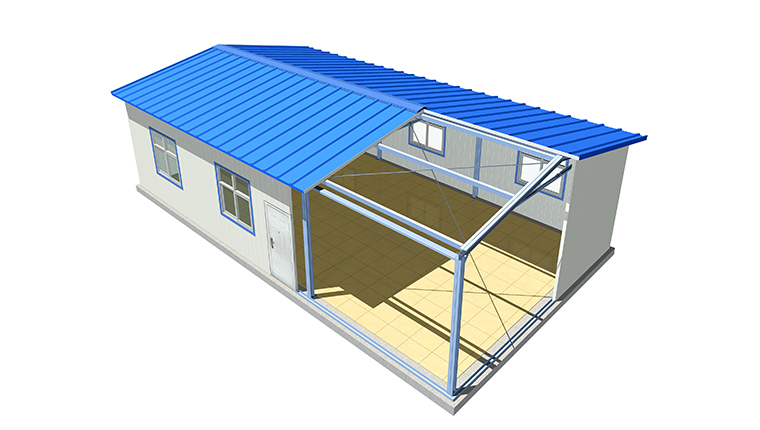
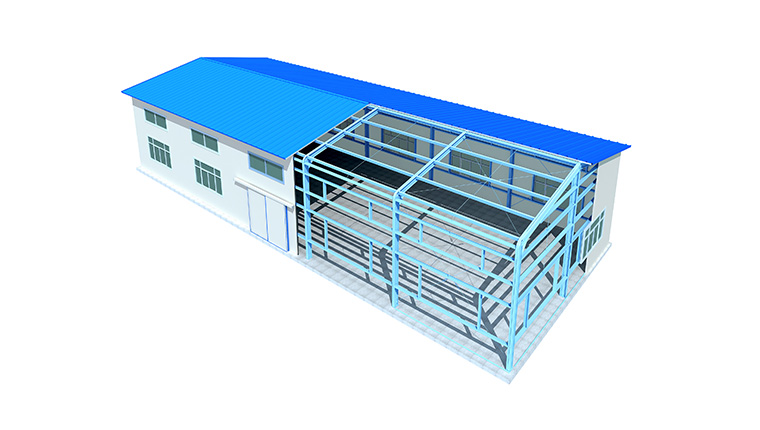
Chengdong’s product portfolio covers flat pack container houses, assembled container houses, prefab houses, steel structure buildings, and auxiliary camp systems such as integrated bathrooms and water‑treatment equipment. The container house line uses modular design and special‑steel frames, with vertically stackable units up to three storeys and flexible combinations for camp layouts.

Beyond the buildings themselves, Chengdong designs and supplies complete camp systems covering power distribution, water supply and drainage, fire‑fighting, security, roads, landscaping, and environmental protection, following its “nine systems” integrated camp concept. This one‑stop approach reduces coordination risk for EPC partners.


Case Study: Astana Light Railway Temporary Camp


A representative example of Chengdong’s capabilities in modular and flat pack container housing is the Astana Light Railway Temporary Camp project in Kazakhstan.

The project built an insulated light‑steel and container‑based camp designed to accommodate about 3,000 workers working in a severe continental climate with long, cold winters. The total camp area exceeded 18,000 square metres and comprised around 60 main housing and functional buildings, including dormitories, offices, canteens, and public facilities.

To support rapid construction and relocation needs, Chengdong used modular container houses and light‑steel systems that could be transported efficiently and assembled quickly on site. Insulated wall and roof panels, optimized camp planning, and integrated utility systems ensured comfortable living conditions, efficient circulation, and safe operation throughout the winter season.


How Modular Flat Pack Container Houses Compare


When choosing between modular flat pack container houses and traditional construction, project owners typically compare speed, cost, flexibility, and long‑term value.


AspectFlat pack container houseTraditional camp buildings
Construction speedFactory prefabrication + on‑site assembly in hours or daysSequential on‑site work taking months or longer
Transport & logisticsCompact flat packs, 40–60% lower shipping costBulky materials, more trips and handling
Upfront costLower material and labour cost in many casesHigher labour intensity and waste
Flexibility & expansionEasy to add, remove, or relocate modulesExpansion requires new construction
ReusabilityUnits can be relocated to new projectsDemolition and reconstruction needed
Environmental impactLess waste, better material utilizationMore on‑site waste and disturbance
Suitability for remote sitesVery suitable thanks to flat‑pack logisticsLogistics often slow and expensive


For global engineering contractors, these differences often translate into faster mobilization, smoother cash flow, and lower lifecycle cost when they choose modular flat pack container house solutions from a capable partner such as Chengdong.


Best Practices When Selecting a Supplier


To secure the benefits described above, choosing the right flat pack container house manufacturer is essential. Consider the following criteria:

  • Proven international project experience, especially with large engineering camps and remote sites.

  • In‑house design and engineering capable of tailoring layouts, insulation, and utilities to local codes and climate.

  • Strong production capacity and quality control to guarantee delivery schedules and consistent product quality.

  • Ability to provide integrated solutions including power, water, fire protection, security, and environmental systems.

  • Transparent pricing and after‑sales service for relocation, maintenance, and future expansions.


Chengdong Modular House (CDPH) aligns well with these criteria, combining flat pack container house manufacturing with full‑scope camp planning, logistics, on‑site installation guidance, and life‑cycle services. For project owners seeking a reliable partner to deliver fast, safe, and cost‑effective modular camps, engaging a brand with Chengdong’s depth of experience can significantly reduce risk and improve overall project performance.

whatsapp.png
+86 18001125785
zongubimgfz3.svg
chengdong@cdph.com.cn

Scan the QR code to follow