What Custom Modular House Builders Do
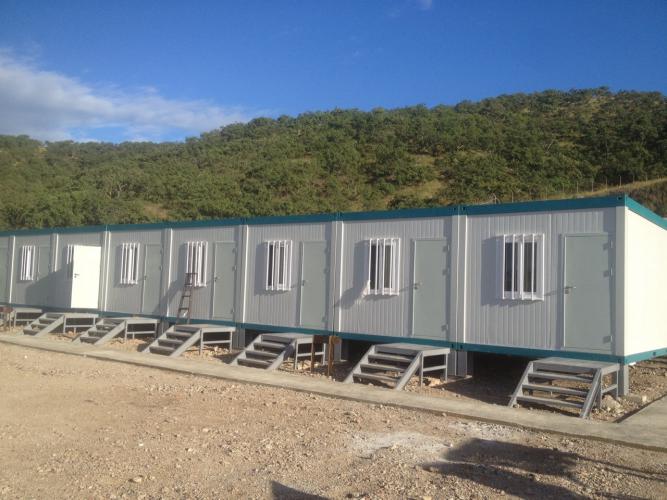
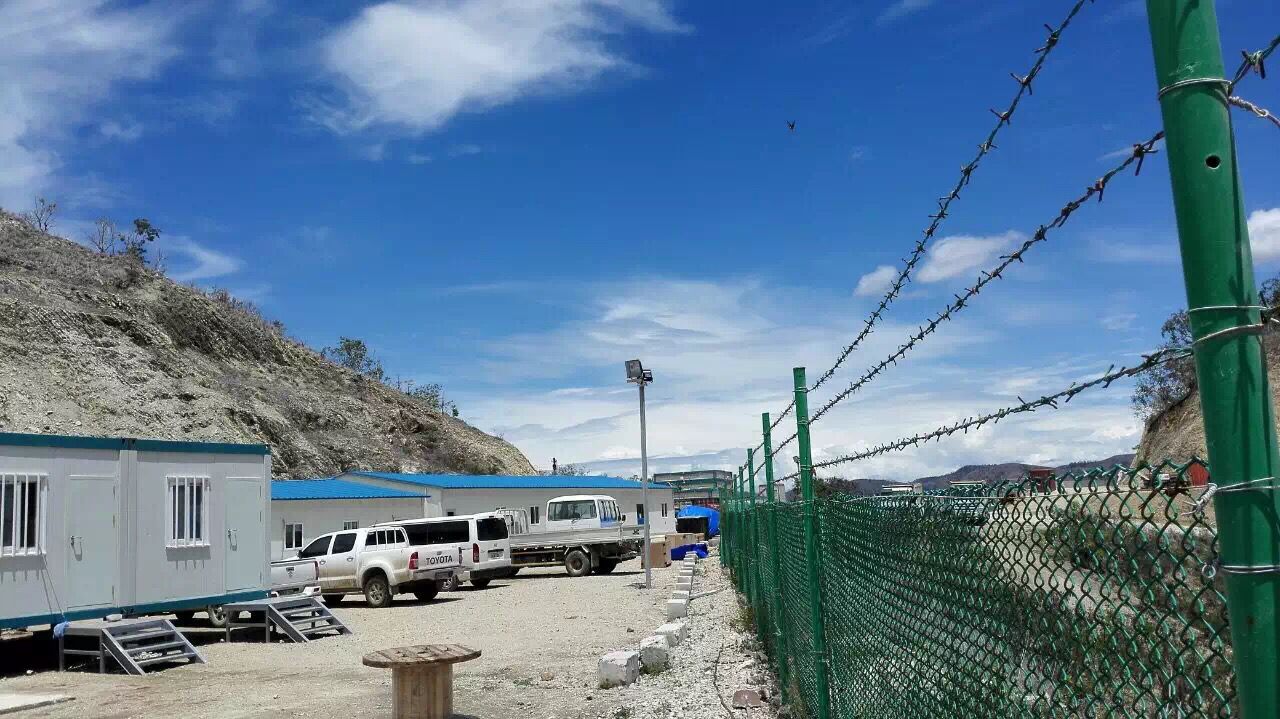
Custom modular house builders design, manufacture, and install prefabricated modules that are tailored to a client’s project requirements rather than sold as one‑size‑fits‑all products. Instead of constructing the whole building on site, they complete most structural, architectural, and MEP work inside a factory, then transport the finished modules for rapid assembly.
For industrial, infrastructure, and camp applications, custom modular builders focus on performance, scalability, and durability—delivering modules that meet specific climate conditions, local codes, and functional layouts such as dormitories, offices, clinics, or canteens. A professional builder combines engineering design, standardized production, and on‑site services to provide a complete, predictable solution from concept to handover.
Why Choose a Custom Modular House Builder?
Custom modular house builders offer several advantages over generic suppliers and traditional construction.
Faster Project Delivery
Modules are produced in the factory while foundations and site works are carried out in parallel, which can shorten total project time by about 30–50% compared with conventional builds. This parallel process reduces weather delays, labour conflicts, and scheduling gaps that normally slow down site‑built projects.
For owners, faster delivery means earlier operation, faster revenue generation, and lower financing and interim accommodation costs. In time‑sensitive projects such as mining camps, power plants, and transportation hubs, this time saving is often a decisive factor in choosing modular construction.
Tailored Design and High Flexibility
Custom modular builders do not just sell standard boxes; they adjust layouts, façades, insulation levels, and interior finishes to match each project’s needs. Clients can define room sizes, circulation routes, window placement, and functional zoning for offices, accommodation, and public spaces.
Because modules are inherently modular, projects can start with a core camp and later add more units horizontally or vertically as the workforce grows. This flexibility is ideal for long‑term projects that expand in phases, where the builder can plan a scalable camp masterplan from the beginning.
Predictable Quality and Performance
Factory environments offer controlled temperature, humidity, and processes, allowing custom modular house builders to enforce strict quality standards across every unit. Components are produced with repeatable precision and inspected before leaving the plant, improving structural integrity, insulation, and finishing quality compared with ad‑hoc site construction.
Leading builders design modular houses to withstand demanding conditions—such as heavy snow loads, strong winds, or extreme temperatures—while complying with relevant international and local standards. For owners, this translates into safer buildings, fewer defects, and longer service life.
Lower Lifecycle Costs
Custom modular house builders can typically reduce construction costs by about 10–30% without sacrificing quality, mainly through efficient factory production and shorter schedules. Reduced on‑site labour and less material waste lower direct costs, and faster completion cuts indirect costs such as financing, supervision, and temporary facilities.
Moreover, high‑quality modular units can be relocated and reused in future projects, spreading capital expenditure over multiple cycles instead of being written off after one use. For clients who build several camps over many years, choosing a builder with reusable modular systems significantly reduces total cost of ownership.
More Sustainable Construction
Modular production generates less on‑site waste and reduces dust, noise, and disturbance around the project area compared with traditional construction. Factories optimize material cuts and recycle off‑cuts more easily, and modules can be deinstalled instead of demolished at the end of their life.
Builders that specialize in industrial and camp projects also pay attention to energy efficiency and environmental protection, choosing insulation, air‑tightness, and equipment that reduce operational energy use.
Chengdong Modular House (CDPH): A Global Custom Modular House Builder
Among global custom modular house builders, Chengdong Modular House (CDPH) stands out for its deep focus on engineering camps and large‑scale modular projects.
Company Profile and Capabilities
Chengdong, founded in 1998, is a leading Chinese manufacturer that designs and produces modular houses, prefab houses, container houses, and steel structure buildings for global projects. The company has completed more than 1,000 camp projects across over 100 countries and regions, serving many ENR Top 250 contractors and national EPC companies.
CDPH integrates R&D, manufacturing, sales, logistics, and on‑site installation guidance to deliver turnkey camp solutions—rather than merely supplying products. Its production bases offer large annual capacity for container and modular houses, supported by ISO 9001 quality systems and CE certifications for key steel and panel components.
Product Systems for Custom Modular Solutions
As a custom modular house builder, Chengdong provides several product families that can be combined to meet different project demands:
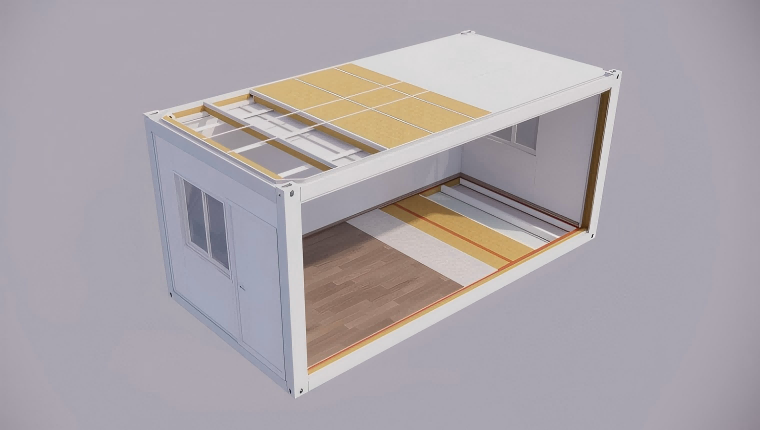
Modular container houses and flat‑pack houses for fast assembly and relocation in camps.
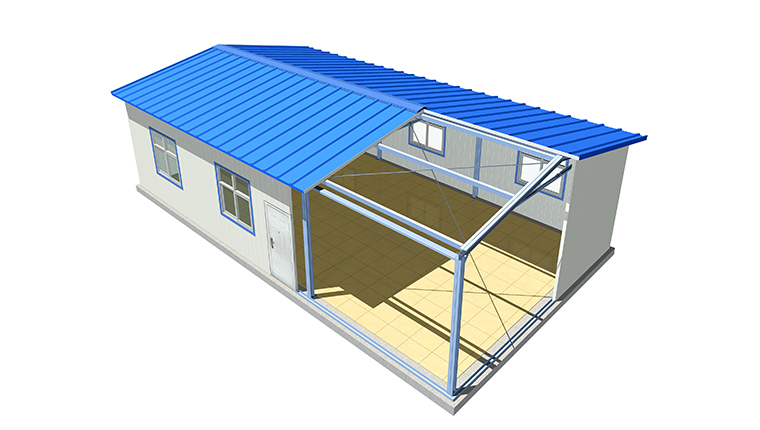
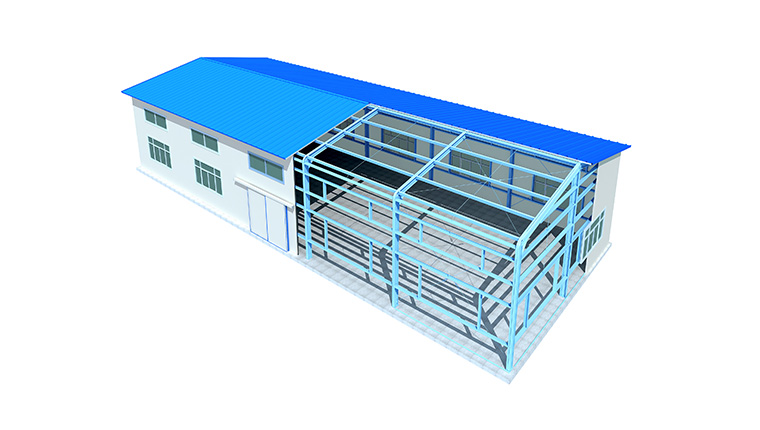
ZA‑type and ZM‑type modular houses with light‑steel structures for larger, more complex buildings.
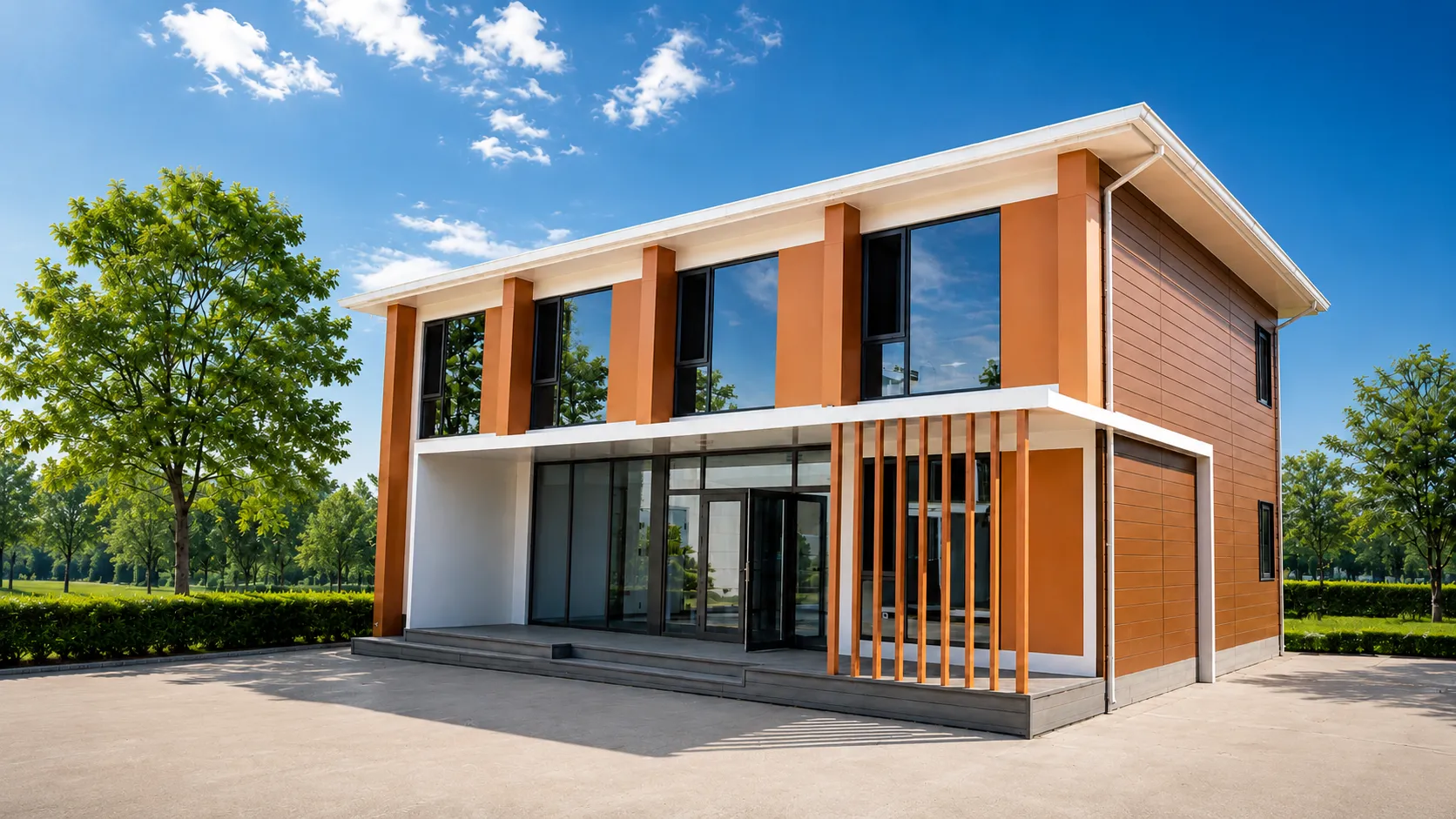
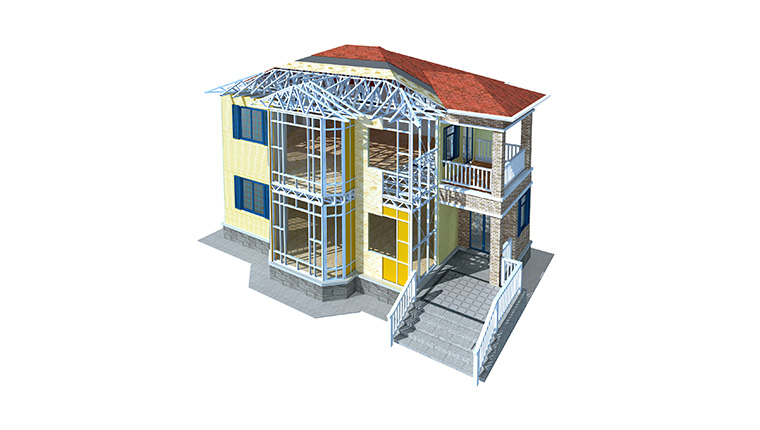
Light steel villas and tourism modular houses for higher‑end accommodation needs.
Integrated bathrooms, water‑treatment equipment, and auxiliary systems that complete the camp environment.
CDPH combines these building products with its “nine systems” camp concept covering buildings, water supply and drainage, power, low‑voltage systems, fire protection, security, roads, landscaping, and environmental protection. This integrated approach allows Chengdong to act as both custom modular house builder and overall camp solution provider.
Case Highlight: Astana Light Railway Camp Project
A representative example of Chengdong’s custom modular capabilities is the Astana Light Railway Temporary Camp project in Kazakhstan.
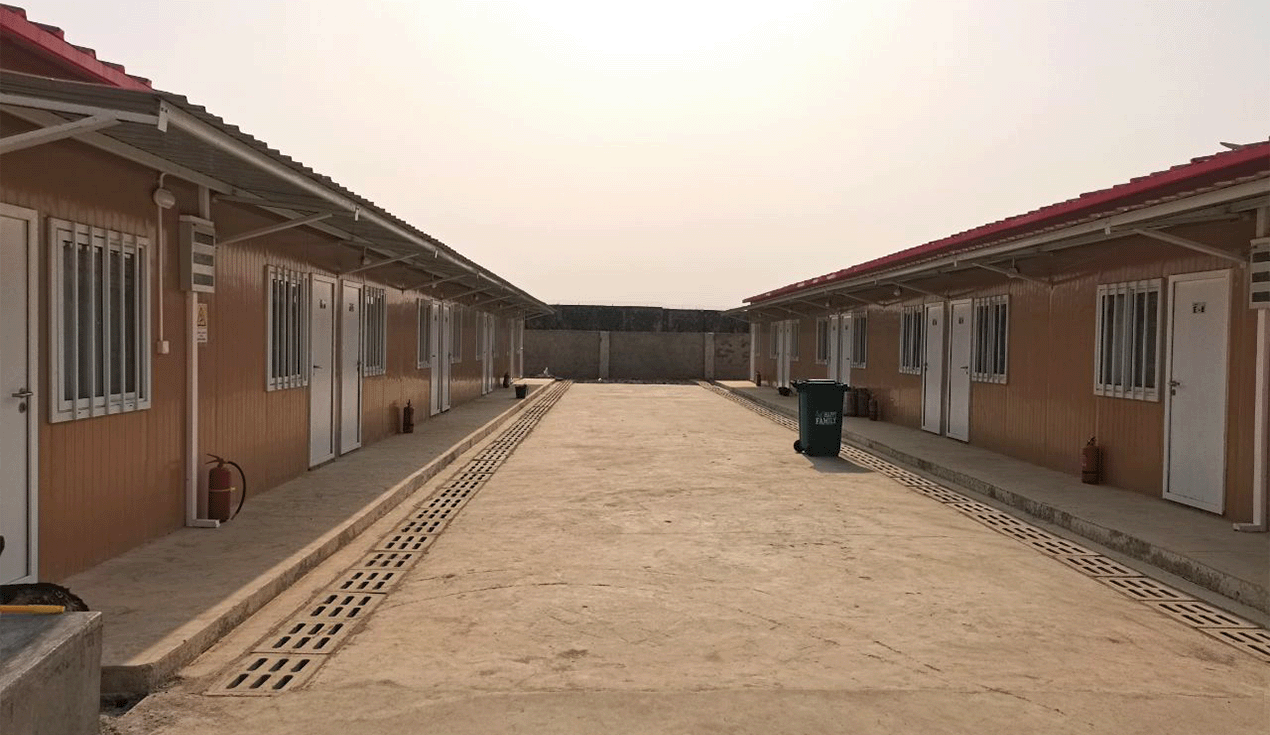
The project involved designing and building a large temporary camp to accommodate approximately 3,000 workers engaged in the city’s light‑rail construction, in a region known for long, harsh winters. Chengdong developed a modular housing solution using insulated steel structures and container‑based units that maintained comfort and safety under extreme cold conditions.
Key features of this custom modular camp included:
A masterplan with residential, office, catering, medical, and recreational zones optimized for worker circulation and management.
Modular dormitories and functional buildings designed with enhanced thermal insulation and specialized windows for winter performance.
Integrated systems for power, water supply, drainage, fire safety, and security according to Chengdong’s nine‑systems methodology.
This case illustrates how a custom modular house builder like Chengdong can turn complex requirements—extreme climate, large workforce, tight schedule—into a cohesive, high‑performance modular camp.
How Custom Modular House Builders Work With Clients
Professional modular house builders follow a structured process that runs from early planning to long‑term operation support.
Needs Analysis and Concept Design
The builder first gathers project information such as location, climate, required capacity, functional spaces, codes, and schedule. Based on these inputs, they develop concept layouts, module types, and technical solutions tailored to the client’s priorities—whether that is speed, comfort level, or expansion potential.
Engineering and Customization
After concept confirmation, engineers finalize structural designs, insulation specifications, façade treatments, and interior fit‑out schemes. In custom modular projects, room layouts, corridor systems, and vertical circulation (stairs, landings) are carefully coordinated across modules to ensure easy assembly and future modifications.
Factory Production and Quality Control
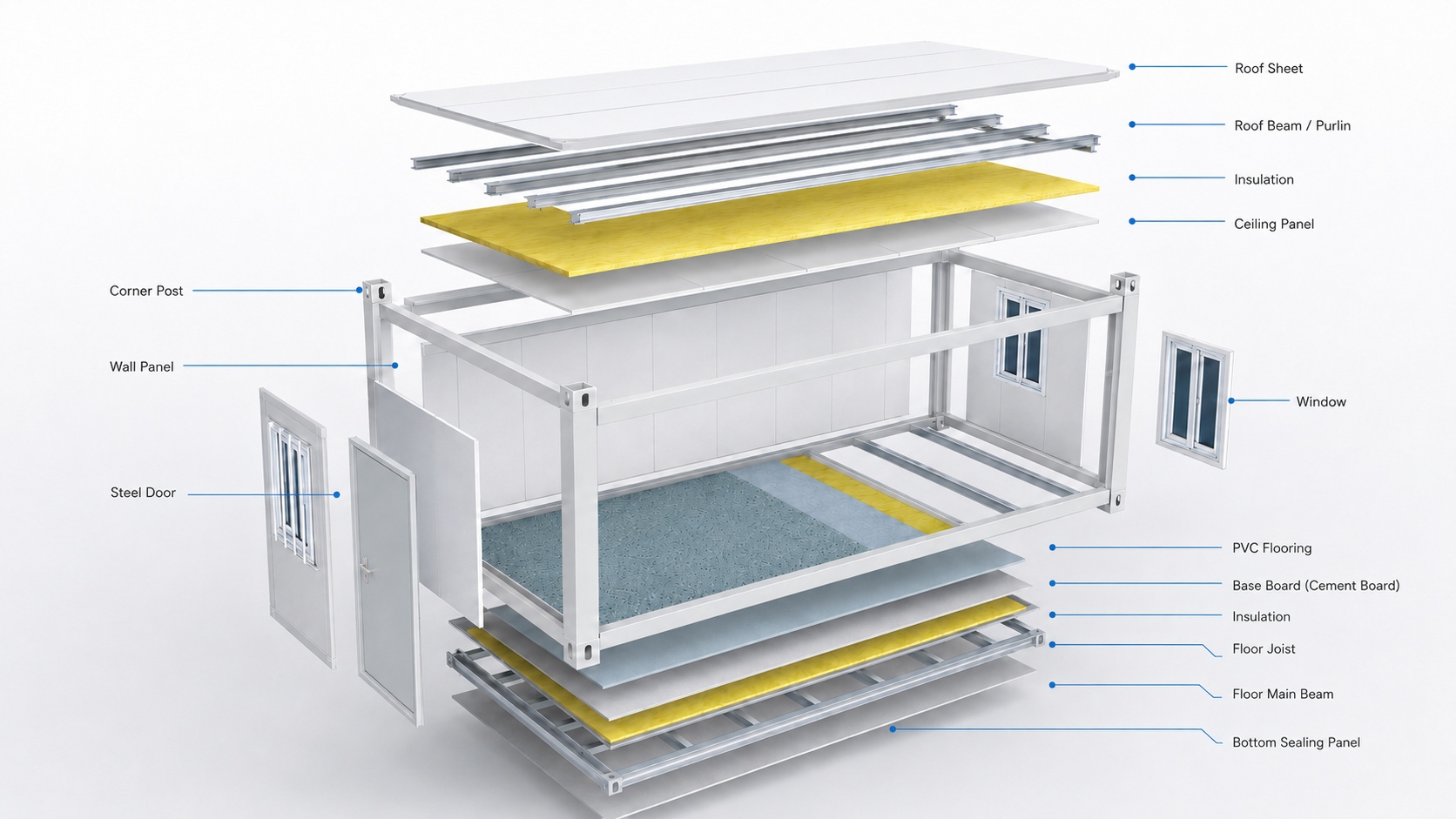
Once designs are locked, production starts in the factory, where steel frames, wall and roof panels, doors and windows, and MEP elements are manufactured or pre‑installed. Quality inspections at each stage help ensure that modules meet structural, fire‑safety, and performance requirements before they are packed for shipping.
Logistics and On‑Site Assembly
The builder or its logistics partners organize sea and land transportation, choosing between flat‑pack shipping or fully assembled modules depending on distance, cost, and site conditions. On site, experienced supervisors guide local crews through foundations, craning, module connection, and final MEP hookups, significantly reducing construction complexity for the client.
Operation, Maintenance, and Reuse
After handover, custom modular house builders may support operation and maintenance with spare parts, technical manuals, and remote guidance. When a project ends, high‑quality modules can be dismantled and moved to new sites, delivering continuing value for the owner.
How to Choose the Right Custom Modular House Builder
Selecting the right builder is critical for project success. When evaluating custom modular house builders, consider the following:
Track record: Look for completed projects similar to yours in scale, climate, and application (for example, labour camps, transport hubs, or industrial plants).
Technical strength: Confirm that the builder can customize structural design, insulation, and building systems to meet local codes and performance targets.
Production capacity: Ensure that factories can deliver the required volume within your schedule, with proven quality systems such as ISO and CE certifications.
Integrated services: Prefer builders who can offer planning, design, logistics, on‑site installation guidance, and long‑term support instead of product‑only suppliers.
Transparent pricing: Choose partners who provide clear cost breakdowns, schedule commitments, and options for future expansion or relocation.
Chengdong Modular House (CDPH) excels in these areas, combining decades of international camp experience with robust manufacturing and integrated services, making it a strong candidate for owners seeking custom modular house builders for demanding projects.




 More
More







![Top Advantages of Modular Construction Explained [2025]](/uploads/upload/images/20250424/0fb390068474145a09a8c0504c73b1d2.png)
 May 09, 2025