What Are Prefabricated Modular Camp Builders?
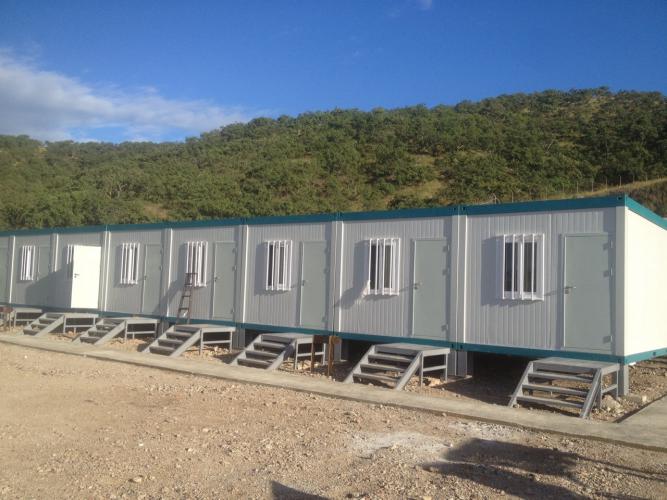
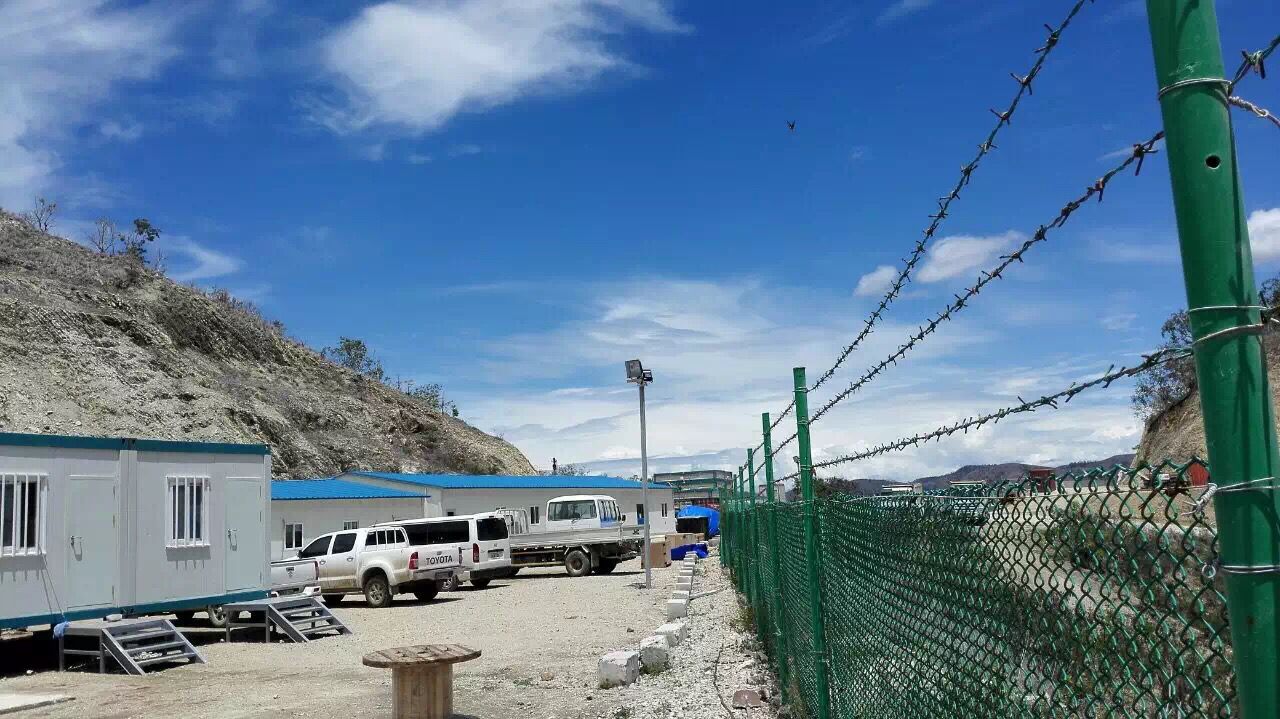
Prefabricated modular camp builders are specialized companies that design, manufacture and install complete camps using factory-built modular units instead of traditional on-site construction. These camps typically serve remote or large-scale projects in construction, mining, energy, infrastructure, military and humanitarian aid.
Each module is produced in a controlled factory environment, equipped with structural components, insulation, plumbing, electrical wiring and interior finishes, then transported to the project site for rapid assembly. By connecting multiple modules side-by-side and stacking them, builders can quickly create dormitories, offices, canteens, clinics, warehouses and other essential buildings needed for a fully functioning engineering camp.
Why Owners and EPCs Choose Modular Camp Builders
Project owners and EPC contractors increasingly turn to prefabricated modular camp builders because they need safe, comfortable and compliant workforce housing delivered on tight schedules and often in harsh environments. Modular camps drastically reduce on-site construction time, which lowers labor costs, minimizes weather disruptions and allows core project work to begin sooner.
In addition, reputable modular camp builders offer integrated solutions that include not only buildings but also key supporting systems such as power distribution, water supply and treatment, fire safety, ICT networks, security and road infrastructure. This “one-stop” approach simplifies coordination, reduces interface risks and gives the owner a single accountable partner for the entire camp.
Core Services of Prefabricated Modular Camp Builders
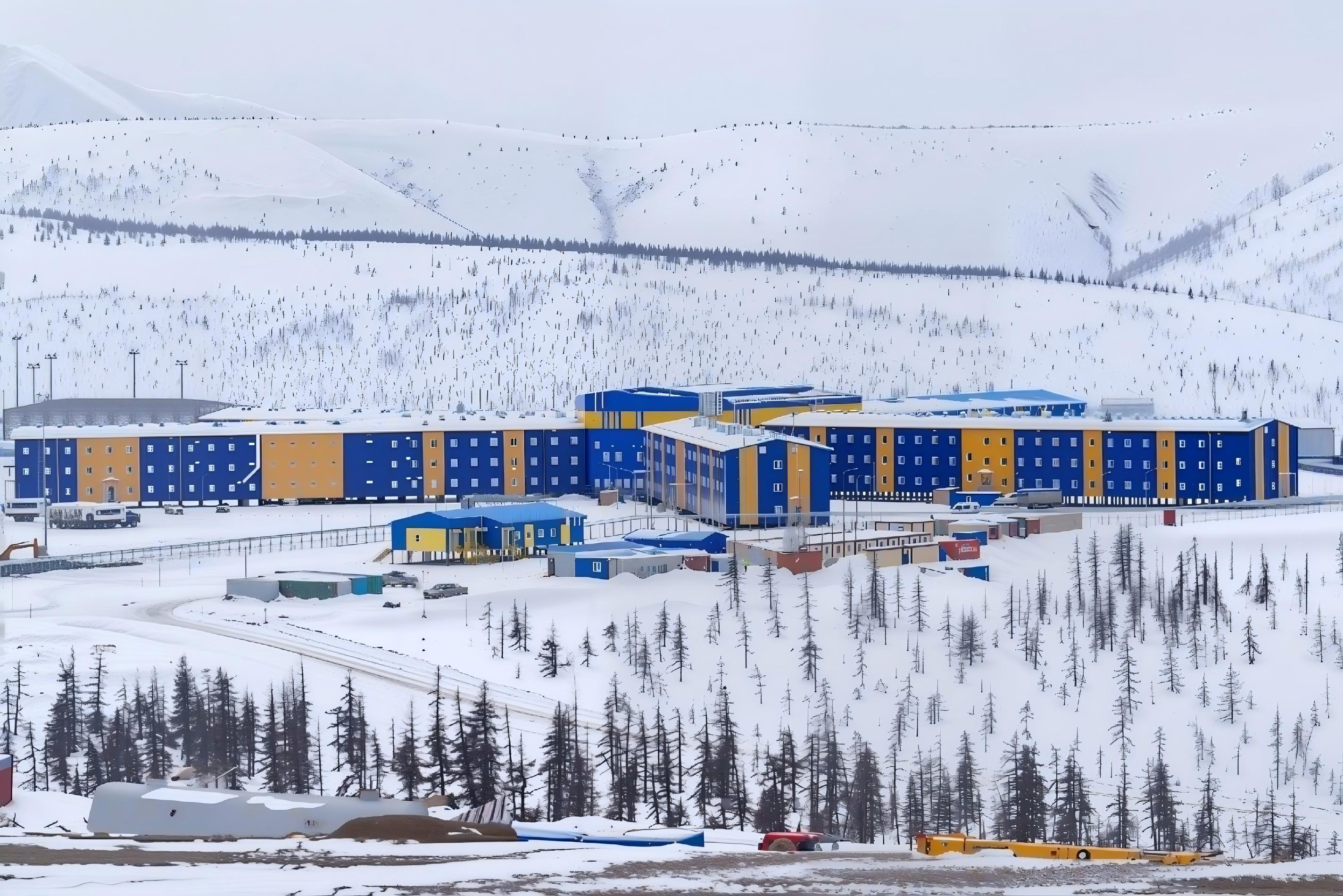
Leading prefabricated modular camp builders provide far more than just prefabricated units. Their services usually cover the entire lifecycle of an engineering camp, from early concept through operation.
Camp Planning and Concept Design
Effective camp planning starts with understanding the client’s workforce structure, project schedule, climate conditions and local regulations. Builders use this information to develop master plans that define:
Functional zoning for accommodation, administration, production support and public facilities.
Circulation layouts for safe and efficient movement of people and vehicles.
Basic capacities and configurations for the nine key support systems (building, water and drainage, power, weak current, fire protection, security, roads/traffic, landscaping and environmental protection).
This upfront design work ensures the camp will be safe, comfortable and cost-effective over its entire service life.
Industrialized Prefabrication
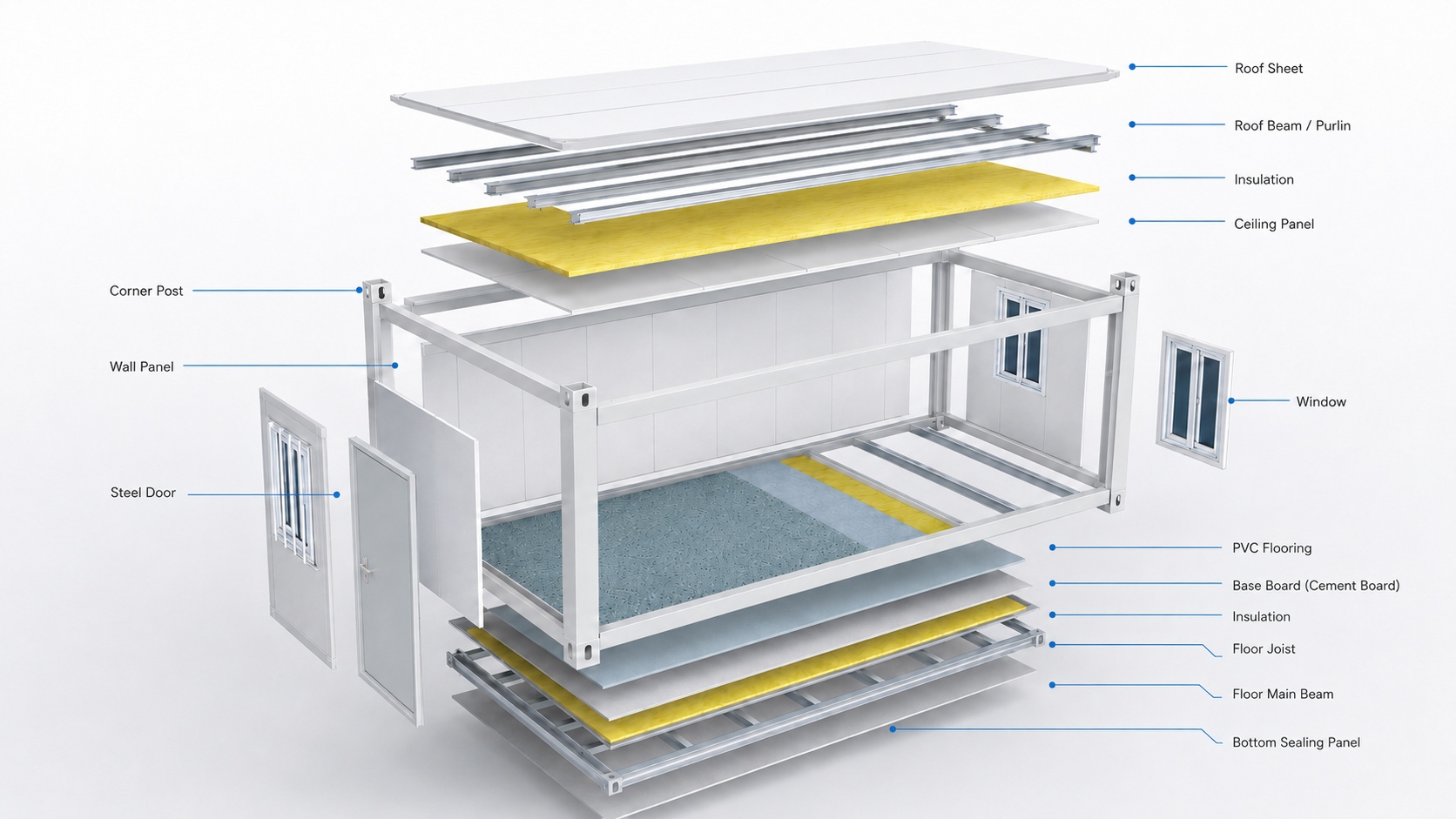
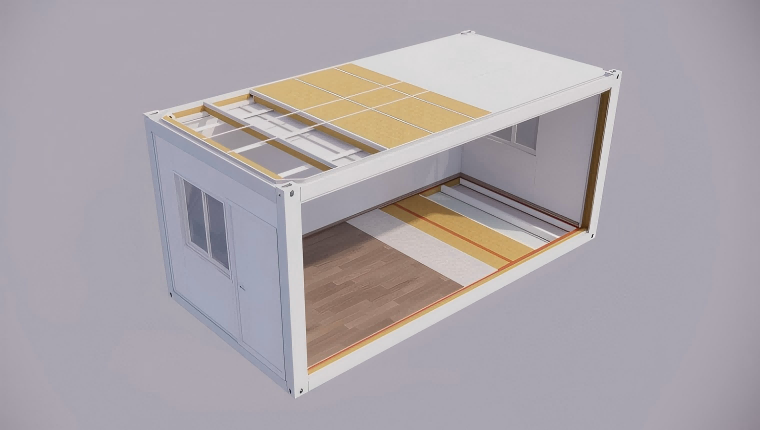
In the factory, modular camp builders produce standardized container houses and panelized structures with consistent quality and performance. Floor and roof systems are highly integrated, and walls use insulated sandwich panels tailored to the climate of the project region.
Quality management systems and structural certifications help ensure that modules meet international standards for strength, thermal performance, fire safety and durability. Because most work is completed off-site, on-site activities are largely limited to assembly, which shortens project schedules significantly compared to conventional construction.
Logistics and Rapid Deployment
Many modular camps are deployed in remote or challenging locations, so builders must handle complex logistics including sea freight, inland transport and customs procedures. Modules are designed for efficient stacking and shipping so clients can move large capacities quickly while controlling transport costs.
Experienced builders also provide on-site supervision and work with local crews to assemble the camp safely and rapidly. This approach allows clients to establish ready-to-use camps in weeks instead of months, which is critical for fast-track energy, mining or emergency projects.
Turnkey EPC Camp Solutions
Some prefabricated modular camp builders offer full EPC-style solutions for camps: engineering, procurement and construction under a single contract. This means they not only supply buildings but also select, purchase and integrate equipment such as generators, water treatment plants, fire alarm systems, communication networks and LED lighting.
By taking responsibility for multiple disciplines and systems, EPC-oriented builders reduce the risk of mismatches between building and infrastructure, avoid delays caused by fragmented procurement and provide clients with a fully functioning camp ready for occupancy.
Real-World Case: Rapid-Deployment Camp for Afghanistan Aid
A strong way to assess prefabricated modular camp builders is to look at their performance on real projects. One representative example is Chengdong Modular House’s rapid-deployment container housing for an Afghanistan aid project, documented in their case center.
For this humanitarian project, the client needed safe, durable and quickly deployable housing to support aid operations in a complex environment. Chengdong delivered container-based modular units with standardized dimensions, factory-installed systems and robust structures that could be transported, offloaded and installed rapidly on site. The solution provided living and working spaces that met strict functional and safety requirements, while the modular design ensured flexible expansion and future relocation if needed.
This case illustrates how experienced prefabricated modular camp builders can support not only commercial energy and mining projects, but also critical humanitarian and assistance missions where speed, reliability and safety are essential.
Brand Profile: Chengdong as a Leading Modular Camp Builder
Beijing Chengdong International Modular Housing Corporation (often referred to as CDPH or Chengdong Modular House) is one of the established Chinese providers in the prefabricated modular camp industry. The company focuses on integrated modular housing and camp solutions for global projects, combining R&D, manufacturing, sales and on-site construction capabilities.
Key strengths of the Chengdong brand include:
More than 1,000 modular camp projects delivered in over 100 countries, covering energy, mining, infrastructure, military and aid sectors.
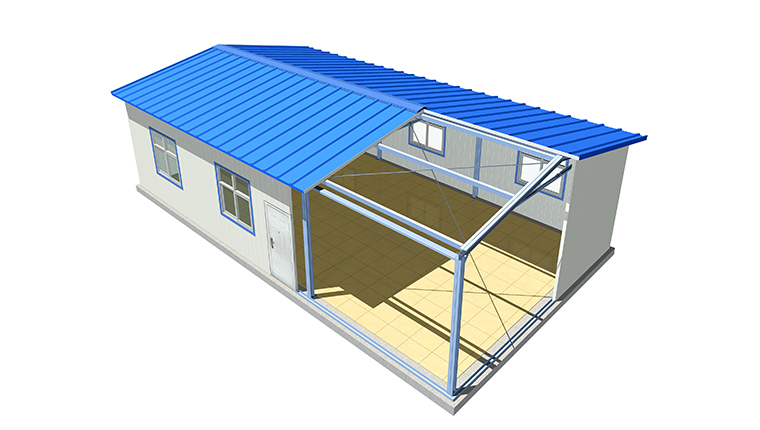
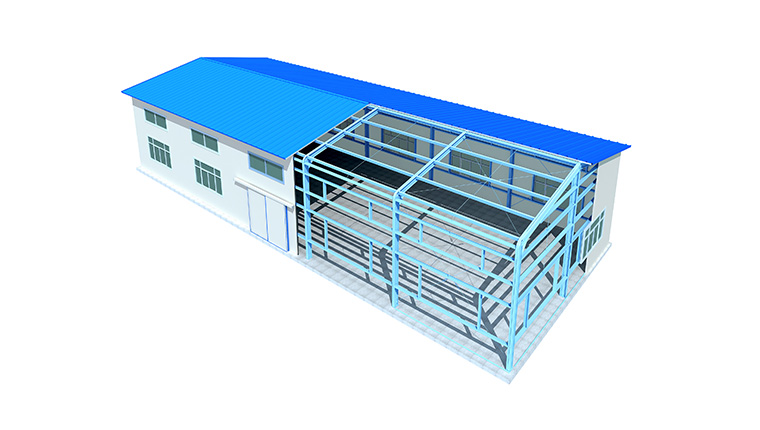
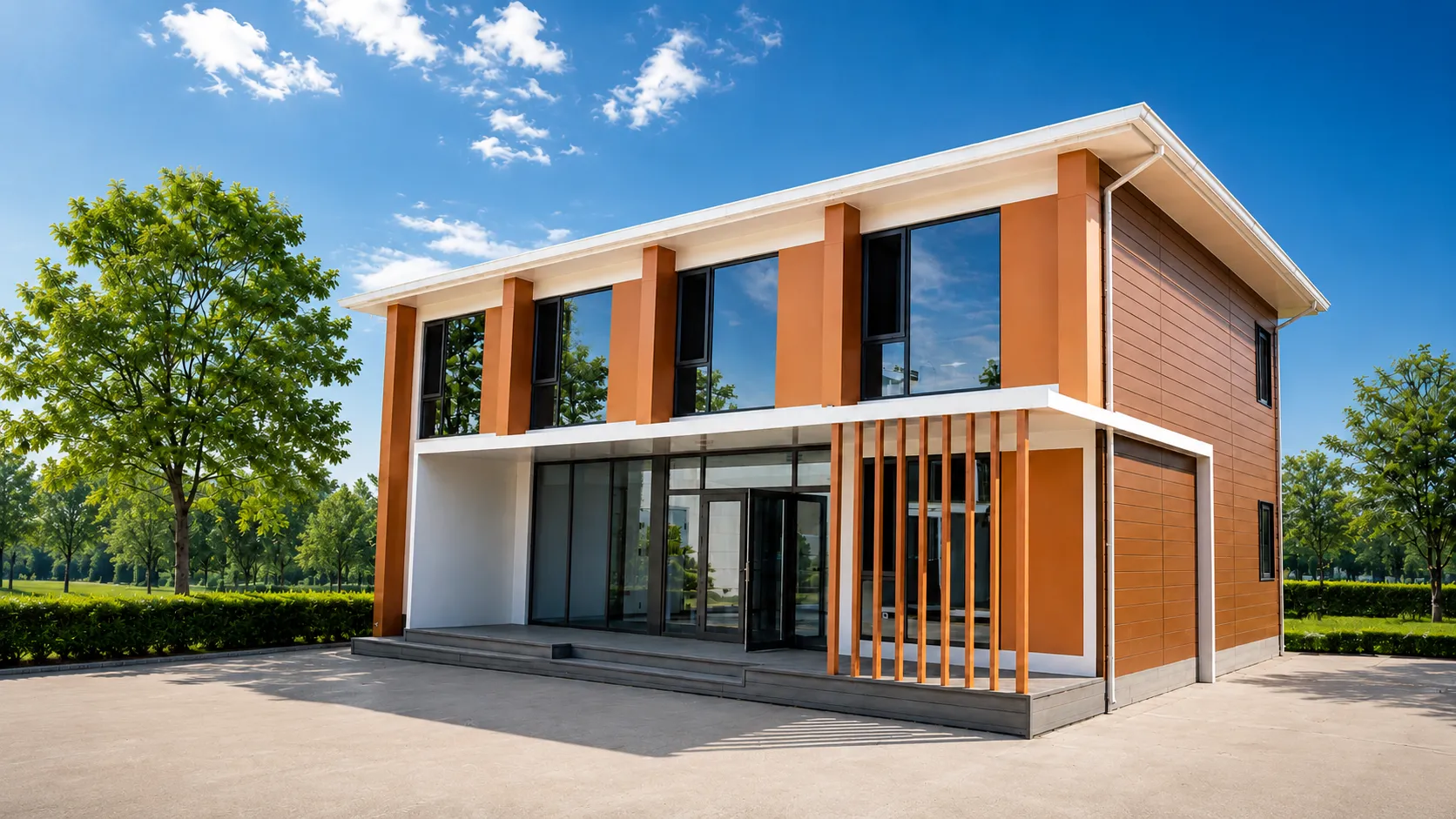
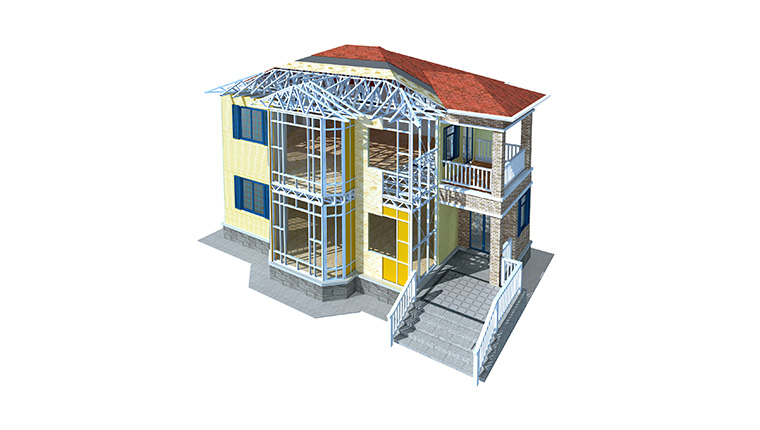
A wide product portfolio including flat pack container houses, K-type and T-type prefab houses, light steel villas and specialized climate-adapted modules for cold, desert and plateau regions.
Certified management and product systems, such as ISO 9001, ISO 14001, occupational health and safety certifications and CE marks for steel structures and sandwich panels.
By integrating strong engineering design with industrialized production and global installation experience, Chengdong positions itself as a one-stop prefabricated modular camp builder for ENR 250 contractors and international owners.
Design Priorities in Modern Modular Camps
Experienced prefabricated modular camp builders bring structured design principles that directly affect worker safety, comfort and productivity.
Human-Centered Accommodation
Modern camps must provide more than basic shelter. Builders design modular dormitories with adequate natural light, ventilation, privacy and thermal comfort, often including options for single, double or suite-style rooms depending on workforce hierarchy. Shared facilities such as canteens, gyms, recreation rooms and worship spaces help maintain morale and support long-term occupancy.
Climate-Responsive Building Envelopes
Camps in cold regions require high-performance insulation, reinforced structure for snow loads and efficient heating, while desert or tropical camps focus on solar shading, cooling and moisture management. Prefabricated modular camp builders adjust panel thickness, insulation type, window specifications and HVAC systems based on detailed climatic analysis of the project site. The result is a safer, more energy-efficient camp with lower operating costs.
Safety, Compliance and ESG
Safety standards cover fire protection, structural stability, emergency egress, electrical design and site security. Builders integrate fire detection and suppression systems, emergency lighting, CCTV, controlled access and clear traffic separation between pedestrians and vehicles. In parallel, they incorporate environmental measures such as wastewater treatment, solid waste management and high-efficiency lighting to support ESG goals and reduce the camp’s footprint.
How to Evaluate Prefabricated Modular Camp Builders
When shortlisting prefabricated modular camp builders, owners and EPCs should follow clear criteria rather than making decisions on price alone. Some of the most important factors are outlined below.
| Evaluation Aspect | What to Check | Why It Matters |
| Project references | Similar scale, climate and region; documented case studies such as the Afghanistan aid project | Demonstrates real delivery capability in comparable conditions |
| Engineering strength | In-house planning, multi-discipline design, nine-system integration | Ensures the camp functions as a coherent system, not just buildings |
| Product portfolio | Container houses, K/T-type houses, light steel villas, special climate modules | Provides flexibility to match different project needs and budgets |
| Quality & certifications | ISO, CE, test reports, factory audits | Reduces technical risk and supports compliance with international standards |
| Global logistics & installation | Experience in similar regions, local partners, rapid deployment track record | Critical for remote or politically sensitive locations |
| After-sales support | Technical support, spare parts, expansion/relocation options | Extends camp life and protects total investment |
Using a table like this during vendor evaluation helps teams compare builders objectively, especially when multiple global and regional players are competing.
Typical Project Lifecycle with Modular Camp Builders
Working with an experienced prefabricated modular camp builder usually follows a structured lifecycle that aligns with the larger EPC project schedule.
Pre-bid and concept stage – The builder provides preliminary layouts, modular solutions and budget estimates to support the client’s tender strategy and negotiations.
Engineering and contracting – Once selected, the builder develops detailed designs for buildings and support systems, coordinates with local codes, and finalizes the scope, schedule and responsibilities.
Factory production – Modules and system components are manufactured in parallel with site preparation, shortening overall time to occupancy.
Transport and installation – Modules are shipped, lifted into place and connected, along with mechanical, electrical and plumbing systems and external works such as roads and landscaping.
Commissioning and handover – The builder tests systems, trains the client’s facility teams and officially hands over the camp for operation.
Operation, expansion and relocation – Throughout the project, the builder may support maintenance, capacity expansion and eventual relocation or dismantling of the camp, maximizing module reuse.
This lifecycle ensures that camp development is closely aligned with the owner’s broader project execution plan, reducing downtime and enabling a smoother start-up of core operations.
Why Brand Matters in Prefabricated Modular Camp Builders
Choosing a recognizable and credible brand in modular camp construction offers several advantages beyond technical specifications. Established brands like Chengdong bring a proven track record, financial stability and long-term commitment to the market, which is reassuring for large capital projects and public-sector or aid-funded programs.
Such brands often:
Maintain strong R&D pipelines to improve module performance, sustainability and user comfort.
Invest in digital design and project management tools that improve coordination and transparency.
Build lasting relationships with global contractors, making cross-border collaboration smoother and faster.
For project owners, referencing a reputable prefabricated modular camp builder and its case studies—such as the rapid-deployment Afghanistan aid project—can also strengthen stakeholder confidence in the proposed camp solution.




 More
More











![Top Advantages of Modular Construction Explained [2025]](/uploads/upload/images/20250424/0fb390068474145a09a8c0504c73b1d2.png)
 May 09, 2025