Egypt’s Infrastructure Growth and Construction Landscape
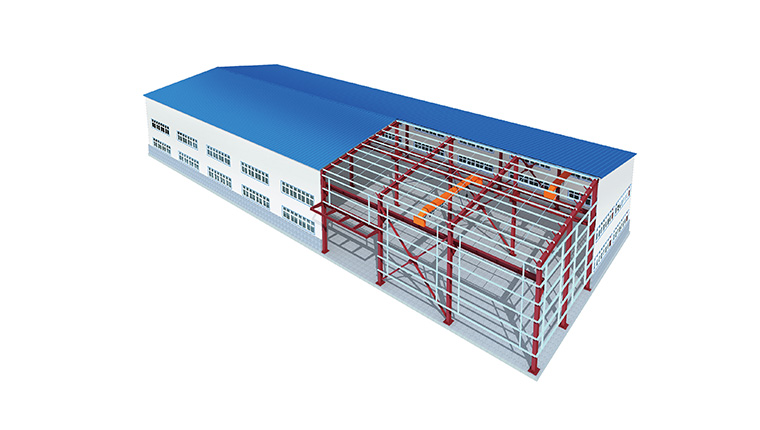
Over the past decade, Egypt has experienced a visible acceleration in infrastructure development. From industrial zones and logistics hubs to energy projects and large-scale construction sites, the country’s demand for efficient building solutions continues to rise. In this environment, steel structure in Egypt has gradually shifted from a niche option to a mainstream construction choice, particularly for industrial and project-based developments.
One major driver behind this trend is the need for speed and predictability. Traditional construction methods often require long on-site processes and are more vulnerable to delays caused by labor shortages, weather conditions, or material inconsistencies. Steel structure systems, on the other hand, are largely prefabricated, allowing a significant portion of the work to be completed in controlled factory environments before shipment. This approach aligns well with Egypt’s fast-moving construction schedules, especially for projects linked to infrastructure expansion, industrial investment, and regional development.
Another factor is the increasing presence of international contractors and EPC projects. These projects often follow global engineering standards and favor structural systems that are easy to calculate, replicate, and manage. Steel structures fit naturally into this framework, offering standardized components, clear load paths, and predictable performance. As Egypt continues to attract cross-border investment, steel structure buildings are becoming an essential part of the construction ecosystem rather than an alternative solution.
Why Steel Structure Has Become a Preferred Building Method
The popularity of steel structure in Egypt is not only about speed. It is also about adaptability. Steel structures can be designed for single-story warehouses, multi-functional industrial buildings, or large-span facilities without excessive internal columns. This flexibility allows developers and contractors to adjust layouts according to operational needs, whether for storage, production, or administrative use.
In addition, steel structures support modular thinking. Many projects in Egypt, such as construction camps or temporary industrial facilities, require buildings that can be expanded, relocated, or repurposed over time. Steel structures allow for bolt-connected systems rather than permanent wet construction, making future changes far more manageable. This long-term flexibility is increasingly valued in a market where project requirements evolve quickly.
Key Advantages of Steel Structure Buildings in Egypt’s Climate
Performance in High Temperatures and Arid Conditions
Egypt’s climate presents unique challenges for construction. High daytime temperatures, strong sunlight, and dry conditions can place stress on building materials and affect long-term performance. Steel structure buildings are well-suited to this environment when properly engineered and combined with suitable enclosure systems.
Steel itself maintains stable structural properties under extreme heat when designed within appropriate safety margins. More importantly, steel structures allow the integration of insulation panels, ventilated façades, and reflective roofing systems that help control indoor temperatures. This makes steel structure buildings in Egypt suitable for factories, warehouses, and workforce facilities where thermal comfort and operational stability are important.
Another advantage lies in reduced moisture-related issues. Compared with traditional masonry, steel structures are less affected by cracking caused by temperature variation. This results in lower maintenance requirements over time, particularly for industrial or remote-site buildings where ongoing repairs can be challenging.
Speed, Durability, and Long-Term Value
Speed is one of the most recognized advantages of steel structure construction, but durability is equally important. Steel structure buildings are designed with calculated load-bearing capacity, wind resistance, and seismic considerations, ensuring consistent performance throughout their service life.
In Egypt, many projects are time-sensitive, especially those linked to energy, mining, or large-scale infrastructure. Steel structures allow parallel progress: while foundations are prepared on-site, structural components are fabricated off-site. Once delivered, installation becomes a matter of assembly rather than construction from scratch. This significantly shortens project timelines without compromising quality.
From a long-term perspective, steel structures also offer strong value retention. Components can be dismantled and reused, extending their lifecycle beyond a single project. For contractors and developers operating across multiple sites, this reusability turns buildings into strategic assets rather than one-time investments.
Common Applications of Steel Structure in Egypt
Industrial Facilities, Warehouses, and Factories
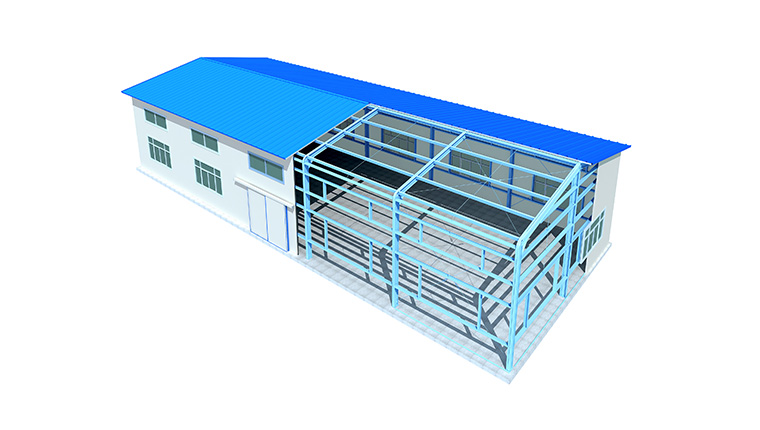
One of the most common uses of steel structure in Egypt is in industrial construction. Warehouses, production plants, and logistics centers often require large open spaces, high ceilings, and flexible layouts. Steel structures are ideal for these requirements, as they can span long distances without internal supports and accommodate heavy equipment or storage systems.
Industrial projects also benefit from the precision of steel fabrication. Structural components are manufactured with strict dimensional control, ensuring that installation proceeds smoothly and aligns with mechanical and electrical systems. This precision is especially important in facilities where workflow efficiency and safety are critical.
Additionally, steel structures allow future expansion. As production capacity increases, additional bays or sections can be added without major disruption to existing operations. This scalability makes steel structure buildings a practical choice for long-term industrial planning in Egypt.
Construction Camps, Offices, and Workforce Accommodation
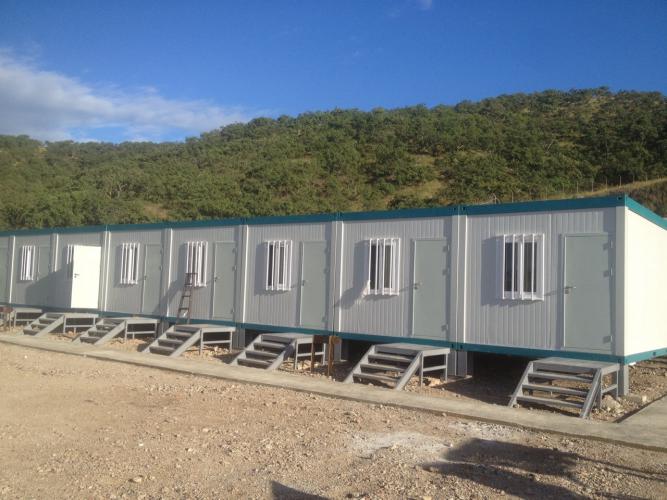
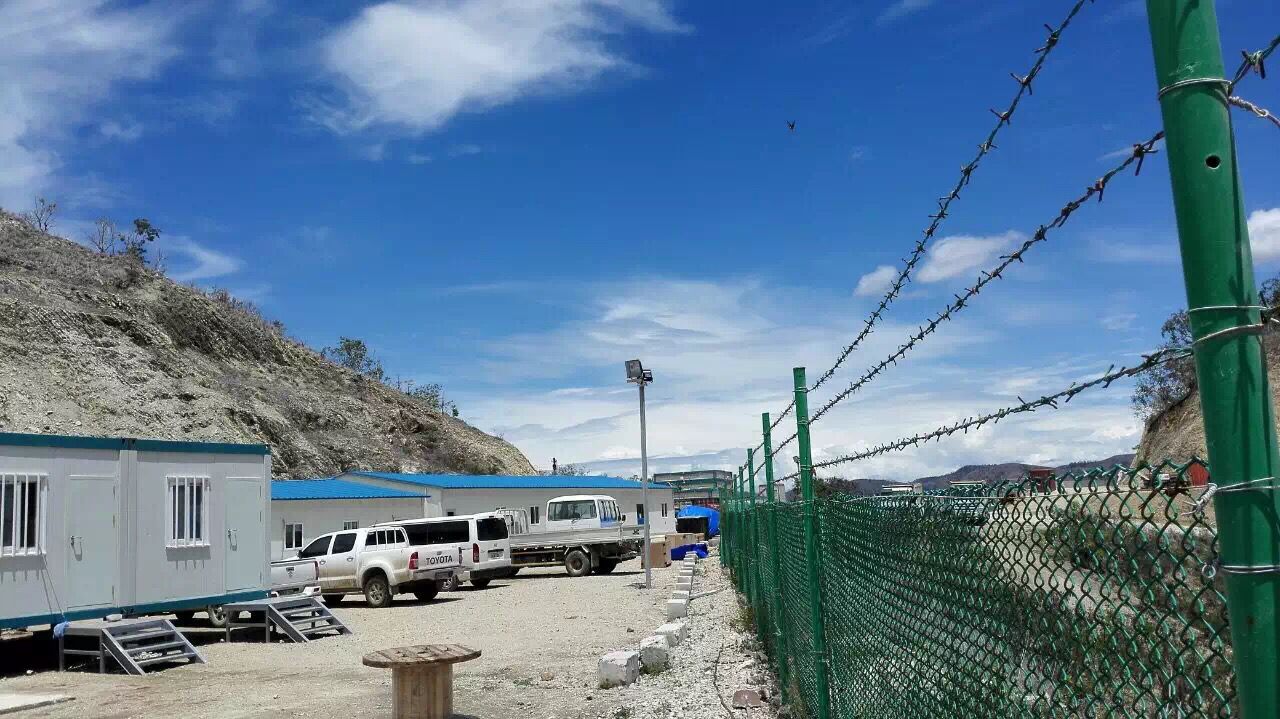
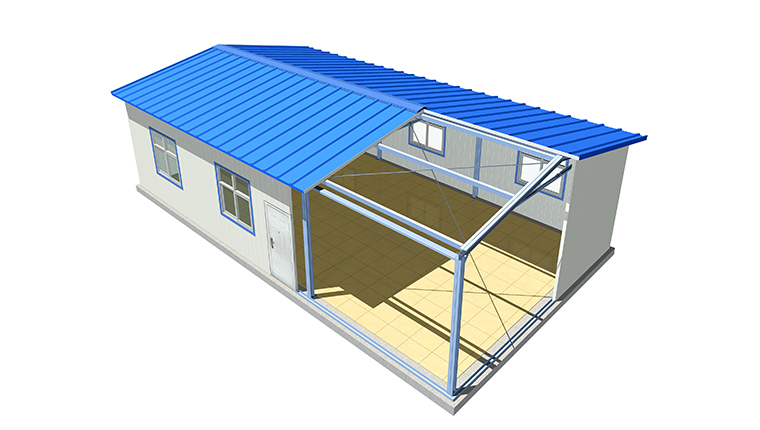
Beyond permanent industrial buildings, steel structures are widely used in project-based facilities such as construction camps. These camps typically include offices, dormitories, dining halls, and storage areas that must be deployed quickly and operate reliably in demanding environments.
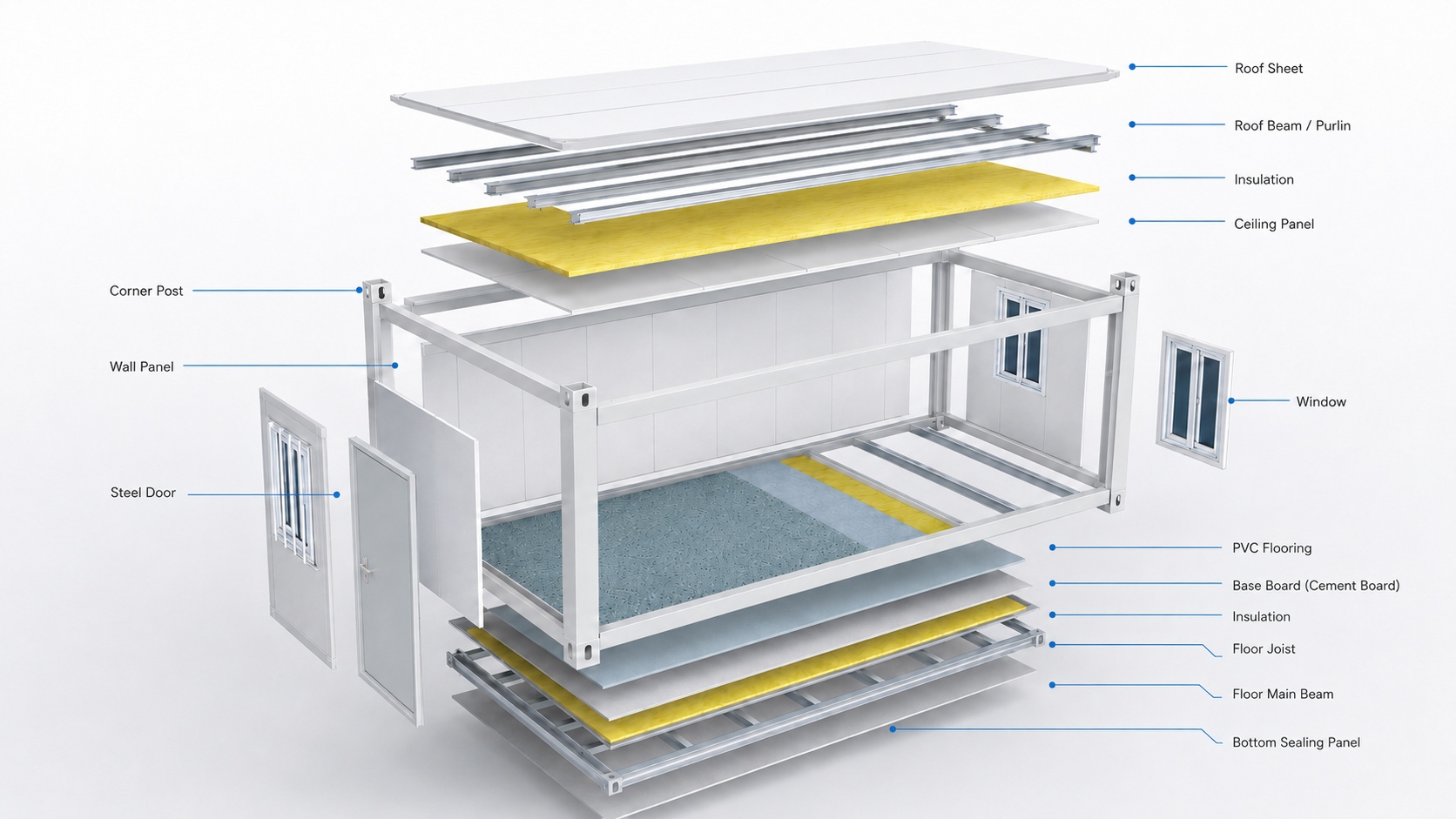
Steel structure systems provide a solid framework for these facilities, supporting modular layouts and standardized designs. When combined with prefabricated panels or container-based units, steel structures enable efficient camp planning and clear functional zoning. This approach improves site management, worker comfort, and overall operational efficiency.
For projects located in remote areas, the ability to transport steel components efficiently and assemble them on-site is a major advantage. Once a project is completed, structures can be dismantled and relocated, aligning with the temporary or semi-permanent nature of many construction camps in Egypt.
Steel Structure vs Traditional Construction in Egypt
Construction Timeline and Cost Control
When comparing steel structure construction with traditional building methods in Egypt, timelines are often the most decisive factor. Traditional construction relies heavily on on-site labor and sequential processes, which can extend project duration. Steel structures, by contrast, allow for streamlined workflows and predictable scheduling.
Cost control is another important consideration. While initial material costs may vary, steel structure projects benefit from reduced labor requirements, shorter construction periods, and lower risk of rework. These factors contribute to more accurate budgeting and fewer unexpected expenses during execution.
For large-scale or overseas-funded projects, this level of cost transparency is particularly valuable. Investors and project owners can track progress more clearly and align construction milestones with overall project planning.
Flexibility, Expansion, and Reusability
Traditional buildings are often designed for fixed use, making future modifications complex and expensive. Steel structures, however, are inherently adaptable. Bolted connections allow components to be adjusted or replaced, and structural layouts can be modified to accommodate new functions.
In Egypt’s evolving construction market, this flexibility is a strategic advantage. Projects that start as temporary facilities may later transition into permanent operations, or vice versa. Steel structures support these transitions without requiring complete reconstruction, making them a practical solution for uncertain or changing project scopes.
How Chengdong Delivers Reliable Steel Structure Solutions in Egypt
Integrated Design, Manufacturing, and Delivery
Chengdong approaches steel structure projects with an integrated mindset. From early-stage design to factory manufacturing and on-site delivery, each phase is coordinated to ensure efficiency and consistency. This approach reduces communication gaps and helps maintain quality throughout the project lifecycle.
Steel structure systems are designed with real project conditions in mind, including climate considerations, transportation constraints, and installation requirements. Factory-based production ensures stable quality, while standardized processes support faster delivery and easier on-site assembly.
For Egypt projects, this integrated approach is especially important, as it minimizes uncertainty and helps clients move from planning to operation with confidence.
Experience in Overseas and Middle East Projects
Chengdong has accumulated extensive experience in overseas markets, including regions with climates and project conditions similar to Egypt. This background allows the team to anticipate challenges related to heat, logistics, and site coordination.
By combining steel structure systems with modular and prefabricated solutions, Chengdong supports a wide range of applications, from industrial buildings to project camps. This versatility enables clients to implement unified building strategies across different project phases and locations, improving overall efficiency and consistency.
Choosing the Right Steel Structure Partner for Egypt Projects
Engineering Capability and Quality Control
Selecting a steel structure partner in Egypt involves more than comparing products. Engineering capability, quality control systems, and project experience all play critical roles in long-term success. A reliable partner should be able to provide clear structural calculations, standardized designs, and consistent manufacturing quality.
Steel structures are only as strong as their weakest connection. Attention to detailing, material selection, and fabrication accuracy ensures that buildings perform as intended throughout their lifespan.
Logistics, Installation, and After-Sales Support
Finally, logistics and installation support are essential for overseas projects. Efficient packing, transportation planning, and clear installation guidance can significantly reduce on-site challenges. After installation, ongoing technical support adds another layer of reliability, especially for projects operating in remote or demanding environments.
By focusing on the full project journey rather than isolated components, steel structure solutions become not just buildings, but dependable tools for project success in Egypt.




 More
More










![Top Advantages of Modular Construction Explained [2025]](/uploads/upload/images/20250424/0fb390068474145a09a8c0504c73b1d2.png)
 May 09, 2025