Introduction
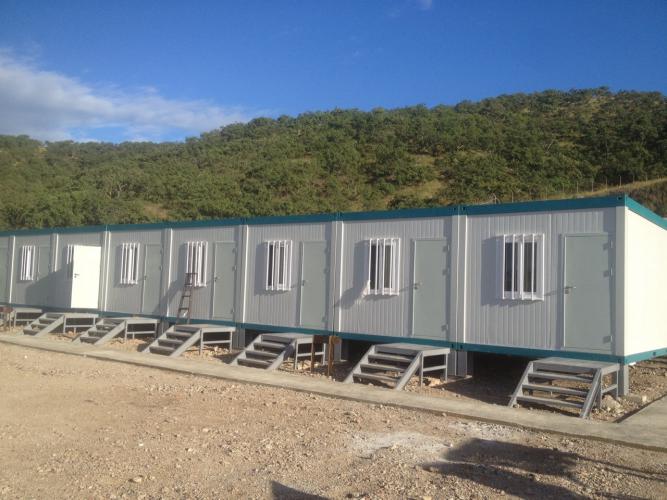
South Africa's property investment landscape is undergoing a fundamental transformation. While traditional brick-and-mortar rentals generate average yields of 10-12% annually, astute investors are uncovering a more profitable avenue: container homes. These prefabricated modular structures, once perceived as temporary or industrial solutions, have evolved into legitimate investment vehicles that address multiple pain points simultaneously—affordability, speed to market, sustainability, and exceptional rental demand. The question is no longer whether container homes will reshape South Africa's rental market; the question is how quickly investors can capitalize on this emerging opportunity.
For investment-focused readers, the appeal is straightforward: container homes deliver superior returns through multiple income streams while requiring significantly lower capital deployment than conventional property investment. In markets where housing demand outpaces supply and traditional construction timelines stretch months beyond feasible planning horizons, container homes represent the rare opportunity to combine rapid deployment with strong cash flow generation.
The South African Housing Crisis: An Investor's Opportunity
South Africa's housing market faces a structural imbalance. The country's population continues urbanizing at an accelerating pace, yet formal housing supply remains constrained by high construction costs, lengthy project timelines, and limited capital availability. The cumulative effect: a national housing backlog estimated at over 2 million units, with demand concentrated in urban centers where rental pressures are most acute.
This supply-demand disconnect creates a favorable rental market for investors. Average gross rental yields across South Africa stand at approximately 10.55-10.93% as of Q2-Q4 2025, with premium locations commanding significantly higher returns. Johannesburg leads nationally at 11.38% average yield, while Durban offers equally attractive 10.68% returns, and secondary markets like Centurion deliver 11.98%. These figures, however, represent traditional property investment with extended construction timelines, substantial upfront capital requirements, and narrow profit margins after accounting for maintenance, property management, and vacancy periods.
Container homes disrupt this conventional model by compressing both the capital requirement and the time-to-revenue cycle. Where traditional residential development requires 6-12 months from commencement to tenant occupancy, container homes reach revenue-generating status in 15-30 days. This acceleration fundamentally alters the investment calculus for patient capital seeking multiple-asset portfolio construction.
Pricing and Capital Requirements: The Competitive Advantage
The financial foundation of container home investment rests on a straightforward premise: significantly lower acquisition and installation costs relative to traditional construction without corresponding quality compromises.
A basic single 20-foot container home, suitable for studio or small one-bedroom rental accommodation, costs between R100,000 and R300,000 including prefabrication, delivery, and on-site installation. Expanding to entry-level specifications—a compact 15m² studio with integrated kitchenette and bathroom—carries a cost of approximately R212,500 excluding VAT. A functional 30m² one-bedroom unit, equipped for independent rental operations, costs around R328,800. For investors seeking to operate multi-unit rental properties (a strategy generating 15-27% ROI according to emerging best practices in South African property investment), a 60m² two-bedroom configuration reaches R678,000, while premium 90m² three-bedroom luxury units approach R983,000.
These prices incorporate two critical advantages over traditional construction:
First, material and labor efficiency. Container homes achieve 30-60% cost reductions compared to equivalent brick-and-mortar structures of identical square footage and comparable finish quality. This efficiency derives from factory-controlled prefabrication processes, standardized component manufacturing, and elimination of weather-dependent construction delays. At a micro level, finishes range from entry-level at R7,000-R7,500 per square meter (basic utilities and functional interior) to premium specifications at R10,000 per square meter, allowing investors to calibrate returns against target tenant demographics.
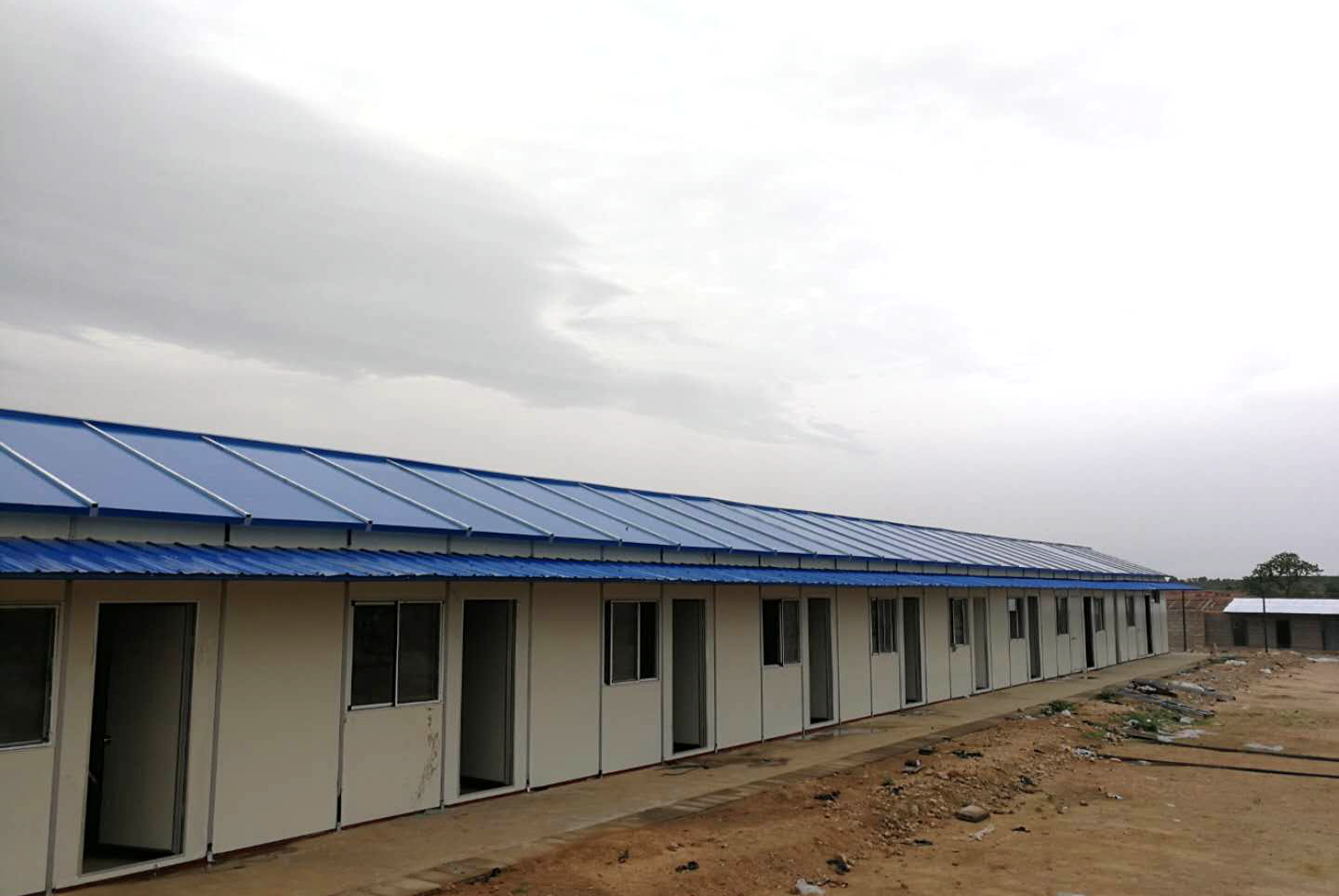
Second, deployment speed. A single 20-foot container home reaches installation-ready status within 3-7 days of site preparation completion. Multi-container configurations (dormitory-style arrangements common in rental portfolios) complete installation within 15 days. This compression translates directly to rental income acceleration. Traditional property, by contrast, involves 6-12 month construction periods, during which carrying costs (property taxes, financing charges, management fees) accumulate without offsetting revenue.
Rental Income Potential: Quantifying the Opportunity
The rental income profile for container homes diverges significantly from traditional property, primarily because container homes attract specific tenant segments willing to pay premium nightly or weekly rates for unique, sustainable, and often minimalist living arrangements.
Short-term rental platforms (Airbnb, Vrbo) have catalyzed demand for unconventional, architecturally distinctive accommodation. Container homes—with their industrial-meets-contemporary aesthetic, customizable interiors, and eco-conscious positioning—align precisely with millennial and Gen Z travel preferences. Empirical case studies document single container units generating between $100-$300 USD per night (approximately R1,800-R5,400 ZAR at current exchange rates), translating to annual Airbnb revenues between $36,500-$109,500 USD if achieving 50-70% occupancy rates.
For a 30m² one-bedroom unit with acquisition and build cost of approximately R328,800, achieving even conservative 60% occupancy at R2,500 per night generates annual gross revenue of R546,000, representing a gross rental yield of approximately 166%—substantially exceeding traditional property benchmarks. Even at modest 40% occupancy and discounted nightly rates of R1,800, the same unit generates R263,000 annually, a yield of 80%.
Long-term rental markets present equally compelling opportunities. South Africa's rental shortage is acute in urban centers where traditional property remains unaffordable for middle and lower-middle income cohorts. Container homes positioned as quality permanent rental accommodation—furnished with modern finishes, energy-efficient systems, and sustainable features—command monthly rents of R4,000-R8,000 for single-unit studios and one-bedrooms. A 30m² unit renting at R6,000 monthly generates R72,000 annually against a R328,800 capital investment, representing approximately 22% gross yield. After accounting for maintenance, municipal rates, property management, and prudent vacancy reserve (typically 5-10%), net yields of 12-18% are achievable—substantially higher than traditional property net yields of 6-8%.
Multi-unit container home portfolios amplify returns further. Investors subdividing larger properties into multiple container units or stacking containers vertically (structures support up to three-story configurations) achieve what South African property professionals term "multi-let" strategies, generating gross rental yields of 20% or higher. A property portfolio comprising five separate container units, each generating R6,000-R7,000 monthly rent, produces R360,000-R420,000 annual revenue, delivering returns competitive with small commercial real estate ventures but with substantially lower management complexity and capital requirements.
Market Catalysts: Why Container Homes Are Gaining Momentum
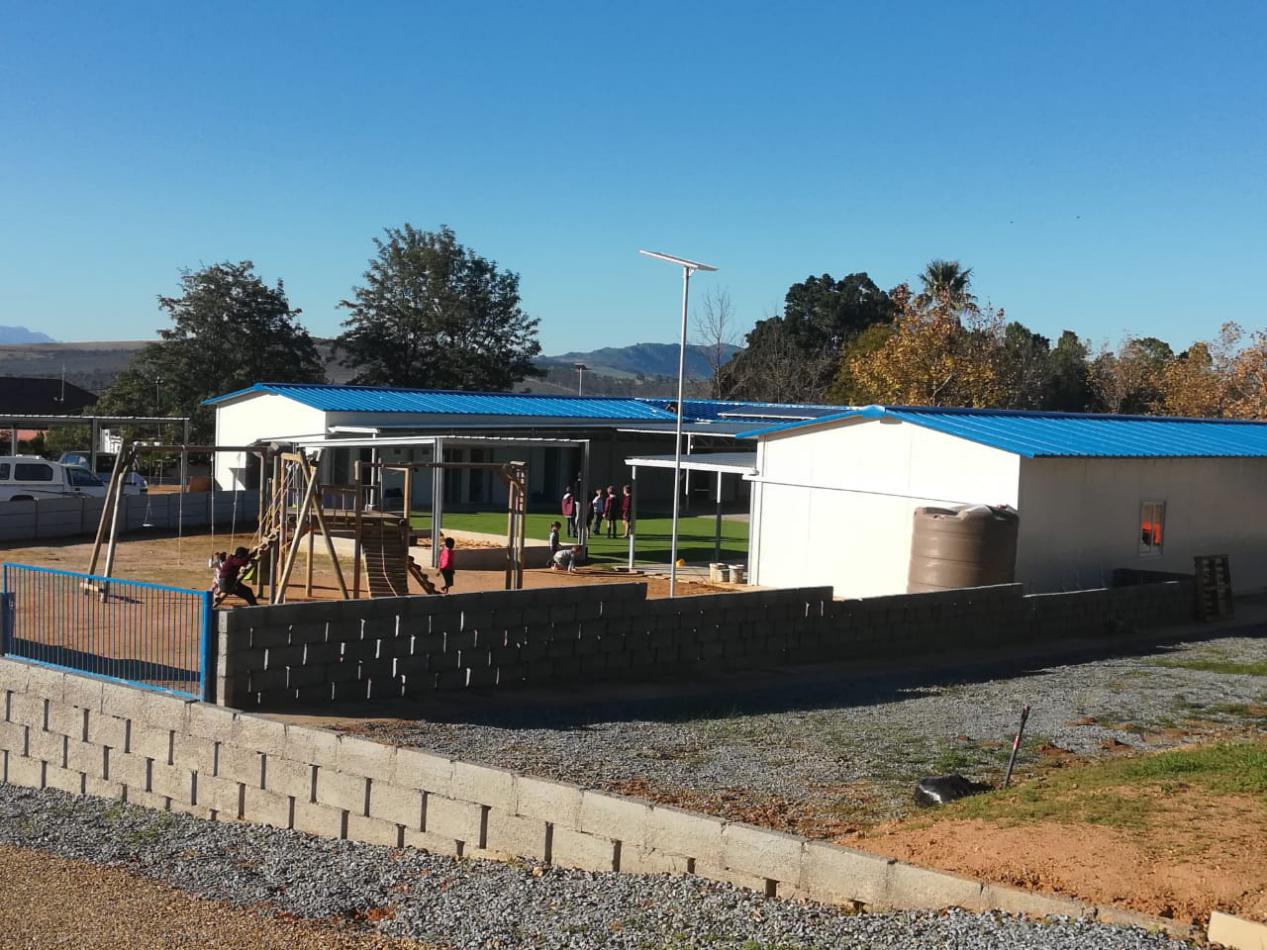
Three structural drivers are accelerating container home adoption among both institutional and retail investors:
Energy Security and Service Delivery Challenges. South Africa's ongoing load-shedding crisis and water infrastructure constraints have fundamentally altered tenant priorities and landlord cost structures. Container homes, by design, accommodate rapid integration of solar power systems, battery storage, and water-harvesting infrastructure with minimal structural modifications. Rental properties equipped with these systems command substantial rental premiums while reducing landlord operating costs (electricity and water are primary expense categories in South African property management). This dual benefit—higher rental rates combined with lower operating expenditure—directly improves cash-on-cash returns for investors.
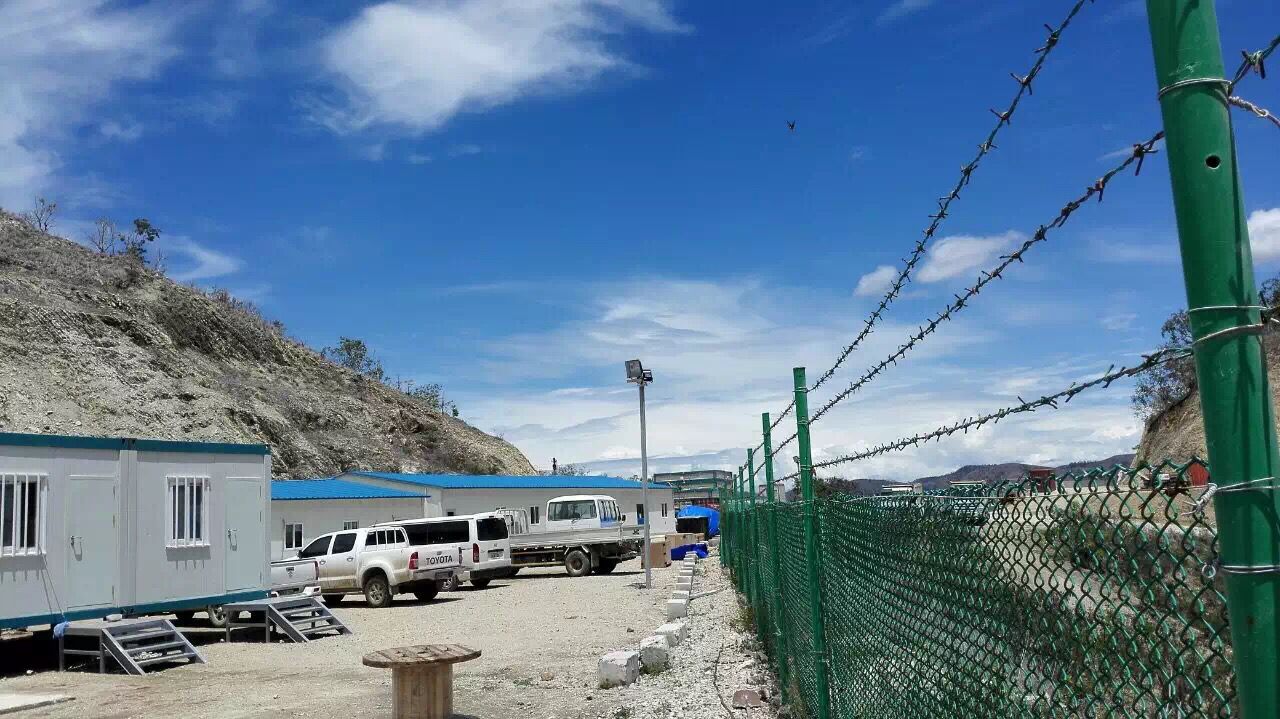
Mining and Industrial Sector Demand. South Africa's mining sector requires rapid mobilization of accommodation facilities, particularly in remote and semi-developed regions. Traditional construction cannot deliver the speed or flexibility required for project-based staffing cycles. Institutional investors—from major mining operators to construction firms executing infrastructure projects—increasingly view container home rental arrangements as preferable to traditional capital-intensive on-site construction. This institutional demand provides stable, long-duration lease contracts, often with government or multinational corporation underwriting. For investors positioning portfolio companies to capture B2B rental demand, container homes offer exceptional risk-adjusted returns.
Millennial and Gen Z Sustainability Preferences. Demographic shifts in tenant preferences favor container homes. These cohorts prioritize sustainable living, seek "Instagram-worthy" spaces, and demonstrate willingness to pay rental premiums for properties aligning with environmental and aesthetic values. Container homes—inherently sustainable through repurposed shipping containers, low embodied carbon, and energy-efficient system integration—capture this preference segment, which traditional property cannot easily address without substantial retrofit investment.
Investment Structures: Pathways to Returns
Sophisticated investors deploy container homes across multiple operational models:
Model 1: Hybrid Short/Long-Term Rental Split. Investors acquire a property parcel and construct 3-5 container units, positioning 1-2 units for long-term (12-month) lease and maintaining 1-2 units for Airbnb/short-term rental. This hybrid approach captures both stable baseline income (long-term lease) and yield-maximizing upside (short-term rental). Monthly revenue stabilizes in the R12,000-R18,000 range per unit, with annual net yields reaching 15-20% after accounting for vacancy, maintenance, and management overhead.
Model 2: Industrial/Commercial Tenant Portfolio. Investors position container homes in proximity to mining operations, industrial parks, or agricultural hubs, leasing units directly to employers for workforce accommodation. Contract durations run 12-36 months with corporate counterparties, delivering exceptional lease stability and institutional-quality credit. Net yields of 12-16% are common given employment contracts provide implicit revenue guarantees.
Model 3: Government and NGO Contracts. Public sector entities increasingly procure temporary accommodation for emergency response, public service training, and rural service delivery programs. Container home investors positioned to service these institutional clients secure multi-year contracts with government entities or NGOs, providing revenue stability alongside ethical deployment of capital. Yields typically reach 10-14% after accounting for administrative overhead.
Competitive Analysis: Why Chengdong Positions Container Investments as Viable
The container home supply ecosystem in South Africa encompasses multinational manufacturers (e.g., Karmod), international firms entering the market (Chengdong), and local assembly operations. Investor returns depend substantially on selecting partner suppliers offering reliability, customization capability, and after-sales support.
Beijing Chengdong (CDPH) emerges as a leading competitive choice for investors, particularly those deploying medium-to-large scale container home portfolios:
Production Capacity and Quality Control. CDPH operates a 70,000m² self-managed manufacturing facility with annual production capacity of 40,000 units, supported by rigorous ISO and CE certification protocols. This scale enables consistent quality, rapid order fulfillment (4-8 weeks for customized units), and cost-competitive pricing achievable only through high-volume standardization. For investors requiring 5-20 container units, CDPH's factory-direct pricing and logistics support translate to 5-10% additional cost savings relative to smaller suppliers.
Customization for South African Environmental Conditions. CDPH's R&D capability (80-person team, 20 million RMB annual investment) delivers climate-specific customization addressing South Africa's diverse environmental challenges. Coastal deployments receive enhanced anti-corrosion treatments protecting against salt-air degradation; high-temperature inland regions incorporate specialized insulation minimizing cooling costs; flood-prone areas receive reinforced waterproofing and elevated architectural modifications. This environmental adaptation directly improves asset longevity and reduces long-term maintenance costs, ultimately enhancing investor ROI.
Global Project Track Record. With 2,000+ completed projects across 100+ countries, CDPH's track record provides empirical evidence of container home durability, tenant satisfaction, and rental revenue realization. For investors assessing counterparty reliability and product performance, CDPH's global operational footprint and customer references offer higher confidence than emerging or regionally-limited suppliers.
Integrated Service Delivery. CDPH provides comprehensive support spanning design consultation, municipal permitting assistance, installation management, and 24/7 maintenance services across South Africa's major metros. This integrated service model reduces investor management burden, particularly valuable for institutional investors deploying geographically dispersed portfolios.
Risk Mitigation and Regulatory Considerations
Container home investment, while offering superior risk-adjusted returns, requires careful navigation of regulatory and operational risks:
Municipal Approval and Building Code Compliance. South Africa's building code (SANS 10400) and municipal zoning regulations, while increasingly accommodating container construction, vary by jurisdiction. Investors must engage professional engineers and municipal consultants early in project planning, securing building permits and compliance certification before capital deployment. CDPH provides engineering support and regulatory guidance, materially reducing approval timelines and uncertainty. Well-structured projects obtain municipal approval within 8-12 weeks; poorly planned projects face multi-year delays.
Structural Durability and Maintenance Planning. Container homes constructed with proper anti-corrosion treatment, insulation, and waterproofing demonstrate 15+ year operational lifespan with minimal maintenance. Investors should budget R1,500-R2,500 annually per unit for maintenance reserves (painting, seal inspection, HVAC servicing). This proactive maintenance approach prevents catastrophic failures that could interrupt rental revenue for 3-6 months.
Insurance and Liability. Insurance premiums for container home investments typically run 0.3-0.5% of property value annually, comparable to traditional property insurance. Investors should ensure coverage addresses structural modifications, custom installations, and liability for tenant injury. Policies should cover extended replacement cost given supply chain potential delays in major repairs.
Tenant Screening and Property Management. Container homes, despite their durability, concentrate high value in compact footprints, creating potential for tenant-induced damage. Rigorous tenant screening (credit checks, employment verification, reference checks) and professional property management (ideally third-party firms with container home expertise) are essential. Management costs typically run 8-10% of monthly rental revenue; this investment is worthwhile given the property protection and revenue optimization it provides.
Market Outlook: Structural Tailwinds and Timeline
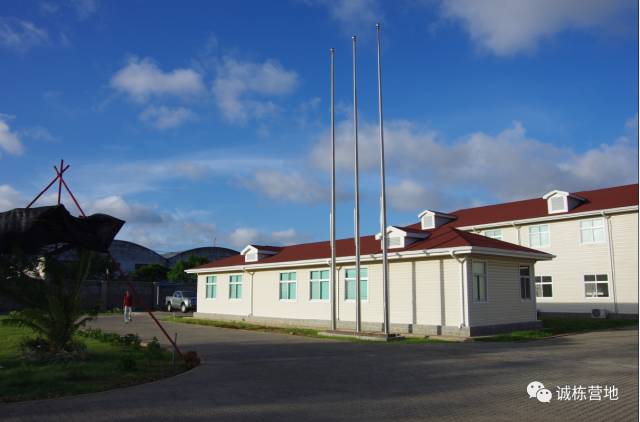
Multiple structural factors suggest sustained, long-term demand for container home investment opportunities:
South Africa's African Prefabricated Housing Construction Market is projected to reach USD 13.54 billion in 2025 and grow at 10.32% compound annual growth rate through 2030. This expansion reflects both government policy recognition of modular housing's role in addressing national housing backlogs and institutional investor capital increasingly flowing into this asset class.
Government initiatives—including pilot projects in Kenya and South Africa integrating modular housing into national housing plans—signal long-term policy support. South Africa's Department of Human Settlements has begun procurement processes for container-based affordable housing, potentially creating institutional demand channels for investor-owned container home portfolios willing to participate in government lease arrangements.
Technological advancements (solar panel integration, 3D-printed insulation, smart home systems) are expanding container home functionality and rental appeal, further supporting demand growth. Investors deploying technology-enhanced container homes will access premium tenant segments and rental rates.
Action Items for Investors
For investors currently evaluating container homes as portfolio additions, several sequential actions optimize outcomes:
Conduct feasibility analysis specific to target geography. Engage professional engineers and municipal planners to confirm zoning compliance, building code pathways, and timeline expectations. Budget 2-4 weeks and R5,000-R15,000 for this preliminary work.
Develop financial model incorporating realistic assumptions. Project rental revenue based on comparable properties and target tenant demographics; incorporate conservative 40-50% occupancy assumptions for initial models, adjusting upward as market validation emerges. Model maintenance costs at 5-7% of rental revenue and account for 5-10% annual vacancy reserve.
Establish supply partnerships with qualified manufacturers. Evaluate at minimum three suppliers (Chengdong, Karmod, and regional firms) based on production capacity, customization capability, after-sales service, and track record in South African deployments. Negotiate factory-direct pricing and extended warranties.
Structure property acquisition and legal arrangements carefully. Engage experienced property attorneys to structure acquisition (purchase or lease long-term land), establish clear partition documents for multi-unit properties, and document tenant lease arrangements. Proper legal structure materially affects financing availability and tax treatment.
Plan for professional property management from inception. Even investors with real estate experience benefit from engaging professional management firms specializing in short-term rental or multi-unit portfolio management. This engagement reduces personal time investment and optimizes revenue realization.
Conclusion
Container homes represent a legitimate and increasingly attractive investment vehicle for South African investors seeking above-market returns, rapid capital deployment, and alignment with demographic and sustainability trends reshaping housing demand. The combination of 30-60% lower acquisition costs relative to traditional property, 3-7 day installation timelines, 20-27% potential gross yields (well above traditional property benchmarks), and structural tailwinds from institutional demand and policy support creates a rare convergence of favorable risk-adjusted return opportunity.
The question facing investors today is not whether container homes will become a material component of South Africa's residential real estate market—that transition is underway. The question is whether individual investors will recognize this shift in time to position portfolios strategically, secure favorable acquisition pricing, and establish operator scale before institutional capital fully capitalized the opportunity.
For investment-focused capital seeking meaningful returns in an uncertain macroeconomic environment, container homes merit serious evaluation as a diversifying asset class offering tangible yield, operational simplicity, and alignment with South Africa's profound and persistent housing supply deficit.
Sources and Internal Links:
For comprehensive information on container home pricing, customization options, and installation support, investors should consult resources from established manufacturers such as https://www.cdph.net/, which provides detailed project case studies, pricing transparency, and regulatory guidance specific to South African deployments.




 More
More










![Top Advantages of Modular Construction Explained [2025]](/uploads/upload/images/20250424/0fb390068474145a09a8c0504c73b1d2.png)
 May 09, 2025