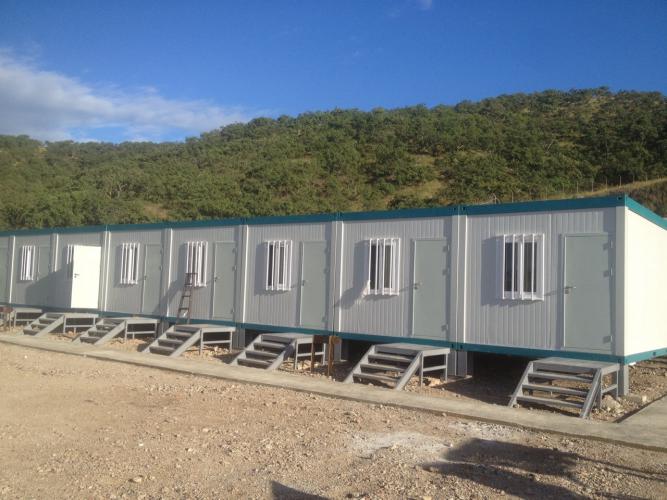
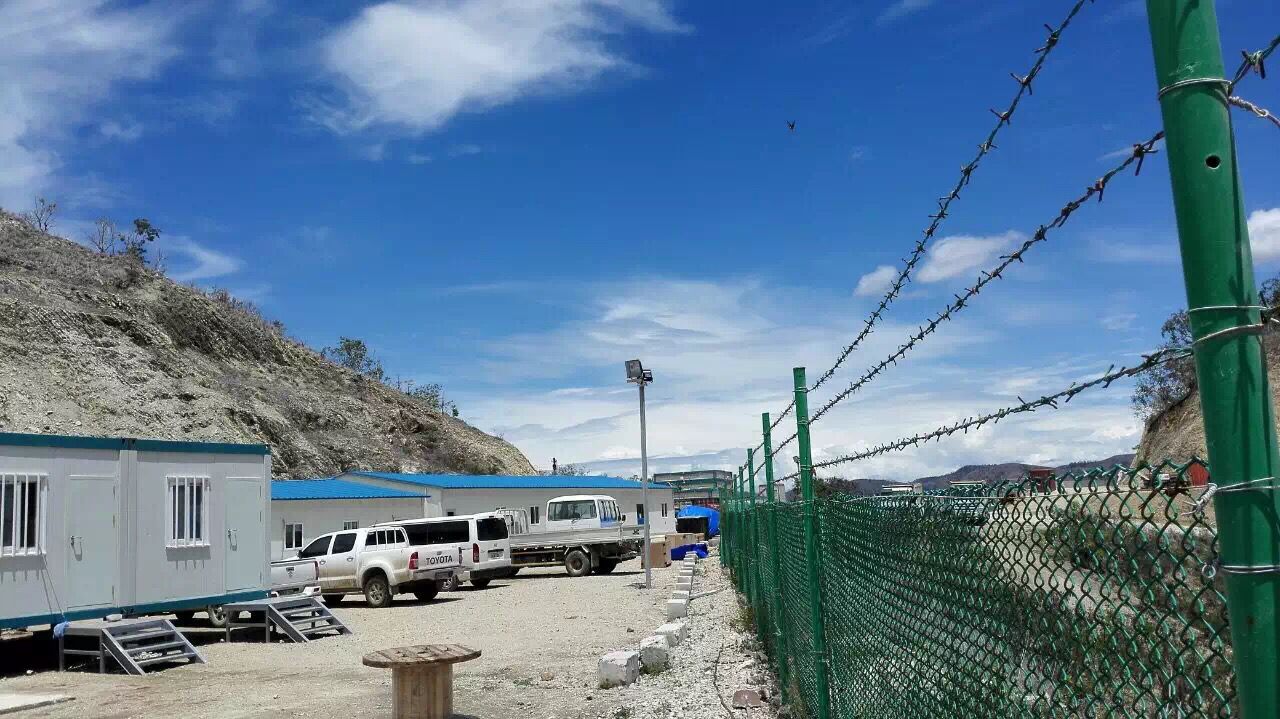
Introduction: The $1.5 Million Question
Imagine standing on a pristine coastline. Before you stands a sprawling, multi-level mansion featuring floor-to-ceiling glass walls, a cantilevered master suite hovering over a private pool, and a rooftop terrace that rivals the world’s best hotels. It looks like a feat of modern engineering, a bespoke creation that took years to build. But the secret lies beneath the sleek cladding and high-end finishes: the structural bones of this home were once simple steel modules, assembled in a fraction of the time of a traditional build.
This is the new face of container house luxury.
For years, the phrase “container home” conjured images of tiny, temporary dwellings or rugged, industrial chic cabins. However, a viral industry shift is underway. Headlines like "7.5 Shipping Containers Turned to $1.5M Luxury Waterfront Home" are becoming increasingly common, signaling a massive evolution in architectural perception. High-net-worth individuals, forward-thinking developers, and eco-conscious investors are no longer looking at modular construction as a compromise; they are viewing it as the ultimate solution for speed, sustainability, and avant-garde design.
In this deep dive, we explore how the humble container has graduated from the shipping yard to the pages of luxury design magazines, and how companies like Chengdong Modular House (CDPH) are leading this high-end revolution with advanced modular solutions.
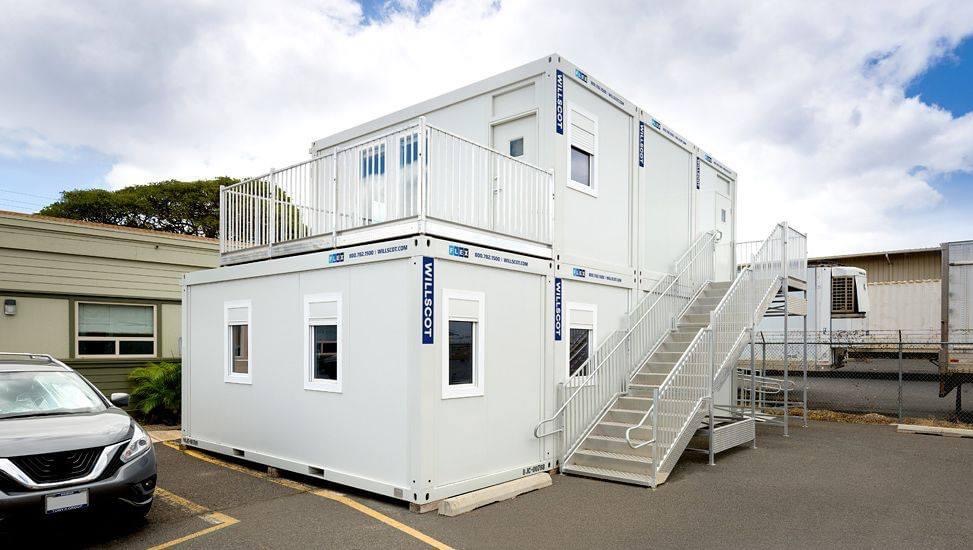
The Shift: From Industrial Surplus to Architectural Sculpture
The appeal of the luxury container home lies in its paradox: it is raw yet refined, industrial yet inviting. The transformation from a steel box to a high-end residence involves a radical rethinking of space.
In the past, the "container aesthetic" celebrated the corrugated metal walls and the visible dents of a life at sea. Today, luxury container house design treats the module as a skeleton—a high-strength steel chassis upon which limitless creativity can be applied.
The Architectural Freedom of Modularity
True luxury is about the absence of limitations. The strength of the steel frame allows architects to stack modules up to several stories high, create dramatic overhangs (cantilevers) without massive support columns, and span difficult terrains that would be impossible for traditional concrete foundations.
This flexibility allows for:
Bridge Houses: Spanning across a creek or a dip in the landscape.
Vertical Towers: Maximizing views in tight urban lots or dense forest settings.
Hybrid Designs: Mixing standard container modules with bespoke light steel framing to create vast, double-height atriums.
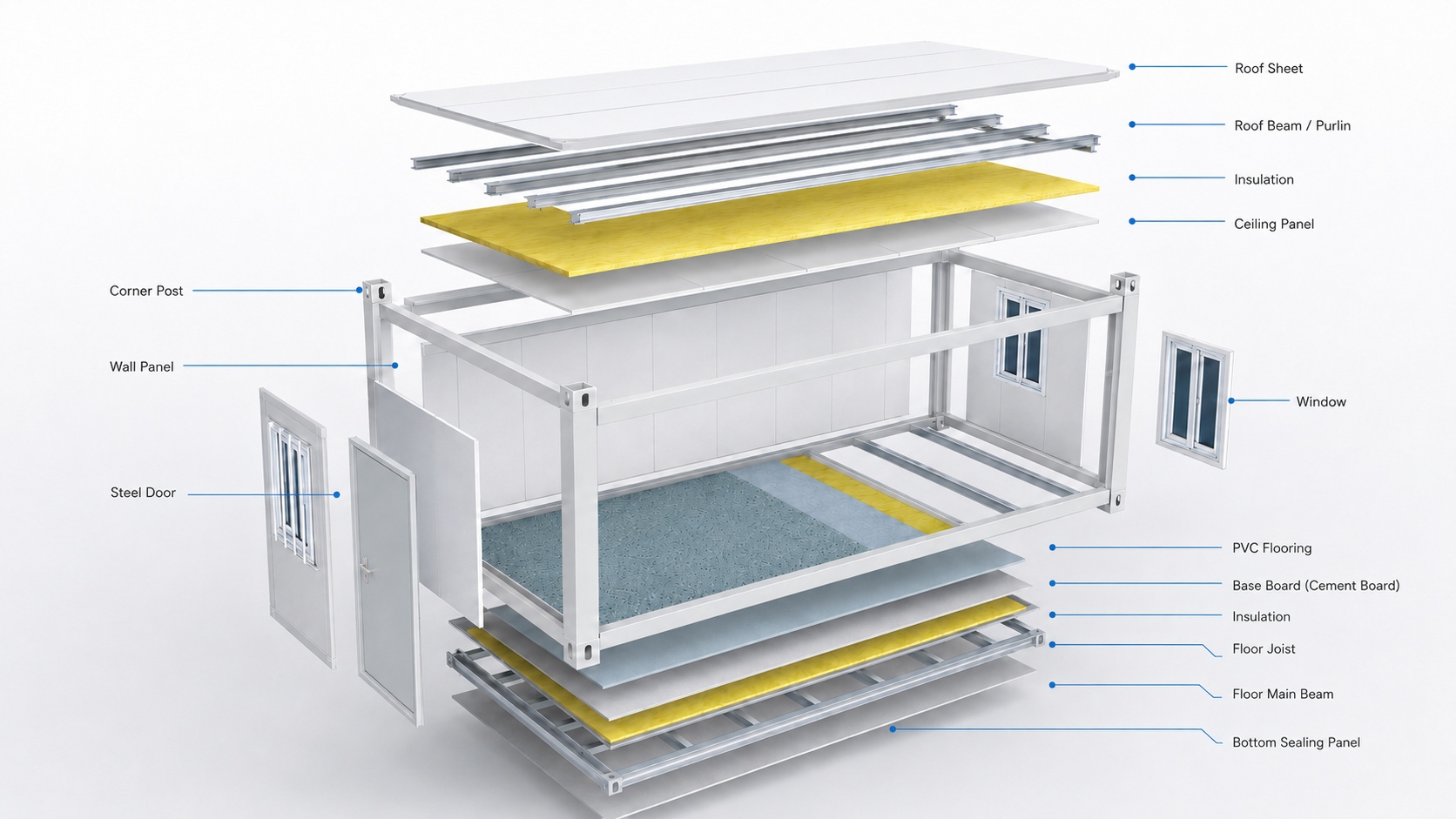
By utilizing advanced prefabrication techniques, manufacturers can now deliver precision-engineered components that fit together like a high-stakes puzzle, creating homes that are not just shelters, but livable art.
Design Elements of a Luxury Container Home
What separates a $50,000 DIY project from a $1.5 million luxury estate? It comes down to three core pillars: Light, Volume, and Finish.
Mastering Light and Transparency
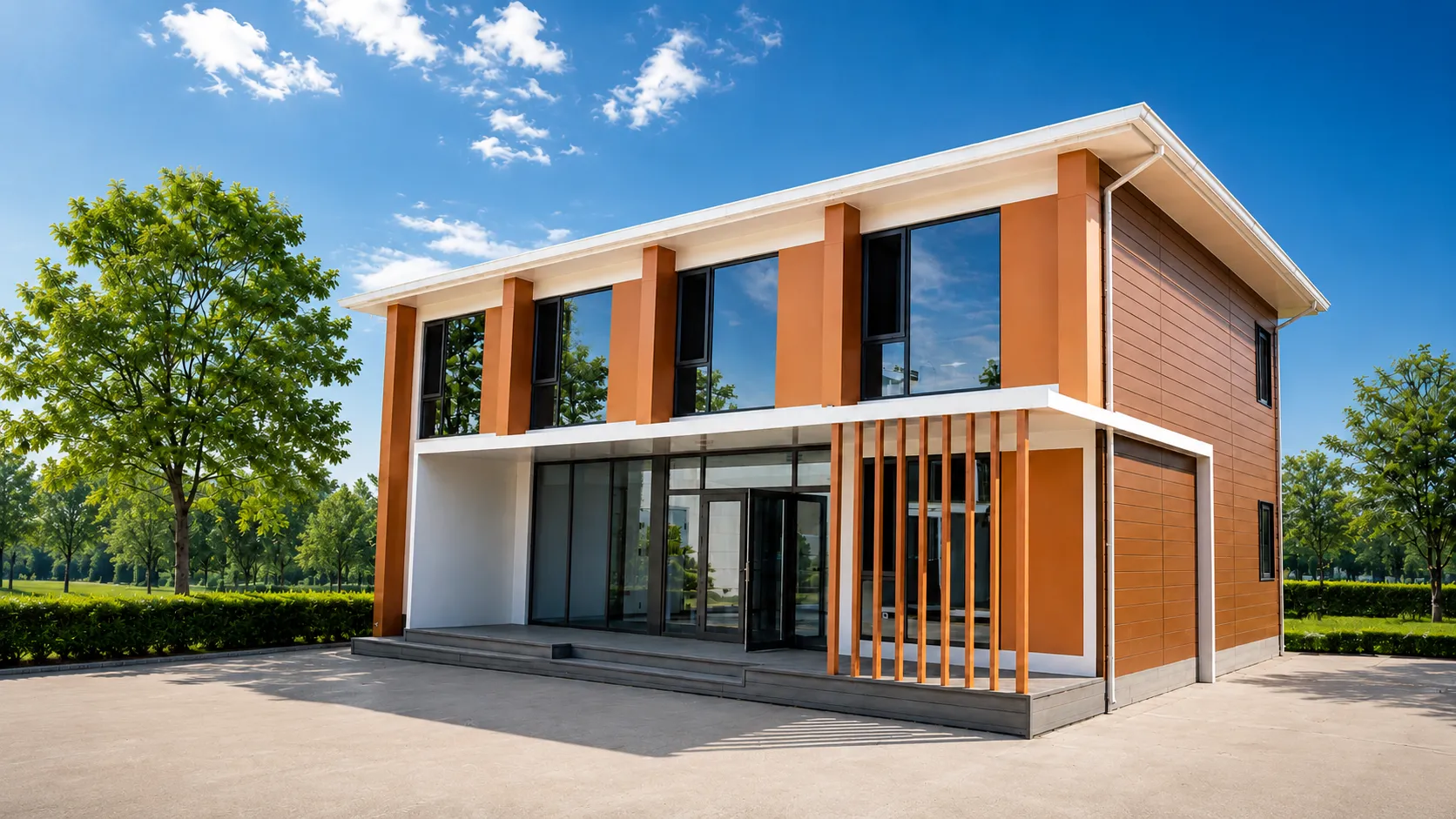
The hallmark of luxury modernism is the blurring of indoor and outdoor lines. In basic container builds, windows are small to maintain structural integrity. In luxury applications, entire walls of steel are removed and reinforced to accommodate panoramic glazing.
Imagine waking up in a Light Steel Villa where the ocean breeze flows through retractable glass walls. High-end container architecture utilizes thermally broken aluminum frames and triple-glazed glass to ensure that while the view is expansive, the internal climate remains perfectly controlled.
Volume and Space Manipulation
A standard container is narrow. To achieve a luxury feel, architects deconstruct this geometry.
The "Double-Wide" Effect: By removing the adjoining walls of two containers placed side-by-side, developers create massive open-plan living rooms that defy the "tunnel effect" of single modules.
The Atrium Void: Stacking containers in a U-shape or placing them apart with a roof spanning the gap creates soaring ceilings and central courtyards.
Hidden Mechanics: In luxury builds, all ductwork, plumbing, and wiring are meticulously concealed within false ceilings and walls, maintaining the clean, minimalist lines that define modern opulence.
Bespoke Finishes and Smart Integration
The exterior might say "industrial strength," but the interior screams "Italian Villa." Luxury container homes feature:
Exotic Flooring: From reclaimed teak to heated polished concrete.
Smart Home Ecosystems: Integrated voice control for lighting, climate, and security, often pre-wired during the factory fabrication stage.
Spa-Grade Bathrooms: Utilizing the waterproof nature of the base structure to create wet rooms with rain showers and soaking tubs that overlook private vistas.
Engineering the Extraordinary: Safety Meets Sophistication
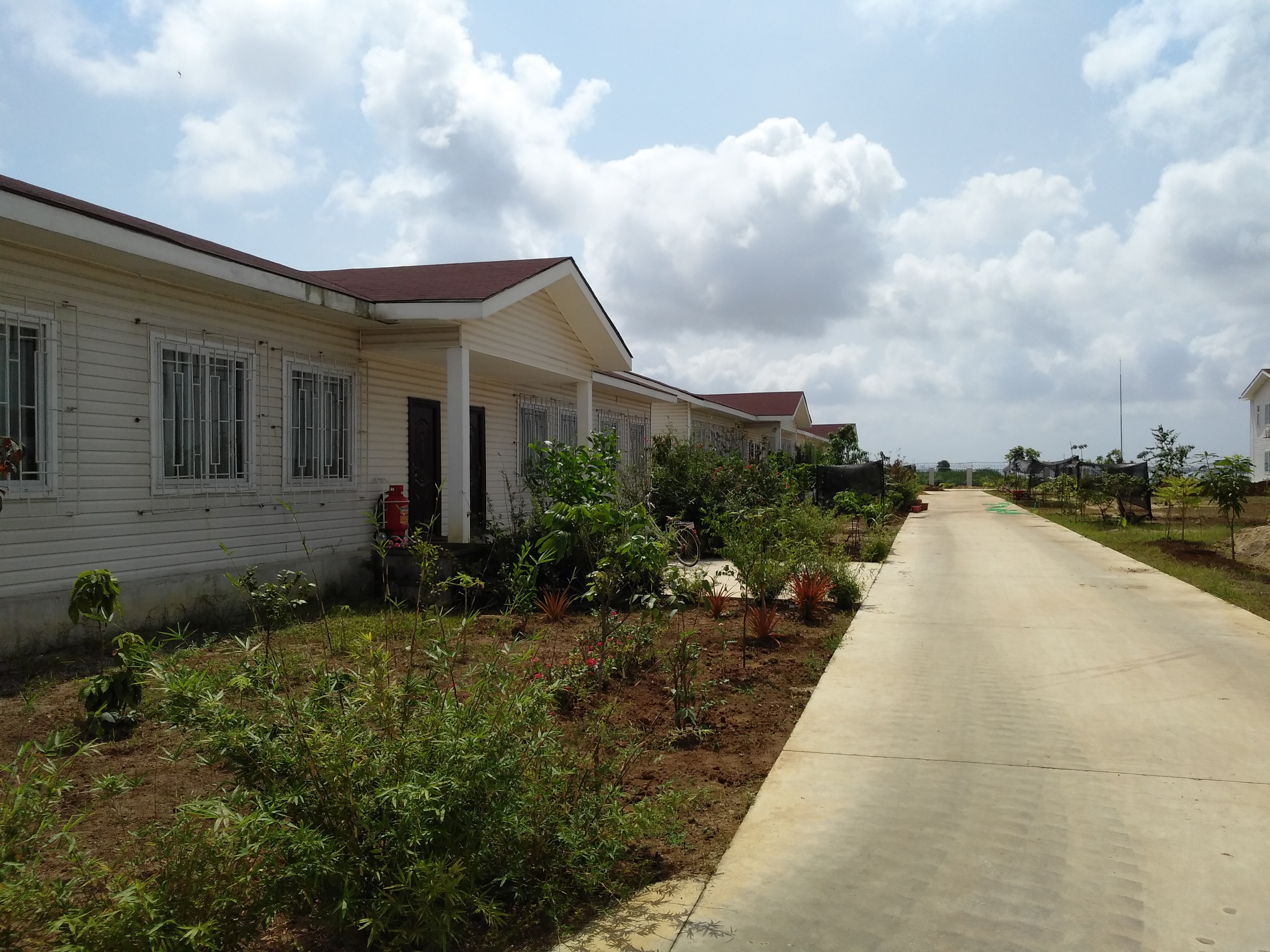
One of the primary drivers for the container house luxury trend is the inherent superiority of the materials. When you are building a $1.5 million home, you want it to last.
Hurricane-Proof Durability
Climate change has made weather resistance a luxury necessity. Traditional timber-framed homes often struggle against hurricanes and cyclones. Steel structures, however, are engineered for the high seas. When properly anchored and reinforced, these homes offer a level of safety that is unparalleled.
Chengdong Modular House (CDPH) has extensive experience in this arena. Their projects in regions like the Caribbean and the Pacific Islands demonstrate that modular structures can withstand extreme wind loads while maintaining their aesthetic appeal. For a luxury homeowner, peace of mind during storm season is the ultimate amenity.
The Insulation Factor
A common myth is that metal homes are hot ovens in summer and iceboxes in winter. In the luxury sector, this is solved through advanced building physics.
Exterior Cladding: High-end homes often wrap the steel structure in layers of external insulation and decorative cladding (such as cedar, stone, or composite panels). This prevents the sun from ever hitting the metal directly.
Closed-Cell Spray Foam: This premium insulation seals every gap, adding structural rigidity and creating an airtight envelope that makes the home incredibly energy efficient.
The Economics of Speed: Why Developers Love Modular Luxury
Time is the ultimate luxury. A traditional custom home of 5,000 square feet can take two to three years to design and build. A modular luxury home can cut that timeline in half.
Because the primary modules are prefabricated in a controlled factory environment—like the state-of-the-art facilities at CDPH—site work and construction happen simultaneously.
Site Prep: While the foundation is being poured on your waterfront lot.
Fabrication: Your walls, floors, and roof are being precision-welded in the factory.
Assembly: The modules arrive and are craned into place in a matter of days, not months.
For commercial developers creating luxury eco-resorts, this speed means a faster Return on Investment (ROI). They can open their doors to guests a year earlier than competitors using traditional construction methods.
Sustainability: The New Status Symbol
The modern luxury buyer is increasingly eco-conscious. They don't just want a beautiful home; they want a responsible one. Container house luxury aligns perfectly with this ethos.
Upcycling: Repurposing shipping containers prevents tons of steel from being melted down (which is an energy-intensive process).
Low-Impact Foundation: Because modular homes are self-supporting, they often require less invasive foundations (like helical piles), preserving the natural landscape of the building site.
Waste Reduction: Factory construction generates significantly less waste than traditional on-site building, where cut-offs and scraps often end up in landfills.
Beyond the Container: The Rise of the Light Steel Villa
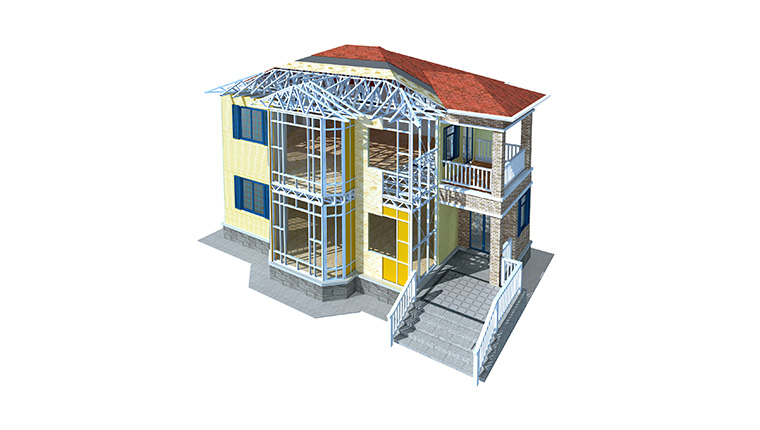
While the "shipping container" is the viral hook, the industry is evolving toward a more sophisticated cousin: the Light Steel Villa.
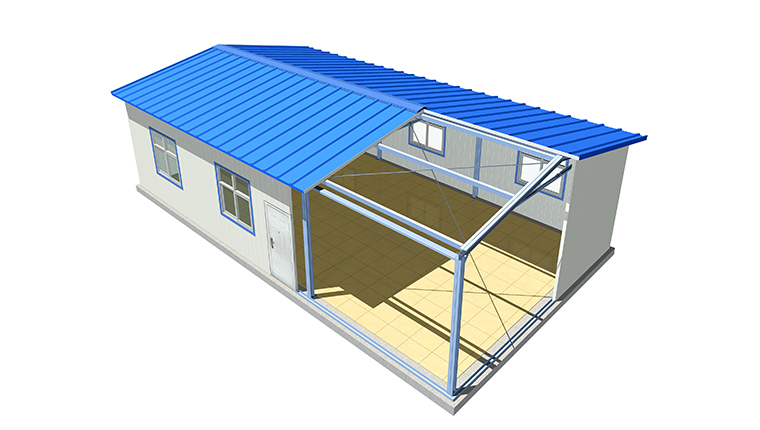
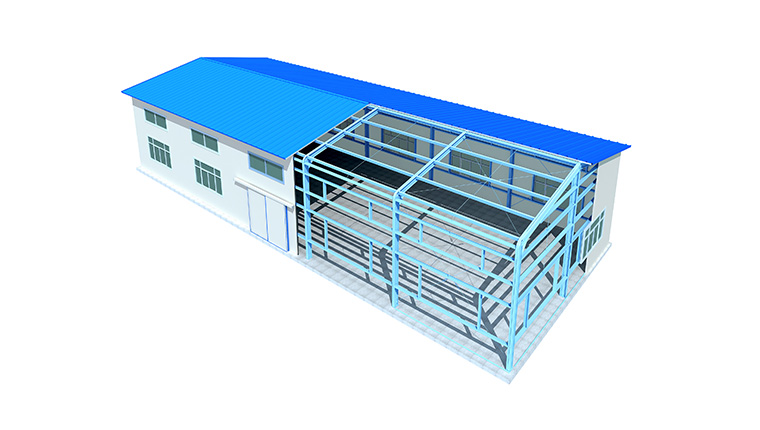
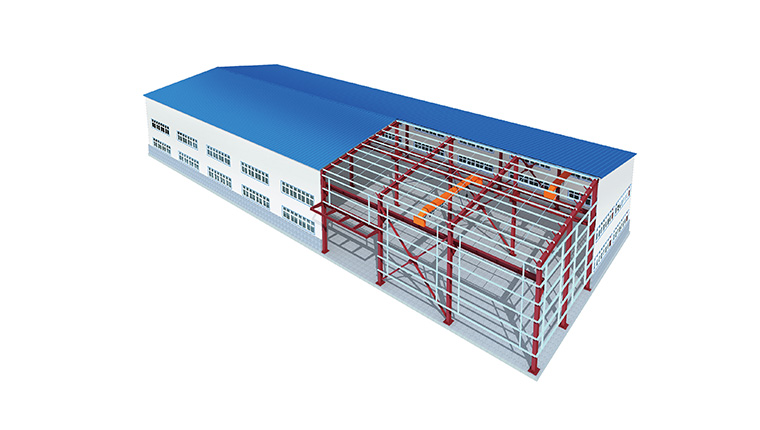
Recognizing the limitations of fixed container sizes, industry leaders like Chengdong Modular House (CDPH) have developed light steel structure systems that offer the same benefits—speed, strength, modularity—without the dimensional constraints of a cargo box.
A Light Steel Villa allows for:
Custom Dimensions: Higher ceilings and wider rooms without complex welding modifications.
Complex Rooflines: Gabled roofs, eaves, and architectural flourishes that mimic traditional luxury estates.
Integrated Aesthetics: The structure is designed from day one to be a home, not a cargo carrier, allowing for easier installation of plumbing, electrical, and luxury finishes.
For the client looking to build a $1.5 million waterfront home, a hybrid approach—using container strength for the core and light steel framing for the expansive living areas—often yields the best results.
How to Start Your Luxury Modular Journey
If you are inspired by the viral trends and are considering a high-end modular project, here is the roadmap to success:
Define Your Vision: Are you looking for the raw, industrial "stacked box" look, or a sleek, seamless villa where the modular origin is invisible?
Partner with Experts: Luxury modular construction requires specialized engineering. Working with a global leader like CDPH ensures that your project benefits from decades of experience in logistics, engineering, and material science.
Prioritize the Site: The beauty of modular luxury is its ability to exist in remote, untouched locations. Choose a site that deserves the view.
Don't Skimp on the "Skin": The cladding, windows, and interior finishes are what elevate the structure from "camp" to "castle."
Conclusion: The Future is Prefabricated
The viral story of the $1.5 million container home is not just a trend; it is a proof of concept. It demonstrates that luxury is no longer defined by heavy masonry and slow construction. It is defined by smart engineering, sustainable practices, and the ability to live comfortably in the most beautiful corners of the world.
Whether it is a cliffside retreat in California, a private island resort in the Maldives, or a modern family estate in the suburbs, container house luxury offers a path to build not just a house, but a legacy. The steel box is just the beginning; what you create with it is limited only by your imagination.
Ready to explore the possibilities of high-end modular construction?
Visit Chengdong Modular House (CDPH) to see how 20+ years of global experience can turn your modular dream into a luxury reality.




 More
More












![Top Advantages of Modular Construction Explained [2025]](/uploads/upload/images/20250424/0fb390068474145a09a8c0504c73b1d2.png)
 May 09, 2025