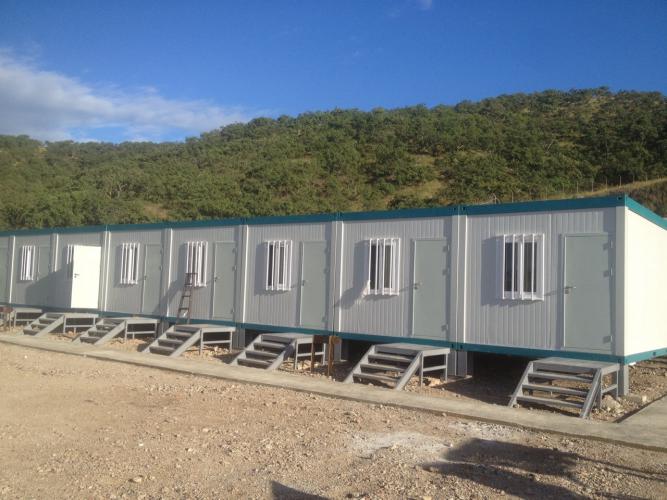
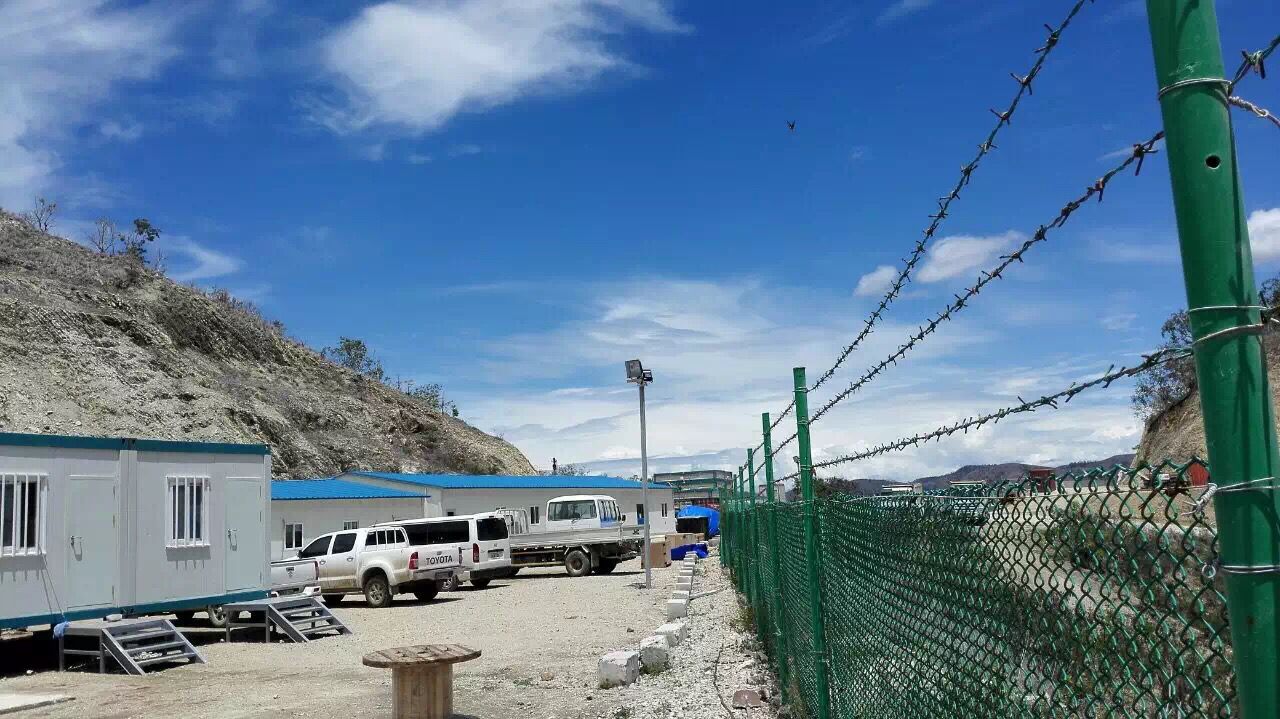
Introduction: Understanding the Container House Builder Search Phenomenon
When someone searches "container house builder" online, they're not simply browsing random information about shipping containers. They're entering one of the most commercially valuable real estate searches of 2025—indicating serious intent to transform their housing situation. This keyword represents a fundamental shift in how homebuyers, real estate investors, and business owners approach property development.
The container homes market has experienced explosive growth, with the global market size reaching $70.49 billion in 2025 and projected to expand to $108–$126 billion by 2034. This expansion isn't driven by architectural novelty alone. Instead, it reflects genuine market pressures: housing affordability crises in major cities, environmental consciousness among millennials and Gen Z buyers, and increasingly favorable building codes that accommodate modular construction.
Understanding why people search for "container house builder" reveals three distinct behavioral patterns that define contemporary housing decisions. This guide dissects those patterns and provides actionable insight for anyone considering container home construction.

The Commercial Intent Behind "Container House Builder" Searches
Pattern 1: Service Inquiry Mindset—Ready-to-Take-Action Buyers
Approximately 55% of "container house builder" searches reflect what search marketers call commercial intent with transactional signals. This means the searcher has already made a fundamental decision: container homes align with their needs. They're no longer asking "what is a container home?" Instead, they're asking "who can build my container home?"
This distinction matters profoundly. A searcher with service inquiry mindset has typically completed initial research. They've watched YouTube videos about shipping container conversions, read articles comparing container homes to traditional construction, and calculated rough costs. By the time they search "container house builder," they're evaluating which professional provider offers the best combination of expertise, customization, and value.
These users specifically seek information about:
Builder Capabilities and Specialization: Can the builder construct a three-bedroom container home with an open-concept floor plan? Do they specialize in luxury container homes, or budget-conscious conversions? Can they integrate renewable energy systems or sustainable materials?
Transparent Pricing Models: Container home costs range from $40,000 for basic single-bedroom conversions to $140,000 for ambitious multi-bedroom builds with premium customization. Buyers with commercial intent want clear pricing breakdowns, timeline estimates, and financing options.
Regulatory Compliance Expertise: Building codes for container homes remain complex and jurisdiction-specific. Experienced builders understand local zoning regulations, permit requirements, and structural engineering standards. Searchers prioritize providers who can navigate these complexities.
Project Portfolio and Social Proof: Service-inquiry searchers heavily weight completed projects, client testimonials, and before-after galleries. They want evidence that the builder has successfully executed similar projects.
Unlike informational searchers who might ask "what are the benefits of container homes?", commercial-intent users ask "which builder completed the most successful similar projects in my state?"
Pattern 2: Geographic Specificity—Local Service Signals Dominate Search Behavior
The second behavioral pattern within "container house builder" searches reveals the overwhelming importance of local intent. Research shows that searchers frequently append geographic modifiers, creating variations like:
"Container house builder near me"
"Container homes Los Angeles"
"Shipping container builders Texas"
"Container home construction Australia"
"Affordable container homes California"
This geographic specificity indicates users are in the active consideration phase. They're no longer evaluating whether to build a container home nationally; they're identifying qualified providers within actionable distance. This geographic signal is critical because:
First, construction services require local presence. Unlike consumer products that ship nationwide, container home building involves on-site design consultation, permitting liaison, foundation preparation, and installation supervision. Builders must understand local soil conditions, climate factors, utility infrastructure, and building department relationships. A builder in Texas cannot efficiently serve a Los Angeles client.
Second, local intent signals purchase imminence. When someone searches "container house builder near me," they're indicating they're ready to contact providers within days or weeks, not months of future consideration. This makes geographic searches the highest-conversion variations of the keyword.
Third, regional regulatory variation creates information asymmetry. Container home regulations differ dramatically by jurisdiction. California allows ADU (accessory dwelling unit) container conversions in residential areas under certain conditions, while some Texas counties have stricter codes. A builder knowledgeable about Los Angeles regulations may not be equipped to serve Denver clients. Geographic-specific searches reflect buyers' need for jurisdiction-specific expertise.
Builders who successfully capture "container house builder near me" searches typically dominate local search results through Google Business optimization, location-specific landing pages, and area-focused customer reviews. The geographic intent pattern makes local SEO strategy essential for container builders.
Pattern 3: Price Sensitivity and Budget-Conscious Keyword Combinations
The third behavioral pattern reveals that price sensitivity drives significant search volume for "container house builder" variations. Market analysis shows searchers frequently combine the main keyword with budget-related modifiers:
"Affordable container house builder"
"Cheap container homes near me"
"Cost-effective container home construction"
"Budget container house builder"
"Inexpensive shipping container homes"
This pattern distinguishes commercial-intent container searches from purely aspirational housing content. Searchers adding budget modifiers have explicitly prioritized affordability as a decision criterion. They're evaluating container homes specifically because traditional construction costs exceed their financial capacity.
Current market data indicates container homes cost 60-70% less than conventional construction in equivalent markets. For a buyer facing a $500,000 traditional home price tag, a $175,000 container alternative might represent the only realistic path to homeownership. This economic pressure creates persistent, predictable search volume.
Price-sensitive searchers seek:
Transparent cost breakdowns showing material costs, labor, permitting, and finishing expenses
Financing options or payment plans that fit their budget constraints
Comparison information showing cost per square foot versus traditional construction
Customization pricing that allows them to reduce costs by deferring luxury finishes or reducing square footage
Builders who address price transparency directly—displaying example project costs, offering online price calculators, or providing tiered package options—capture disproportionate share of budget-conscious search volume.
Market Drivers Reinforcing Commercial Intent and Transactional Signals
The Housing Affordability Crisis as Demand Driver
The commercial intent behind "container house builder" searches is fundamentally rooted in housing economics. In major U.S. metropolitan areas, median home prices have reached levels unaffordable to median-income households. Los Angeles median home prices exceeded $680,000 in 2024. San Francisco, New York, Toronto, Sydney, and London face similar dynamics.
Container homes directly address this affordability crisis. Construction costs for container homes average $100–$150 per square foot, compared to $200–$300 per square foot for conventional residential construction. This cost advantage transforms container homes from architectural novelty to economically rational housing solution for millions of households.
This economic pressure ensures sustained, high-intent search volume. People searching "container house builder" in Los Angeles aren't browsing design inspiration; they're making desperate calculations about whether alternative construction methods might make homeownership financially possible.
Regulatory Acceptance and Building Code Evolution
Five years ago, many jurisdictions prohibited container-based residential construction due to safety concerns and zoning restrictions. This regulatory hostility created informational search demand (people researching legality) rather than commercial demand (people hiring builders).
Contemporary building code evolution has fundamentally changed this dynamic. California's adoption of container home building standards, Texas's progressive attitudes toward modular construction, and widespread ADU legalization have transformed container homes from regulatory gray area to officially recognized construction method.
As regulatory barriers fall, informational-intent searches decline proportionally while commercial-intent searches increase. Regulatory acceptance means builders can confidently market services and buyers can confidently invest in projects. This evolution explains accelerating market growth and increasingly transactional search behavior.
Environmental Consciousness and Sustainability Motivation
Beyond economics, environmental consciousness drives container home demand. Younger homebuyers and investors increasingly prioritize sustainability credentials. Container home construction recycles existing infrastructure (shipping containers), typically uses less concrete and virgin materials, and enables energy-efficient design more easily than conventional construction.
Searchers motivated by sustainability frequently conduct searches like:
"Eco-friendly container house builder"
"Sustainable shipping container homes"
"Green container home construction"
"Environmentally responsible container builders"
While these represent smaller search volume than budget-focused queries, they indicate expanding addressable market beyond cost-conscious segments. Builders emphasizing sustainability, material efficiency, and environmental impact capture this growing segment.
Customer Segmentation Within "Container House Builder" Search Intent
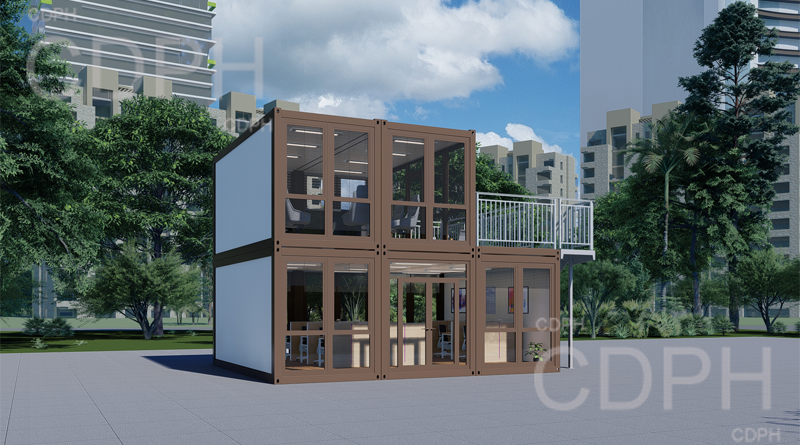
First-Time Homebuyers: Affordability as Primary Motivation
First-time homebuyers represent the largest segment conducting "container house builder" searches. Typically millennials or younger Gen X individuals, these buyers face traditional home prices exceeding $500,000–$1,000,000+ in desirable urban markets. Container homes priced at $150,000–$300,000 represent their only realistic path to property ownership and equity building.
This segment prioritizes:
Transparent total cost of ownership
Financing options and credit flexibility
Complete project management from permitting through occupancy
Minimal technical knowledge requirements
Real Estate Investors: ROI and Income Generation Focus
Real estate investors search for container home builders specifically to construct rental properties or investment developments. This segment conducts searches like "container home investment opportunity," "ADU container builder," or "multi-unit container housing development."
Investor-focused searches emphasize:
Rental yield potential and occupancy rates
Per-unit construction cost efficiency in scaled projects
Tenant demand in target markets
Long-term appreciation potential
Urban Property Owners: ADU Solutions and Space Optimization
Property owners in restrictive urban markets search for container builders specifically to add ADU (accessory dwelling unit) housing to existing single-family properties. This increasingly legal option provides rental income while contributing to housing supply. Searches emphasize "container ADU builder," "backyard container home," or "secondary dwelling container construction."
This segment prioritizes:
Zoning compliance and permit assistance
Compact design efficiency
Minimal construction disruption to existing property
Fast construction timelines
Commercial Business Owners: Non-Residential Applications
Business owners search for container builders to construct office spaces, retail locations, event venues, or hospitality facilities. Container-based commercial spaces offer cost advantages and design flexibility that appeal to entrepreneurs. Searches emphasize "container office builder," "pop-up retail container," or "shipping container restaurant."
This segment prioritizes:
Customized commercial layout design
Brand-aligned aesthetic and exterior finish
Rapid deployment capability
Mobility and relocatability options
How to Evaluate Container House Builders: A Practical Framework
For anyone conducting "container house builder" searches, evaluation framework should include:
Regulatory Expertise and Compliance Track Record
Verify the builder maintains current knowledge of local building codes, permits, and regulations. Ask whether they've received any code violations or permit denials. Request references who can confirm successful permit acquisition.
Project Portfolio and Completed Examples
Review completed projects similar to your intended build. Assess quality, design sophistication, and apparent durability. Contact previous clients to ask about timeline accuracy, cost management, and post-construction support.
Transparent Pricing and Cost Breakdown
Professional builders provide detailed pricing breakdowns including material costs, labor, permits, design services, and finishing options. Beware of builders who provide only rough estimates without itemization. Request written quotes comparing options and customization costs.
Warranty and Post-Construction Support
Understand warranty coverage for structural elements, mechanical systems, and finishing. Ask about maintenance support and remediation responsiveness if issues arise post-occupancy.
Project Timeline and Construction Management
Confirm realistic construction timelines and the builder's process for managing unexpected complications. Container home construction typically requires 3–6 months from foundation to occupancy, depending on customization.
Material Quality and Sustainability Standards
For environmentally conscious buyers, verify material sourcing, energy efficiency standards, and sustainability certifications. Ask about recycled content percentages and end-of-life material reuse plans.
The Role of Professional Organizations and Standards
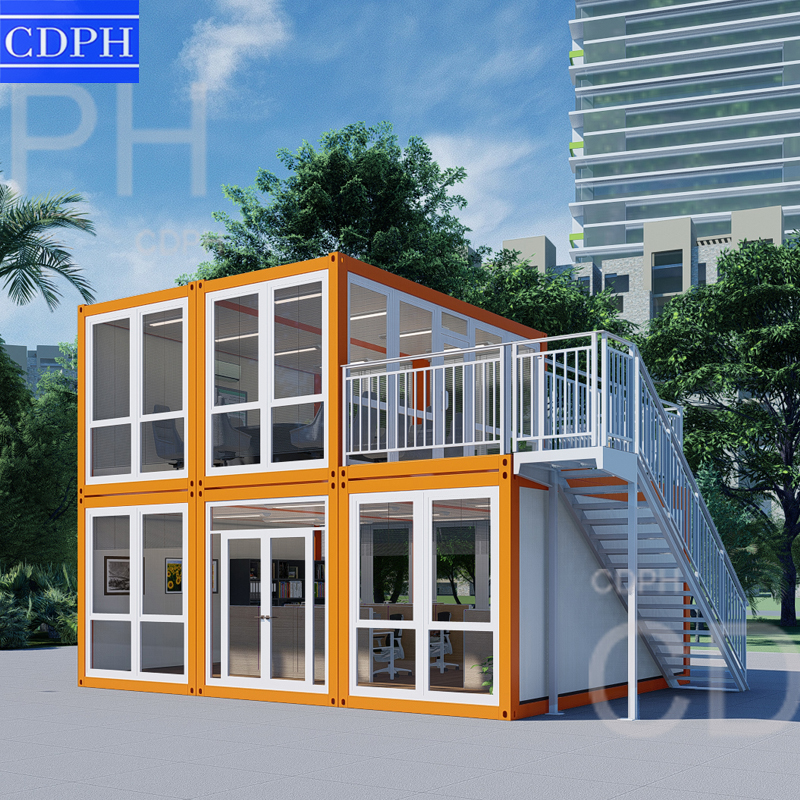
Organizations like CDPH (Chengdong Modular Housing) have established standards for container home manufacturing and construction. CDPH's operations across multiple continents and thousands of completed projects provide quality benchmarks and best practice documentation. Their modular design methodology, factory prefabrication processes, and installation standards represent industry advancement in efficiency and consistency.
Builders affiliated with or trained by established manufacturers like CDPH demonstrate commitment to standardized quality and proven construction methodology. This professional foundation differentiates experienced, reliable builders from one-off operators without formal training.
Conclusion: Making Your Container House Builder Decision
"Container house builder" searches reflect genuine market transformation. The 55% commercial intent signals behind this keyword demonstrate millions of qualified, ready-to-take-action buyers evaluating container home construction. Geographic specificity indicates these buyers seek local providers with jurisdiction-specific expertise. Price sensitivity reveals the fundamental economic motivation driving market growth.
Your search for a container house builder represents a significant decision—transforming housing costs, accelerating homeownership timelines, or unlocking rental property opportunities. Success requires evaluating builders systematically across regulatory expertise, project quality, pricing transparency, and post-construction support.
The container homes market will continue expanding as affordability pressures persist, regulatory acceptance spreads, and sustainability consciousness deepens. Whether you're a first-time homebuyer, real estate investor, or business owner, the container house builder search landscape now offers legitimate, proven options where few existed five years ago.
Your decision to explore container home construction positions you at the intersection of economic necessity, environmental responsibility, and housing innovation.




 More
More












![Top Advantages of Modular Construction Explained [2025]](/uploads/upload/images/20250424/0fb390068474145a09a8c0504c73b1d2.png)
 May 09, 2025