Searching for “best prefab house companies europe” produces a mix of residential builders, modular manufacturers, and suppliers serving international projects. These businesses do not necessarily offer comparable buildings or accept the same responsibilities, so a useful shortlist starts with the intended application rather than a ranking.
For private housing, buyers may need a residential design-and-build service. For workforce accommodation or engineering camps, manufacturing capacity, functional layouts, and coordinated delivery may carry greater weight. This guide explains how to distinguish those requirements and compare European companies alongside overseas manufacturers offering supply to European projects.
Identify Which Type of Prefab House Company You Need
Residential Design-and-Build Companies
Residential providers may combine house design, building manufacture, and construction services within a defined market. Buyers should establish whether the proposal includes planning assistance, foundations, internal finishes, services, and handover rather than assuming these form a standard package.
Relevant references should match the intended housing type and delivery arrangement. A portfolio of completed homes is useful, but its relevance depends on what the company actually designed, supplied, and constructed.
Building-System Manufacturers
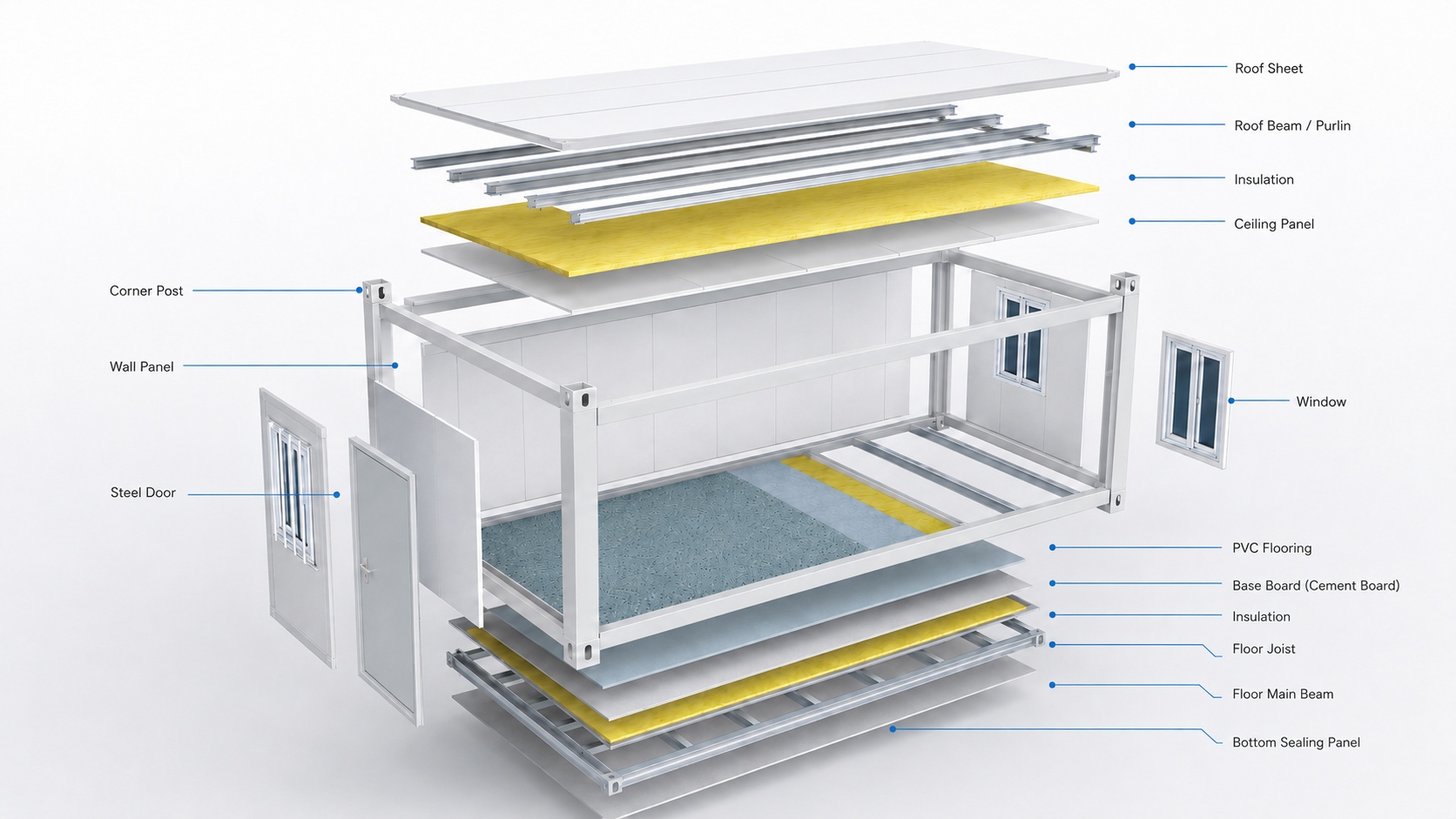
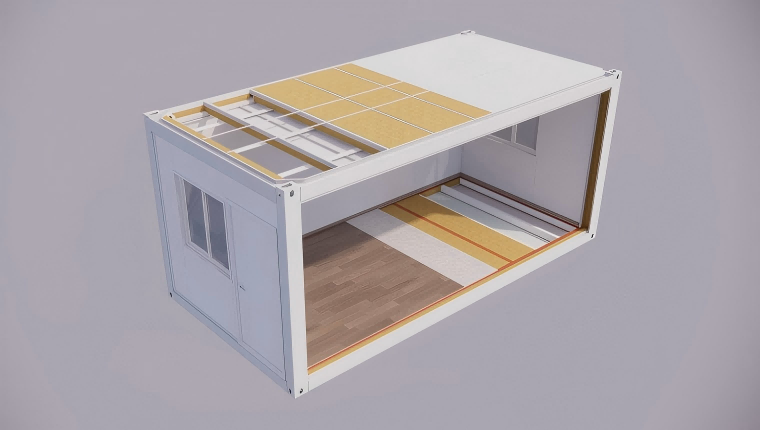
A manufacturer may supply volumetric modules, flat-packed buildings, or prefabricated panels while leaving substantial work to local contractors. These systems require different transport, assembly, and coordination arrangements.
For example, modular building systems can use individual or combined factory-produced units. Buyers still need to confirm the supplied configuration, completion level, and work remaining after delivery.
Workforce Accommodation and Camp Suppliers
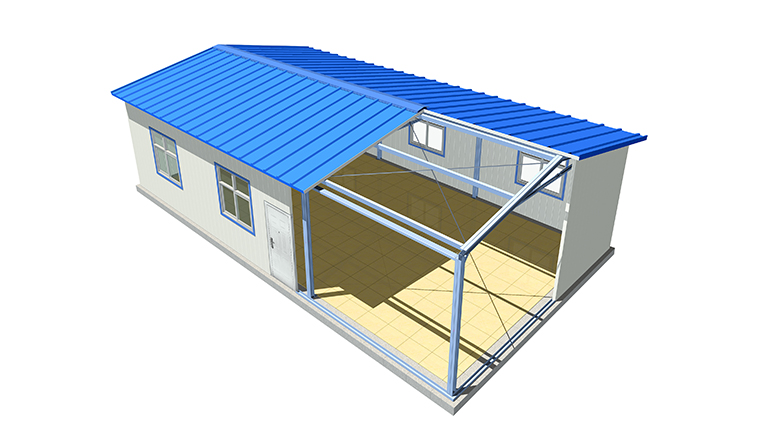
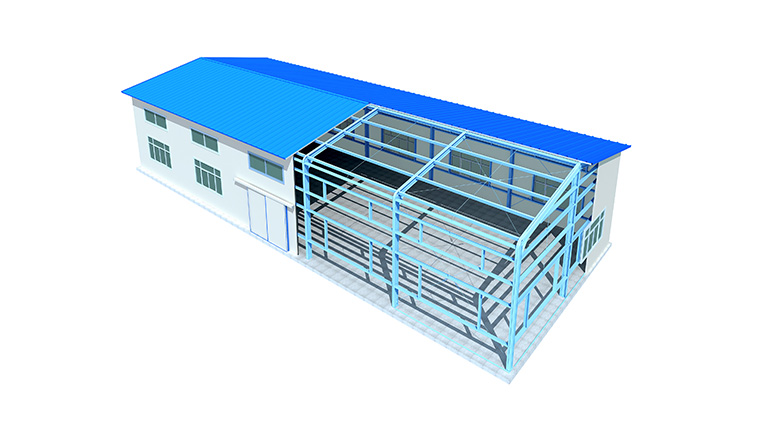
Project accommodation introduces requirements beyond an individual dwelling, potentially including repeated room layouts, shared facilities, phased occupation, and later expansion. A supplier’s ability to coordinate these functions may matter more than its residential design portfolio.
This distinction helps narrow “best prefab house companies europe” results into a relevant supplier category. It also prevents a residential builder and a camp-system manufacturer from being judged against requirements neither was asked to fulfil.
Establish a Common Project Brief
Define Location, Use, and Service Period
The brief should identify the project country and site, occupancy, required rooms, intended service period, and target occupation date. Climate, access, available utilities, and anticipated expansion should also be recorded.
“Europe” is not a single building-approval jurisdiction. For EU projects, harmonised construction-product rules operate alongside national building requirements, including structural safety, fire safety, and energy performance; other European jurisdictions require their own assessment.
Separate Requirements from Preferences
Mandatory requirements should be distinguished from optional features before suppliers prepare proposals. Required functions and applicable performance criteria belong in the baseline, while alternative finishes or additional facilities can be priced separately.
Without this separation, a lower quotation may simply reflect fewer rooms, a different specification, or a narrower delivery scope. A common brief makes those differences visible.
Compare Building Systems and Design Responsibilities
Identify Factory Work and Site Work
The level of prefabrication affects who completes the building, not just how it is transported. Proposals should describe the factory-completed structure, envelope, finishes, and services, together with the assembly and connection work expected on site.
The comparison should also identify weather-sensitive activities and specialist trades still required. A statement such as “factory finished” is insufficient unless its practical meaning is defined.
Assign Design and Review Responsibilities
A catalogue layout is not a complete project design. Buyers need to establish who prepares structural information, coordinates service routes, defines foundation interfaces, and incorporates project-specific changes.
Responsibility for local technical review and submissions should be explicit. Where several parties contribute, the programme must allow comments and revisions to reach the manufacturer before the relevant production work begins.
Evaluate Technical Evidence and Manufacturing Capability
Check Evidence Against the Offered Product
Declarations, assessments, and test reports should relate to the proposed product and its intended application. Buyers should examine the configuration covered, declared performance, relevant limitations, and correspondence with the quotation.
For EU procurement, CE marking should not be interpreted as universal approval of an entire building for every location or use. The applicable construction-product framework and national building requirements address related but distinct questions.
Review Production Control and Customization
Factory evaluation should examine how approved drawings become production instructions. Useful questions concern material identification, inspection records, non-conformity handling, and control of changes after approval.
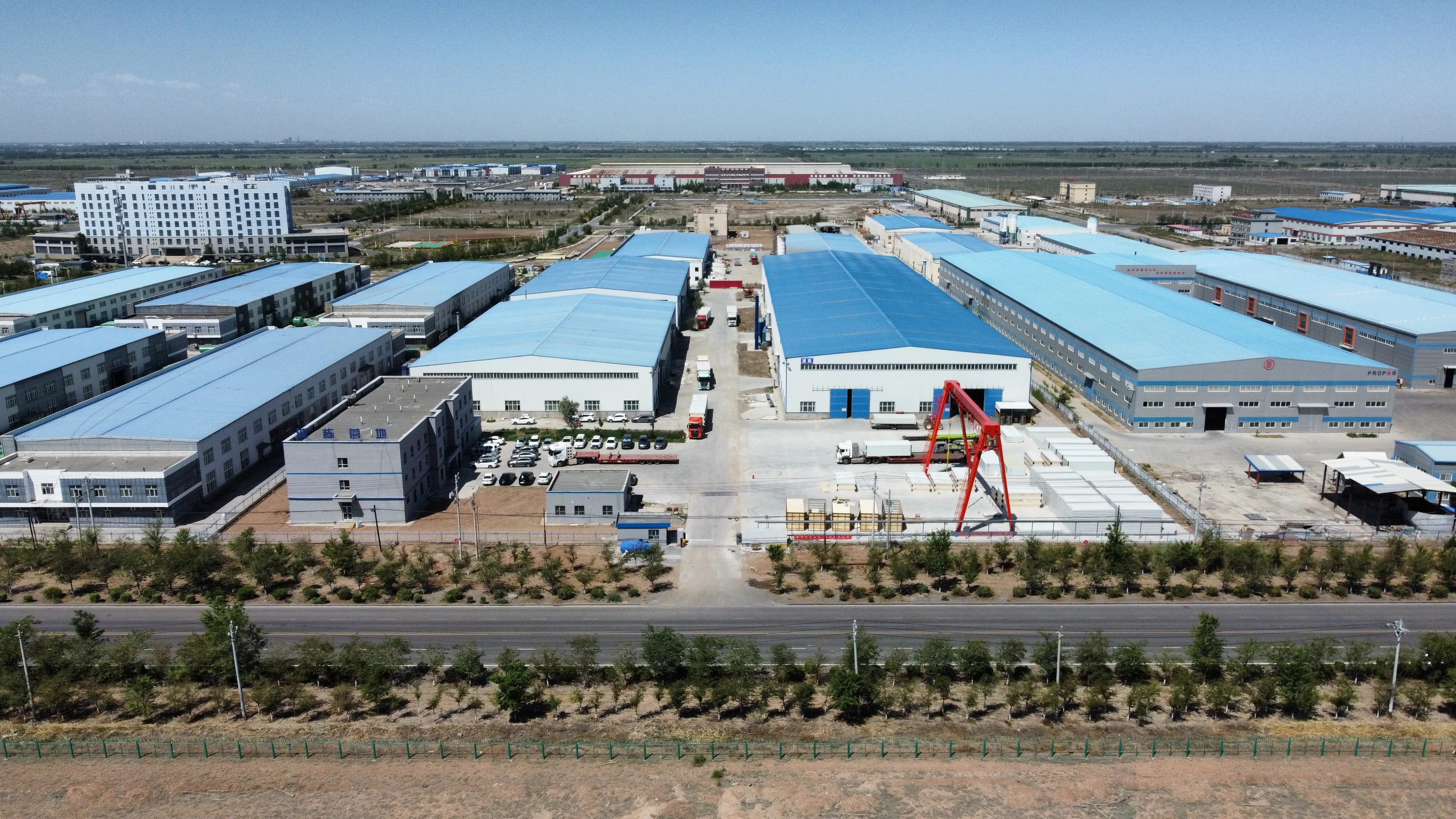
Chengdong’s modular house production process connects factory manufacturing with logistics and installation. Its relevance to a particular contract should be assessed through the proposed configuration, inspection arrangements, and documented scope—not through general capacity statements alone.
Climate adaptation and functional customization also require design coordination. Insulation, openings, ventilation provisions, internal layouts, and service interfaces should be agreed early enough to inform material procurement and factory work.
Compare Quotations on a Like-for-Like Basis
Align Inclusions and Exclusions
A supply-only price cannot be compared directly with a package covering foundations, installation, connections, and acceptance. Each quotation should identify what the buyer receives and what remains with other parties.
A common scope schedule should cover:
Design deliverables and project-specific engineering.
Building configuration, finishes, and equipment.
Transport, delivery terms, unloading, and lifting.
Foundations, assembly, external works, and utility connections.
Inspections, documentation, and handover responsibilities.
Excluded work needs both an owner and a cost allowance. Otherwise, a price comparison can conceal obligations transferred to the buyer.
Assess Operation and End-of-Use Requirements
Maintenance access, replacement components, and heating or cooling arrangements influence the building’s operation. These should be evaluated against occupancy and intended use rather than treated as secondary details.
Where relocation or reuse is planned, buyers also need information about dismantling, transport, refurbishment, storage, and reinstatement. Neither manufacturing location nor building category establishes a lower lifecycle cost without consistent project assumptions.
Examine Delivery and Post-Handover Support
Distinguish Dispatch from Readiness for Occupation
Factory completion, dispatch, arrival, assembly, connection, and occupation are different milestones. A delivery commitment should specify which milestone it refers to and what preceding work must be completed.
Chengdong’s integrated delivery model includes planning, manufacturing, logistics, and installation activities relevant to engineering camp solutions. Buyers should nevertheless confirm whether the contract includes EPC responsibilities or a narrower supply package, with exclusions and interfaces clearly assigned.
Define Warranty and Support Arrangements
Warranty review should distinguish component coverage from the labour, travel, access, and equipment needed to carry out repairs. Notification procedures, exclusions, and remedy responsibilities should be understandable before contract award.
For overseas suppliers, buyers should ask which support activities require local contractors. For European suppliers, the same scrutiny applies: geographic proximity does not by itself establish the service included in the agreement.
Build an Evidence-Based Supplier Comparison
A “best prefab house companies europe” shortlist becomes useful when each candidate is assessed against the same requirements. Relevant categories include functional fit, design responsibility, technical evidence, production control, installed cost, delivery programme, and support.
The comparison should distinguish verified information, assumptions, exclusions, and unanswered questions. Mandatory requirements should be checked before preferences are weighted, preventing attractive finishes or pricing from concealing a fundamental mismatch.
References should also be relevant rather than merely numerous. Similar building functions, environmental conditions, or delivery responsibilities can make a reference more informative than an unrelated portfolio headline.
Frequently Asked Questions
Should buyers choose a European company or an overseas manufacturer?
The decision depends on the proposed scope, technical suitability, logistics, installation arrangements, and support. Manufacturing location affects coordination, but it does not replace assessment of the actual offer.
How can quotations with different delivery scopes be compared?
Prepare a common scope schedule and identify missing work in each proposal. Add realistic allowances for that work and assess its programme implications before comparing overall commercial value.
What documents should be requested before shortlisting?
Useful documents include a defined scope of supply, relevant technical evidence, production-control information, and comparable references. A responsibility schedule and a programme from design approval to occupation help expose delivery gaps.
Conclusion: Select for Project Fit, Not a Universal Ranking
There is no single “best prefab house companies europe” answer that replaces project-specific due diligence. A defensible selection rests on evidence: a suitable building system, documented performance, controlled production, and clearly assigned delivery responsibilities.
Chengdong accepts enquiries through the project enquiry form or at chengdong@cdph.com.cn. Providing the project country, building use, occupancy, intended service period, required supply scope, and target occupation date creates a practical basis for discussing configuration and delivery responsibilities. Telephone and WhatsApp enquiries are available at +86 18001125785.




 More











 May 09, 2025