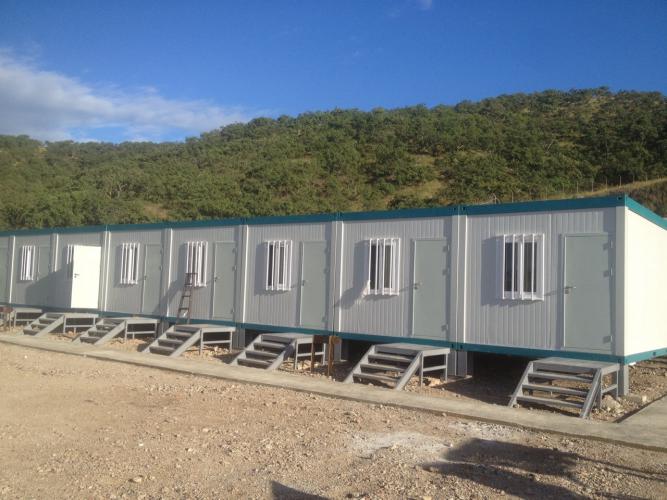
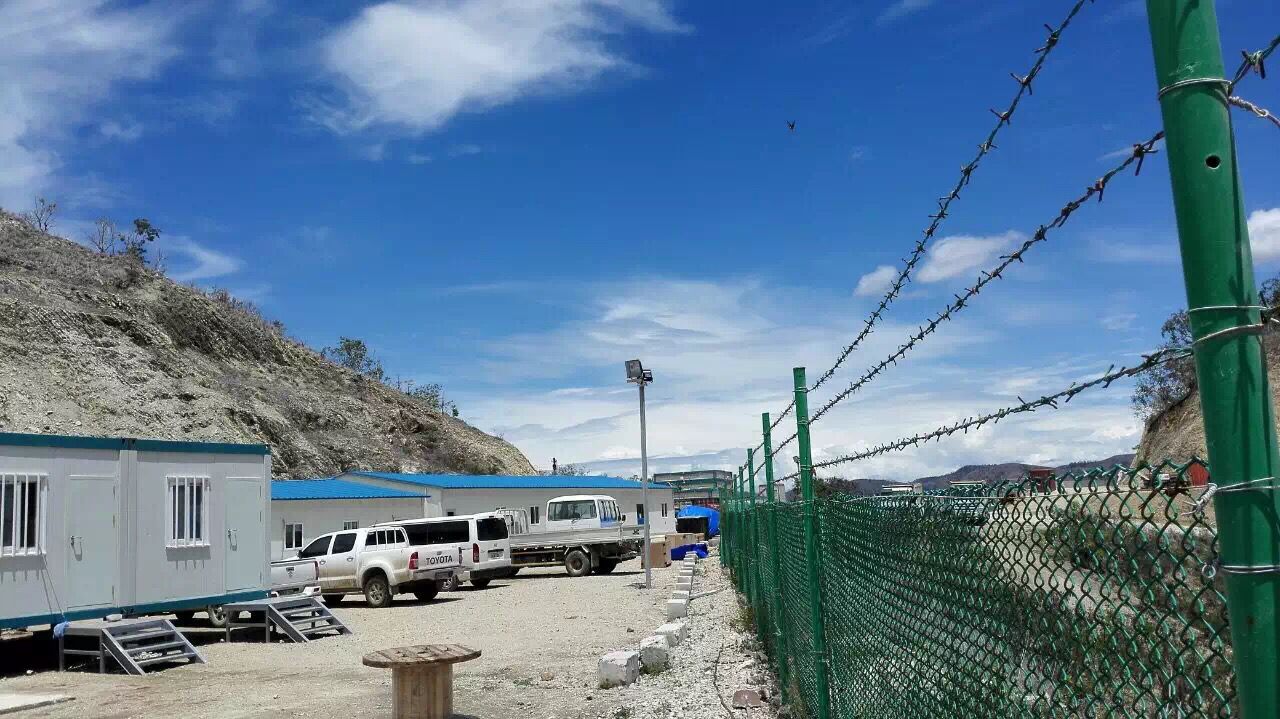
When disaster strikes, emergency response organizations face a critical dilemma that can define the success of their relief operations. Should they deploy disposable temporary structures for immediate shelter, or invest in sustainable, reusable camp container solutions? This decision impacts not only response effectiveness and budget efficiency, but also long-term sustainability commitments. With over 1,000 global projects completed across more than 100 countries, Beijing Chengdong International Modular Housing Corporation has pioneered camp container systems that eliminate the traditional tradeoff between deployment speed and environmental responsibility.
Understanding Professional Camp Container Builders
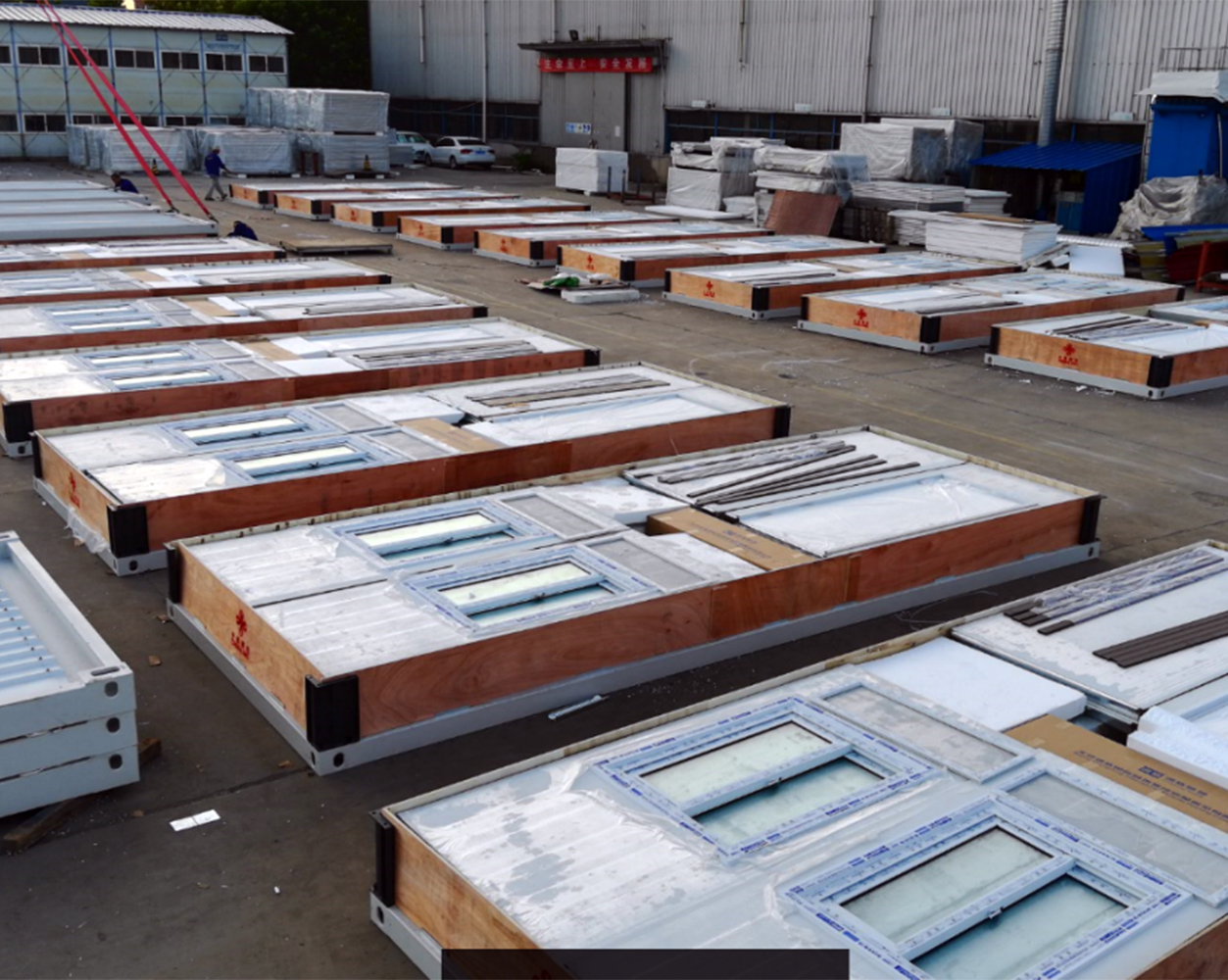
Professional camp container builders differ fundamentally from conventional construction contractors. Rather than building on-site, they manufacture complete camp container components in controlled factory environments, achieving precision and quality impossible with traditional field construction. This manufacturing approach enables systematic quality control, weather-independent production schedules, and critically—the ability to design camp container units for multiple assembly and disassembly cycles.
Beijing Chengdong has spent over 20 years developing integrated camp container systems specifically for rapid deployment scenarios. Their portfolio spans mining camps, oil and gas facilities, infrastructure projects, and emergency response applications across extreme climates from -50°C Arctic conditions to +50°C desert environments. This breadth of experience translates into proven camp container solutions tested under the most demanding real-world conditions.
The K-Connector Revolution: Engineering for Reusability
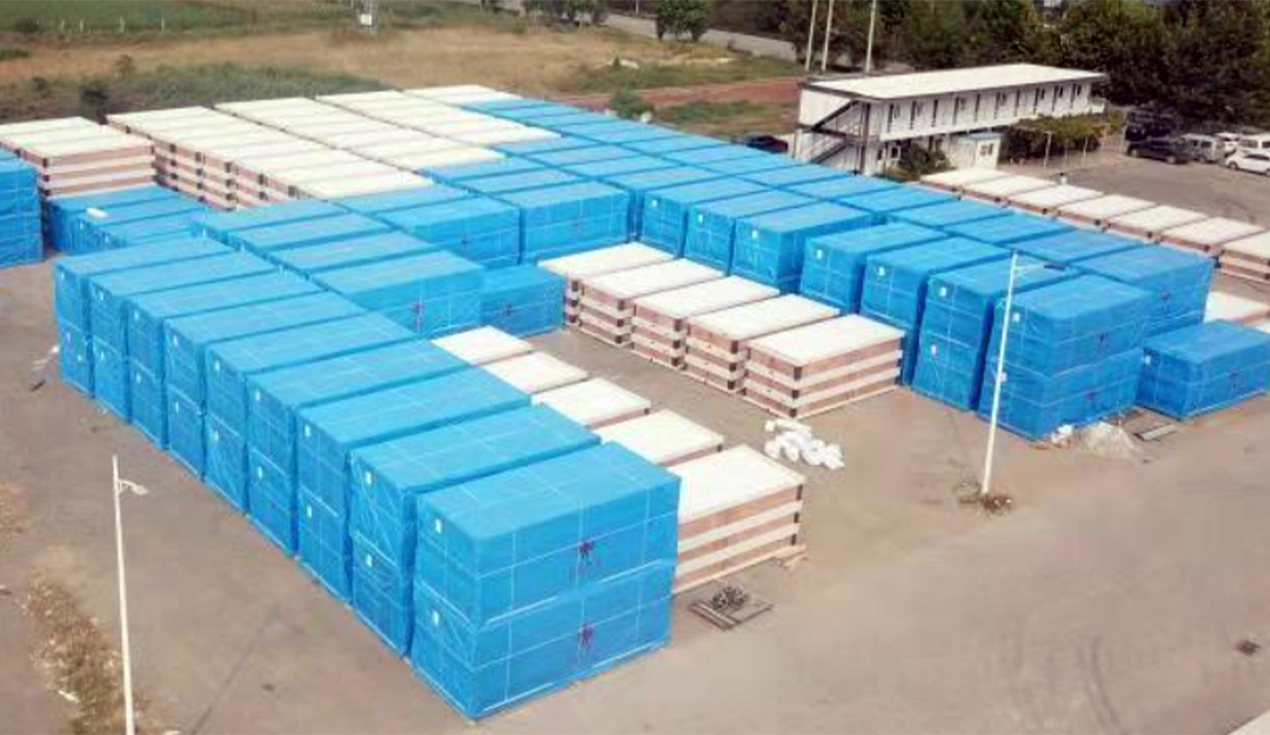
The difference between disposable and reusable camp container construction comes down to connection technology. Traditional temporary structures use welding, adhesives, or fasteners that damage materials during disassembly. Professional modular office builders employ proprietary systems designed for infinite assembly cycles without degradation.
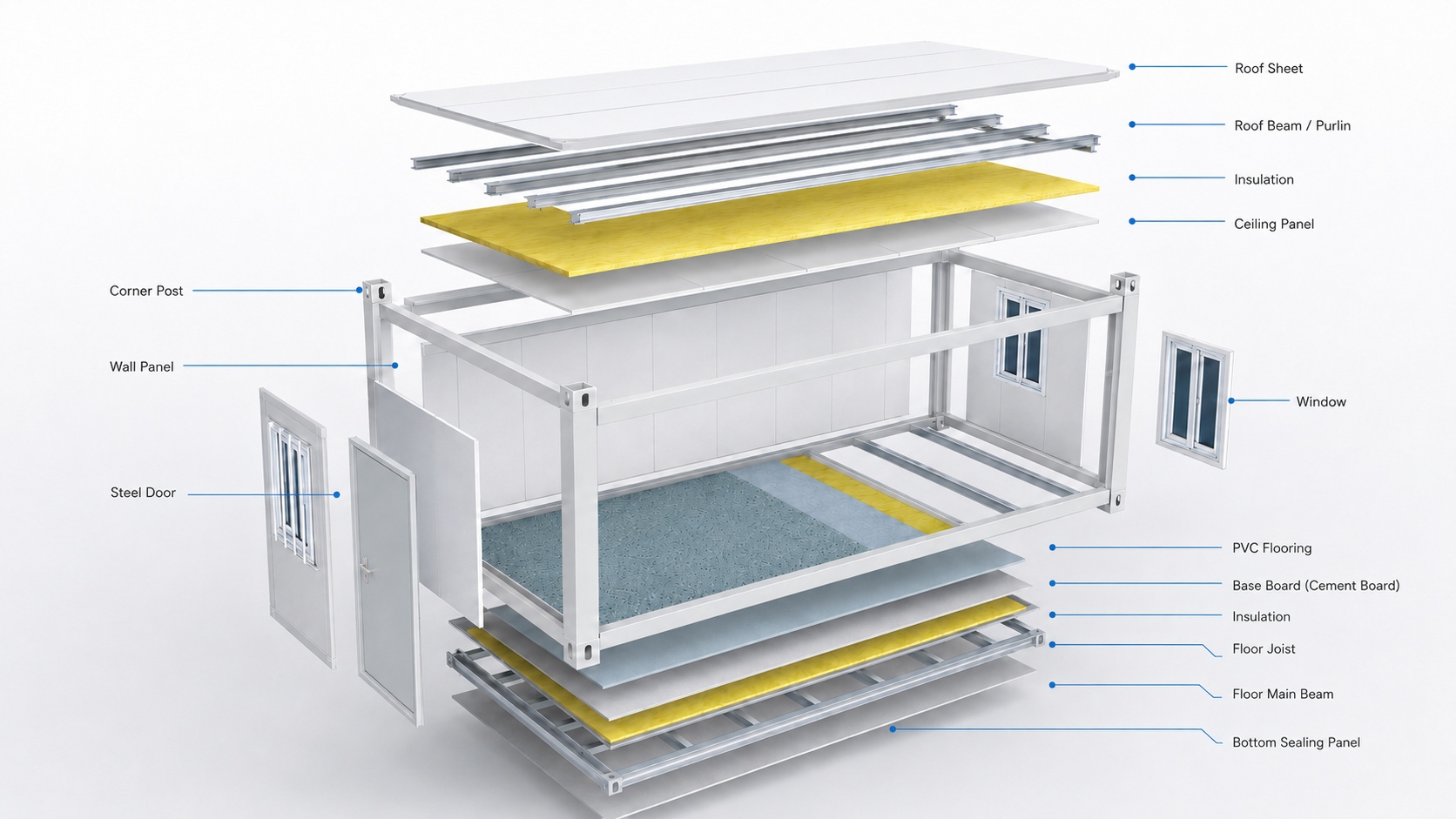
Chengdong's K-connector system exemplifies this engineering philosophy. Using precision bolt-based connections, the system allows complete disassembly and reassembly of wall panels, floor systems, and ceiling components with zero material loss. This isn't theoretical—projects documented in company records show individual camp container modules deployed across three to five different locations over 15-year lifespans, maintaining structural integrity throughout.
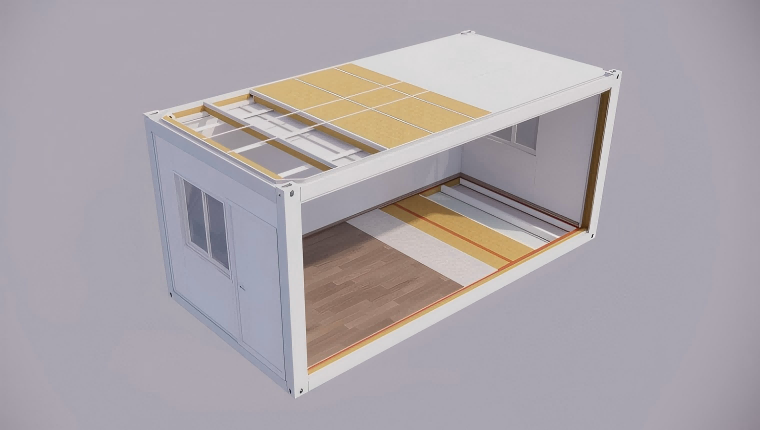
The technical specifications supporting this reusability include hot-dip galvanized steel structures with 60μm anti-corrosion coatings ensuring multi-decade durability. Floor systems integrate 100mm fiber glass insulation (16kg/m³ density) achieving thermal transfer coefficients of 0.46 W/m·K. Wall panels utilize 75mm sandwich construction with 55kg/m³ fiber glass insulation, reaching 0.47 W/m·K thermal performance. These aren't premium specifications—they're baseline standards for container houses designed for repeated deployment.
Deployment Speed: From Weeks to Hours
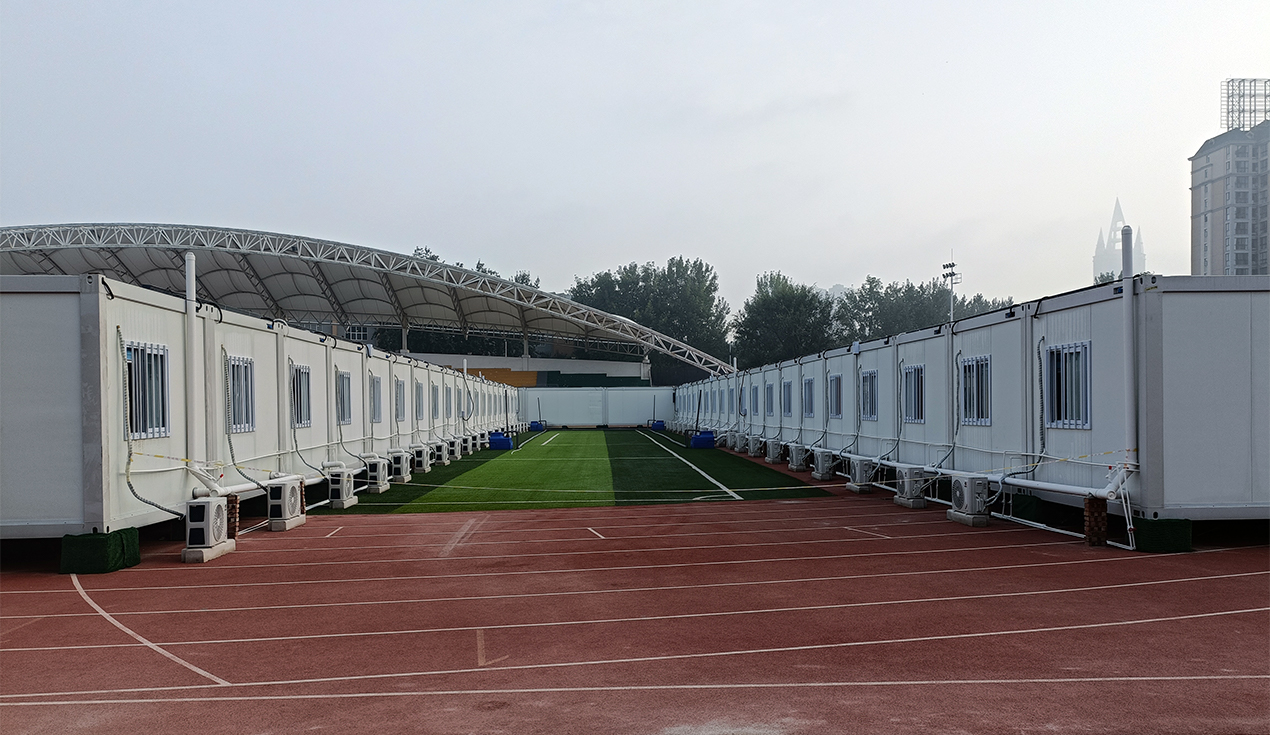
The speed advantage of professional camp container providers becomes dramatic when examining actual installation timelines. Traditional wet construction for temporary facilities requires site preparation, foundation work, framing, roofing, exterior finishing, interior systems installation, and final completion—typically spanning 3-6 months even for basic structures.
Factory-manufactured camp container units compress this timeline radically. Integrated bathroom modules demonstrate the extreme end of this advantage: while traditional bathroom construction requires approximately half a month for plumbing, waterproofing, tile installation, and fixture mounting, integrated units install in 2-6 hours. These complete bathroom modules arrive with all fixtures pre-installed, waterproofing tested, and finishes applied—ready for immediate connection to utilities.
This speed extends across entire camp container facilities. A standard 20-foot container house module (14.74m² interior space) can be positioned, leveled, connected to adjacent modules, and made operational within a single work shift. For emergency scenarios where displaced populations need immediate shelter, this timeline difference isn't just convenient—it's life-saving.
Real-World Validation: The Maldives Airport Reconstruction Project
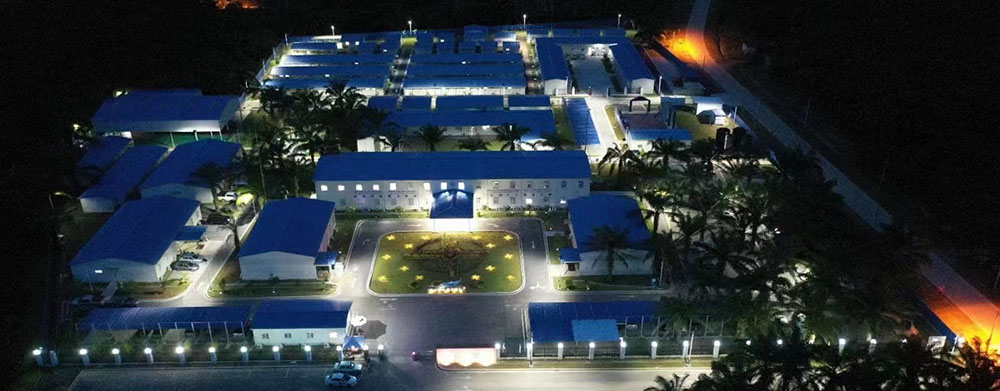
Theory proves itself through practice. When Chengdong was contracted for the Maldives Velana International Airport Reconstruction and Expansion Project, the challenges exemplified emergency camp container deployment requirements: remote island location, limited local construction resources, aggressive timeline requirements, and the need for facilities that could be relocated after project completion.
The solution deployed integrated 647 camp container units providing office space, accommodation facilities, dining areas, and operational centers for the international construction workforce. Installation of these modular container houses occurred in phases, with each phase progressing from container unloading to operational facility in under two weeks. Critically, project specifications required complete removal and site restoration after construction completion—demonstrating the practical application of reusable camp container systems.
This project validated several key advantages of working with experienced modular office builders. The Class-A customs certification enabled rapid clearance of camp container materials through Maldives customs, avoiding delays that would have impacted construction timelines. Factory quality control ensured all modules met specifications before shipping—eliminating the rework and delays common in on-site construction. Most significantly, all container house units were successfully redeployed to subsequent projects after Maldives completion, demonstrating the real-world viability of the reusability promise.
The Nine-System Integration Framework
Amateur suppliers provide buildings. Professional camp container builders deliver complete operational facilities through integrated system design. Chengdong's Nine-System framework demonstrates this comprehensive approach:
The Building System extends beyond structural shells to include complete interior fit-outs with furniture, appliances, and functional equipment.
Water Supply, Drainage, and Heating Systems integrate water purification equipment (0.25-1.0 T/H capacity serving 100-600 people), hot-dip galvanized storage tanks, and heating solutions matched to climate requirements.
Electrical Power Systems provide transformers up to 2,500 KVA capacity, diesel generators (1,000 KVA), photovoltaic arrays, and complete distribution networks.
Weak Current Systems incorporate telecommunications, data networks, and cable television infrastructure.
Fire Protection Systems include wireless fire alarms, automatic sprinklers, emergency lighting, and evacuation signage.
Security Systems integrate perimeter control, closed-circuit monitoring, intrusion alarms, and emergency medical supplies.
Transportation Infrastructure covers vehicle roads, pedestrian paths, and parking facilities.
Environmental Facilities add green spaces, recreational areas, and sports equipment.
Environmental Protection Systems handle waste management and wastewater treatment (10 m³/h capacity).
This integration matters profoundly for emergency camp container setup. Rather than coordinating nine separate contractors, organizations work with a single integrated provider delivering tested, complete solutions. Pre-engineering eliminates field coordination failures that delay traditional construction.
Integrated Solutions vs. Traditional Approaches
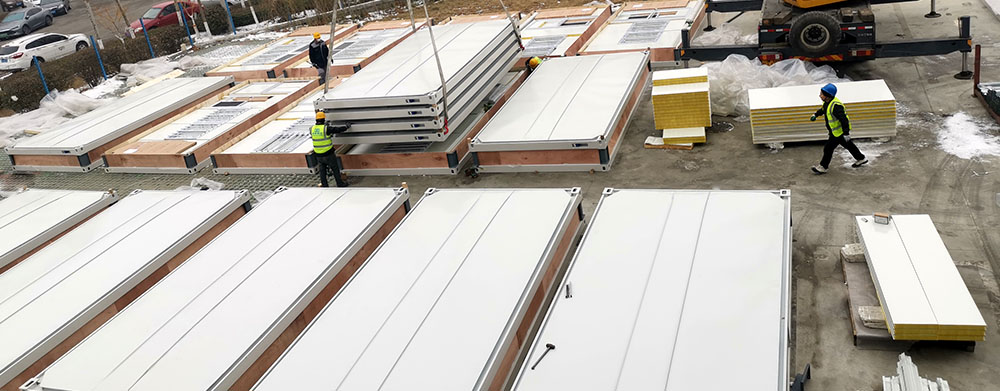
The performance gap between integrated camp container solutions and traditional construction becomes quantifiable when examined systematically. For bathroom facilities, integrated units install in 2-6 hours versus approximately 15 days for traditional construction. Structural waterproofing eliminates the hidden penetration risks inherent in tiled surfaces. Maintenance requirements drop from complex grout repair and tile replacement to simple panel cleaning. Environmental impact transforms from non-recyclable demolition waste to fully reusable container house modules. Most critically for emergency applications, reusability changes from impossible to standard practice.
Wastewater treatment systems show similar distinctions. Integrated equipment arrives factory-assembled requiring only utility connections, while traditional systems demand professional engineering teams for equipment setup and commissioning. Integrated systems operate through automatic controls requiring no manual intervention, while traditional approaches need attended operation. Perhaps most significantly, integrated camp container systems support complete relocation—traditional installations become permanent fixtures impossible to relocate without abandonment.
Standard Camp Container Configurations
Professional camp container builders offer standardized configurations that enable rapid scaling while maintaining flexibility. Chengdong's product line demonstrates this approach through four core sizes optimized for shipping container compatibility and functional utility.
Twenty-foot camp container modules (6,055mm x 2,435mm x 2,896mm exterior, 14.74m² interior) serve as baseline units for small offices, control centers, or meeting rooms. Twenty-seven-foot container house units (8,275mm x 2,990mm x 2,896mm exterior, 24.74m² interior) accommodate larger office spaces or open-plan conference facilities. Thirty-eight-foot modules (11,496mm x 2,990mm x 2,896mm exterior, 34.37m² interior) enable multi-room office layouts with symmetrical distributions. Forty-five-foot camp container units (13,716mm x 2,990mm x 2,896mm exterior, 41.01m² interior) provide comprehensive office facilities with maximum interior volume.
These standardized camp container sizes deliver critical emergency deployment advantages. Modules stack vertically up to four stories and connect horizontally in any configuration, creating adaptable layouts without custom engineering. A 100-person emergency response facility can scale to 500 people by adding more standard container house modules—no redesign required. This standardization also optimizes logistics, as shipping containers, transport equipment, and handling procedures remain consistent regardless of project scale.
Camp Container Lifecycle Economics
Initial cost comparisons between camp container solutions and traditional construction mislead when examining emergency response applications. While integrated systems may show 30% higher initial investment, the ability to relocate and reuse units fundamentally changes lifecycle economics.
Consider a 10-year emergency response program requiring five deployments of 50 camp container units, each lasting approximately six months. Traditional construction requires five complete builds—each representing 100% material and labor investment with zero salvage value. Total investment equals five times single-deployment cost.
Reusable camp container systems require one initial investment plus transportation and reassembly for subsequent deployments. Industry data shows reassembly costs typically reach 15-20% of original construction investment per redeployment. Over five deployments, total investment equals initial cost plus four reassembly cycles at 20% each—roughly 180% of single-deployment cost versus 500% for traditional construction. The 30% initial premium transforms into 64% lifecycle savings.
Environmental economics amplify this advantage. Single-use structures generate construction waste equal to 100% of materials deployed—five deployments create 500% waste. Reusable camp container modules amortize material consumption across all deployments—five emergency responses using identical container house units reduce per-deployment material consumption by 80%. For organizations with sustainability commitments, this waste reduction provides measurable progress toward environmental goals.
Technical Standards Enabling Global Deployment
Professional camp container builders must meet rigorous performance standards enabling deployment across diverse climates and regulatory environments. Chengdong's specifications demonstrate these requirements.
Structural performance includes 2.0 kN/m² floor load capacity, 1.0 kN/m² ceiling load capacity, and 0.6 kN/m² wind load resistance. Seismic design incorporates reinforcement inside columns with external connections between floors, enabling camp container installation in earthquake-prone regions. Material durability standards include E1-class 18mm cement board flooring topped with 2mm rubber surfacing, and 0.4mm color steel ceiling panels with protective coatings.
Thermal performance enables global camp container installation without climate-specific customization. With thermal transfer coefficients ranging from 0.46-0.64 W/m·K across envelope components, standard modules maintain habitability from -50°C Arctic deployments to +50°C desert environments. This climate adaptability eliminates the delays and costs associated with climate-specific engineering for each deployment location.
Certifications Providing Deployment Confidence
Emergency response organizations require assurance that camp container providers meet international standards and regulatory requirements. Beijing Chengdong holds ISO 9001 quality management certification (2009), ISO 14001 environmental management certification (2009), and OHSAS 18001 occupational health and safety certification (2011). These management system certifications provide confidence in consistent processes and quality control.
Structural certifications include CE marking for steel structures per EN1090 standards and CE certification for sandwich panels per EN14509 requirements, both issued by SGS in 2016. High-Tech Enterprise certification (2009) and Class-A Excellence in Enterprise Management from China Customs (2013) demonstrate operational capabilities supporting international logistics.
Industry recognition includes special-grade qualification for integrated housing design, production, and installation from the China Construction Metal Structure Association (2017). With 36 patents covering connection systems, thermal performance innovations, and manufacturing processes, the company demonstrates ongoing technical advancement beyond industry baseline capabilities.
Strategic Selection Criteria
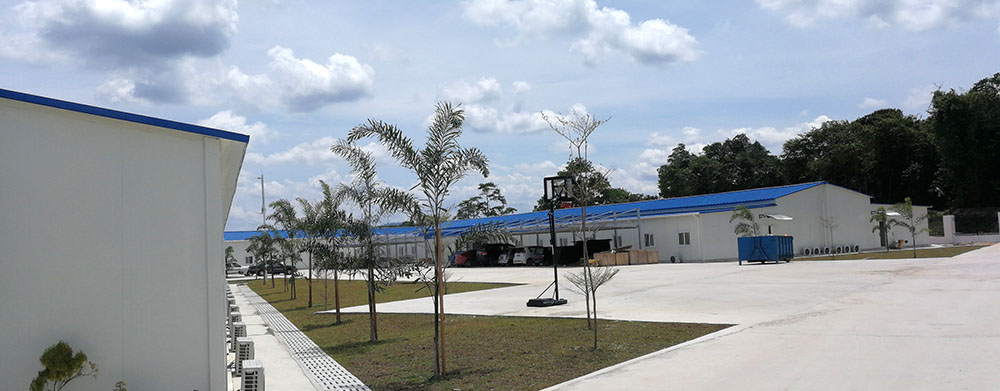
Organizations evaluating camp container builders for emergency response should prioritize several critical factors. Verify that connection systems genuinely support multiple assembly cycles without degradation—request documentation showing camp container modules deployed across three or more projects without structural repairs or component replacement. Confirm realistic installation timelines for various module sizes and complete facility configurations through case studies showing actual setup speeds, not theoretical estimates.
Evaluate whether builders provide comprehensive integrated solutions including utilities, safety systems, environmental controls, and operational support—or merely structural shells requiring separate contractor coordination. Verify thermal performance specifications match anticipated environments, as generic modules may fail in extreme conditions where specialized camp container designs succeed. Assess builder experience with international shipping, customs clearance, and local transportation in target regions, as logistics capabilities often determine whether fast-deployment promises become reality.
Confirm relevant certifications including ISO quality management, environmental management, occupational safety, and structural certifications (CE, local building codes) specific to emergency and temporary structures. Request detailed lifecycle cost comparisons showing initial investment, transportation costs per redeployment, reassembly expenses, and projected useful life across multiple deployments—not just initial purchase price comparisons.
Conclusion: Eliminating False Choices
For decades, emergency response planners accepted a fundamental tradeoff: choose rapid setup through disposable structures, or choose sustainability through permanent construction unsuitable for temporary needs. Professional camp container builders have eliminated this false choice through engineering systems that deliver both rapid installation and sustainable reusability.
Beijing Chengdong International Modular Housing Corporation exemplifies this transformation through integrated camp container solutions combining 2-6 hour installation timelines, K-connector systems enabling unlimited assembly cycles, Nine-System frameworks delivering complete operational facilities, and proven performance across 1,000+ global deployments spanning more than 100 countries. The Maldives airport reconstruction project demonstrated these capabilities under real-world emergency timeline pressures, with 647 container house units installed, operated, and successfully redeployed to subsequent projects.
The economic case has become equally clear. While initial investment may appear higher than disposable alternatives, lifecycle analysis across multiple deployments reveals 60-70% cost savings through camp container reusability. Environmental benefits prove even more dramatic, with 80% reduction in per-deployment material consumption when modules serve five emergency responses versus single-use structures.
Organizations responsible for emergency response infrastructure now face a different question than previous generations. It's no longer whether rapid installation and sustainability can coexist—engineering has answered that affirmatively. The relevant question has become: which camp container provider possesses the technical capabilities, global logistics infrastructure, proven experience, and comprehensive certifications to deliver on these promises when emergencies demand immediate action?
For emergency response organizations, disaster relief agencies, infrastructure developers, and government entities requiring temporary facilities that can be positioned in days rather than months while serving decades rather than single deployments, the path forward has become clear. Partner with experienced modular office builders who have demonstrated these camp container capabilities through hundreds of real-world projects across diverse climates, regulatory environments, and operational requirements.
Ready to explore reusable camp container solutions for your emergency response requirements? Contact Beijing Chengdong International Modular Housing Corporation for detailed project planning, technical specifications, and lifecycle cost analysis customized to your scenarios. With 20+ years serving global clients, comprehensive certifications, and proven installation timelines, they stand ready to transform your emergency response capabilities. Visit https://www.cdph.net/ or request a consultation to begin planning your next camp container deployment.




 More
More












![Top Advantages of Modular Construction Explained [2025]](/uploads/upload/images/20250424/0fb390068474145a09a8c0504c73b1d2.png)
 May 09, 2025