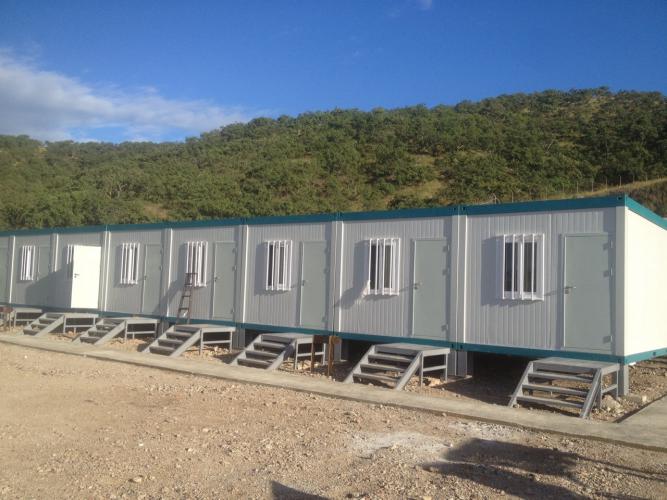
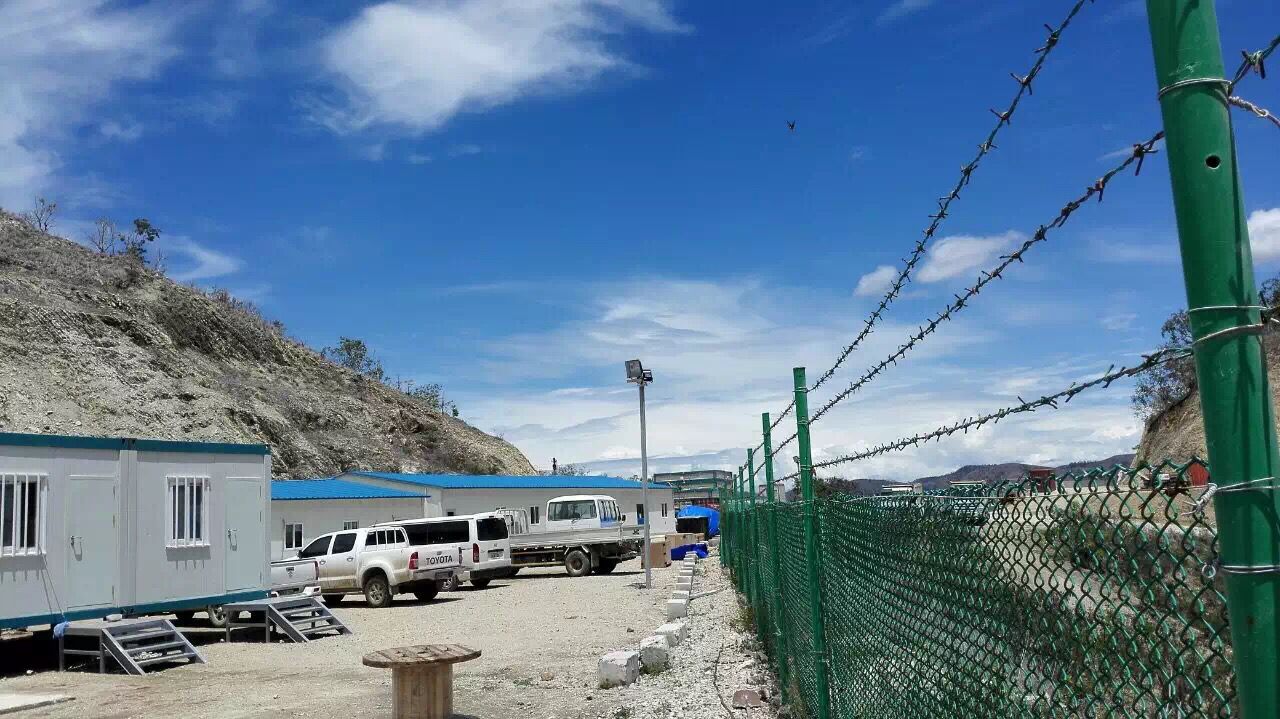
Chinese modular construction has transformed how large-scale projects are designed, built, and delivered around the world. From energy and infrastructure to mining, ports, and public facilities, project owners are turning to industrialised, factory-produced buildings from China to cut construction time, stabilise costs, and manage risk in challenging environments. For companies managing remote or multi-country projects, understanding how Chinese modular construction works—and how to choose the right partner—has become a strategic advantage.
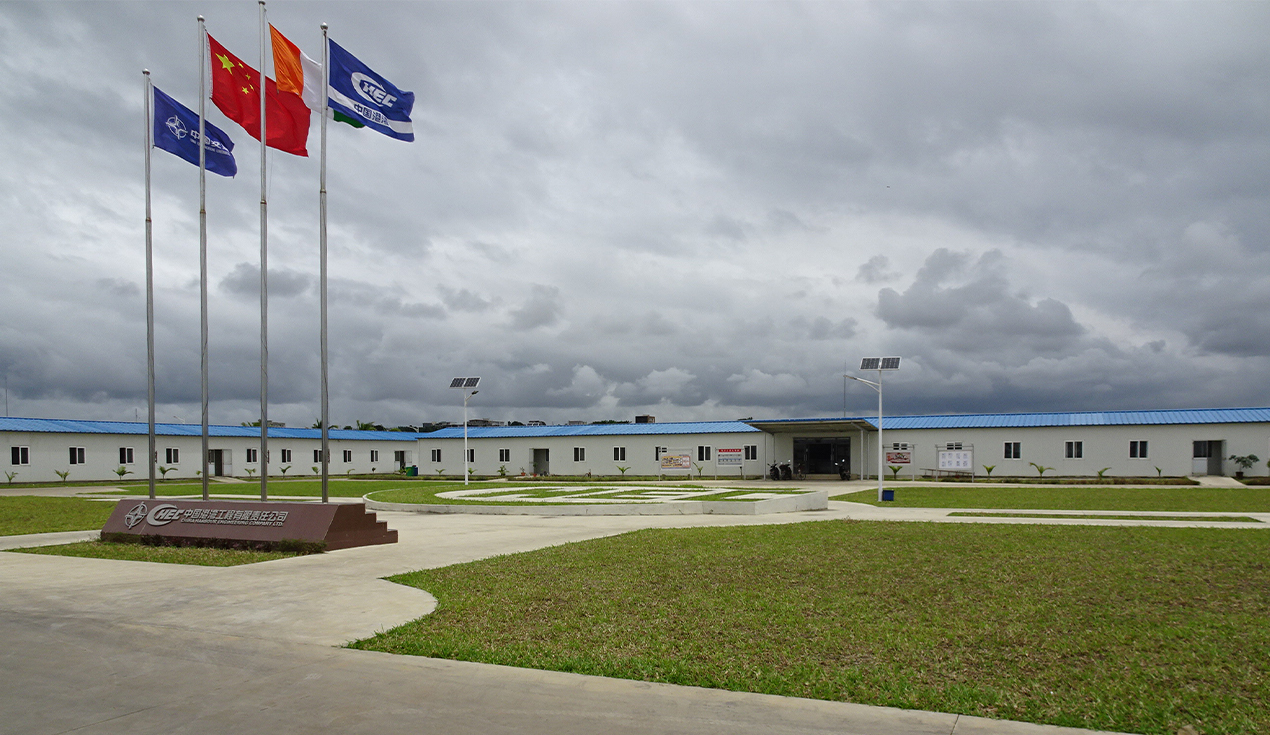
What Chinese modular construction really means
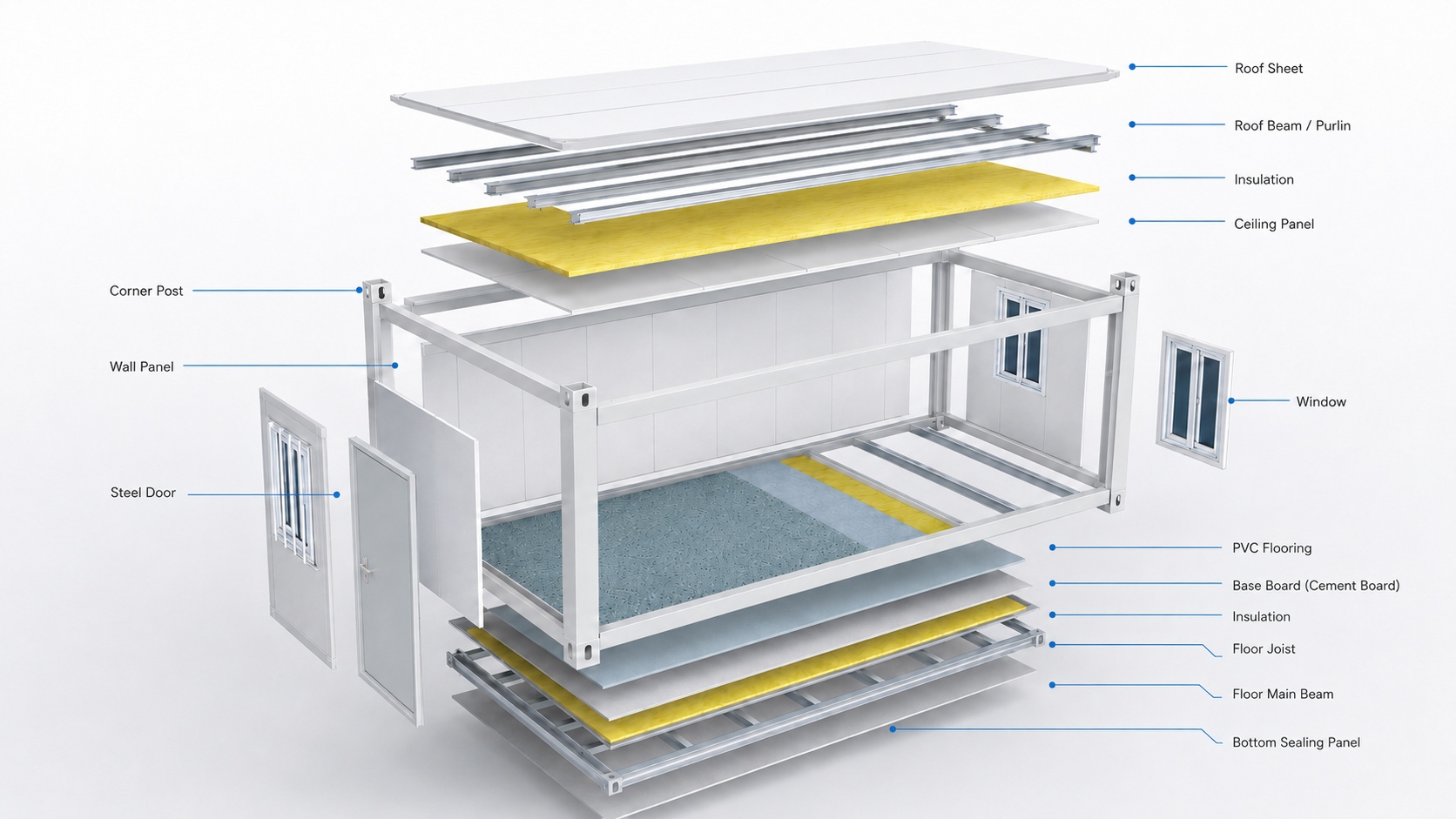
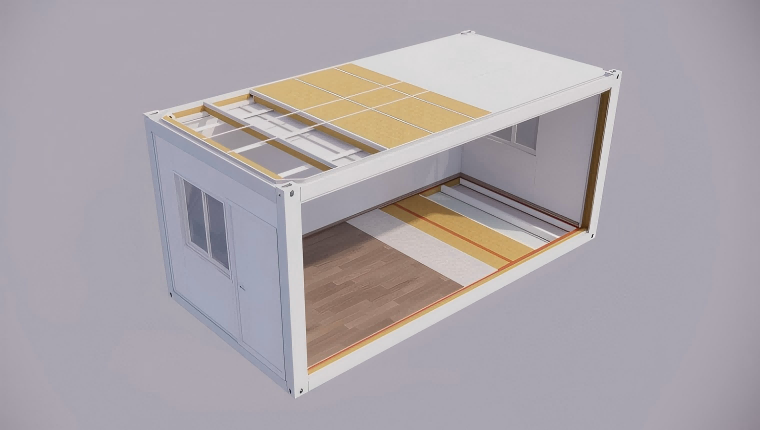
Chinese modular construction refers to buildings that are designed and manufactured in factories in China, then transported to project sites as complete modules or pre-assembled components. These modules are typically steel-based structures that integrate floors, walls, roofs, doors, windows, insulation, and interior finishes, ready to be installed and connected on site.
Instead of building everything from scratch on the project site, most of the work is completed under controlled factory conditions. For international projects, modules are shipped by sea or land and then assembled into offices, accommodation, canteens, clinics, warehouses, and many other functional spaces.
Why global projects choose Chinese modular solutions
There are several reasons why decision-makers specifically search for “Chinese modular construction” when planning their projects.
Cost and schedule certainty: Large Chinese manufacturers run high-capacity production lines that support stable pricing and predictable delivery schedules, even for thousands of units.
Experience with overseas projects: Established companies such as Beijing Chengdong International Modular Housing Corporation (Chengdong Housing) have delivered more than a thousand camp projects in over 100 countries and regions, building deep know-how in logistics, customs, and local coordination.
Complete camp solutions, not just boxes: Mature suppliers provide integrated design, multi-system engineering, logistics, on-site installation, and even operation support—not only stand-alone container houses.
For engineering, procurement, and construction (EPC) contractors and project owners, this combination of industrial capacity and full-lifecycle service is often more valuable than buying simple prefabricated units.
Core modular building types from China
Chinese modular construction covers several main product systems that can be flexibly combined for different uses.
Modular container houses and box-type houses: Steel-framed modules with integrated floors, walls, roofs, and high-level pre-installation of doors, windows, and finishes, suitable for offices, bedrooms, sanitary units, meeting rooms, and more.
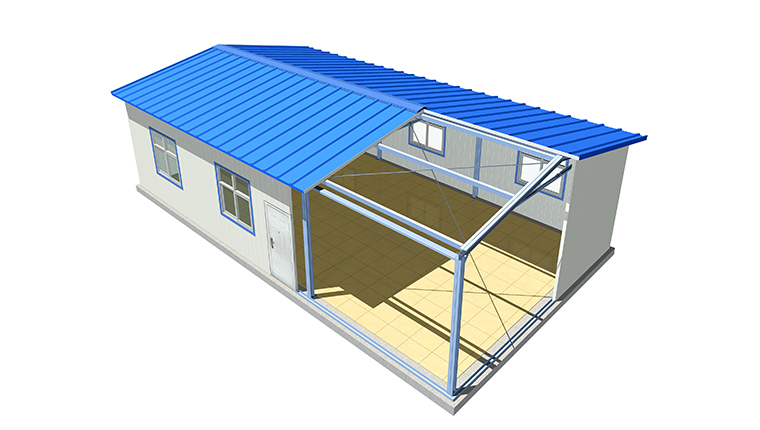
Prefab panel houses: Systems based on lightweight steel structures and sandwich panels, commonly used for large-span or multi-storey temporary buildings where layout flexibility is critical.
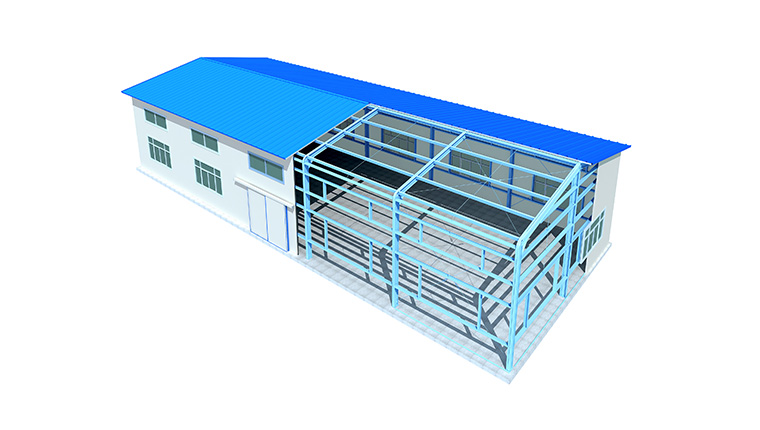
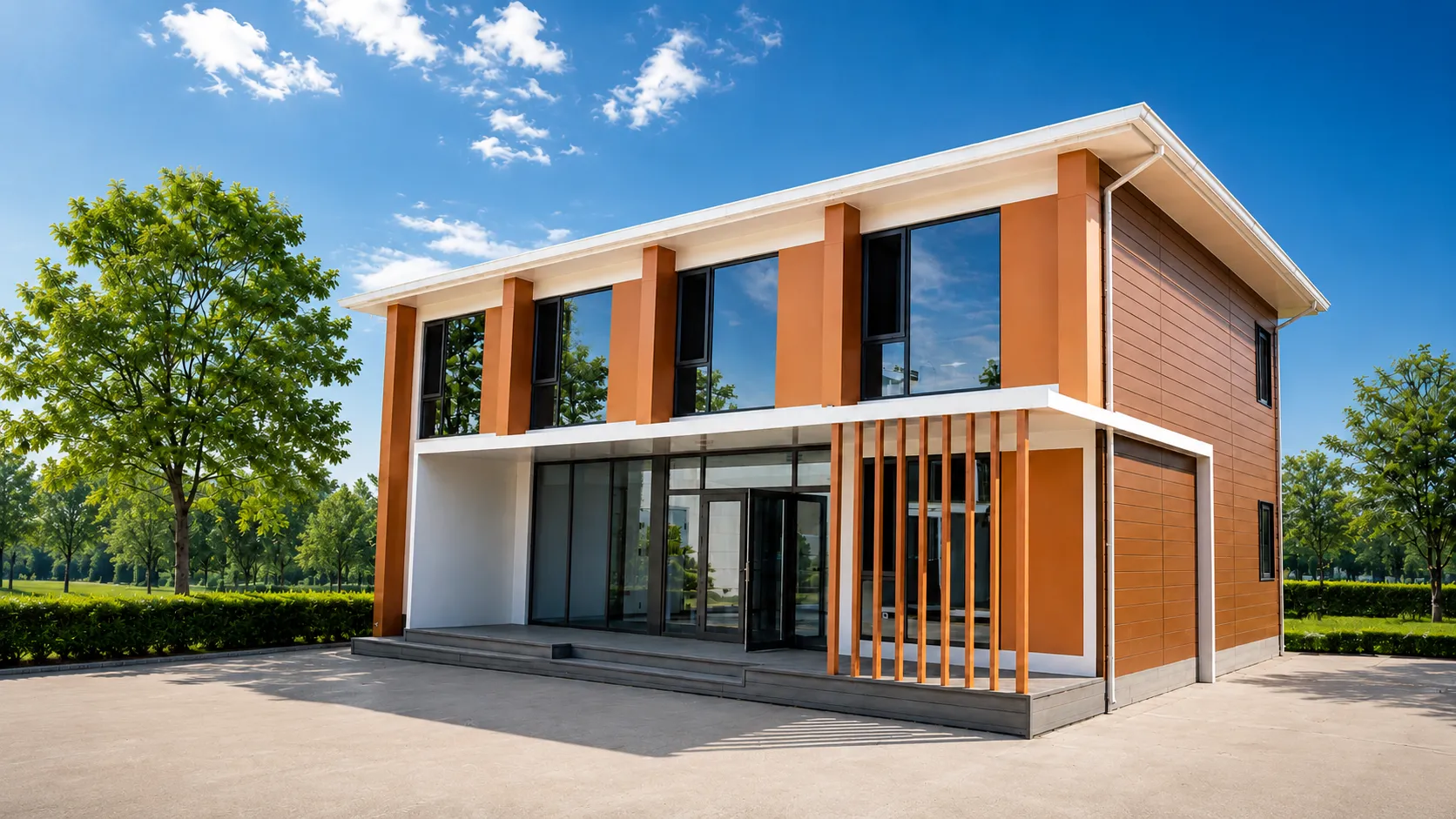
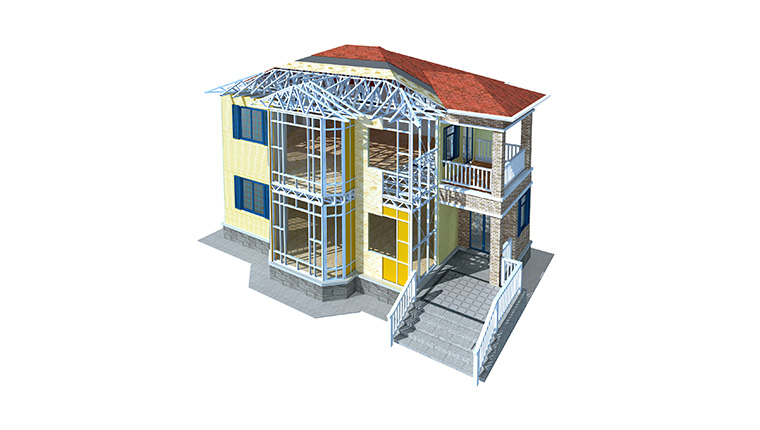
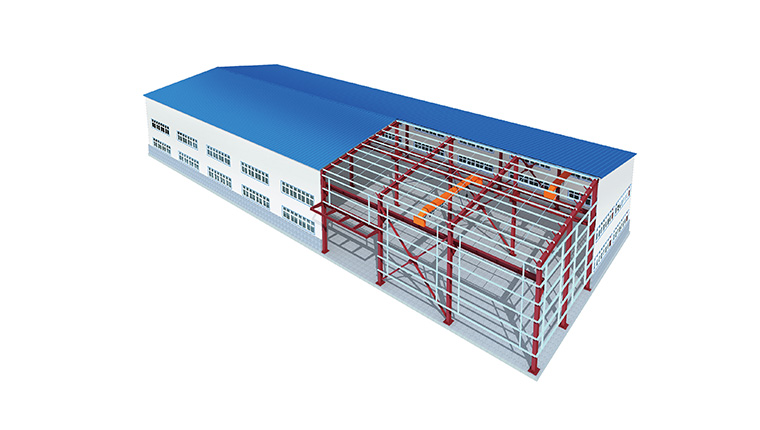
Steel structures and light-steel villas: Heavier structural systems that can support warehouses, workshops, and more permanent-style buildings in industrial or residential settings.
In Chengdong Housing’s camp solutions, these different building types are organised into a “nine systems” framework that includes not only buildings but also water supply and drainage, power, low-voltage systems, fire protection, security, roads, landscaping, and environmental protection facilities. This makes the modular construction truly complete at camp level, not limited to stand-alone units.
Designed for tough climates and remote locations
One of the strongest advantages of Chinese modular construction is the ability to adapt products to extreme climates and harsh environments.
Suppliers such as Chengdong Housing have developed dedicated systems for:
Cold-resistant modular camps for temperatures down to around minus 50 degrees, with enhanced insulation, specialised wall and roof assemblies, and verified thermal performance.
Plateau and high-altitude camps with structural and envelope designs suited to low temperatures, large temperature swings, and strong solar radiation.
Desert and Gobi solutions with improved thermal insulation, sand and dust resistance, and optimised air conditioning and shading strategies.
These systems are not only conceptual; they are backed by structural calculations, thermal transmission coefficients, fire tests, and long-term field experience on energy, mining, and infrastructure sites. For project owners, this means modular buildings can meet local standards for comfort, safety, and durability while still being delivered at industrial speed.
Quality, safety, and certifications
Searching for “Chinese modular construction” usually comes with questions about quality and compliance. Leading modular manufacturers invest heavily in quality management systems, material selection, and third-party certifications to meet international expectations.
Chengdong Housing, for example, operates under ISO 9001 quality management, ISO 14001 environmental management, and OHSAS 18001 (or its updated equivalent) for occupational health and safety. The company also holds CE certifications for steel structures and sandwich panels, with product performance verified through organisations such as SGS and INTERTEK.
On the technical side, modular box-house systems are engineered for:
Structural safety: Steel components and connections designed to meet specific load requirements, including floor loads, roof loads, and wind loads in different regions.
Thermal performance: Wall, roof, and floor insulation optimised to reach target thermal transmittance values suited to various climate zones.
Fire safety: Panels, coatings, and assemblies tested for fire resistance, combustion performance, and overall system safety.
These factors ensure that the buildings are not only fast to install but also robust enough for long-term use as worker housing, offices, and public facilities.
From single buildings to fully integrated camps
A key reason why “Chinese modular construction” appeals to global project owners is the ability to move beyond individual buildings to an integrated camp solution.
Chengdong Housing, as a specialised camp constructor, structures its offering around full camp planning and nine supporting systems. This includes:
Camp master planning: Functional zoning for accommodation, offices, production, logistics, recreation, and public services, considering traffic flow, safety, and environmental impact.
Building system selection: Choosing the right combination of modular units and prefab structures for offices, dormitories, canteens, clinics, warehouses, religious facilities, and recreational spaces.
Supporting infrastructure: Engineering and supplying water treatment plants, power generation and distribution, fire protection networks, security systems, roads, parking, landscaping, and waste management facilities.
Through this holistic approach, a project owner can treat the camp as a single integrated asset rather than coordinating multiple suppliers for buildings, utilities, and external works.
Global logistics and on-site installation
For international buyers, logistics and on-site execution are often as important as product design. Chinese modular construction companies with long export histories have developed mature processes to handle these challenges.
Chengdong Housing, for example, provides:
Priority customs clearance and export handling through its high-grade customs enterprise status in China, reducing lead time and risk at the export stage.
Cooperation with multiple long-term shipping partners, allowing flexible route planning and efficient coordination of sea freight for complex, multi-batch deliveries.
Local logistics coordination, often supported by regional partners who understand the specific regulations and transportation conditions in markets such as South America, Africa, and the Middle East.
On site, Chengdong Housing deploys experienced project teams who are familiar with local construction norms and able to lead local workers through installation, commissioning, and handover. This ensures that the advantages of factory prefabrication are fully realised in the final delivered camp.
Typical applications of Chinese modular construction
Chinese modular construction is now used across a wide range of sectors and project types. Common applications include:
Energy and petrochemical projects: Large construction camps for oil, gas, LNG, and power plant projects, often in remote or harsh environments.
Infrastructure and transportation: Camps for road, bridge, railway, and port construction, including offices, laboratories, and support facilities.
Mining and industrial operations: Long-term accommodation and operation support facilities for mines and processing plants.
Public and social facilities: Schools, clinics, emergency shelters, and public service buildings where fast deployment and scalability are critical.
In many of these fields, modular construction is not only a temporary solution. With the right design and specification, modular buildings can serve as semi-permanent or even long-term facilities while still offering the flexibility to expand, relocate, or reconfigure when project needs change.
How to choose a Chinese modular construction partner
When searching for “Chinese modular construction”, one of the most important decisions is selecting a reliable partner. Buyers should evaluate suppliers using several key criteria.
Project experience and references
Look for a track record of completed overseas projects in your region and sector, such as energy, infrastructure, or mining.
Confirm that the supplier has experience handling complex camps rather than only standard office containers.
Technical capability and certifications
Review structural designs, insulation performance, fire resistance data, and material specifications for the proposed solution.
Check whether the company maintains recognised management and product certifications, including ISO systems and CE markings where relevant.
Capacity and delivery reliability
Assess factory capacity, annual output, and typical lead times for similar project scales.
Ask how the supplier manages peak-season orders and multi-phase deliveries to ensure continuity on site.
Service scope and support
Clarify whether the supplier offers full camp planning, multi-system engineering, and on-site installation guidance, or only supplies building units.
Understand after-sales support, spare parts, maintenance guidance, and potential upgrade options over the project life.
Chengdong Housing positions itself as a “global camp construction expert” that covers planning, nine supporting systems, logistics, construction management, and even camp operation assistance, giving project owners a single point of responsibility.
The future of Chinese modular construction
Demand for Chinese modular construction is expected to remain strong as global projects seek faster, safer, and more sustainable ways to build. Several trends are already visible:
Higher integration and smarter systems: Modular buildings are increasingly combined with intelligent fire protection, security, and monitoring systems to improve safety and management efficiency.
Greener materials and energy solutions: There is growing emphasis on better insulation, efficient HVAC, renewable energy integration, and environmental protection systems across camps.
More flexible business models: Beyond one-off purchases, project owners are exploring leasing, phased expansion, and modular reconfiguration to align investments with project life cycles.
Chinese suppliers with strong R&D, global project experience, and robust quality systems are well placed to lead these changes and continue supporting complex international projects.
Take the next step with Chengdong Housing
For organisations considering Chinese modular construction for upcoming projects, partnering with an experienced camp constructor can significantly reduce risk and complexity. Chengdong Housing combines over two decades of international camp experience, large-scale modular manufacturing capacity, and a complete “nine systems” solution covering buildings, utilities, safety, and environmental facilities.
To explore how modular construction from China can support your next project, you can learn more about Chengdong Housing’s capabilities, product systems, and representative projects directly on the official website at https://www.cdph.net/.




 More
More











![Top Advantages of Modular Construction Explained [2025]](/uploads/upload/images/20250424/0fb390068474145a09a8c0504c73b1d2.png)
 May 09, 2025