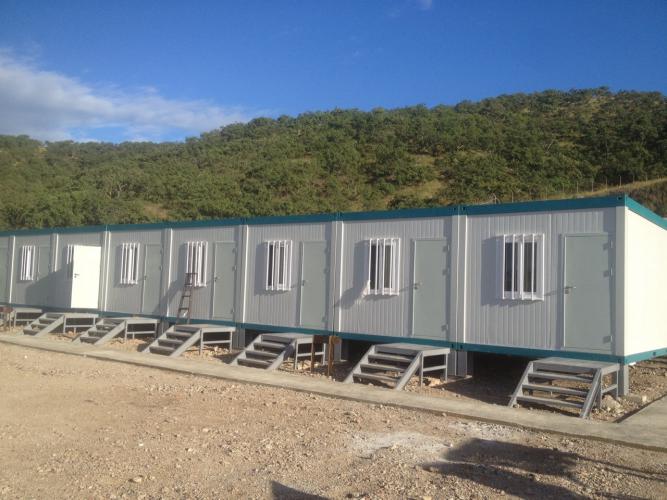
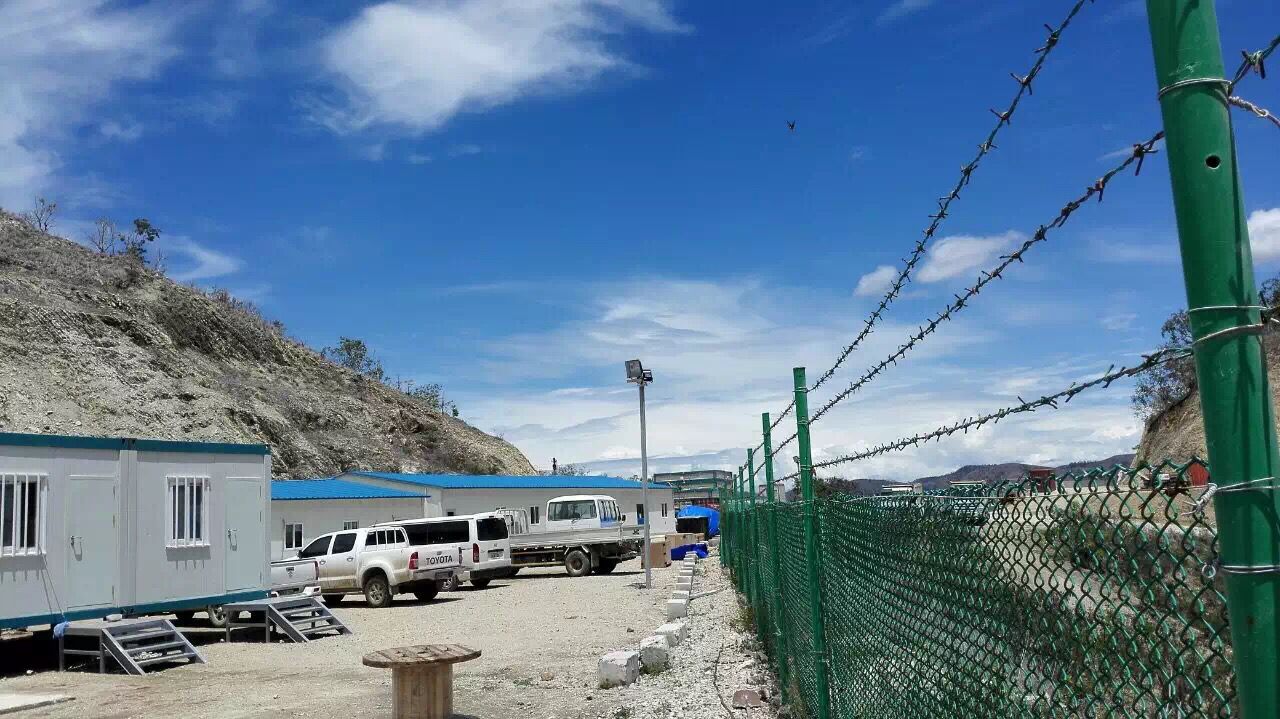
A military camp container house is becoming the preferred way to build safe, comfortable and fully functional camps in remote or harsh environments. By combining factory prefabrication with modular design, it helps armies and government contractors deploy, expand and relocate camps much faster than with traditional construction.
What Is a Military Camp Container House?
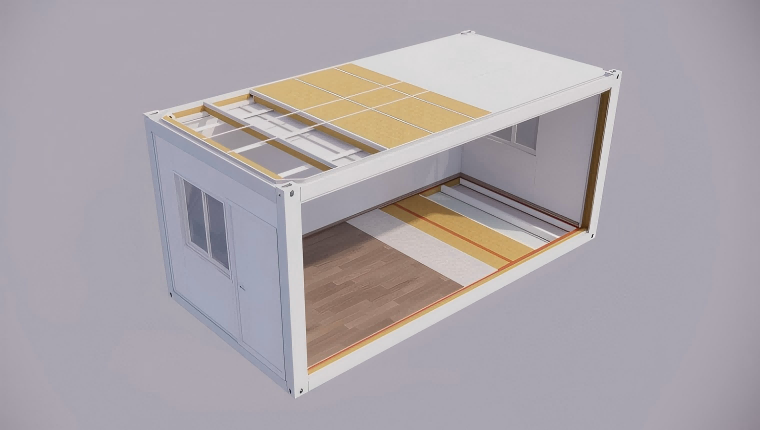
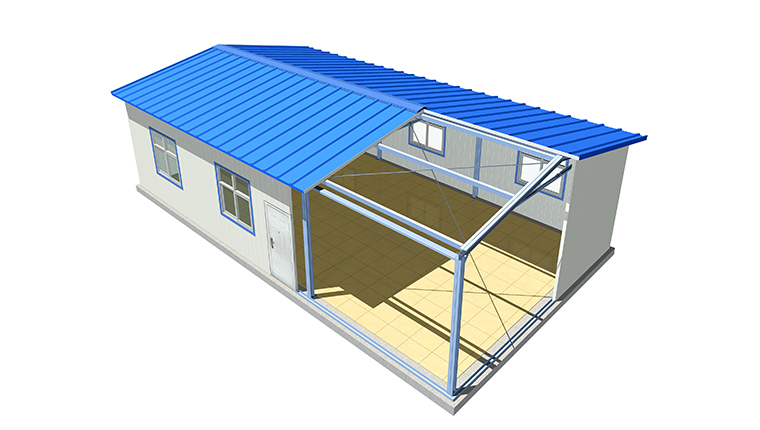
A military camp container house is a modular steel‑frame building unit manufactured in a factory, pre‑fitted with key systems and then assembled on site to form a complete camp. Unlike reused shipping containers, it is engineered as a building product, with structural design, insulation, doors, windows and MEP (mechanical, electrical and plumbing) systems tailored to long‑term human use.
In a typical military camp, container houses can be used as:
Dormitories and officer accommodation
Command and office areas
Canteens and kitchens
Sanitary and shower blocks
Clinics and first‑aid points
Storage, guard rooms and small workshops
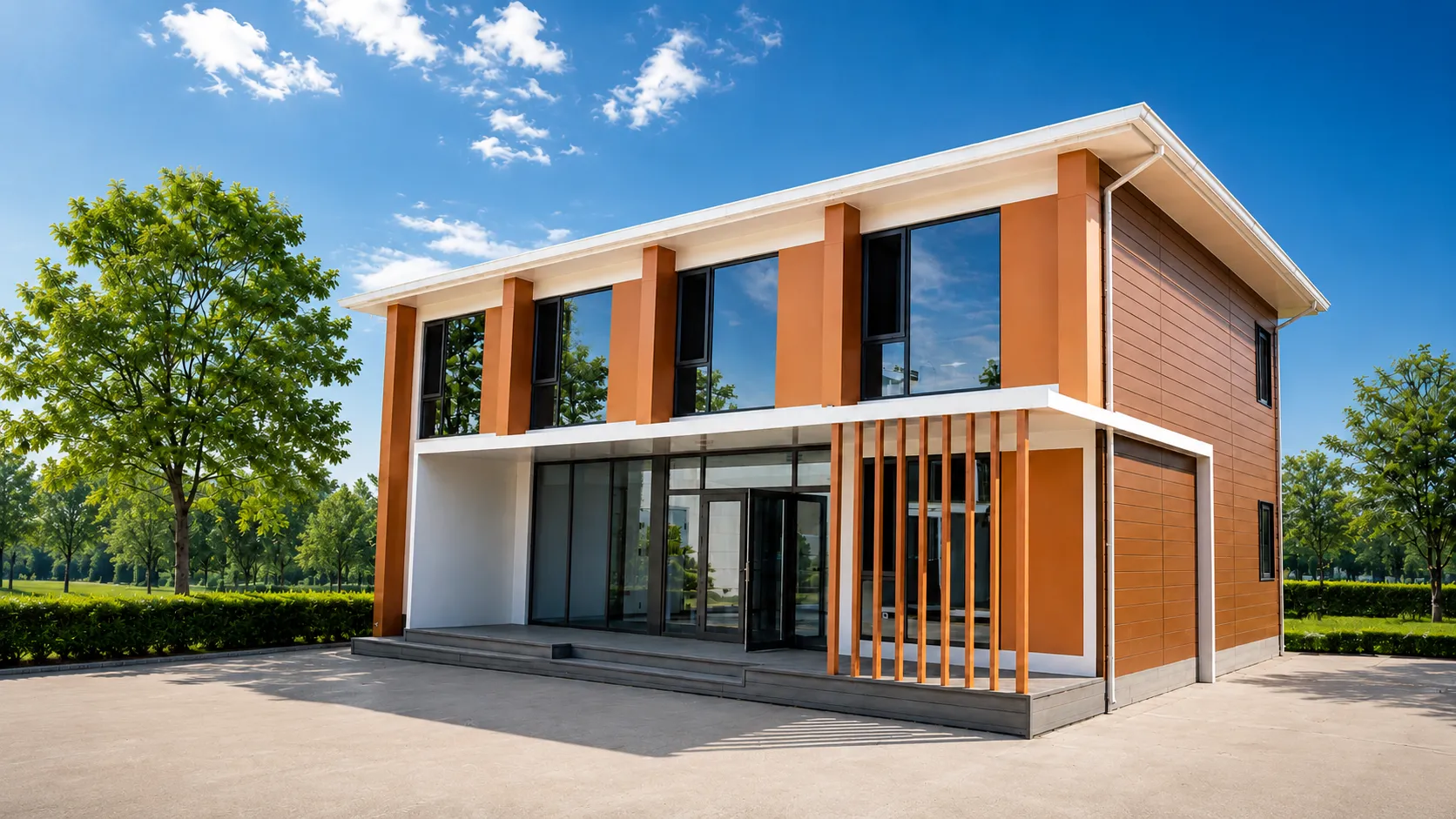
These modular units can stand alone, be linked side‑by‑side or stacked to create corridors, multi‑room buildings and even two‑storey complexes.
Why Modern Forces Choose Container Houses
Today’s military operations often take place in remote locations with poor infrastructure and tight deployment deadlines. In this context, a military camp container house offers several key advantages.
Fast deployment
Container houses are produced in the factory while site leveling, foundations and utilities are built in parallel, which greatly shortens the total project schedule. For urgent missions, experienced suppliers can design, manufacture and ship complete camp solutions in just a few weeks, allowing troops to move in quickly.
Mobility and reusability
When a mission ends or changes, container houses can be dismantled, moved to another site and reconfigured to suit new troop numbers or functions. This reusability protects investment and avoids leaving behind expensive but unused permanent buildings.
Cost and lifecycle efficiency
Industrialized production stabilizes quality and unit cost, while modular installation reduces on‑site labor and rework. Over the lifecycle, standardized modules and components make maintenance, spare parts and upgrades much simpler and more economical than ad‑hoc temporary buildings.
Safety, comfort and morale
Well‑designed container houses meet structural safety and fire requirements while providing reliable thermal and acoustic comfort. Compared with crude temporary shelters, they offer soldiers a more “real home” feeling, which supports health, rest and morale during long deployments.
Quality and compliance
Leading suppliers back their systems with certifications, structural and fire tests, and strict quality management, which is important for cross‑border projects or joint operations. This makes it easier for procurement teams to pass technical approvals and third‑party inspections.
Key Technical Features for Military Use
For defense and government buyers, technical configuration is directly linked to operational risk and mission readiness. The following aspects are especially important when specifying a military camp container house.
Structural system and durability
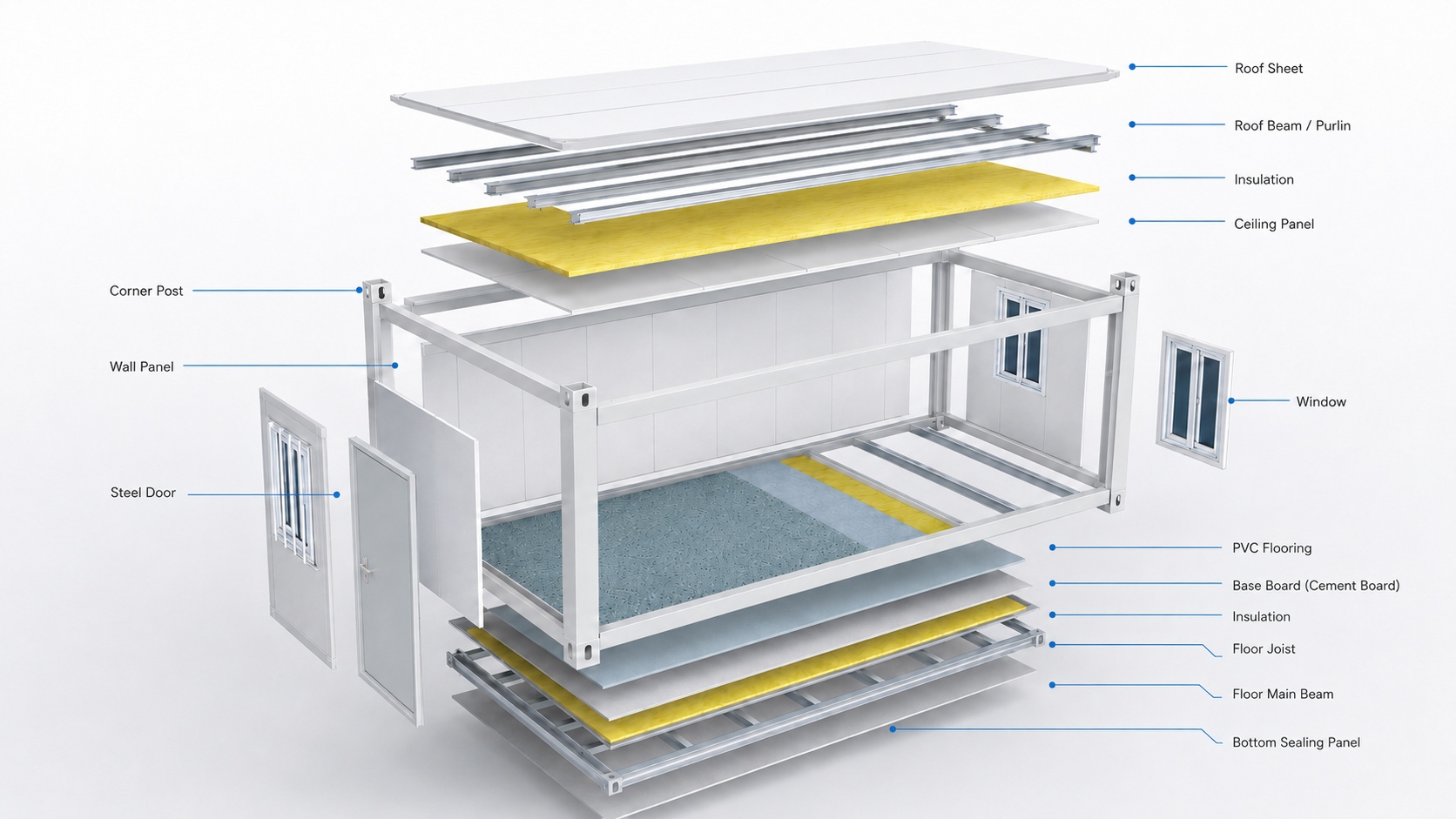
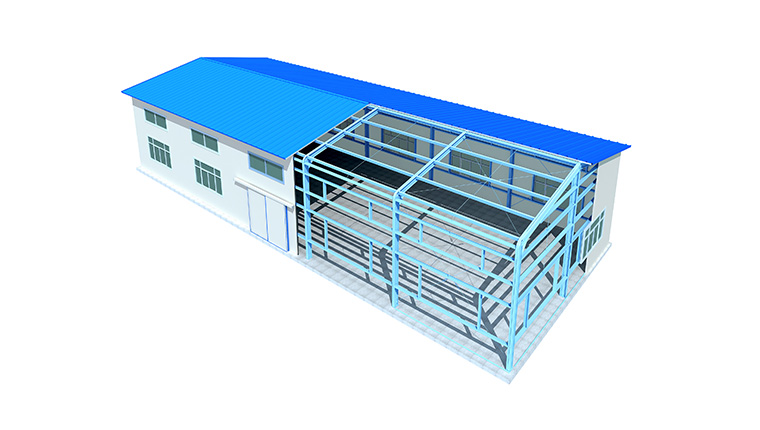
Most military container houses use a high‑strength steel frame treated for corrosion resistance and designed for stacking and combined layouts. The structure is calculated for wind, snow and live loads so the units can safely serve as dormitories, offices or multi‑storey complexes over many years.
Panels, fasteners and corner connections are also reinforced to handle frequent transport, hoisting and everyday wear in a busy camp environment.
Thermal and acoustic performance
The difference between a simple metal box and a real container house lies in the wall and roof assembly. Multi‑layer panels with insulation and vapor control help maintain stable indoor temperatures and reduce condensation in both hot and cold areas.
In military camps, noise control affects rest quality and work concentration, so insulation, double‑glazed windows and sealed doors are important. Suppliers often offer dedicated cold‑resistant, desert, plateau and Gobi configurations with tuned insulation thickness and details for each climate.
Envelope and weather resistance
A good container house uses robust doors and windows plus reliable sealing to resist rain, snow, dust and UV exposure. In deserts or Gobi regions, special attention is paid to sand‑proof design and dust control to protect both structures and equipment.
Exterior finishes can be customized for camouflage, national colors or low‑key integration into the local landscape, depending on mission needs.
MEP and communications
Factory‑installed electrical wiring, lighting and distribution boards accelerate on‑site installation and reduce errors. HVAC systems are configured according to climatic data to ensure cooling or heating capacity is sufficient for the region.
Plumbing can be integrated for toilets, showers, kitchens and clinics, with simple connections to central water and sewage systems. Space for data cables, network devices and security systems is reserved from the design stage to support modern command and control.
Security options
Security can be enhanced with reinforced doors and windows, stronger locks and bar protection where necessary. At the planning level, modular buildings make it easy to design controlled perimeters, buffer zones and observation positions that support overall camp security.
Camp Layouts and Functional Zones
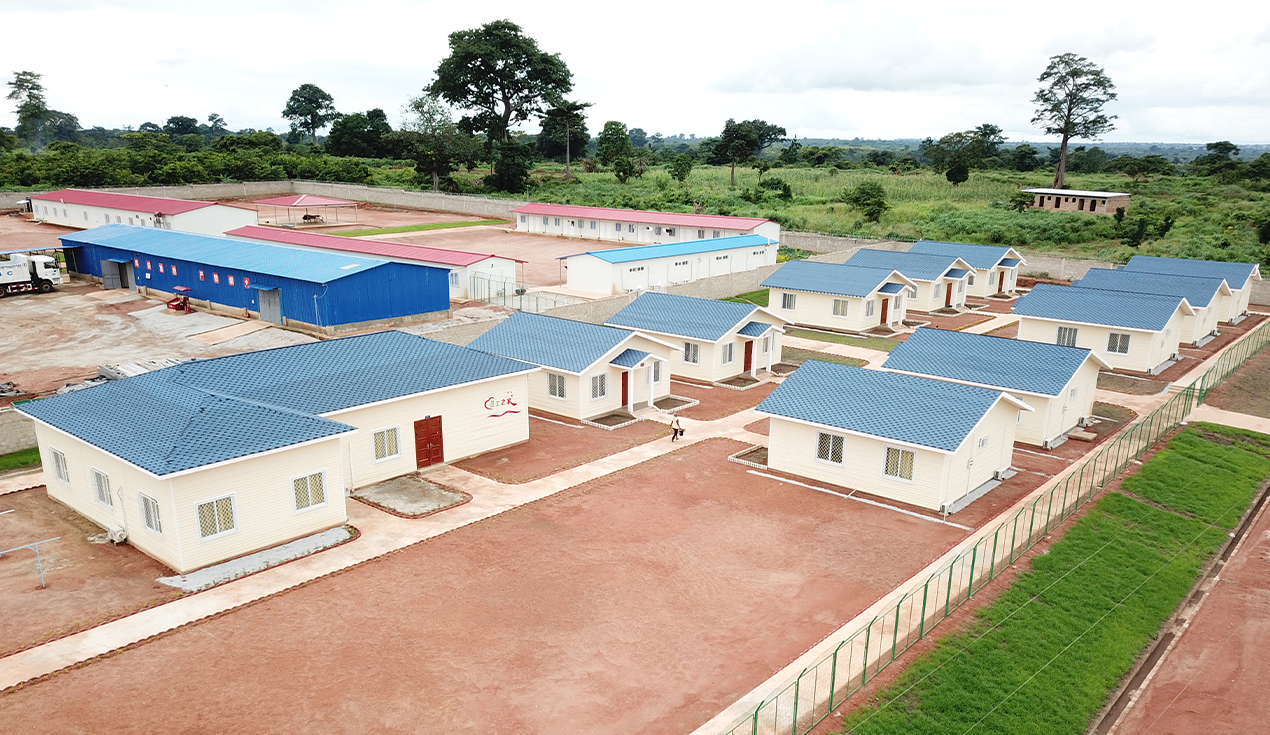
A military camp is a system of zones rather than a random group of buildings, and modular container houses support this system thinking very well. Because modules share standard dimensions, they can be combined into logical, easily expandable layouts.
Typical zones that can be built mainly with container houses include:
Living area: dormitory blocks, sanitary units, recreation rooms
Command area: offices, briefing rooms, operations centers
Logistics area: storage, workshops, small warehouses
Medical area: clinics, isolation rooms, treatment spaces
Public area: canteens, prayer rooms, simple sports or fitness facilities
Modules can be connected to form larger open rooms, U‑ or L‑shaped courtyards, and continuous corridors for weather‑protected movement. Systems such as ZA or ZM modular houses are often used in offices, canteens and dormitories to balance cost and comfort in one coordinated layout.
Depending on troop size, camps can range from small forward bases for dozens of people to multi‑hundred‑person construction or protection camps, all using similar container house platforms. The same system can also support emergency and peacekeeping camps that need very fast construction and easy later expansion.
Adapting to Different Climates and Terrains
One big advantage of a mature container house system is that it can be adapted for various regions while keeping the same basic platform. For organizations working worldwide, this simplifies design and procurement while still matching local conditions.
Cold‑resistant container houses use enhanced insulation, careful thermal‑bridge treatment and winterized doors and windows to handle very low temperatures.
Desert container houses focus on shading, reflective roofs, optimized ventilation and efficient air‑conditioning to fight intense solar radiation and high daytime temperatures.
Plateau and Gobi container houses strengthen wind resistance, dust protection and temperature‑difference resistance to cope with strong winds, sandstorms and large day‑night swings.
By choosing a supplier that offers all of these regional variants within one product family, buyers can standardize their global camp strategy and only adjust the configuration per project.
How to Choose a Container House Supplier
Because military and large engineering camps are complex and high‑risk, the choice of supplier is as important as the choice of product. A strong partner combines engineering, manufacturing, logistics and service capabilities into a one‑stop solution.
When evaluating suppliers, consider:
Engineering and project experience
Prefer companies with long experience in integrated housing and camp projects across many countries and climates, including military, energy and infrastructure sectors.
One‑stop camp capability
The best partners can handle overall camp planning, architectural and structural design, manufacturing, shipment, on‑site installation and commissioning, not just sell standalone units.
Production capacity and quality control
Large, automated production lines and strong quality systems help ensure that big orders can be delivered on time and with stable quality.
Lifecycle and 5S‑style services
Advanced suppliers offer maintenance, refurbishment, relocation and reuse services for container houses, turning them into long‑term assets instead of disposable products.
References and case studies
Solid references—such as desert photovoltaic camps, tropical modular house projects and high‑wind hydropower construction camps—prove that the supplier can handle demanding real projects.
To see concrete product categories and case projects for container houses and modular camps, buyers can check the product and case sections on the official website https://www.cdph.net/.
Practical Tips for Procurement Teams
To fully benefit from a military camp container house solution, procurement and engineering teams should prepare clearly before going to tender.
Define troop numbers, mission duration, security level, expansion expectations and climatic conditions in detail.
Translate these needs into technical requirements including loads, fire rating, thermal performance, acoustic performance and MEP standards.
Ask suppliers for complete camp schemes with masterplans, bills of quantities, schedules and logistics plans, not only unit prices.
Compare offers on total cost of ownership, including transport, installation, operation, maintenance and reuse value.
Conclusion
A military camp container house offers modern forces a powerful mix of rapid deployment, safety, comfort and scalability that traditional construction struggles to match in remote or time‑critical situations. When combined into a well‑planned camp system and delivered by an experienced one‑stop supplier, it becomes a strategic tool for supporting long‑term missions, emergency response and global project work.
Defense and government buyers who want to shorten construction times, improve living conditions and better control lifecycle costs should seriously consider container‑based camp solutions for upcoming projects. Exploring established providers’ container house products and case studies, such as those presented on https://www.cdph.net/, is an efficient first step toward a tailored, mission‑ready camp.




 More
More










![Top Advantages of Modular Construction Explained [2025]](/uploads/upload/images/20250424/0fb390068474145a09a8c0504c73b1d2.png)
 May 09, 2025