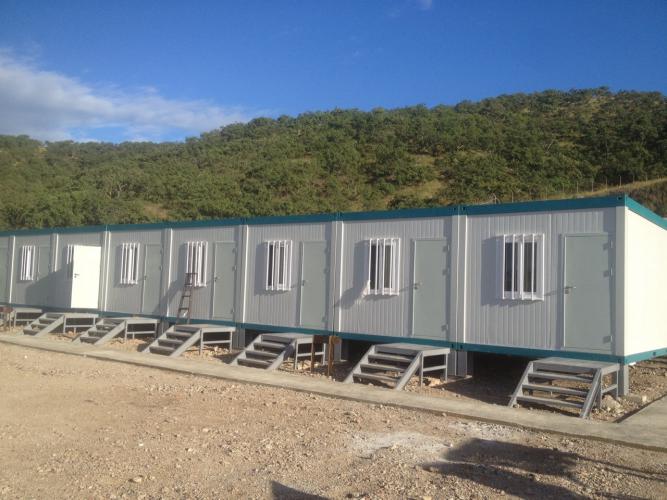
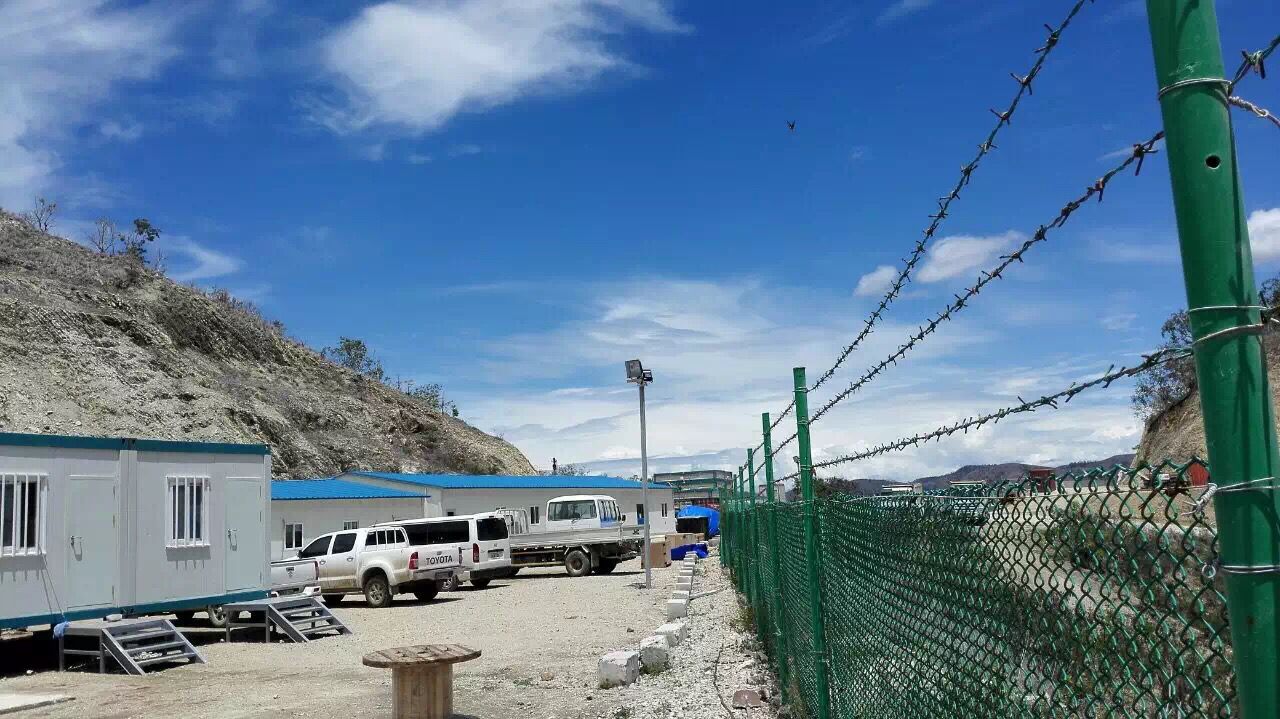
Why Construction Site Temporary Housing Matters
Construction site temporary housing is no longer a simple row of makeshift dormitories; it is a strategic asset that directly affects productivity, safety, and workforce stability on modern projects. When construction camps are well designed, climate-adapted, and quickly deployable, EPC contractors can shorten project schedules, reduce rework, and maintain higher worker satisfaction.
For global engineering companies working in remote or harsh environments, choosing the right construction site temporary housing solution often determines whether the project can start up smoothly and maintain long-term stability.
Regional Conditions and Climate Challenges
Different countries and regions impose very different demands on construction site temporary housing because of climate, terrain, and infrastructure conditions. In tropical rainforest zones, high temperature, heavy rainfall, and extreme humidity accelerate corrosion and cause frequent water leakage problems in conventional site buildings.
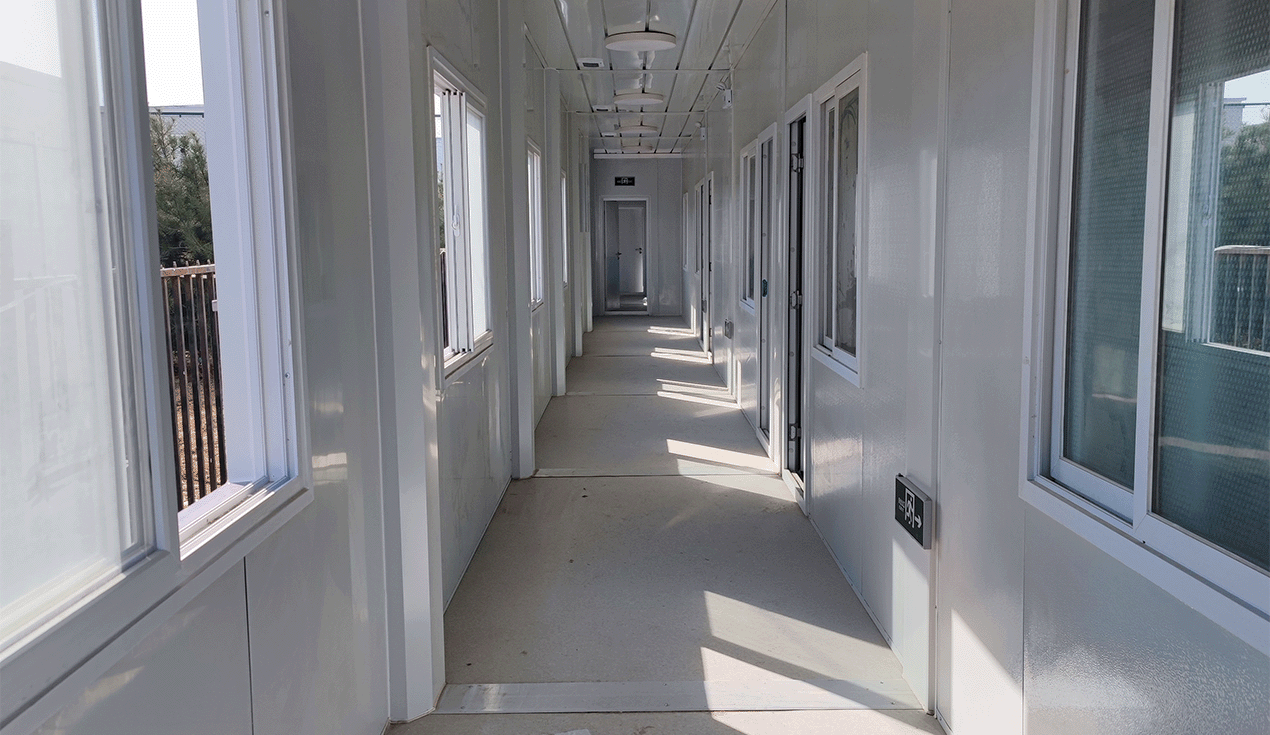
In coastal or high-wind environments, temporary camps must withstand strong winds, salt spray, and potential flooding, which requires corrosion-resistant structures and carefully detailed building envelopes. For projects located in cold regions, the key challenge shifts to insulation, airtightness, and rapid heat loss, making energy-efficient enclosures and reliable heating systems critical for safe operation.
Nigeria: Tropical Rainforest Construction Camp Scenario
Southern Nigeria is a typical example of how climate and environment shape construction site temporary housing requirements. The region belongs to a tropical rainforest belt, characterized by year-round high temperatures, extremely high humidity, and frequent heavy rainfall, all of which create a demanding environment for any camp infrastructure.
On the Nigeria LNG project, worker housing had to cope with these conditions while supporting thousands of personnel engaged in energy and oil & gas EPC activities near the coast. The camp needed to remain safe, comfortable, and durable throughout the project cycle, with minimal disruption to core LNG construction activities.
Nigeria LNG Worker Camp: A Benchmark Case
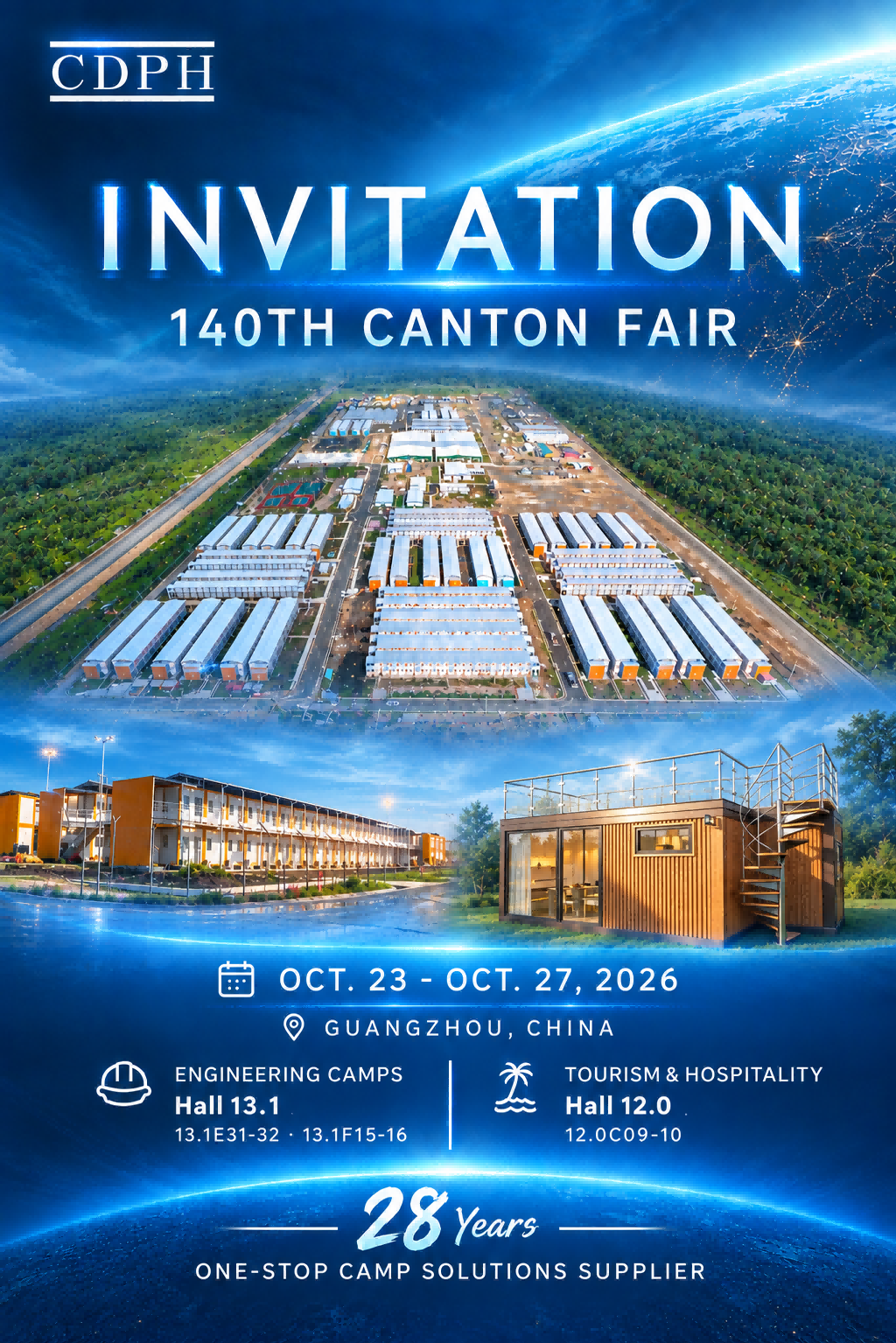
The Nigeria LNG worker camp is a representative case of construction site temporary housing delivered using modular EPC solutions. Located in southern Nigeria, this large-scale camp covers an area of around 100,199 square meters and supports a major LNG train project on Bonny Island.
In this project, Chengdong Modular House (CDPH) supplied 4,392 modular box units with a total building area of about 81,014 square meters, using extended-length and increased-height modules plus H-steel structures to meet different functional needs. The camp integrates accommodation, offices, canteens, leisure areas, medical facilities, and other multi-scenario buildings into one coordinated layout, creating a complete living and working environment for several thousand staff.
You can learn more details about this reference project here: Nigeria LNG worker camp – oil & gas modular construction case study: https://www.cdph.net/case-center/nigeria-lng-worker-camp-oil-and-gas-modular-construction-case-studycdph+1
Core Products Used in Construction Site Temporary Housing
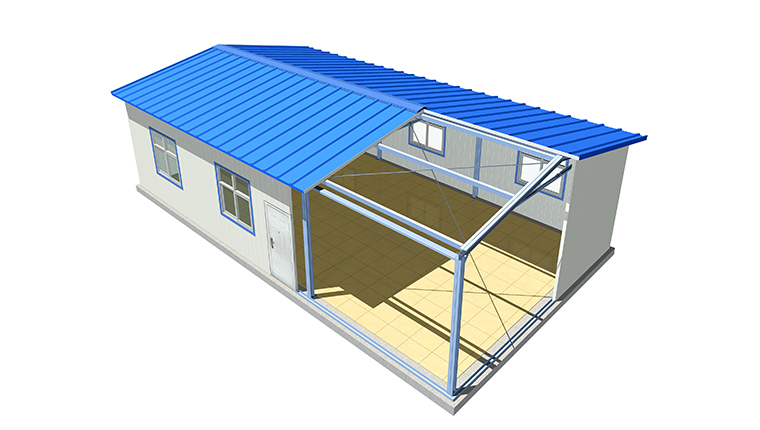
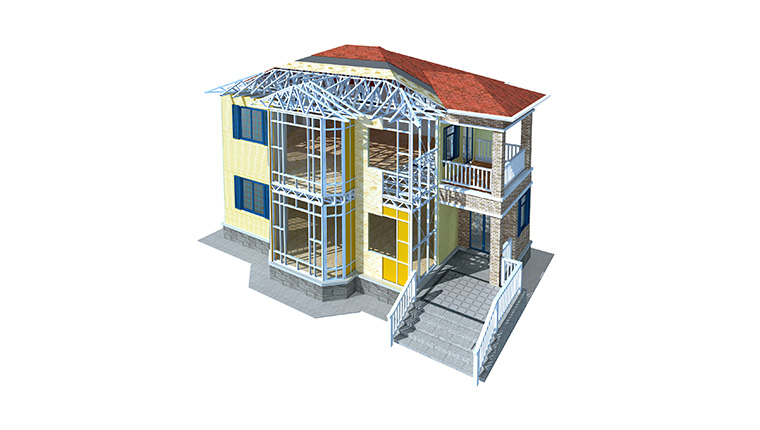
Modern construction site temporary housing relies on a portfolio of modular products rather than a single building type. CDPH focuses on container houses, prefab houses, light steel villas, and steel structure buildings, combining them in different ways according to climate and project needs.
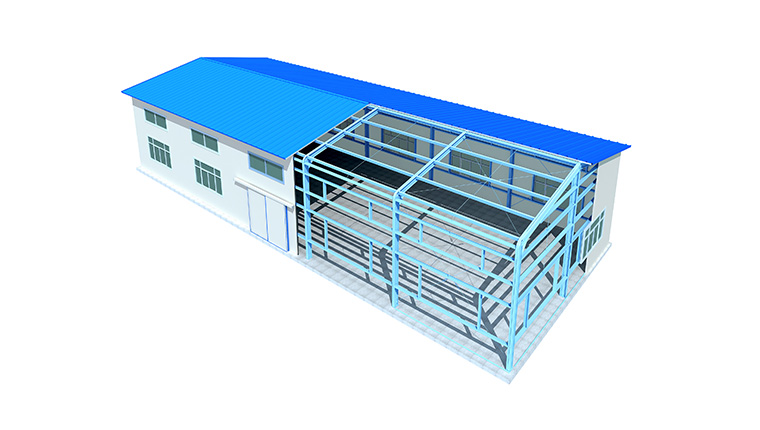
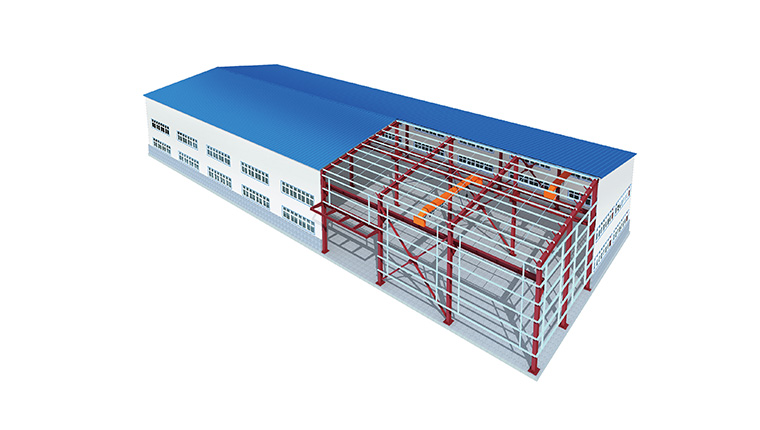
Typically, flat pack container houses form the backbone of worker dormitories, site offices, and basic service buildings, while light steel villas provide semi-permanent, higher-comfort housing for management or long-term staff. Steel structure halls and large-span buildings complete the camp by providing canteens, warehouses, recreation centers, and other shared facilities.
Flat Pack Container Houses for Fast Deployment
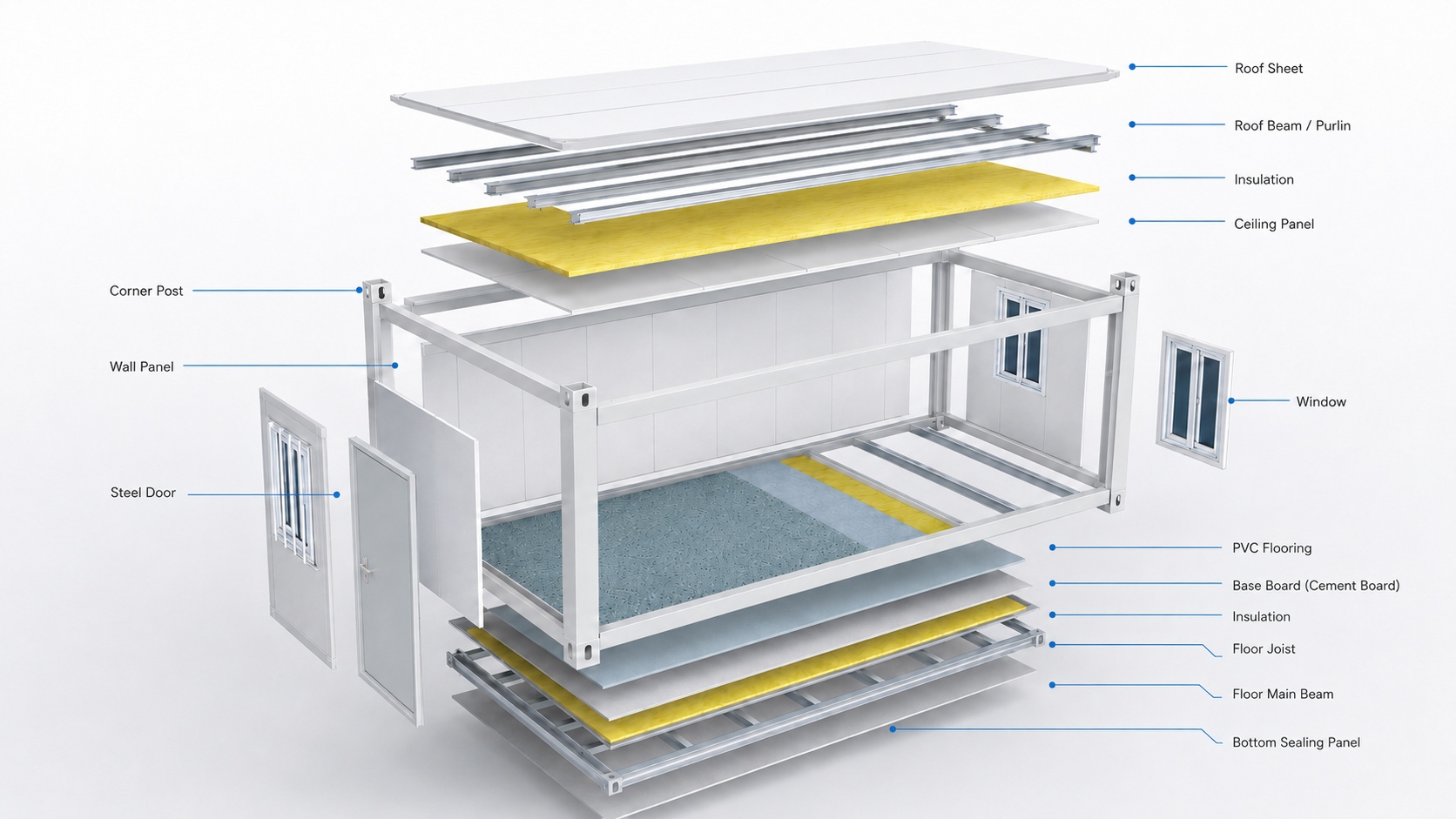
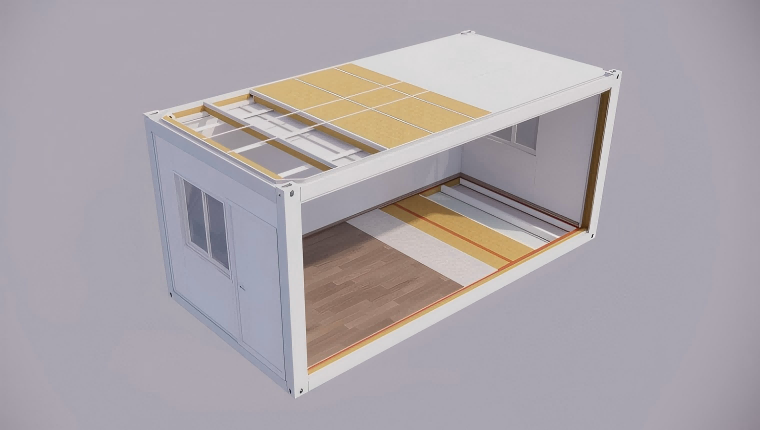
Flat pack container houses are the core product for many construction site temporary housing projects because they combine modular design, factory prefabrication, and rapid on-site assembly. These units use a container frame as the basic module, which can be stacked or combined horizontally to form dormitories, offices, or multi-storey complexes with flexible layouts.
The high integration of the roof and floor structures means that secondary decoration is typically unnecessary, significantly reducing wet trade work and shortening installation time on site. As a result, flat pack container houses can be assembled in just a few days, enabling EPC contractors to stabilize their workforce quickly and start construction earlier.
For more information about container house solutions and related products, you can refer to the main product center at https://www.cdph.net/product-center or the container house category at https://www.cdph.net/product-center/container-house.
Light Steel Villas for Semi-Permanent Housing
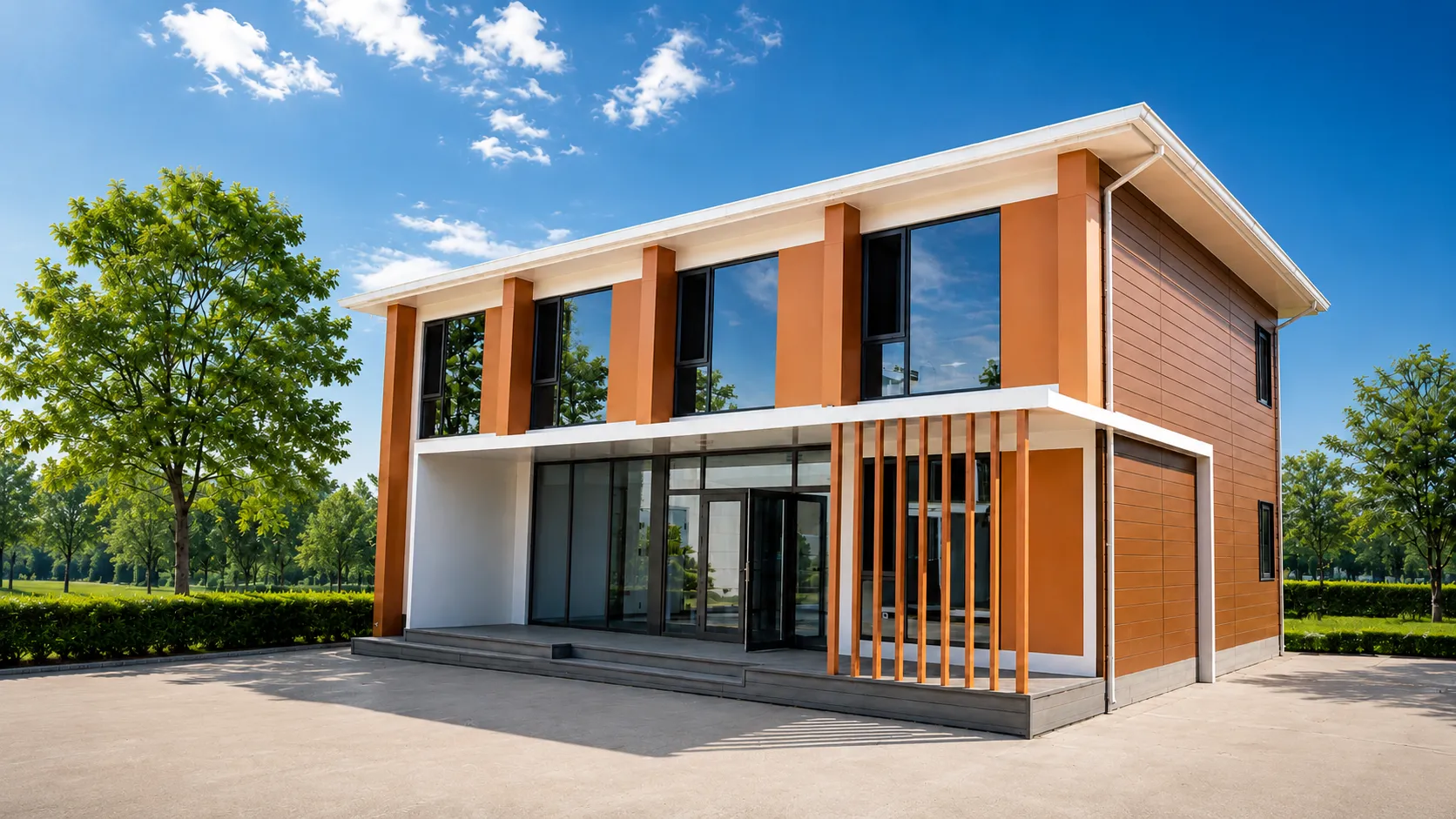
While container houses are ideal for scalable worker accommodation, light steel villas offer a higher level of comfort and are especially suitable for management personnel or long-term camps. These villas use light steel frames combined with efficient enclosure systems, allowing designers to customize layouts, facades, and interior finishes to meet different cultural and project requirements.
Light steel villas can reach semi-permanent levels of durability and comfort, including private bathrooms, larger room sizes, and integrated HVAC solutions that align with international housing standards. In many engineering camps, they are used together with container dormitories to create hierarchical housing solutions that balance cost and comfort.
You can explore more details about light steel villa products on CDPH’s product pages, for example: https://www.cdph.net/product-center/light-steel-villa.
Climate-Ready Design and Durability
Climate readiness is essential for any construction site temporary housing solution that operates in demanding environments such as tropical, desert, coastal, or cold regions. CDPH’s modular box buildings for the Nigeria LNG camp were engineered specifically for high humidity, heavy rainfall, and strong wind conditions, featuring enhanced moisture and leakage control, anti-corrosion measures, and stable temperature and humidity performance.
In addition, CDPH container houses use fire-resistant materials such as rock wool panels and are designed to meet international safety standards, achieving up to two-hour fireproof walls and compliance with CE and COC certifications. This combination of fire safety, structural strength, and corrosion resistance provides long-term protection for workers and reduces maintenance costs over the life of the project.
EPC Camp Experience and One-Stop Solutions
For many owners and EPC contractors, the most valuable aspect of construction site temporary housing is not just the building hardware, but the integrated camp solution. CDPH positions itself as a specialized engineering camp provider, offering full EPC-style services that cover camp planning, modular building design, production, logistics, installation guidance, and after-sales support.
In the Nigeria LNG worker camp, this EPC approach delivered a coordinated camp layout, climate-adapted building envelopes, and staged delivery phases that aligned with the project’s schedule. By using modular construction, the team shortened on-site construction time, minimized disruption to LNG operations, and provided early availability of accommodation and office facilities for the workforce.
Multi-Scenario Functional Planning in Camps
A modern construction site temporary housing camp functions like a small city, integrating different types of spaces into a coherent master plan. The Nigeria LNG camp, for example, includes dormitories, offices, canteens, leisure and recreation areas, warehouses, and medical and first-aid buildings organized into multi-scenario functional zones.
This multi-functional planning ensures that workers can live, work, dine, and relax within a single camp environment, reducing commuting time and improving safety by minimizing travel between the camp and construction site. When designed correctly, such camps also support better management of security, access control, and health services, which is critical for projects with thousands of personnel.
CDPH’s Manufacturing Strength: Three Domestic Factories
Behind every large-scale construction site temporary housing project is a strong manufacturing and supply chain capability. CDPH (Chengdong Modular House) operates multiple production bases in China, including CDPH Integrated Housing Hebei Co., Ltd., CDPH (Xinjiang) Modular Housing Manufacturing Co., Ltd., and CDPH (Sichuan) Prefabricated Construction Technology Co., Ltd.
These three major factories allow CDPH to manage high-volume orders, optimize logistics for international shipments, and tailor products to different regional climate requirements. Combined with its headquarters in Beijing, this production network supports consistent quality control and flexible scheduling for global EPC projects.
Advantages of Modular Temporary Housing for EPC Projects
Modular construction site temporary housing offers multiple advantages compared with traditional on-site building methods. Prefabrication in factories ensures higher consistency, reduced material waste, and better control of quality, while on-site work focuses mainly on assembly and connection, which shortens construction time significantly.
From an EPC perspective, modular camps also make it easier to phase construction, expand capacity, or relocate modules to new sites after project completion, enhancing asset reuse and sustainability. This flexibility is particularly valuable in industries such as oil & gas, mining, and infrastructure, where projects often move from one remote location to another.
How to Choose Construction Site Temporary Housing
When owners and contractors select construction site temporary housing, they should evaluate several key factors beyond initial cost. First, climate and environmental conditions determine what type of building envelope, insulation, and corrosion protection are necessary to ensure comfort and safety.
Second, project duration and workforce size shape the mix of container dormitories, prefab houses, and light steel villas required to balance cost and living standards. Finally, the provider’s EPC camp experience, manufacturing capacity, and reference projects—such as the Nigeria LNG worker camp—are critical indicators of whether they can deliver a robust, climate-ready solution on schedule.




 More
More










![Top Advantages of Modular Construction Explained [2025]](/uploads/upload/images/20250424/0fb390068474145a09a8c0504c73b1d2.png)
 May 09, 2025