Introduction
The construction and engineering industries face unprecedented challenges: accelerating project timelines, rising labor costs, environmental concerns, and the need for flexibility in unpredictable work environments. Container modular houses have emerged as a transformative solution to these pressing issues. Unlike traditional construction methods that demand months of planning, foundation work, and on-site assembly, modular container housing delivers fully prefabricated, ready-to-use structures that arrive at jobsites complete with electrical, plumbing, and interior finishing already installed. This innovation represents a fundamental shift in how organizations approach temporary accommodation, office spaces, and even semi-permanent infrastructure. From remote mining operations in Africa to hydroelectric projects in South America, and from construction camps in Central Asia to disaster relief housing, container modular houses have become the backbone of modern engineering operations worldwide.
What Are Container Modular Houses?
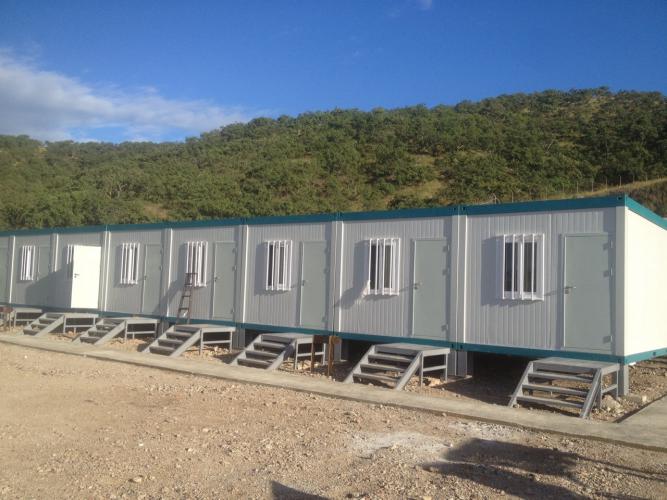
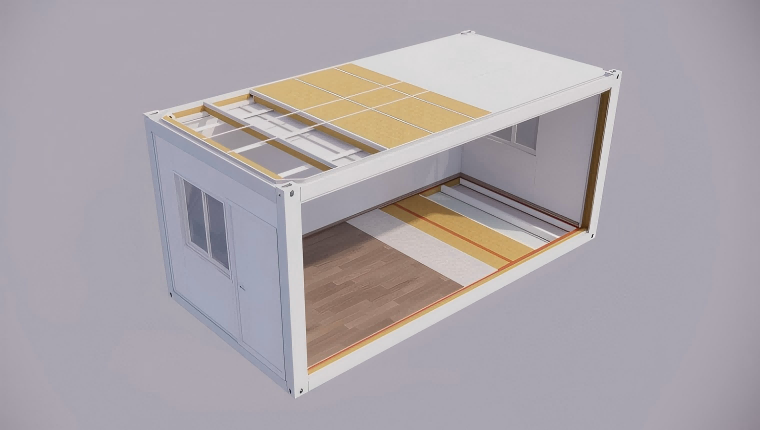
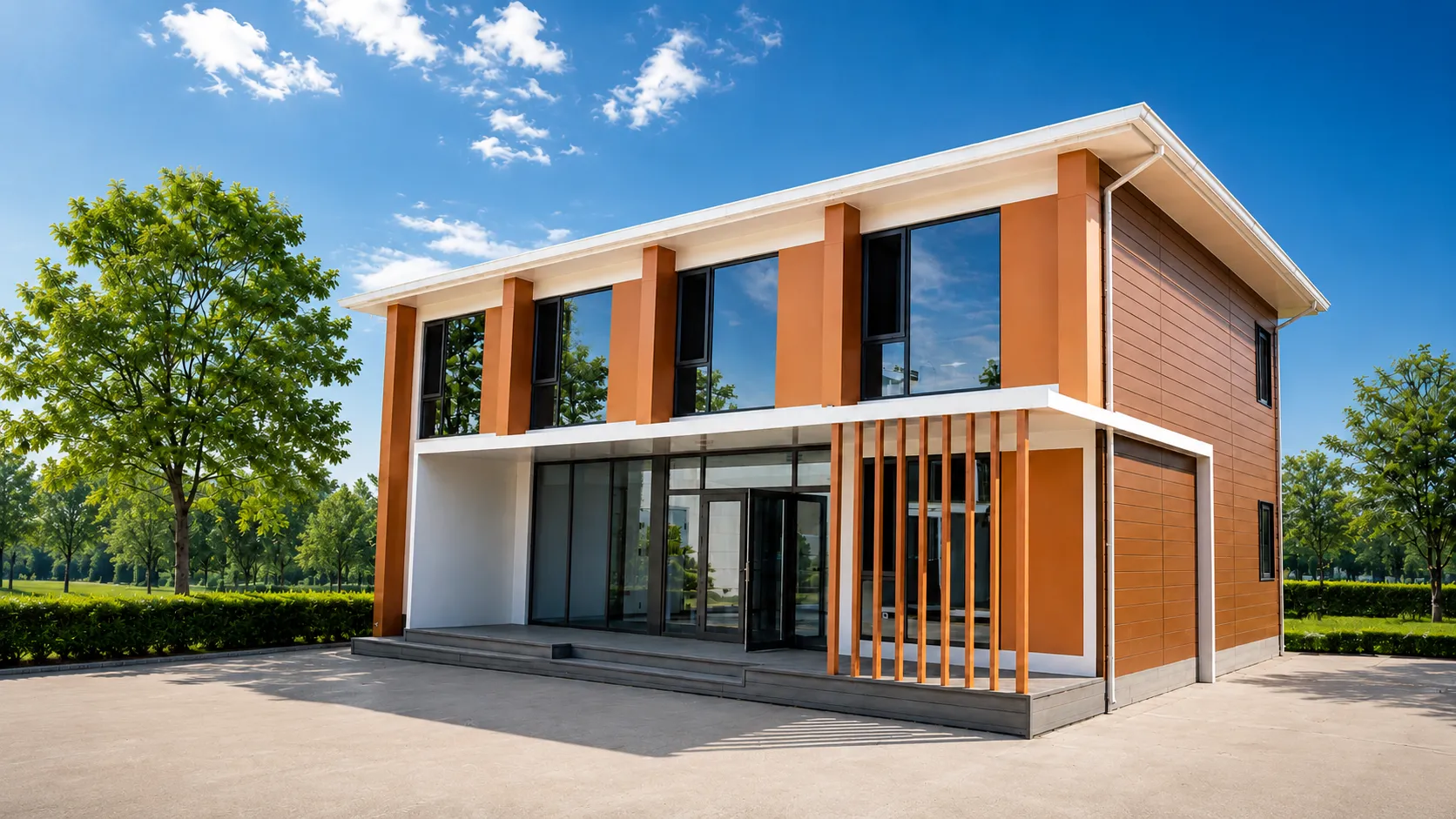
Container modular houses are prefabricated buildings constructed using standardized shipping containers or steel-frame modules as the structural foundation. These units are manufactured in controlled factory environments, then transported to project sites where they can be deployed with minimal assembly. The fundamental design principle centers on modularity—each unit represents a complete, functional space that can operate independently or integrate seamlessly with other units through simple bolted connections.
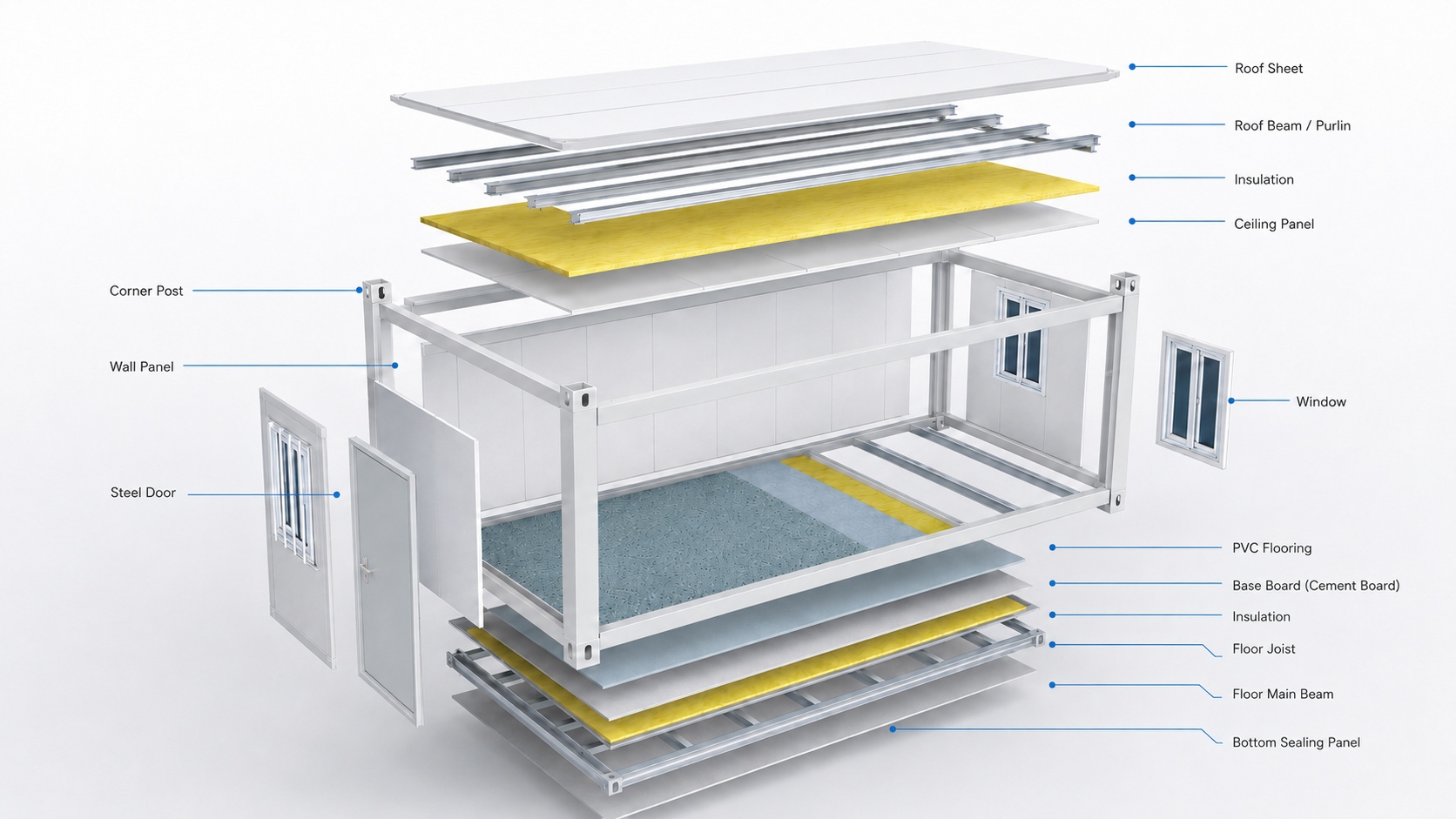
The standard container modular house utilizes a steel frame derived from logistics-grade shipping containers, which provides exceptional structural integrity while maintaining portability. These units typically feature exterior dimensions of approximately 6.0 meters in length, 3.0 meters in width, and 2.9 meters in height, with interior net dimensions designed to maximize usable space while accommodating standard door and window configurations. The frame is constructed from hot-dip galvanized steel profiles, manufactured through factory-precision processes that ensure consistency and durability across every unit produced.
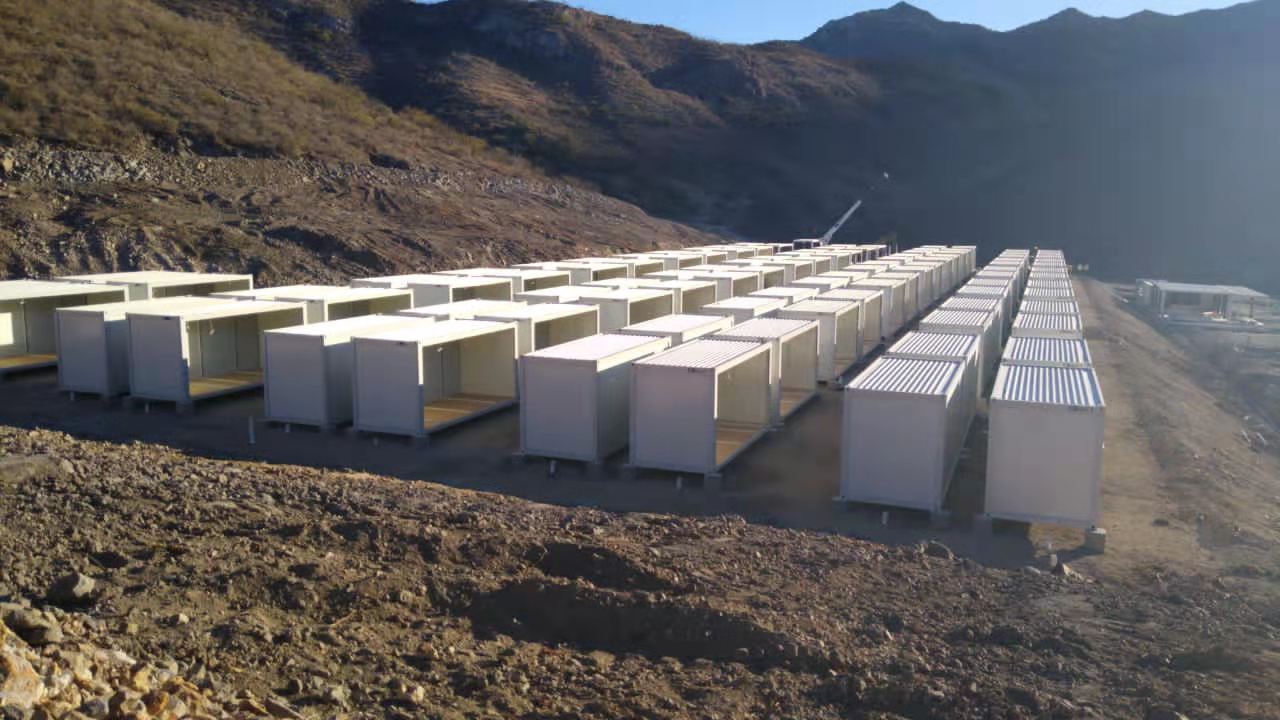
What distinguishes container modular houses from conventional prefabrication is their inherent transportability and rapid deployment capability. Because they're designed to fit within standard 20-foot or 40-foot shipping containers, they can be stacked, nested, and packaged efficiently for ocean freight, rail, or truck transportation. Multiple units can be consolidated into a single container volume, dramatically reducing transportation costs—a critical advantage for projects in remote or difficult-to-access locations.
Core Design and Technical Specifications
The engineering behind container modular houses reflects decades of refinement and real-world testing across extreme climates and challenging environments. Modern container modular houses incorporate several critical technical components:
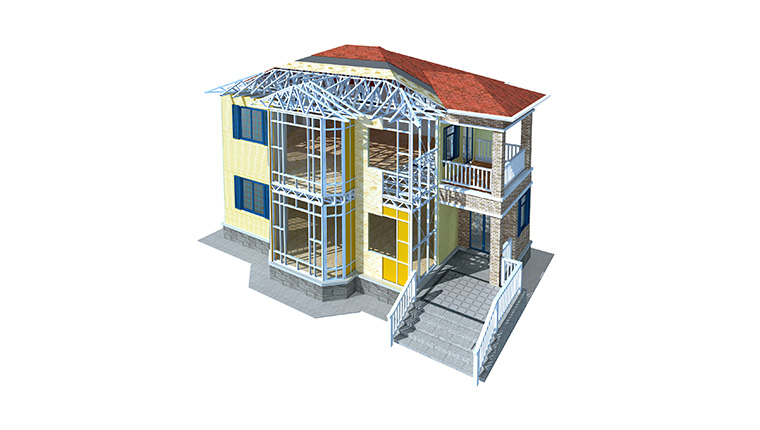
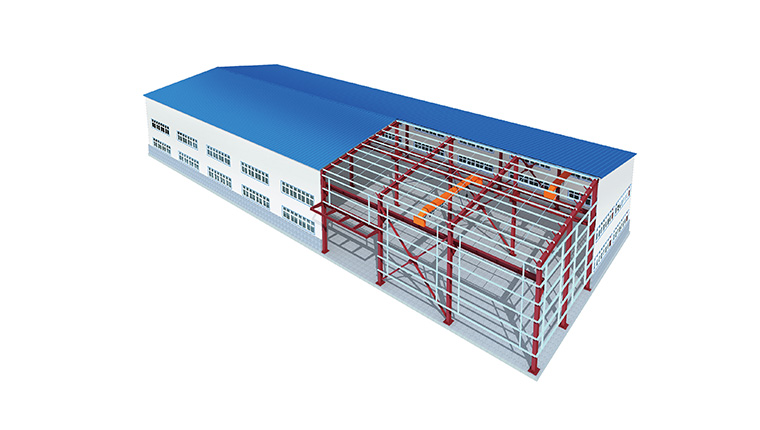
Structural System: The load-bearing frame employs cold-formed, hot-dip galvanized steel strips welded into a rigid box structure. This construction method provides tensile strength comparable to traditional welded steel beams while maintaining substantially lower weight. The galvanization process protects against rust and corrosion, essential for projects in coastal areas, humid climates, and regions with aggressive weather patterns.
Thermal Insulation: Standard units feature 100mm glass fiber wool insulation in both roof and floor systems, with optional thicknesses up to 150mm available for extreme cold climates. This insulation specification yields heat transfer coefficients of approximately 0.64 W/m²K for roofing and 0.46 W/m²K for flooring—performance levels comparable to modern permanent buildings. Wall systems utilize 75mm to 100mm rock wool or glass wool composite panels with color steel exterior cladding, delivering comprehensive thermal protection that maintains interior comfort across temperature ranges from -40°C to +50°C.
Load Capacity: Container modular houses accommodate roof live loads of 0.5 kN/m² and floor live loads of 2.0 kN/m²—sufficient for standard office equipment, residential furnishings, and typical mechanical systems. Wind load resistance reaches 0.5 kN/m² in standard configurations, with engineered reinforcement options available for regions experiencing Category 11 winds or higher.
Interior Finishing: Factory integration of electrical circuits, water supply lines, and drainage systems eliminates extensive on-site installation work. Suspended ceilings utilize color steel or mineral wool acoustic panels, while flooring consists of durable 1.8mm rubber and plastic composite materials designed to withstand heavy foot traffic in industrial and commercial settings.
Key Advantages of Container Modular House Construction
Accelerated Project Delivery: Perhaps the most compelling advantage is timeline compression. While traditional building methods require 6–12 months for design refinement, permit acquisition, site preparation, foundation construction, and assembly, container modular houses reduce this to 6–8 weeks from order placement to occupancy. Factory-controlled manufacturing eliminates weather delays and quality variability inherent in on-site construction. A 1,000-person engineering camp can transition from planning to operational status in 120–150 days.
Cost Optimization: Container modular houses deliver superior cost efficiency across multiple dimensions. Manufacturing in automated factories reduces labor requirements by 40–60% compared to site-built construction. Standardized components benefit from economies of scale, substantially lowering per-unit material costs. Consolidated transportation—multiple units nested within single containers—reduces freight expenses by 30–50%. Additionally, these structures support multiple project cycles. A container house deployed in a three-year mining operation can be transported and redeployed across successive projects, extending effective lifespan to 20+ years and distributing capital costs across multiple applications.
Environmental Sustainability: Factory manufacturing generates minimal waste compared to on-site construction. Precise cutting and assembly waste is recycled within manufacturing operations rather than disposed at jobsites. Reduced on-site construction activity minimizes environmental disruption in sensitive areas—particularly important for projects in protected ecosystems or near populated regions where construction noise and dust create community conflicts. The recyclable steel frame composition ensures end-of-life environmental responsibility.
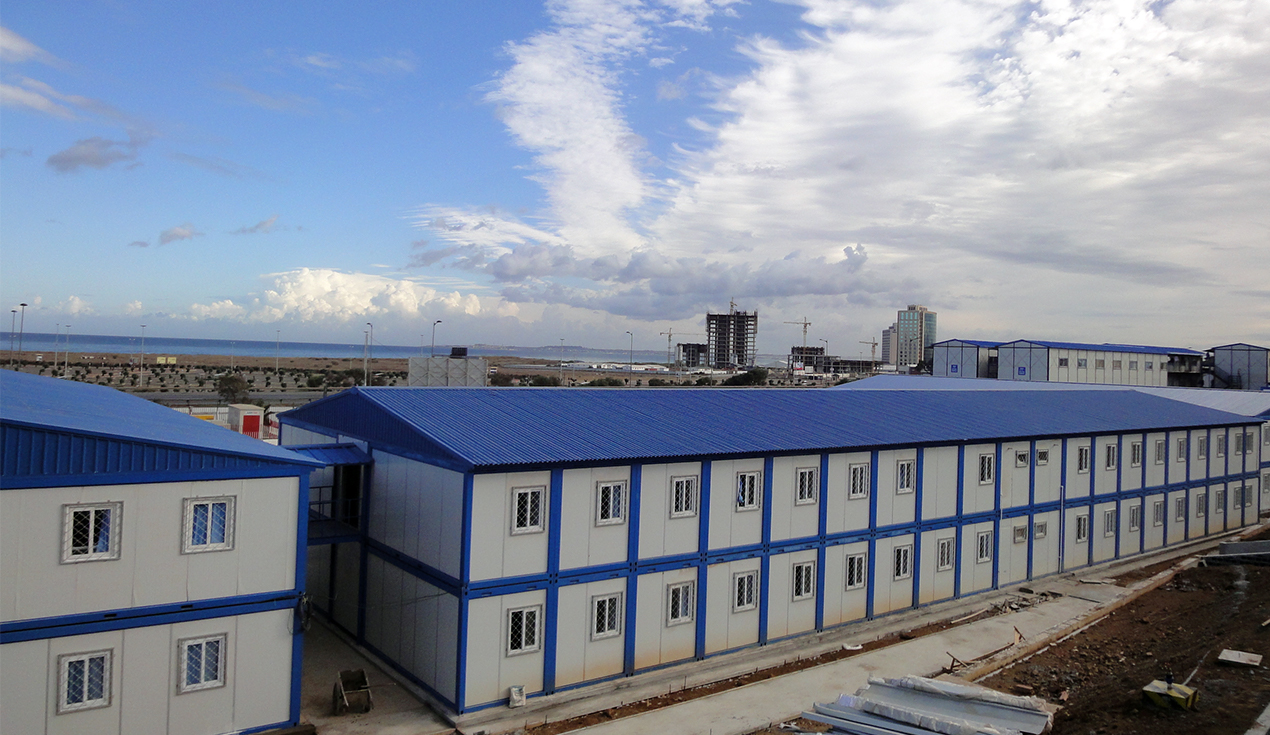
Modularity and Flexibility: The standardized modular design enables unprecedented flexibility in spatial configuration. Units connect horizontally and vertically in virtually unlimited combinations, creating larger dormitory complexes, multi-story office buildings, or specialized functional spaces. The same basic unit adapted with different interior configurations serves simultaneously as worker dormitories, office spaces, dining facilities, medical clinics, or storage warehouses. This adaptability eliminates the need for custom construction and reduces inventory complexity.
Structural Durability: Hot-dip galvanized steel construction withstands harsh environmental exposures that challenge conventional building materials. Coastal projects subjected to salt spray, high-altitude locations with extreme temperature fluctuations, and desert environments with intense UV exposure all present problems that container modular houses manage effectively. Engineering camps in Mozambique's coastal regions, high-altitude infrastructure projects in Central Asia, and mining operations in the Sahara demonstrate consistent performance across diverse climates. Standard structures remain serviceable with minimal maintenance throughout 25-year operational lifespans.
Applications Across Industries
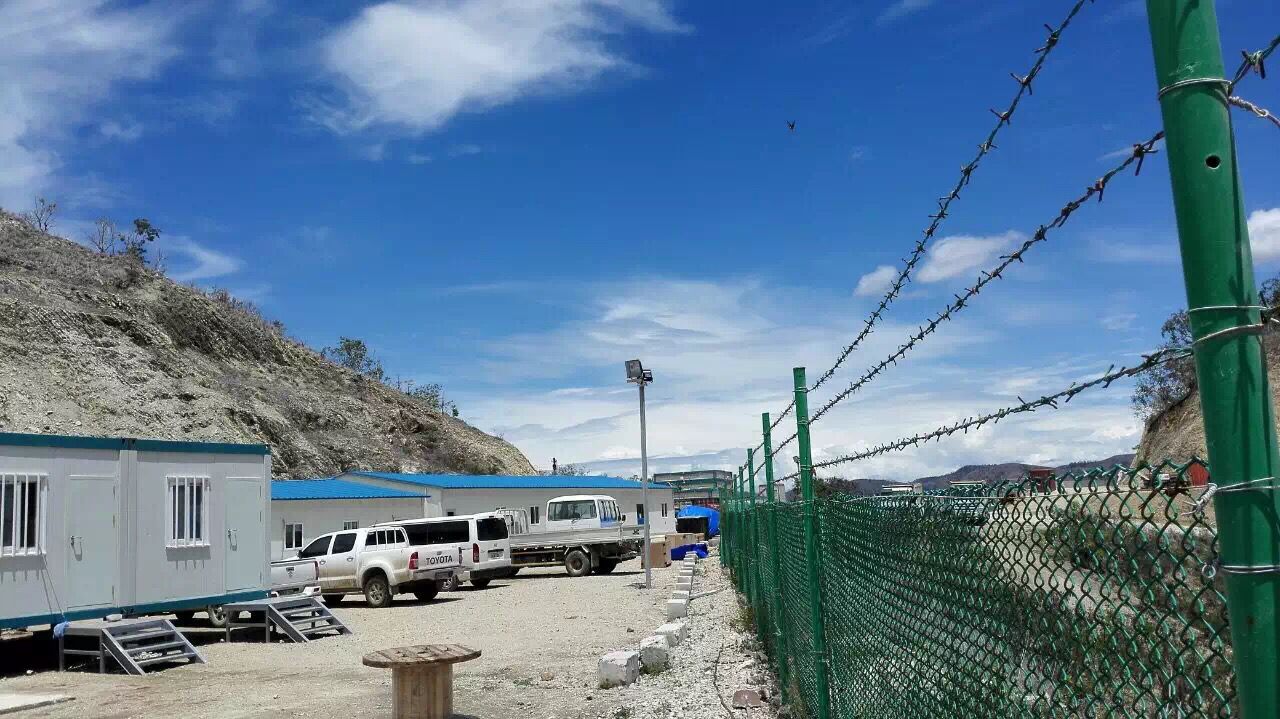
Engineering and Construction Camps: The primary application remains temporary housing for large construction projects. Hydroelectric facilities, highway and railway infrastructure, dam construction, and pipeline projects routinely deploy container modular houses to accommodate hundreds or thousands of workers in remote locations. These applications highlight the advantage of rapid deployment—projects can establish fully functional, comfortable living environments immediately upon site access, improving worker retention and safety.
Mining and Energy Extraction: Remote mining operations, oil and gas facilities, and geothermal projects benefit substantially from container modular houses. Worker accommodation in locations like Mozambique's Palma province demonstrates this application's scale: single projects house thousands of workers in complete comfort despite geographic isolation and climate challenges.
Education and Healthcare: Container modular houses adapt effectively to school expansion and temporary medical facility requirements. Educational institutions utilize these structures for classroom annexes and administrative offices, while disaster response and humanitarian operations deploy them as temporary clinics and vaccination centers.
Hospitality and Tourism: Cultural tourism facilities and commercial hospitality venues increasingly employ tourism-focused modular houses that combine container mobility with enhanced aesthetic finishes. These applications leverage the modularity principle while delivering semi-permanent structures that serve multi-year operations.
Disaster Relief and Military Applications: The rapid deployment and modular nature of container houses make them invaluable for humanitarian response. Organizations providing emergency shelter following natural disasters benefit from pre-certified solutions that ensure safety and dignity. Military applications exploit the structural strength and efficient transportability—five modular units can be packaged into a single 20-foot container, optimizing logistics for military deployment scenarios.
The Manufacturing Excellence Behind Container Modular Houses
Leading manufacturers like Chengdong maintain production capacity of 40,000 container houses annually through strategically distributed manufacturing facilities. Beijing headquarters oversee design, engineering, and quality standards, while regional production centers in Sichuan, Xinjiang, Wuhan, and Hainan optimize logistics for different market regions. This distributed manufacturing model reduces transportation distances for major markets while maintaining central quality oversight.
Production utilizes highly automated manufacturing lines that perform precision cutting, welding, and assembly operations. Factory quality control exceeds site-built construction standards—every unit undergoes rigorous testing for structural integrity, thermal performance, electrical safety, and water tightness before shipment. This systematic quality assurance delivers consistency impossible to achieve through conventional construction methods.
Technical Specifications and Performance Standards
Modern container modular houses meet rigorous international construction standards. European certification (CE marking) confirms compliance with EN 1090 structural standards and CPR construction product regulations. These certifications validate structural safety under specified wind, snow, and live loads, ensuring that deployed units meet engineering requirements equivalent to permanent buildings.
The modular design supports vertical stacking up to three layers without foundation reinforcement beyond standard concrete pads. This density capability enables ultra-compact site layouts—critical for projects with constrained land availability. Standard bolted connections between units enable tool-free disassembly, supporting relocation and reconfiguration throughout operational lifecycles.
Global Footprint and Project Experience
Container modular house manufacturers operate across more than 100 countries. Completed projects range from small temporary facilities accommodating 100 workers to massive infrastructure camps housing 10,000+ personnel. International business offices strategically positioned in Buenos Aires, Mozambique, South Korea, and throughout Africa support diverse regional markets. This global presence ensures local project management, cultural understanding, and responsive logistics across geographic and economic contexts.
Conclusion
Container modular houses represent a fundamental evolution in construction methodology—one that prioritizes speed, efficiency, sustainability, and adaptability over traditional site-built approaches. As engineering projects continue expanding into remote and challenging locations, as labor availability becomes increasingly constrained, and as environmental responsibility gains greater emphasis, container modular housing solutions address the core challenges facing modern construction industries. From initial manufacturing through deployment, redeployment, and eventual recycling, these structures deliver comprehensive value across economic, operational, and environmental dimensions. Organizations managing infrastructure projects, engineering camps, or temporary facilities benefit substantially from evaluating container modular house solutions that have proven effective across diverse applications, climates, and geographic regions worldwide.
For more information about container modular house solutions, specifications, and project examples, visit https://www.cdph.net/.




 More
More












![Top Advantages of Modular Construction Explained [2025]](/uploads/upload/images/20250424/0fb390068474145a09a8c0504c73b1d2.png)
 May 09, 2025