Introduction
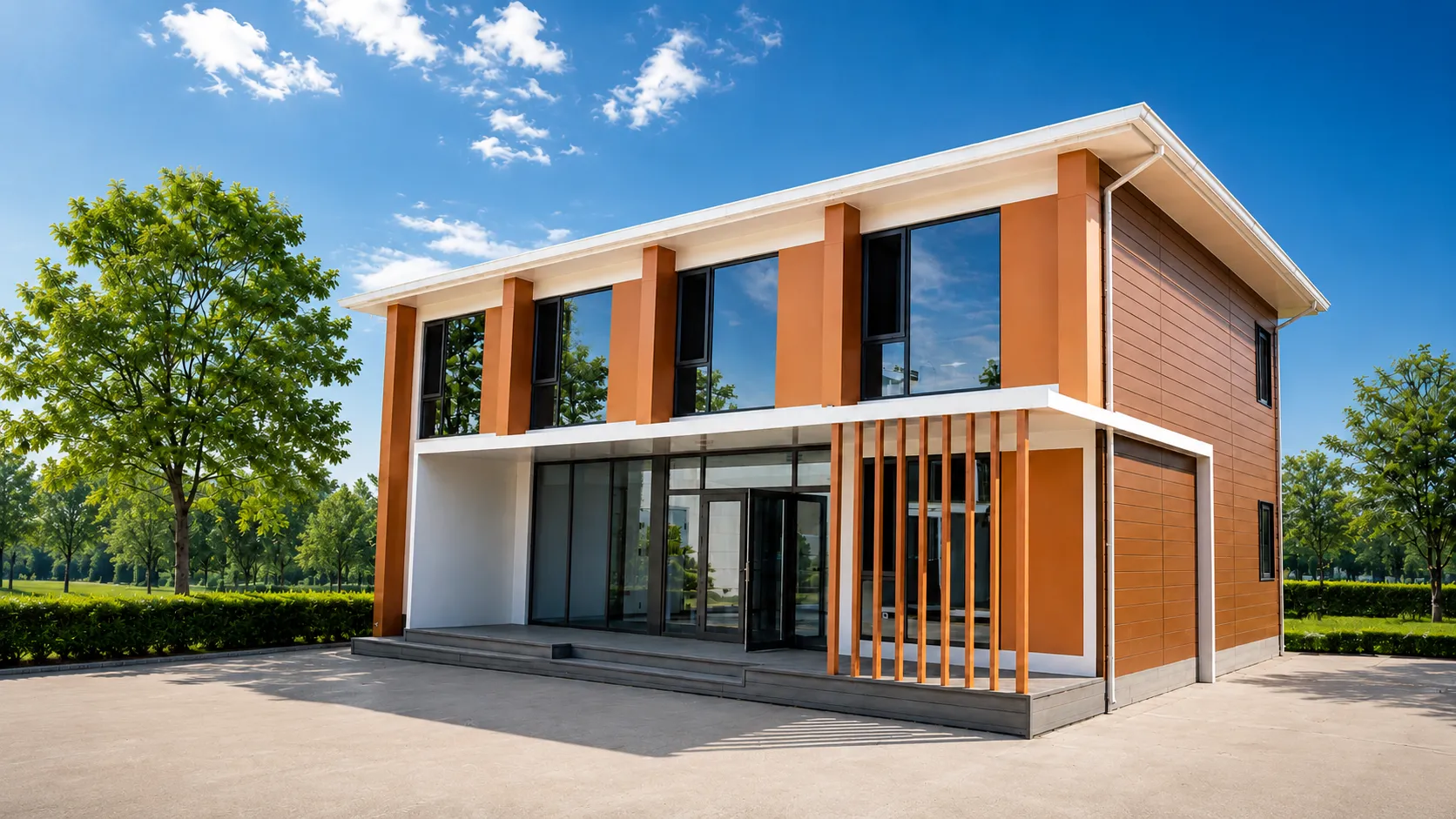
The global construction industry faces unprecedented challenges: accelerating project timelines, remote site conditions, and the need for cost-effective, sustainable building solutions. Prefab steel frame houses represent a transformative approach to modern construction, combining factory precision with field flexibility. These modular structures are revolutionizing temporary and semi-permanent housing across mining operations, infrastructure projects, hospitality developments, and industrial facilities worldwide.
Prefabricated steel frame housing systems leverage advanced manufacturing techniques and cold-formed steel technology to create buildings that are faster to deploy, more durable, and significantly more economical than traditional construction methods. Unlike conventional site-built structures, prefab steel frame houses arrive substantially pre-assembled, requiring only bolted connections and final integration on-site—dramatically reducing construction time and labor costs while improving quality control.
Understanding Prefab Steel Frame House Technology
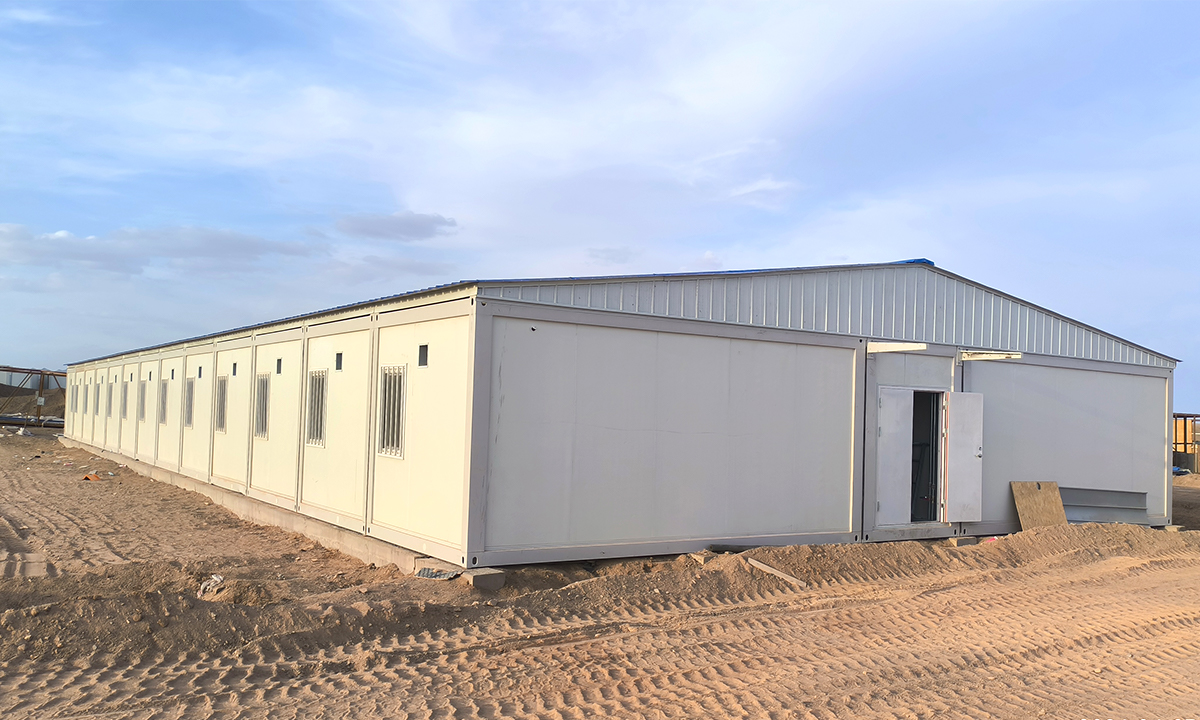
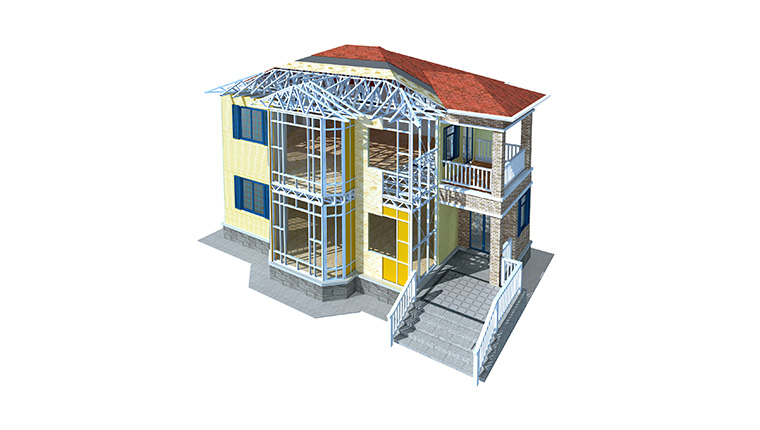
Prefab steel frame houses utilize hot-dip galvanized cold-formed steel profiles as their primary structural system. This engineering approach differs fundamentally from traditional heavy steel structures by employing thin-walled, high-strength steel components that are factory-fabricated and mechanically mass-produced. The cold-forming process allows manufacturers to create standardized components with precise dimensions, enabling modular design principles and reducing material waste.
The structural frame serves as the foundational load-bearing system, typically composed of hot-dip galvanized steel strips that undergo specialized welding and fastening processes. The galvanization treatment—a zinc coating applied through hot-dip immersion—provides exceptional corrosion resistance, particularly critical for projects in coastal, high-humidity, or chemically aggressive environments. This coating preserves structural integrity far longer than conventional paint systems and significantly extends the service life of the building.
Key structural specifications for standard prefab steel frame houses include:
Roof live load capacity: 0.5 KN/m² (typical design parameter)
Floor live load capacity: 2.0 KN/m² (supporting residential and office functions)
Wind load resistance: Engineered to withstand Category 11 winds; after special structural treatment, can resist Category 17 hurricane-force winds
Design service life: 25+ years for semi-permanent applications
Stacking capability: Up to three-layer vertical stacking without foundation reinforcement
The frame connects through full bolted assemblies rather than site welding, eliminating welding equipment requirements, reducing skilled labor dependency, and accelerating installation schedules. This connection methodology enables rapid assembly and future disassembly—a critical advantage for projects requiring facility relocation or reconfiguration.
Core Advantages of Prefab Steel Frame Construction
Dramatically Reduced Construction Timelines
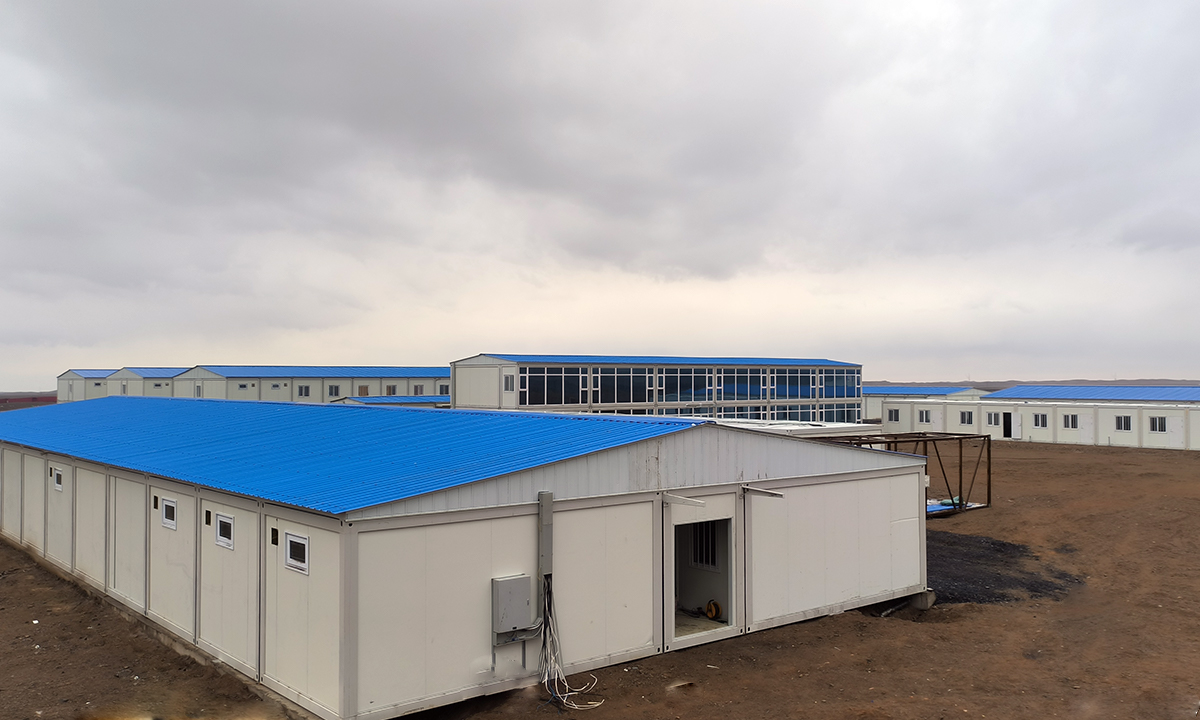
Traditional site-built structures require months of foundation work, framing, and finishing. Prefab steel frame houses compress this timeline to weeks. Factory production occurs in parallel with site preparation, and on-site assembly involves simple bolted connections without requiring skilled welders. Real-world projects demonstrate installation cycles 60-70% faster than conventional construction—a competitive advantage translating directly to reduced overhead costs and earlier project revenue generation.
Superior Quality Control and Manufacturing Precision
Factory production environments provide controlled conditions impossible on remote job sites. Every steel component undergoes rigorous quality testing before leaving the manufacturing facility. Cold-forming processes achieve dimensional tolerances within millimeters, ensuring perfect alignment and fit during field assembly. The result is buildings with superior structural integrity, weathertightness, and aesthetic consistency compared to site-built alternatives.
Exceptional Cost Efficiency
Prefab steel frame houses deliver lower comprehensive costs through multiple mechanisms: reduced labor requirements (assembly rather than craftsmanship), material optimization (factory machinery minimizes waste), and economies of scale in component production. Transportation efficiency further reduces costs—multiple housing units package into standard shipping containers, with five complete house units fitting into a single 20-foot container. For projects in remote locations requiring long-distance logistics, this efficiency directly reduces per-unit delivered costs.
Environmental Sustainability and Minimal Site Disruption
Factory production eliminates on-site waste streams, reduces water consumption, and minimizes dust and noise pollution. The controlled manufacturing environment ensures precise application of insulation, sealants, and finishes, reducing material waste. Steel frame structures support sustainable site practices by requiring minimal concrete foundations, reduced excavation, and lower fuel consumption for construction equipment. Many projects operate in environmentally sensitive zones where site-based construction would face regulatory restrictions; prefabricated solutions enable development while maintaining environmental compliance.
Remarkable Durability and Climate Adaptability
Hot-dip galvanized steel structures perform exceptionally across diverse climate zones. Laboratory testing and 25+ years of field application demonstrate reliable performance in tropical high-humidity environments, arctic sub-zero temperatures, coastal salt-spray conditions, and arid desert locations. The galvanized steel coating withstands temperature cycling, UV exposure, and moisture fluctuation without degradation. This climate-agnostic capability enables global deployment without design modifications—a significant advantage for multinational firms operating across multiple geographic markets.
Product Categories and Applications
Prefab steel frame housing systems serve diverse applications through specialized product lines:
Light Steel Villa Systems
Semi-permanent residential structures designed for 25+ year service lives, featuring customizable layouts, advanced insulation packages, and interior finishes comparable to permanent residential construction. These systems serve high-end applications including executive accommodations, resort properties, and long-duration project camps where workforce comfort significantly impacts retention and productivity.
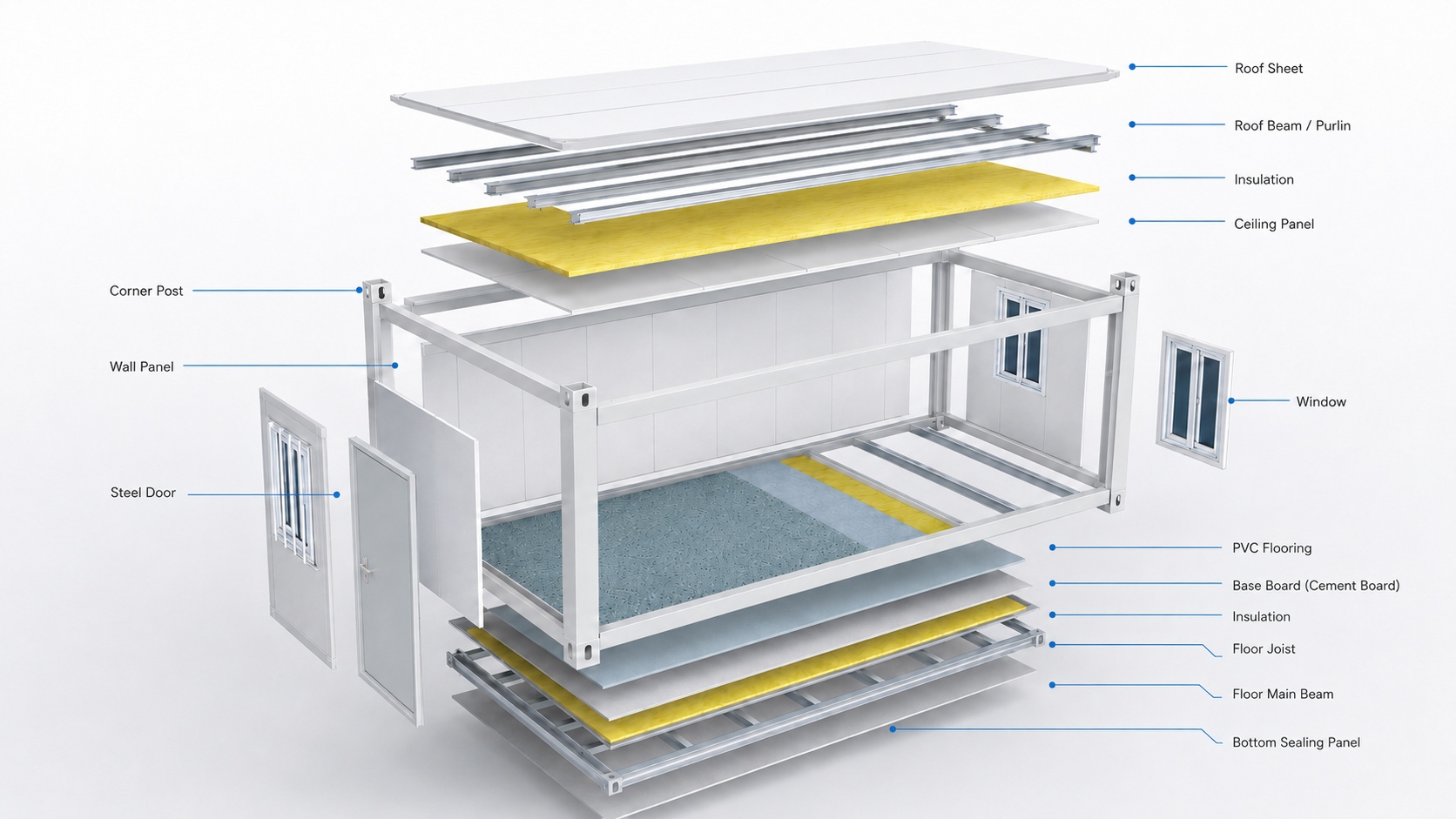
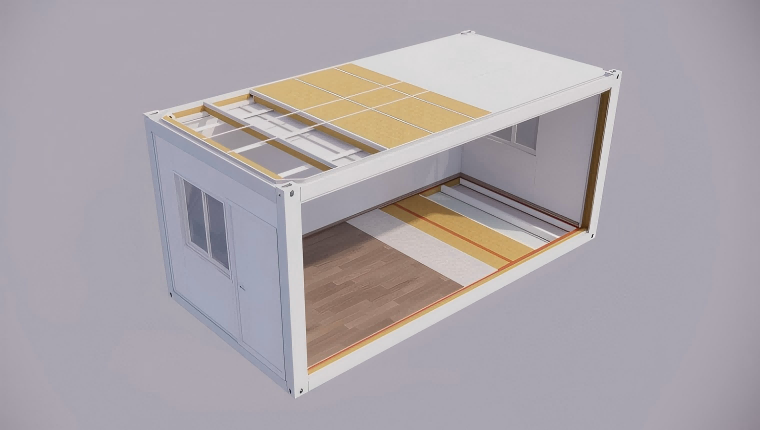
Modular Container Houses
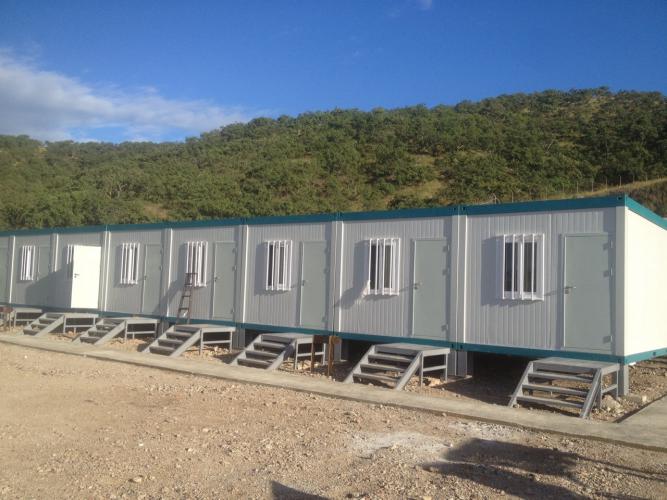
Standardized 6.0m × 3.0m × 2.9m modules using steel frames with color-coated sandwich panels (typically 75mm rock wool insulation). These units combine individually or stack vertically, creating flexible configurations from single-room dormitories to multi-story complexes. The standardized modulus enables rapid configuration changes and supports up to 10 cycles of disassembly and reassembly with 98%+ component reusability.
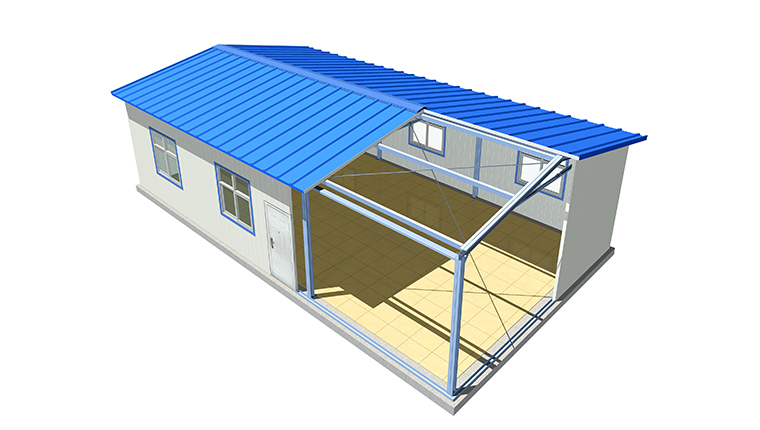
ZA-Type Integrated Houses
Proprietary cold-formed thin-walled steel systems representing advanced prefab technology. These structures feature patented waterproofing systems eliminating traditional self-tapping screw vulnerabilities, achieved through specialized structural design verified in 15+ years of field application. The design accommodates customized floor plans while maintaining manufacturing efficiency and factory quality control.
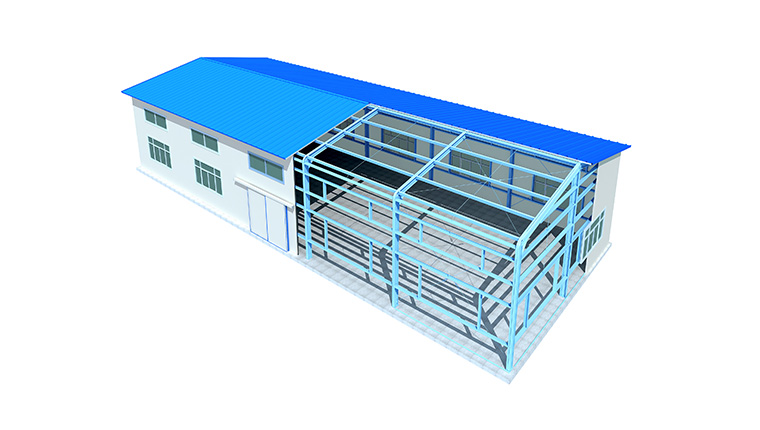
Large-Span Steel Structures (ZM and H-Type)
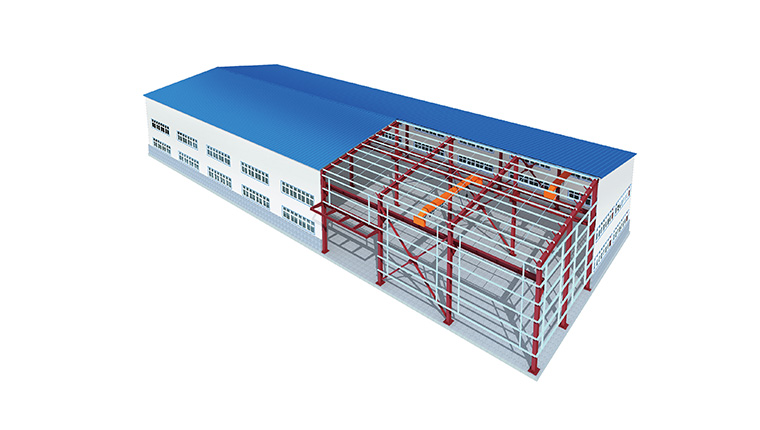
Cold-formed portal frame systems (ZM type) and traditional H-beam structures designed for warehouses, production facilities, and high-volume spaces. These systems span 15-30+ meters, supporting industrial equipment, cranes, and heavy processes. The lightweight construction reduces material costs compared to traditional H-steel alternatives while maintaining full load-bearing capacity.
Global Deployment: Real-World Engineering Applications
Prefab steel frame house systems have enabled some of the world's most demanding infrastructure and resource development projects:
Mining and Resource Extraction
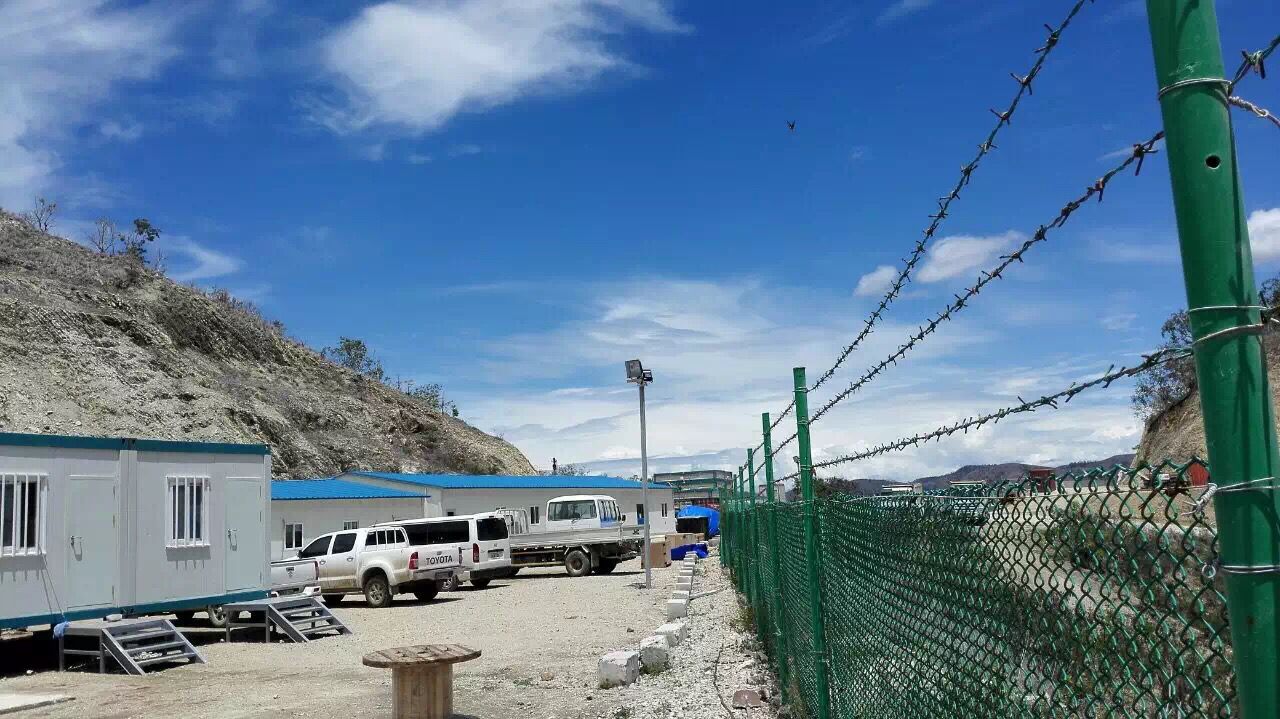
Projects in remote locations—from Mozambique's Palma liquefied natural gas development to Nigerian mineral extraction sites—deploy prefab steel frame camps housing hundreds of workers. These facilities must withstand extreme climates, operate in locations with minimal existing infrastructure, and maintain operational continuity through project phases. Prefabricated solutions enable rapid workforce accommodation and phased expansion matching project schedules.
Transportation Infrastructure
Railway electrification projects, airport expansions, and port development initiatives employ prefab steel frame housing for construction workforce accommodation. The Mombasa-to-Nairobi railway project in Kenya, the Kenneth Kaunda Airport expansion in Zambia, and the Abidjan Port expansion in Côte d'Ivoire all utilized advanced prefab systems to house thousands of workers across multi-year construction phases.
Energy Sector
Large-scale power plant construction—including the Venezuela Central Power Plant Camp spanning 25,800 m², the Dangote Oil Refinery project in Nigeria, and the China-Myanmar pipeline network camps—depend on semi-permanent modular housing systems. These applications require structural reliability under continuous occupancy, durability across extended project timelines, and accommodation for workforce populations exceeding 10,000 workers.
Hospitality and Tourism
Resorts, tourism facilities, and commercial establishments utilize prefab steel frame houses for guest accommodations and operational facilities. The Samrod Castle Hotel Camp project and similar hospitality applications demonstrate that modular construction achieves aesthetic and functional standards equal to traditional resort architecture, with significantly accelerated development timelines.
Technical Specifications and Design Parameters
Modern prefab steel frame houses incorporate standardized technical specifications ensuring reliability across applications:
| Component | Specification | Performance Advantage |
| Frame Material | Hot-dip galvanized cold-formed steel | Superior corrosion resistance; 25+ year durability |
| Insulation (Roof/Walls) | 75-100mm rock wool or glass fiber | R-value 4.5-6.0; meets thermal standards globally |
| Exterior Panels | 0.4-0.5mm color-coated steel sandwich board | Lightweight; weather-resistant; low maintenance |
| Floor System | Raised/elevated structure (300mm clearance) | Moisture prevention; natural ventilation; easy maintenance |
| Roof Connection | Patented bolted system (non-screw) | Eliminates 15-year rain-leakage vulnerability; recyclable |
| Wind Resistance | Category 11 standard; Category 17 with treatment | Suitable for tropical cyclone zones; arctic wind loads |
| Installation Connection | Full bolted assembly (zero on-site welding) | Reduces skilled labor requirement; accelerates timeline |
| Stacking Capacity | 3-story vertical configuration | Maximizes land utilization; reduces site footprint |
Economic Impact and Return on Investment
Prefab steel frame housing delivers compelling economic returns across project lifecycles. A typical engineering camp project—housing 1,000+ workers across 18-24 month duration—experiences cost reductions of 20-35% compared to traditional construction:
Reduced labor: 40-50% lower on-site labor hours (assembly vs. skilled trades)
Accelerated project timing: 12-16 weeks installation vs. 24-36 weeks traditional construction
Transportation efficiency: Up to 5 complete units per 20-foot container reduces logistics costs 30-40%
Reduced foundation requirements: Simplified concrete work (raised floors eliminate extensive ground preparation)
Lower financing costs: Reduced construction duration decreases project carrying costs
Beyond first-cost advantages, prefab steel frame systems enable multiple-use cycles. Components withstand 8-10 complete disassembly/reassembly cycles with 98%+ component retention rates. This reusability generates additional value recovery through future projects, effectively reducing per-use costs through extended component lifecycles.
Sustainability and Future Outlook
The construction industry faces mounting pressure to reduce carbon footprints and environmental impact. Prefab steel frame housing addresses these imperatives through:
Material efficiency: Cold-forming processes minimize waste; precision manufacturing reduces excess material
Steel recyclability: 100% of steel components are fully recyclable; galvanized coating presents no environmental toxicity concerns
Reduced transportation: Standardized modules consolidate shipping; fewer delivery trips reduce fuel consumption and emissions
Site impact: Minimal excavation, reduced water consumption, elimination of on-site waste streams preserve site ecosystems
Energy performance: Advanced insulation packages and factory-applied weatherproofing exceed energy code requirements in most jurisdictions
As sustainable construction becomes regulatory requirement rather than preference, prefab steel frame systems position projects for compliance with emerging environmental standards while reducing life-cycle costs.
Conclusion
Prefab steel frame houses represent the convergence of advanced manufacturing, proven materials science, and construction innovation. These systems deliver uncompromising reliability, exceptional durability, and compelling economics across global applications—from remote resource extraction to world-class hospitality developments. The technology continues advancing through proprietary improvements in waterproofing systems, structural optimization, and customization capabilities while maintaining the core advantages of factory quality, field speed, and cost efficiency.
For organizations planning construction projects in challenging environments, tight timelines, or cost-constrained budgets, prefab steel frame housing merits serious consideration. The documented performance across 100+ countries, thousands of completed projects, and diverse applications demonstrates that this construction method has transitioned from innovative alternative to proven industry standard.
For comprehensive information about prefab steel frame housing solutions, visit https://www.cdph.net/ to explore product specifications, case studies, and project portfolios demonstrating real-world applications and performance validation.




 More
More









![Top Advantages of Modular Construction Explained [2025]](/uploads/upload/images/20250424/0fb390068474145a09a8c0504c73b1d2.png)
 May 09, 2025