Executive Summary
The global energy and mining sectors face unprecedented challenges in workforce logistics, operational sustainability, and rapid project deployment. Traditional construction methodologies consume 18-24 months and generate 30-40% cost overruns, yet modern engineering camps demand accelerated timelines and climate-adaptive infrastructure. This white paper examines how advanced modular housing engineering—specifically Engineering, Procurement, and Construction (EPC) integrated solutions—delivers competitive advantages for large-scale resource extraction and power generation projects across remote, climatically extreme, and geographically dispersed locations.
Chengdong's engineering approach represents a paradigm shift: rather than treating housing as ancillary infrastructure, the company positions modular camps as mission-critical systems engineered to withstand multinational operations, extreme environmental conditions, and complex cross-border logistics. With 25 years of operational heritage, deployment in over 100 countries, and 1,000+ completed engineering camps, Chengdong demonstrates how integrated EPC delivery transforms project economics and operational safety in the energy and mining sectors.
The Engineering Imperative: Why EPC Modular Housing Matters
Industry Context and Operational Challenges
Large-scale mining and energy projects operate under distinct constraints that distinguish them from conventional construction. A copper mining operation in remote Chile, an offshore refinery build in Nigeria, or a high-altitude hydroelectric project in Central Asia each presents unique engineering requirements: workers reside on-site for extended periods (often 6-36 months), infrastructure must accommodate harsh climates, rapid workforce scaling creates logistical bottlenecks, and construction schedules demand 90-120 day completion windows for accommodation camps.
Traditional approaches—modular trailers imported from North America, local concrete structures, or makeshift container conversions—fail these requirements. They lack structural resilience, demand excessive on-site labor, generate high total-cost-of-ownership, and create operational liabilities when workforce turnover or project delays occur.
EPC integrated modular housing represents a fundamentally different engineering model. Rather than procuring components and managing installation separately, EPC combines design engineering, optimized procurement, and systematic on-site construction into a unified delivery process. This integration—executed at enterprise scale with factory prefabrication, purpose-built logistics networks, and expert field teams—delivers both quantifiable cost savings and qualitative operational improvements.
Core Value Drivers: Speed, Cost, and Operational Reliability
Construction Timeline Acceleration: Factory-based prefabrication compresses on-site construction windows from 8-12 weeks to 15-30 days. For mining operations, this translates to faster workforce mobilization, accelerated production ramp-up, and reduced project pre-revenue periods.
Cost Optimization Across Lifecycle: Mechanized production reduces labor costs by 35-50% versus site-built construction. Ocean freight consolidation (packing 5 units into a single 20-foot container) reduces international logistics costs by 40%. Extended product lifespan (25+ years for semi-permanent structures) recovers capital investment across multiple project phases or divestment cycles.
Risk Mitigation: Standardized engineering components reduce design variance, quality control defects, and structural failures. Hot-dip galvanized steel specifications ensure corrosion resistance in coastal or chemically-aggressive mining environments. Modular architecture enables rapid capacity scaling or contraction without site abandonment.
EPC Architecture: Engineering Integration for Global Deployment
Integrated Delivery Model
True EPC modular housing extends beyond transactional procurement. Chengdong's engineering model encompasses six integrated phases:
| Phase | Scope | Key Deliverables |
| Design Engineering | Site assessment, climate analysis, regulatory alignment, structural optimization | 3D designs, technical specs, cost-benefit models |
| Procurement Strategy | Supply chain optimization, material sourcing, logistics routing, inventory management | Bills of materials, vendor contracts, shipping manifests |
| Factory Production | Mechanized manufacturing, quality assurance, component pre-assembly, testing | Prefabricated units, electrical systems, plumbing fixtures |
| Logistics Execution | Consolidation, international freight, customs clearance, inland transport | Container shipping, documentation, delivery tracking |
| On-Site Installation | Foundation preparation, unit assembly, electrical connection, systems commissioning | Assembled structures, functional camps, safety certification |
| Operations Support | Maintenance protocols, repair services, staff training, decommissioning | Service manuals, spare parts availability, eventual site reclamation |
This integrated structure creates dependencies that drive efficiency. For example, design engineering decisions about modularity directly optimize container packing efficiency. Procurement sourcing decisions about cold-formed steel availability inform production scheduling. Logistics routing determines customs processing requirements, which constrain manufacturing release dates.
Technical Engineering Standards
Chengdong's engineering framework employs rigorous structural and environmental specifications:
Structural Performance Standards:
Wind Load Resistance: Category 11 (standard) to Category 17 (hurricane-resistant with reinforcement)
Seismic Compliance: Engineered foundations for variable geological conditions
Load Specifications: Floor live loads 2.0 kN/m², roof loads 0.5 kN/m², wind pressures 0.45-0.5 kN/m²
Foundation Systems: Adjustable concrete-base systems for uneven terrain (critical in mining operations)
Thermal and Environmental Engineering:
Insulation Standards: 75-100mm composite wall panels (rock wool or fiberglass), ceiling and floor insulation matching regional heating/cooling demands
Thermal Coefficients: 0.46-0.64 W/m²K depending on component (industry baseline: 0.3-1.2 W/m²K)
Moisture Management: Drainage systems, vapor barriers, humidity-controlled ventilation
Corrosion Protection: Hot-dip galvanized steel frames (zinc coating 85+ microns), protective top coats
Systems Integration:
Electrical: Prefabricated circuits, industrial plugs (32A connections), capacity for heating/cooling loads
Water Supply: Wall-integrated plumbing, gravity-fed or pump-assisted systems
Drainage: Independent sewage networks (residential vs. industrial segregation), treatment ponds for environmental compliance
Fire Safety: Configurations compliant with GB50140-2005 (Chinese building fire codes adopted in international projects)
Product Portfolio: Engineered Solutions for Energy and Mining Operations
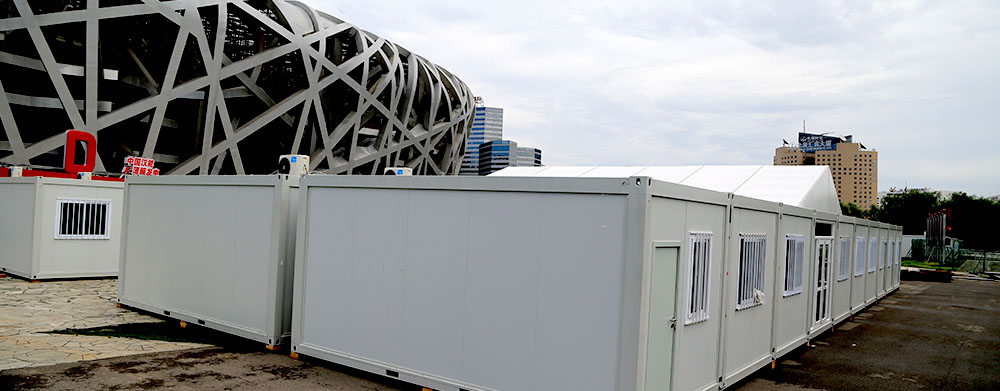
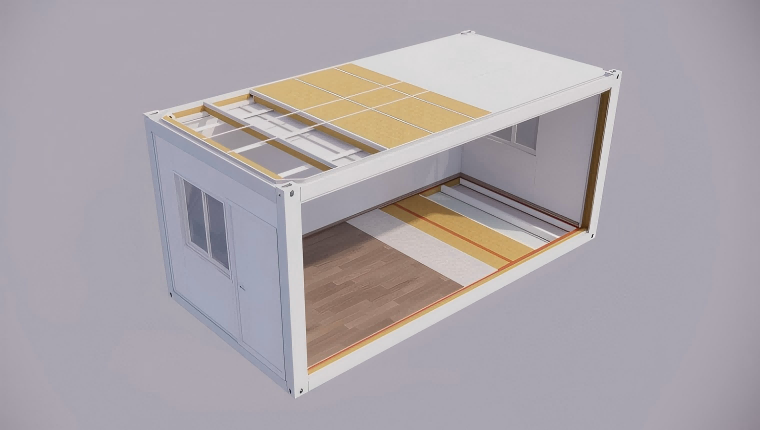
Container houses represent the entry-level EPC solution: standardized steel-frame units optimized for quick deployment and site mobility.
Engineering Specifications:
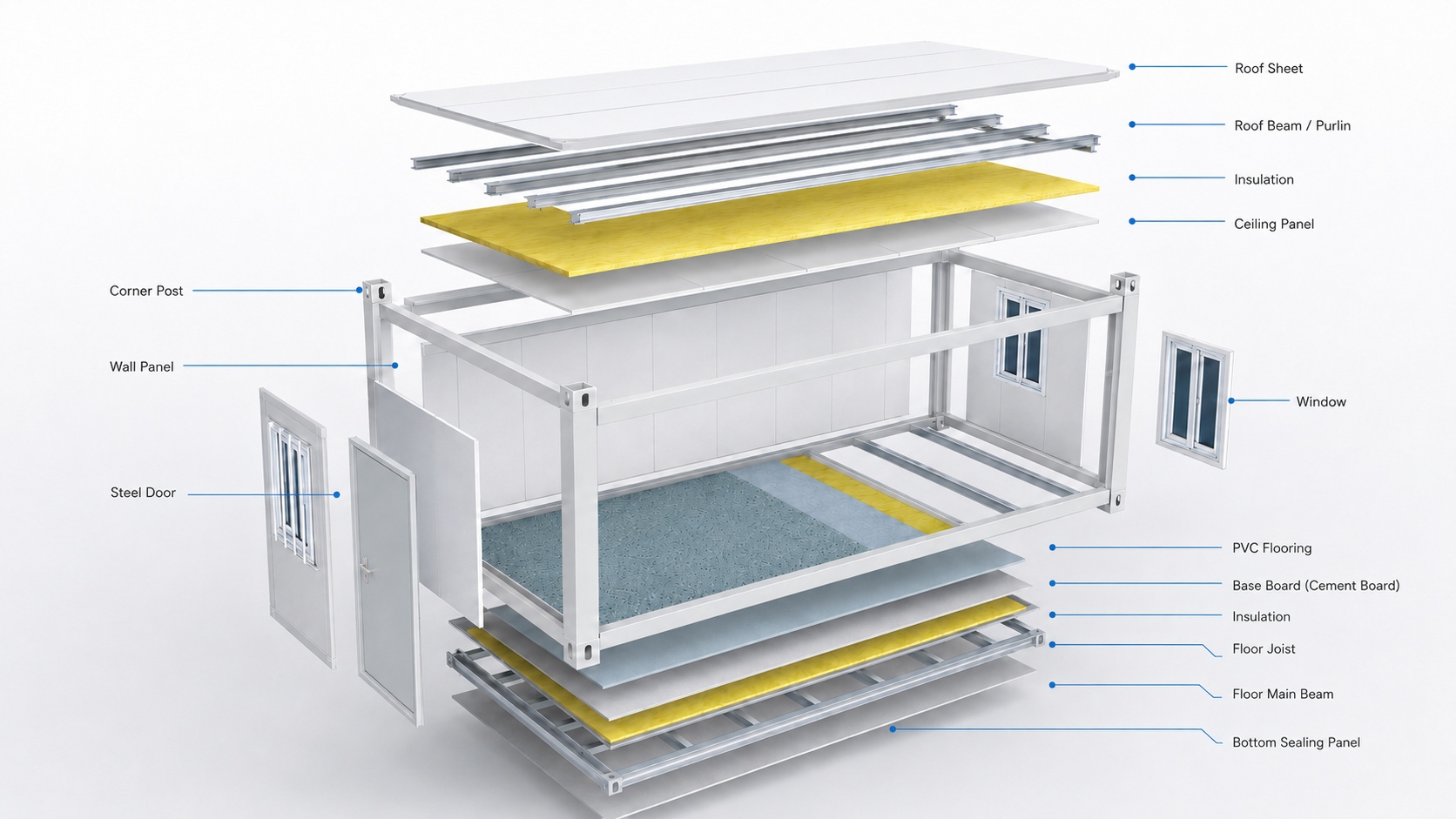
Dimensions: 6055mm L × 2990mm W × 2896mm H (external); 5845mm × 2780mm × 2500mm internal)
Weight: 1,520 kg (gross mass including fixtures)
Structural Frame: Q235 hot-dip galvanized steel, fully bolted assembly
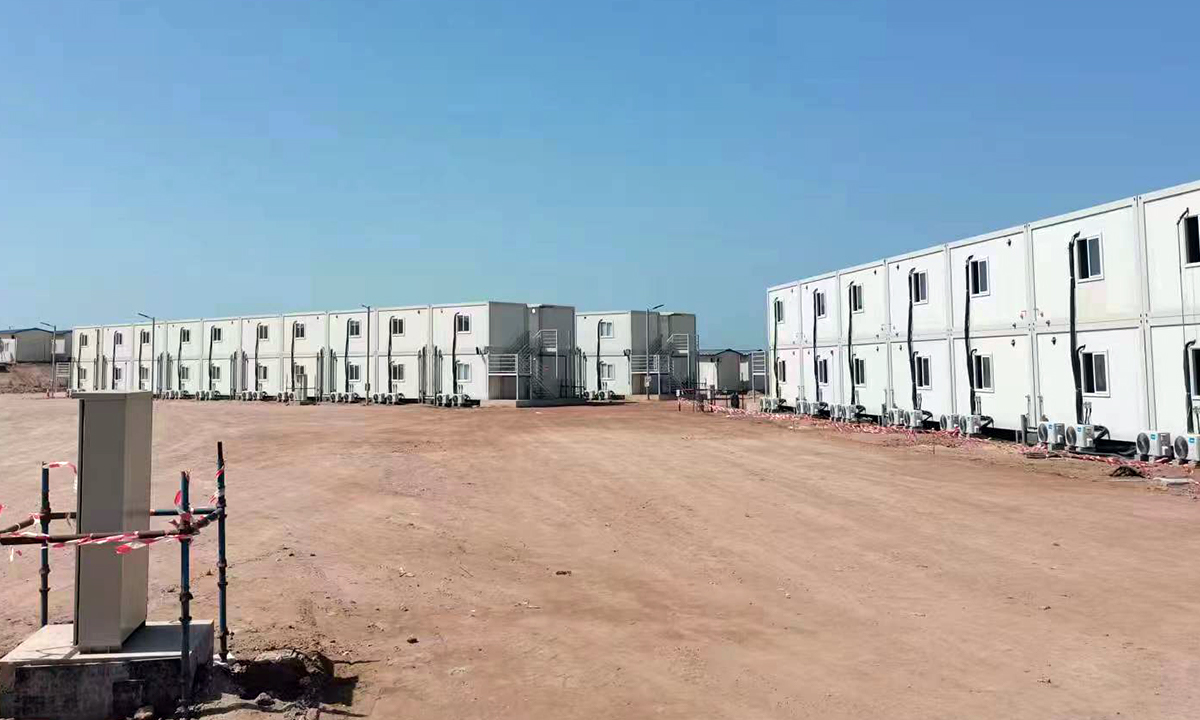
Stackability: Up to 3 layers (enabling vertical expansion for dense sites)
Installation Time: 2-4 hours per unit (including electrical/plumbing connections)
Application Context—Mining Operations:
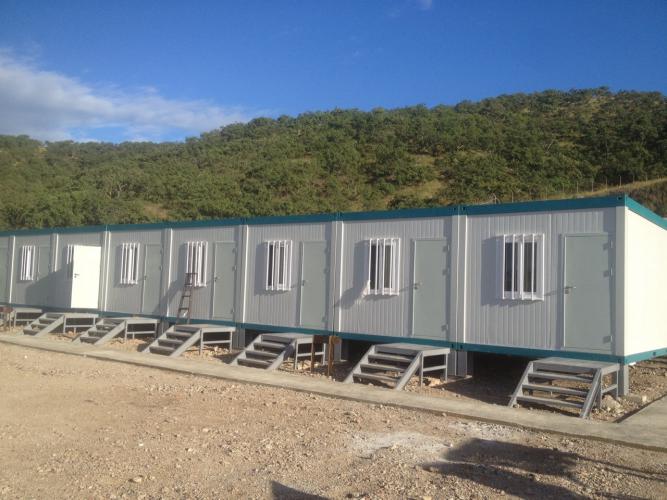
In Nigeria's Plateau State mining operations, container houses enabled rapid site setup at remote locations 6+ hours from urban centers. The ability to move units "as a whole" without disassembly—unique to rigid container structures—meant mining crews could reposition accommodation as extraction zones shifted, reducing operational disruption and extending site utilization. Total deployment: 370 m² installed in 2 weeks (including customs clearance delays).
ZA Type Houses: Patented Modular Engineering
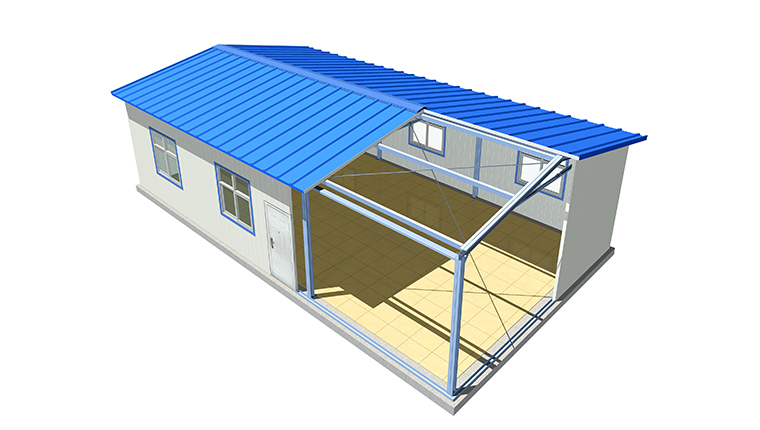
The ZA type house represents proprietary engineering innovation: a cold-formed, hot-dip galvanized steel structure with patented mechanical connections, enabling mass production without welding on-site.
Engineering Differentiation:
Patented Design: Cold-formed thin-walled steel profiles (thickness: 1.5-2.0mm) deliver structural rigidity while minimizing weight (optimal for ocean freight)
Corrosion Resistance: Hot-dip galvanized coating (85+ microns) tested in coastal mining operations (Chile copper mines) and pipeline projects (Myanmar, Chad)
Assembly Speed: Fully bolted connections eliminate on-site welding (reducing skilled labor demand, accelerating timelines)
Customization: Modular bay design accommodates 3-11m spans, variable eave heights (up to 5m), flexible functional layouts
Production Evolution: 5 major technological improvements documented over the product lifecycle, ensuring manufacturing reliability and cost reduction through learning curves.
Application Context—Energy Sector:
In Venezuela's Central Power Plant project (25,800 m² camp), ZA-type housing combined with semi-permanent light steel structures to create a hybrid solution. Early construction phases used portable ZA units for mobile workforce accommodation. As the power plant transitioned to operational phases, semi-permanent structures replaced temporary housing, extending the camp's service life from 2-3 years to 25+ years—fundamentally altering project economics by amortizing capital costs across operational revenues.
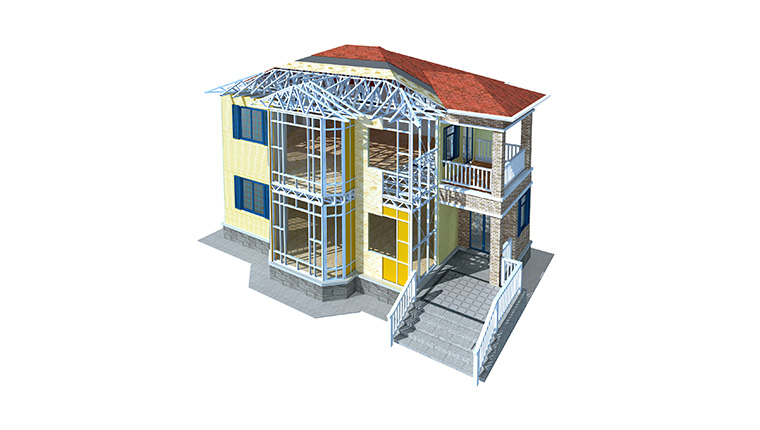
Light steel villa products represent the premium tier: structures engineered for 25+ year service life with hotel-standard finishes, enabling integration with long-term operational facilities.
Engineering Specifications:
Design Lifespan: 25+ years (vs. 2-5 years for temporary structures)
Structural System: Light steel frames (cold-formed sections) with composite infill panels, superior to traditional H-beam systems in transport efficiency and assembly speed
Customization Scope: Layout, material selection, aesthetic finishes tailored to regional climate and operational requirements
Capacity Range: Individual villas to multi-story complexes (2-3 stories documented in Venezuelan and Iraqi projects)
Operational Economics: Semi-permanent villas transform project housing from a construction cost to an operational asset class. A power plant or mining operation can occupy the same infrastructure during construction, ramp-up, and mature operations—with infrastructure amortized across 25 years rather than 2-3 years. Additionally, villas support workforce retention: improved living standards reduce turnover, labor acquisition costs, and operational disruption.
Industrial Steel Structures: Large-Span Production Facilities
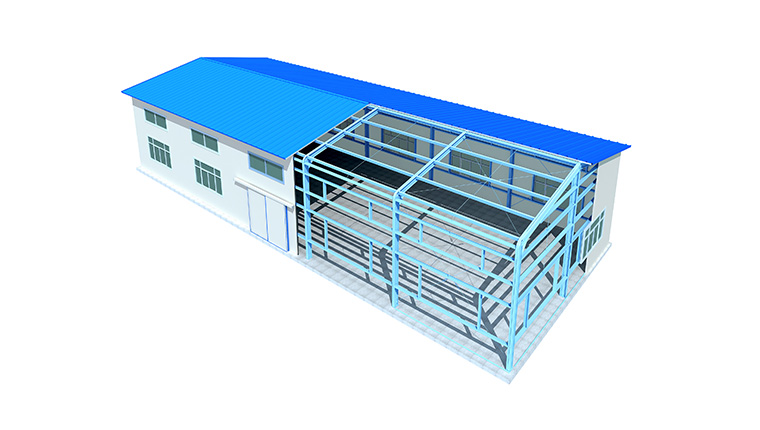
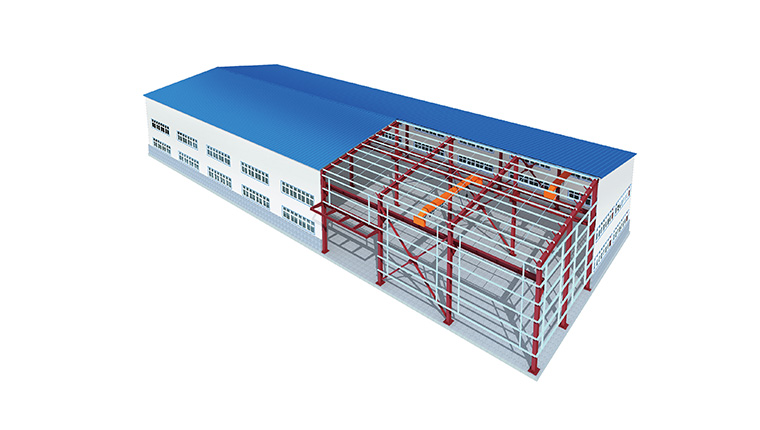
EPC modular housing encompasses not just accommodation but production infrastructure: workshops, warehouses, dining facilities, medical clinics, and administrative complexes.
Engineering Categories:
| Structure Type | Load-Bearing System | Span Capacity | Application |
| M-Type (Cold-Formed) | Portal frame, cold-formed sections | 15-25m | Kitchens, storage, light manufacturing |
| H-Type (Traditional) | H-beam with C-channel purlins | 20-40m | Heavy workshops, warehouses, production facilities |
Application Context—Mining and Energy:
Dangote Oil Refinery (Nigeria), Zambia Airport EPC project, and Iraqi power stations all employed industrial steel structures for camp supporting facilities. These structures absorb production loads (food service for 1,000+ workers, storage for equipment parts, medical/safety facilities) while maintaining the modular assembly advantages of smaller housing units. A dining facility with capacity for 500 workers can be assembled in 15-20 days, enabling rapid workforce scaling.
Cross-Border Delivery Capabilities: Global Engineering Execution
Organizational Network and Localized Expertise
Chengdong's cross-border delivery model combines centralized engineering with localized execution through a subsidiary network:
Global Presence:
Headquarters: Beijing, China (design, engineering, strategic coordination)
Regional Manufacturing Hubs: Sichuan, Xinjiang, Hebei, Wuhan (distributed production for cost optimization)
International Operations: Subsidiaries in Mozambique, Korea, and emerging presences in Indonesia
Field Teams: On-site installation and commissioning teams deployed to 100+ countries
Strategic Advantage: Distributed manufacturing enables regional suppliers' integration (reducing import tariffs, qualifying for local content requirements common in African and South American projects). Local subsidiary operations simplify contract management, currency exchange, and regulatory compliance.
Logistics and Supply Chain Engineering
Cross-border modular housing delivery demands sophisticated logistics orchestration:
Container Optimization:
Standard Consolidation: 5 complete container houses per 20-foot container (vs. traditional method of 1-2 units), reducing per-unit ocean freight costs 40-60%
Component Breakdown: Systematic disassembly into roof, frame, floor, and wall panels (without compromising structural integrity) optimizes cubic space and weight distribution
Customs Coordination: Consolidated manifests, pre-clearance documentation, and staged delivery schedules minimize port delays
Transportation Timeline—Case Study (Somalia Project):
Raw materials → Factory production (14 days) → Consolidation and shipping (4 days) → Ocean transit (21 days) → Customs clearance (3 days) → Inland transport (2 days) → Site assembly (25 days) = 69 days total (5 days ahead of contractual deadline despite regional instability).
Regulatory Navigation and Compliance Framework
Operating in 100+ countries requires systematic compliance engineering:
Regulatory Adaptation:
Design Standards: Projects adopt China codes (GB50140-2005, Chinese seismic standards) or local equivalents (Chilean building codes, Nigerian regulations), with engineering validation for equivalence
Material Certification: International material standards (ISO certifications for steel, insulation materials) facilitate customs clearance and eliminate redundant local testing
Labor Standards: Projects employ local installation labor (reducing visa complexity) with foreign supervision teams, balancing cost control and quality assurance
Risk Mitigation—Political and Geographic Instability:
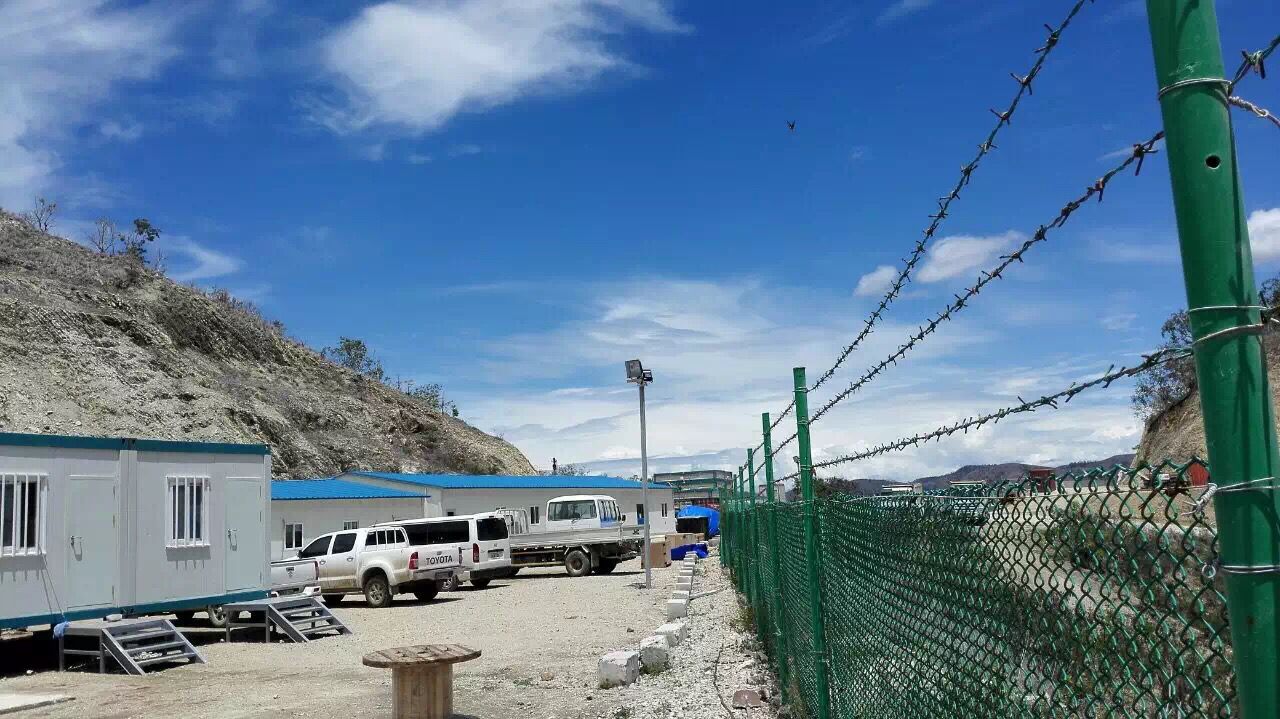
Kano State irrigation project (Nigeria) operated in a high-risk security environment. Chengdong engineered a solution where local workers, under foreign supervision, completed installation in 2 weeks despite armed security requirements limiting travel. The camp itself became a protected facility with 24-hour security (sourced locally), exemplifying how EPC design inherently incorporates operational risk.
Energy and Mining Sector Applications: Strategic Integration
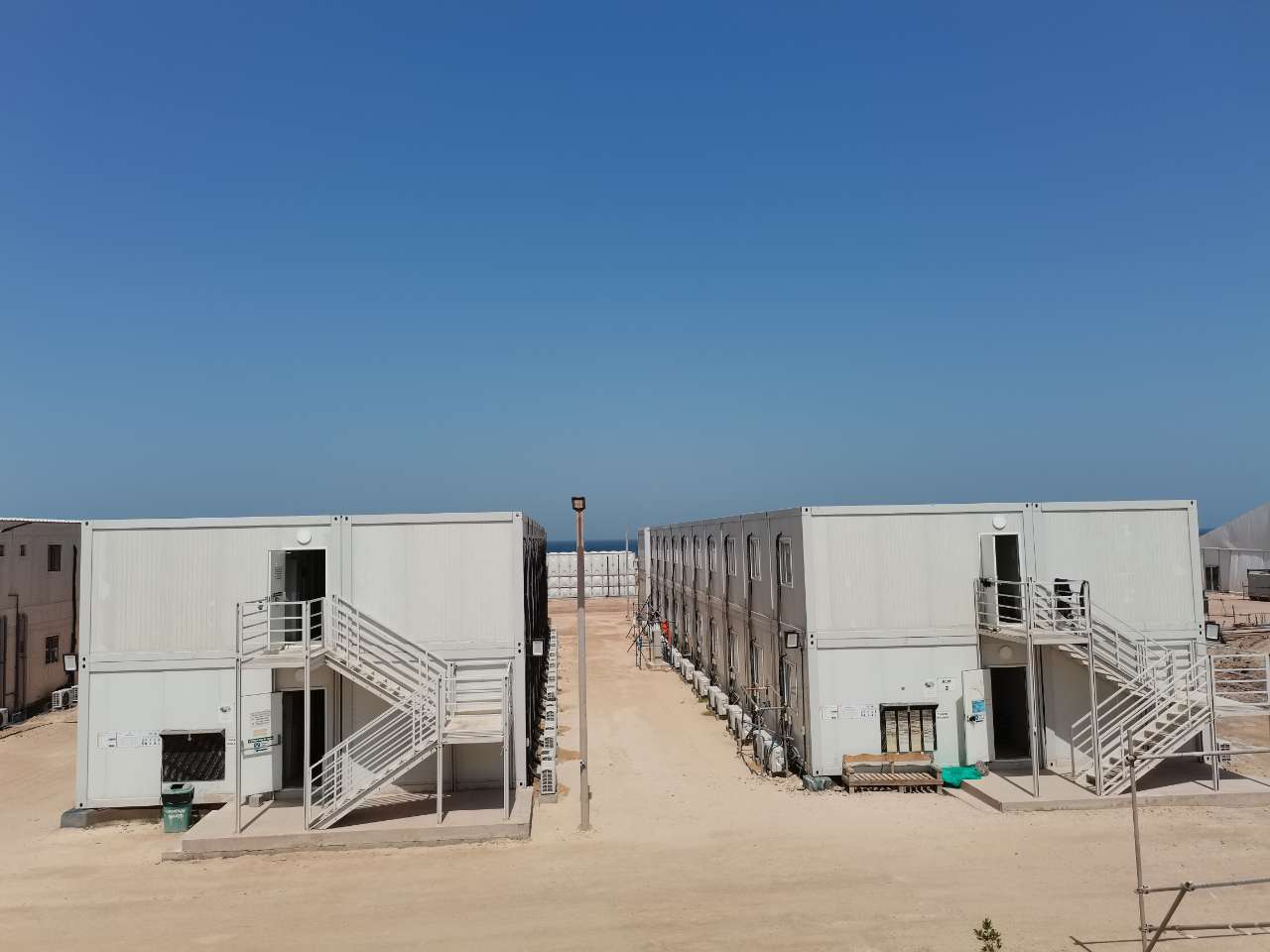
Mining Operations: Rapid Workforce Scaling and Mobility
Operational Requirements:
Mining sites require accommodation for hundreds of workers (200-2,000+) in remote locations, often with fluctuating workforce demands as ore deposits are depleted or mining zones shift. Traditional housing creates "stranded assets" when projects wind down.
Engineering Solutions:
Modular Scalability: Accommodation built as independent units (container or ZA-type houses) enables 20% workforce increase through new units or 20% reduction through unit removal, without site reconstruction
Site Mobility: Container houses' ability to be lifted and relocated without disassembly means accommodation can follow mining operations, maximizing infrastructure utilization
Climate Adaptation: Mining in Chile (high altitude, seismic zones, arid climate), Nigeria (tropical humidity, security challenges), or Mongolia (extreme cold) each demands specialized insulation, structural reinforcement, or security integration—addressed through EPC design customization
Case Study—El Teniente Copper Mine, Chile (1,700-person capacity):
One of the world's largest copper mines operates a camp accommodating 1,700 workers with management villas, worker dormitories, dining facilities, medical clinics, and recreation spaces. The facility operates as a complete town: Chengdong-provided accommodation (ZA-type houses for standard workers, light steel villas for management) integrates with on-site medical, catering, and security infrastructure, managed to hotel standards. This integration directly influences copper production efficiency: improved worker satisfaction reduces turnover (critical in remote locations), supports higher productivity, and reduces accident rates through better living conditions.
Power Generation: Extended Operational Lifespan
Operational Requirement:
Thermal power plants, refineries, and hydroelectric projects operate for 20-40 years. If workforce camps are demolished at project completion, capital recovery depends on compressed 2-3 year timelines. Semi-permanent infrastructure enables capital amortization across operational life.
Engineering Solutions:
Light Steel Semi-Permanent Structures: 25-year design life accommodates construction crews, permanent operational staff, and extended maintenance operations (e.g., major turbine overhauls requiring 200-500 temporary workers for 3-6 month periods)
Modular Scalability for Operational Phases: Construction camps (400-500 workers) transition to operational staffing (80-150 workers) without infrastructure abandonment—management villas and training facilities serve both phases
Industrial Structure Integration: Dining facilities, warehouses, medical clinics, and recreation spaces designed for construction phase peak loads accommodate permanent operational needs with reduced utilization
Case Study—Venezuela Central Power Plant (25,800 m² camp):
Venezuela's Central Power Plant EPC project employed a two-phase infrastructure strategy. Initial construction (2016-2019) used portable ZA-type and light steel villa structures to accommodate 800+ construction workers. As the power plant transitioned to commercial operation (2019+), the same facility houses 150-200 permanent operational and maintenance staff, with infrastructure amortized across construction plus 25+ years of operations. The semi-permanent structure approach transforms what would have been a $4-5M stranded asset (demolished at project completion) into a recoverable capital investment.
Climate Adaptation—Thermal Management:
Iraqi Saharan Power Station project (19,492 m²) in extreme desert conditions required specialized engineering: air conditioning systems customized for 50°C+ ambient temperatures, reflective roof finishes to minimize solar gain, and passive ventilation design reducing energy consumption. These specifications, determined during EPC design phase, reduce operational energy costs by 20-30% versus standard designs.
Integrated Camp Infrastructure: Ecosystem Approach
Modern energy and mining camps function as complete operational ecosystems, not isolated housing. EPC modular solutions encompass interconnected systems:
| Facility Type | Engineering Scope | Operational Impact |
| Accommodation | ZA houses, container units, light steel villas | Worker comfort, retention |
| Food Service | Large-span steel structures, kitchens, storage | Operational continuity, worker morale |
| Medical/Safety | Modular clinic units, isolation capacity | Emergency response, workforce health |
| Recreation | Multi-purpose pavilions, sports facilities | Psychological well-being, retention |
| Administration | Office modules, conference facilities | Project management, stakeholder hosting |
| Environmental | Water treatment, sewage systems, waste management | Regulatory compliance, local relations |
Engineering Integration Benefit: When all camp components follow EPC principles (standardized design, factory prefabrication, integrated logistics), installation timelines compress, quality standardization improves, and total cost-of-ownership declines by 25-35% versus heterogeneous procurement (separate vendors for housing, food service, medical, etc.).
Competitive Advantages: Why EPC Modular Housing Outperforms Alternatives
Cost Competitiveness: Detailed Breakdown
| Cost Factor | Traditional On-Site | EPC Modular | Savings |
| Labor (per m²) | $180-250 | $80-120 | 50-60% |
| Materials | $150-180 | $120-150 | 15-25% |
| Logistics | $40-60 per m² | $20-30 per m² | 40-50% |
| Timeline | 120-180 days | 30-45 days | 60-75% reduction |
| Quality Rework | 8-12% of labor cost | 2-3% of labor cost | 75-80% reduction |
| Total Installed Cost | $370-490 per m² | $220-300 per m² | 35-45% |
The cost advantage stems from cumulative efficiency gains: factory automation, supply chain consolidation, component standardization, and elimination of on-site trade coordination.
Quality and Reliability: Standardization Benefits
Factory Quality Control vs. Site-Built:
Prefabrication occurs in controlled environments (temperature, humidity, lighting) eliminating weather delays and environmental degradation
Standardized component dimensions enable consistent assembly without field adjustments or rework
Pre-testing of electrical, plumbing, and mechanical systems before shipping eliminates on-site commissioning delays
Hot-dip galvanization applied consistently at factory scale, vs. variable spray-applied coatings on-site
Documented Reliability: Chengdong's 25-year product lifespan claim rests on corrosion testing, structural analysis, and operator testimonials from projects deployed 10-15 years ago. Light steel villas in Venezuelan power plants (operational since 2019) and Chilean copper mines demonstrate durability across tropical, arid, and high-altitude climates.
Speed and Schedule Certainty
Traditional construction's greatest weakness is schedule uncertainty. EPC modular housing achieves schedule certainty through:
Front-Load Engineering: Site conditions, local regulations, and climate requirements are engineered pre-manufacturing, eliminating on-site discoveries that delay construction
Parallel Processes: While manufacturing proceeds, logistics coordination and site preparation occur simultaneously, compressing critical path
Predetermined Assembly Sequences: Standardized units follow documented installation sequences, reducing decision-making on-site
Weather Independence: Factory production continues regardless of site conditions; on-site assembly requires only 15-30 days of favorable weather (achievable even in monsoon regions through appropriate timing)
Implementation Framework: Selecting Modular Housing Solutions
Project Evaluation Matrix
Not all projects warrant EPC modular housing. Strategic selection requires evaluating:
| Factor | Favorable for Modular | Unfavorable for Modular |
| Duration | 18+ months construction + operations | <12 months, single phase |
| Workforce Scale | 300+ workers | <100 workers |
| Site Remoteness | High (limited local services) | Low (urban or semi-urban) |
| Local Labor Availability | Limited skilled trades | Abundant skilled construction labor |
| Climate Severity | Extreme (high cold, heat, humidity) | Temperate |
| Regulatory Complexity | Complex (multiple jurisdictions) | Straightforward |
| Operational Phase | Planned (camp becomes permanent facility) | Construction-only |
Application Rule: Projects requiring workforce accommodation in remote locations for extended periods (mining, energy) with operational phases favoring modular solutions are ideal candidates. Conversely, short-duration construction projects in developed areas with abundant skilled labor may achieve lower costs through traditional methods.
<




 More
More









![Top Advantages of Modular Construction Explained [2025]](/uploads/upload/images/20250424/0fb390068474145a09a8c0504c73b1d2.png)
 May 09, 2025