Introduction: Why “Modular vs Prefab” Matters
The terms “modular” and “prefab” appear everywhere in modern construction, from worker camps and schools to emergency housing and commercial offices. Many project owners search for “difference between modular and prefab” because they want fast, cost‑effective buildings but are not sure which system actually fits their needs.
This article explains what prefabrication really means, where modular buildings fit within the prefab family, and how to choose the right solution for your next camp, housing project or facility. Examples refer to the integrated camp solutions and modular products provided by Chengdong Housing at https://www.cdph.net/.
What Does “Prefab” Really Mean?
“Prefab” is short for prefabricated construction, a method where structural components or complete space units are produced in a factory and then transported to the project site for rapid assembly. Instead of building everything from scratch on site, many processes—cutting, welding, painting, insulation and interior fit‑out—are completed in a controlled industrial environment.
In practice, prefab is an umbrella term that covers multiple product types and structural systems. Typical examples used in engineering camps and international projects include:
Container houses and box houses (including cold‑resistant, desert, plateau types)
Modular houses and modular camps
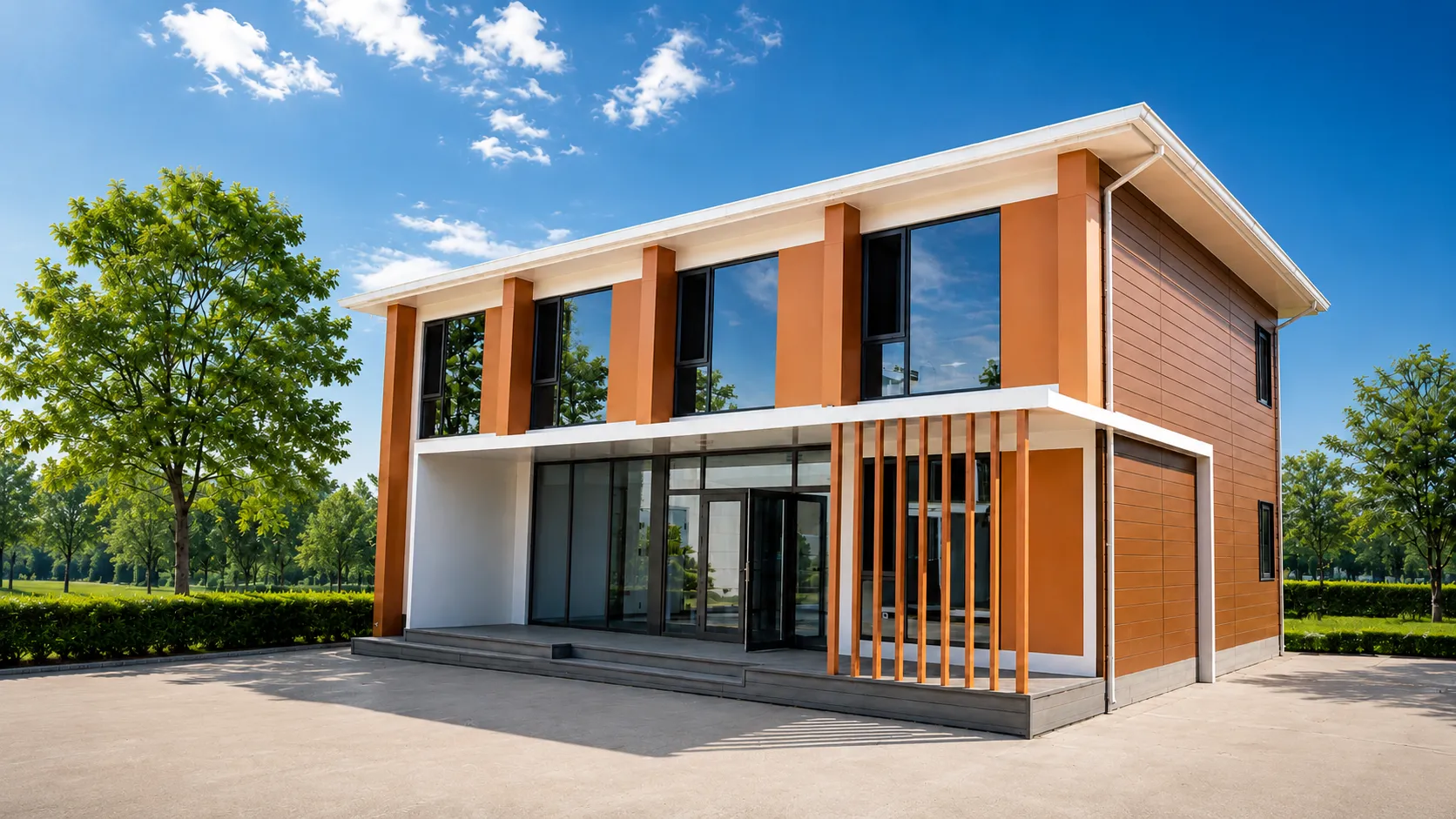
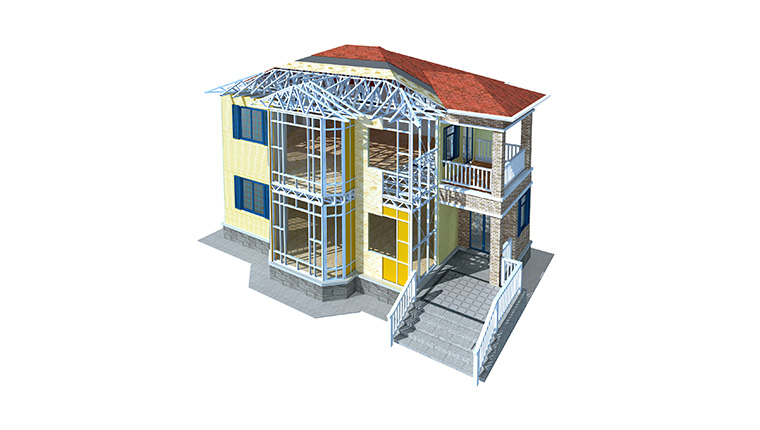
Light steel villas and eco homes
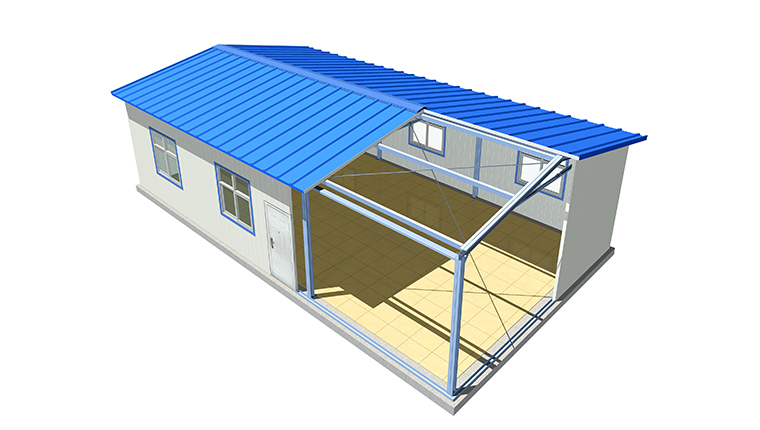
Panelized houses and light steel structures
Specialized prefab units such as integrated bathrooms and water‑treatment equipment
All these solutions share the same principle: shift as much work as possible from the construction site into an efficient factory, then assemble quickly on site with standardized components.
What Is a Modular Building?
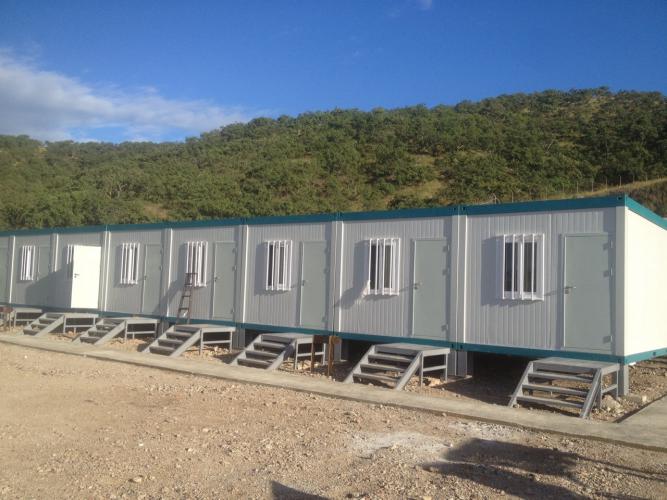
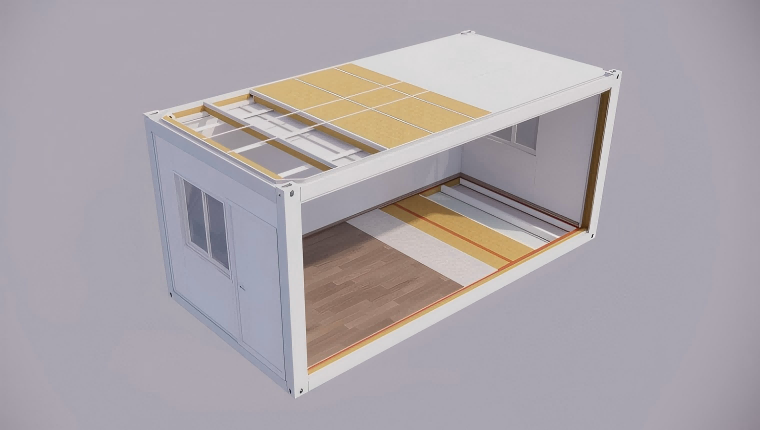
A modular building is a specific type of prefabricated construction that uses volumetric modules—three‑dimensional units that leave the factory with floors, walls, roofs and often interior finishes already integrated. These modules are transported to the site and connected side‑by‑side or stacked vertically to create complete buildings such as offices, dormitories, canteens, clinics or whole camps.
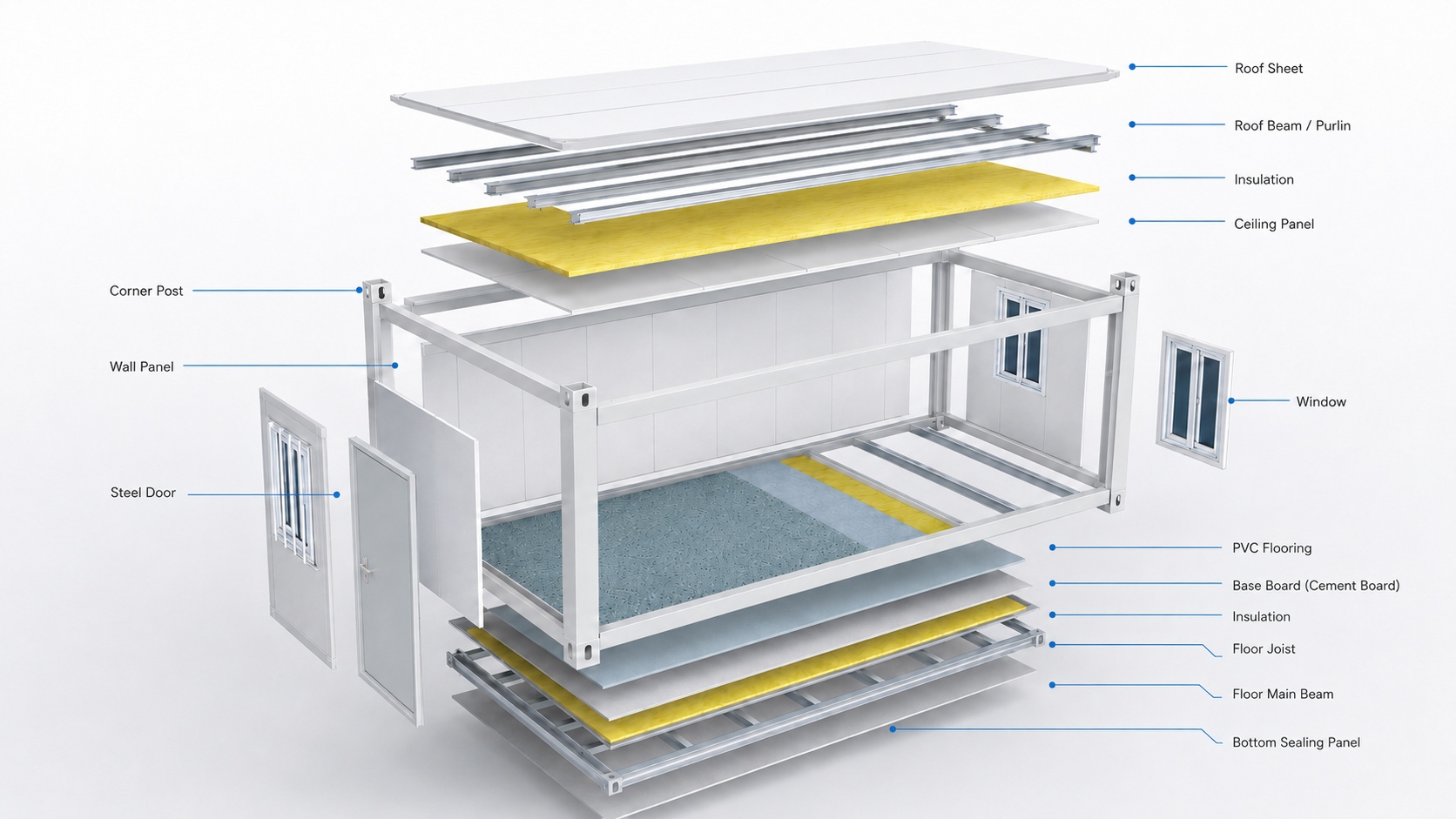
Chengdong Housing, for example, manufactures standardized modular units (including 20‑foot, 27‑foot, 38‑foot and 45‑foot box‑type modules) with hot‑dip galvanized steel frames, sandwich‑panel walls, integrated floors and roofs, and preinstalled doors and windows. A single module can serve as an independent office or bedroom, while multiple modules can be combined into multi‑storey complexes for large construction or mining camps.
Well‑designed modular buildings can be used as either temporary or long‑term facilities, and they can meet international structural, fire and thermal performance standards when engineered correctly.
Modular vs Other Types of Prefab
Because “prefab” is a broad category, understanding what modular is requires comparing it with other common prefabricated systems used in global projects.
Modular vs Container House
Container houses (or box houses) are factory‑built units based on standardized steel frames similar to shipping containers, often following ISO‑like dimensions such as 20‑foot or 40‑foot lengths. In Chengdong’s product system, container houses and box houses are tailored with reinforced structures, high‑performance insulation and specialized detailing for different climates, such as cold‑resistant, plateau or desert environments.
Functionally, both container houses and modular units are volumetric and can be combined to form larger buildings, but container products usually emphasize robustness and transportability, while modular systems may focus more on flexible planning and multi‑storey layouts.
Modular vs Panelized / Light Steel Prefab
Panelized or light steel prefab systems ship walls, floors, roofs and other elements as flat panels that are assembled on site into a three‑dimensional structure. Light steel villas and similar systems often use light‑gauge steel framing and sandwich or insulation panels that are cut and finished in the factory, but require more manual assembly and wet trades at the project location.
By contrast, modular buildings deliver pre‑finished volumetric units where 80–90% of structural, enclosure and internal fit‑out work can be completed inside the factory, including floors, wall finishes and basic MEP reservations. This higher level of completion reduces site labor and makes project timelines more predictable, which is critical for remote engineering camps or projects with strict schedules.
Modular vs Other Off‑Site Systems
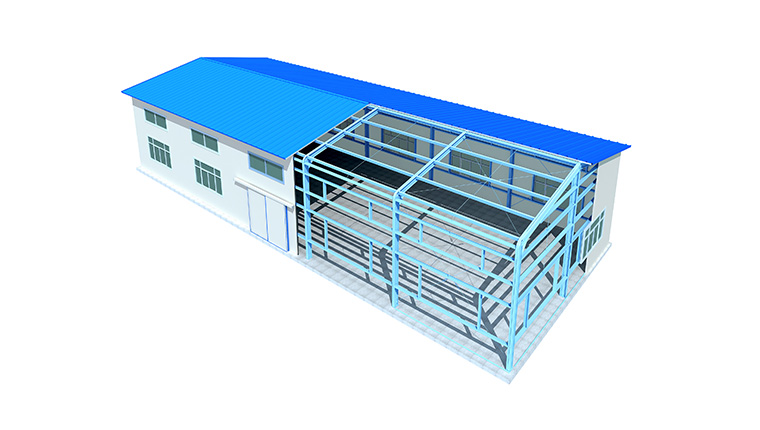
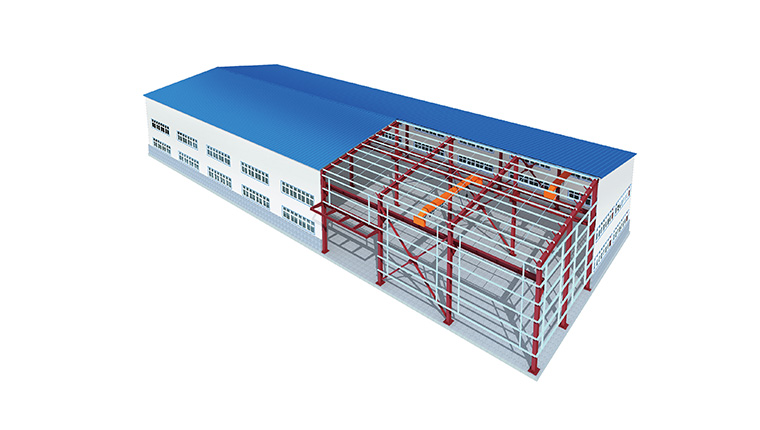
Beyond container, modular and panelized prefab, global markets also use manufactured homes, mobile homes, steel structure halls and hybrid solutions that combine steel frames with various enclosure systems. All these methods are part of the prefabrication family, but they differ in how much is finished at the factory, how easily they can be relocated and how they meet regional building codes.
Key Differences Between Modular and Prefab
Because modular buildings sit inside the broader prefab category, the real question is not “modular or prefab” but “which prefab system fits this project.” The following aspects help clarify that choice.
Scope of the Term
“Prefab” describes the overall method of manufacturing building components off site, covering container houses, modular houses, light steel villas, eco homes and many other systems. “Modular” is a more precise term that usually refers to volumetric modules or modular houses within that family.
When customers search for “prefab house,” they typically see a wide mix of solutions—shipping container conversions, flat‑pack houses, steel villas and modular units—while “modular house” narrows the results to products explicitly designed as modular buildings.
Design Flexibility and Layout
Modular buildings achieve flexibility by combining standardized units in different directions—side‑by‑side, end‑to‑end and vertically stacked—so designers can create office blocks, dormitory wings, canteens and recreation areas from the same base modules. Chengdong’s camp solutions use this modular logic to form complete “nine‑system” camps that integrate building, water, power, safety and environmental infrastructure into a coherent plan.
Other prefab systems can also be flexible, but panelized houses and some container configurations may follow more rigid grids or typical layouts that suit standard housing rather than complex multi‑functional camps. When a project calls for phased expansion or frequent reconfiguration, modular units often provide more convenient options for adding or removing space.
Construction Speed and On‑Site Work
Both modular and other prefab methods aim to reduce on‑site time, but the degree differs.
In modular projects, modules can be produced in the factory in parallel with site foundations, then craned into place and connected, dramatically shortening the total schedule.
In panelized or light steel prefab, more assembly, fitting and finishing must still happen on site, which increases dependency on local labor, weather and site conditions.
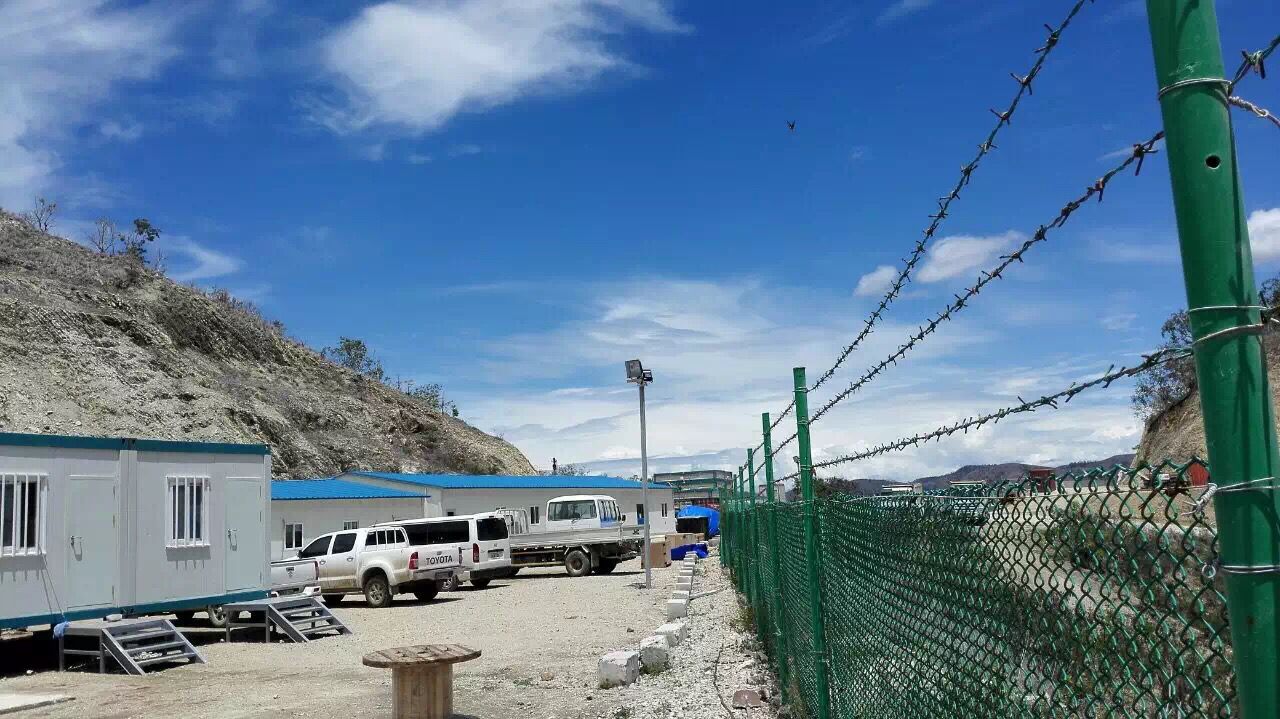
For remote project camps—such as hydropower, mining or port expansion sites where Chengdong has delivered solutions—accelerated installation and minimal wet work are major advantages of modular or box‑type systems.
Quality Control, Durability and Codes
Because modular buildings and high‑end container houses are manufactured in a factory, quality control can follow strict procedures and international standards for welding, corrosion protection, thermal performance and structural safety. Chengdong’s systems, for example, use hot‑dip galvanized steel, high‑performance insulation layers and sandwich panels tested to relevant GB and international norms, with ISO9001, ISO14001 and OHSAS18001 certifications supporting product and management quality.
Simpler prefab structures that rely heavily on local assembly may show more variability in workmanship, especially where on‑site supervision and technical capacity are limited. For long‑term or harsh‑climate projects—such as cold‑resistant camps rated down to minus 50 degrees Celsius—engineered modular or box‑type solutions with verified performance are usually the safer choice.
Cost, Lifecycle and Reusability
At first glance, basic prefab cabins or flat‑pack houses often have a lower upfront unit price than fully modular buildings because they contain less factory‑installed material and finishing. However, total cost of ownership depends on installation time, labor cost, durability, energy performance, maintenance and whether the building will be reused.
Modular units and engineered container houses are designed for multiple cycles of installation, dismantling, relocation and reinstallation, with structures, connections and finishes that can withstand repeated use. For clients operating many projects over years, being able to relocate whole modules or entire camps can offset higher initial investments and significantly reduce waste.
When to Choose Modular vs Other Prefab
For many buyers, the real decision is not theoretical—it is about selecting a building system that matches budget, schedule, performance and future plans. The following scenarios provide a practical guide.
Choose Modular (or Box‑Type Modular) If…
The project needs to deliver a medium‑to‑large facility quickly: construction camps, LNG camps, hydropower project housing, schools, clinics or offices where delays are costly.
The site is remote, with limited skilled labor and harsh climate conditions, making factory completion and system reliability more important than lowest first cost.
There is a strong possibility of relocation, expansion or reconfiguration, for example when contractors move from one large project to another and want to reuse their camp assets.
The client expects building performance close to permanent construction in terms of comfort, safety, insulation and environmental impact.
Chengdong’s modular housing systems and integrated nine‑system camp solutions are designed precisely for these kinds of engineering projects in over 100 countries.
Choose Other Prefab Solutions If…
The budget is extremely constrained and the main need is basic shelter, storage or simple facilities for a short period.
The project scale is small, such as a few single‑storey houses or temporary outbuildings where sophisticated modular logistics are not justified.
Local labor and materials are cost‑effective and easily available, making panelized assembly an economical option.
Even in these cases, using factory‑produced components—such as integrated bathrooms, LED lighting packages or water‑treatment units—can still upgrade quality and simplify site work within a more basic prefab scheme.
Real‑World Applications in Global Project Camps
International engineering projects illustrate how modular and other prefab technologies work in practice. Over the past decades, Chengdong Housing has delivered more than a thousand camps in over a hundred countries for hydropower projects, port expansions, large bridges, mining operations and industrial plants.
These camps typically combine:
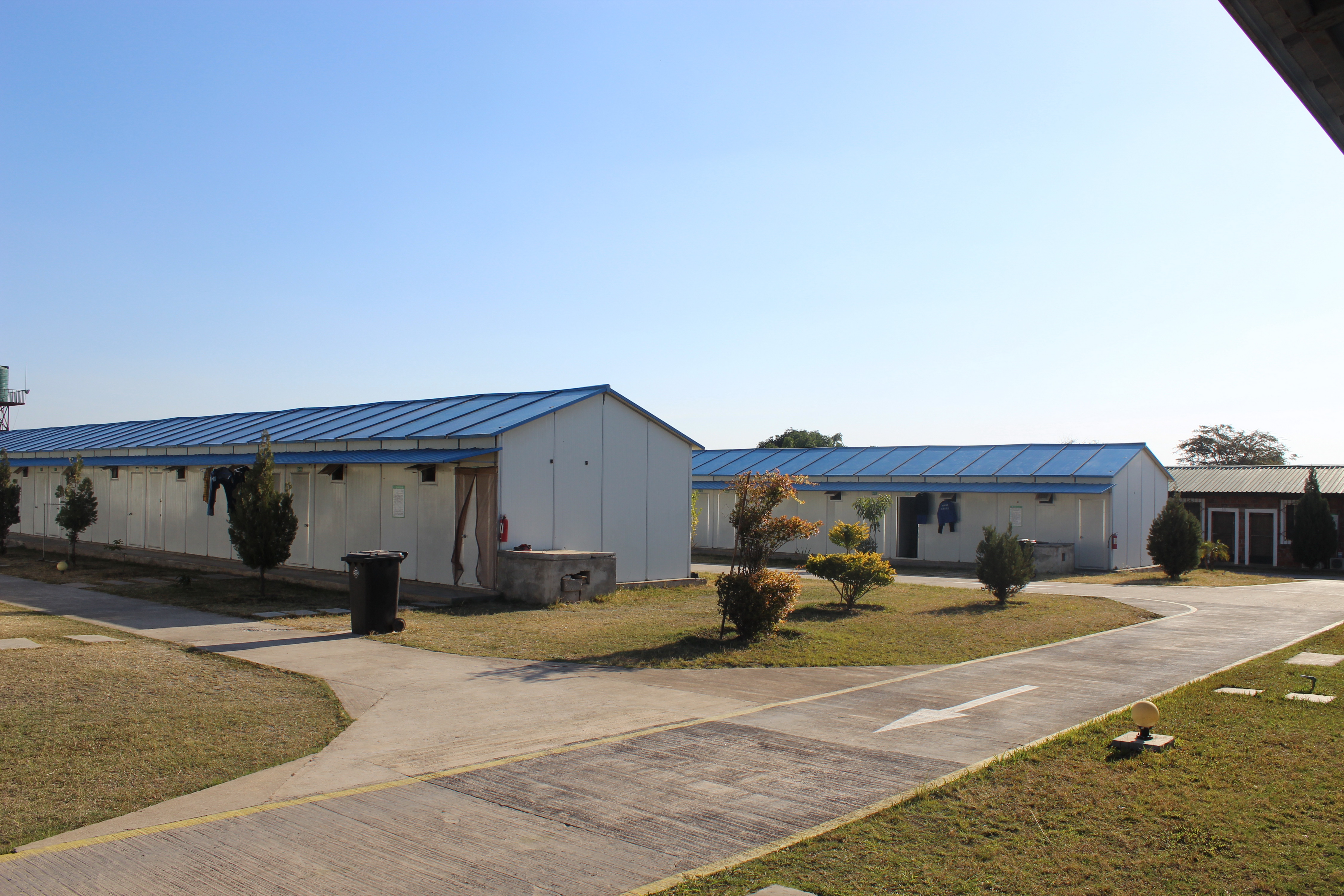
Modular or box‑type buildings for offices, accommodation, dining halls, clinics and recreation
Prefab systems for supporting infrastructure such as water supply and drainage, fire‑fighting, power distribution, roads, landscaping and environmental protection
Specialized prefabricated units such as integrated bathrooms and packaged wastewater‑treatment plants that can be installed quickly and reused in future projects
By planning the camp as a whole and selecting appropriate prefab technologies for each function, project owners gain safe, comfortable and sustainable living and working environments for thousands of workers far from urban centers.
FAQ: Quick Answers About Modular vs Prefab
Is a modular house a type of prefab house?
Yes. Modular buildings are one category within the larger prefabricated construction family, alongside container houses, panelized houses and light steel villas.
Are modular buildings more expensive than other prefab options?
Unit prices for modular buildings are often higher than for basic flat‑pack or simple cabins, but total project cost can be lower once faster installation, reduced site labor, better durability and reusability are considered.
Can modular buildings be used as permanent facilities?
When engineered and installed correctly, modular buildings can meet structural and thermal performance requirements similar to conventional buildings, and they are widely used for long‑term offices, schools and accommodation.
Are container houses modular?
Many modern container houses and box houses are modular in the sense that they are volumetric units designed to be combined into larger buildings, but they follow container‑like dimensions and may emphasize transportation and robustness.
How do I choose between modular and other prefab systems?
Define your project priorities—speed, budget, location, expected lifespan, comfort level and potential relocation—then match them to the characteristics of each system; modular suits demanding, time‑critical, reusable projects, while simpler prefab solutions fit small, cost‑sensitive and short‑term needs.
By understanding that modular is a specialized, high‑integration form of prefabrication rather than a completely separate concept, decision‑makers can select smarter building strategies for their camps, housing and facilities, and fully leverage the advantages of modern off‑site construction technologies offered by providers such as Chengdong Housing at https://www.cdph.net/.




 More
More










![Top Advantages of Modular Construction Explained [2025]](/uploads/upload/images/20250424/0fb390068474145a09a8c0504c73b1d2.png)
 May 09, 2025