Why Modular Workforce Housing Matters for Today’s Projects
Modular workforce housing has become a strategic necessity for large hydropower, mining, and infrastructure projects in remote, harsh environments. Owners and EPC contractors must accommodate hundreds or even thousands of workers quickly, safely, and cost‑effectively, often in regions with extreme temperatures, high winds, difficult terrain, and limited local construction capacity. Traditional brick‑and‑mortar solutions are too slow and inflexible, while ad‑hoc camps built from local materials struggle to meet modern safety, ESG, and worker‑welfare expectations.
Modular workforce housing solves these pain points by using factory‑built container houses and prefabricated buildings that can be shipped in bulk, installed fast, and relocated as the project evolves. CDPH (Chengdong Modular House) focuses on integrated camp solutions for global engineering projects and has delivered more than a thousand modular camp projects across over 100 countries, including South America, Africa, the Middle East, and Asia.
South America: Hydropower Projects in Windy, Cold and Remote Regions
South America presents a very specific set of challenges for modular workforce housing. Hydropower plants are often built in remote valleys or plateaus with strong winds, low temperatures, long rainy seasons, and complex soil and hydrological conditions. Construction schedules are tight, yet access roads are narrow and unstable, and the logistics distance from ports to site can easily exceed hundreds of kilometers.
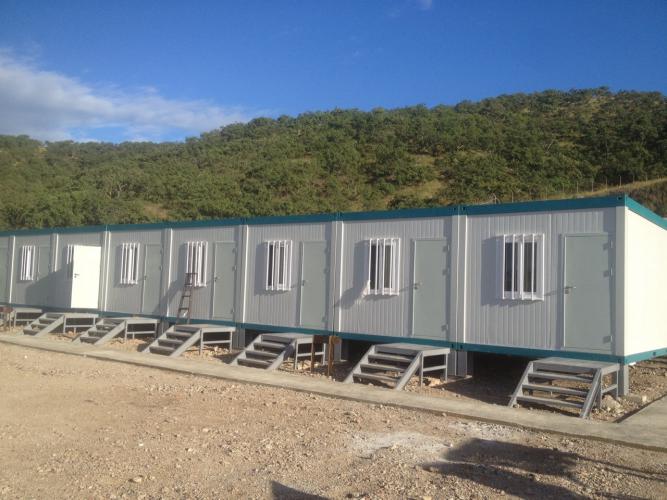
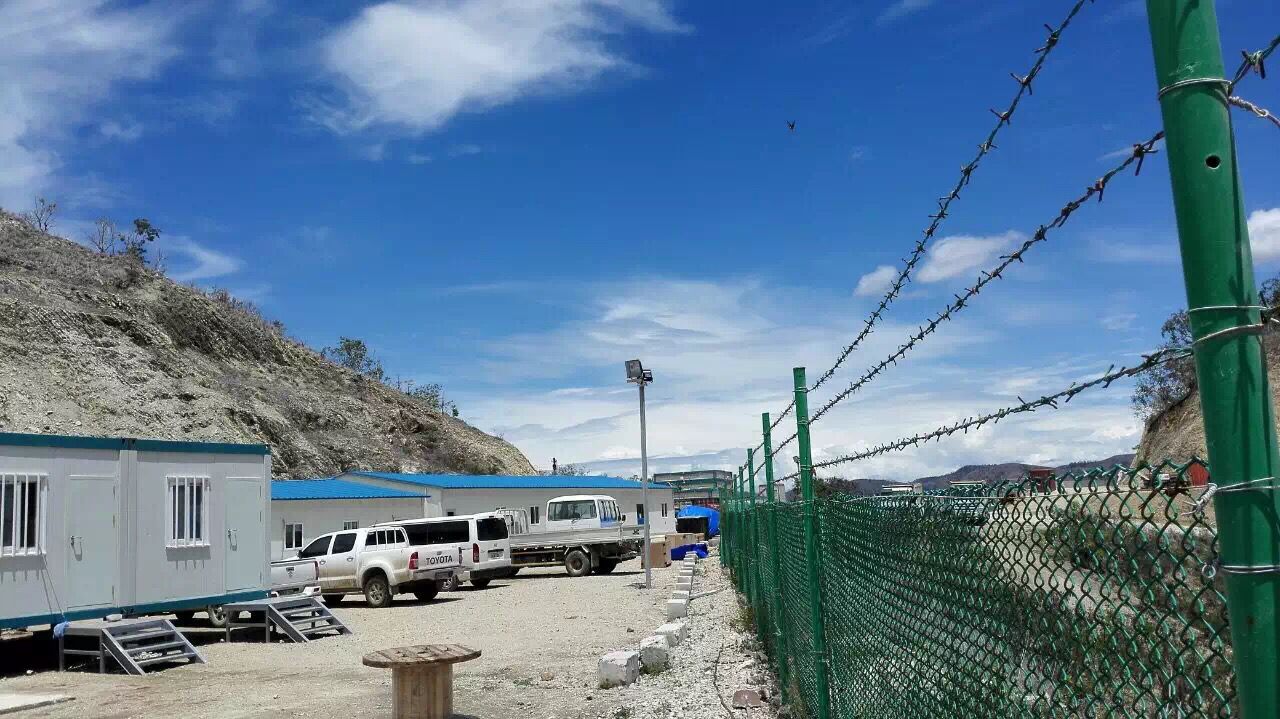
In this context, a conventional camp built on site can hardly ensure structural safety, thermal comfort, or efficient installation. CDPH addressed these issues in its “Engineering for Modular Housing: Hydropower Camps in South America” project, where modular workforce housing formed the backbone of a large hydropower construction camp in Santa Cruz, Argentina. The camp needed to withstand high winds, deliver comfortable dormitories and support buildings, and be deployable in stages aligned with construction phases.
You can explore this hydropower camp solution in detail in CDPH’s official case center: Engineering for Modular Housing: Hydropower Camps in South America:https://www.cdph.net/case-center/engineering-for-modular-housing-hydropower-camps-in-south-america
What Is Modular Workforce Housing in an EPC Camp?
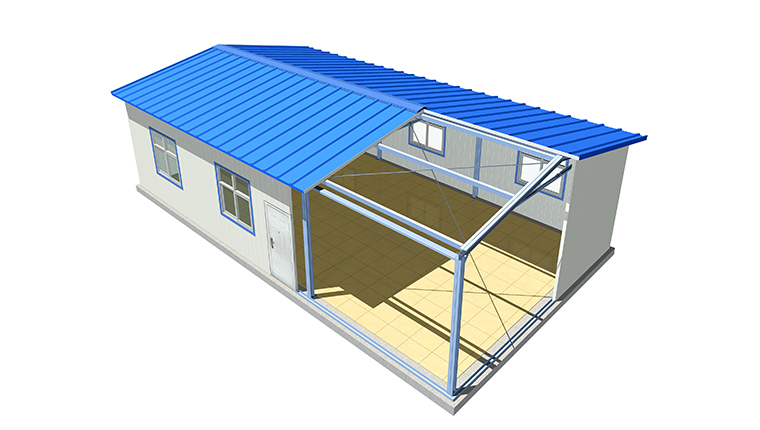
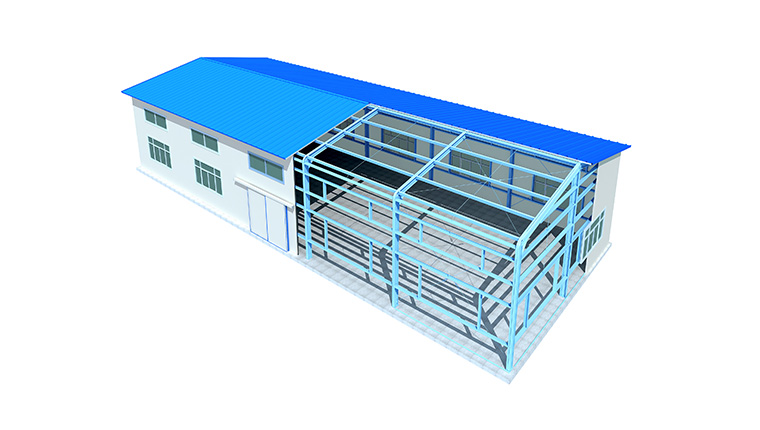
Modular workforce housing refers to prefabricated, factory‑built units—primarily container houses and light steel modular buildings—designed to be combined into complete worker camps. In a typical EPC camp, modular housing covers:
Dormitory buildings for workers and staff
Canteens, kitchens and cold storage
Offices and control rooms
Clinics and first‑aid stations
Recreation, prayer and social spaces
Warehouses, workshops and guardhouses
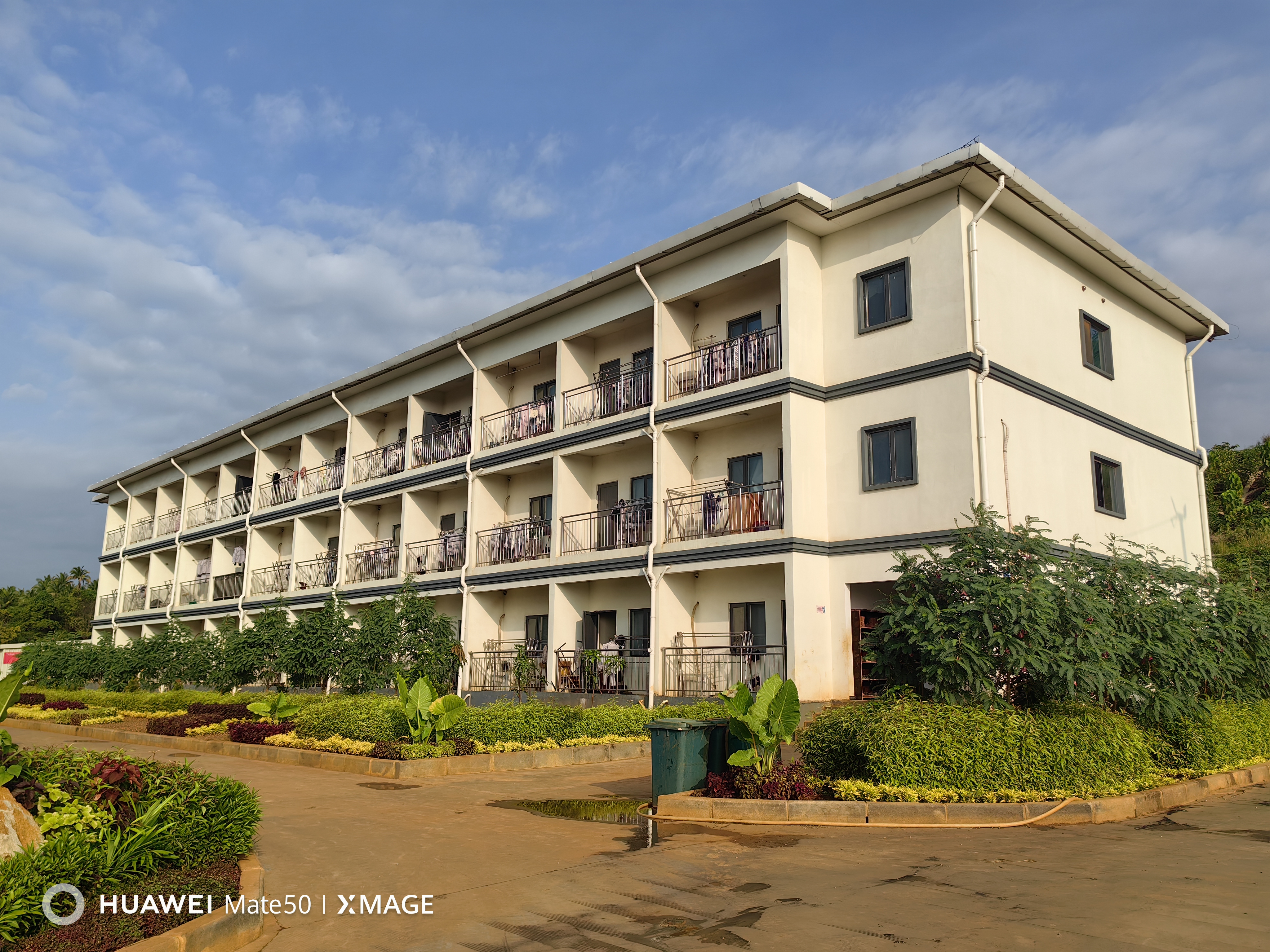
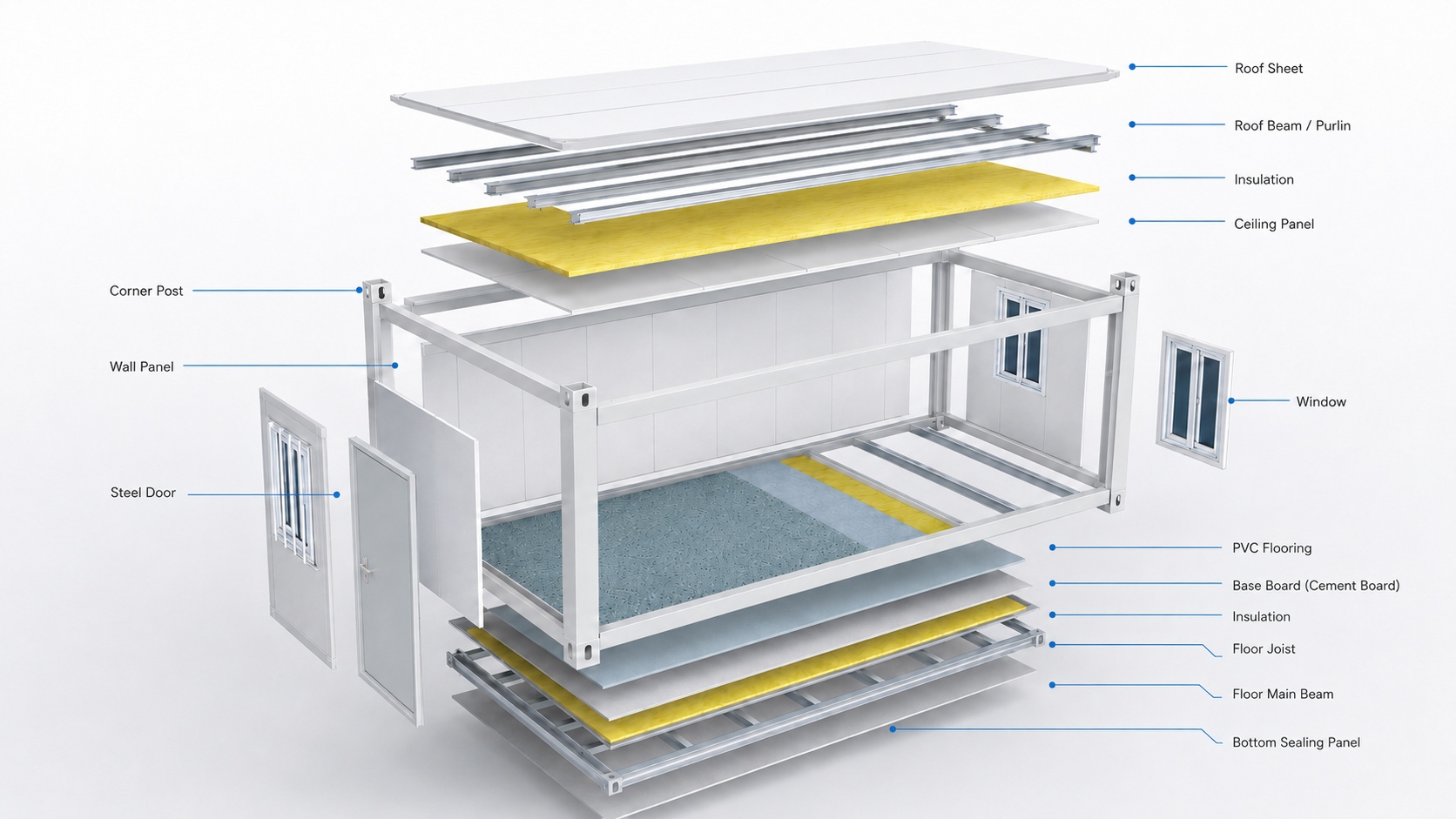
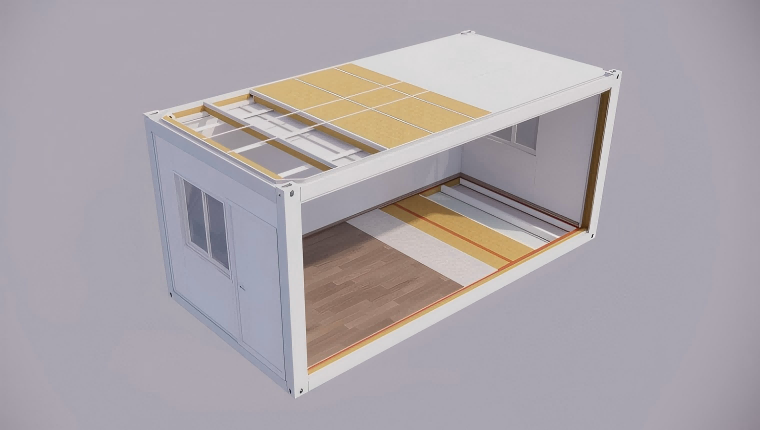
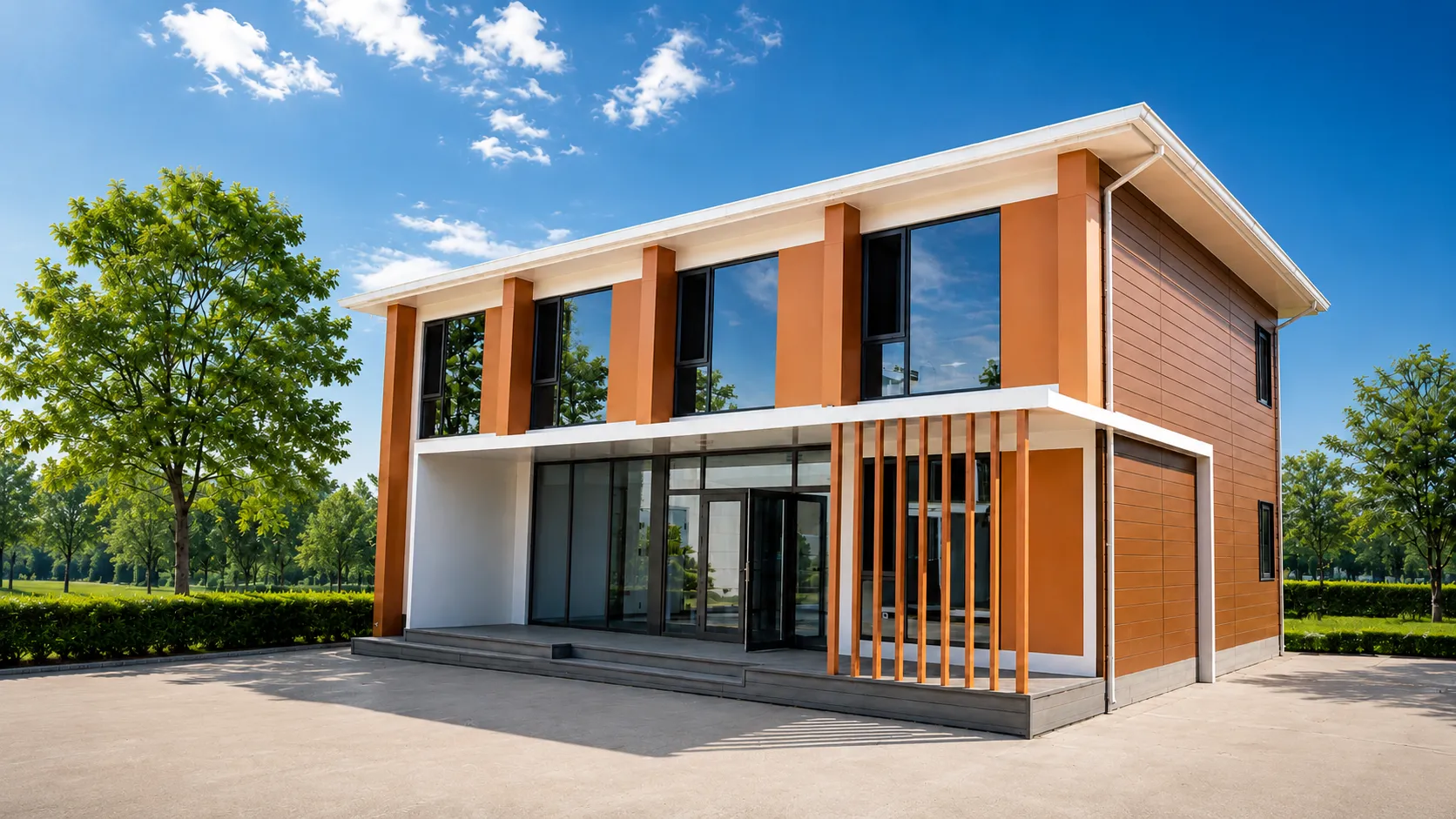
Container houses are the most versatile product category, using standardized steel frames and insulated sandwich panels to create movable modules that can be stacked and connected side‑by‑side. These modules can be configured as double or single rooms, suites, offices, or sanitary blocks, with integrated electrical, plumbing and fire‑safety systems. Light steel villas or higher‑grade modular buildings are often used for management housing or long‑term semi‑permanent accommodation.
For a quick overview of CDPH’s modular and container solutions, you can visit the company homepage:https://www.cdph.net/
Key CDPH Products for Modular Workforce Housing
In hydropower, mining and large infrastructure camps, CDPH typically deploys a mix of modular products designed for different climates and service lives.
Flat pack container houses for most dormitories, offices, kitchens and recreation spaces
Cold‑resistant container houses for environments down to around −50 °C
Plateau or high‑altitude container houses for sites with thin air, strong UV, and big temperature swings
Desert and Gobi container houses with enhanced thermal insulation and sand‑proof detailing
Light steel villas for management or senior engineer housing
These products are engineered with hot‑dip galvanized frames, high‑density insulation, and integrated flooring and roof systems that allow rapid installation while maintaining structural strength and thermal performance. Container houses can be assembled and dismantled multiple times with minimal material loss, supporting camp relocation or reuse on future projects.
Case Highlight: Hydropower Camps in South America
The hydropower camps in South America demonstrate how modular workforce housing can be engineered for complex climate and terrain. On this project, CDPH used a combination of two‑story ZA modular buildings, long‑span structural frames, and whole‑module shipping to meet demanding wind‑resistance and seismic requirements. The design ensured stable performance even under strong gusts and reduced on‑site work hours, which is critical in remote, high‑risk locations.
Dormitory buildings were built from modular container units with optimized insulation, allowing workers to rest comfortably despite low outdoor temperatures and strong winds. Auxiliary buildings such as canteens, offices and recreation spaces were arranged through professional master planning, ensuring safe traffic separation between living, logistics and construction areas. Wastewater treatment equipment, water purification systems, and intelligent security systems formed part of nine integrated support systems that CDPH uses to standardize modern EPC camps.
Climate and Environmental Challenges Modular Camps Must Solve
When planning modular workforce housing for hydropower and large infrastructure projects, climate and environmental factors shape every design decision. Typical challenges include:
Wide temperature ranges, with harsh winters or high daytime heat
High winds and snow loads in plateau or mountain regions
Heavy rainfall and flooding risk around dam sites or river works
Poor water quality and limited local medical facilities
Difficult access roads and limited on‑site skilled labour
CDPH addresses these factors through specialized modular systems: cold‑resistant houses for very low temperatures, plateau modules with tailored thermal and structural design, and desert/Gobi systems with sand‑proof and high‑insulation envelopes. In addition, the company’s nine‑system approach covers building, water and drainage, power, weak current, fire‑fighting, security, roads and traffic, environmental landscaping and environmental protection, ensuring the camp works as an integrated system rather than isolated buildings.
CDPH’s EPC Camp Capabilities and Three Domestic Factories
What makes CDPH’s modular workforce housing particularly suitable for demanding hydropower and infrastructure projects is its integrated EPC camp capability, backed by three domestic factories in China. CDPH’s typical EPC camp scope includes:
Camp master planning and functional zoning
Architectural and structural design for modular buildings
Product selection across nine systems, including container houses, utilities and security
Manufacturing, packaging and global logistics
On‑site installation management and local workforce coordination
Camp operation support and later expansion or relocation planning
To support projects at scale, CDPH operates three major manufacturing bases: a base in the Tianjin–Tangshan region, CDPH (Xinjiang) Modular Housing Manufacturing Co., Ltd. in Urumqi, and CDPH (Sichuan) Prefabricated Construction Technology Co., Ltd. in Suining. These factories allow parallel production of modular units, high quality control, and flexible scheduling to match fast‑track EPC project timelines.
Decades of global camp experience mean CDPH’s site teams know how to work with local regulations and manage local labour in South America, Africa, the Middle East, and other regions. In countries with strict labour rules such as Argentina and Chile, CDPH has successfully organized and guided local workers through fast, safe installation of large camp complexes.
How Modular Workforce Housing Reduces Project Risk
Compared with traditional construction, modular workforce housing delivers several risk‑reducing benefits for EPC hydropower and infrastructure projects.
Shorter construction schedules: Factory‑built modules and standardized installation processes significantly compress camp delivery time.
Higher safety and quality: Controlled factory production improves structural consistency, fire performance and insulation quality.
Lower logistics complexity: Flat pack container systems stack efficiently in shipping, reducing freight costs and easing long‑distance transport to remote sites.
Easier expansion and relocation: Camps can be expanded in phases or partially relocated as project areas shift, using the same modular units.
Better ESG and environmental performance: Reusable modules, integrated wastewater treatment and solid‑waste systems reduce site impact and support corporate ESG commitments.
For many owners, these factors translate into lower lifecycle cost and more predictable project delivery, especially when a single EPC camp specialist manages design, manufacturing and installation under one contract.
Step‑by‑Step Planning for Modular Workforce Housing
When an owner or EPC contractor is preparing a new hydropower, mining or infrastructure project, they can follow a structured process to implement modular workforce housing effectively.
Define project site conditions
Temperature range, wind and snow loads, rain pattern, altitude, soil conditions and seismic requirements.
Environmental and regulatory constraints around rivers, reservoirs, or protected areas.
Clarify workforce profile and camp functions
Peak workforce during each project phase and target occupancy for dormitories.
Supporting functions required: canteen, kitchen, offices, clinic, storage, prayer room, recreation facilities and security.
Select the modular product mix
Container houses for most dormitories, offices and service buildings due to speed and flexibility.
Light steel villas or higher‑grade modular buildings for management and long‑term staff accommodation.
Specialized cold‑resistant, plateau, desert or Gobi container systems, depending on climate.
Develop EPC camp master plan
Zoning for living, operations, storage and logistics, with safe separation from construction areas.
Road layout, parking, drainage, green areas and sports facilities to create a safe, humane camp environment.
Integrate technical systems
Power supply and backup generators, water purification and wastewater treatment, fire‑fighting and intelligent security systems.
Low‑voltage networks for communication, CCTV and access control.
Plan logistics, installation and future use
Shipping routes, customs, local partner selection and crane operations for efficient on‑site assembly.
Strategies for camp expansion, partial relocation or reuse on future projects.
By working with an experienced modular workforce housing manufacturer like CDPH from the earliest planning stage, owners can align camp design with real project needs instead of treating accommodation as an afterthought.
Why Choose CDPH for Modular Workforce Housing
CDPH positions itself as a global engineering camp expert, providing one‑stop modular solutions for ports, airports, hydropower projects, mining operations, power plants, roads, and other large‑scale infrastructure. The company combines:
Proven reference projects, including hydropower camps in South America and labour camps across Africa and Asia
Three domestic factories dedicated to modular housing and EPC camp systems
A nine‑system integrated approach to camp design and operation
Experience with extreme climate solutions: cold‑resistant, plateau, desert and Gobi modular houses
Long‑term cooperation with major ENR‑listed contractors and global industrial groups
For decision‑makers searching for modular workforce housing that can be delivered quickly, scaled efficiently and operated safely under tough site conditions, CDPH offers a complete package from concept to commissioning. To see more reference projects beyond hydropower camps in South America, you can browse CDPH’s broader modular camp case gallery here:https://www.cdph.net/case-center




 More
More










![Top Advantages of Modular Construction Explained [2025]](/uploads/upload/images/20250424/0fb390068474145a09a8c0504c73b1d2.png)
 May 09, 2025