Oil Field Environments And Workforce Challenges
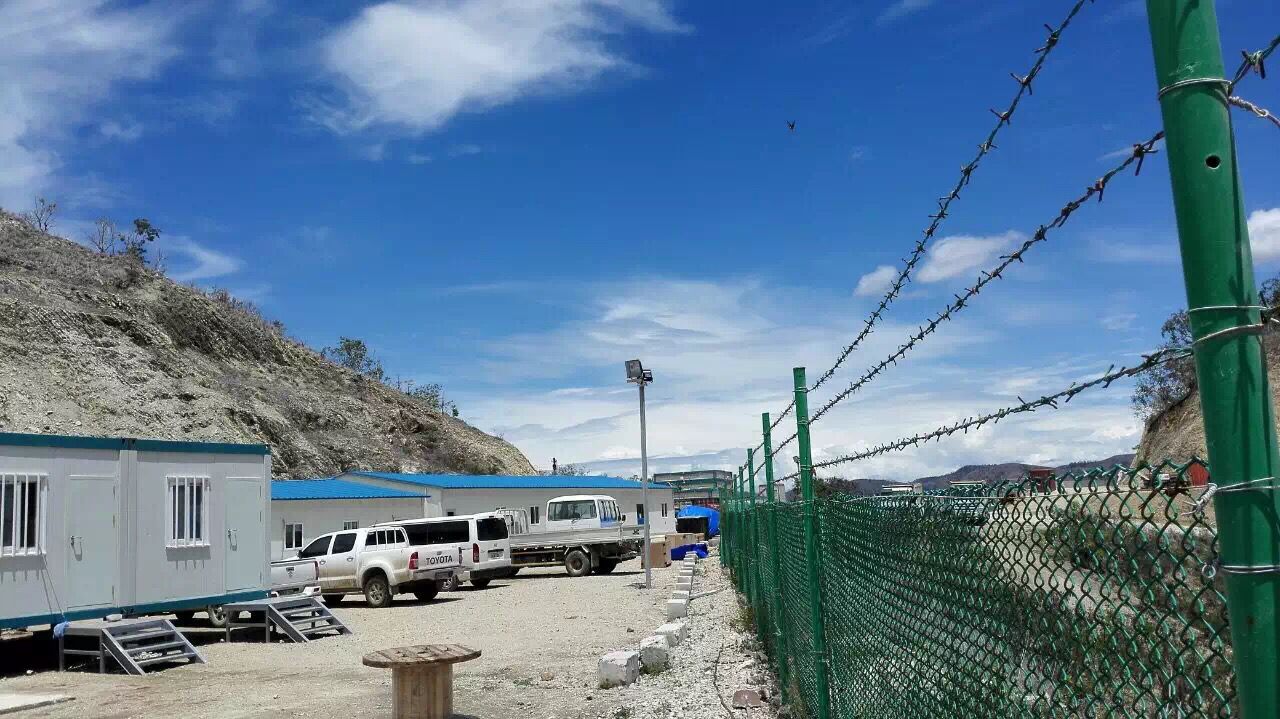
Oil fields are often located in deserts, Arctic zones, jungles or high plateaus, where conventional housing is difficult, slow and expensive to build. In these locations, extreme temperatures, dust storms, heavy rain or snow and lack of infrastructure directly affect workforce safety, morale and productivity if camps are not engineered correctly.
Harsh climates increase cooling or heating loads, shorten building lifespans and make logistics more complex, so owners need housing that is both robust and easy to transport and assemble. At the same time, oilfield projects typically run for several years with fluctuating crew sizes, so the camp must be modular, expandable and reconfigurable without disrupting operations.
Why Prefabricated Housing For Oilfield Camps
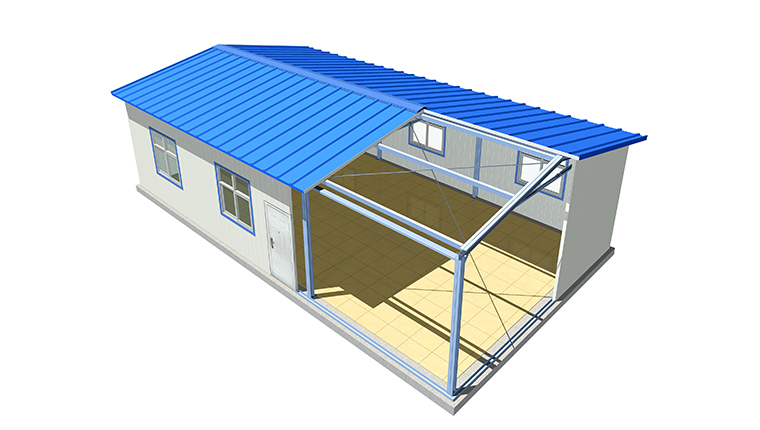
Prefabricated housing refers to buildings manufactured in factories as modules or panels and then transported to the site for rapid assembly. Compared with traditional on-site construction, prefabricated solutions shorten construction schedules, reduce weather-related risks and deliver more consistent quality across large camps.
For oilfield workforce housing, prefabricated container houses and modular units provide a standardized, repeatable solution that can be rolled out across multiple well pads, gathering stations or processing facilities. Because structures arrive with pre-installed insulation, doors, windows and finishes, contractors can focus on foundations, utilities and logistics rather than complex on-site building work.
Core Products For Oil Field Workforce Housing
Container House Man Camps
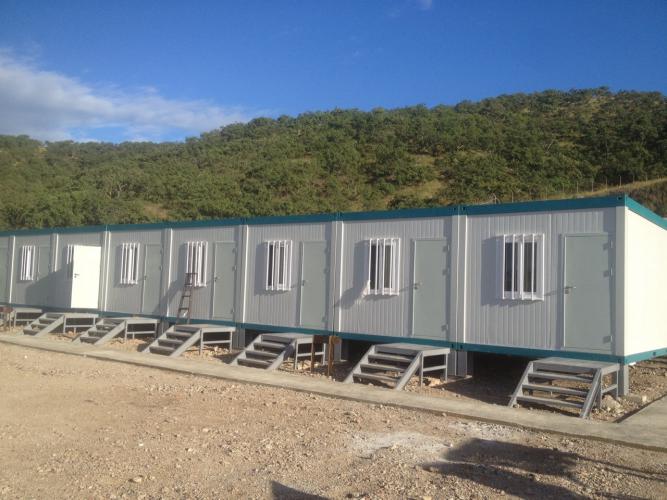
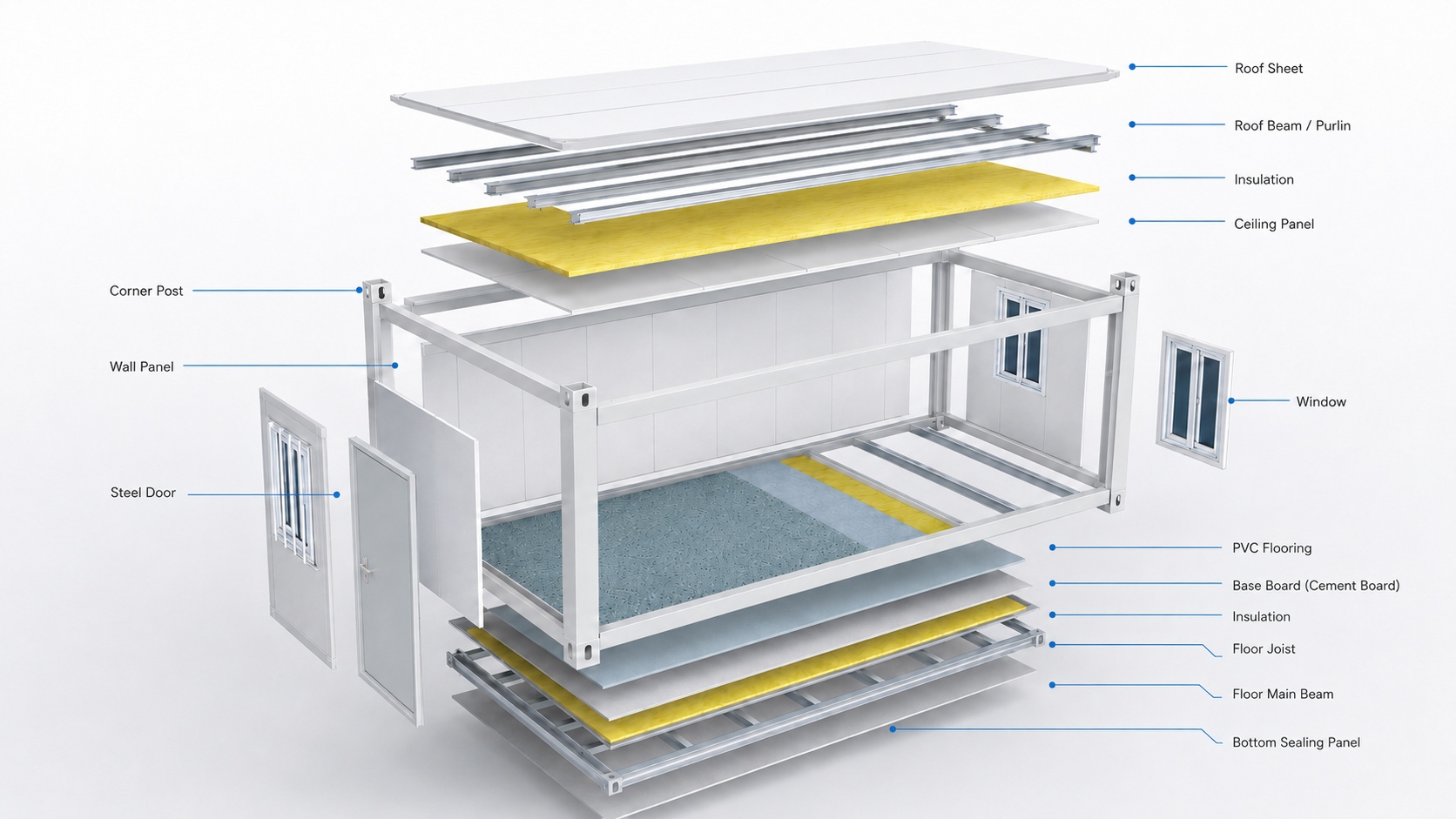
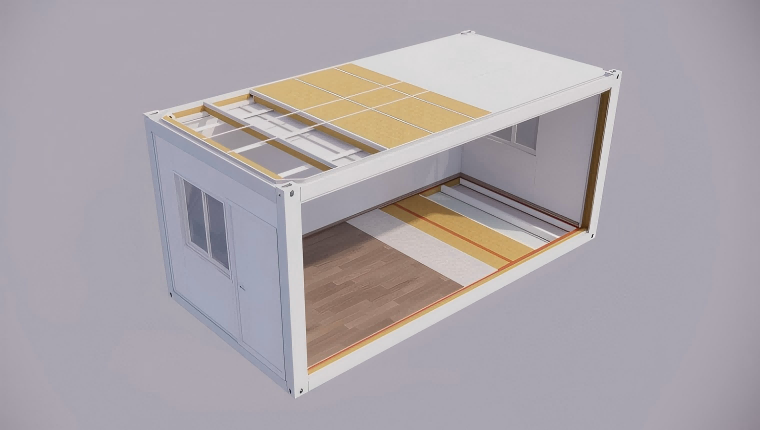
Container houses are steel-framed modular units designed as movable, reusable buildings that can be assembled into dormitories, offices, canteens and recreation areas. They use standardized box modules that link in length, width and height, enabling single-storey or multi-storey complexes with flexible internal layouts for different crew sizes and functions.
In oilfield housing, container house camps offer strong structures for wind and sand, excellent fire resistance and thermal envelopes optimized for hot deserts or cold plateaus. CDPH container houses are factory-assembled, CE-certified and engineered with rock wool or PU insulation, vapor barriers and high-performance roofs to cut cooling loads in hot regions such as Saudi Arabia.
You can explore CDPH’s container house solutions for camp accommodation here: https://www.cdph.net/product-center/container-house
This product line supports dorms, offices, kitchens, laundries and clinic buildings in integrated oilfield man camps.
Light Steel Villa Workforce Dormitories
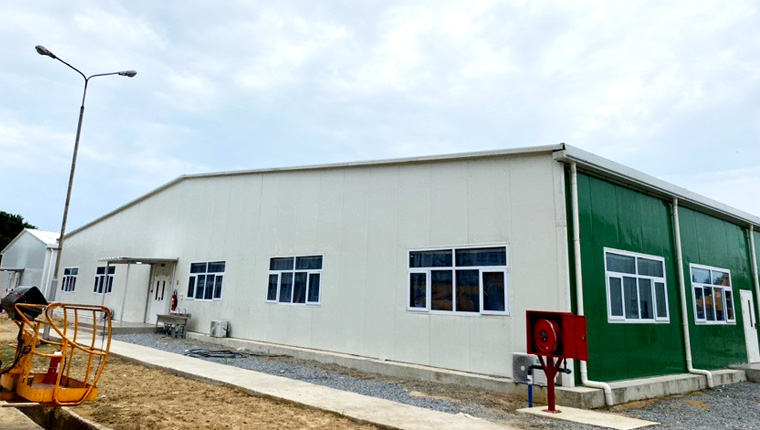
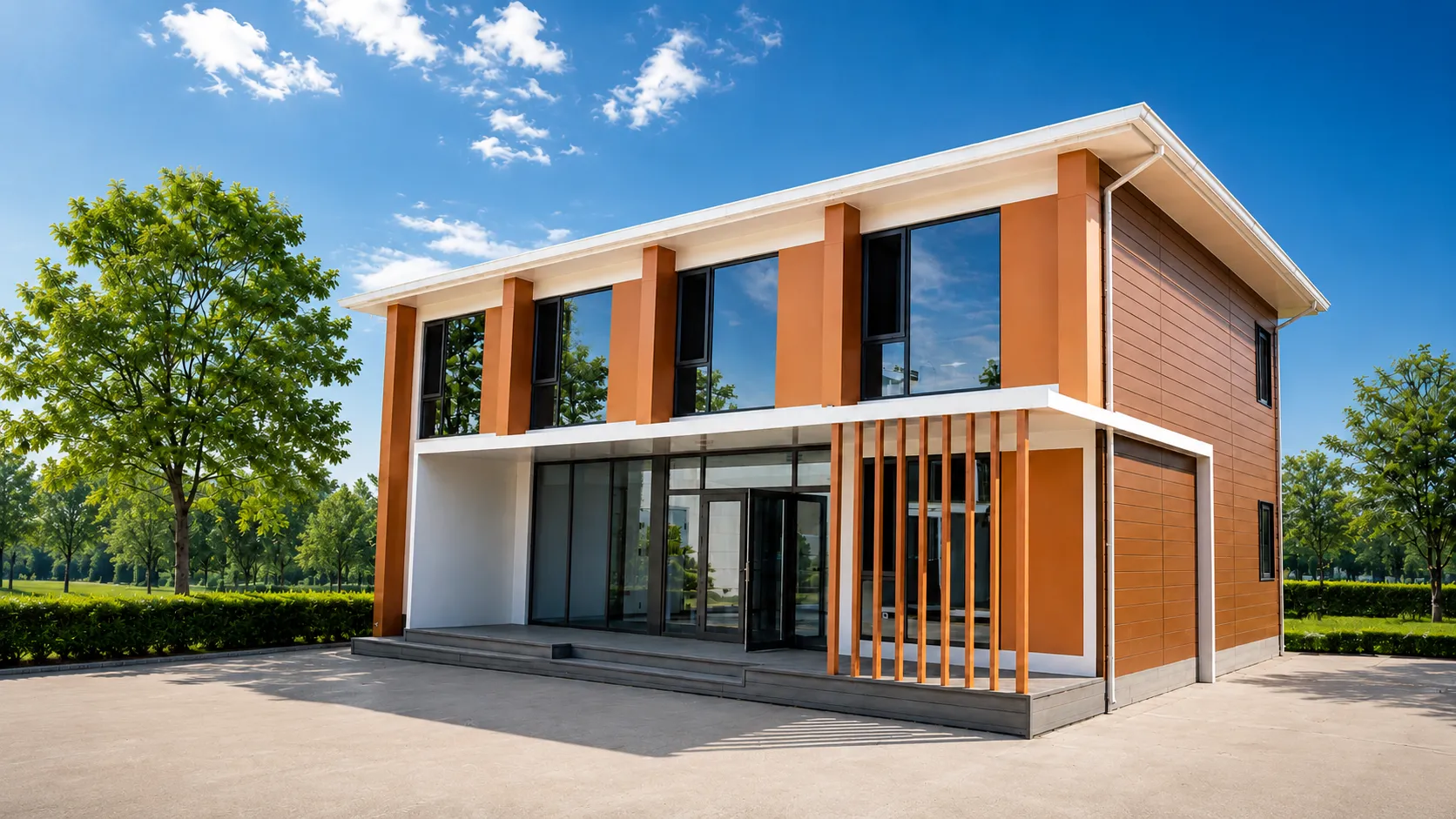
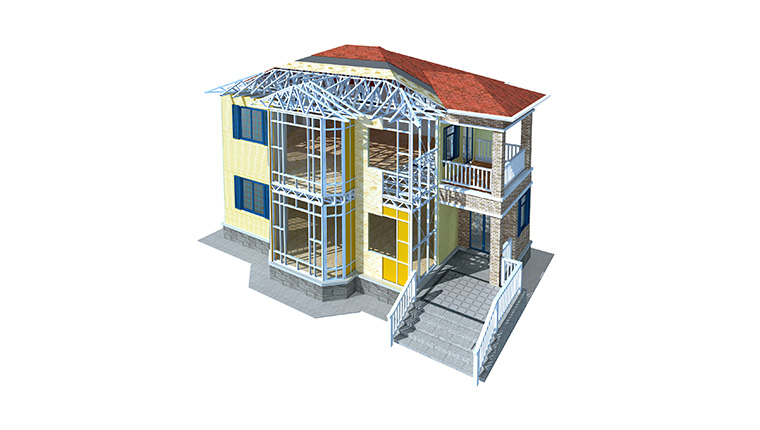
For semi-permanent or higher-comfort oilfield housing, light steel villas provide villa-style accommodation with improved aesthetics, sound insulation and privacy. These structures use light steel frames, high-performance envelopes and customizable layouts, making them suitable for management housing, long-term workforce dorms and mixed-use camp zones.
In mining and energy projects, CDPH has delivered light steel villa dormitories and canteens that combine fast installation with long design life, offering more comfortable living standards while still meeting industrial camp requirements. More information about light steel villa products is available at https://www.cdph.net/product-center/light-steel-villa
Other Supporting Prefab Camp Facilities
Besides housing, modern oilfield man camps need kitchens, dining halls, recreation centers, clinics, offices, warehouses and security posts built with the same modular logic. Container modular houses and prefabricated buildings can be configured as integrated EPC camps, with standardized modules for each functional zone.
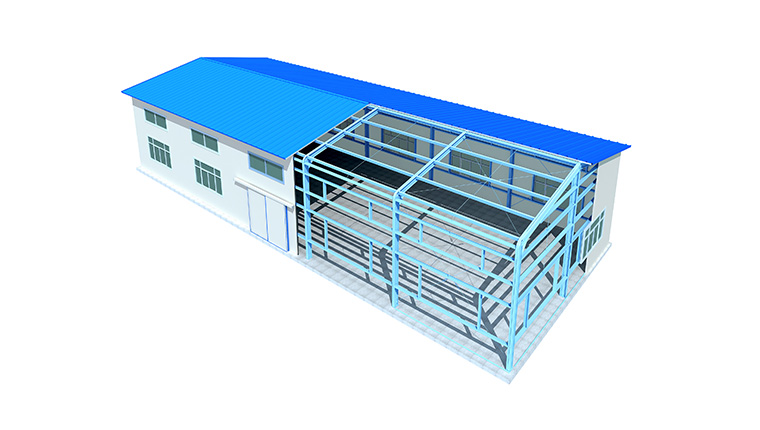
By using container house clusters for core accommodation and light steel structures for larger shared spaces, owners can build complete camp ecosystems that scale with project phases from exploration to full-field development.
Climate And Environmental Considerations In Oil Field Housing
Desert And High-Temperature Regions
In desert oilfields, high solar radiation, sandstorms and large day-night temperature swings demand envelopes with strong insulation and airtightness. CDPH’s desert-adapted container house camps use welded roofs, high-density insulation and optimized wall assemblies to reduce cooling loads and protect indoor comfort even under extreme outdoor temperatures.
Reducing HVAC demand is critical for remote oilfields where power often comes from generators or hybrid diesel–solar systems, so each kilowatt-hour saved extends maintenance intervals and reduces fuel logistics. Proper shading, rooftop insulation and high-reflectivity finishes help keep dormitories cool while maintaining structural durability under sand and UV exposure.
Cold And Plateau Environments
In cold or high-altitude oilfields, housing systems must deal with low temperatures, snow loads and strong winds. CDPH’s cold-resistant container houses use enhanced insulation systems, robust structural nodes and tailored window and door packages to maintain indoor temperatures and reduce heat loss.
On plateaus, thinner air and stronger radiation require special attention to both envelope performance and ventilation, balancing energy efficiency with indoor air quality for long-term workforce health. Modular housing allows design teams to adapt panel configurations, insulation materials and mechanical systems for each specific climate zone while keeping the same core structural platform.
Environmental And Regulatory Factors
Oilfield camps must comply with local building codes, fire standards and environmental regulations, especially for water, wastewater and waste management. Modular housing simplifies compliance by using factory-tested assemblies and repeatable designs that can be documented and certified across multiple jurisdictions.
EPC-ready camps integrate housing with utilities, roads, drainage, lighting and safety systems, ensuring that workforce housing contributes to overall project ESG performance rather than becoming a risk factor.
EPC Camp Experience: From Design To Delivery
One-Stop Engineering Camp Solutions
Oilfield owners increasingly expect a single partner to handle engineering, procurement, construction and sometimes operation of workforce housing. CDPH positions itself as an engineering camp specialist, offering one-stop EPC camp solutions that cover layout planning, product selection, detailed design, manufacturing, shipping, on-site installation and after-sales service.
This integrated approach reduces coordination risks between architects, builders and suppliers, ensuring that container houses, light steel villas and supporting facilities work together as a coherent camp system. For oilfield housing, EPC experience is particularly valuable because projects often sit in remote or sensitive regions where schedule control and site safety are paramount.
Global Project References In Energy And Mining
CDPH has delivered modular camps for mining, oil, LNG and power projects across the Middle East, Africa, South America and Asia, including extreme environments from deserts to high plateaus. These references demonstrate the ability to handle multi-country standards, varied climates and complex logistics, which are common in oilfield developments.
A representative case is the modular man camp for remote solar projects in Saudi Arabia, which shares many environmental and logistical characteristics with desert oilfields. In this project, CDPH supplied customized 11.8 × 2 × 3 m modules with one-hour fire resistance and completed camp delivery in 35 days, proving its capacity to handle tight schedules and demanding specifications.
You can review the Saudi Arabia modular man camp case here:https://www.cdph.net/case-center/modular-man-camps-for-remote-solar-projects-in-saudi-arabia
Its design principles—desert-ready insulation, robust fire design, efficient circulation and rapid erection—translate directly to oilfield housing workforce solutions.
Manufacturing Strength: Three Domestic Factories
Reliable workforce housing depends not only on design but also on stable production capacity and quality management. CDPH operates three integrated housing factories in China—CDPH Integrated Housing Hebei Co., Ltd., CDPH (Xinjiang) Modular Housing Manufacturing Co., Ltd., and CDPH (Sichuan) Prefabricated Construction Technology Co., Ltd.—providing diversified regional capacity and scalable output.
These factories host automated production lines for container houses, modular houses, steel structures and light steel villas, allowing large oilfield projects to secure thousands of square meters of camp buildings within compressed timelines. Centralized quality control, standardized processes and 5S management systems help ensure that every module arriving at the oilfield meets structural, insulation and fire performance requirements.
How Modular Workforce Housing Improves Oilfield Performance
Safety, Comfort And Productivity
Well-designed oilfield housing has a direct impact on worker wellbeing, retention and safety. Modular man camps can be zoned into living, dining, recreation and administration areas, separating noisy facilities such as generators from quiet dormitories to reduce fatigue and improve rest quality.
With proper insulation, ventilation and climate-adapted envelopes, container house and light steel villa dorms maintain stable indoor temperatures, reducing heat stress or cold-related health issues. Access to clean water, sanitation, medical rooms and reliable communication further supports safety and efficient daily operations.
Scalability And Lifecycle Value
Because modular housing is based on standardized units, oilfield owners can expand or reduce camp capacity as drilling or production programs change. Units can be relocated to new fields or reconfigured from dormitories to offices, extending the useful life of each asset across multiple projects.
Factory-prefabricated construction also cuts waste and allows better control of materials and energy use, supporting ESG and cost objectives in modern energy projects. Over the lifecycle, reduced construction time, lower maintenance needs and reusable modules together improve total cost of ownership compared with ad hoc site-built housing.
Practical Steps To Plan Oil Field Workforce Housing With Modular Camps
When planning an oilfield man camp, owners and EPC contractors can follow a structured process to leverage prefabricated housing effectively.
Define site conditions and climate
Temperature range, wind, sand, snow or rain, altitude and soil parameters.
Environmental and safety regulations applicable to the field.
Determine workforce profile and camp functions
Number of workers by phase (exploration, drilling, production) and required room types (single, double, suites).
Support facilities needed: canteen, recreation, offices, clinic, warehouse and security.
Select housing product mix
Container houses for most dormitories, offices and kitchens because of speed and flexibility.
Light steel villas for management housing or semi-permanent dorms that require higher comfort.
Engage an EPC camp specialist
Work with an experienced modular housing manufacturer such as CDPH that can deliver layout design, detailed engineering, manufacturing, shipping and on-site installation as an integrated package.
Review reference projects including the Saudi Arabia modular man camp to benchmark performance in similar climates.
Plan logistics, installation and future relocations
Use flat-pack container house systems that allow rapid assembly of large areas, simplifying remote installation.
Design camp infrastructure (roads, utilities, drainage) to support future expansion or partial relocation as the oilfield development evolves.




 More
More










![Top Advantages of Modular Construction Explained [2025]](/uploads/upload/images/20250424/0fb390068474145a09a8c0504c73b1d2.png)
 May 09, 2025