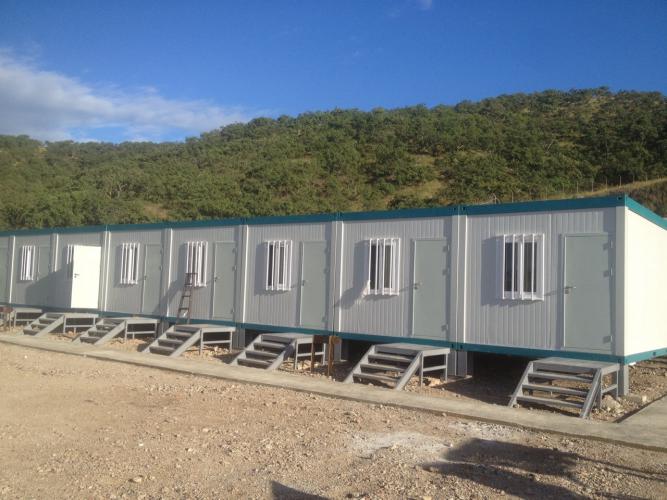
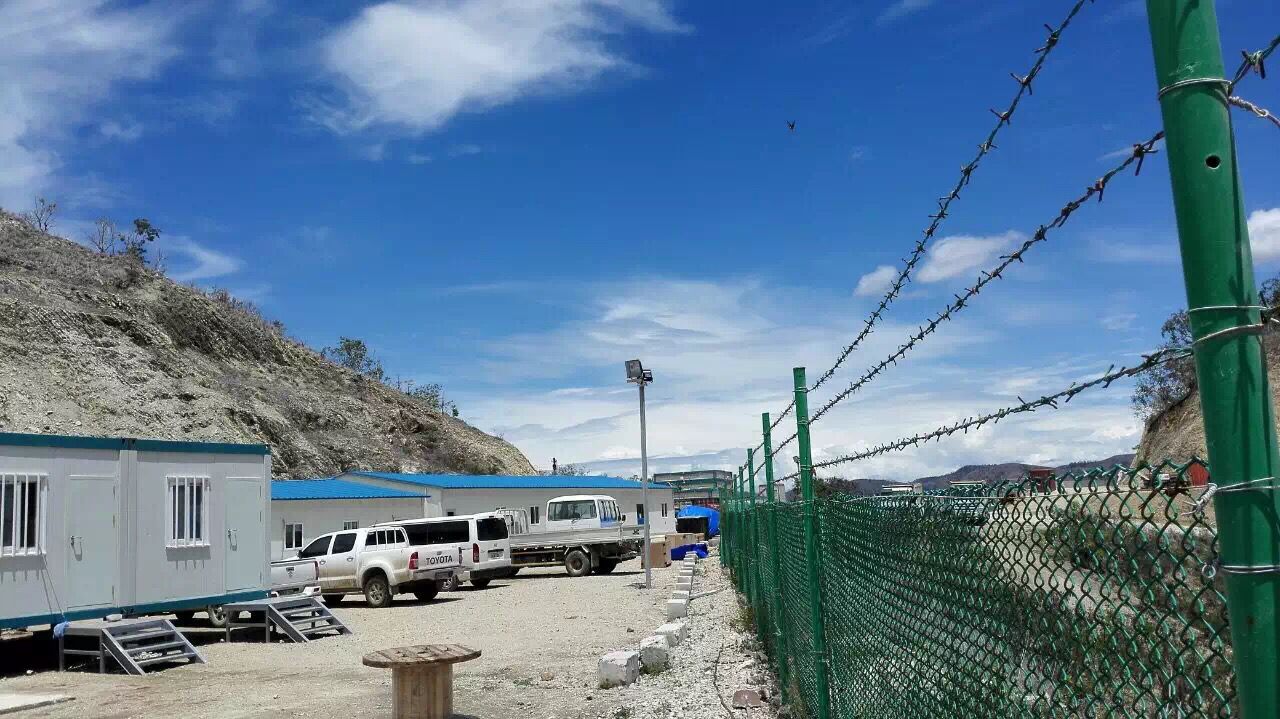
Why Hurricane-Proof Prefab Houses Matter in Storm-Prone Regions
In coastal and tropical regions, hurricanes, cyclones, and typhoons are no longer rare “extreme” events—they are part of the normal project risk profile for energy, mining, and infrastructure camps. High winds, flying debris, storm surge, and heavy rainfall can disrupt construction schedules, damage temporary buildings, and expose workers to safety risks. For EPC contractors operating in these areas, camp accommodation is not just a cost item but a critical safety and continuity asset.
Traditional light structures—such as simple site-built barracks or lightweight temporary sheds—often struggle under hurricane-level loads, especially when wind speeds exceed regional storm design benchmarks. When roofs are peeled off or wall panels fail, projects face downtime, equipment damage, and costly rework, and in the worst case, injuries. That is why more project owners now specify hurricane-proof prefab houses as part of their camp scope from day one, including structural upgrades, better anchoring systems, and engineered layouts focused on wind paths and drainage.
Understanding Hurricane-Proof Prefab Houses
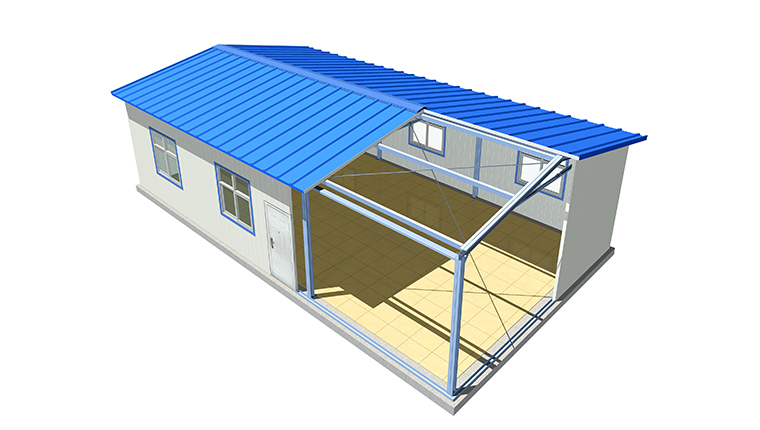
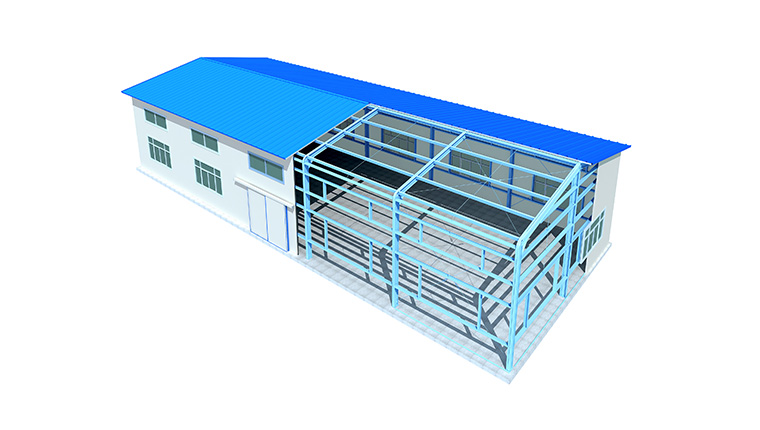
A hurricane-proof prefab house is a factory-produced modular building engineered to resist high winds, flying debris, and heavy rainfall, often up to high hurricane categories after special structural treatment. Instead of improvising on site, the steel structure, envelope, and joints are all calculated, tested, and manufactured under controlled conditions and then installed in the project camp according to a standardized method.
Key technical characteristics typically include:
Engineered steel frame
Hot-dip galvanized thin-walled cold-formed profiles form the main structure, with corrosion-resistant steel columns, beams, and reinforced nodes designed for high wind loads.
Hurricane-strength performance
Standard structures can resist strong winds, and with enhanced treatment—additional bracing, upgraded fasteners, and strengthened connections—the same systems can withstand higher hurricane forces.
Integrated enclosure system
The main structural frame is placed inside the wall and roof while outer maintenance panels form a seamless connection, reducing weak points where wind or water can penetrate.
Moisture and thermal protection
Rock wool or high-density insulation panels, sealed joints, and carefully detailed roof edges improve both energy efficiency and water resistance, which is vital in heavy rainfall and driving storms.
Because these buildings are modular, they can be lifted as whole units, relocated, and reused, all while maintaining structural integrity when properly installed and maintained. This combination of engineering certainty and deployment flexibility is particularly attractive to international contractors running multi-year projects in hurricane-prone regions.
Climate and Environmental Challenges for Project Camps
Coastal and Tropical Hurricane Belts
Many engineering camps are located along coastal corridors or tropical belts where hurricane and cyclone seasons are well defined but increasingly unpredictable in intensity. These regions face repeated exposure to:
High-frequency storms with strong gusts
Heavy, concentrated rainfall leading to surface flooding
Salt-laden air and long-term corrosion risks
Camps for power plants, ports, mining operations, and large river or bridge projects often need sizable accommodation, offices, and functional buildings close to the site. When these are built with poor-quality materials or ad-hoc designs, the risk of storm damage multiplies each season.
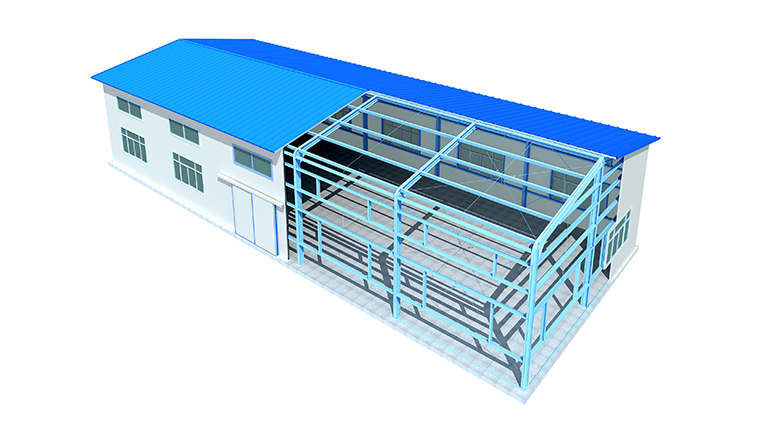
Remote Sites and Limited Local Infrastructure
Many EPC projects are far from urban centers and have limited access to robust emergency shelter or backup logistics. Even if the main industrial assets are hardened, the camp itself may be in an exposed position with restricted evacuation options. This environment puts higher demands on camp buildings: they need to stay safe under hurricane loads, ensure rapid recovery after the event, and protect water, power, and communication systems.
In such conditions, using hurricane-proof prefab houses as the core building type—combined with resilient container houses and light steel villas where appropriate—helps project owners manage both safety and operational continuity more effectively.
Prefab Houses as the Core Camp Asset
Structural Safety and Certification
Modern prefab houses from Chengdong (CDPH) are configured as highly prefabricated steel structures with systematic design parameters for roof loads, wind loads, and enclosure performance. After special structural treatment, the system can withstand strong hurricane forces, which is leveraged not only for residential housing but also for camp offices, control rooms, and support buildings.
Factory production allows tight quality control of:
Steel grade and galvanizing thickness
Panel insulation thickness and density
Connection details and fastener specifications
These factors, combined with certification systems such as ISO 9001, ISO 14001, occupational health and safety certifications, and CE for steel structures and sandwich panels, create a traceable safety baseline across multiple projects.
Functional Versatility for Camp Layouts
Within hurricane-prone camps, prefab houses can be configured for:
Dormitories and living quarters
Administration and site offices
Canteens and recreation facilities
Medical stations and control centers
Eaves height and internal layout are designed according to functional needs, with typical eaves limited to around mid-rise levels to maintain structural stability under wind loads. Because modules are standardized, EPC teams can scale up accommodation quickly, adjust layouts to topography, and still maintain the hurricane-proof properties of the system.
For users who want to explore the technical profile of Chengdong’s prefab houses for camp projects, the dedicated product center is a helpful reference: https://www.cdph.net/product-center/2
Hurricane-Proof Container Houses in Engineering Camps
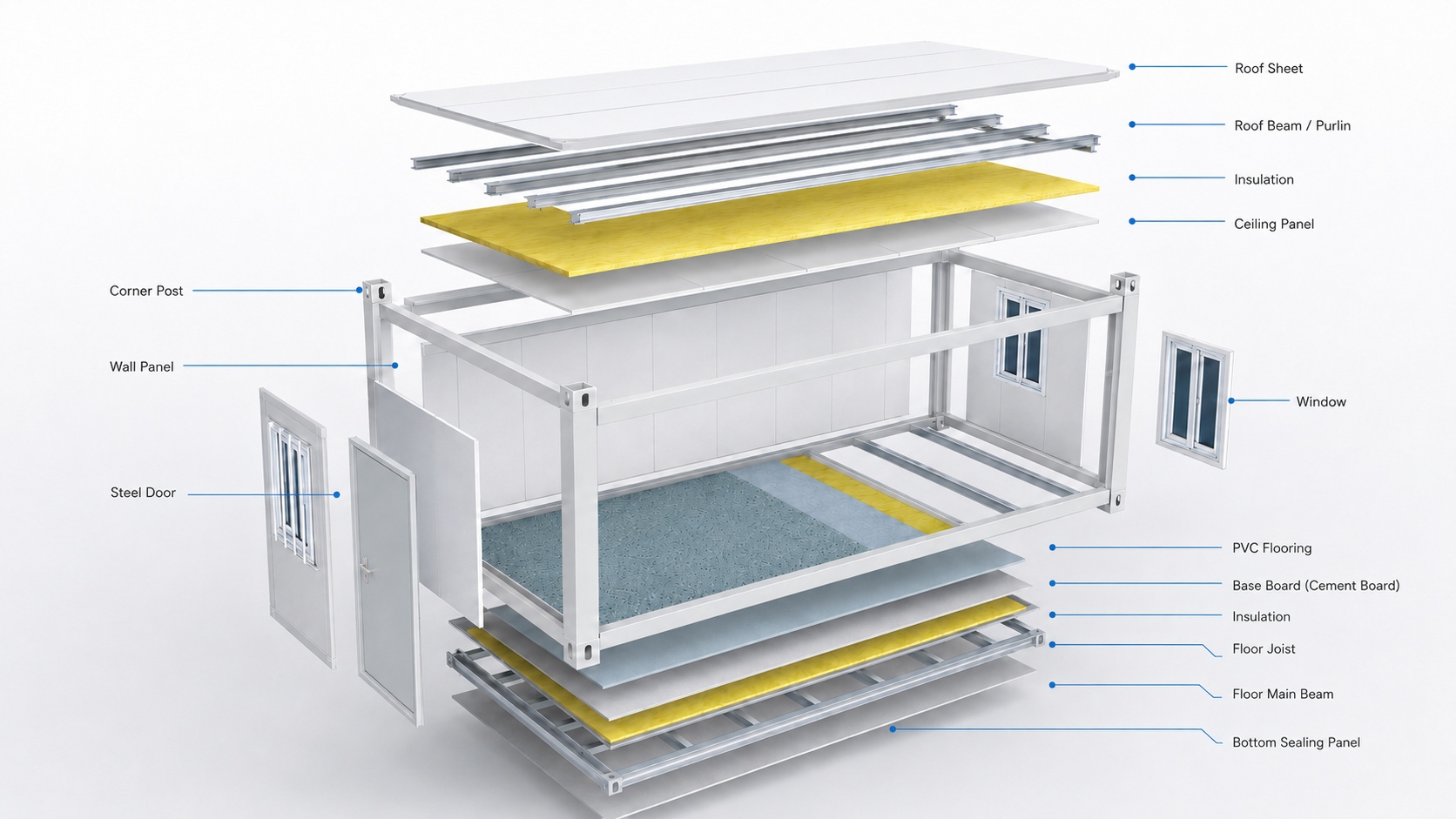
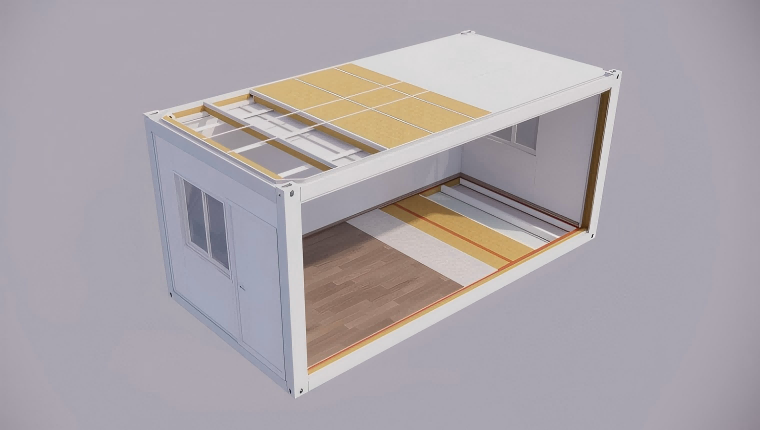
While the keyword focuses on prefab houses, in real project camps these buildings often work together with container houses and modular units. Chengdong’s container houses adopt standardized steel-framed boxes with corner fittings designed for whole-unit lifting, rapid transport, and repeated relocation.
For hurricane-prone regions, container houses can be engineered with:
Reinforced steel box structures
Elevated foundations to avoid flood damage
Impact-resistant windows and doors
Secure anchoring to ground beams or piles
Chengdong has extensive experience designing hurricane-resistant container house layouts, including structural layout optimization, wind-resistant orientation, and storm-proof detailing for doors, windows, and roof systems. In many camps, container houses form robust cores such as emergency shelters, control centers, and critical storage areas, while prefab houses provide flexible accommodation blocks around them.
Project owners planning container-based hurricane-proof camps can review detailed solutions here: https://www.cdph.net/product-center/container-house
Light Steel Villas for High-End, Hurricane-Resistant Housing
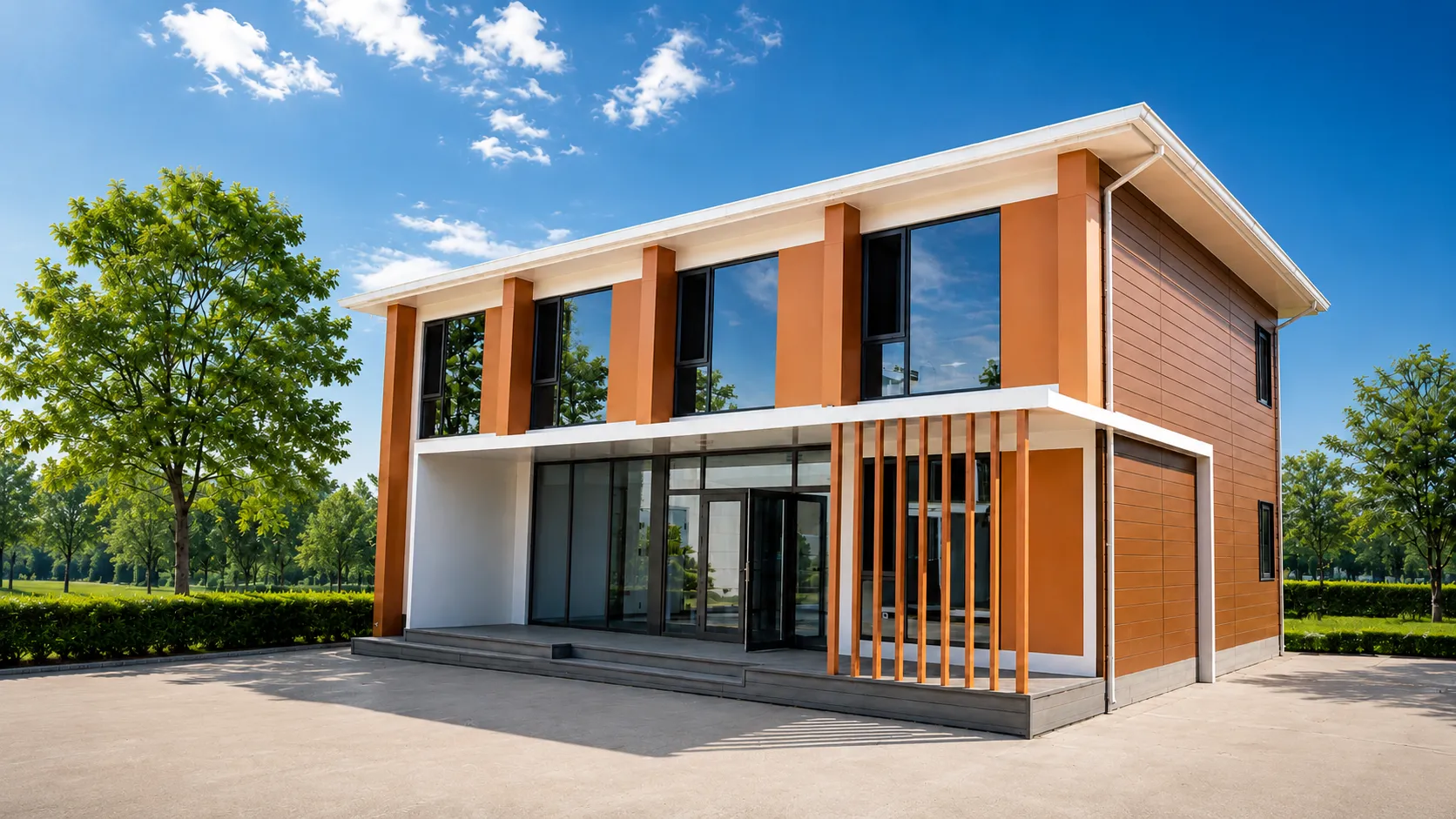
In some projects—especially those with long durations or high-value technical staff—owners require semi-permanent, high-end accommodation that still meets hurricane-resistance and fast construction requirements. Chengdong’s light steel villas meet this need by combining:
Light steel frame structures with strong corrosion resistance
High levels of thermal and acoustic comfort
Architectural customization for façade, interior finishes, and room types
These villas are widely used as the high-end housing direction in camp construction and future civil buildings, enabling project camps to offer better long-term living conditions without sacrificing structural safety. Cost structures are generally lower than comparable traditional brick-and-concrete villas, while delivering equivalent or superior performance.
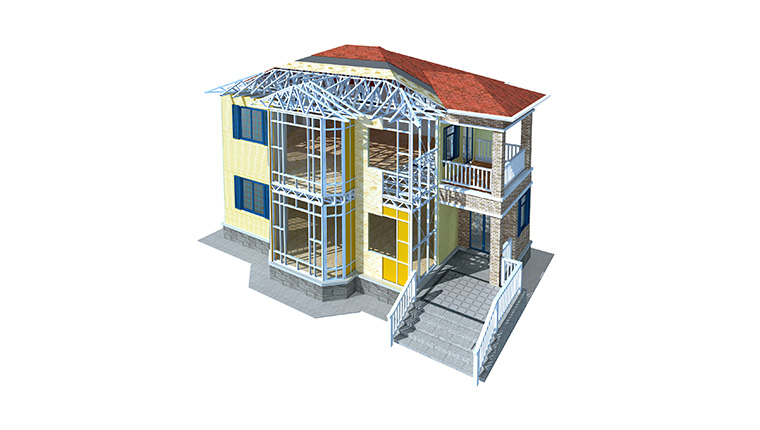
For EPC contractors designing mixed hurricane-proof camps, a typical configuration may use prefab houses for dominant accommodation blocks, container houses for core functional units, and light steel villas for senior staff housing—all integrated into one planning scheme. More information on light steel villas is available here: https://www.cdph.net/product-center/light-steel-villa
EPC Camp Solutions: From Planning to Delivery
Nine Systems and Integrated Camp Design
Chengdong’s EPC camp solutions do not stop at individual buildings. The company has developed a “nine systems” framework that covers building systems, water supply and drainage, electrical systems, low-voltage systems, fire protection, security, traffic and road facilities, environmental facilities, and environmental protection systems. These systems are planned together to deliver safe, functional camps tailored to different climates and site conditions across more than one hundred countries.
For hurricane-prone regions, this integrated design approach translates into:
Storm-adapted site planning with drainage and road layouts
Robust power supply and backup generator configurations
Wireless fire alarm systems that reduce cable vulnerability
Water purification and wastewater treatment units that stay operational during storms
By treating the camp as a complete system rather than a group of isolated buildings, EPC teams can ensure that hurricane-proof prefab houses are part of a coherent resilience strategy, not just structurally strong standalone units.
Global Project Experience in Challenging Climates
With more than a thousand camp projects delivered across over one hundred countries—including South America, Africa, Asia, and island states—Chengdong has accumulated extensive site experience for different climate and environmental challenges. Projects such as hydropower camps, port expansions, mining sites and airport reconstruction show how modular buildings, including hurricane-proof systems, are deployed under diverse regulations, logistics constraints, and weather risks.
This experience allows Chengdong’s technical teams to support EPC contractors not only with products but also with on-site installation guidance, management of local labor in strict regulatory environments, and coordination with local partners for logistics and after-sales. For project owners, this means hurricane-proof prefab houses are backed by proven global delivery capabilities, not just by theoretical design values.
Three Domestic Factories Supporting Hurricane-Proof Delivery
Behind Chengdong’s hurricane-proof prefab houses and integrated camp solutions is a strong manufacturing base in China. The company’s core production capacity is anchored in three domestic factories, each with different regional advantages:
CDPH Integrated Housing Hebei Co., Ltd.
Located in northern China’s key industrial zone, this factory focuses on container houses, prefab houses, steel structures, and large-scale modular components. Its capacity supports mass production and rapid processing cycles, which is critical for time-sensitive hurricane-proof camp projects.
CDPH (Xinjiang) Modular Housing Manufacturing Co., Ltd.
Based in Urumqi’s New Building Materials Economic & Technological Development Zone, this facility supports projects requiring long-distance overland logistics, including Central Asian and inland projects.
CDPH (Sichuan) Prefabricated Construction Technology Co., Ltd.
Located in Suining City, Sichuan Province, this plant provides additional capacity and regional coverage, helping meet demand for western China and surrounding markets.
Together, these three factories enable standardized quality, multi-point production scheduling, and flexible shipping routes for hurricane-proof prefab houses, container houses, and light steel villas. When large EPC camps need hundreds or thousands of units under tight timelines—particularly ahead of hurricane seasons—this manufacturing backbone becomes a decisive advantage.
Practical Steps for Owners Planning Hurricane-Proof Camps
For EPC contractors, project owners, and engineering companies considering hurricane-proof prefab houses for their next camp, typical steps include:
Site and climate assessment
Analyze wind zones, storm surge risks, rainfall intensity, corrosion environment, and access routes to define structural and enclosure requirements.
Concept layout and nine-system planning
Work with an integrated camp provider to design building positions, drainage, power, communication, fire, and security systems as a coherent whole.
Product selection
Choose combinations of hurricane-proof prefab houses, container houses, and, where needed, light steel villas to match project duration, comfort requirements, and budget.
Factory configuration
Define structural parameters (wind load, roof load, insulation), finishes, and internal layouts, ensuring that hurricane resistance measures are incorporated at the design stage.
Logistics and installation
Use experienced teams and clear installation standards to ensure that factory-engineered performance is fully realized on site, including anchoring systems, connections, and water management details.




 More
More










![Top Advantages of Modular Construction Explained [2025]](/uploads/upload/images/20250424/0fb390068474145a09a8c0504c73b1d2.png)
 May 09, 2025