What Is a Prefab Modular House?
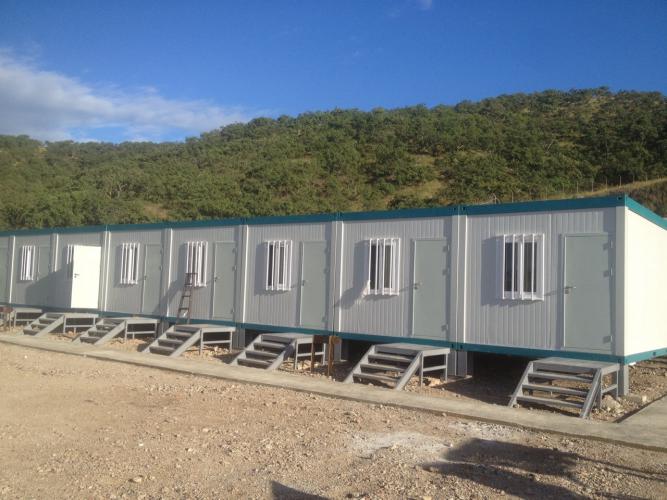
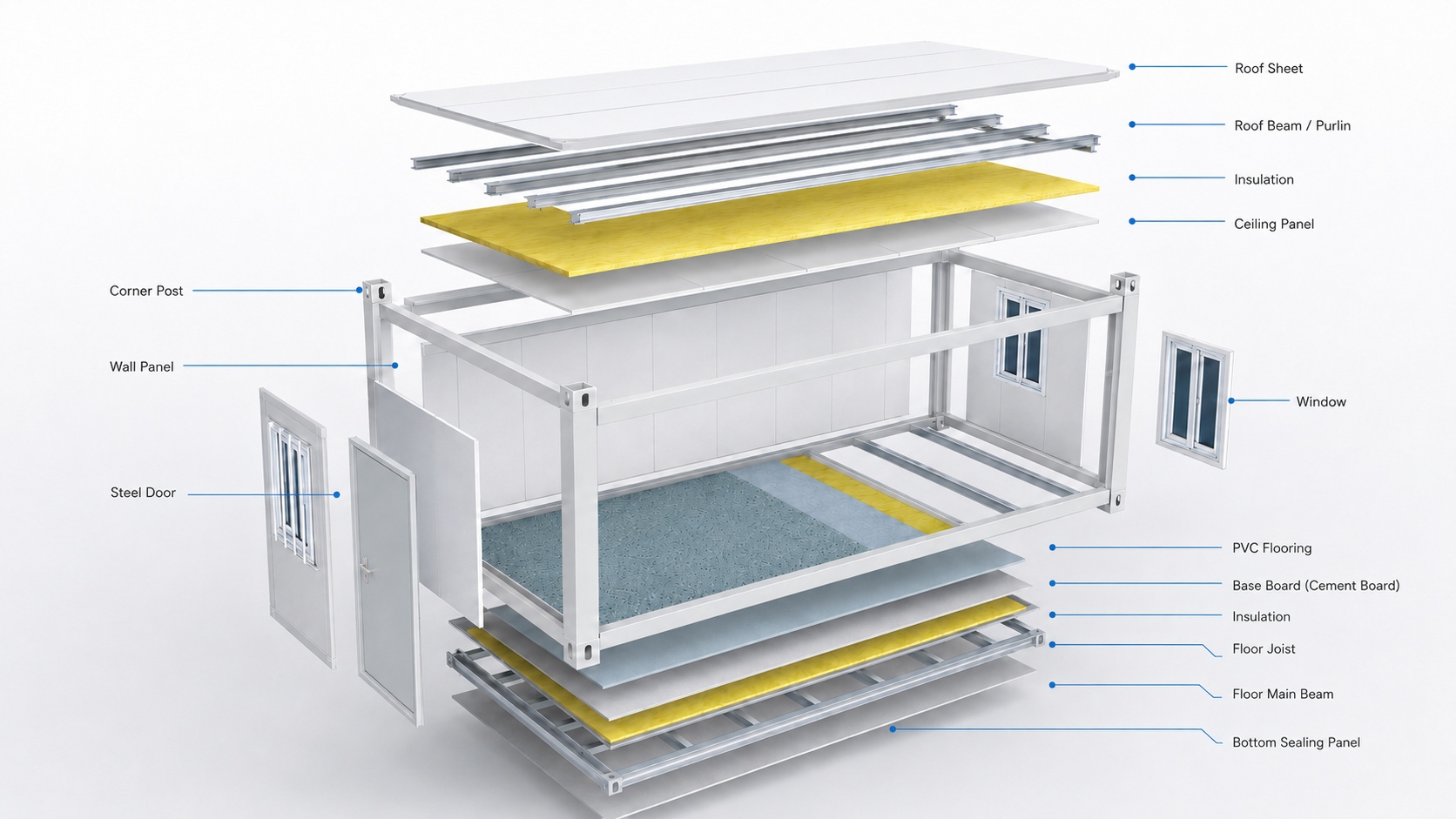
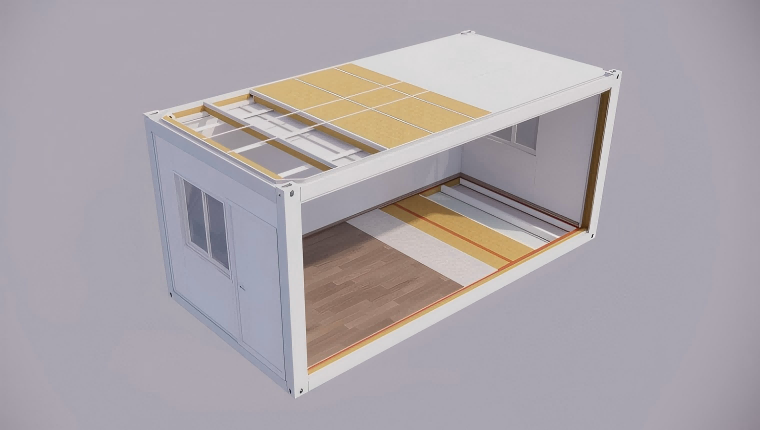
A prefab modular house is a building made from factory‑produced modules that are transported to site and quickly assembled into complete living or working spaces. Each module typically includes the steel structure, insulation, internal finishes and basic electrical and plumbing interfaces before leaving the factory, which makes on‑site construction much faster and more predictable than traditional methods.
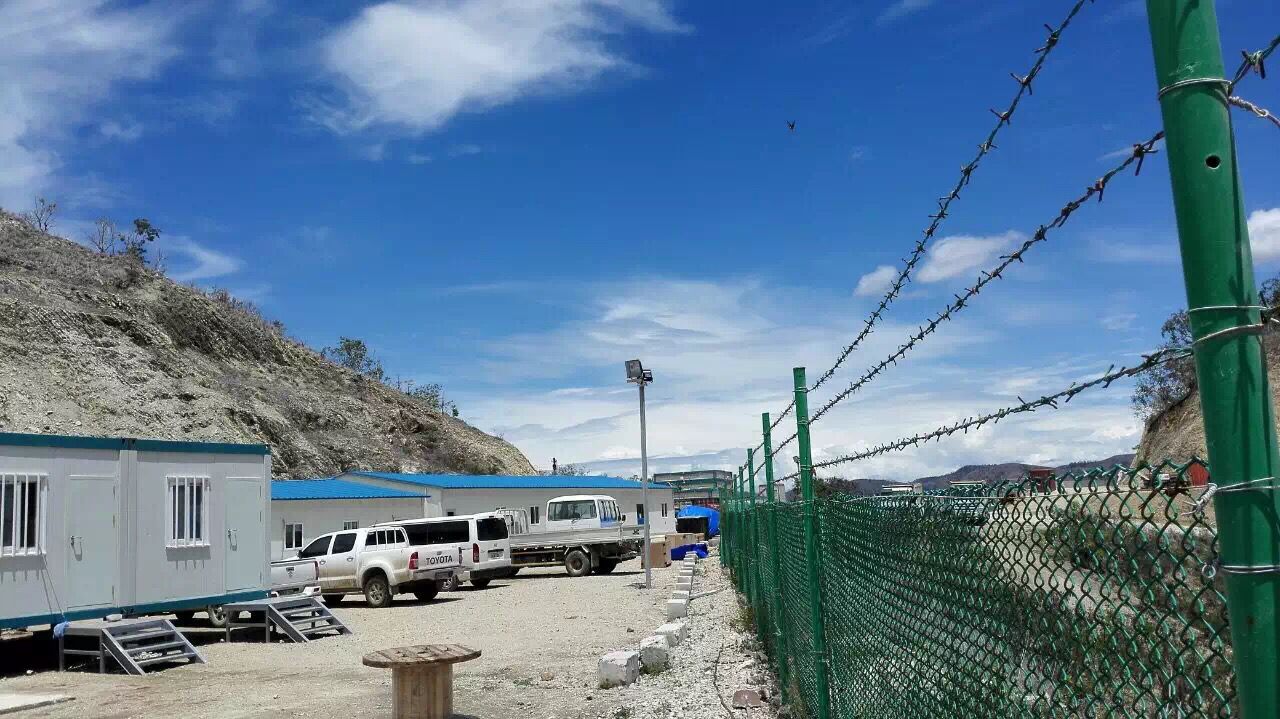
In global engineering camps, prefab modular houses are used for accommodation blocks, offices, canteens, clinics, religious buildings and storage facilities within the project boundary. Instead of casting concrete and building brick walls in remote or harsh environments, contractors use these modular units like building blocks, stacking or arranging them to create complete camp layouts. This approach reduces weather risk, sho
rtens project schedules and makes it easier to relocate or expand the camp when project needs change.
Prefab modular houses are not only single buildings but part of an integrated camp solution that includes power, water, drainage, communications, fire protection, transport, security and environmental systems. When designed as part of an EPC camp, these modules form the core of a safe, comfortable and efficient “temporary city” for workers and management teams.
You can learn more about Chengdong Modular House on the official website homepage: https://www.cdph.net
Climate and Environment Challenges for Engineering Camps
Large engineering projects are increasingly located in deserts, plateaus, alpine regions, coastal zones and remote inland sites where climate and environment make camp construction difficult. In these locations, daytime temperatures may exceed 45°C, nighttime temperatures may drop far below freezing, and sandstorms, high winds or heavy rain are common. Traditional site‑built buildings often face delays and quality issues under such conditions because concrete curing, masonry work and finishes are highly sensitive to temperature and humidity.
Remote project sites also suffer from limited local construction resources, lack of skilled labor, and long supply chains for materials. Contractors working on dams, roads, oil and gas pipelines or power plants must still deliver safe accommodation and work spaces for hundreds or thousands of staff, but they cannot afford multi‑year permanent construction timelines. These constraints make modular, prefabricated solutions attractive: the bulk of work is completed in controlled factory environments, while on‑site operations focus on foundations, assembly and system connections.
Environmental protection is another key challenge. Camps must minimize land disturbance, control wastewater and solid waste, and allow the site to be restored after the project is completed. Prefab modular houses and container camps can be disassembled and removed with minimal construction waste, supporting responsible development in sensitive ecosystems.
Core Attributes of Prefab Modular Houses for Camps
Prefab modular houses designed for engineering camps combine several core attributes: structural safety, climate‑adaptive performance, high integration and reusability.
Structural safety and durability
Modular container houses are engineered with hot‑dip galvanized steel structures, anti‑corrosion coating systems and verified performance in wind and seismic loads suitable for real project environments. With proper design and maintenance, these houses can reach service lives from 10–15 years in harsh sites up to several decades in milder conditions.
Climate‑adaptive insulation and comfort
In alpine or plateau regions with low temperatures, cold‑resistant container houses use enhanced insulation and optimized wall panels to maintain indoor comfort and energy efficiency even in extreme cold. In desert or Gobi environments, container modules are designed with low thermal transmittance values to reduce heat gain and improve cooling efficiency, keeping indoor spaces comfortable while controlling energy costs.
High integration and fast installation
Modular units leave the factory with integrated floors, roofs, wall panels, doors, windows and key interfaces, which drastically reduces the need for secondary decoration on site. For example, CDPH flat‑pack container houses offer high integration of roof and ground systems so they can be quickly assembled in camp layouts without complex wet trades. This greatly shortens installation time and reduces labor requirements.
Reusability and multi‑project deployment
After one project finishes, container and modular houses can be dismantled, transported and reused on new sites, allowing contractors to obtain many years of cumulative use from the same assets. This makes prefab modular houses particularly suitable for companies managing portfolios of projects across different countries or regions, because they can treat the camp assets as mobile infrastructure.
In practice, a prefab modular house in an engineering camp is a standardized, factory‑built module designed to deliver safe, climate‑appropriate, rapidly deployable and reusable buildings within a larger EPC camp solution.
Typical Prefab Modular House Products in EPC Camps
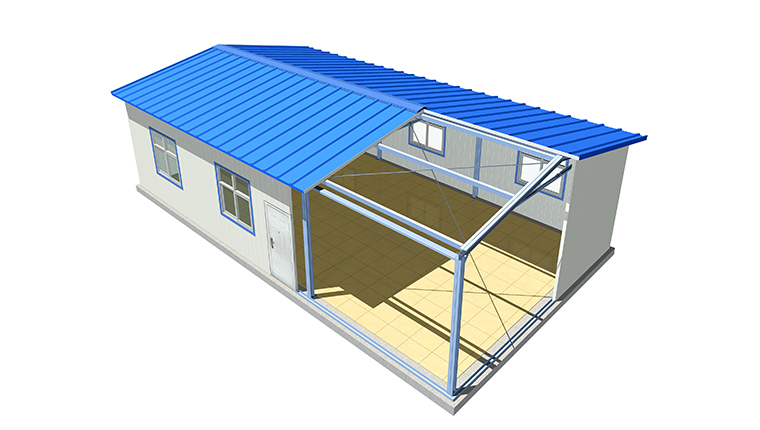
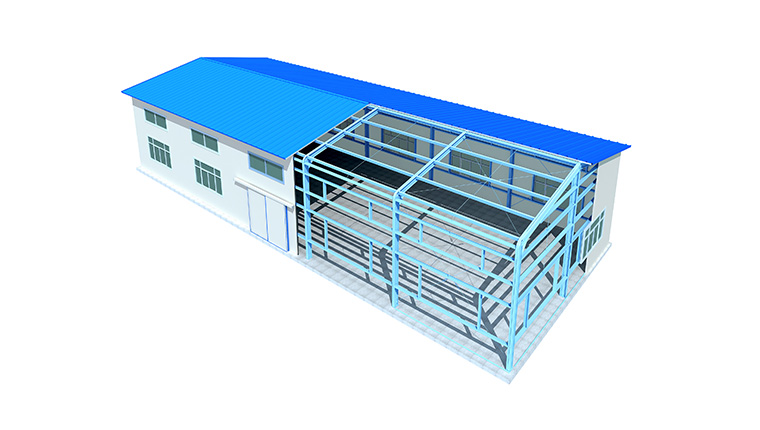
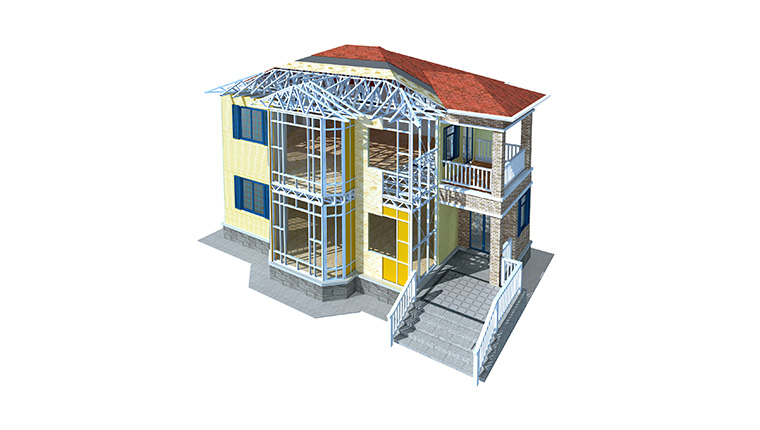
In real EPC project camps, different product types are combined to form a complete living and working environment. Chengdong (CDPH) provides several categories of prefab modular houses and related products, including container houses, modular houses, prefab houses and light steel villas.
You can explore container houses and modular houses here:https://www.cdph.net/product-center/container-house
Typical applications include:
Worker accommodation modules with standard room layouts, sanitary facilities and HVAC suitable for specific climates.
Office and control room modules designed for project management, technical teams and on‑site supervision.
Dining halls, kitchens and recreational buildings forming the public service zone of the camp.
Medical, security and religious buildings supporting health, safety and cultural needs of multinational teams.
CDPH’s product center showcases different container house series and modular solutions tailored to energy, mining, infrastructure and other sectors. These standardized products are then configured into project‑specific layouts through the EPC camp planning process, ensuring that each camp matches local climate and operational requirements.
Case Study: Xinjiang Dashixia Water Conservancy Project Camp
A clear illustration of prefab modular houses in a challenging environment is the Xinjiang Dashixia Water Conservancy Project Camp. Chengdong delivered a large modular living and office camp for the Dashixia dam project in Xinjiang, with a total camp area of about 33,500 m². This case shows how modular housing can support long‑term dam and water conservancy construction under complex climate and terrain conditions.
Xinjiang features continental climate characteristics with large temperature differences, strong winds and complex terrain near dam sites, all of which make conventional construction difficult. In this project, modular container houses and related prefab units formed accommodation blocks, offices and supporting facilities, allowing the contractor to build a complete camp in a relatively short period while ensuring safety and comfort.
The Dashixia camp demonstrates how EPC camp solutions using prefab modular houses can support high‑intensity infrastructure works. The modules provide safe housing for engineers, workers and managers, while the supporting systems ensure reliable water supply, power, drainage, communications, fire safety and environmental protection.
You can view detailed information about this project here:https://www.cdph.net/case-center/xinjiang-dashixia-water-conservancy-project-camp
EPC Camp Solutions: How Prefab Modular Houses Solve Site Problems
For many owners and contractors, the key issue is not only what a prefab modular house is, but how an EPC camp solution using prefab modular houses can solve the specific problems of their project site. CDPH works as an EPC‑style camp solution provider, guiding clients from early planning and design through logistics, on‑site installation and operation support.
A typical EPC camp process includes:
Needs assessment and site investigation
CDPH’s team analyzes project type (energy, mining, infrastructure), staff numbers, contract duration, climatic conditions and local regulations to define camp requirements. This step includes reviewing topographic data, access routes and environmental sensitivities at the site, so the camp can be planned scientifically.
Integrated camp planning and system design
Based on decades of camp experience, Chengdong provides master planning that divides the camp into accommodation, office, production, public service and logistics zones, while coordinating water, power, drainage, fire protection, security, transport and environmental systems. The plan optimizes walking distances, safety, privacy and operational efficiency.
Product selection: prefab modular houses and container units
The team selects specific container house models, modular house types and auxiliary prefab buildings from the CDPH product system according to climate and functional needs. For cold regions, cold‑resistant container houses are chosen; for desert or Gobi sites, special insulation and corrosion‑resistant configurations are applied; for coastal or humid climates, anti‑corrosion and ventilation are emphasized.
Factory production in three China factories
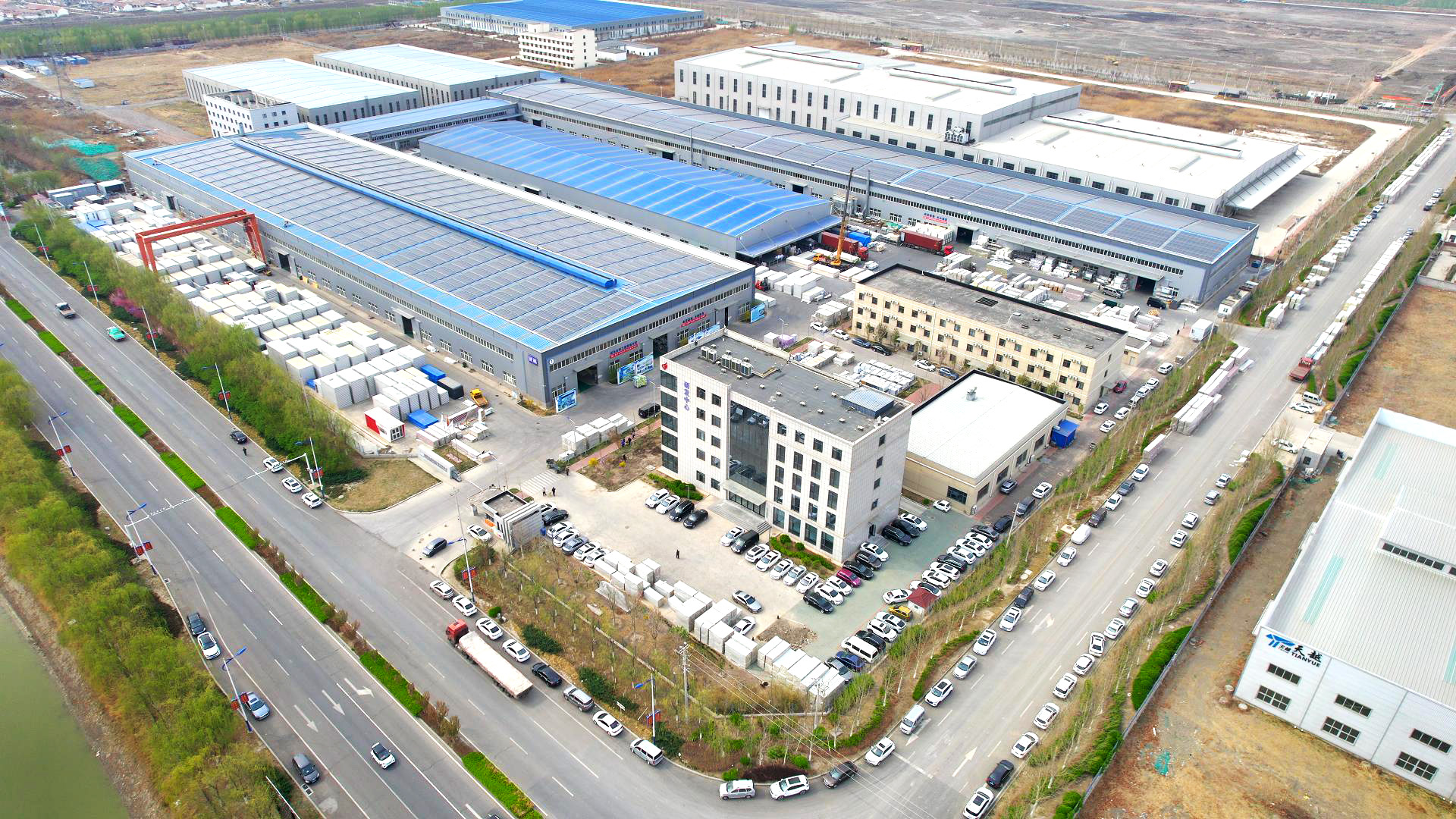
Chengdong’s camp solutions are supported by three main manufacturing bases in China. Through these factories, CDPH produces container houses, modular houses and related components with standardized processes and strict quality control. High integration and stable quality from the factories ensure that modules arrive on site ready for fast assembly and long‑term use.
Global logistics and on‑site installation
Modules are shipped by road, rail or sea to project sites, where installation teams assemble the prefab modular houses, connect the support systems and carry out commissioning. Because modules are highly integrated, on‑site schedules are shorter and more predictable, which is critical in regions with short construction seasons or severe weather.
Camp operation support and future redeployment
After handover, CDPH can support camp operation through maintenance guidance and module redeployment plans when the project ends. Well‑planned inspections, maintenance and recoating extend the service life of container and modular houses and maximize return on investment, especially when modules are reused on future projects.
Through this EPC process, prefab modular houses move from being single products to forming a reliable, turnkey solution for complex engineering projects around the world.
Why Chengdong Prefab Modular Houses Improve Project Outcomes
For project owners and EPC contractors, choosing a professional prefab modular house provider like Chengdong (CDPH) offers several important advantages.
Proven global camp experience
Chengdong has delivered more than a thousand camp projects in dozens of countries and regions, covering energy, mining, infrastructure and cultural tourism. This experience allows the team to understand diverse climates, regulations and cultural expectations when planning camps, lowering the learning cost for each new project.
Integrated EPC capability with three factories
With three major manufacturing bases in China supporting container houses, modular houses and supporting systems, CDPH can coordinate production capacity for large‑scale camps and tailor product specifications to different regional needs. This integrated structure supports fast delivery and stable quality, which is essential when projects have tight schedules or remote sites.
Climate‑specific product solutions
For cold regions, plateau sites, desert environments and coastal areas, Chengdong offers container houses and modular units with tailored insulation, corrosion protection and structural configurations that address real climate risks. This reduces energy consumption, extends service life and improves comfort for workers and managers, enhancing the image of the project owner as well.
One‑stop service from design to delivery
By acting as the planner, designer, product supplier and construction manager for camp projects, CDPH provides a one‑stop solution that reduces coordination costs and contractual complexity for clients. This is particularly valuable for multinational contractors managing multiple subcontractors and tight schedules, because one experienced camp provider can take responsibility for the complete solution.
From a business perspective, a prefab modular house is not just a “quick building” but a key building block in a comprehensive EPC camp solution that improves safety, schedule, cost and sustainability outcomes for engineering projects. With CDPH’s EPC experience, three domestic factories and climate‑specific product lines, engineering companies can build reliable, comfortable and efficient camps even in the most challenging environments.




 More
More








![Top Advantages of Modular Construction Explained [2025]](/uploads/upload/images/20250424/0fb390068474145a09a8c0504c73b1d2.png)
 May 09, 2025