Title
Plateau Container Houses for High-Altitude Mining Camps
Meta Description
Discover how plateau container houses with integrated insulation and nine-system camp solutions create safe, energy-efficient high-altitude mining camps.
Keywords:
how to insulate a shipping container house
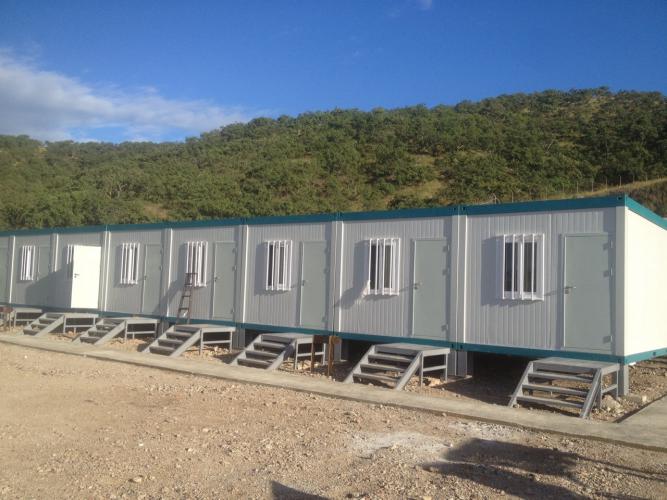
Designing insulation for plateau container houses in high-altitude mining camps is about more than keeping people warm or cool—it is about protecting workers, stabilizing operations, and controlling lifecycle costs in one of the most demanding environments on earth. High-altitude plateaus combine strong solar radiation, thin air, high winds, and dramatic day–night temperature swings, so a generic container house is rarely enough; you need a plateau-focused insulated modular solution designed as part of a complete engineering camp system.
Why high-altitude camps need specialized insulation
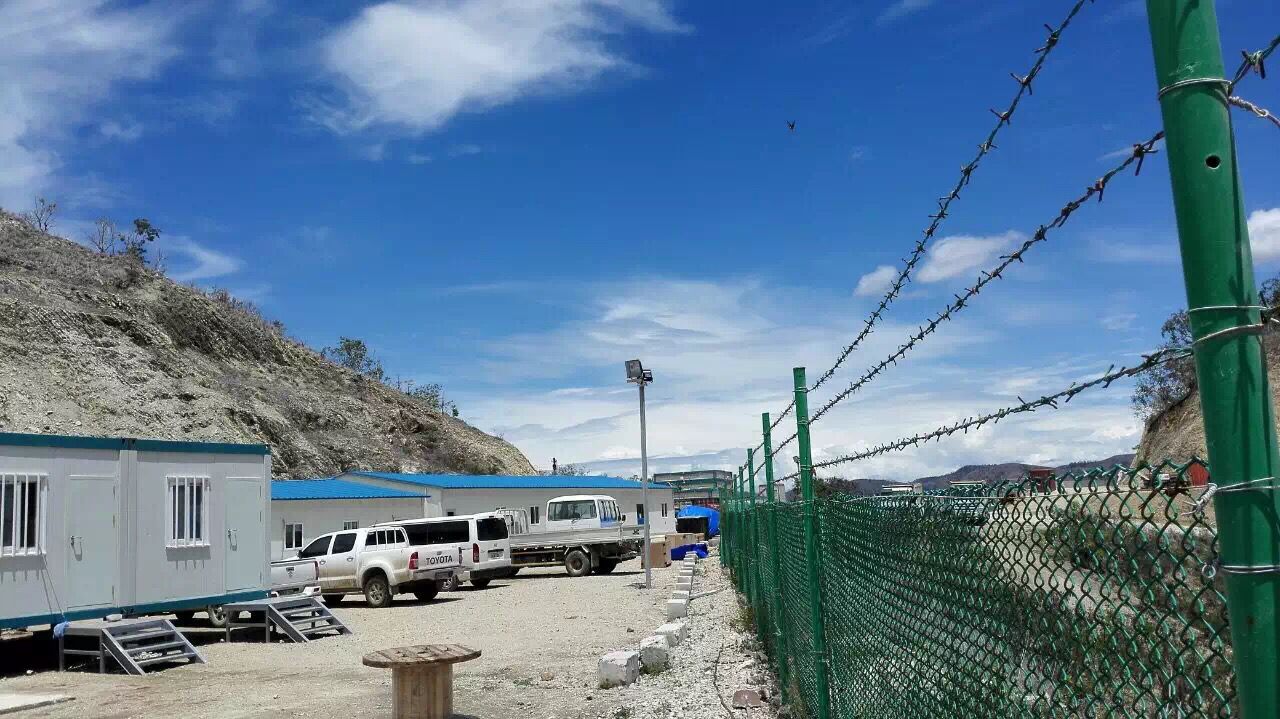
High-altitude mining sites are typically far from cities, located on plateaus or mountains where temperature can drop sharply at night while daytime solar radiation is intense. In such locations, engineering camps must offer a safe, comfortable and energy-efficient living environment for workers, sometimes for many years of continuous operation.
Container houses used in these camps are primarily steel structures, which conduct heat quickly and are sensitive to both low temperatures and thermal expansion without proper insulation and detailing. Without a targeted insulation strategy, occupants may face cold rooms at night, overheating during the day, condensation on walls and ceilings, and excessive heating or cooling loads on camp energy systems.
Chengdong Housing has decades of experience delivering modular camps across more than 100 countries, including plateau, Gobi and cold regions, which has led to specialized “plateau container house” solutions tailored to these conditions. These solutions integrate building envelopes, utilities, and camp-level planning into one coherent system rather than treating insulation as an afterthought.
Plateau container houses within an integrated camp solution
High-altitude mining camps are rarely just a few scattered cabins; they are complete communities with accommodation, offices, canteens, clinics, and support facilities. Chengdong’s “nine-system” camp concept treats buildings, water and drainage, power, low-voltage systems, fire protection, security, roads, environmental facilities, and environmental protection as one integrated solution platform.
Within this framework, plateau container houses are modular units designed for quick installation, repeated relocation, and high reuse value. Floors and roofs are factory-integrated with insulation and structural systems, allowing onsite assembly to follow a simple, standardized process while maintaining tight control over thermal performance.
This industrialized approach is particularly important in remote high-altitude camps, where local construction resources are limited and weather windows are short. By shipping ready-made insulated modules and coordinating logistics with local partners, Chengdong can help contractors complete camp construction efficiently and restore the original site after demobilization with minimal construction waste.
Key environmental challenges on plateaus
Designing insulation for plateau container houses starts with understanding the environmental stresses they must handle.
Large diurnal temperature swings: Temperatures may be mild at noon but close to freezing at night, causing repeated expansion and contraction of building envelopes.
Strong solar radiation and ultraviolet exposure: Intense UV accelerates aging of exterior coatings and roofing materials if they are not properly specified.
Thin air and wind exposure: Lower air density and strong winds affect both heat transfer and wind load design, requiring careful structural and thermal coordination.
Remote location and limited infrastructure: Camps are far from cities, so reliable insulation must be paired with efficient water, power, and environmental systems to reduce energy consumption and maintenance.
Plateau container house solutions therefore focus not only on insulation thickness but also on material durability, airtightness, and compatibility with camp utilities and logistics.
Structural and insulation configuration of Chengdong modular houses
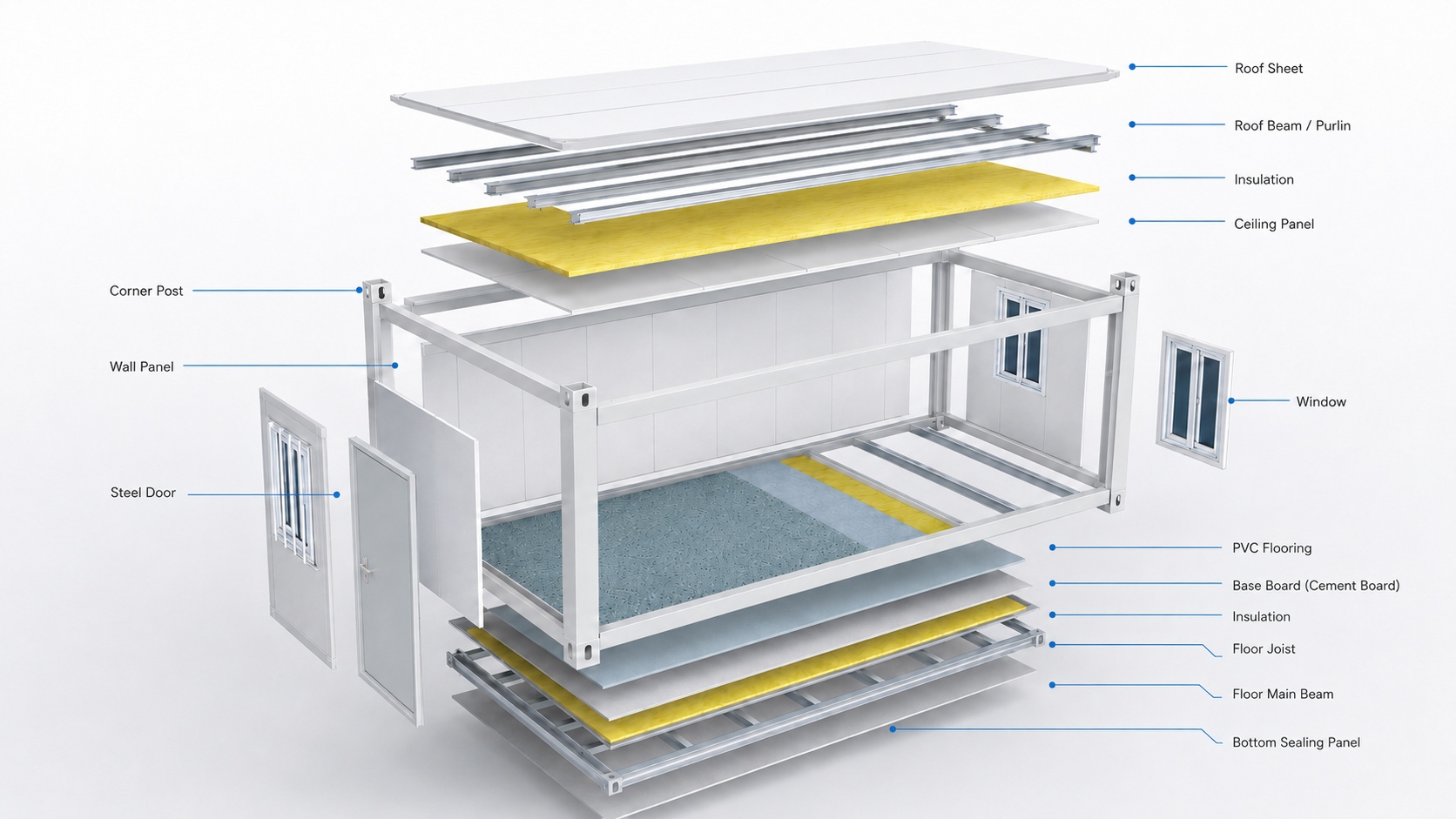
Chengdong’s modular container houses are designed with highly integrated floors, roofs and walls that leave the factory with most structural and insulation components pre-installed. This strategy reduces onsite work and ensures consistency across hundreds or thousands of modules in large mining camps.
Floor systems
Standard floor systems use hot-dip galvanized steel structures combined with thermal insulation layers. A typical configuration includes approximately 100 mm of glass wool insulation with a density around 16 kg/m, protected by boards such as 18 mm panels and finished surfaces like rubber flooring. This combination provides a solid, load-bearing floor with a heat transfer coefficient around 0.46 W/m²·K for standard modular products.
In harsher climates—such as plateaus or cold regions—floor insulation can be upgraded in thickness and material, following configuration patterns developed for cold-resistant box houses. By matching insulation thickness and density with design temperature ranges, engineers can improve comfort and reduce heat loss through the floor, which is particularly important for elevated modules in windy plateau settings.
Wall panels
Walls are a critical part of the thermal envelope in any container house, and Chengdong’s modular products rely heavily on factory-produced sandwich panels. A standard specification includes 75 mm glass wool sandwich panels with a density of about 55 kg/m, offering both thermal and acoustic performance.
For more demanding climate zones—as documented in cold-resistant box house technical descriptions—panel thickness can increase to 110–190 mm, with corresponding reductions in heat transfer coefficients. Solutions tailored for design temperatures from −10 ℃ to −50 ℃ achieve U-values between about 0.25 and 0.50 W/m²·K, depending on the combination of insulation thickness and layer configuration.
This flexibility in wall panel design lets plateau camps choose the right balance of insulation performance, structural constraints and investment cost, while staying within standardized modular dimensions.
Roof and ceiling systems
Roof structures in Chengdong modular houses are also hot-dip galvanized and integrate 100 mm glass wool insulation with aluminum foil layers and color-coated steel sheets. Standard configurations aim for a roof heat transfer coefficient around 0.64 W/m²·K, which can be tightened in cold or high-altitude designs by increasing insulation thickness or upgrading materials.
In very cold or high-altitude environments, roof solutions may draw from cold-resistant box house schemes that integrate thicker insulation layers and improved glazing performance for any skylights or roof windows using low-emissivity multi-layer glass. This is important to control overheating during the day while minimizing heat loss at night under clear skies common in plateau regions.
Columns, connectors and thermal continuity
The structural skeleton uses galvanized steel columns and beams with anti-corrosion coatings and optional internal thermal insulation layers. Key to high-altitude insulation performance is designing joints and connectors—such as Chengdong’s K-connection system—so that they maintain structural strength while limiting thermal bridges at module junctions.
By standardizing connection details and using bolt-based connectors that allow panel removal and replacement without damage, the system supports both strong wind resistance and thermally continuous envelopes.
Designing insulation for large temperature swings
With this structural and material toolbox, designers can tailor plateau container houses to handle the extreme swings between daytime and nighttime conditions in mining regions.
Matching insulation to temperature bands
Cold-resistant technical documents categorize climates by temperature ranges such as −10 ℃ to −20 ℃, −20 ℃ to −30 ℃, −30 ℃ to −40 ℃, and −40 ℃ to −50 ℃, with corresponding recommended insulation thickness and U-values for walls, roofs and floors. Plateau camps may not always be as cold as the harshest zones, but they often experience large diurnal swings that justify intermediate configurations.
By combining a wall panel thickness of 110–160 mm with corresponding roof and floor insulation, camps can achieve a balanced thermal envelope that avoids over-insulation—which would increase initial cost and weight—while maintaining comfort and energy efficiency for the specific mining site. This approach allows engineers to choose practical configurations instead of guessing or using “one size fits all” materials.
Balancing day overheating and night cooling
Plateau container houses must manage both daytime solar gains and nighttime heat loss. Insulation alone is not enough; design must combine:
Adequate roof and wall insulation to reduce heat loss at night.
Proper color and reflectivity of exterior panels to limit solar absorption during the day.
Shading devices and orientation strategies to reduce direct solar load on exposed facades and roofs.
Ventilation strategies coordinated with low-voltage and power systems to expel hot air and ensure fresh air without excessive energy consumption.
Chengdong’s integrated nine-system approach allows building, power, HVAC and low-voltage systems to be designed as a coordinated whole, rather than separate packages with conflicting requirements. This is particularly important in remote plateau camps where energy supply capacity and reliability are limited.
Integration with camp utilities and environmental systems
Proper insulation design in plateau container houses reduces heating and cooling demand, which in turn affects sizing and performance of camp utilities and environmental systems.
Power and HVAC systems
Camp power systems include transformers, diesel generators, and in some cases photovoltaic generation, all planned as part of the power system within the nine-system framework. Better insulation lowers peak and average loads on these systems, allowing smaller or more efficient equipment while maintaining comfort.
Lighting systems with energy-saving LED fixtures are also part of the power system, contributing to reduced energy use and improved working and living conditions at the camp. By combining efficient insulation and lighting, plateau camps can support long-term operations with lower fuel or power costs.
Water, sanitation and environmental protection
High-altitude mining camps produce domestic wastewater daily, and integrated treatment equipment prevents untreated discharge into local water bodies. Reliable insulation keeps indoor temperatures above freezing, supporting stable operation of water supply and wastewater systems, including purifiers and integrated treatment units.
Environmental protection systems—such as waste treatment and green landscaping facilities—are also part of the nine-system design and benefit from stable indoor temperatures and controlled microclimates around buildings. By treating insulation as part of a broader environmental strategy, plateau camps can better meet ecological and regulatory expectations.
Project experience and logistics for plateau and similar regions
Chengdong’s experience spans more than a thousand camp projects in over a hundred countries, including high-altitude and remote sites in South America and other regions. Projects such as hydropower camps, multi-mining operations, and power plants demonstrate the adaptability of modular container solutions to diverse climates and terrains. Many of these are documented in the company’s case library of proven modular housing projects for mining, oil & gas, which shows how integrated modular camps operate in real high-altitude and harsh environments.
Professional logistics planning is essential to deliver insulated modules and nine-system components to plateau mining sites, often via long overland routes or multimodal transport. Chengdong works with local partners and multiple shipping providers to design packaging and shipping plans that protect modules and reduce logistics costs.
Onsite, experienced technical teams familiar with local building regulations lead and guide local workers through installation, ensuring that customized plateau insulation configurations are properly assembled and sealed. This project management capability helps mining companies achieve reliable camp delivery within tight schedules.
Benefits of plateau-specific insulated container houses
When high-altitude mining camps adopt plateau-specific insulated container houses as part of an integrated camp solution, they gain several tangible benefits.
Comfort and safety: Stable indoor temperatures, reduced condensation and improved acoustics contribute to worker wellbeing and productivity.
Energy efficiency: Lower heat transfer coefficients for floors, walls and roofs reduce heating and cooling energy consumption and operating costs over the project lifecycle.
Durability and reliability: Galvanized steel structures, optimized coatings and UV-resistant materials withstand harsh plateau climates, extending service life.
Speed and flexibility: Factory-prefabricated modules and standardized connectors allow rapid deployment, repeated relocation, and easy scaling up or down as mining operations change.
Environmental performance: Integrated wastewater treatment and environmental protection systems work more effectively when buildings are properly insulated, helping camps meet ecological goals.
By choosing plateau container house solutions grounded in proven structural and insulation configurations, mining companies can reduce risk and focus on core operations rather than camp maintenance issues.
How to move from concept to implementation
For mining companies and EPC contractors, the path from concept to a fully functional high-altitude camp starts with integrated planning. Chengdong’s camp planning services cover topographic analysis, functional zoning, road planning, drainage, utility layouts and building typology selection.
Once functional needs and environmental conditions are defined, engineers select appropriate modular products—such as plateau container houses and supporting systems—from the “menu of nine systems.” This menu-like approach simplifies decision-making by presenting tested combinations of structural, insulation and system components, similar to ordering from a well-structured catalog rather than designing from scratch. The broader modular product center provides an overview of container houses, prefab houses, light steel villas and other modular solutions that can be configured to match different plateau project requirements.
For more information about modular camp solutions and plateau container house options, mining project owners and contractors can refer to the official Chengdong Housing website at https://www.cdph.net/, which showcases global project experience and product offerings.




 More
More










![Top Advantages of Modular Construction Explained [2025]](/uploads/upload/images/20250424/0fb390068474145a09a8c0504c73b1d2.png)
 May 09, 2025