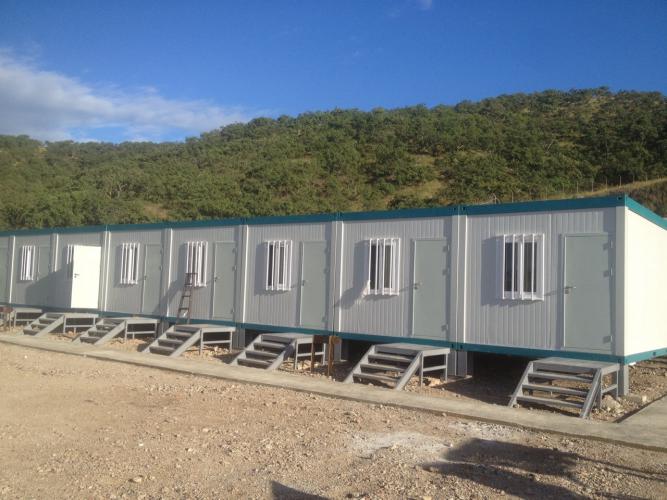
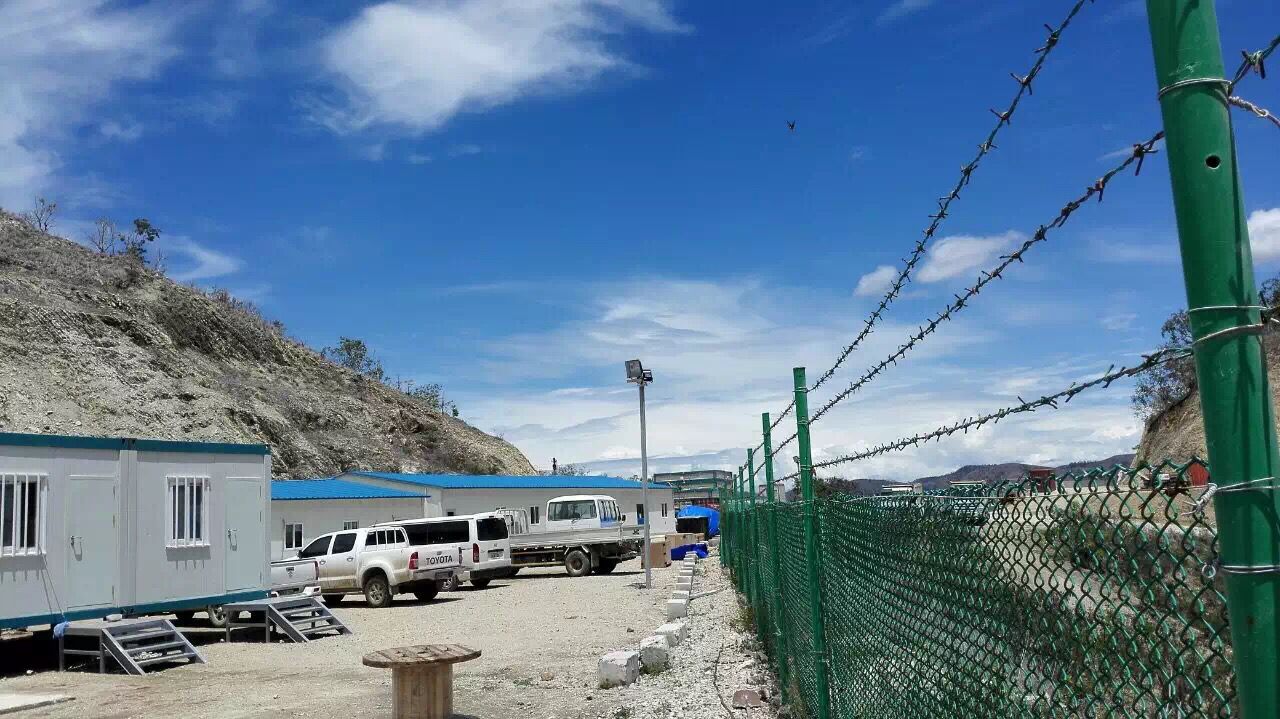
What a Temporary Workforce Housing Manufacturer Does
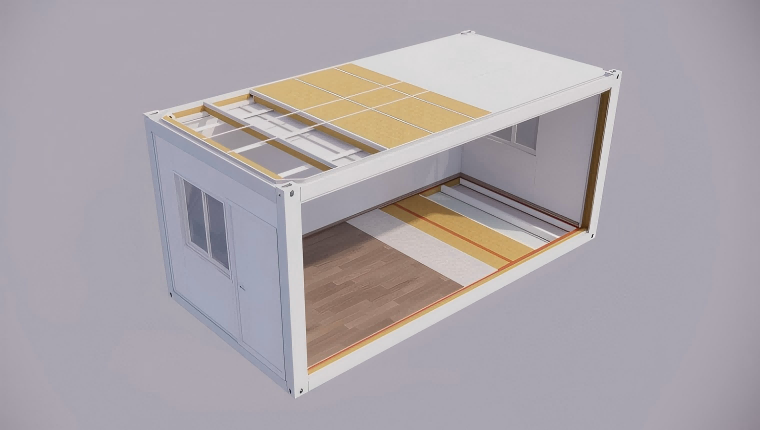
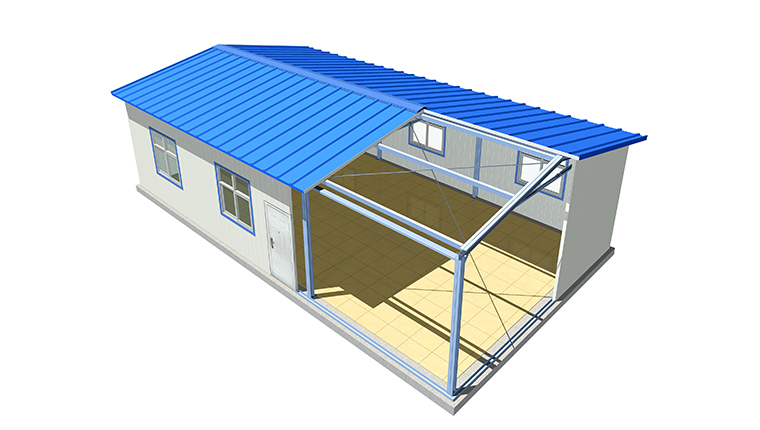
A temporary workforce housing manufacturer designs, produces, and installs prefabricated accommodation and support facilities for workers on time‑limited or remote projects. Instead of building with traditional concrete and masonry on site, they use factory‑made modular units—often container houses or panelized buildings—that are transported and assembled like building blocks. These units form complete camps with dormitories, dining halls, offices, clinics, and recreation spaces so teams can live and work safely near the jobsite.
This model is widely used in construction, oil and gas, mining, infrastructure, power, and humanitarian operations where commuting from cities is not practical. By combining industrialized production with flexible layout design, temporary workforce housing manufacturers shorten project setup time while keeping quality and cost under tighter control.
Why Owners Choose Modular Workforce Housing
When you select a professional temporary workforce housing manufacturer, you are primarily buying speed, predictability, and safety.
Faster delivery: Modular workforce housing can be manufactured and installed 40–50% faster than conventional construction because site preparation and off‑site production happen in parallel. This is critical for projects with tight mobilization windows or seasonal weather constraints.
Cost efficiency: Factory‑controlled processes, standardized modules, and reduced on‑site labor can lower total building costs by roughly 20–40% compared with traditional builds, depending on specifications and location.
Quality and compliance: Reputable manufacturers build to recognized building codes and quality standards, using tested materials and systems that support structural strength, fire safety, and thermal performance.
Scalability and redeployment: Temporary workforce camps can be expanded, downsized, or relocated as workforce numbers change, spreading capital investment across multiple projects or sites.
For project developers and EPC contractors, these advantages translate into faster revenue, fewer schedule risks, and better living conditions for workers, which in turn supports productivity and retention.
Core Features of High‑Quality Temporary Workforce Housing
Not all temporary workforce housing providers offer the same level of engineering. A strong manufacturer typically focuses on these core features.
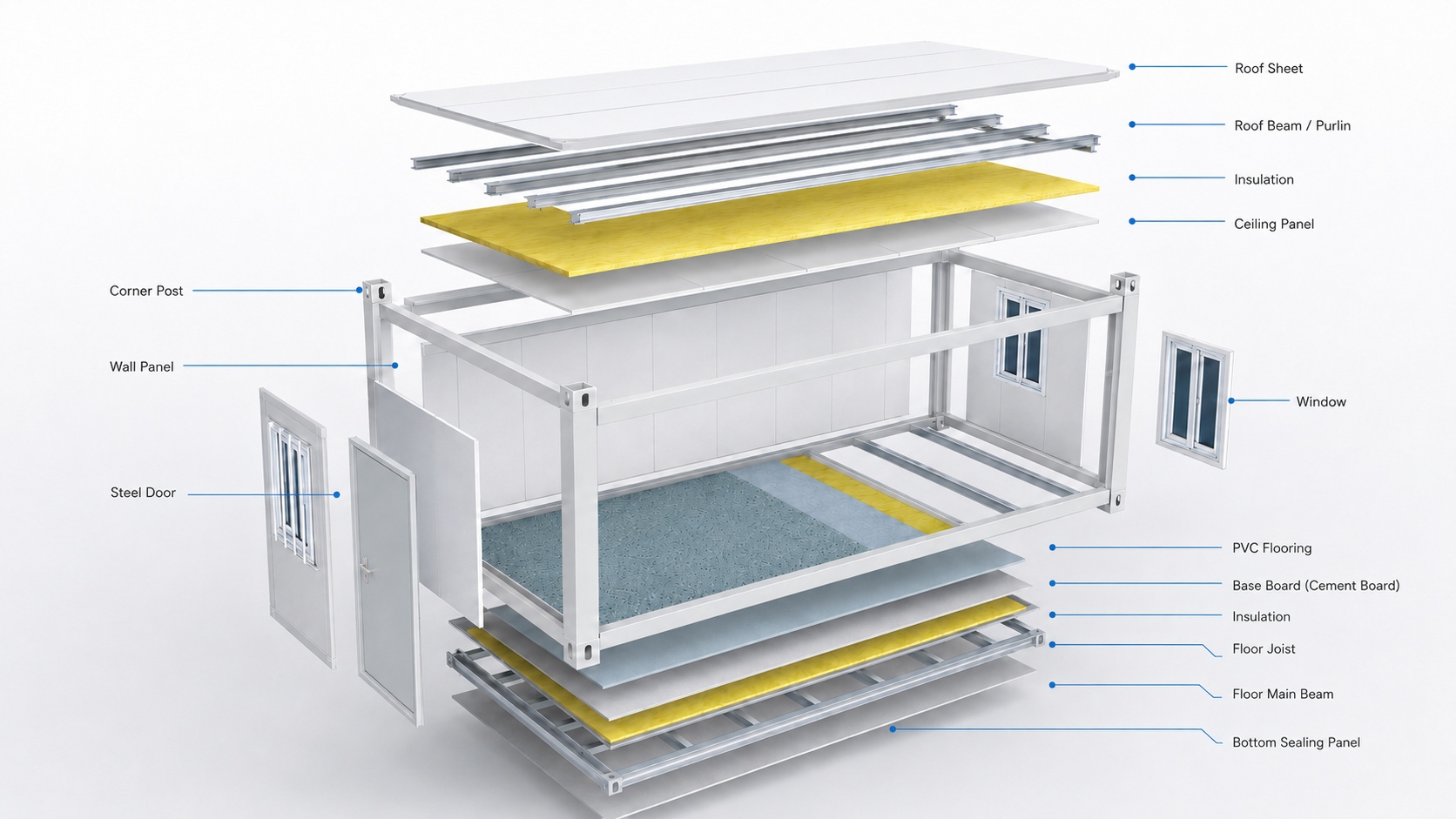
Structural performance: Frames and columns use galvanized or painted structural steel designed for specified live loads, wind loads, and seismic requirements, verified by laboratory testing and certifications. For example, container systems can be engineered to handle typical floor and roof loads for multi‑story dormitories and office blocks.
Thermal and acoustic comfort: Wall and roof panels incorporate insulation materials like glass wool or polyurethane in defined thickness and density to achieve targeted heat transfer coefficients, reducing energy usage in extreme hot or cold climates.
Durability and corrosion resistance: Protective coatings based on standards such as ISO 12944 help modules withstand marine, desert, or industrial environments over many years of operation.
Integrated utilities: Electrical, water supply, drainage, and HVAC systems can be pre‑installed or semi‑finished at the factory, minimizing complex work on site and improving commissioning speed.
Safety and code compliance: Fire‑rated materials, evacuation signage, fire alarm systems, and security provisions are incorporated as part of the camp design instead of being treated as afterthoughts.
When evaluating a temporary workforce housing manufacturer, ask for technical datasheets, test reports, and project references that demonstrate these capabilities in conditions similar to your project.
Beyond Buildings: Full Camp System Integration
The best temporary workforce housing manufacturers provide complete camp systems—not just individual units. That means designing and delivering everything needed to run a “small city” for workers over several years.
A mature integrated offering typically covers:
Master planning: Zoning of living, office, industrial, and recreation areas; land‑use ratios; road layout; and pedestrian flows that reflect workforce size and rotation patterns.
Building portfolio: Dormitories (single, double, and suite), canteens and kitchens, office buildings, clinics, security buildings, warehouses, worship spaces, and leisure facilities.
Nine supporting systems (example from Chengdong): buildings, water supply & drainage & heating, power, low‑current/communications, fire protection, security, roads and traffic, landscaping and environmental facilities, and environmental protection for waste and wastewater.
Logistics and construction management: Packaging design, multimodal transport, customs clearance, on‑site installation, and coordination with local subcontractors and authorities.
Operation and maintenance support: Training and optional services for camp operation, equipment maintenance, and future expansion or relocation.
Working with a single integrated manufacturer reduces the number of interfaces for the client, helping projects maintain schedule and quality across all parts of the camp.
Case Study: Rapid Deployment Container Housing for Afghanistan Aid
A powerful example of what a capable temporary workforce housing manufacturer can achieve under pressure is Chengdong’s rapid deployment container housing for the Afghanistan aid project.
For this humanitarian operation, Chengdong (CDPH) provided container‑based housing that could be delivered quickly to support personnel working in a complex, high‑risk environment. Modules were factory‑produced and then shipped for fast assembly on site, allowing the camp to become operational within a tight timeframe.
Key takeaways from the case include:
Rapid response: The project shows how modular container housing can be deployed on short notice to create safe, organized living and working spaces in an unstable region.
Custom configuration: Layouts and internal fittings were adapted to the aid mission’s needs, with appropriate room types and supporting facilities to house and support staff effectively.
Professional support: Chengdong provided technical guidance and on‑site coordination to align the housing solution with local conditions, security requirements, and logistical constraints.
This project is presented by Chengdong as a benchmark for rapid‑deployment modular housing in the military and assistance sector, and it clearly illustrates how a temporary workforce housing manufacturer can operate beyond commercial construction to serve humanitarian goals.
Chengdong (CDPH): Brand Profile as a Workforce Housing Manufacturer
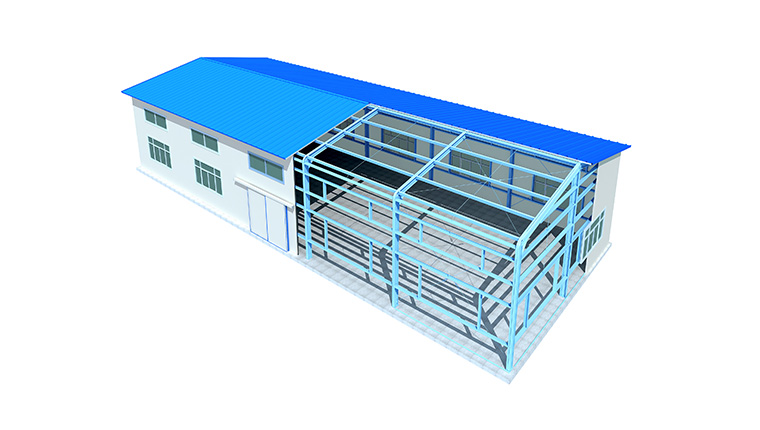
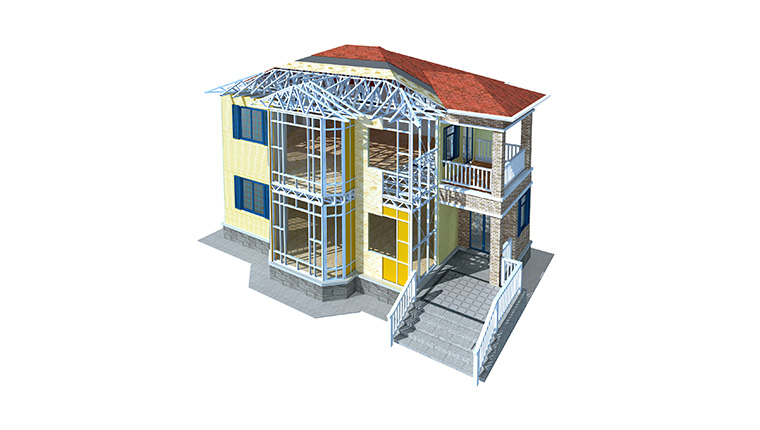
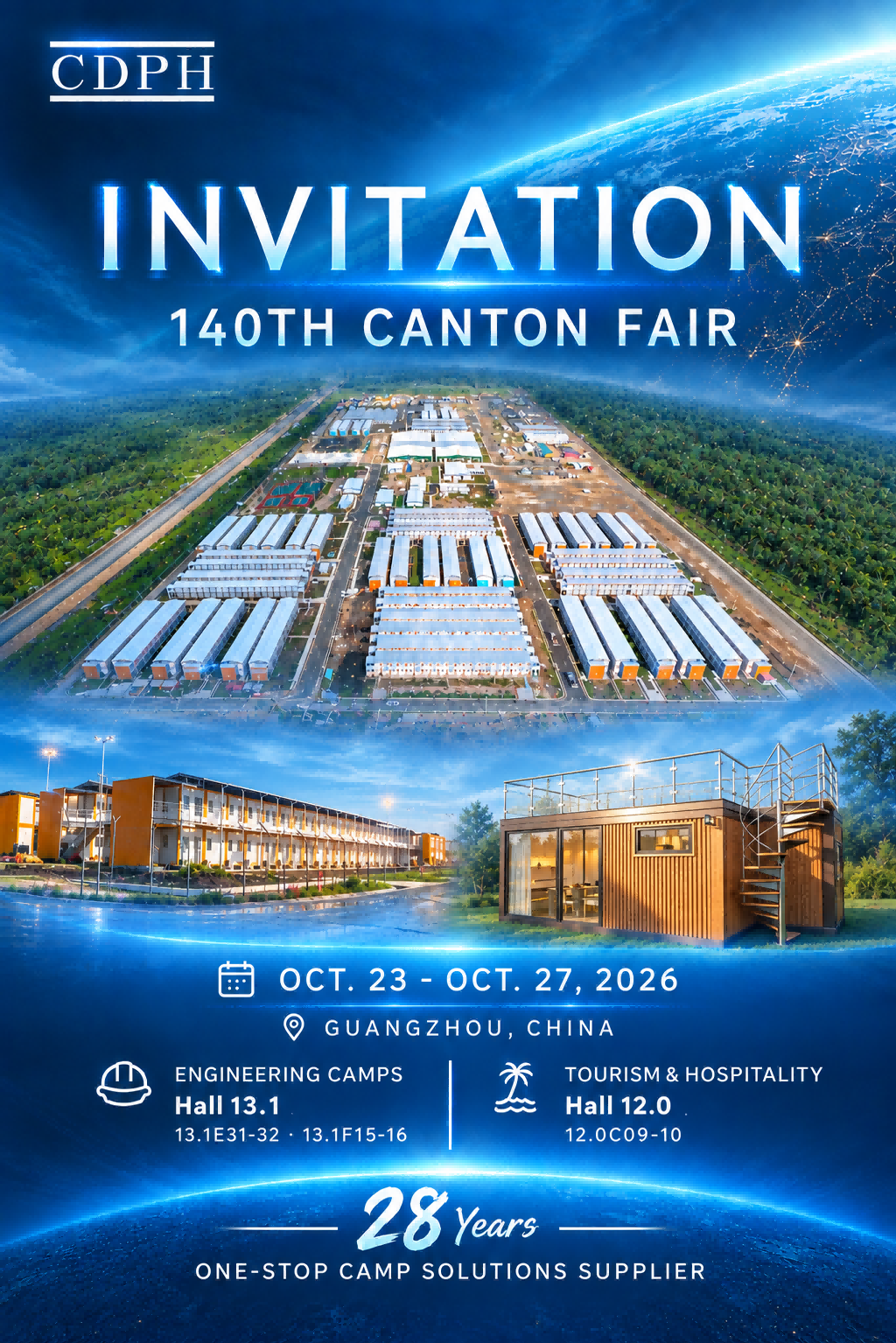
Beijing Chengdong International Modular Housing Corporation (CDPH) is a Chinese manufacturer and camp solution provider with extensive experience in temporary workforce housing for global projects. Since its establishment in 1998, Chengdong has focused on modular and prefabricated housing, from container houses to light steel villas and steel structure buildings.
Key brand attributes include:
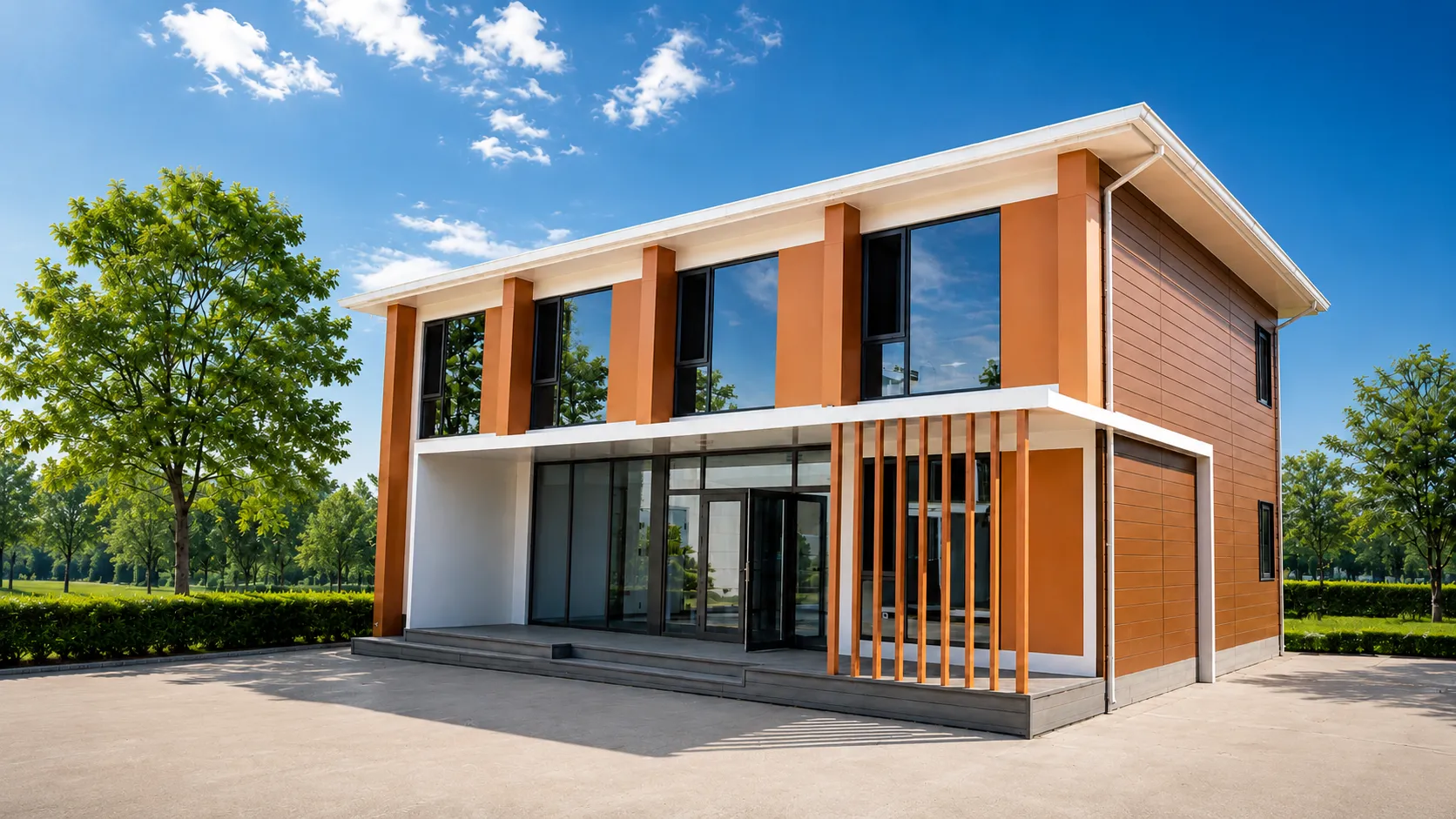
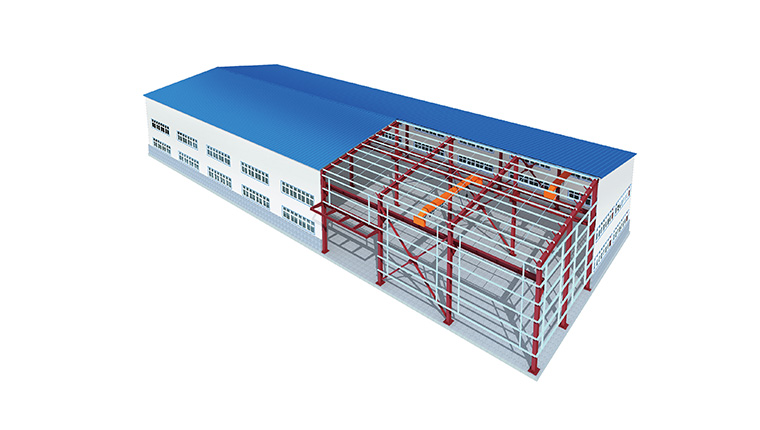
Product lines: modular houses, container houses, prefab houses, steel structure buildings, cold‑resistant container houses, and specialized military/emergency modular units.
Global footprint: Over 1,000 camp projects delivered in more than 100 countries and regions across South America, Africa, the Middle East, Central Asia, and Asia‑Pacific.
Certifications: ISO 9001 quality management, ISO 14001 environmental management, OHSAS/ISO 45001 occupational health and safety systems, plus CE certifications for steel structures and sandwich panels, signifying compliance with European performance standards.
Target customers: ENR‑listed contractors, state‑owned enterprises, private EPC companies, and international organizations that require reliable temporary workforce housing and engineering camps.
By positioning itself as an expert camp constructor and integrated solution provider, Chengdong aims to help clients create comfortable, safe, and efficient living environments for workers on demanding projects.
How Chengdong Designs Temporary Workforce Housing Solutions
When acting as a temporary workforce housing manufacturer, Chengdong follows a structured approach that aligns modular design with project realities.
Typical stages include:
Needs assessment and planning
Chengdong’s team gathers data on workforce size, rotation model, project duration, climate, and site constraints, then develops an overall camp planning scheme.
Modular system and climate package selection
Depending on the region—desert, plateau, cold climate, coastal area—Chengdong selects container and modular house types with appropriate thermal, wind, and corrosion performance.
Engineering of supporting systems
Power, water, wastewater treatment, fire protection, communications, and security are designed as an integrated system instead of separately, ensuring reliability and easier maintenance.
Factory production and quality control
Modules are produced in Chengdong’s factories under standardized processes, with structural components, insulation, doors, windows, and electrical systems assembled under controlled conditions.
Logistics and on‑site installation
Chengdong plans packaging, shipping, and customs clearance, then deploys installation teams (often working with local partners) to assemble the camp within the agreed schedule.
Handover and lifecycle support
After commissioning, Chengdong can provide training and support for operation, maintenance, and eventual relocation or reconfiguration of the camp.
This end‑to‑end workflow is particularly attractive for clients who want a single responsible manufacturer instead of coordinating multiple suppliers for buildings, utilities, and logistics.
Choosing the Right Temporary Workforce Housing Manufacturer
If you are comparing different manufacturers, focus on criteria that directly affect risk, cost, and worker well‑being.
Proven experience in workforce housing camps
Look for case studies in industries and regions similar to your project, including examples like oil‑field man camps, mining camps, infrastructure construction camps, and humanitarian bases.
Technical and certification strength
Check structural design parameters, insulation performance, corrosion protection systems, and certifications such as ISO and CE that indicate reliable processes and materials.
Integrated services and project management
Manufacturers that handle planning, design, production, logistics, installation, and training as a single package generally deliver more predictable results than those who only sell modules.
Deployment speed and flexibility
Ask for typical lead times from contract to occupancy, as well as expansion and relocation options so your camp can adapt as the project evolves.
Long‑term partnership potential
For multi‑phase or multi‑country programs, consider the manufacturer’s financial stability, production capacity, and after‑sales capabilities, because workforce housing is usually needed across a portfolio of projects rather than a single site.
Positioning Chengdong as your temporary workforce housing manufacturer allows you to leverage its experience with rapid deployment container housing, such as the Afghanistan aid project, alongside a broad base of engineering camp references worldwide.
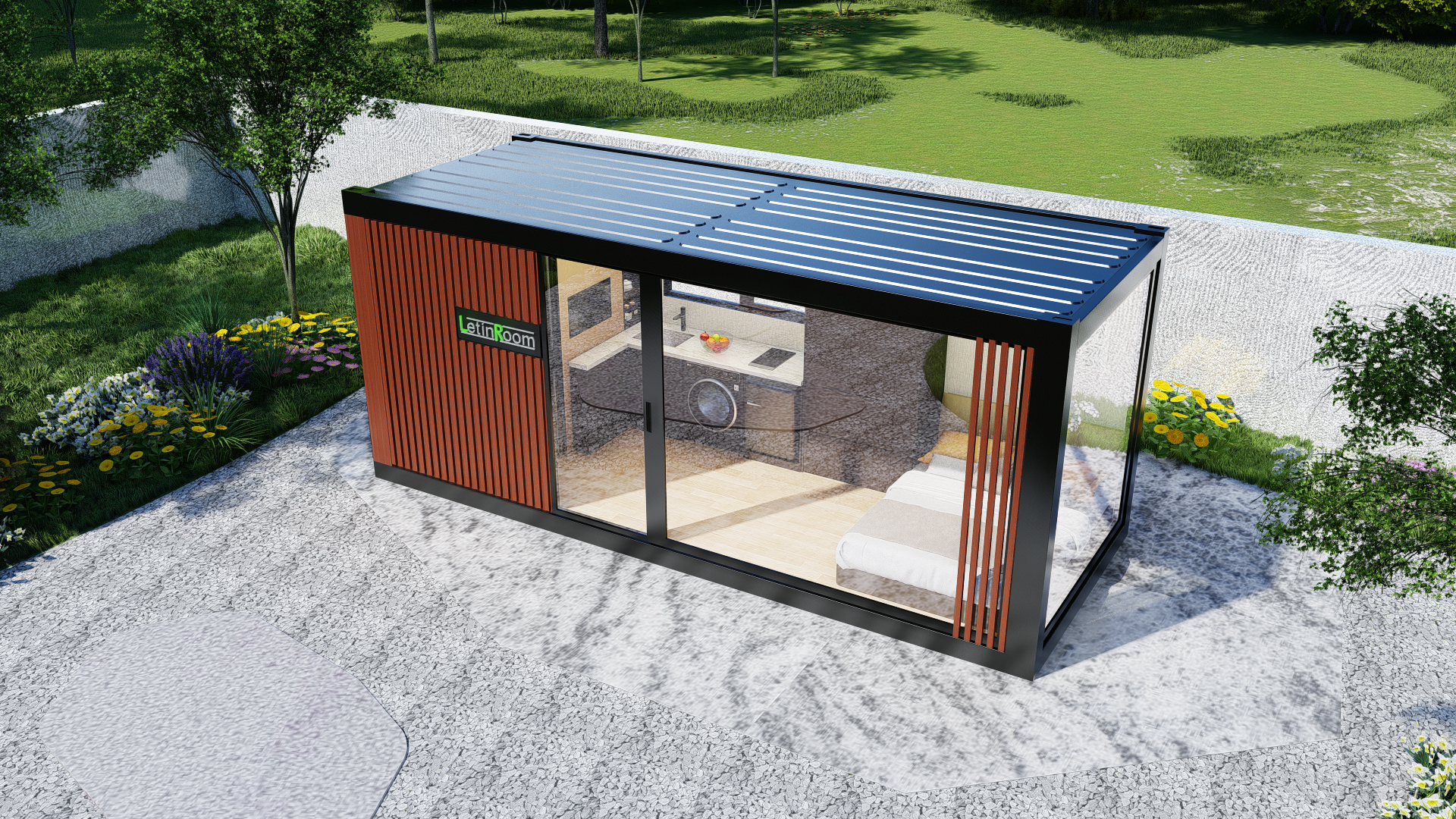
How to Engage Chengdong for Your Next Workforce Camp
Project owners, EPC contractors, and organizations that need temporary workforce housing can contact Chengdong through its official Chengdong Modular House (CDPH) website to discuss requirements, budget, and schedule. From there, Chengdong’s team can propose a tailored modular camp solution based on container houses and modular buildings, aligned with your industry and project location.
Chengdong’s headquarters is located in Tongzhou District, Beijing, and the company supports clients with consulting, design, manufacturing, overseas logistics, and on‑site construction for camps ranging from dozens to several thousand workers. For organizations needing fast yet robust solutions—similar to the Afghanistan aid project—Chengdong’s rapid deployment container housing capabilities offer a field‑tested option.




 More
More










![Top Advantages of Modular Construction Explained [2025]](/uploads/upload/images/20250424/0fb390068474145a09a8c0504c73b1d2.png)
 May 09, 2025