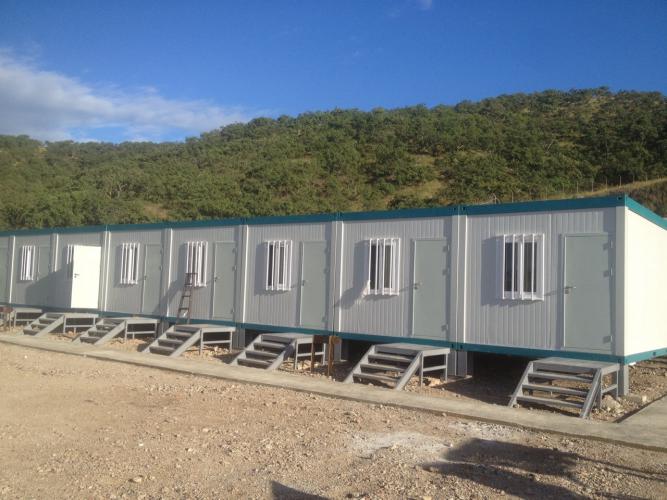
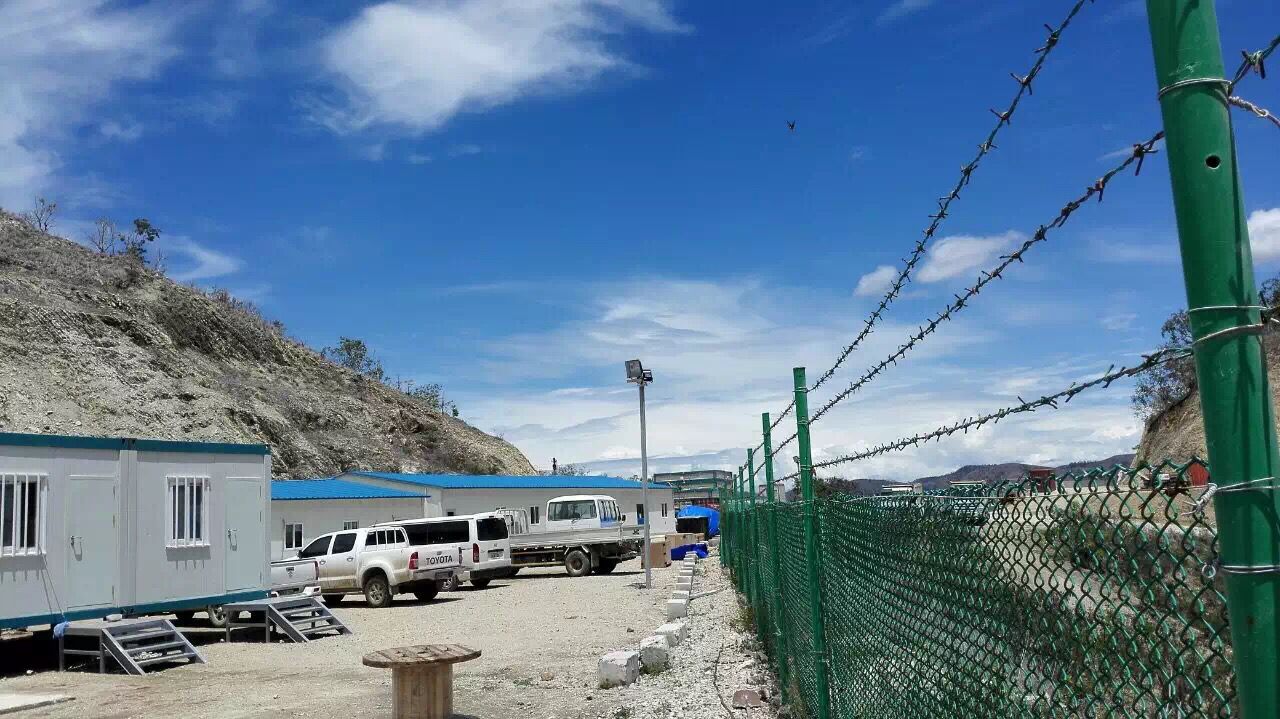
What is temporary modular housing? It is a factory-built, relocatable building solution designed to provide accommodation, offices, welfare facilities, and operational spaces for projects that need to be established quickly and operated reliably.
For oil and gas fields, copper mines, gold mines, nickel operations, solar farms, and other remote EPC projects, temporary modular housing is more than a group of worker rooms. It can become a complete project camp with accommodation, offices, dining areas, clinics, recreation spaces, warehouses, security points, utilities, and supporting infrastructure.
Unlike conventional construction, which depends heavily on long on-site construction cycles, temporary modular housing uses standardized or customized modules manufactured in controlled factory conditions. The completed modules or prefabricated components are transported to the project location, assembled on prepared foundations, connected to utilities, and commissioned for use.
For project owners and EPC contractors, the value lies in schedule control, predictable quality, climate adaptability, and the ability to relocate or reuse buildings when the project phase changes.
What Is Temporary Modular Housing?
Temporary modular housing refers to prefabricated building units that are designed for short-term, medium-term, or relocatable use. The word “temporary” does not mean low quality or uncomfortable. In an industrial project context, it means the facility is designed around the operational life of the project, construction phase, exploration period, expansion program, or workforce peak.
A temporary modular housing system may include:
Worker dormitories and management accommodation
Site offices and meeting rooms
Dining halls, kitchens, and food storage areas
Clinics, first-aid rooms, and health support facilities
Toilets, shower blocks, and laundry rooms
Recreation rooms and sports facilities
Security gates and guard houses
Warehouses and maintenance workshops
Power, water, sewage, fire protection, and communications systems
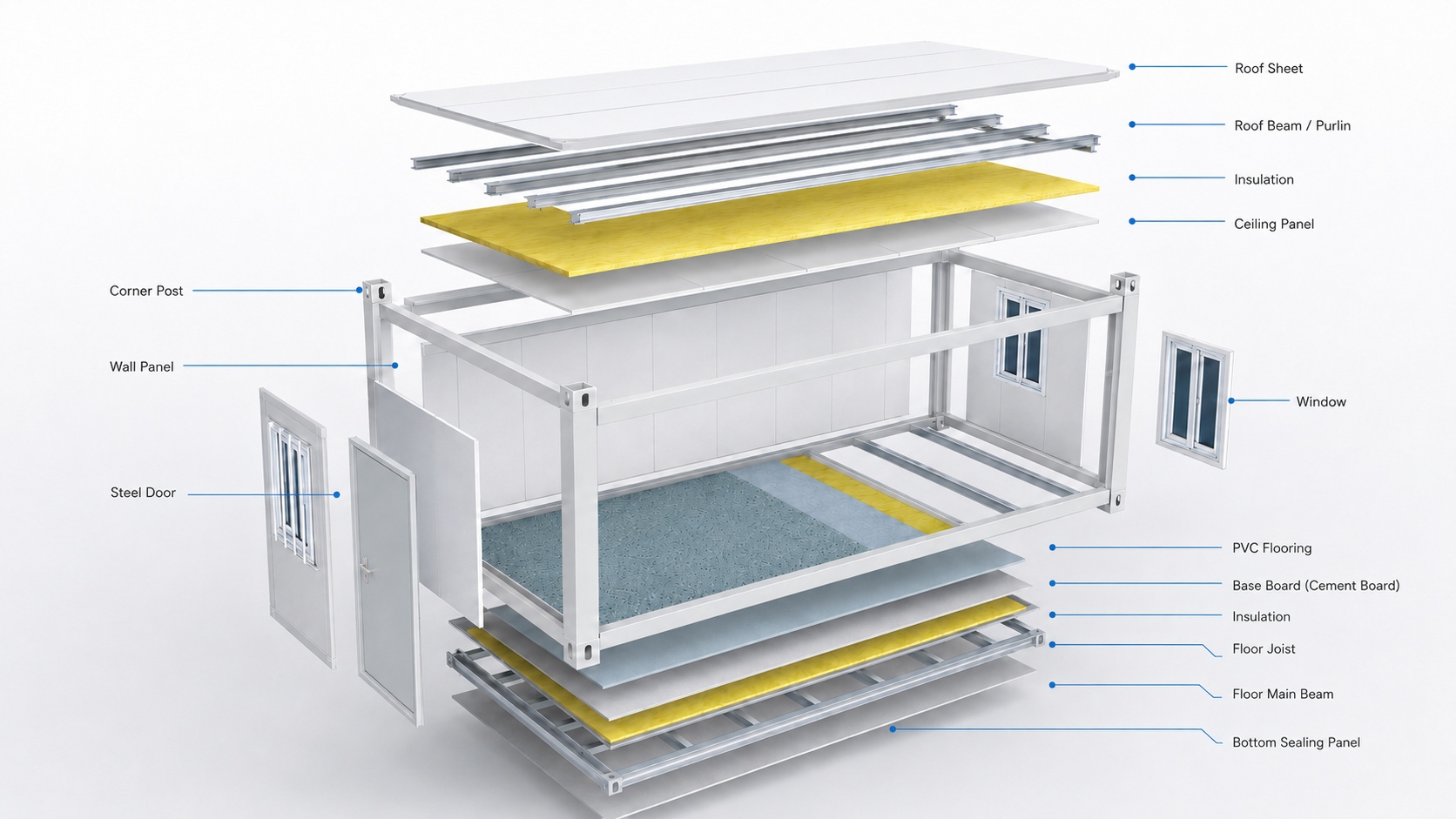
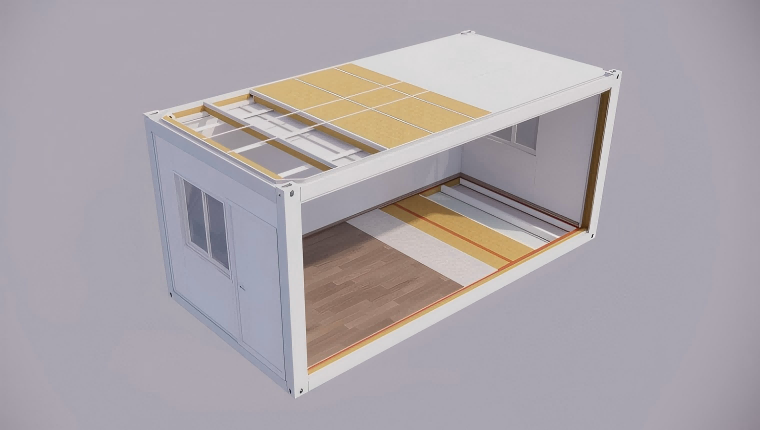
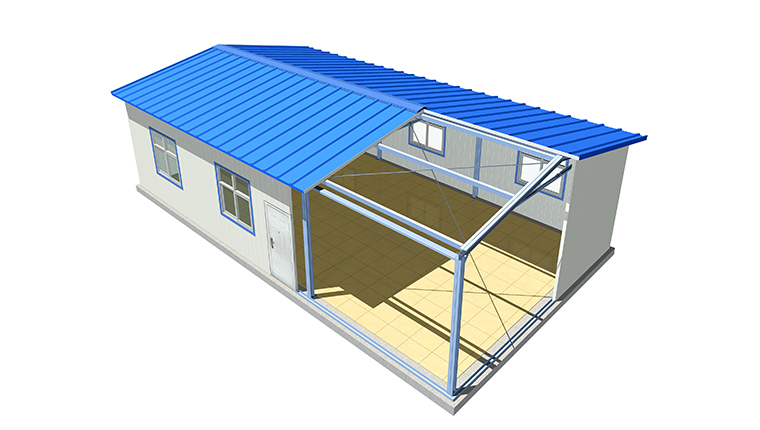
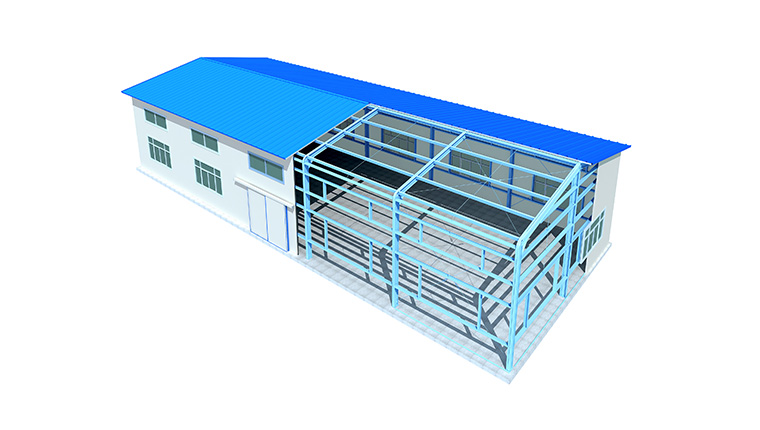
The buildings are generally manufactured as containerized modules, panelized prefab structures, steel-frame buildings, or a combination of these systems. A camp can use compact container house units for bedrooms and offices, while larger steel structures can serve as dining halls, warehouses, workshops, or recreation buildings.
For remote projects, modular housing is often selected because it allows site preparation and factory production to happen in parallel. While the EPC team prepares foundations, roads, drainage, and utility routes on site, the housing supplier can manufacture modules and components off site. This overlap can reduce the time required before the camp becomes operational.
CDPH’s container house solutions use modular design and factory prefabrication, enabling units to be used individually or combined horizontally and vertically to create larger functional spaces.
Why Remote EPC Projects Need Modular Camps
Oil and gas, mining, and renewable-energy projects are frequently located far from established towns and public infrastructure. A copper mine may operate in a high-altitude region. A gold mine may be surrounded by tropical rainforest. A nickel project may face intense rainfall and humid coastal conditions. An oilfield may be located in a desert, while a utility-scale solar plant may require a large workforce camp in an isolated area.
In these locations, conventional construction can create major project risks:
Limited availability of skilled local construction labor
Restricted access to cement, steel, equipment, and finishing materials
Long-distance transport and difficult site logistics
Seasonal rainfall, high winds, heat, sandstorms, or freezing temperatures
Tight construction schedules linked to production milestones
High costs associated with repeated mobilization of trades
Safety and welfare requirements for a large rotating workforce
Temporary modular housing helps project teams reduce the number of construction interfaces on site. Instead of coordinating multiple suppliers for dormitories, offices, bathrooms, kitchens, and supporting facilities, an EPC camp provider can supply an integrated accommodation solution.
This approach is especially useful when the workforce curve changes over time. A project may require a large camp during construction, then a smaller operational camp after commissioning. Modular units can be planned around these phases, allowing selected buildings to be relocated, reused, or reconfigured where appropriate.
Climate and Environment Challenges
The answer to “what is temporary modular housing” depends partly on where the project is located. A modular camp must not be treated as a one-size-fits-all product. Climate, ground conditions, transport routes, workforce needs, local regulations, and project duration should shape the design.
Desert Oil and Gas Environments
Oil and gas projects in the Middle East, North Africa, Central Asia, and desert regions often face high daytime temperatures, strong sunlight, wind-blown sand, and large temperature differences between day and night.
For these projects, housing design may require:
Enhanced roof and wall insulation
Weather-resistant exterior finishes
Sealed doors and windows to limit dust ingress
Reliable HVAC planning for sleeping and working areas
Shading systems and covered walkways
Durable coatings for steel components
Fire-rated assemblies where required
Efficient water and wastewater systems
The camp layout should also support operational separation. Worker accommodation, offices, fuel storage, workshops, kitchens, waste handling, and process-related areas need clear zoning and safe traffic circulation.
Cold-Climate Mining Regions
Copper, gold, and nickel mining projects can operate in high-altitude, northern, or continental climates where temperatures fall sharply during winter. In these areas, poor insulation and weak building envelopes can affect worker comfort, energy use, equipment reliability, and camp continuity.
Cold-climate temporary modular housing should consider:
High-performance thermal insulation
Insulated windows and doors
Heating-compatible wall, roof, and floor systems
Snow-load and wind-load requirements
Protected utility connections
Anti-corrosion performance for wet and freeze-thaw conditions
Safe entrance designs that reduce heat loss
CDPH offers cold-resistant modular container units for severe environments. Its cold-climate container house system is designed to maintain suitable indoor conditions with supplementary heating even when outdoor temperatures fall significantly below freezing. Cold-climate modular housing solutions can be considered for mining camps and other projects facing demanding winter conditions.
Tropical and Coastal Mining Areas
Mining and resource projects in tropical Africa, Southeast Asia, Latin America, and island regions may face heavy rainfall, high humidity, intense UV exposure, insects, and corrosion risks.
A suitable camp design may include:
Corrosion-resistant steel treatment
Elevated floors or drainage planning for heavy rain
Roof systems designed for rapid water runoff
Ventilation and moisture-control measures
Durable waterproofing details
Insect-screened openings where required
Protected electrical and plumbing systems
Covered pedestrian routes between key buildings
For camps that operate through rainy seasons, drainage is not a secondary consideration. Roads, foundations, utility trenches, wastewater systems, and building access must be designed as part of the complete EPC camp plan.
Choosing the Right Product System
A high-performing temporary modular housing project usually combines different building systems rather than forcing every function into the same type of unit.
Container House Modules
Container house modules are well suited to dormitories, site offices, meeting rooms, toilets, shower rooms, laundry facilities, clinics, and security buildings. Their standardized format supports fast production, transport planning, and modular expansion.
Modules can be connected side by side to form larger rooms or stacked where site layout and engineering conditions allow. This makes them practical for camps with changing accommodation requirements.
For fast-track projects, containerized modules are particularly useful because many internal elements can be completed before shipment, reducing work required at the site.
Prefab House Systems
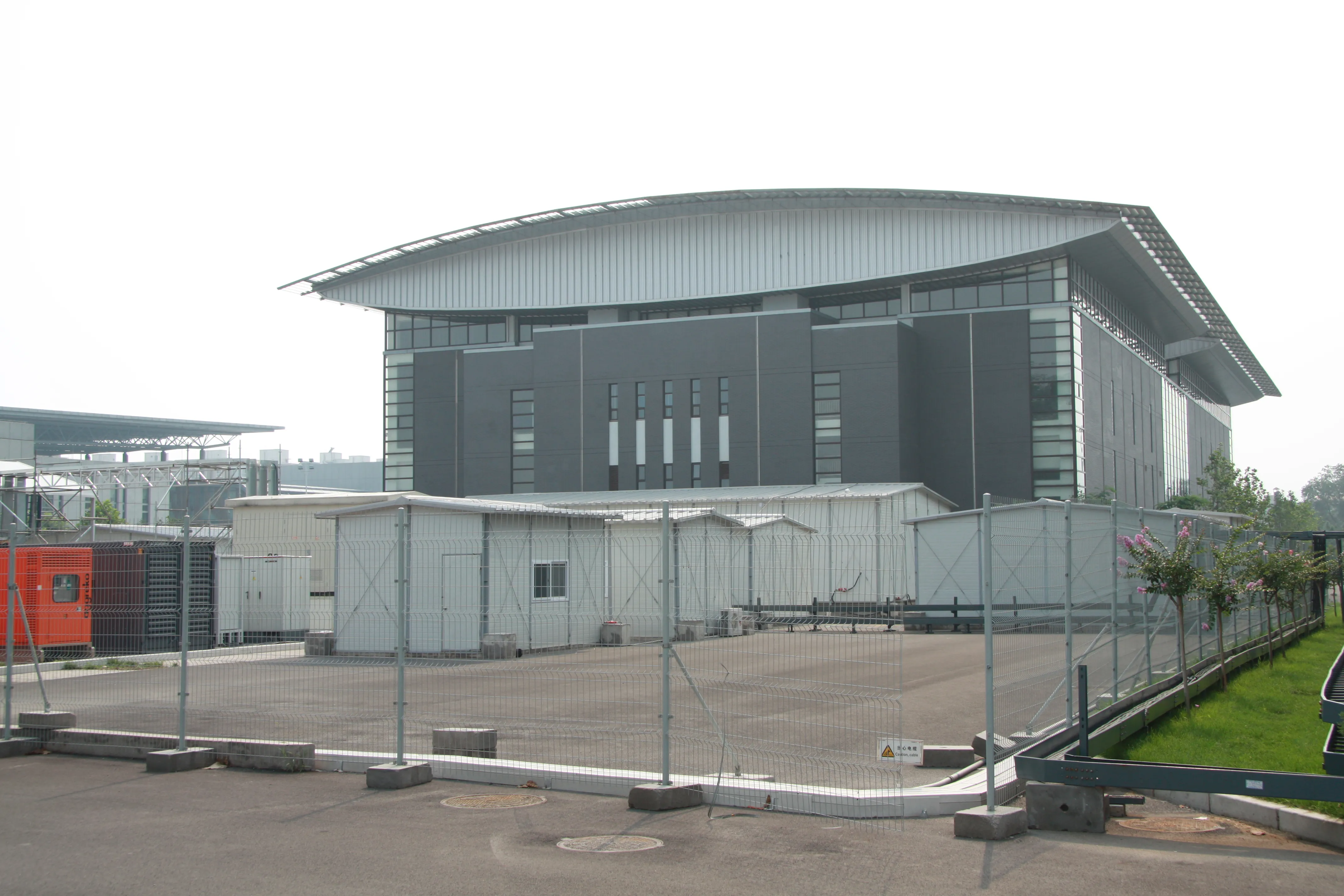
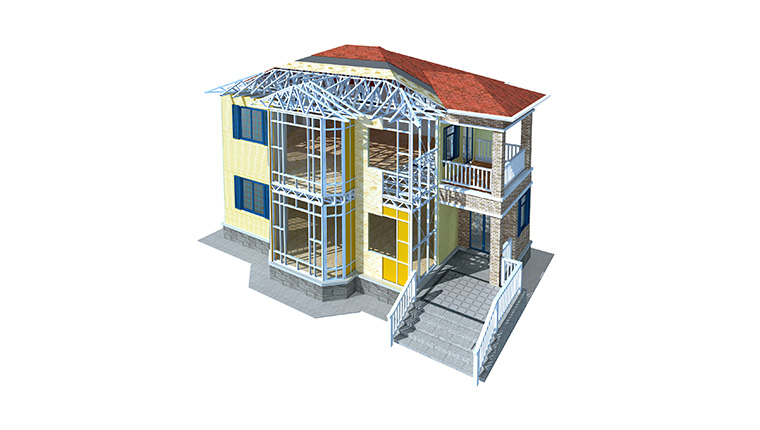
Prefab house systems can be used for accommodation blocks, offices, kitchens, classrooms, and support facilities that require flexible internal layouts. They can provide a practical option when the project needs a balance between transportation efficiency, indoor comfort, and adaptable design.
CDPH’s prefab house products use cold-formed and galvanized structural systems for project accommodation and functional buildings.
Steel Structure Buildings
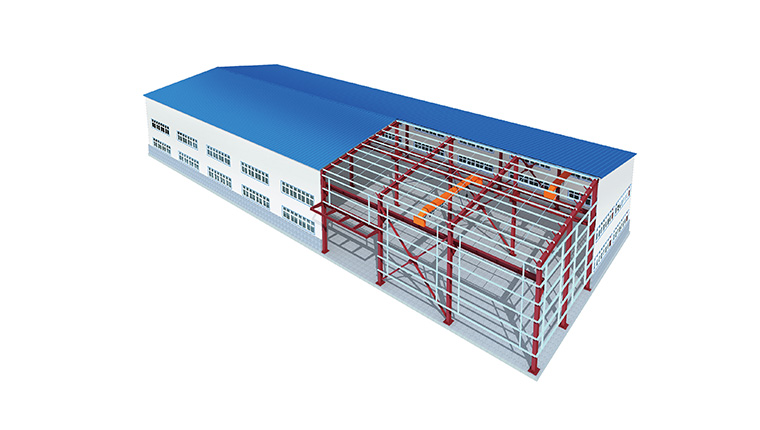
Larger public and industrial spaces often require wider spans than typical accommodation modules. Steel structure buildings can support camp canteens, warehouses, workshops, maintenance facilities, sports halls, warehouses, and large recreation buildings.
A combined approach is often the most efficient: modular units for sleeping and administrative functions, plus steel structure buildings for large shared facilities.
EPC Camp Delivery: Beyond the Buildings
For a project owner, temporary modular housing should be evaluated as a complete camp solution rather than simply a purchase of individual rooms.
An EPC camp project may involve:
Site assessment and preliminary planning
Camp master planning and functional zoning
Architectural, structural, electrical, plumbing, and fire protection design
Factory production of modules and prefabricated components
International shipping and inland transport coordination
Foundations, roads, drainage, and utility preparation
On-site installation and system connections
Furniture, appliances, sanitation, and operational fit-out
Testing, commissioning, and handover
This integrated approach helps reduce interface risks between building suppliers, civil contractors, utility installers, and camp operations teams.
For example, a mining owner may need a 2,000-person construction camp before processing facilities begin operation. The camp must be ready before the main construction workforce arrives. If accommodation, kitchens, clinics, offices, utilities, and fire protection are delivered through disconnected suppliers, schedule coordination becomes difficult. A unified EPC camp approach makes it easier to coordinate design, manufacturing, delivery, installation, and commissioning around the project schedule.
Saudi Solar Project Case: Fast Delivery for a Remote Camp
Remote solar power projects also require reliable workforce accommodation and site offices. In Al Khushaybi, approximately 500 km northwest of Riyadh, CDPH delivered a customized modular man camp for Larsen & Toubro’s 1.016 GW Al Kahfah solar project.
The camp supported site office and worker accommodation needs for the utility-scale solar power plant. It covered 3,548.25 m² and used customized modular box houses. The project included 11.8 × 2 × 3 m modular units designed to balance accommodation comfort, internal layout efficiency, and transportation requirements.
The modular housing was designed with one-hour fire-rated performance verified through third-party SGS fire-resistance testing. From concept design to port delivery, the project was completed in 35 days, demonstrating how modular construction can support time-sensitive remote EPC programs.
You can explore the full project details in the Saudi Arabia modular solar camp case.
Although this project served the solar sector, the same delivery logic applies to oil and gas construction camps, mining workforce villages, pipeline camps, refinery expansion projects, and remote infrastructure sites: define the workforce requirements early, select a climate-appropriate building system, integrate essential services, and manufacture as much as possible before site installation begins.
Temporary Housing for Oil and Gas Projects
Oil and gas camps require more than accommodation capacity. They must support shift work, HSE procedures, worker welfare, communications, catering, and continuous operation.
A typical oil and gas camp may include:
Worker and management accommodation
Control or administrative offices
Training rooms and meeting rooms
Large-capacity kitchens and dining halls
Medical facilities
Prayer rooms or recreation areas where required
Laundry and sanitation facilities
Security checkpoints
Maintenance and storage spaces
Power generation and water-treatment support
For refinery, LNG, drilling, pipeline, and field-development projects, camp construction often has to begin before permanent site infrastructure is fully available. Temporary modular housing can give the EPC contractor an organized base for workforce mobilization, project coordination, and welfare management.
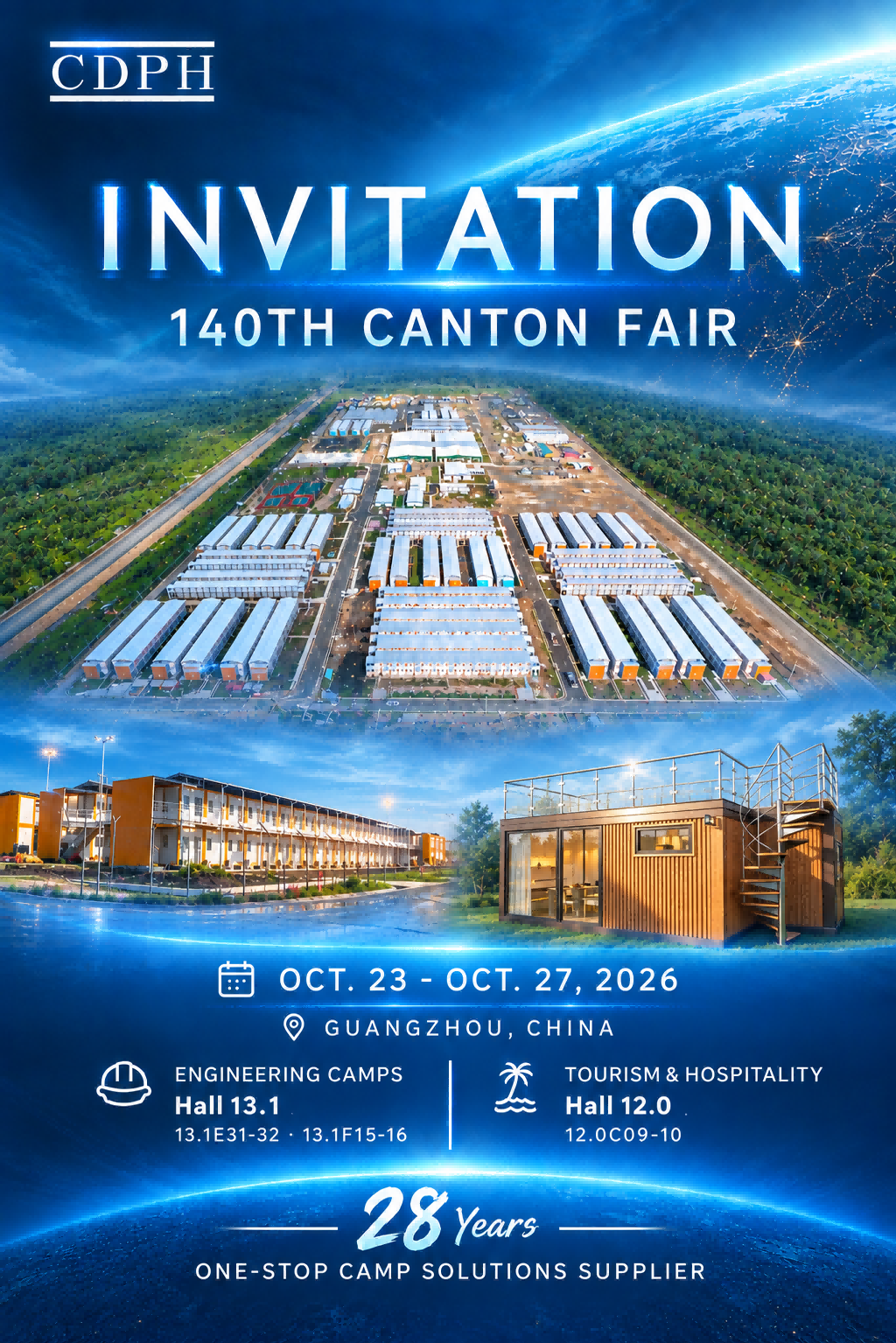
CDPH has experience in engineering camp construction for energy and industrial projects. Its project portfolio includes modular housing applications for mining, oil and gas, and remote workforce accommodation. CDPH’s modular camp solutions are designed around factory prefabrication, transport planning, site assembly, and functional camp integration.
Temporary Housing for Mining Projects
Mining projects often develop in areas with limited housing, roads, water systems, and public services. A well-planned camp can directly support workforce stability, construction efficiency, and operational continuity.
For copper, gold, nickel, and other mining operations, a camp solution should account for:
Project elevation and local climate
Exploration, construction, and operational workforce phases
Shift rotation and room occupancy standards
Long-distance logistics and road conditions
Water supply and wastewater treatment
Worker health and medical support
Heavy rain, cold, dust, or corrosion exposure
Future camp expansion or downsizing
A copper mine in a cold plateau environment may need insulated accommodation, protected utility systems, and snow-load-resistant construction. A gold mine in tropical Africa may prioritize drainage, ventilation, moisture control, and corrosion protection. A nickel project near the coast may require enhanced protective coatings and careful water management.
The best temporary modular housing solution is therefore not simply the fastest building to install. It is the system that fits the project’s workforce plan, environment, logistics route, operational standards, and future reuse strategy.
Why CDPH for EPC Modular Camps
CDPH focuses on engineering camp solutions for remote and demanding project environments. Its approach combines modular housing, prefab buildings, container house systems, and steel structures to support accommodation and functional facilities across project types.
For delivery capability, CDPH has three domestic manufacturing bases in Tangshan, Chengdu, and Urumqi. This production network supports manufacturing coordination, regional supply-chain planning, and project delivery for domestic and international engineering camps.
The Tangshan production base covers more than 70,000 square meters, supporting factory-based production and quality control for large-scale modular housing requirements. Manufacturing in controlled facilities helps reduce dependence on difficult site conditions and enables standardized production before international transport.
For mining, oil and gas, and solar EPC projects, CDPH can support planning from the early camp concept through product selection, factory production, logistics, installation, and handover. The objective is not only to supply temporary buildings, but to create an organized, durable, and scalable project living environment.
Planning Your Temporary Modular Housing Project
Before selecting temporary modular housing, project owners should prepare a clear project brief. This should include the site location, workforce peak, accommodation standards, climate conditions, project duration, utility availability, local requirements, construction schedule, and expected camp functions.
A practical planning checklist includes:
How many workers, engineers, and managers will the camp accommodate?
What are the expected occupancy changes during each project phase?
What climate risks affect building materials and indoor comfort?
Does the camp need fire-rated, cold-resistant, or corrosion-resistant solutions?
Which facilities must be operational on day one?
What logistics routes are available from factory to site?
Will the camp be relocated, reused, expanded, or reduced later?
Does the project require a full EPC camp package or only accommodation buildings?
Temporary modular housing is most effective when it is planned early. Early involvement allows the camp layout, product system, transport dimensions, foundations, utilities, and installation sequence to be coordinated before the project enters its highest-pressure construction period.
For remote energy and mining projects, modular housing is not simply temporary space. It is an essential part of project readiness, workforce welfare, and EPC schedule management.




 More
More










![Top Advantages of Modular Construction Explained [2025]](/uploads/upload/images/20250424/0fb390068474145a09a8c0504c73b1d2.png)
 May 09, 2025