Evaluating China light steel structure factories begins with a practical question: can the proposed supplier manufacture the right building system and support its delivery under the project’s conditions? Production capacity matters, but it does not resolve gaps in engineering responsibility, component interfaces, or installation planning.
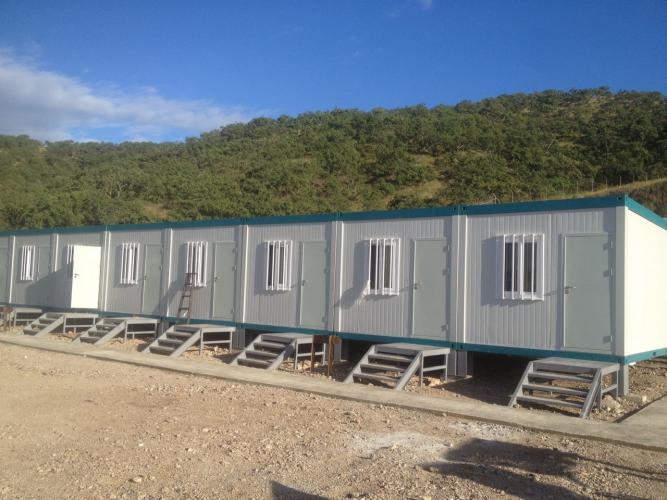
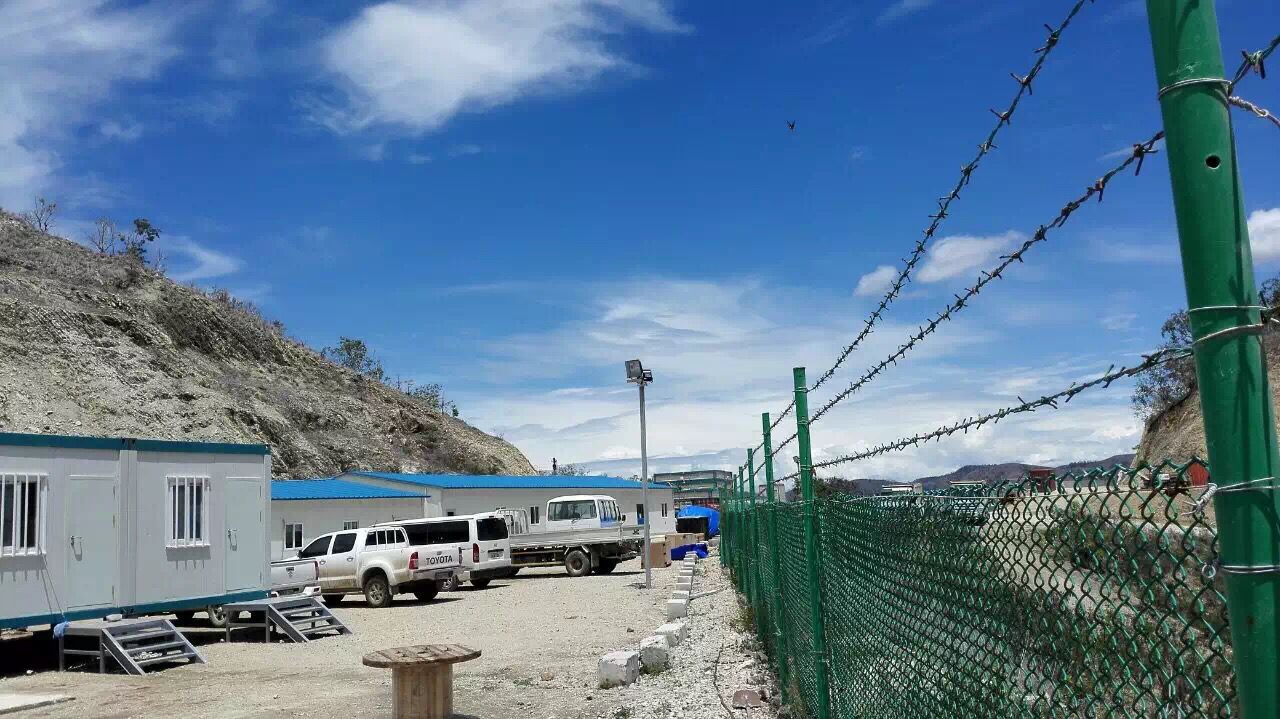
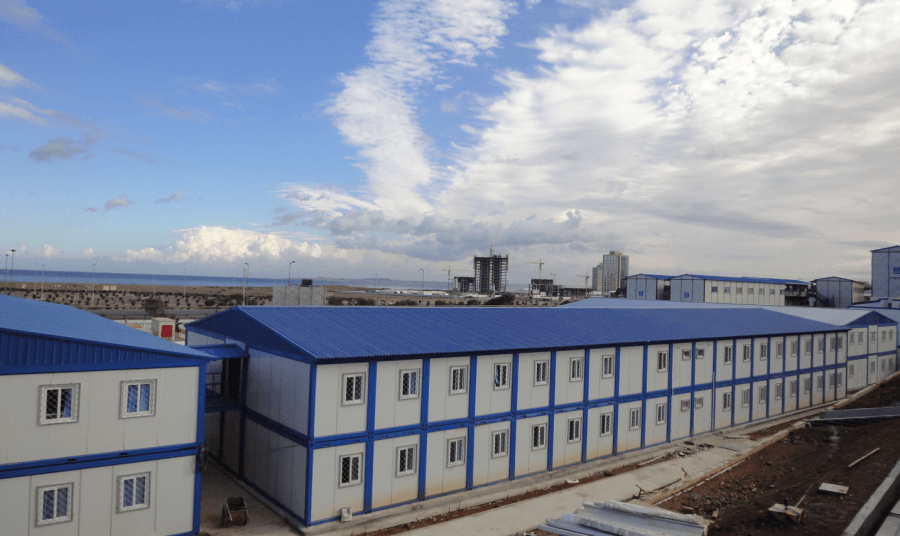
For overseas accommodation, offices, and supporting facilities, procurement should connect manufacturing capability with the intended building use. Chengdong’s engineering camp solutions combine different prefabricated building types within a broader project delivery offering. System selection and supply boundaries are therefore more useful starting points than comparing factories by output alone.
Define the Building System Before Shortlisting Factories
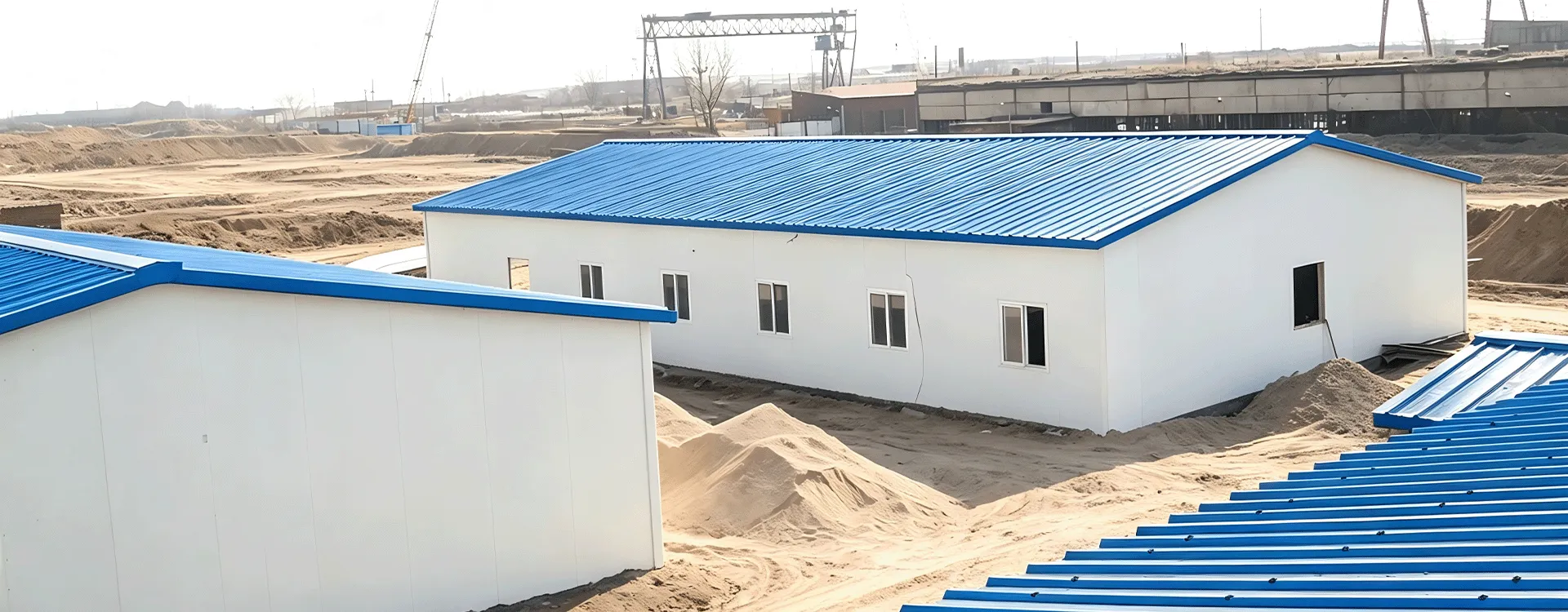
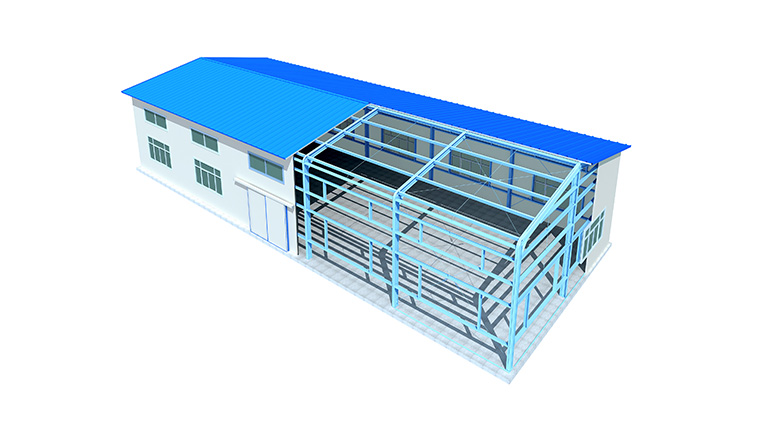
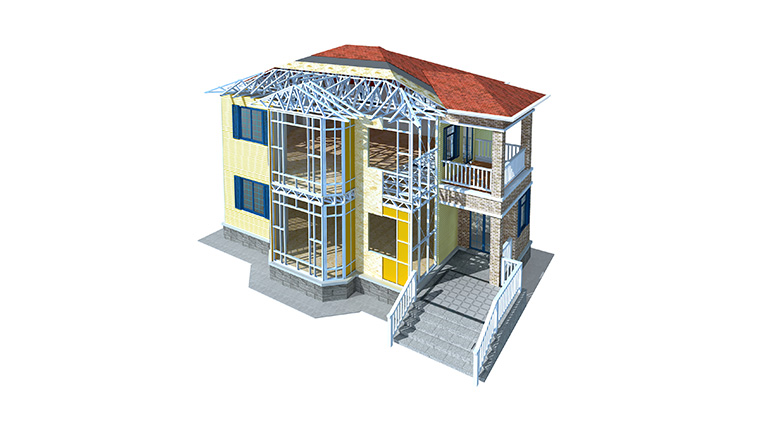
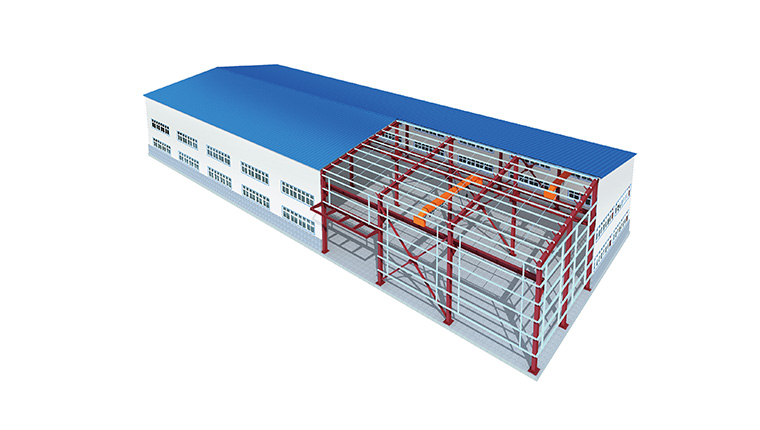
“Light steel structure” is not a sufficiently detailed purchasing specification. A steel-framed accommodation building, a portal-frame facility, and a volumetric modular building can involve different structural arrangements and installation methods.
Building Function and Structural Requirements
The procurement brief should establish whether the building will provide accommodation, offices, storage, or shared facilities. Room dimensions, open-space requirements, openings, and anticipated modifications then become inputs to system selection.
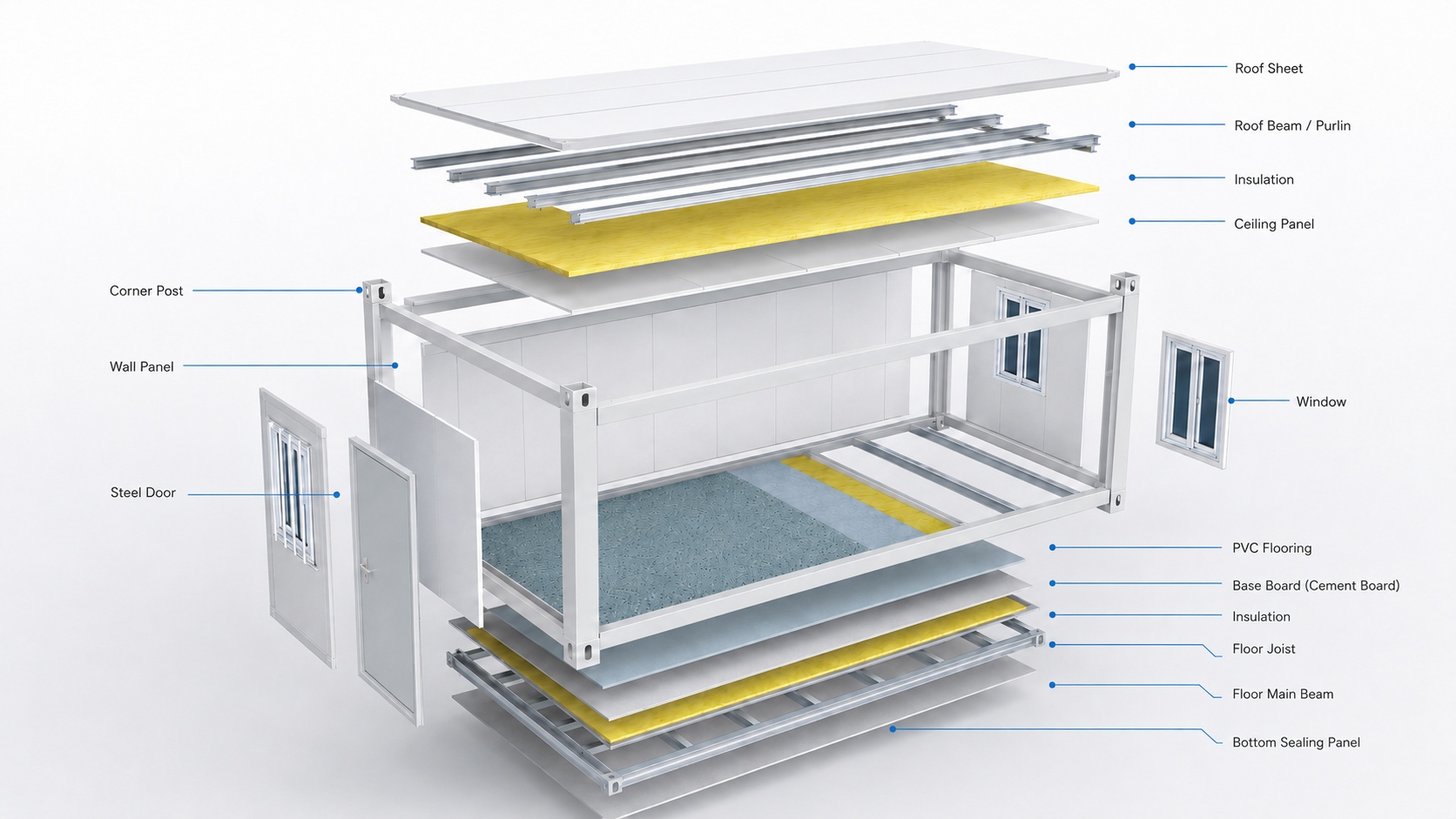
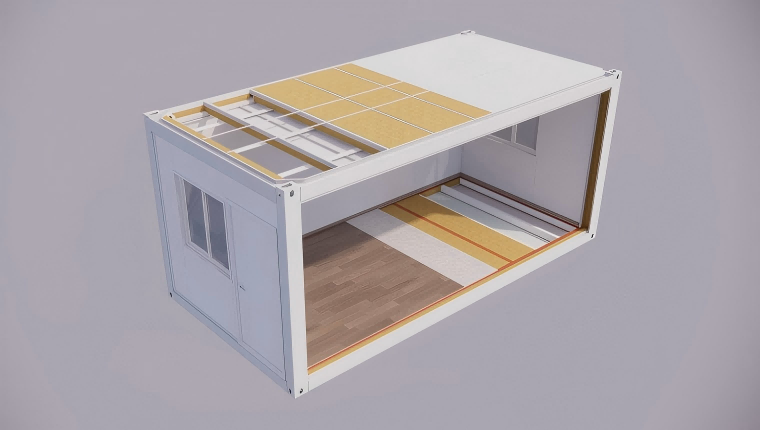
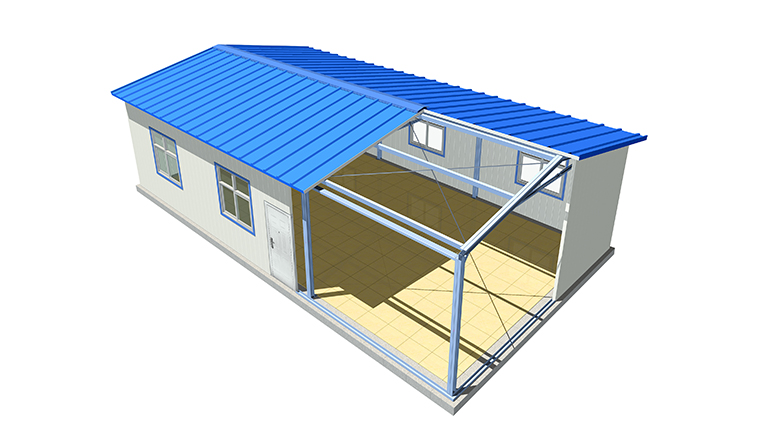
A building assembled on site from prefabricated steel components differs from a volumetric modular building supplied as three-dimensional units. Procurement should identify the proposed structural system and delivery format rather than treat all steel-based prefabricated buildings as interchangeable.
Structural Supply Versus a Complete Building Package
A structural frame quotation may exclude wall and roof systems, insulation, windows, internal finishes, and building services. A more complete package may include several of these elements but still leave foundations and external utilities with the buyer.
The central procurement task is to define scope before comparing prices. Each proposal should identify the supplied components, associated design work, and activities remaining at the destination.
Translate Project Requirements into a Procurement Brief
China light steel structure factories can prepare more comparable proposals when they receive the same design inputs. A brief that states only floor area and delivery date leaves too many assumptions unresolved.
Location, Design Conditions, and Applicable Requirements
The brief should identify the project location, intended service period, building function, and applicable approval requirements. Wind, snow, seismic, ground, and environmental information should be established through the project’s engineering process.
Climate adaptation also extends beyond the structural frame. Product information describes customizable light steel buildings with layouts and material selection developed for different uses and climatic regions. Procurement needs to translate those requirements into agreed specifications rather than rely on a general claim of environmental suitability.
Drawings, Interfaces, and Scope Boundaries
Responsibilities for architectural layouts, structural drawings, foundation interfaces, and openings and penetrations for building services need to be coordinated. The contract should state who develops each document, who reviews it, and which drawings require approval before fabrication begins.
Structural steelwork guidance treats drawings, material requirements, workmanship provisions, and project-specific requirements as a coordinated specification. This is a useful procurement principle, but the governing requirements must remain appropriate to the selected building system and destination.
Assess Manufacturing Capability Beyond Output Claims
When reviewing China light steel structure factories, production volume is only one part of the assessment. Buyers also need evidence that approved drawings, material requirements, and inspection criteria remain connected throughout manufacture.
Component Processing and Dimensional Control
A factory assessment should follow the relevant production route: material receipt, cutting or forming, connection preparation, assembly where applicable, and final inspection. Welding requirements should be assessed only where the selected system uses welded components.
Dimensional control matters at interfaces as well as individual members. Steelwork guidance distinguishes tolerances associated with structural performance from those associated with fit-up, reinforcing the need for defined acceptance criteria rather than a general request for “high accuracy.”
Depending on the system and specification, relevant records may include:
Material identification and required certificates.
Approved fabrication drawings and revision status.
Dimensional inspection results for designated components.
Connection checks and welding inspection records, where applicable.
Component identification linked to packing lists.
Corrosion Protection and Inspection Records
“Corrosion-resistant” is not a complete specification for a corrosion protection system. Buyers should establish the exposure conditions, specified protection system, inspection requirements, and arrangements for repairing damage during handling or installation.
Industry guidance emphasizes defining environmental corrosivity before selecting a protection system. A paint coating system and a metallic coating require different specification and inspection considerations; they should not be treated as identical protective finishes.
Pre-shipment acceptance should be based on an agreed inspection and test plan. The plan should identify required records, inspection and test points, acceptance criteria, and outstanding issues that must be resolved before shipment.
Review Export Packaging and Installation Support
Export readiness is not simply the ability to arrange freight. Components must arrive identifiable, sufficiently protected, and organized around the installation sequence.
Packaging, Identification, and Delivery Sequencing
Packing lists should connect package numbers with component marks and installation drawings. Fasteners, connection accessories, and any agreed spare parts need equally clear identification.
The delivery sequence should reflect site priorities. Missing connection components can interrupt assembly even when the main structural members have arrived, while poorly sequenced shipments can increase handling and temporary storage.
For projects combining steel-framed facilities with modular accommodation units, procurement should assess each system’s logistics separately. A package of prefabricated components and a volumetric module may require different transport, handling, and installation arrangements, depending on their dimensions, weight, and level of factory completion.
Installation Documentation and Technical Support
Installation support should be defined as a deliverable, not a general assurance. The proposal should distinguish installation drawings and instructions, remote technical support, on-site technical supervision, and responsibility for installation labour and equipment.
Steel erection planning also involves lifting, alignment, connections, and stability during assembly. These activities require project-specific coordination; manufacturing capability alone does not establish responsibility for site execution.
Compare Factories Using a Consistent Evaluation Framework
A practical comparison gives technical suitability, documentation, and delivery boundaries equal visibility alongside price.
| Evaluation area | Evidence or clarification to review |
| System suitability | Proposed structural system, intended building use, and agreed design basis |
| Design and engineering scope | Drawing responsibilities, interface details, and approval procedures |
| Manufacturing quality control | Material identification, inspection records, and component marking |
| Corrosion protection | Exposure conditions, specified protection system, and inspection requirements |
| Export preparation | Packing lists, package identification, and shipment sequencing |
| Installation support | Installation drawings and instructions, technical supervision scope, and support arrangements |
Chengdong’s project offering connects factory production with design coordination and overseas installation arrangements. For buyers assessing camp EPC services, EPC—engineering, procurement, and construction—should be translated into explicit contractual responsibilities, including work retained by local consultants or contractors.
Commercial comparisons become more reliable once these boundaries are aligned. Otherwise, a lower quotation may simply transfer engineering, inspection, or site coordination work to the purchaser.
Frequently Asked Questions
What information should a buyer provide before requesting a quotation?
The initial package should include location, building use, dimensions or layouts, intended service period, and required supply scope. Available design conditions, specifications, and approval requirements should accompany it. Unconfirmed inputs should be identified as assumptions requiring resolution.
How can buyers assess factory capability before shipment?
Document review, factory assessment, and agreed inspection points provide different forms of evidence. The review should follow the selected system and approved project requirements. Outstanding discrepancies need documented resolution rather than being deferred automatically to site installation.
Does factory certification establish compliance for every destination?
No single company-level document should be treated as confirmation of every project requirement. Buyers need to verify its scope and relevance to the supplied products, manufacturing processes, and destination requirements. Project calculations, inspections, or local approvals may still be required.
Conclusion
Comparing China light steel structure factories is most effective when procurement begins with the building system and ends with clearly allocated delivery responsibilities. Manufacturing capability needs support from coordinated design inputs, suitable inspection records, defined corrosion protection requirements, and workable export and installation arrangements.
To discuss a project-specific supply package, email Chengdong at chengdong@cdph.com.cn with the proposed location, building function, preliminary drawings, intended service period, and required scope. These inputs provide a basis for reviewing system suitability, clarifying interfaces, and developing a quotation with fewer unresolved assumptions.




 More











 May 09, 2025