Why Classroom Modular Buildings Matter
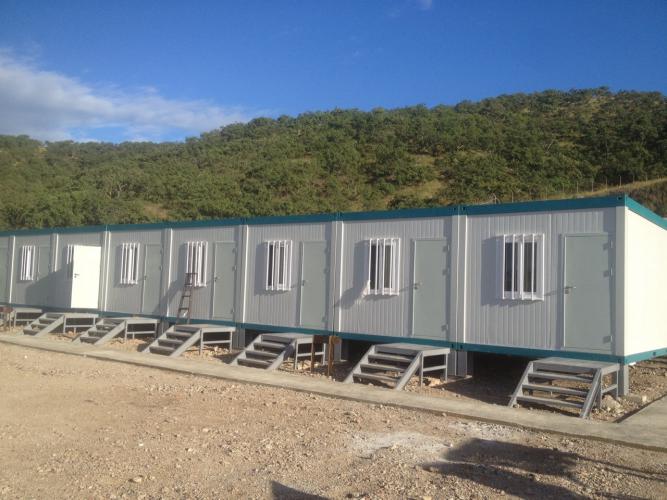
Classroom modular buildings give schools a fast, safe way to expand learning space without waiting years for traditional construction. Built in factories and assembled on site, they can be deployed in weeks even in remote or harsh environments. For education authorities facing overcrowding, climate challenges, or limited budgets, modular classrooms offer a practical path to high-quality teaching facilities that can grow with student numbers.
For decision-makers who want to understand the full modular product portfolio behind these solutions, CDPH’s main site provides a comprehensive overview of container houses, prefab houses, and modular buildings used in engineering camps and education projects. You can explore more modular solutions for camps, housing, and classrooms on the CDPH homepage:https://www.cdph.net/
What Are Classroom Modular Buildings
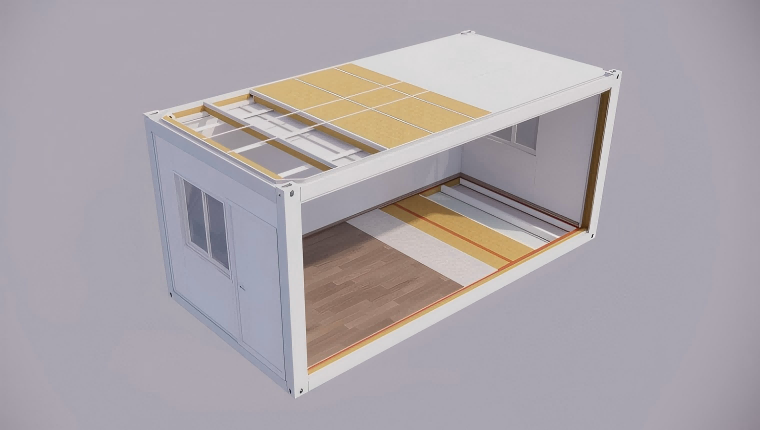
Classroom modular buildings are prefabricated teaching spaces manufactured off site and transported to schools as standardized modules. Up to 90% of the structure—including steel frames, wall panels, roofs, insulation, doors, windows, and electrical systems—is completed in a controlled factory environment. These modules can stand alone as single classrooms or be combined and stacked to form multi-storey school blocks with offices, storage, libraries, and laboratories.
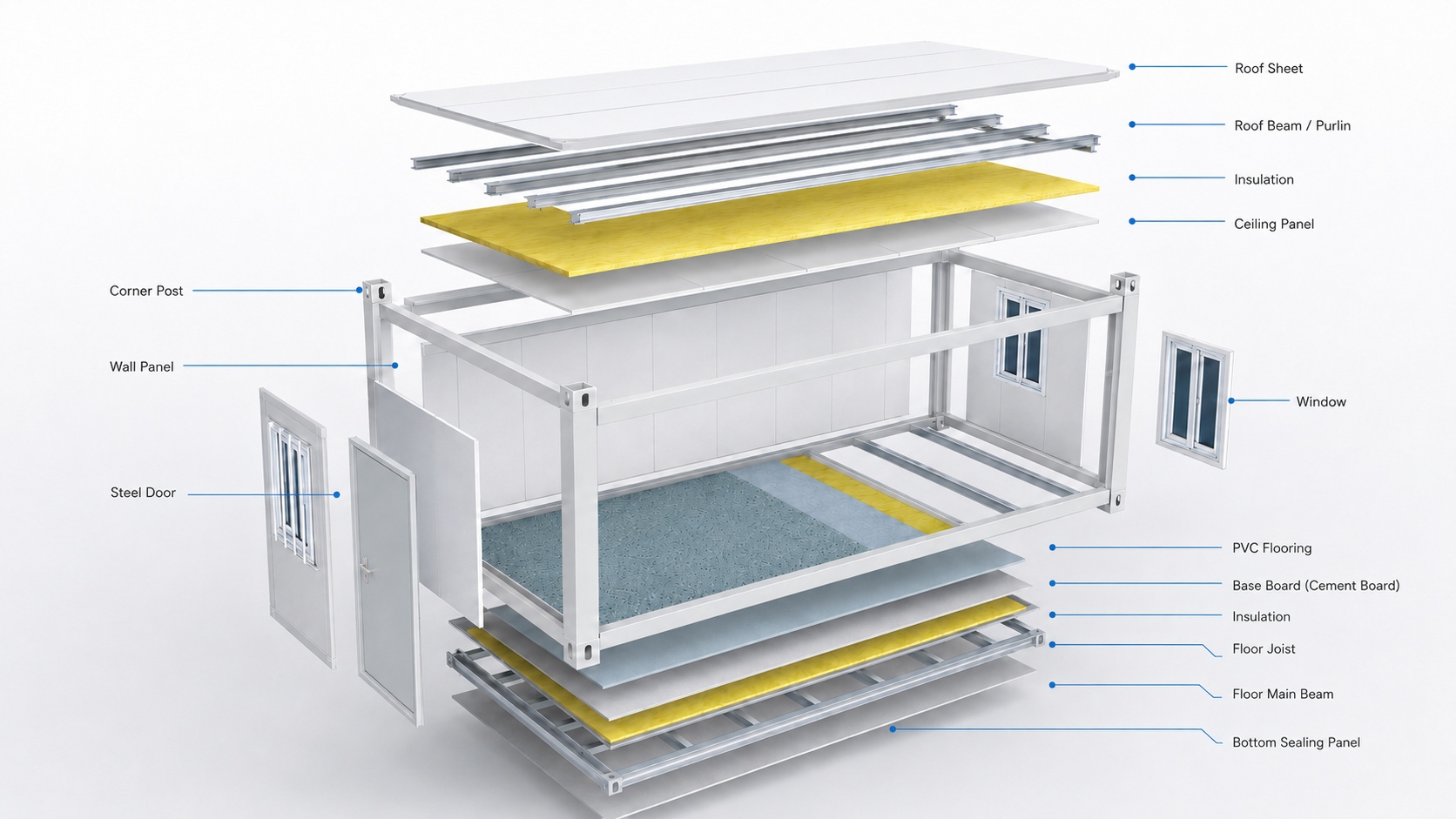
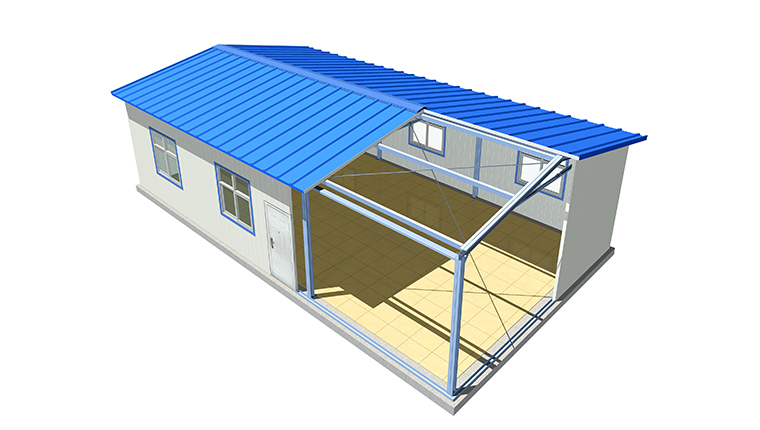
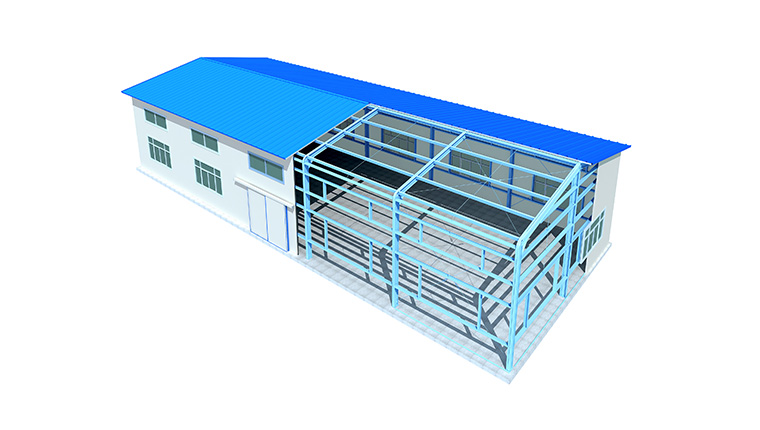
Structurally, classroom modular buildings typically use hot-dip galvanized steel frames with composite wall and roof panels, providing high strength-to-weight ratios and excellent durability. Insulated walls and roofs help maintain comfortable indoor temperatures across climates, while factory-installed electrical and lighting systems ensure safe, code-compliant operation from day one. For schools that also need dormitories or staff accommodation as part of a broader campus development, these classroom blocks can be integrated with modular factory dormitory buildings like those used in CDPH’s Indonesia Factory Dormitory Building Project:https://www.cdph.net/case-center/136
Climate and Environment Challenges for School Projects
Many school projects are located in regions where climate and environment create serious challenges for construction and daily operation. In cold regions, winter temperatures can drop below minus 30 degrees, making traditional masonry construction slow and costly, while also increasing heating demand and safety risks. Desert and semi-arid zones bring high daytime temperatures, sandstorms, and large temperature swings between day and night, stressing building envelopes and mechanical systems.
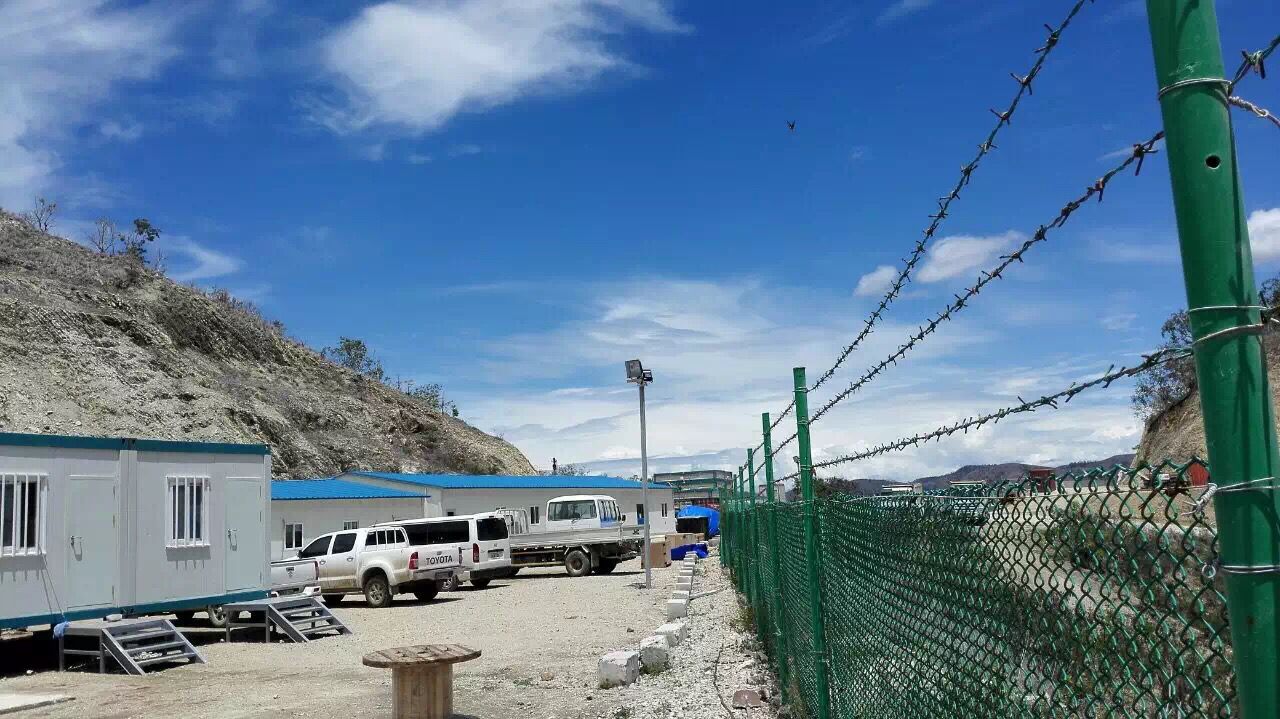
Tropical and high-humidity regions face continuous rainfall, high moisture levels, and issues such as mold, corrosion, and termite damage. At the same time, many education projects in Africa, the Middle East, and Latin America must be built in remote or peri-urban locations with limited infrastructure and tight schedules. Under these conditions, schools need classroom buildings that can be delivered fast, withstand local climate loads, and remain comfortable and safe for students over many years.
Why Modular Classrooms Fit Demanding Climates
Modular classrooms are particularly suited to demanding climates because their structural and envelope performance can be tailored to local conditions during design. For cold regions, CDPH’s cold-resistant container houses use thick rock wool insulation, triple-glazed windows, and careful thermal bridge treatment to maintain interior comfort at outdoor temperatures as low as minus 40 degrees. In hot desert environments, Gobi and desert container houses incorporate enhanced insulation, optimized wall and roof assemblies, and high wind resistance to protect against sandstorms and strong gusts.
In tropical, high-humidity zones, wall panels and finishes are selected for anti-corrosion, anti-mold, and moisture resistance, extending lifecycle and reducing maintenance. Because modules are factory-built, quality control on insulation, vapor barriers, and waterproofing is more consistent than on traditional sites, which helps schools maintain stable indoor temperatures and protect equipment over time. For an overview of CDPH’s climate-ready modular camp concepts that can be adapted to schools, see:https://www.cdph.net/blog/climate-ready-modular-camp-solutions-for-demanding-project-sites
From Engineering Camps to Classrooms: EPC Experience
CDPH (Chengdong Modular House) has delivered thousands of modular projects in many countries, many of them complex engineering camps in extreme climates. These camps serve mining, oil and gas, hydropower, and infrastructure projects, where worker accommodation, offices, canteens, clinics, and control rooms must operate reliably in deserts, arctic zones, plateaus, and tropical forests. The same EPC (Engineering, Procurement, Construction) capabilities that support these camps—integrated design, factory prefabrication, international logistics, and on-site installation—translate directly into modular classroom building programs.
In EPC camp projects, CDPH typically takes responsibility from concept design and layout planning through detailed engineering, manufacturing, packing, shipping, and on-site installation or supervision. This “one contract, one team” model reduces interfaces for school owners and education departments, helping keep schedules and budgets under control even when multiple classroom blocks must be rolled out across a region. Schools that also require accommodation for students or staff can combine classroom modular buildings with dormitory and camp solutions similar to those implemented in Indonesia and other factory dormitory projects:https://www.cdph.net/case-center/136
Modular Classroom Case: Education Campus Example
A representative example of classroom modular buildings is the education case featured in CDPH’s case center, which showcases modular school projects built under tight schedules. In one African project, CDPH delivered a modular classroom complex with teaching rooms, administrative offices, storage, and sanitary facilities using bolt-connected steel structures and container-based modules. The total floor area exceeded 700 square meters, with modules configured for classrooms, offices, a kitchen, and circulation spaces.
Because most construction work was completed in factories, on-site assembly time was minimized, allowing the school to open quickly and avoid long disruptions to local education. The completed facility offered a clean, bright interior environment with integrated lighting, ventilation, and durable floor and wall finishes suitable for daily use by students and teachers. For more education cases and visual references, visitors can go directly to the education case section:https://www.cdph.net/case-center/35
Typical Classroom Modular Building Configurations
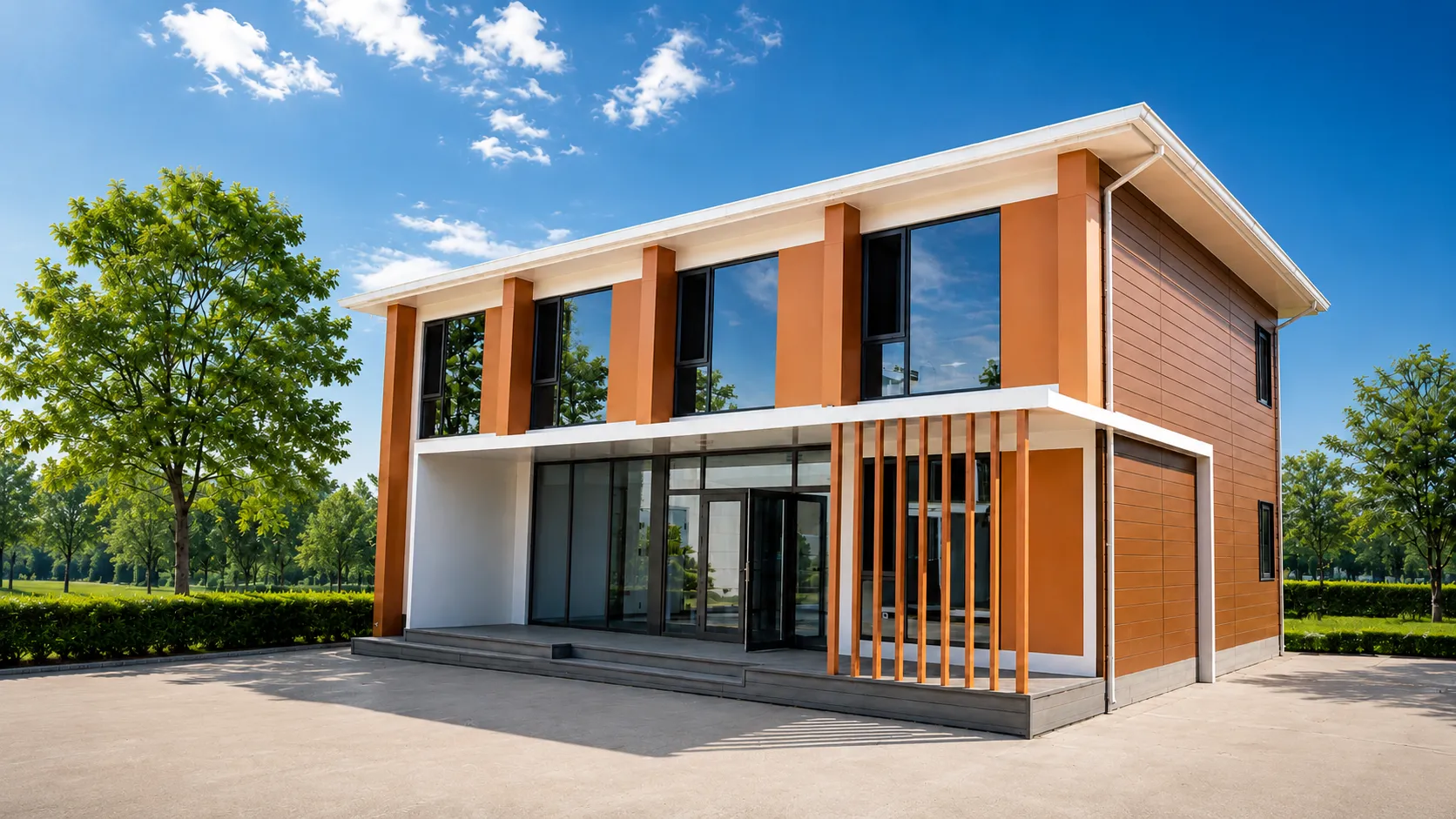
Modular classroom buildings can be configured in many ways depending on student numbers, site constraints, and curriculum needs. A basic single-storey solution may include standalone classrooms connected by covered walkways, with separate modules for administration, toilets, and storage. For larger schools or compact sites, modules can be stacked to create two- or three-storey teaching blocks with internal staircases, balconies, and shared circulation areas.
Within each module, layouts can be designed for general classrooms, science labs, computer rooms, libraries, or multipurpose halls, and can include integrated HVAC, data cabling, and energy-efficient lighting. As student numbers grow, additional modules can be added in phases with minimal disruption, allowing schools to expand quickly while maintaining consistent architectural language and building performance.
Structural Strength, Safety, and Comfort
Safety and comfort are non-negotiable for classroom buildings, especially in regions exposed to strong winds, earthquakes, and heavy rainfall. CDPH’s modular houses are designed according to steel structure and building load codes, with tests performed in collaboration with universities to verify structural performance under high wind loads. Standard container modules can be configured for up to three storeys, with special designs enabling four-storey combinations where codes and site conditions permit.
Fire safety is addressed through non-combustible materials for wall and roof panels and third-party fire-resistance testing, which has demonstrated wall fire resistance of up to two hours and floor assemblies of up to 1.5 hours. Thermal performance is engineered to cover temperature ranges from minus 40 to plus 40 degrees, with different wall and roof insulation thicknesses and glazing configurations specified for each climate band. These features help schools maintain safe, comfortable learning environments year-round while controlling energy consumption.
EPC Process for Classroom Modular Buildings
For education clients, CDPH’s EPC process typically follows a clear workflow from initial consultation to final handover. First, project stakeholders share key parameters such as location, climate, student numbers, schedule, budget, and required functional spaces, enabling CDPH to propose initial site layouts and module mixes within a short time. Next, the team develops one or more detailed campus layouts, including classroom blocks, offices, canteens, sanitary facilities, and circulation, along with cost estimates and phasing options.
After concept approval, engineering teams align design with local standards for structural loads, fire safety, electrical systems, and water and sanitation, preparing technical drawings and material specifications. Factory production then proceeds on digitalized lines with strict quality control, while logistics teams plan sea and land transport to the project site. On site, CDPH installation or supervision teams coordinate module erection, connection of utility systems, internal finishing, and commissioning, culminating in handover and training for school representatives. For a broader view of how this approach benefits engineering camps and related facilities, you can refer to CDPH’s modular camp benefits content:https://www.cdph.net/blog/benefits-of-modular-construction-for-global-engineering-camps
Three Domestic Factories: Capacity and Reliability
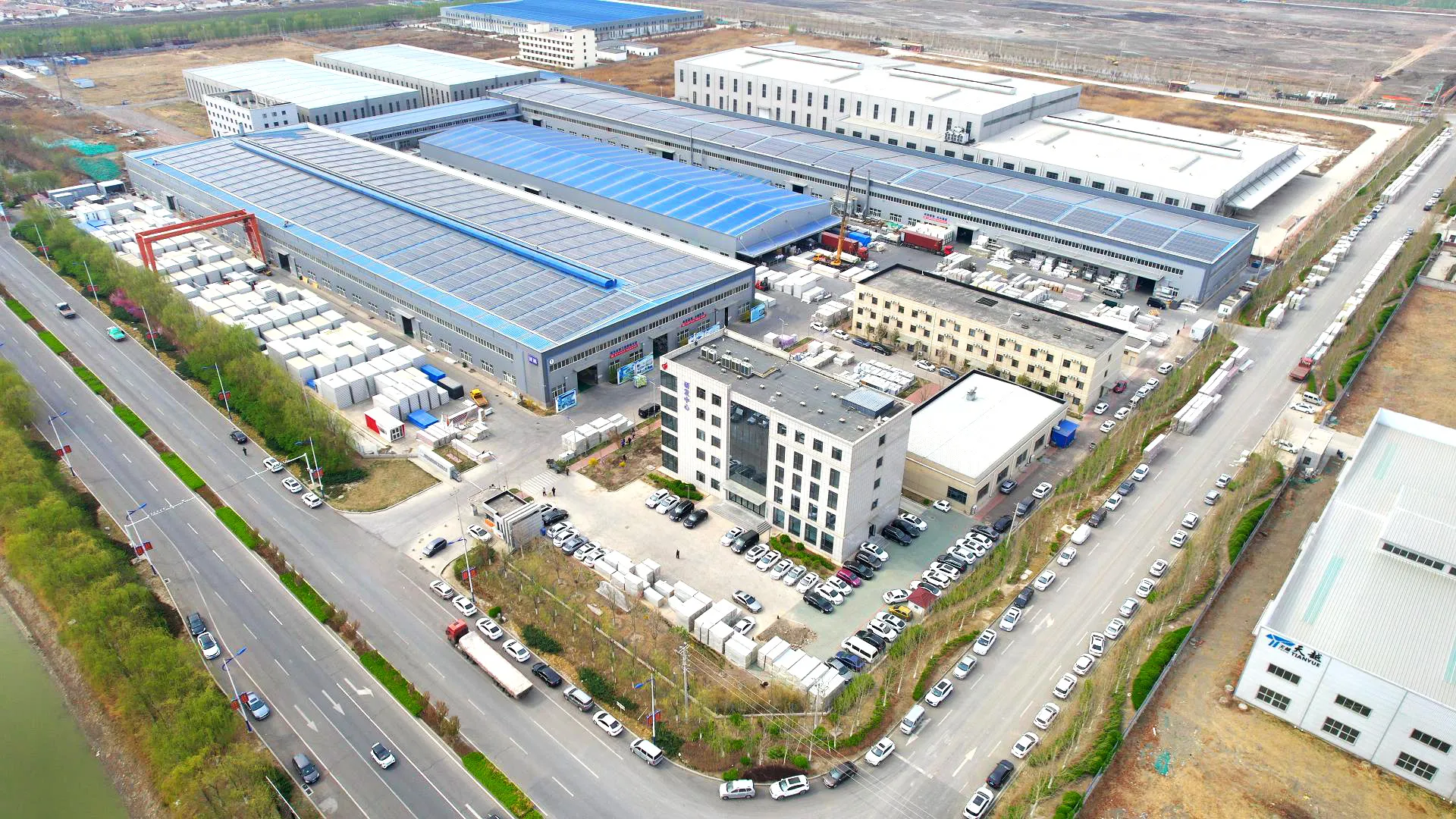
A critical factor in CDPH’s ability to support large classroom modular building programs is its domestic manufacturing network. The company operates major production bases in Hebei (Tangshan), Xinjiang (Urumqi), and Sichuan (Suining), giving it robust capacity and geographic reach across China. Together, these factories deliver large annual output of modular container houses and steel structures, with significant daily packing capacity for standard modules.
Each factory is equipped with automated welding robots, digitalized production lines for frames and panels, and in-house laboratories for material testing, including salt spray, fire performance, and structural tests. This industrial base ensures large school projects—such as national or regional classroom expansion programs—can be supplied on time, with consistent quality and full traceability across the supply chain. CDPH’s global blog content highlights how these capabilities support container house and modular housing solutions for projects worldwide, including schools, camps, and residential developments:https://www.cdph.net/blog/china-container-house-solutions-for-global-projects
Sustainability and Lifecycle Benefits for Schools
Beyond speed and upfront cost control, classroom modular buildings also support schools’ sustainability and lifecycle objectives. Modular structures are designed for repeated relocation and reuse, with container and panel systems able to achieve high reuse rates under proper management. Lifecycle carbon assessments indicate that modular container houses can deliver total carbon emissions significantly lower than comparable fixed buildings of equal area, with each reuse cycle further reducing environmental impact.
Factory-prefabricated modules also minimize on-site waste, noise, and dust, which is particularly important when constructing new classroom blocks within active school campuses. For schools pursuing ESG or green building goals, modular solutions offer a pragmatic path to lower embodied carbon, shorter schedules, and flexible reuse of assets over time. CDPH’s climate-ready and temporary container house content further explains how modern modular solutions contribute to sustainable, adaptable infrastructure in education and other sectors:https://www.cdph.net/blog/climate-ready-modular-camp-solutions-for-demanding-project-sites
How to Start a Classroom Modular Building Project
Education stakeholders considering classroom modular buildings can begin by defining their needs across four dimensions: student capacity, climate and site conditions, budget, and timeline. With these inputs, a modular specialist like CDPH can propose a tailored combination of container houses, steel structures, and auxiliary modules that delivers the required functions with room for future expansion. Reviewing reference projects—such as the education cases in the CDPH case center—helps decision-makers visualize layouts, materials, and performance levels achievable within given constraints:https://www.cdph.net/case-center/35
Engaging an EPC camp specialist early allows integration of layout planning, product selection, logistics, and installation into a single coherent plan, reducing change orders and delays. For many schools, this integrated approach is the most efficient way to deliver safe, climate-ready classroom space at scale, while leveraging proven engineering camp experience and a strong manufacturing base. For those who need guidelines on budgeting and cost, CDPH’s modular classroom price guide offers detailed insights into pricing and financial planning for educational institutions:https://www.cdph.net/blog/modular-classroom-prices-guide-educational-institutions




 More
More










![Top Advantages of Modular Construction Explained [2025]](/uploads/upload/images/20250424/0fb390068474145a09a8c0504c73b1d2.png)
 May 09, 2025