Why Modular Steel Structure Design Matters for Engineering Camps
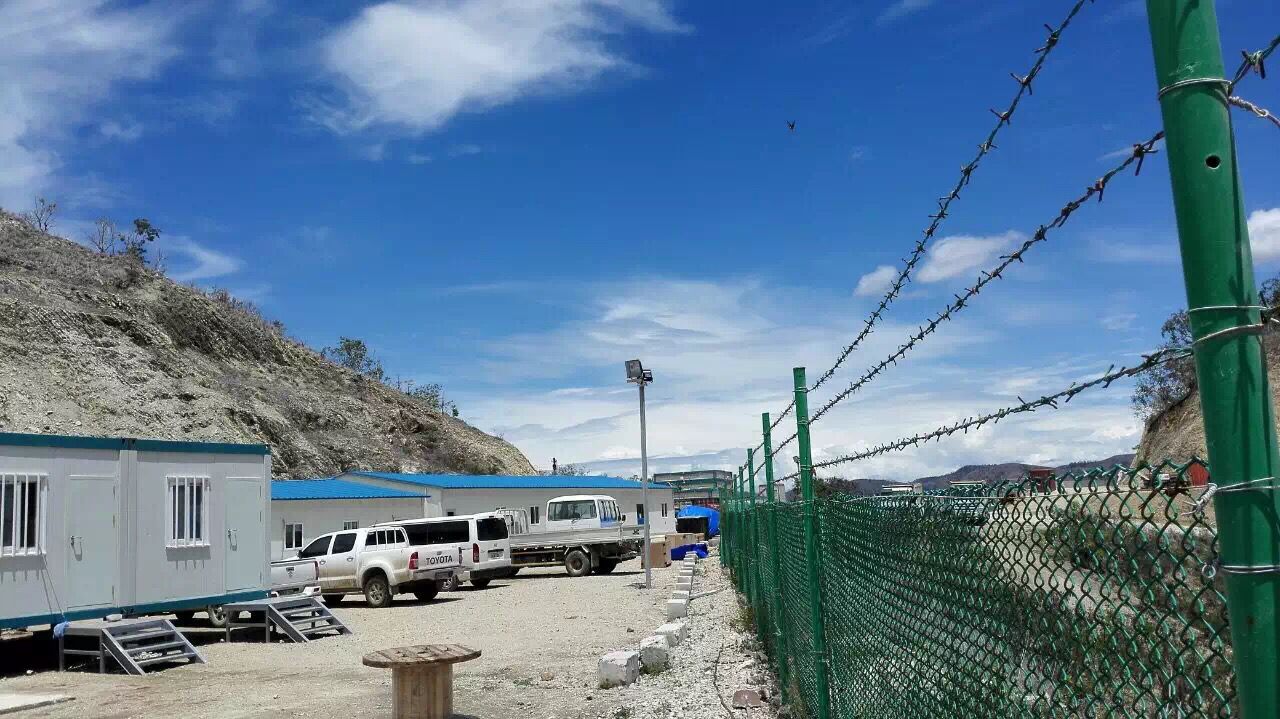
Around the world, engineering camps face extreme climates, remote locations and tight project schedules, all of which put pressure on camp design and delivery. In these conditions, modular steel structure design offers a practical way to create safe, durable and rapidly deployable buildings for workforce housing, warehouses, offices and support facilities. When supported by an experienced EPC (Engineering, Procurement and Construction) contractor, modular steel systems can be tailored to local climate loads, logistics realities and operational needs, while still achieving cost and time efficiency.
For global projects in energy, mining, infrastructure and aviation, Chengdong Modular House (CDPH) is a specialized provider of integrated modular housing and camp solutions, combining R&D, manufacturing, sales and on‑site construction into a one‑stop service. CDPH applies modular steel structure design across container houses, prefab houses and steel‑structure systems to build complete engineering camps for more than 100 countries and regions.
You can learn more about Chengdong’s integrated camp solutions on the official homepage: https://www.cdph.net
Climate and Environment Challenges in Global Camps
Engineering camps are rarely built in mild urban environments; instead, they tend to appear in deserts, alpine plateaus, coastal zones, tropical regions or busy logistics hubs such as international airports. Each climate type creates specific design challenges for modular steel structures:
High temperatures and sandstorms in deserts and Gobi regions increase structural fatigue, corrosion risk and dust intrusion into buildings.
Alpine and cold regions face snow loads, freeze‑thaw cycles and severe temperature gradients that test insulation performance and steel protection systems.
Coastal and tropical climates at port or airport locations must handle high humidity, saline air, typhoons, and strong wind loads on wide‑span steel roofs.
Remote inland energy and mining sites demand long service life, ease of transportation and the ability to dismantle and redeploy modular units across multiple projects.
From an EPC perspective, modular steel structure design therefore starts with climate classification and environmental assessment, not simply with architectural layout. For example, container and modular houses in mild inland conditions can achieve a long service life, but harsh desert or coastal sites often design for a shorter deployment period and focus on robust coatings, sealing and drainage to maintain performance.
Attributes of Modular Steel Structure Projects
Modular steel structure projects for camps differ from conventional construction in three important ways: structural system, prefabrication degree and integration with supporting systems.
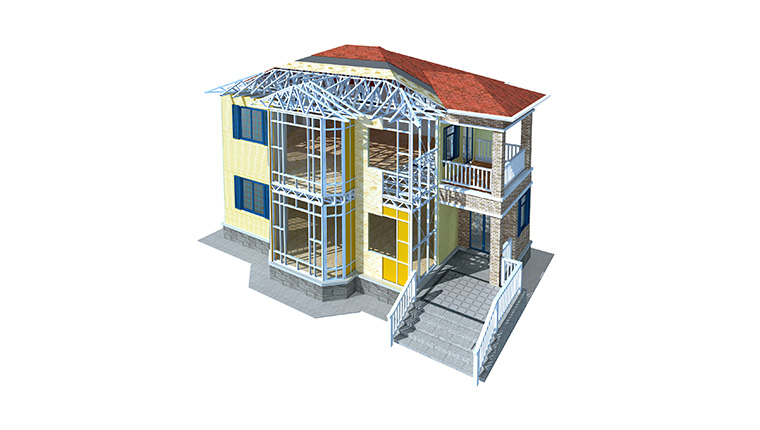
First, the structural system focuses on cold‑formed or hot‑rolled steel members that can be standardized for mass production but still configured flexibly for different building types. CDPH’s R&D team has developed light steel structures that can be mechanically cold‑formed, allowing beams, columns and frames to be produced to tight tolerances, improving overall structural reliability.
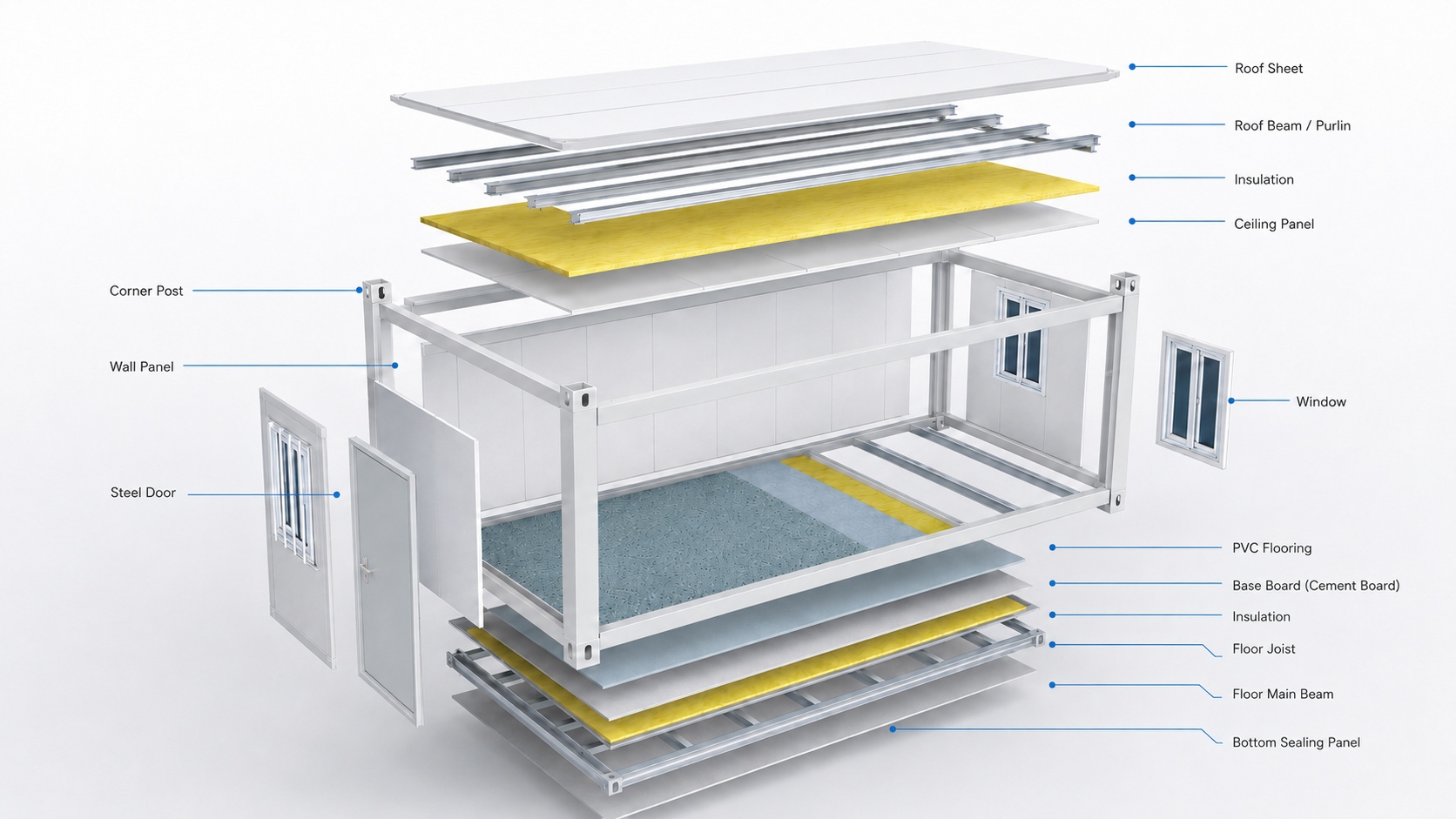
Second, a high degree of prefabrication means that primary structural components, envelope panels, insulation, doors and windows are completed in the factory and transported as modules or flat‑pack kits. In an EPC camp, this modular approach translates into shorter on‑site assembly time, better quality control and more predictable safety performance, especially important when local labor resources or tools are limited.
Third, integrated design connects steel structures with key supporting systems such as power supply, water and drainage, HVAC, furniture, IT networks, and fire protection. For engineering camps, the real value of modular steel structure design lies in combining structural performance with everyday functionality—workers need not only safe roofs and walls, but also reliable utilities, storage and circulation suited to their work shift patterns.
For project owners, a typical CDPH engineering camp may include container house accommodation, prefab house offices, and modular steel warehouses, all designed around the same climate‑responsive principles. More information on CDPH’s product portfolio is available on the homepage: https://www.cdph.net
Products Used in Modular Steel Structure Design
In a modern engineering camp, modular steel structure design often combines several product types to meet diversified functional needs. Chengdong’s solutions usually focus on three core product categories: container houses, prefab houses and steel structure systems.
Container Houses for Accommodation and Offices
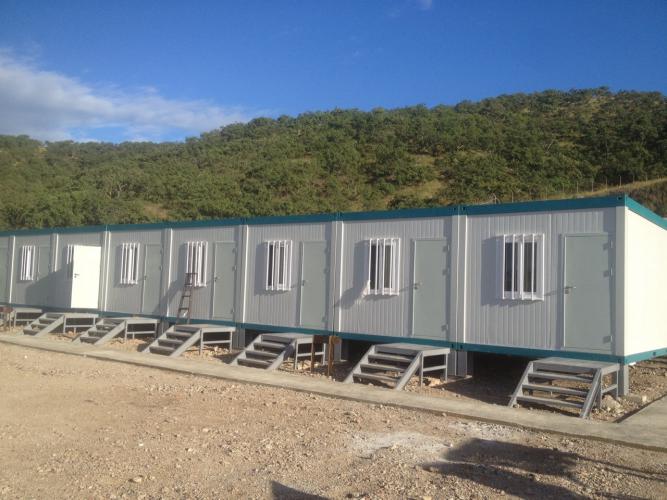
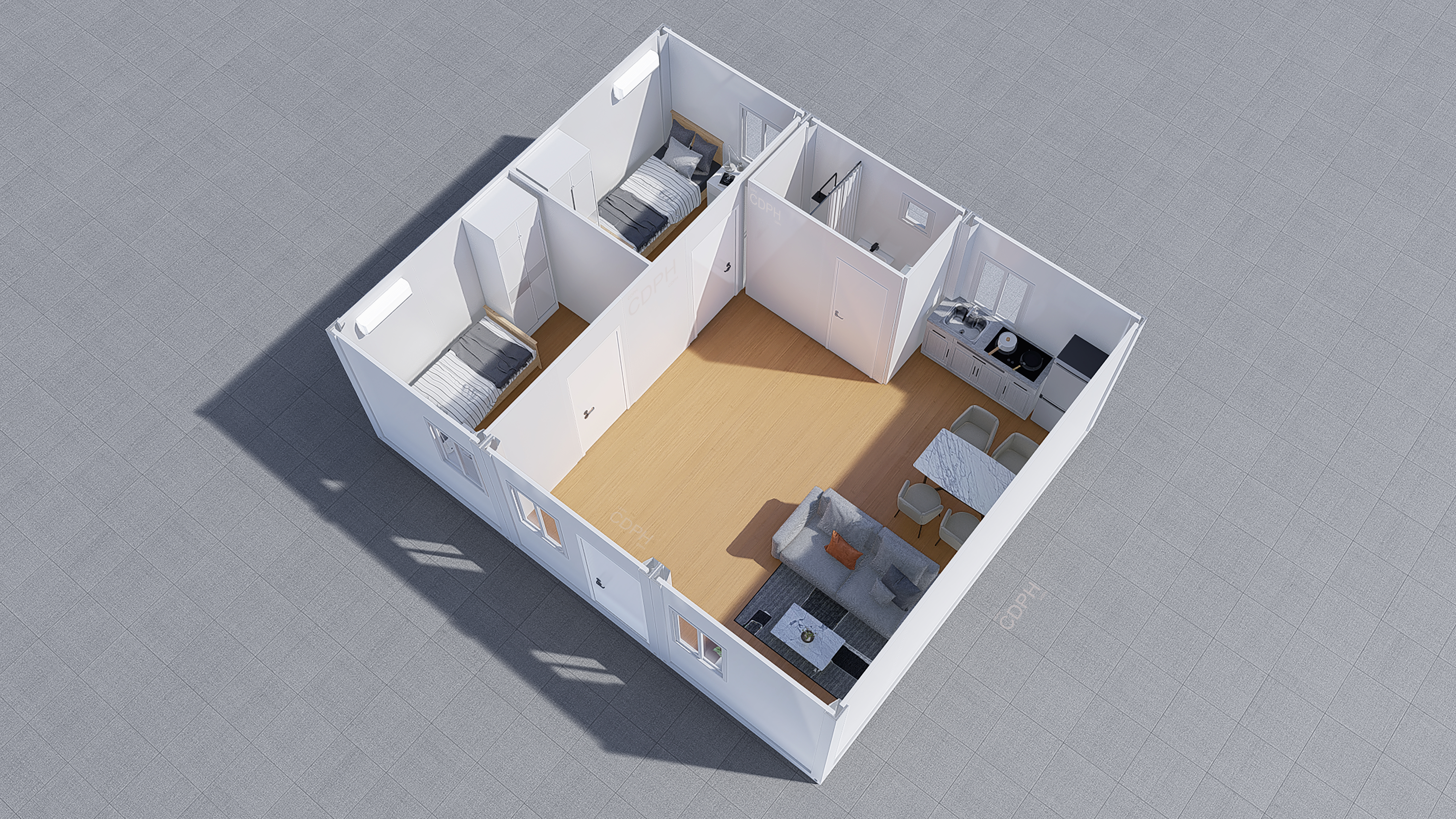
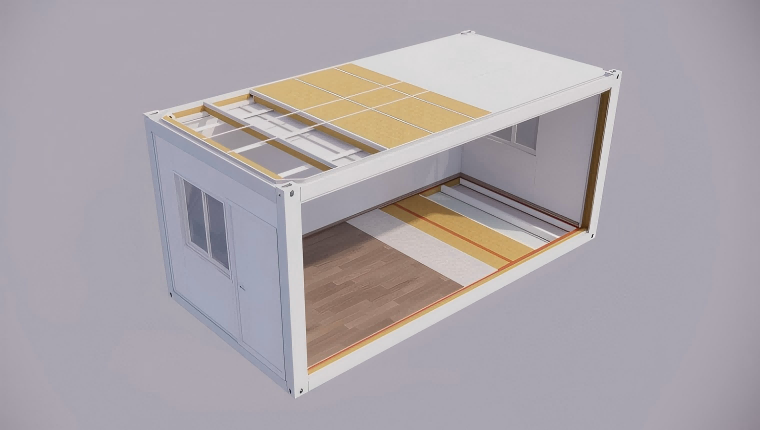
Container houses form the backbone of many workforce camps and are typically designed for long service life under normal use, with the possibility of redeployment across multiple projects. Container modules integrate structural frames, wall panels, insulation, doors and windows, and can be stacked or combined to create dormitories, office blocks, canteens or clinics.
Container houses from CDPH are engineered for different climate zones, with cold‑resistant specifications for low‑temperature regions and enhanced coating systems for high‑corrosion environments. When properly maintained, baseline products can achieve many years of reliable use, while optimized container modular houses can perform even longer in milder environments.
For more insights into container house durability in real engineering camps, you can refer to CDPH’s guidance article: https://www.cdph.net/blog/how-long-can-a-container-house-last-in-real-engineering-camps
Prefab Houses and Modular Buildings for Support Functions
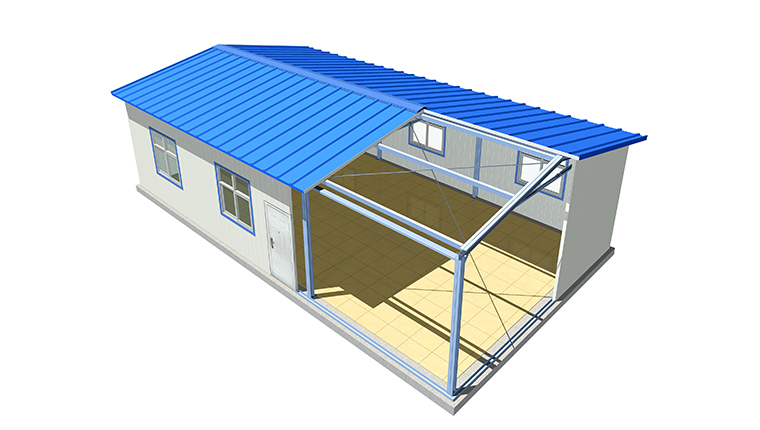
Prefab houses and modular buildings provide flexible solutions for schools, meeting rooms, recreation spaces or temporary offices inside or near engineering camps. These structures rely on lightweight steel frames and insulated wall panels and can be quickly assembled to respond to changing project requirements.
In fields such as education, CDPH applies its EPC camp experience to modular classroom buildings, turning the same design logic used for workforce camps into fast, safe school expansions. Similar design approaches can be used to create control rooms, training centers and administration buildings inside engineering camps.
Steel Structure Warehouses and Large‑Span Buildings
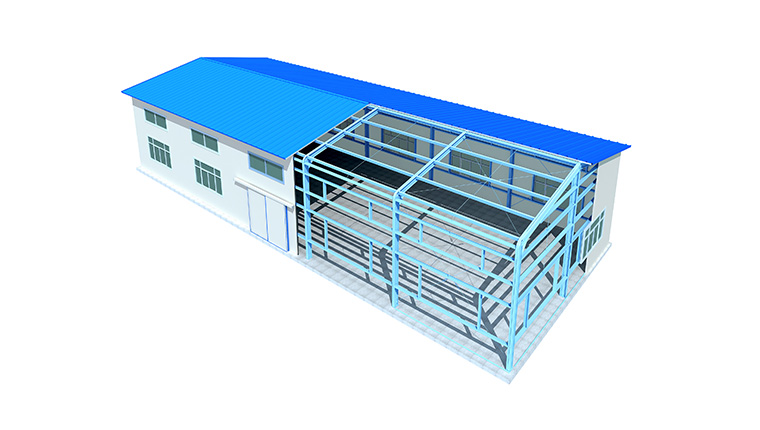
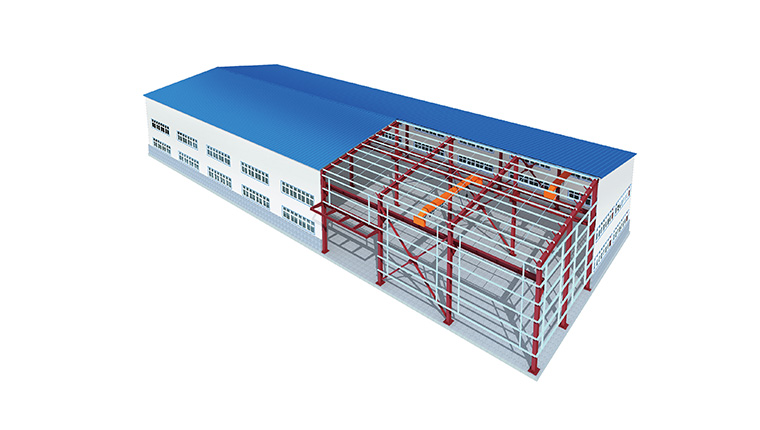
Steel structure systems are essential for warehouses, maintenance workshops and large‑span shelters that need greater height and clear internal space. With appropriate design, these structures can handle heavy wind and snow loads, integrate cranes and racking systems, and provide secure storage for materials, tools or spare parts.
CDPH’s portfolio of steel structures includes solutions for both camp‑type buildings and industrial facilities, often combining steel framing with modular wall and roof panels. This allows engineering contractors to keep a consistent modular logic across living quarters, offices and storage, simplifying maintenance and spare part management.
To see how steel structures work in a real logistics environment, consider CDPH’s case at the Hong Kong International Airport.
Hong Kong International Airport Temporary Warehouse Project
At Hong Kong International Airport, a temporary warehouse was needed to store materials securely in a high‑humidity, marine environment with intense operational demands. CDPH delivered a prefabricated house and steel structure solution that offered high adaptability to the environment and strong anti‑corrosion, sealing and thermal insulation properties.
The warehouse design used steel structural framing combined with modular panels, allowing rapid on‑site assembly while maintaining strict quality control. In a busy airport setting, this approach reduced construction disturbance and minimized downtime, which is critical when logistics flows must remain uninterrupted.
From a climate perspective, Hong Kong’s coastal conditions expose steel structures to saline air and frequent rainfall, making corrosion protection and drainage design central to long‑term performance. CDPH’s prefabricated house and warehouse system responded to these challenges with appropriate coating systems, sealed joints and insulation, ensuring internal storage conditions remained stable and dry.
This airport case illustrates how modular steel structure design can extend beyond camps into logistics and aviation facilities, while still using the same EPC principles: climate‑based design, factory prefabrication, and efficient on‑site assembly.
EPC Camp Experience as the Core Solution
For project owners, the key question is not only what products are available, but how to integrate them into a complete engineering camp under strict schedule and budget constraints. That is where EPC camp experience becomes decisive.
Chengdong operates as an EPC contractor for modular camps, covering feasibility study, design, procurement, manufacturing, transportation, on‑site construction and handover. This one‑stop service model supports clients from early concept to camp commissioning, simplifying coordination and reducing interface risks.
Several principles define CDPH’s EPC camp approach:
Climate‑based planning: Every camp design starts from site conditions—temperature range, wind and snow loads, humidity, altitude and corrosion category—then converts these into structural and insulation requirements.
Standardized yet configurable modules: Container houses, prefab houses and steel structures use standard dimensions and connection details that can be flexibly assembled to meet site‑specific layouts, including dormitory blocks, canteens, offices, warehouses and recreation areas.
Integrated systems: Camp design goes beyond buildings by integrating power supply, water supply, sewage treatment, HVAC, communications, furniture, road networks, security and fire protection systems into a coherent whole.
Lifecycle and redeployment thinking: Modular units are often planned for multi‑cycle use, allowing dismantling, transportation and reinstallation at new projects to maximize economic life.
For buyers of modular steel structure camps, this EPC experience translates into predictable outcomes: clear timelines, defined performance levels, and realistic operation and maintenance strategies aligned with the chosen climate zone.
Manufacturing Strength: Three Domestic Factories
The reliability of modular steel structure design depends heavily on manufacturing capacity and quality control in factories. Chengdong’s strength in this regard rests on three domestic production bases that specialize in different aspects of integrated housing and steel structures.
CDPH Integrated Housing Hebei Co., Ltd. provides large‑scale production of container houses and related modular systems, supporting high‑volume camp deployments for energy, mining and infrastructure projects. CDPH (Xinjiang) Modular Housing Manufacturing Co., Ltd. focuses on modular housing adapted to northwest China and similar inland climates, with experience in cold‑resistant and plateau environments. CDPH (Sichuan) Prefabricated Construction Technology Co., Ltd. supports prefabricated construction technologies, including steel structures and prefab house systems, with flexible manufacturing for diverse building types.
Together, these three factories form a manufacturing network that enables CDPH to deliver integrated modular housing and steel structure solutions efficiently and reliably. Factory‑based production ensures that structural components, insulation materials, coatings and accessories meet the required standards before shipment to global project sites.
For international clients, knowing that a modular steel structure supplier operates multiple specialized factories offers reassurance about delivery capacity, spare parts availability and long‑term technical support. A closer look at CDPH’s corporate background can be found on the “About Us” page: https://www.cdph.net/about-us
Designing Modular Steel Camps for Different Regions
When planning a modular steel structure camp, design teams must translate regional climate data into structural and architectural decisions. CDPH’s global experience shows how camp design changes across several typical regions.
Desert and Gobi Regions
Desert and Gobi camps operate under high solar radiation, large day‑night temperature differences, sandstorms and sometimes high wind speeds. Modular steel structures in these regions require:
Strong wind‑resistant foundations and bracing systems to stabilize buildings against gusts.
Enhanced roof and wall insulation to reduce cooling loads and maintain indoor comfort.
Dust‑proof sealing at panel joints, doors and windows to protect equipment and living spaces.
CDPH’s desert and Gobi design guidance emphasizes high‑temperature insulation, sand and dust protection, and wind‑resistant foundations, all of which can be applied to both container houses and steel warehouses.
Cold and Plateau Regions
Cold‑resistant camps require different design priorities, such as snow load capacity, freeze‑resistant plumbing and high‑performance insulation. Modular steel structures in these areas may adopt:
Low‑thermal‑conductivity wall and roof assemblies, with carefully detailed vapor barriers.
Structural designs that account for heavy snow accumulation on roofs and around buildings.
Enclosed or heated circulation spaces to protect occupants and equipment from extreme cold.
CDPH’s cold‑resistant container houses and modular buildings are designed with specific insulation standards to work in very low temperatures, demonstrating the adaptability of modular steel systems.
Coastal and Airport Regions
Coastal and airport‑adjacent projects, such as the Hong Kong International Airport warehouse, rely on corrosion‑resistant structures and careful logistics planning. Design considerations include:
Anti‑corrosion coatings and galvanization suited to marine environments.
Efficient drainage systems on roofs and around building perimeters to handle frequent rainfall.
Layout planning that facilitates access for trucks, forklifts and ground support equipment while maintaining safety zones.
By focusing on climate‑adjusted steel structure design, EPC contractors like CDPH can deliver camps and storage facilities that remain reliable over their planned service life.
Practical Steps for Owners Planning Modular Steel Structure Camps
For project owners considering modular steel structure design for a new engineering camp, a practical evaluation process can help choose the right builder and solution. Typical steps include:
Define site conditions, workforce size, usage duration and regulatory requirements, including wind and snow loads, seismic design category and corrosion environment.
Check whether the modular builder has relevant project cases in similar climates, such as desert camps, cold‑resistant camps or coastal warehouse projects like Hong Kong International Airport.
Review product structure, insulation configuration, utility integration and steel protection measures to ensure they match the expected service life and safety standards.
Compare logistics capability and installation support, including factory network, shipping routes, on‑site construction teams and after‑sales services.
Confirm expansion and redeployment options, so that container houses, prefab houses and steel structures can be reused or extended as project needs evolve.
Chengdong’s EPC experience and three domestic factories give clients a solid basis for these evaluations, as real case studies and technical documentation show how modular steel structure design performs in demanding conditions.
For more perspectives on choosing modular camp builders, you can visit: https://www.cdph.net/blog/modular-camps-builders-for-global-projects




 More
More









![Top Advantages of Modular Construction Explained [2025]](/uploads/upload/images/20250424/0fb390068474145a09a8c0504c73b1d2.png)
 May 09, 2025