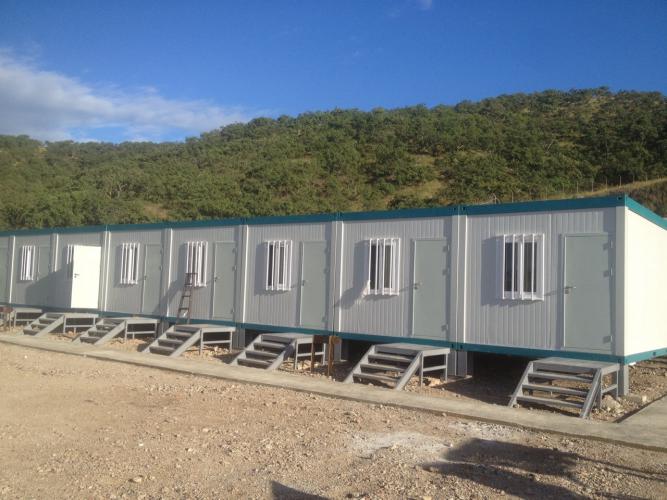
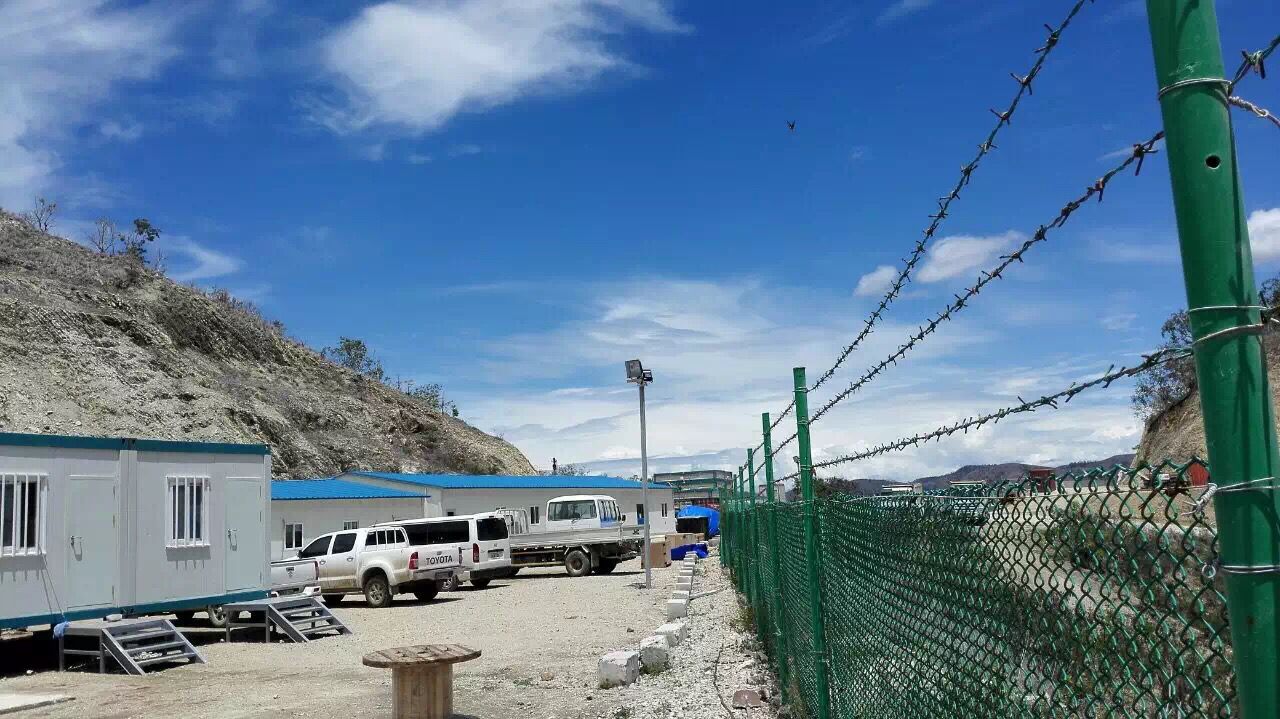
Why Prefabricated Labor Camps Matter in Harsh Environments
Prefabricated labor camps are factory‑built, modular housing complexes designed to accommodate large workforces on industrial and infrastructure projects in remote or challenging locations. They typically include dormitories, canteens, offices, clinics, recreation areas and utility buildings, all delivered as pre‑engineered units that can be quickly assembled on site. For energy, mining, and large construction projects, these camps are no longer a “temporary” afterthought but a critical asset that directly affects safety, productivity and project schedule.
Unlike traditional, cast‑in‑place construction, prefabricated camps rely on standardized steel structures and insulated sandwich panels that are manufactured in controlled factory environments. This reduces on‑site labor, minimizes exposure to unsafe conditions, and allows project owners to deploy complete camps in weeks rather than months. For EPC contractors working under tight milestones and complex logistics, a reliable prefab camp partner can become the difference between on‑time delivery and costly delay.
Climate and Regional Challenges for Labor Camps
Remote project sites across the Middle East, Africa, Latin America, Central Asia and high‑altitude regions face extreme climate variability that directly impacts workforce housing. Desert and Gobi environments in countries such as Saudi Arabia or Qatar bring intense solar radiation, sandstorms and large day‑night temperature differences, which can quickly degrade poorly protected buildings. Tropical rainforest regions in parts of Africa and Asia combine high humidity, heavy rainfall and biological corrosion, demanding strong anti‑rust and mold‑resistant design.
High‑altitude plateau and cold‑region projects in Central Asia or South America need camps that can withstand low oxygen levels, heavy snow load and temperatures that drop far below freezing. In coastal port expansion or offshore‑linked projects, salt spray and wind load become the dominant design drivers for modular housing and steel structures. Each of these climate profiles influences insulation requirements, structural wind and snow load, corrosion protection, HVAC sizing and maintenance strategies for prefabricated labor camps.
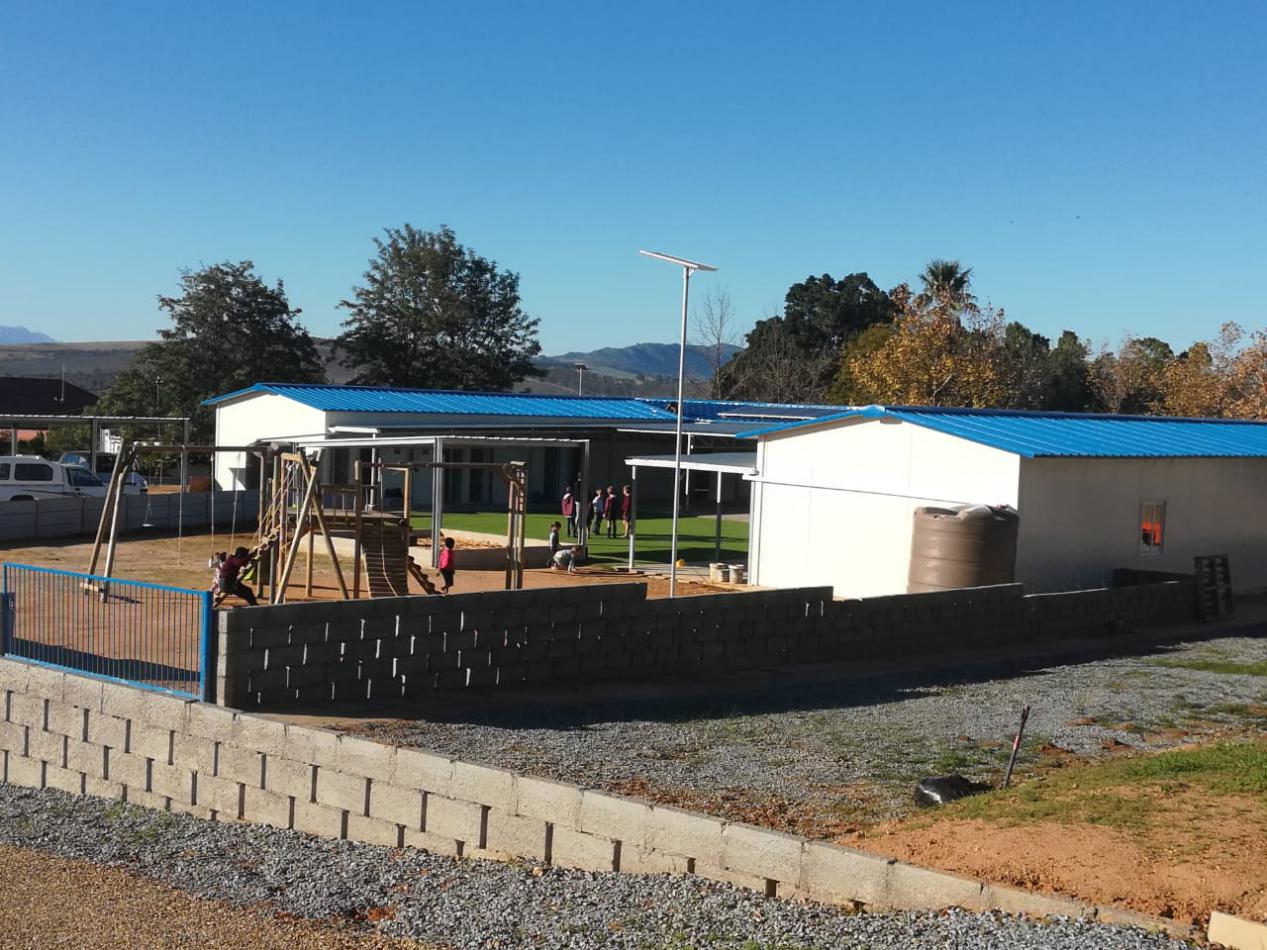
Prefabricated Labour Camp as a Modular Housing Solution
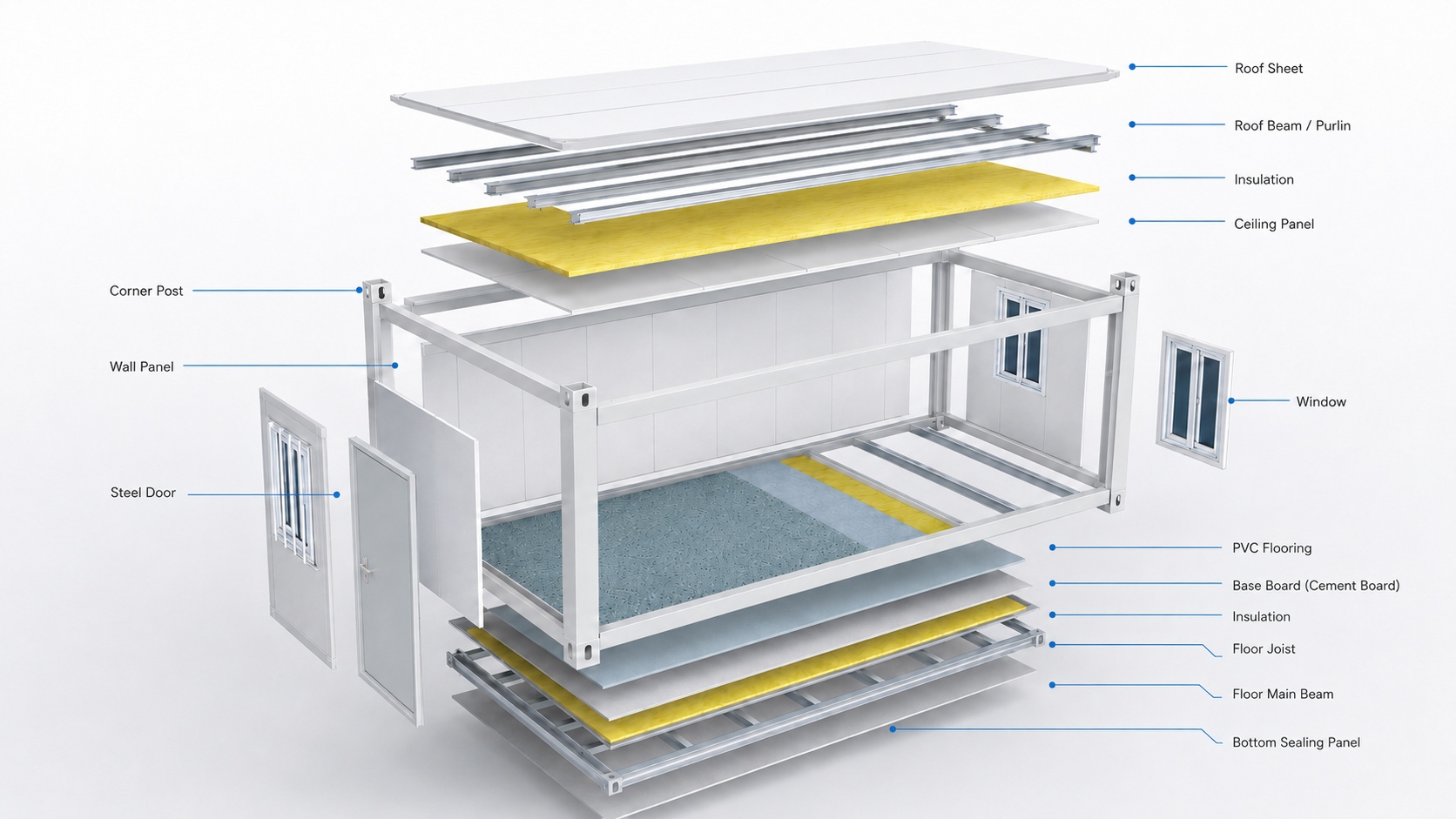
A modern prefabricated labour camp is a pre‑engineered, factory‑built facility that can be transported and assembled at project sites as a complete accommodation system. Modules are typically based on steel frames with insulated wall and roof panels, and can be configured as dormitories, kitchens, dining halls, laundries, offices or meeting rooms. Because each unit is standardized, EPC contractors can scale camps from a few dozen workers to several thousand with repeatable layouts and predictable performance.
Modular camp builders also design integrated infrastructure such as sanitation blocks, water treatment, power generation and waste management to align with local regulations and ESG goals. In practice, this means a single labor camp solution can cover accommodation, catering, health, safety, administration and recreation needs under one coordinated design. The flexibility of modular units allows later expansion, downsizing or relocation as project scope changes, optimizing lifecycle cost compared with conventional buildings.
Chengdong’s EPC Prefabricated Labor Camps
Beijing Chengdong International Modular Housing Co., Ltd. (CDPH) is a specialist in engineering camp construction, providing one‑stop EPC solutions for global energy, mining and infrastructure projects. From master planning to design, manufacturing, shipping, installation and operation support, Chengdong delivers turnkey prefabricated labor camps under a single contract structure. This integrated EPC approach reduces interfaces for project owners and simplifies communication, risk management and schedule control.
Chengdong’s modular camp systems are supported by three domestic factories in China, giving a combined production capacity that can serve multiple large‑scale projects in parallel. These plants operate standardized production lines for container houses, prefab houses and steel structures, enabling stable quality and rapid delivery for international clients. With more than 100 countries served and continuous cooperation with leading engineering companies, Chengdong’s EPC camp portfolio covers mining, oil and gas, port expansion, hydropower and other complex projects.
For more engineering camp cases, you can explore the dedicated case center, including typical EPC project references:https://www.cdph.net/case-center/137
Key Modular Products Used in Labour Camps
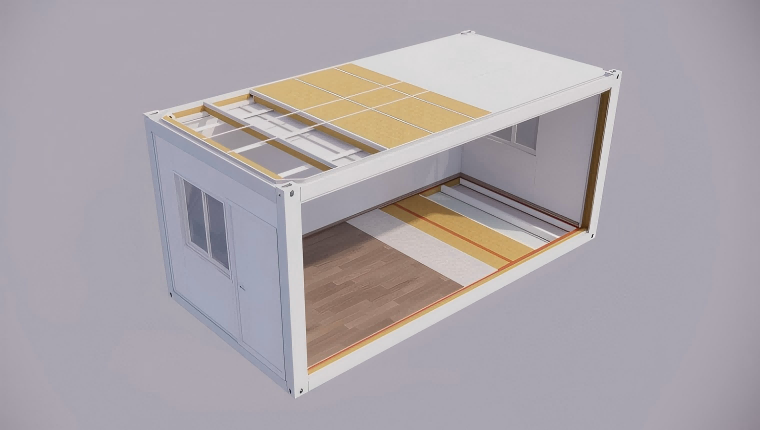
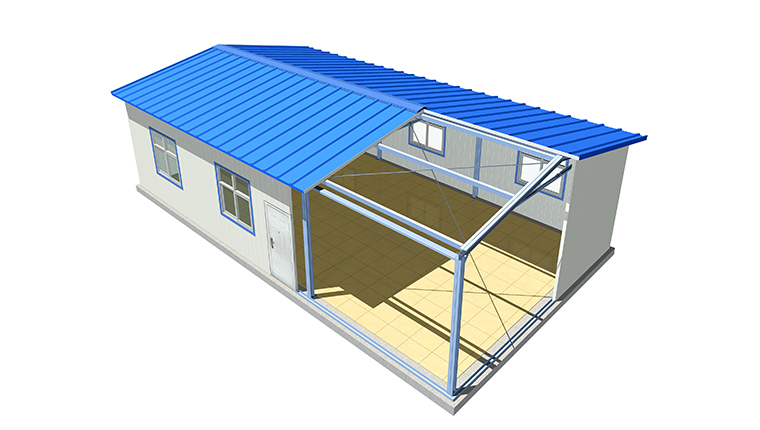
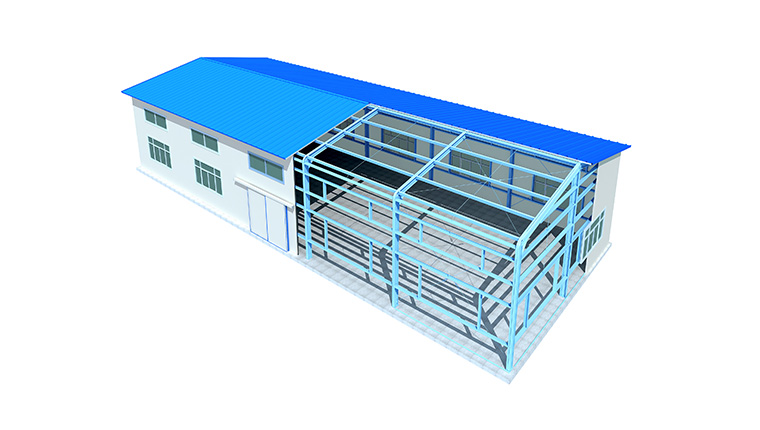
Modern prefabricated labor camps use a combination of modular product types to address different functional needs. Among these, container houses are widely used as core accommodation and office units because of their robustness, transport efficiency and reusability. Prefab houses and light steel structures are often used for larger span buildings such as dining halls, warehouses and workshops, where more flexible interior layouts are required.
Chengdong’s container house product line is specifically engineered for engineering camps, with design service life that can cover multi‑year projects and multi‑cycle reuse. The flat‑pack and integrated container units can be stacked and combined to create multi‑storey dormitory blocks, mobile offices and clinics with consistent technical standards. For detailed specifications and application scenarios, you can refer to Chengdong’s container house solutions on the product page:https://www.cdph.net/product/container-house
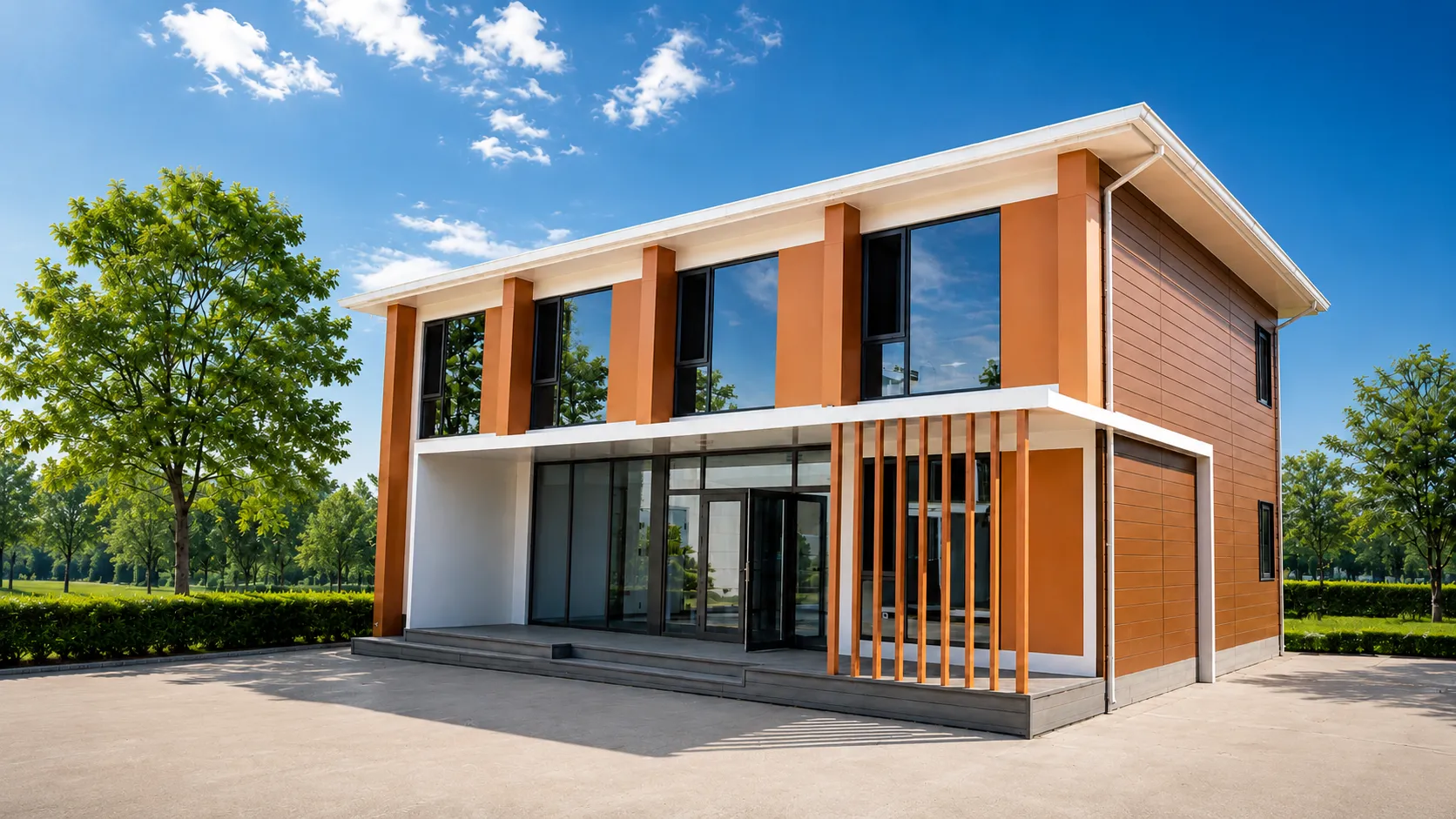
In addition to container houses, Chengdong provides complete prefab house systems for camps, covering light steel buildings and modular houses for canteens, recreation halls and logistics facilities. These prefabricated structures are designed to integrate seamlessly with container units in one master plan, ensuring coherent routes, fire safety distances and utility layouts. More information on modular camp products and services is available on Chengdong’s homepage:https://www.cdph.net
Case Highlight: Prefabricated Camp for Competition and Office Use
A representative example of Chengdong’s modular EPC capability is its deployment of modular houses for competition‑related camps and mobile offices, shown in the case center. In this type of project, the client needed fast deployment, comfortable accommodation and flexible space that could later be reconfigured for other functions. Chengdong provided an integrated camp comprising container dormitories, modular offices, dining facilities and service buildings, all aligned with safety and comfort standards for international events.
The solution combined standardized modular units with tailored interior finishes and MEP systems according to local regulations and climate conditions. Factory‑produced modules were shipped to site and assembled in a short time window, minimizing disruption to surrounding activities and ensuring the camp was ready before the event schedule. This case demonstrates how prefabricated labor camps can support not only industrial projects but also large temporary operations with strict deadlines and comfort requirements.
Engineering for Extreme Climates: Cold‑Resistant and Desert Camps
In cold regions and high‑altitude projects, such as arctic pipeline routes or plateau mining operations, standard labor camp designs are often insufficient. Chengdong has developed cold‑resistant container houses with enhanced insulation, double‑glazed windows, optimized thermal breaks and upgraded heating systems to sustain very low‑temperature environments. Structural configurations are adapted to higher snow loads, and roof, wall and floor assemblies are designed to prevent condensation and heat loss.
Desert and Gobi camps emphasize solar control, sandstorm resistance and corrosion protection. Here, modular units use reinforced steel coatings, thicker external panels and optimized shading systems to reduce internal temperatures and protect façades from abrasive sand. HVAC design is tailored to large diurnal temperature swings and dust filtration, safeguarding both equipment and worker health. In tropical rainforest camps, anticorrosion measures, ventilation and mold‑resistant finishes become critical for maintaining healthy living conditions over multi‑year project lifecycles.
EPC Camp Delivery Process: From Brief to Handover
A mature EPC prefabricated labor camp provider follows a structured process to deliver turnkey solutions under tight project schedules. Chengdong’s approach typically starts with camp master planning based on site conditions, climate, workforce structure and operational requirements, translating them into a modular layout that covers accommodation, functional buildings and infrastructure. This early stage includes traffic flows, emergency routes, zoning for quiet and noisy areas, and preliminary utility design.
Once the layout is agreed, detailed engineering and module configuration are completed in Chengdong’s domestic factories, where standardized components are produced, assembled and quality‑checked. Logistics planning covers shipping routes, packaging, customs preparation and on‑site unloading methodology, ensuring modules arrive in sequence for efficient installation. On site, experienced installation teams handle foundations, module erection, MEP integration and internal finishing according to predefined quality and safety procedures.
After completion, the EPC provider supports commissioning and handover, including system testing, documentation and training for the client’s operation team. Many camps are designed for multi‑cycle reuse, allowing clients to dismantle, relocate and reinstall container houses for new projects, extending the economic life of the assets beyond a single job. Chengdong’s combination of factory capacity, project management and global logistics experience underpins this full EPC lifecycle for engineering camps.
How Prefabricated Labor Camps Improve Project Performance
Well‑designed prefabricated labor camps bring measurable benefits across safety, schedule, cost and ESG dimensions. By providing comfortable, safe and hygienic accommodation, they help maintain workforce health and morale, which is directly linked to productivity and retention in remote projects. Modular construction shortens on‑site building time, enabling earlier mobilization of teams and faster ramp‑up of project activities.
From a cost perspective, standardized modules and repeatable designs make total lifecycle cost more predictable, while multi‑cycle reuse reduces capital expenditure per project. For ESG objectives, modern camps incorporate energy‑efficient insulation, LED lighting, rational HVAC design and proper waste treatment, supporting lower emissions and better environmental performance. In many EPC contracts, the ability to demonstrate robust camp solutions contributes to winning tenders and meeting international client standards.
For owners and contractors looking for a proven partner, Chengdong’s global project references, three domestic factories and integrated EPC delivery model offer a practical pathway to reliable prefabricated labor camps in challenging environments. By combining engineering design, standardized modular products like container houses, and end‑to‑end EPC services, Chengdong helps ensure that workforce housing becomes a strong foundation for project success rather than a bottleneck.




 More
More











![Top Advantages of Modular Construction Explained [2025]](/uploads/upload/images/20250424/0fb390068474145a09a8c0504c73b1d2.png)
 May 09, 2025