Boarding schools in South Africa face growing pressure to expand student accommodation quickly, safely, and cost-effectively. Traditional concrete or brick construction often takes too long, disrupts teaching, and makes phased campus planning difficult. As a result, more education investors and school boards are turning to prefab houses for sale in South Africa, delivered by experienced modular camp providers, to design and deliver complete boarding environments.
Companies like Chengdong Housing have spent decades building large-scale modular camps for energy, mining, and infrastructure projects in more than 100 countries, and this experience now supports education-campus applications as well. For boarding schools, that means faster and more predictable delivery of student dormitories, staff offices, canteens, and support facilities, all integrated into a single master plan.
From engineering camps to education camps
Leading providers of prefab houses for sale in South Africa did not begin in the education sector. Their operating model was developed in demanding engineering environments where rapid deployment, strict safety requirements, and complex site logistics are standard project conditions. Chengdong positions itself as an expert in global camp construction, offering planning, design, production, logistics, on-site installation, and camp-related services as one coordinated solution.
This model translates naturally to boarding schools. Instead of treating a dormitory as an isolated structure, the boarding zone can be planned as an integrated education camp that combines student housing, administration offices, medical points, dining space, sports areas, and site infrastructure within one coherent system. Through standardized modular units and a mature project-management framework, successful layouts and quality standards can be repeated across different phases of one campus or across multiple campuses.
Chengdong’s broader modular capabilities and project positioning are presented on its official website: Chengdong Modular House.
What prefab houses for sale in South Africa deliver for boarding schools
When a boarding school works with a supplier of prefab houses for sale in South Africa, it is not just purchasing a building shell. It is buying an integrated solution built around modular structures and coordinated support systems that can serve daily living, school administration, and long-term campus operation.
Modular buildings for dormitories and offices
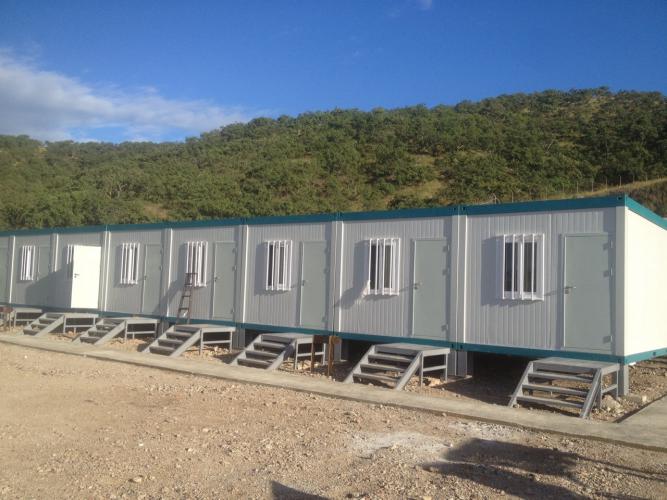
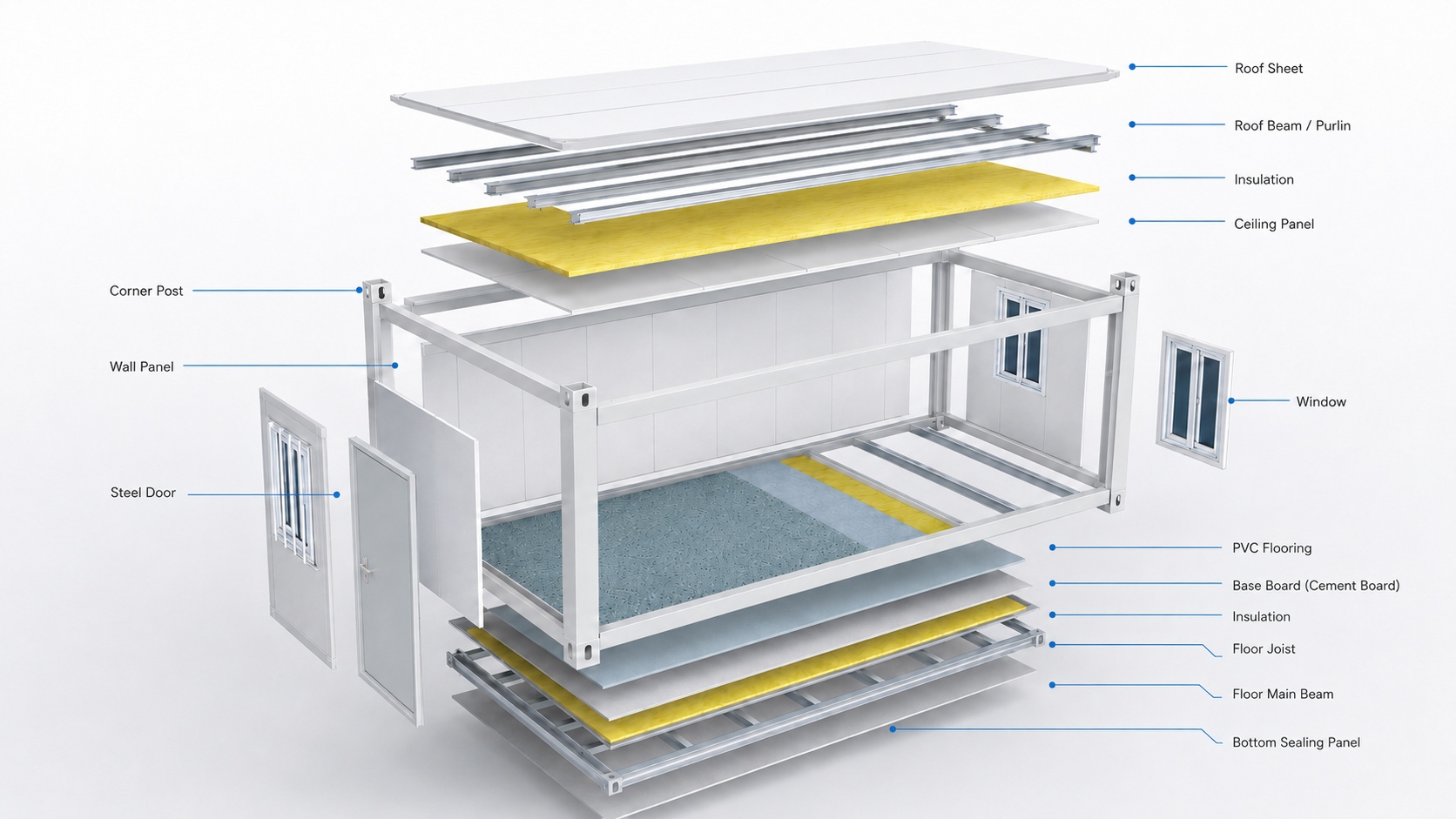
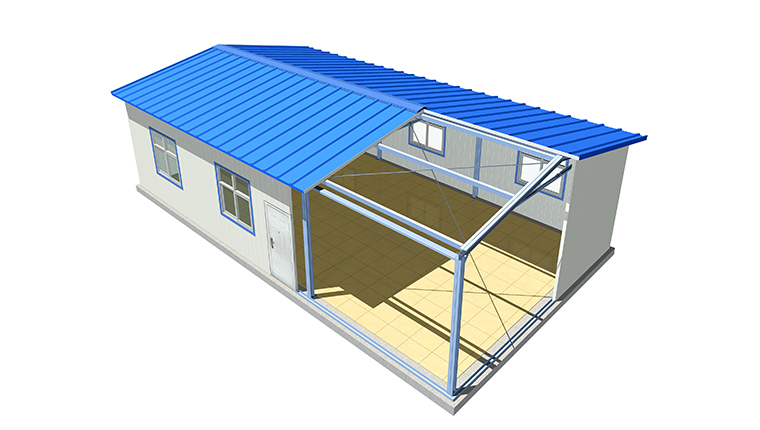
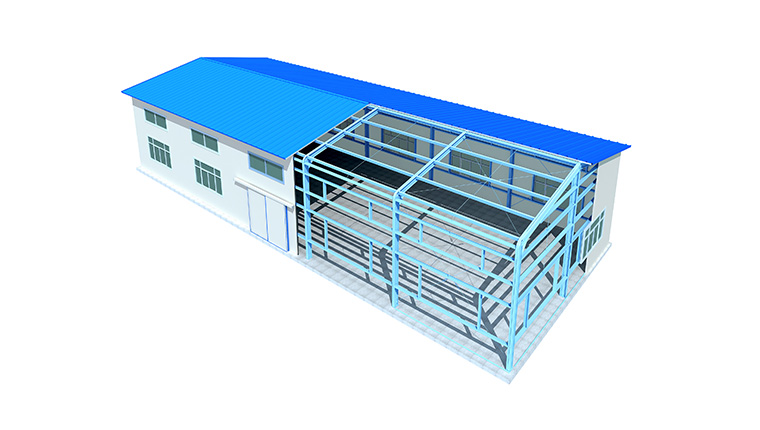
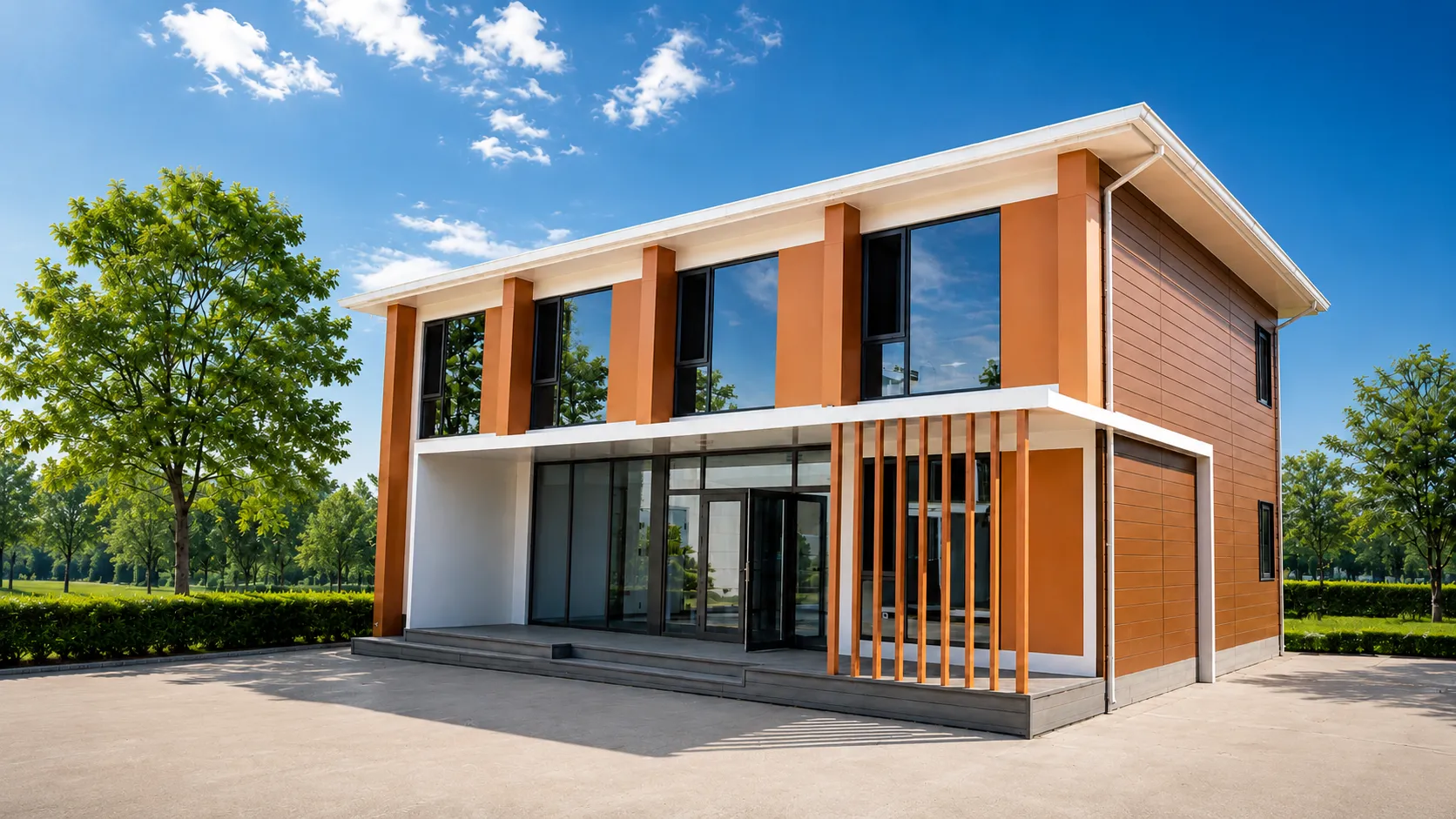
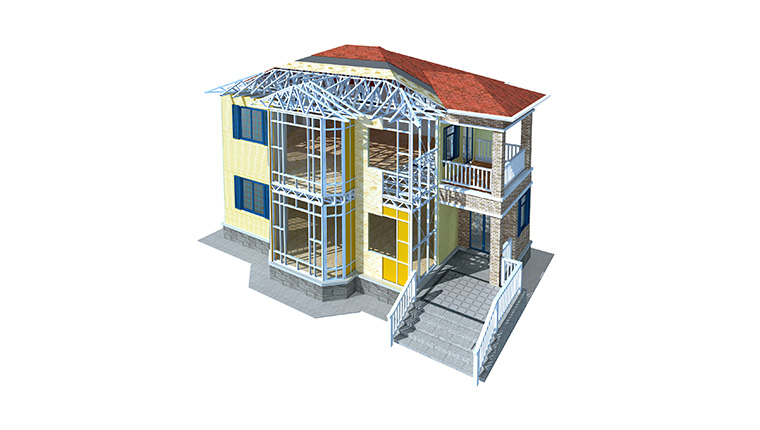
Chengdong’s modular houses are factory-produced with highly integrated floors, walls, and roofs, and are designed for rapid installation, repeated use, and future relocation. The same modular system can be configured as student dormitories, staff and administration offices, study spaces, storage rooms, or other support functions depending on the campus plan.
Using standard module sizes such as 45-foot, 38-foot, 27-foot, and 20-foot units, planners can assemble multi-storey dormitory blocks and office areas while maintaining repetition in production and logistics. This standardization helps reduce design risk, improve quality consistency, and shorten the overall delivery schedule for schools that need new accommodation before a new term begins.
Chengdong’s official website also provides access to its broader modular house and camp solution portfolio, which helps explain how different product systems can support education and accommodation projects: Modular house and camp solutions.
Nine systems for a complete education camp
The strongest modular providers do more than assemble rooms. Their real value lies in integrating the key systems that allow a boarding campus to function as a safe and efficient living environment. Chengdong organizes this integrated approach around nine systems: the building system, water supply and drainage and heating system, electrical power system, weak-current system, fire-fighting system, security system, traffic and road system, environmental facilities system, and environmental protection system.
For boarding schools, these systems support much more than basic accommodation. They enable safe dormitory operation, reliable utilities, internal roads and walkways, recreation areas, wastewater handling, and site-wide safety controls without forcing the school to coordinate many disconnected contractors. Instead, one modular partner can take responsibility for how these systems work together across the entire dormitory camp.
South African education case
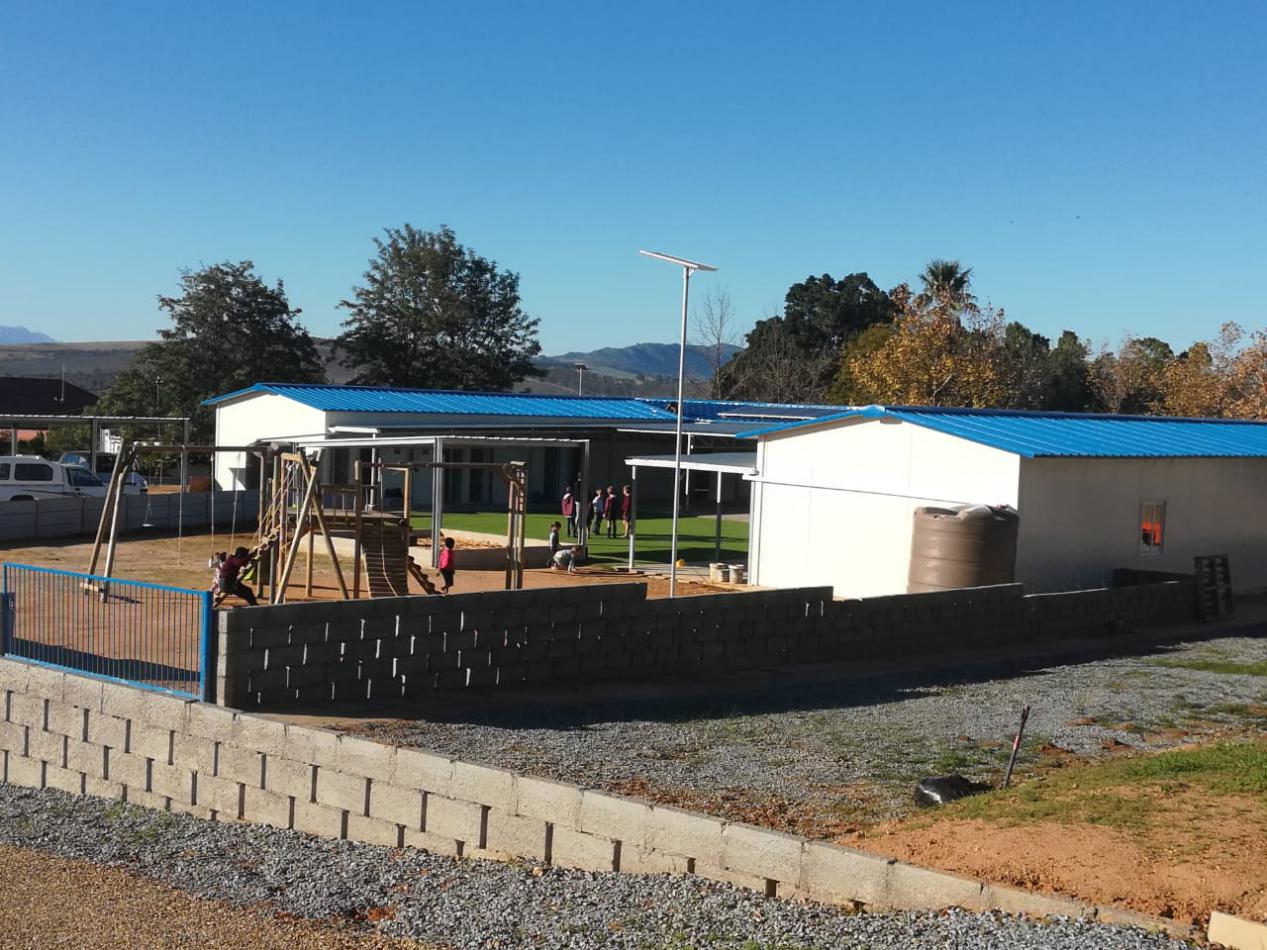
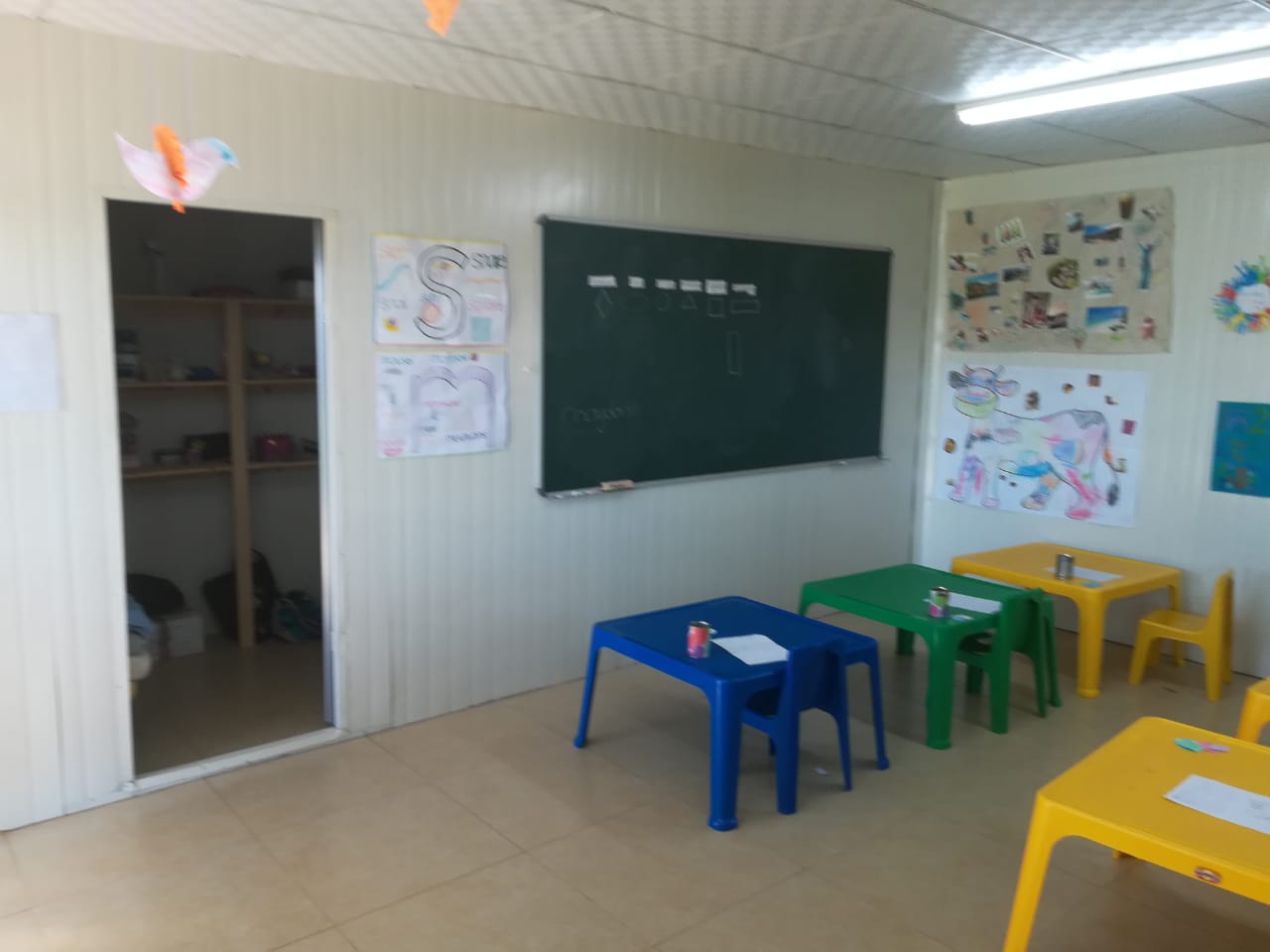
Chengdong’s case library includes education-related applications that show how modular solutions can support both learning and campus infrastructure. One representative example is its South African classroom project, presented as a comprehensive prefab-house education solution for local school development.
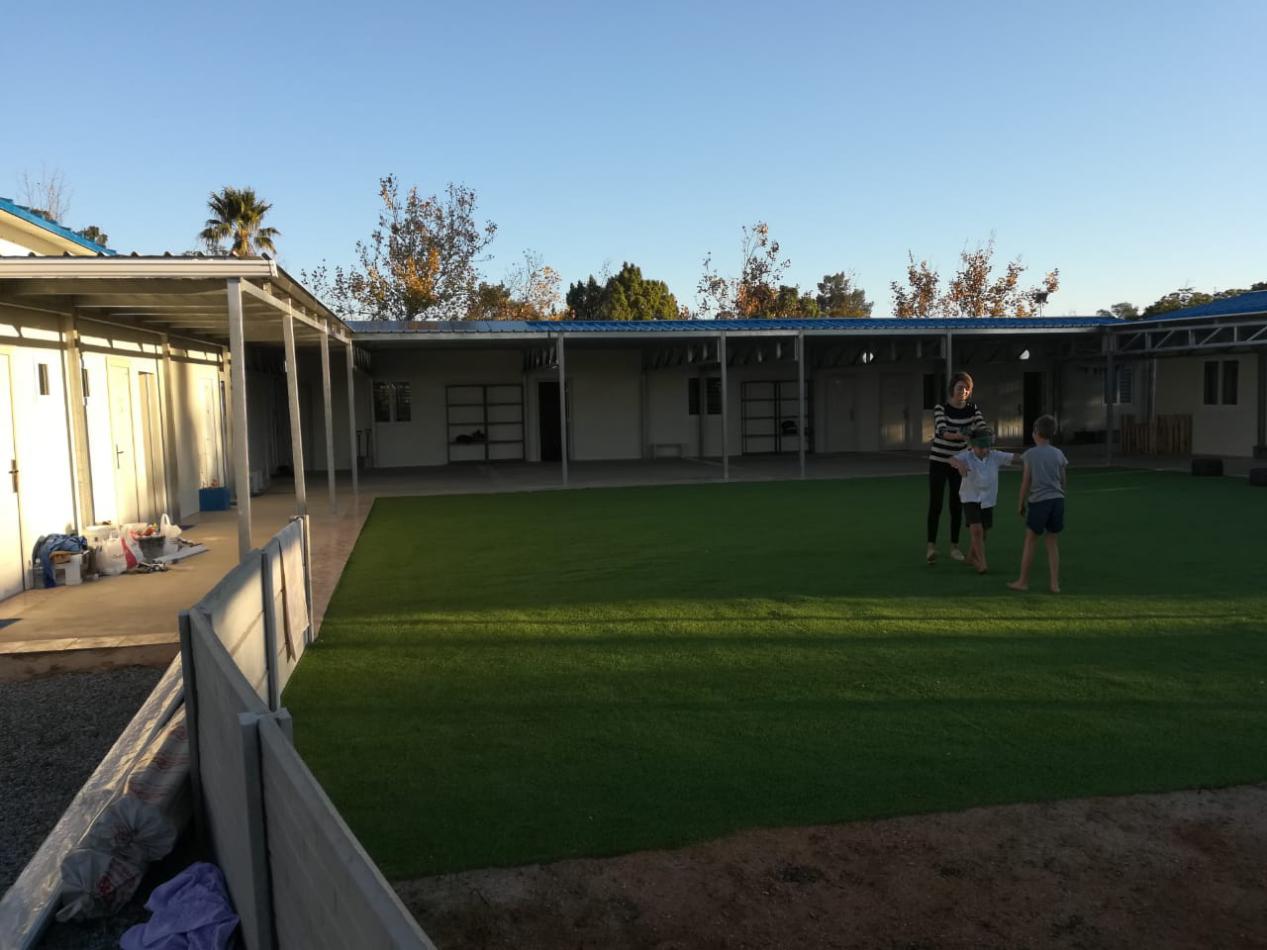
In that South African education scenario, the project logic extends beyond supplying classroom boxes. The modular approach supports a broader campus environment by aligning buildings with circulation, utilities, safety systems, and the wider operating needs of the school. This matters for boarding schools because the same methodology can be extended from classrooms to dormitory wings, staff offices, canteens, and other supporting spaces while keeping the project under one integrated planning framework.
The education case can be explored through Chengdong’s case center here: South African classroom project.
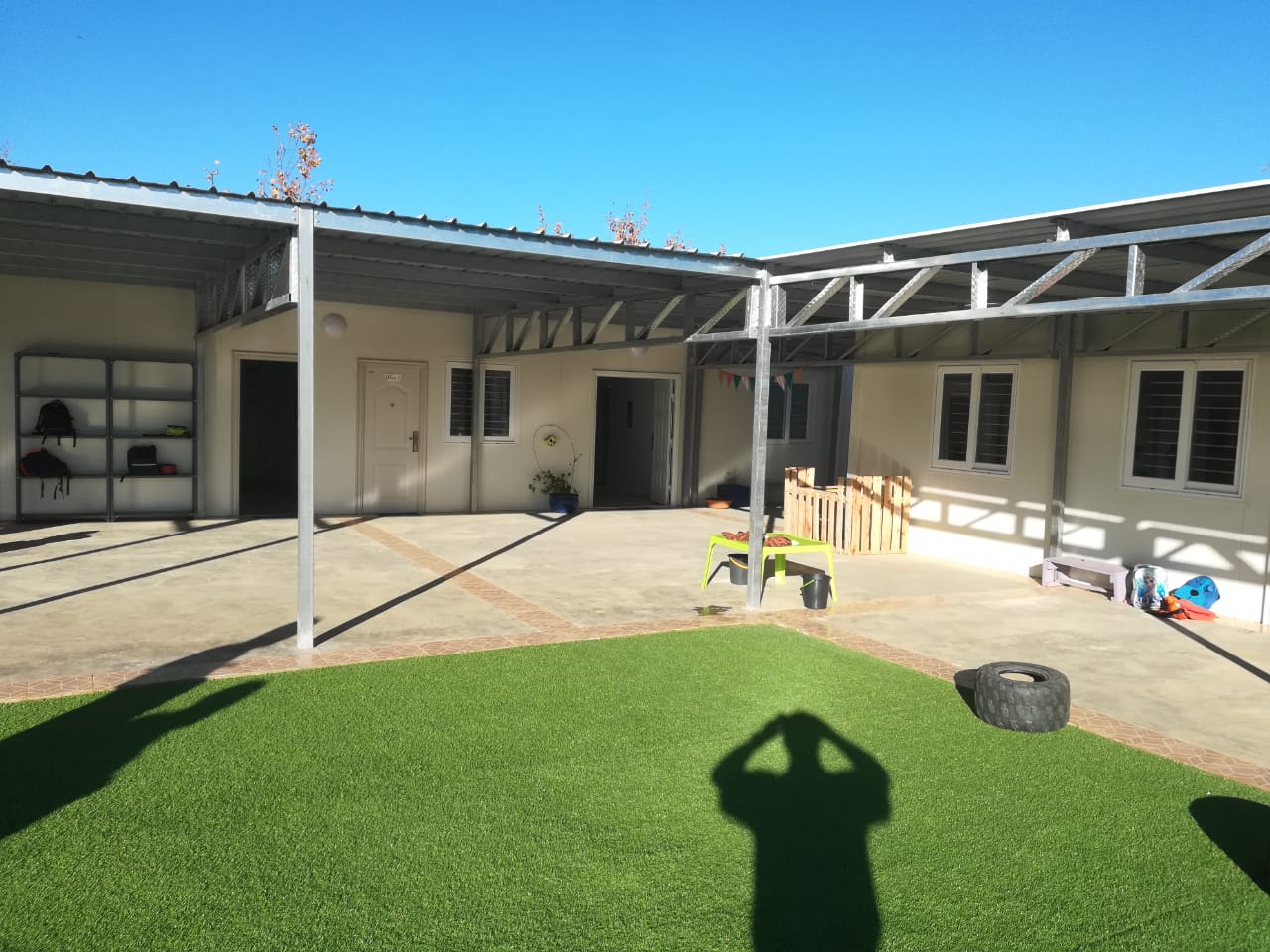
That case is especially relevant because it shows how South African education projects can benefit from modular planning principles already proven in larger camp environments. Instead of solving space shortages one building at a time, a school can adopt a phased campus strategy that combines teaching and residential functions under the same modular delivery logic.
Planning a boarding school dormitory camp
Understanding campus needs and constraints
Experienced providers of prefab houses for sale in South Africa usually begin with planning, not with a simple product quotation. Chengdong’s project materials show a structured approach that starts with site and function analysis and then moves through design, system sizing, logistics, and on-site construction management. The client provides information such as student and staff numbers, room types, office needs, campus boundaries, topography, and infrastructure expectations, and the planning team then develops layouts for accommodation, administration, roads, drainage, and outdoor functions. For boarding schools, this step is essential because student life depends on the relationship between dormitories, classrooms, dining areas, recreation spaces, and safe pedestrian movement.
Configuring modular buildings and systems
Once campus needs are clear, designers configure standard modular units into practical layouts for dormitory rooms, corridors, service areas, offices, and support spaces while preserving the efficiency benefits of modular repetition. At the same time, support equipment such as water tanks, pumps, transformers, generators, wastewater-treatment units, and fire-protection facilities is sized to match the school’s projected occupancy and operating load. This combined approach links the building layout with the nine supporting systems so that the dormitory camp can operate reliably from the first day of use.
Logistics planning and on-site installation
After design and specification come logistics and construction management. Chengdong emphasizes project-specific transport planning and cooperation with strong local logistics partners so that building components and support-system equipment arrive in the correct sequence for installation. The on-site phase is then guided by experienced technical teams who organize local labor and focus mainly on assembly and systems commissioning rather than slow, weather-sensitive wet construction, which helps shorten the construction period between academic terms.
Comfort, safety, and sustainability in modular dormitories
Structural comfort and durability
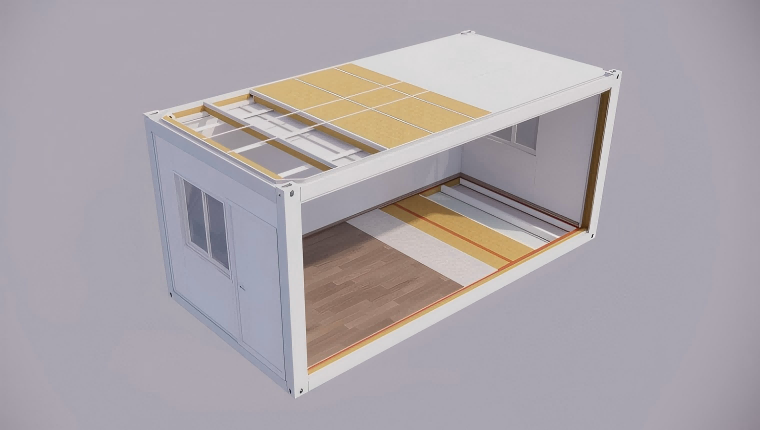
Boarding schools cannot treat student accommodation as temporary overflow space, so modular dormitories are designed for long-term comfort and durability. Chengdong’s modular buildings use galvanized steel structures, insulated wall systems, and integrated floors and roofs designed for durability, repeat installation, and stable performance across different climates. Features such as insulation layers, anti-corrosion treatments, and controlled thermal-transfer performance help improve indoor comfort, lower maintenance pressure, and support better operating efficiency over time.
Fire protection and security systems
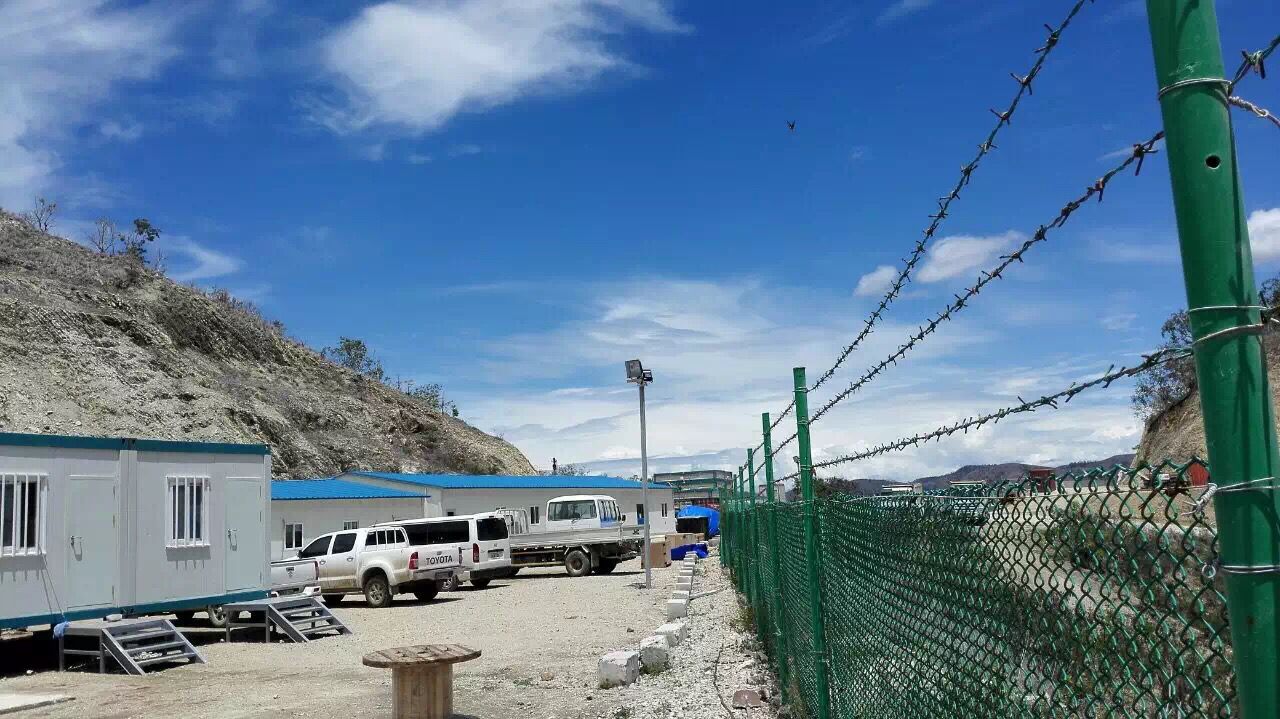
Fire safety is another major strength of integrated camp planning. Chengdong’s nine-system framework includes alarms, hydrants, sprinklers, emergency lighting, and evacuation signage, and its materials also describe wireless fire-alarm solutions that simplify installation and reduce cable-related complexity. For boarding schools, this integrated approach can improve the safety of high-occupancy dormitories while also making it easier to expand the campus in phases. Security planning is equally important. The camp model includes perimeter fencing, gate control, intrusion alarms, CCTV monitoring, and emergency medical provisions that can be adapted to a school setting. On a boarding campus, these systems help define secure student living areas and support safer movement between dormitories and shared facilities.
Environmental infrastructure and sustainability
Environmental infrastructure also plays a central role in long-term dormitory operation. Chengdong’s materials describe integral wastewater-treatment systems and compare them with more traditional approaches, highlighting advantages in installation simplicity, automatic operation, and recyclability. For schools, these integrated systems can support environmental compliance and sustainability goals while reducing the management burden associated with fragmented site utilities.
Why choose prefab houses for sale in South Africa for boarding schools
For South African boarding schools, choosing prefab houses for sale in South Africa is ultimately about gaining control over time, risk, and long-term campus quality. By working with a partner like Chengdong, schools can compress delivery schedules through factory-produced modules and standardized nine-system solutions, allowing new dormitories and supporting facilities to be completed within the narrow windows between academic terms instead of dragging on for multiple years. At the same time, shifting to an integrated camp provider reduces the coordination burden on school leaders, who no longer have to manage separate contractors for buildings, utilities, fire safety, security, and environmental protection; one modular specialist takes responsibility for the entire dormitory camp as a coherent system.
This approach also gives South African schools flexibility for the future. Because modular dormitory and office blocks are designed for assembly, disassembly, and relocation, they can be scaled up, reconfigured, or even moved to a new campus as enrollment changes or education networks expand. Underpinning these practical benefits is Chengdong’s global camp experience, with more than 1,000 projects delivered in over 100 countries, including education applications such as the South African classroom project where modular buildings support both learning space and campus infrastructure. For boarding schools that must balance growth, safety, comfort, and sustainability, partnering with experienced suppliers of prefab houses for sale in South Africa is not just a construction choice but a strategic decision about how to develop resilient, future-ready residential campuses.




 More
More











![Top Advantages of Modular Construction Explained [2025]](/uploads/upload/images/20250424/0fb390068474145a09a8c0504c73b1d2.png)
 May 09, 2025