What Prefabricated Modular Camp Builders Do
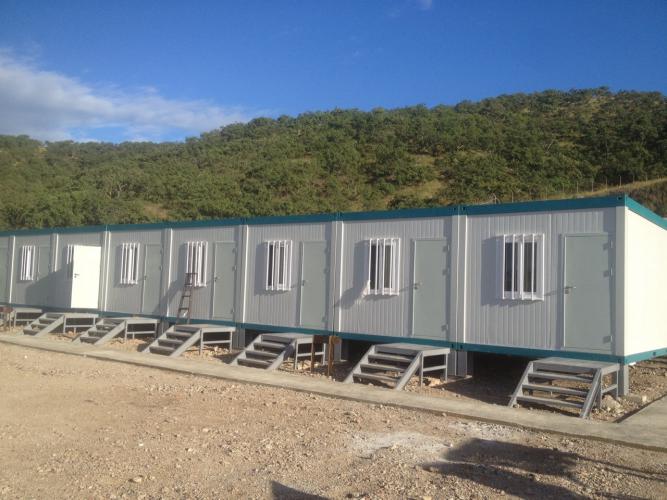
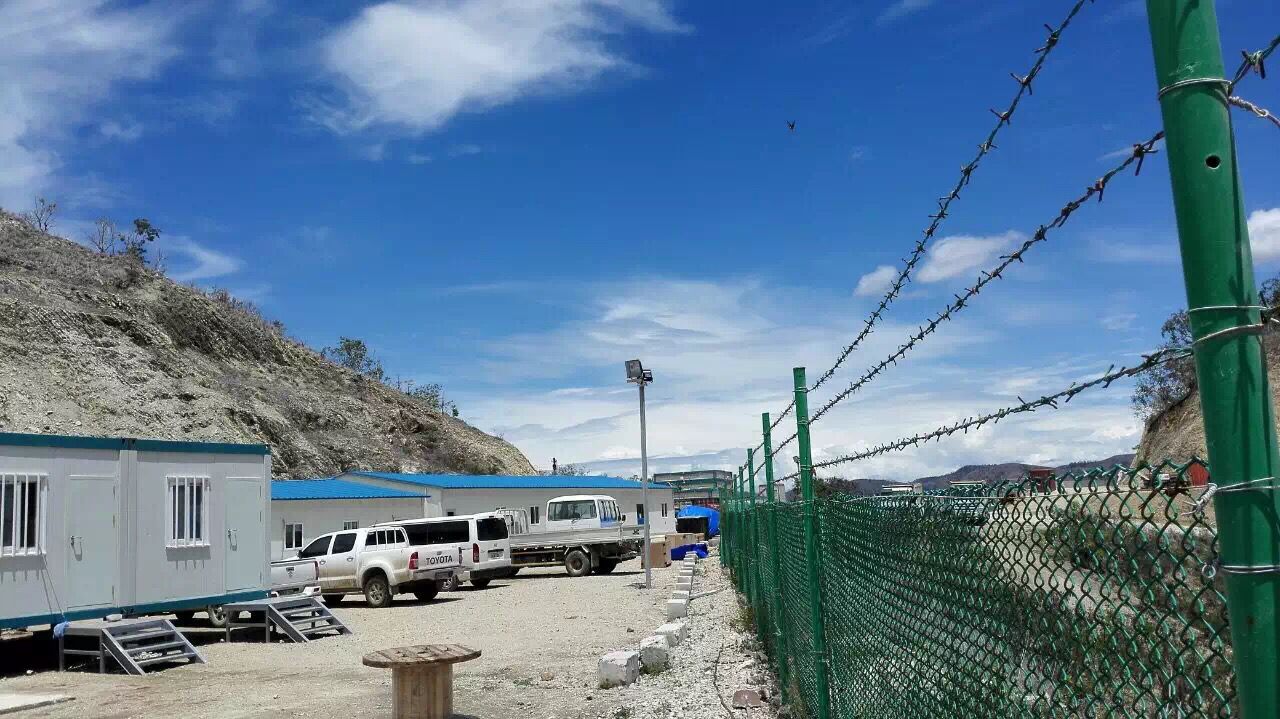
Prefabricated modular camp builders are specialist companies that design, engineer, manufacture and install complete camps using factory‑built modules instead of conventional on‑site construction. These camps typically support large‑scale or remote projects in construction, mining, oil and gas, power, infrastructure, military and humanitarian aid where permanent housing is impractical or too slow to build.
Rather than selling single prefab units, professional builders provide an integrated engineering camp solution that covers camp master planning, building systems, utilities, safety, logistics and on‑site installation. This integrated approach ensures that accommodation, offices, canteens, clinics, recreation and supporting infrastructure work as a coherent, efficient “village” for project teams.
Key Advantages of Modular Camps
Well‑established prefabricated modular camp builders deliver several advantages compared with traditional construction on remote or constrained sites.
Speed of delivery: Modules are produced in the factory while foundations and site infrastructure are prepared in parallel, which can compress project schedules by several months.
Cost and risk control: Standardized module designs, controlled factory environments and mature logistics help stabilize costs and reduce weather and labour risks.
Quality and safety: Factory production under ISO‑based quality, environment and occupational health systems improves consistency and reduces rework on site.
Scalability and flexibility: Modular layouts can be expanded, reduced, reconfigured or relocated as workforce numbers change across project phases.
Sustainability: Reusable modules, optimized insulation and centralized utility systems reduce overall waste and lifecycle environmental impact versus one‑off temporary buildings.
For project owners and EPC contractors, these advantages translate into faster mobilisation, more predictable CAPEX and OPEX, and better living conditions that support worker wellbeing and retention.
Core Services Offered by Leading Builders
A mature prefabricated modular camp builder normally operates as a one‑stop partner from early concept to final hand‑over. Core services usually include:
Camp master planning and design: Site selection support, functional zoning (residential, office, canteen, recreation, logistics), circulation planning and detailed building layout according to workforce mix and shift patterns.
Engineering of building and nine support systems: Structural design plus water supply and drainage, power distribution, low‑voltage systems, fire protection, security, roads and traffic, landscaping and environmental protection.
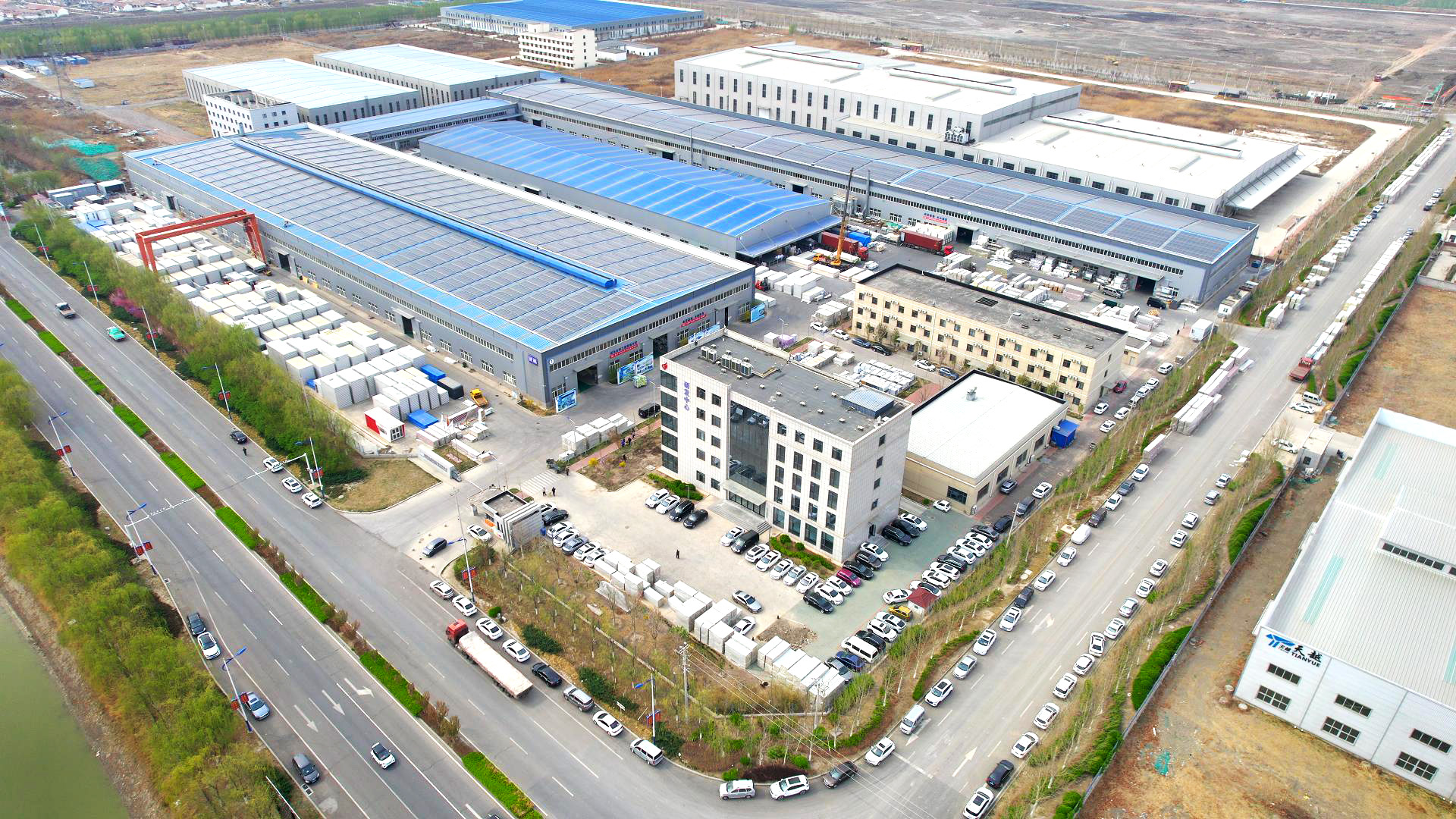
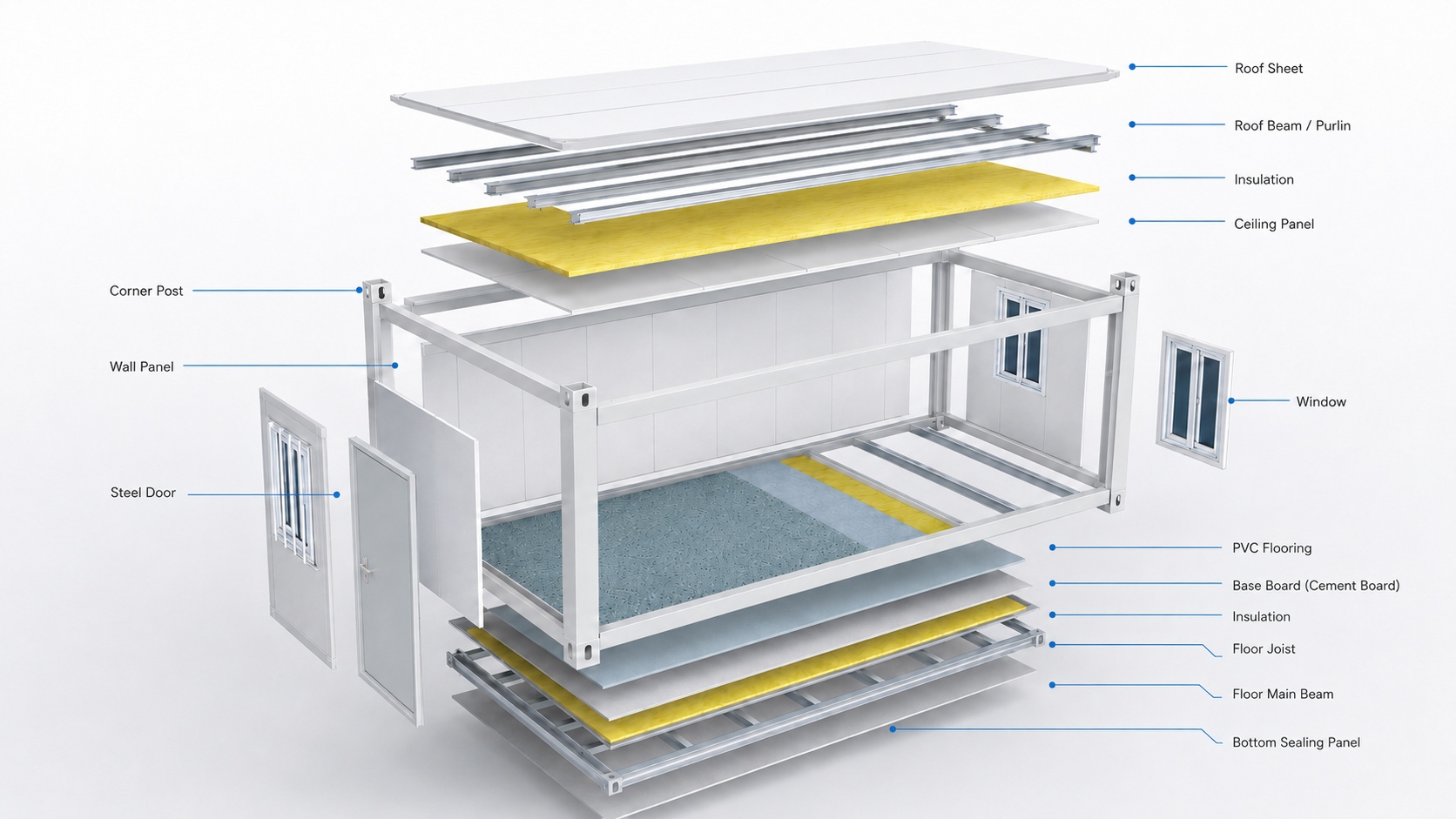
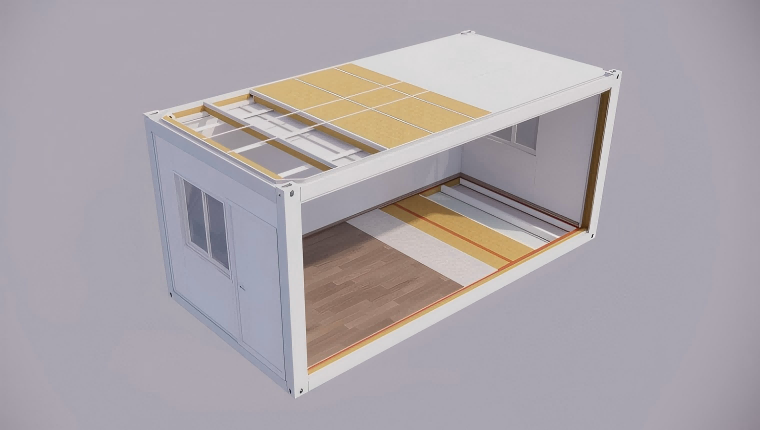
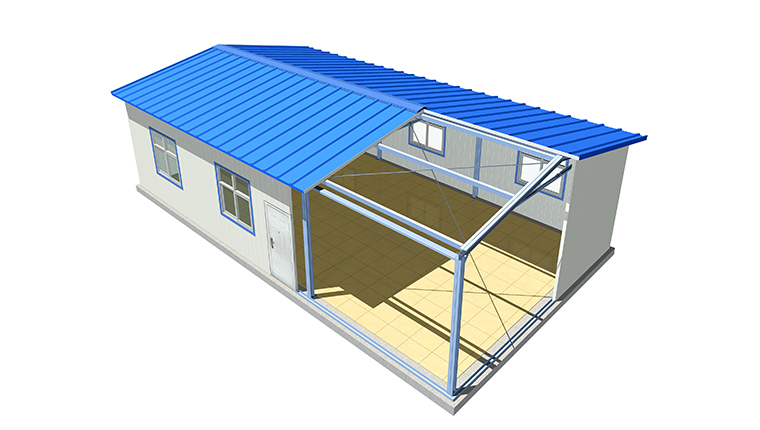
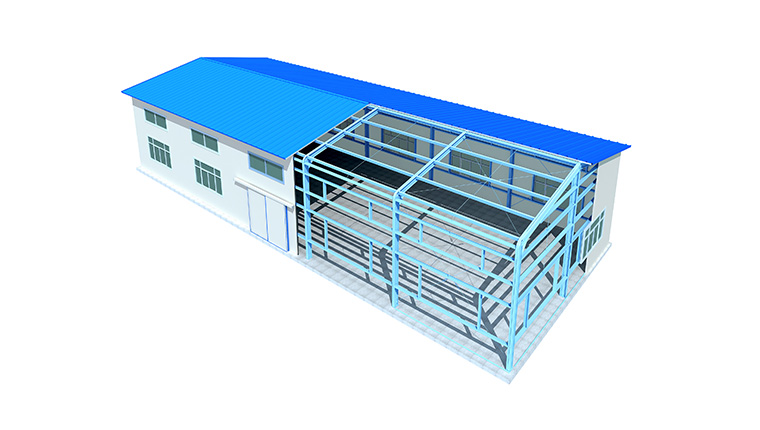
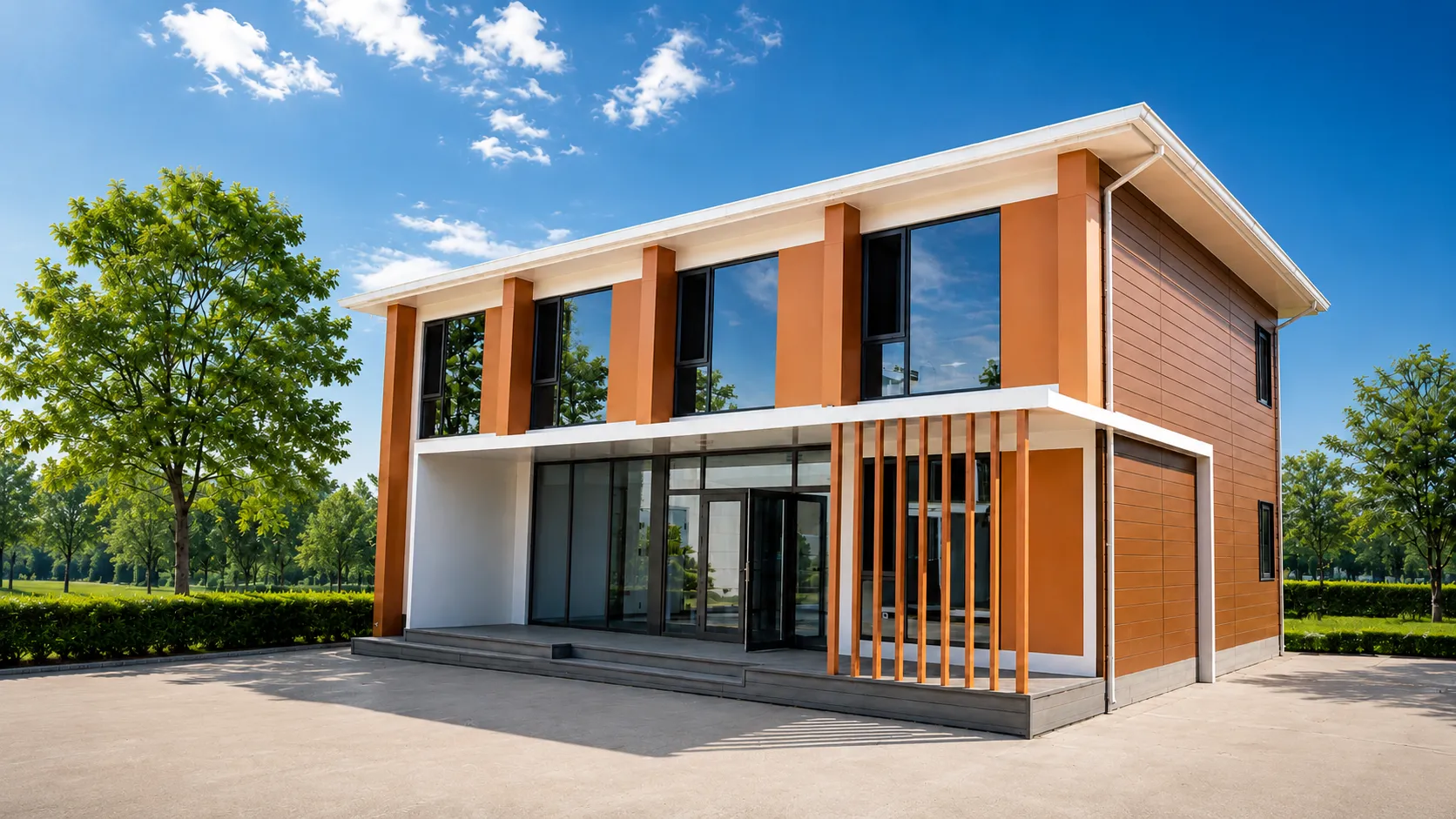
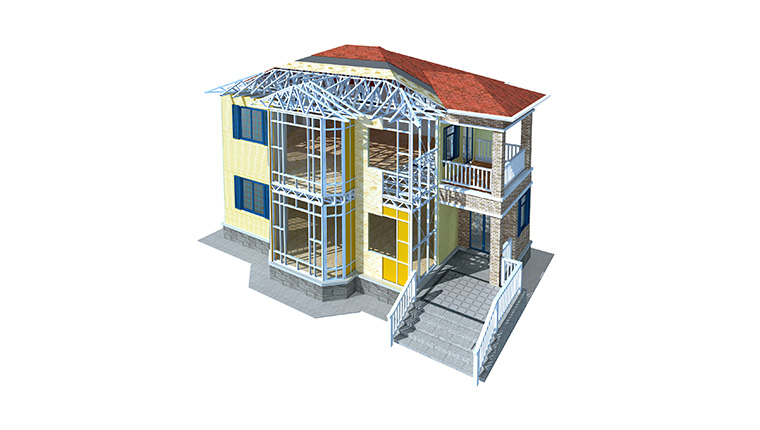
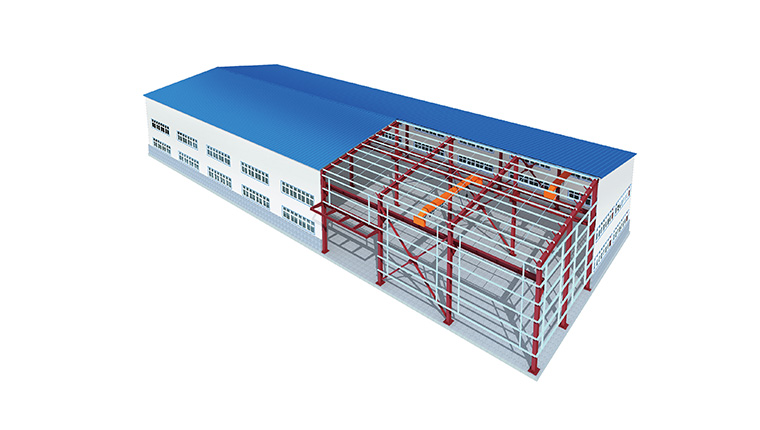
Product configuration and manufacturing: Selection and factory production of container houses, prefab houses, steel buildings, sanitary modules and interior fit‑out tailored to local codes and climate.
Global logistics and on‑site installation: Packing, sea freight and inland transport for flat‑pack or fully assembled modules, followed by supervised erection and commissioning by experienced site teams.
Optional operation support: Some builders also advise on camp operation and maintenance, helping clients maintain safety, hygiene and comfort throughout the project lifecycle.
This end‑to‑end scope allows EPCs to work with one accountable partner rather than coordinating many separate suppliers for buildings, MEP, furniture and site works.
Typical Camp Building Types and Systems
To serve complex camp needs, modular builders maintain a broad portfolio of standardized and customizable building types.
Common building types include:
Worker accommodation: Dormitories, single or twin rooms, suites, and senior management villas based on modular container or steel structures.
Functional buildings: Site offices, meeting rooms, control rooms, laboratories, warehouses, workshops and maintenance shops.
Support facilities: Canteens, kitchens, clinics, first‑aid posts, gyms, prayer rooms, entertainment halls and laundry buildings.
Sanitary solutions: Integrated bathroom modules, shower blocks and toilet units designed for fast installation and easy cleaning.
Behind these visible spaces are the nine systems often adopted by comprehensive camp solution providers: building system, water and heating, power, low‑voltage, fire protection, security, traffic and roads, landscaping and environmental protection systems. By integrating these systems from the planning stage, modular camp builders can guarantee safety, comfort and long‑term reliability even in remote regions.
Case Study: Nigeria LNG Worker Camp
A representative example of prefabricated modular camp builders in action is the Nigeria LNG worker camp, delivered using oil and gas modular construction. In this project, modular buildings were used to provide fast, robust and climate‑resilient accommodation and support facilities for a major LNG expansion in a coastal West African environment.
By adopting modular construction, the camp provider was able to:
Shorten on‑site construction time and reduce disruption to LNG operations.
Deliver climate‑resistant buildings suited to local temperature, humidity and rainfall conditions.
Provide a complete living and working environment including dormitories, offices, canteens and welfare facilities within a tight project schedule.
Readers can learn more about this project and similar reference camps in different industries on the case‑center section of the CDPH website: Nigeria LNG worker camp oil and gas modular construction case study (https://www.cdph.net/case-center/nigeria-lng-worker-camp-oil-and-gas-modular-construction-case-study).
Why CDPH Is a Strong Prefabricated Modular Camp Builder
Beijing Chengdong International Modular Housing (CDPH) positions itself as an expert constructor of engineering camps for global projects, providing integrated modular solutions rather than single products. Over more than two decades, the company has delivered in excess of one thousand modular camp and housing projects across more than one hundred countries and regions.
CDPH’s strengths as a prefabricated modular camp builder include:
Focused expertise in engineering camps: The company has concentrated on worker accommodation and support facilities for mining, oil and gas, infrastructure, power and industrial projects, building deep experience with ENR‑listed contractors and other international EPCs.
Comprehensive nine‑system camp solutions: CDPH designs and implements building structures together with water, power, low‑voltage, fire protection, security, roads, landscaping and environmental systems as a complete package.
Certified quality and safety: The company holds ISO 9001 quality management, ISO 14001 environmental management and OHSAS 18001 occupational health and safety certifications, as well as CE certification for steel structures and sandwich panels.
Proven global project delivery: CDPH projects span South America, Africa, the Middle East, Central Asia and other regions, with solutions engineered for extreme cold, desert, high‑altitude and tropical rainforest climates.
For international investors and EPC contractors seeking a reliable prefabricated modular camp builder, these credentials mean that CDPH can handle complex requirements from concept design through to commissioning and hand‑over.
Designing Camps for Challenging Climates and Terrains
One of the most important value‑adds of experienced modular camp builders is their ability to design and configure camps for very different climates and terrains. CDPH, for example, provides specialized container and modular house solutions for extreme cold regions, high‑altitude plateaus, deserts and tropical rainforests.
Extreme cold and arctic regions: Cold‑resistant container houses with enhanced insulation, optimized thermal bridges and robust heating systems maintain indoor comfort at temperatures down to around minus 50 degrees Celsius.
Desert and Gobi environments: Desert‑adapted modules use optimized envelope U‑values, sand‑proof detailing and sun‑shading strategies to resist high solar radiation, dust storms and large diurnal temperature swings.
High‑altitude plateaus: Designs consider lower air pressure, stronger UV radiation and difficult logistics, with lighter modules and carefully planned site infrastructure.
Tropical rainforest and high‑humidity zones: Moisture‑resistant materials, reinforced drainage systems and mechanical ventilation help protect structures and maintain healthy indoor air quality.
By standardizing these climate‑specific solutions, modular camp builders can replicate proven designs across multiple countries and projects while still adapting layouts to local regulations and cultural expectations.
Quality, Safety and ESG Considerations
For today’s global projects, camp builders must not only provide fast and economical solutions but also align with clients’ ESG and safety commitments. Leading companies integrate safety, environmental protection and social considerations into camp design and delivery.
Important aspects include:
Worker health and safety: Fire‑protection systems, emergency exits, structural safety factors and ergonomic layouts reduce accident risks and support well‑being.
Environmental protection: Wastewater treatment systems, solid‑waste management, energy‑efficient lighting and water‑saving fixtures limit the environmental footprint of large camps.
Human‑centric design: Adequate personal space, recreation areas, landscaped outdoor zones and noise control contribute to better living quality and morale.
CDPH’s integrated nine‑system approach and long‑term practice in overseas engineering camps give it the capability to design camps that meet both project performance targets and ESG expectations.
When to Choose a Prefabricated Modular Camp Builder
Engaging a prefabricated modular camp builder is especially valuable where projects face one or more of the following conditions.
Remote or infrastructure‑poor locations where local materials and skilled labour are limited or costly.
Tight schedules where early production start‑up or fast mobilisation is critical to project economics.
Large, fluctuating workforces that require scalable accommodation as construction peaks and then tapers off.
Challenging environments (extreme cold, heat, humidity, altitude or seismic activity) that demand specialized building know‑how.
In these scenarios, modular camps help owners and EPCs control risk, shorten schedules and provide a higher standard of worker accommodation compared with ad‑hoc temporary solutions.
How to Start Working with a Builder Like CDPH
For project owners or EPC contractors considering a prefabricated modular camp, engaging early with a builder such as CDPH allows camp planning to align closely with overall project sequencing. Typical first steps include:
Share your project brief: Location, climate data, expected workforce numbers by phase, required functions, lease period, and any local regulatory constraints.
Request a conceptual camp layout: CDPH can prepare master planning concepts and indicative module configurations based on its global project experience.
Refine specifications and budget: Together you define building standards, insulation levels, MEP systems, and optional facilities to balance comfort, ESG targets and lifecycle cost.
From there, the modular camp builder can schedule factory production, logistics and on‑site installation to meet your project milestones, supported by a proven reference portfolio that includes projects like the Nigeria LNG worker camp.




 More
More







![Top Advantages of Modular Construction Explained [2025]](/uploads/upload/images/20250424/0fb390068474145a09a8c0504c73b1d2.png)
 May 09, 2025