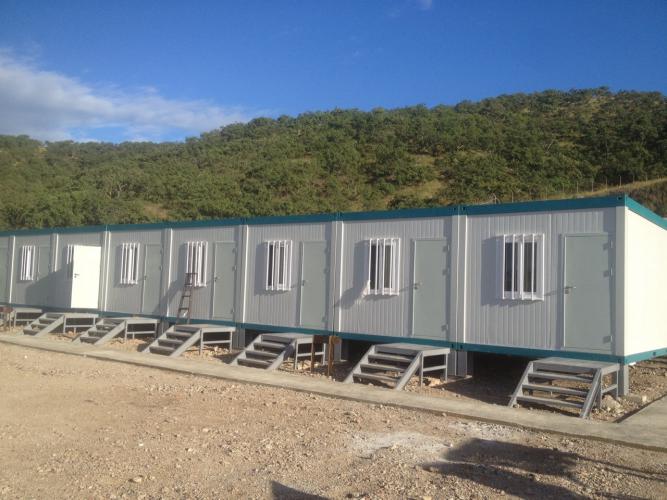
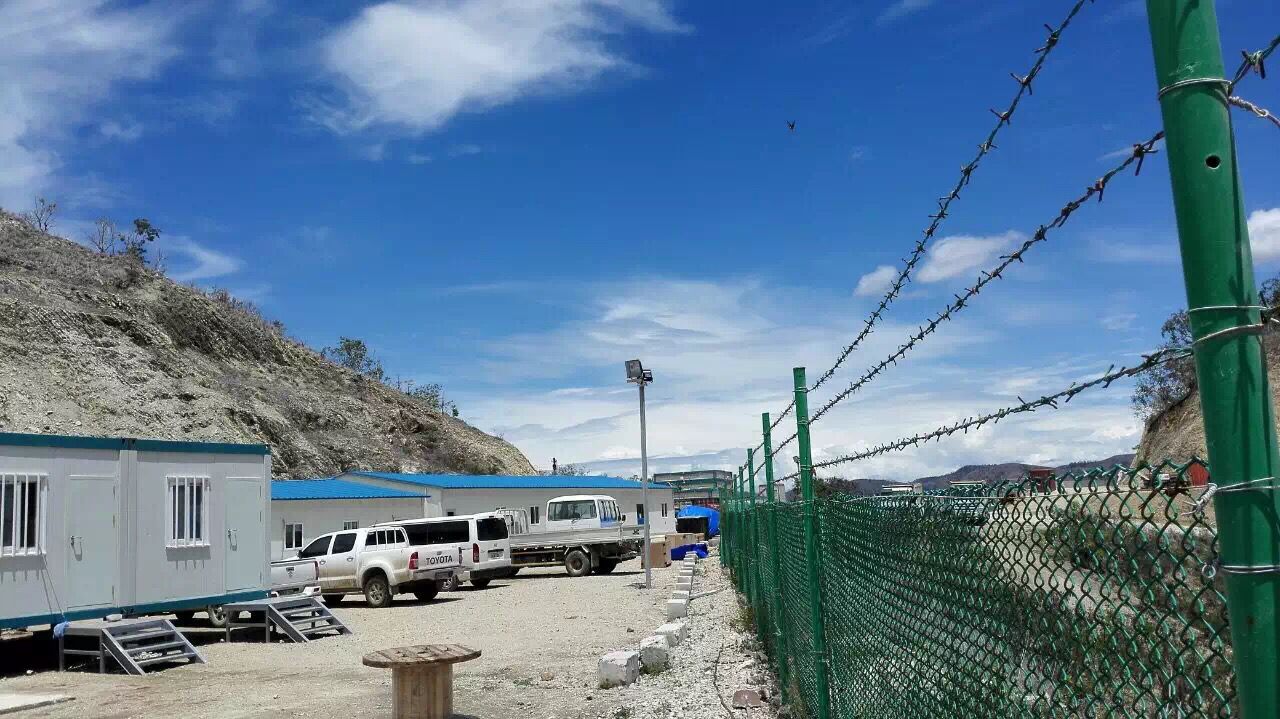
What Are Oil Field Man Camps?
Oil field man camps are temporary or semi‑permanent living and working complexes built close to oil and gas fields so crews can live, work and rest near the site. These camps typically integrate accommodation, catering, offices, storage, recreation and basic medical support in one managed environment. Instead of daily commuting from distant towns, workers stay inside the camp, which improves operational continuity and helps reduce fatigue and safety risks.
For owners and EPC contractors, modern man camps are no longer just rows of basic dorms. They are engineered facilities using prefabricated and modular buildings, designed around safety, productivity and lifecycle cost control. A well‑planned camp becomes a strategic asset that supports project delivery, HSE targets and talent retention in harsh, remote locations.
Why Oil Field Man Camps Matter for Project Success
From onshore drilling pads to LNG terminals, oil and gas projects are usually located far from cities, with limited infrastructure, extreme climates and unstable local utilities. In these conditions, oil field man camps solve several critical challenges at once:
They provide safe, comfortable accommodation and basic “home‑like” services for workers who may stay on site for months or years.
They centralize logistics for water, power, waste treatment and catering, which simplifies management and improves cost control.
They help project owners meet ESG, health and safety expectations by controlling camp layout, fire systems, security and environmental protection.
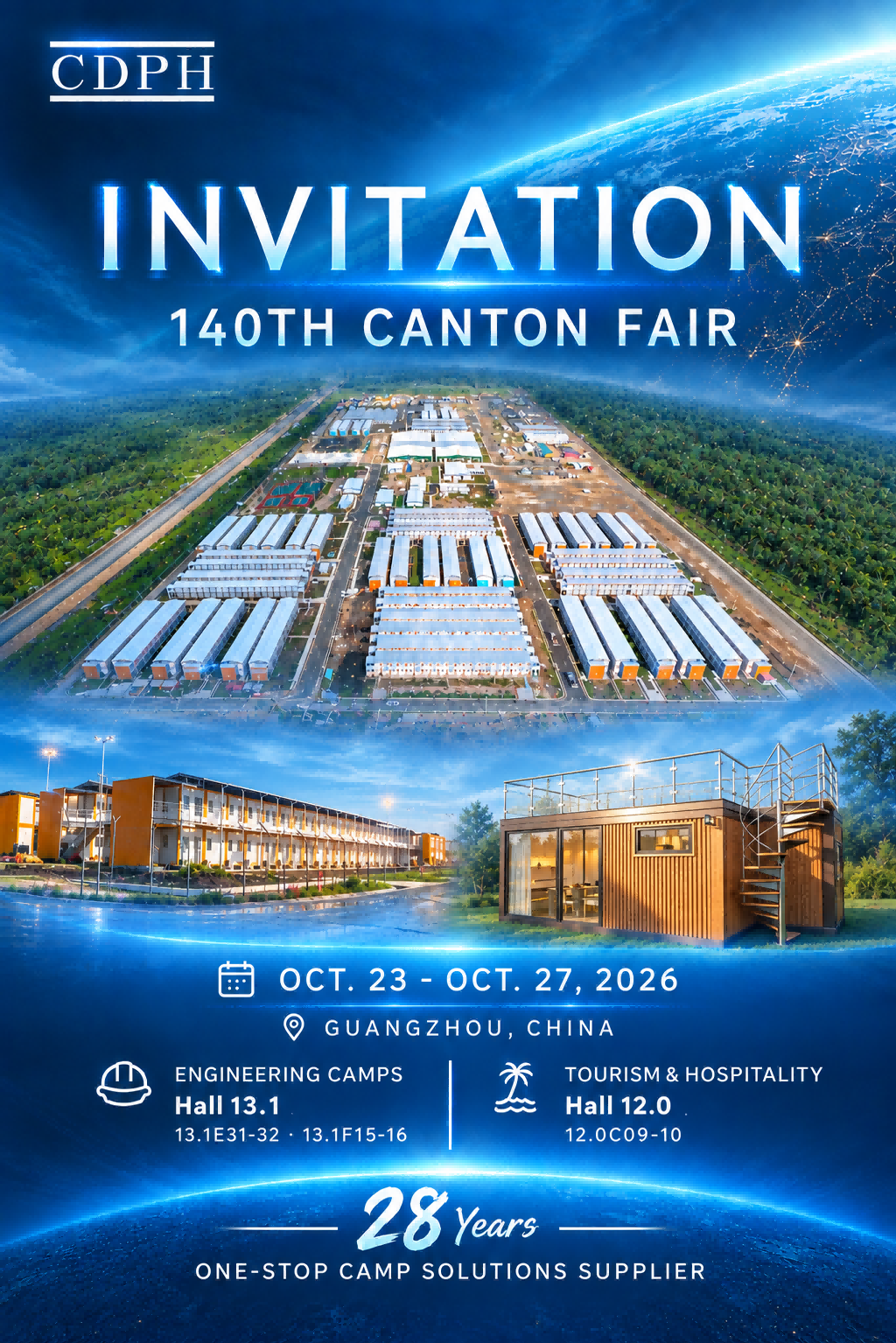
For example, Chengdong (CDPH) has built integrated engineering camps in more than 100 countries, serving large energy and infrastructure projects across Africa, Latin America, Asia and the Middle East. These reference projects show that a professional camp solution can directly support on‑time commissioning and stable operation of oil and gas facilities.
Key Features of Modern Oil Field Man Camps
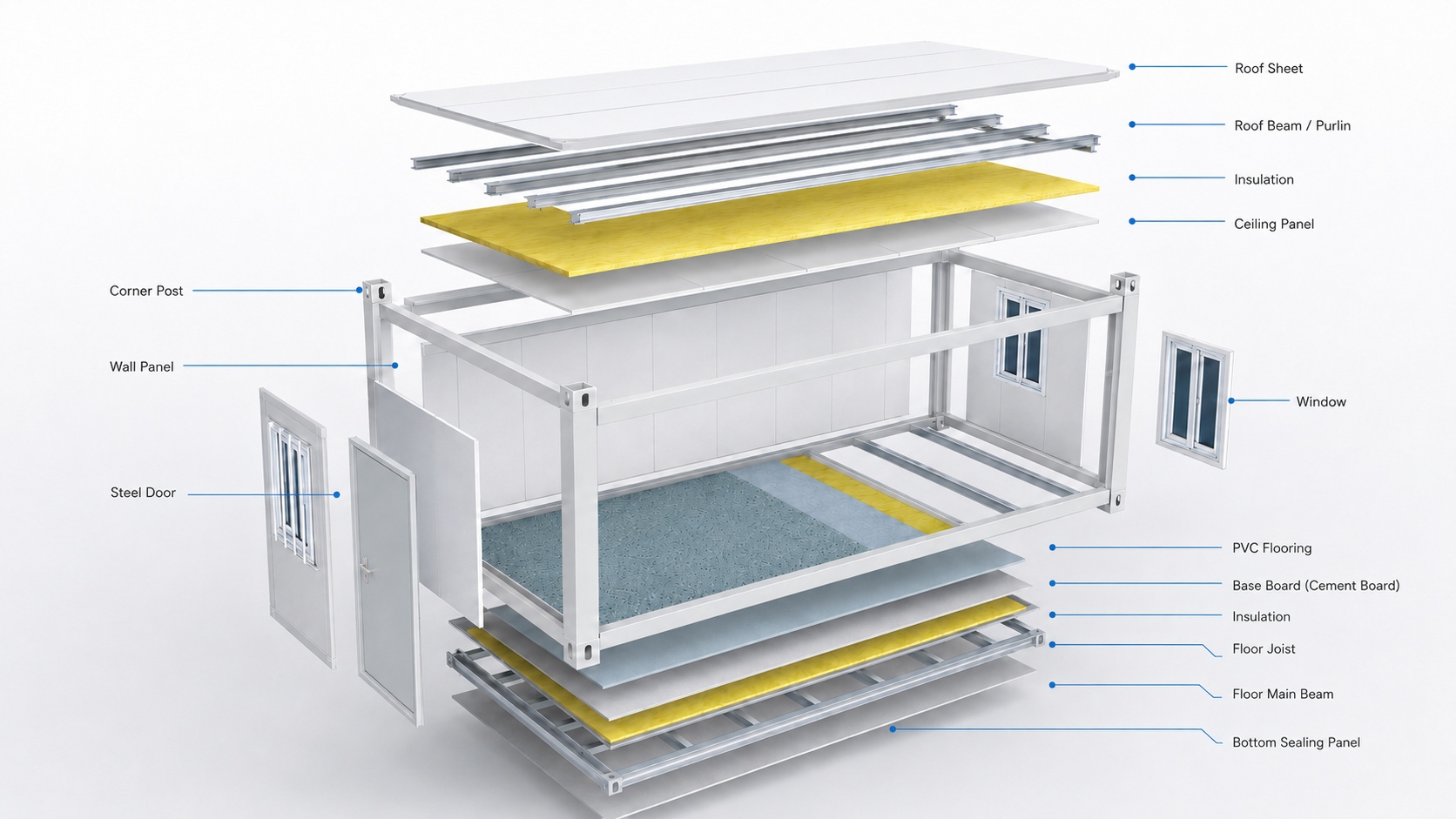
Modern oil field man camps rely on industrialized, prefabricated buildings rather than traditional masonry construction. Units are designed, produced and pre‑assembled in a factory, then shipped in bulk for fast installation on site. Typical features include:
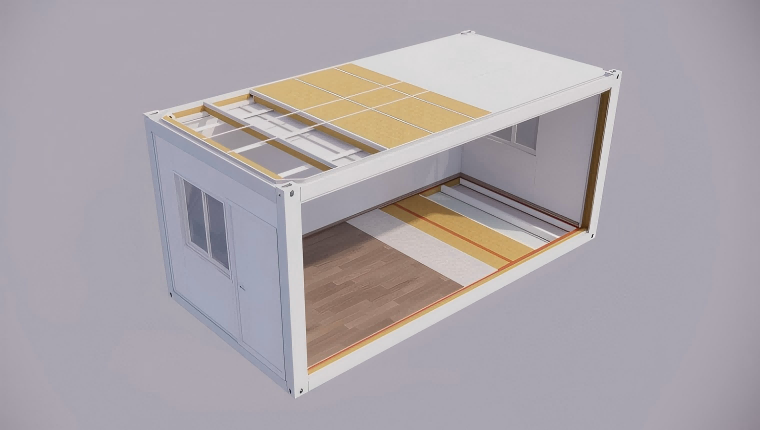
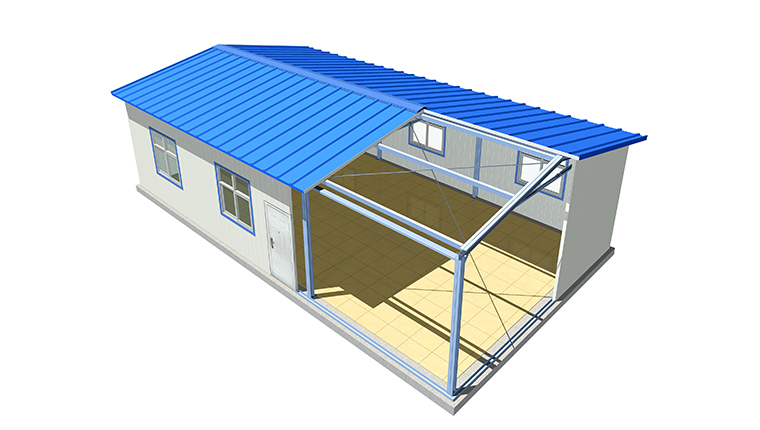
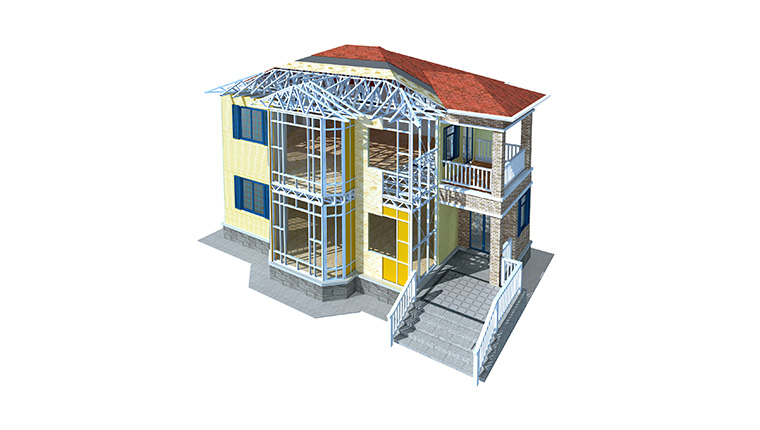
Modular accommodation blocks based on flat‑pack container houses or light steel buildings, configured as single, double or suite rooms for different staff levels.
Complete building systems for water supply and drainage, power distribution, low‑voltage communication, fire protection, security, roads, landscaping and environmental facilities.
Standardized functional buildings such as offices, canteens, clinics, warehouses, prayer rooms and recreation centers that can be combined into small or very large camps.
Because most engineering work is shifted to the factory, on‑site assembly is faster and more controllable, which is a big advantage in remote oil fields with limited skilled labor and short weather windows. And when the project finishes, modular units can be relocated, reused or partially upgraded, improving lifecycle economics for owners.
Design Priorities for Oil Field Man Camps
Safety and Compliance
Safety is non‑negotiable in oil and gas environments. Camp layout must respect separation distances from process areas, hazardous zones and traffic routes, while providing clear evacuation paths. Typical safety design elements include:
Fire‑rated modular structures, fire hydrants, extinguishers, alarm systems and emergency lighting integrated into the camp’s fire‑fighting system.
Access control, perimeter fencing, CCTV and guard posts forming a complete security system.
Robust electrical design with grounding, surge protection and clear zoning between power, accommodation and process areas.
A professional camp partner helps ensure that the man camp does not become the weak link in the project’s overall HSE management system.
Worker Comfort and Fatigue Management
Far from home and working long shifts, oil field workers need an environment that supports recovery, not just survival. Comfortable rooms with adequate ventilation, thermal insulation and noise control directly affect sleep quality and stress levels. Support facilities such as gyms, outdoor sports fields and social areas help maintain morale during long rotations.
CDPH highlights how good camp design reduces fatigue and stress through quieter sleeping blocks, efficient HVAC, ergonomic furniture and zoning that separates noisy operational areas from rest areas. This focus on human factors helps reduce incidents related to tiredness and improves workforce retention over multi‑year projects.
Speed of Delivery and Scalability
Oil and gas schedules are tight, and delays in camp hand‑over can postpone mobilization, with major cost impact. Modular camp solutions compress delivery timelines because thousands of square meters can be pre‑fabricated in parallel, then installed on site in a matter of weeks.
Scalability is also critical. Camps for drilling campaigns or refinery construction often start small and expand as the workforce ramps up, then shrink again after peak construction. Modular design allows adding or removing blocks with minimal disruption to ongoing operations.
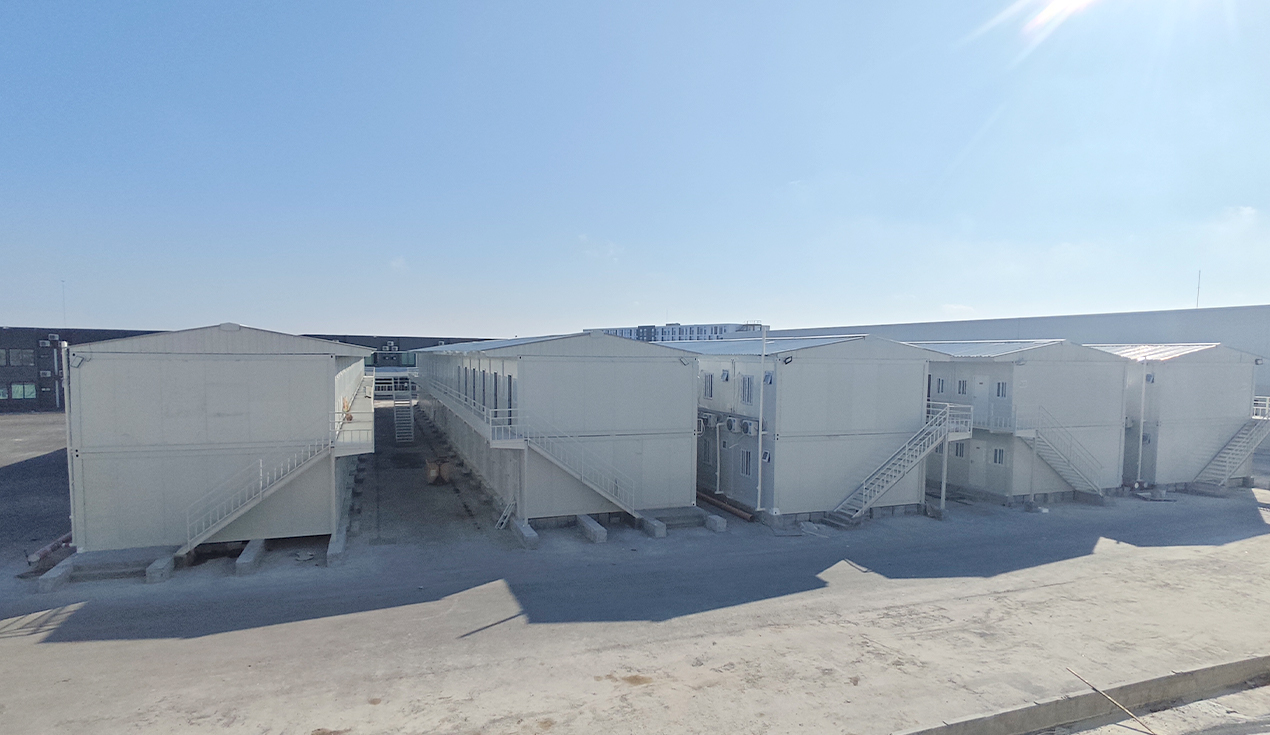
Case Study: Abuja Independent Power Station Camp
A good illustration of a modern man camp solution is Chengdong’s Abuja Independent Power Station camp project in Nigeria. In this project, CDPH used a combined layout of assembled Type A and Type K modular accommodation units to create a multifunctional camp integrating office, living and support spaces.
The camp design provided:
Separate zones for administrative offices, worker dormitories and service facilities, improving management and security.
Modular buildings optimized for local climate, with adequate insulation and robust structural performance for long‑term use.
Centralized water, power and sewage systems designed around CDPH’s “nine systems” camp integration concept.
This project demonstrates how the same modular methodologies used in power plant camps apply directly to oil field man camps: fast deployment, integrated systems and a long‑life structural concept adapted to the owner’s operating horizon.
How Modular Design Solves Oil Field Challenges
Oil field man camps often face sandstorms, heavy rain, extreme cold or hot, and highly corrosive coastal or desert environments. Modular systems are engineered to address these conditions through material selection and structural detailing:
Cold‑resistant container houses with enhanced insulation and airtight design can operate in environments down to about minus 50 degrees where required.
Desert and Gobi region camps use thermal‑insulation wall panels, shading, corrosion‑resistant coatings and sand‑proof details around doors, windows and roofs.
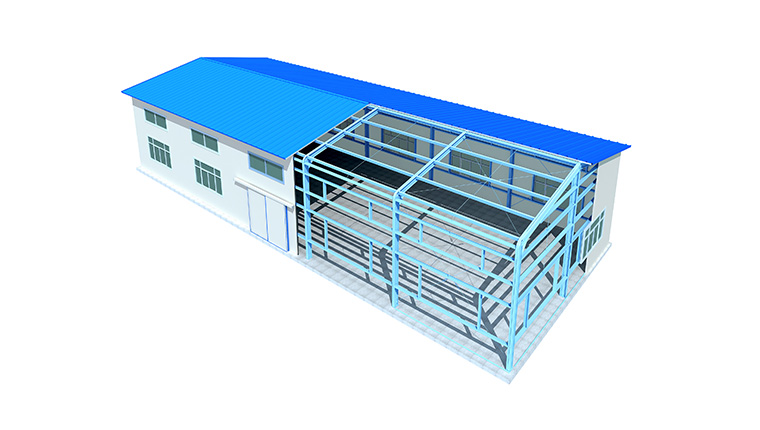
Light steel structures with hot‑dip galvanized components offer superior corrosion resistance for coastal and high‑humidity oil and gas sites.
Because each project site is different, a strong camp supplier can adapt structural systems, insulation packages and MEP integration to match the local climate and the planned service life of the camp—whether a 3‑year drilling campaign or a 20‑plus‑year permanent operations village.
Brand Spotlight: CDPH (Chengdong) Oil Field Man Camp Solutions
CDPH offers turnkey modular camp solutions for oil and gas worker camps, from early concept planning through to on‑site installation and lifecycle service. Their core product portfolio includes flat‑pack container houses, prefab houses, light steel buildings and associated systems for water, power, security, fire‑fighting and environmental protection.
Several aspects make CDPH’s offer especially relevant for oil field man camps:
Turn‑key EPC‑style approach: From camp master planning, nine‑system integration and product selection to logistics, construction and operation guidance, CDPH acts as a one‑stop camp solution partner.
Extreme environment expertise: The company has developed cold‑resistant, desert, plateau and high‑humidity modular solutions, which are directly applicable to Arctic, desert or tropical oil and gas sites.
Scalability and speed: Large factory capacity and standardized modules support fast delivery of camps ranging from a few hundred to many thousands of workers, with the flexibility to expand or demobilize.
CDPH’s case center includes reference projects such as theAbuja Independent Power Station camp in Nigeria, Venezuela power camp projects and large African port and dam camps, all of which showcase integrated modular solutions that oil field owners can adapt to their own developments.
Planning an Oil Field Man Camp: Practical Steps
If you are preparing a new oil and gas development and need to plan a man camp, a structured approach will help align technical, schedule and budget goals. Typical steps include:
Define camp objectives and scale
Clarify project phase (exploration, construction, operations) and peak workforce numbers.
Decide whether the camp is strictly temporary or expected to become a long‑term operations base.
Select a modular technology route
Choose between flat‑pack container houses, light steel villas or a hybrid solution based on climate, expected service life and comfort standards.
Develop a master plan and zoning
With your camp partner, design camp layout, traffic routes, separation from process facilities and the arrangement of accommodation, offices and services.
Integrate the nine systems
Ensure all technical systems—buildings, water, power, low‑voltage, fire, security, road and landscape, environmental protection—are integrated in one coordinated design.
Plan logistics and construction management
Work out shipping routes, customs clearance, local subcontractor selection and installation schedule together with the camp builder.
Prepare for operation and later adjustment
Define maintenance responsibilities, unit relocation strategies and possible upgrades so the camp can evolve with the project lifecycle.
A partner like CDPH, with experience on large overseas projects and a mature internal project management system, can guide you through each of these steps and help you avoid costly trial‑and‑error.
How Oil Field Man Camps Improve ROI
Although high‑quality man camps require upfront investment, they often generate positive return when viewed across the full project life. Several factors drive this:
Reduced delays: Faster camp delivery means crews can mobilize earlier, protecting critical path milestones.
Productivity and safety: Better rest, comfort and safety systems help reduce accidents, sick leave and costly turnover.
Lifecycle flexibility: Modular units can be relocated to other oil fields, reconfigured for new functions or sold, improving asset recovery.
When you consider the scale of investment in wells, pipelines, processing plants and power infrastructure, a professional, modular oil field man camp is a relatively small cost item that protects much larger assets and revenue streams.




 More
More










![Top Advantages of Modular Construction Explained [2025]](/uploads/upload/images/20250424/0fb390068474145a09a8c0504c73b1d2.png)
 May 09, 2025