
- Home
-
About Us
Social Responsibility
Contact Us
Corporate Culture

Regulated Enterprise
Listed on the New Third Board in 2015, stock code: 832789

Free Design
Free scheme design and quotation

Global Footprint
Covering 100+ countries

Factory Direct Sales
Self-owned standard factory

Customization
Customize product size and matching according to needs

Cost-effective
Lowest comprehensive cost
Our Achievements
128,000
㎡Factory Area
85,000
UnitAnnual Production Capacity
4000+
Project Experience
75+
Patent
Free service hotline
Contact usTel / Whatsapp:+86 18001125785 Email:chengdong@cdph.com.cn

-
Products
Modular House Container House (Cold Climate Version) Prefab House(ZA) Prefab House(ZM) Light steel module products Light Steel Villa Steel Structure
Modular House
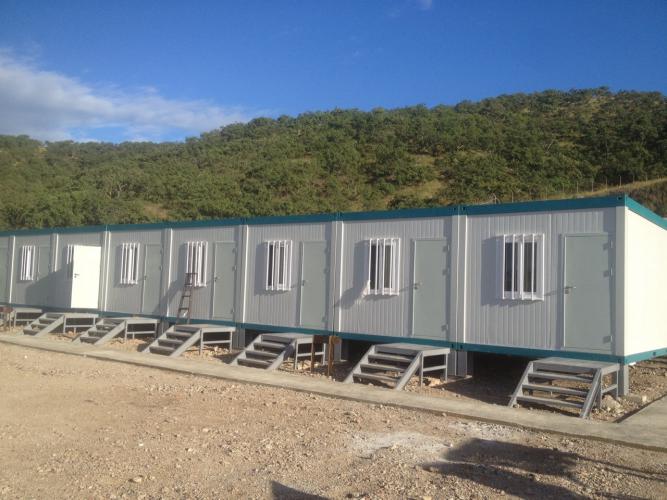
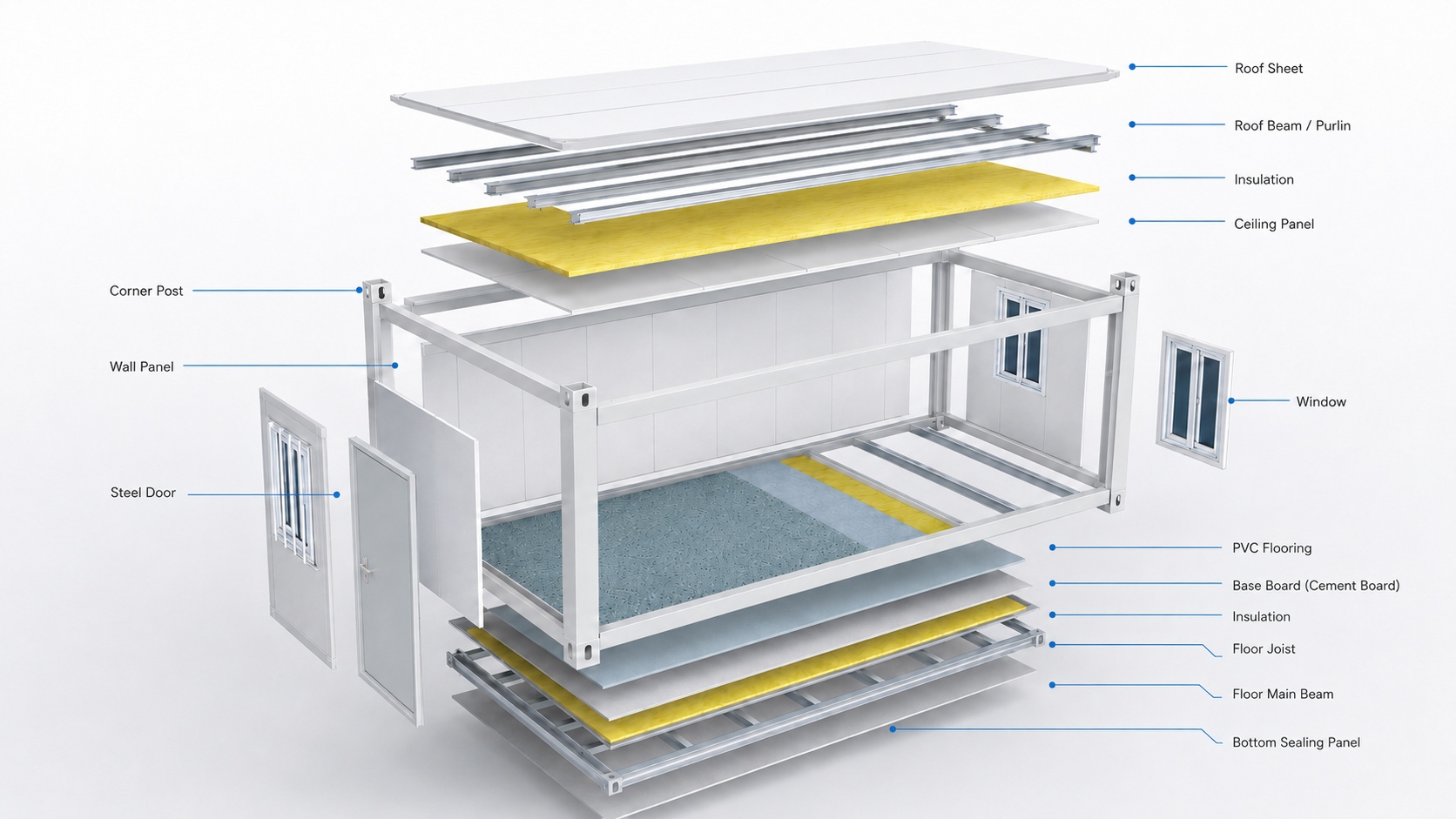
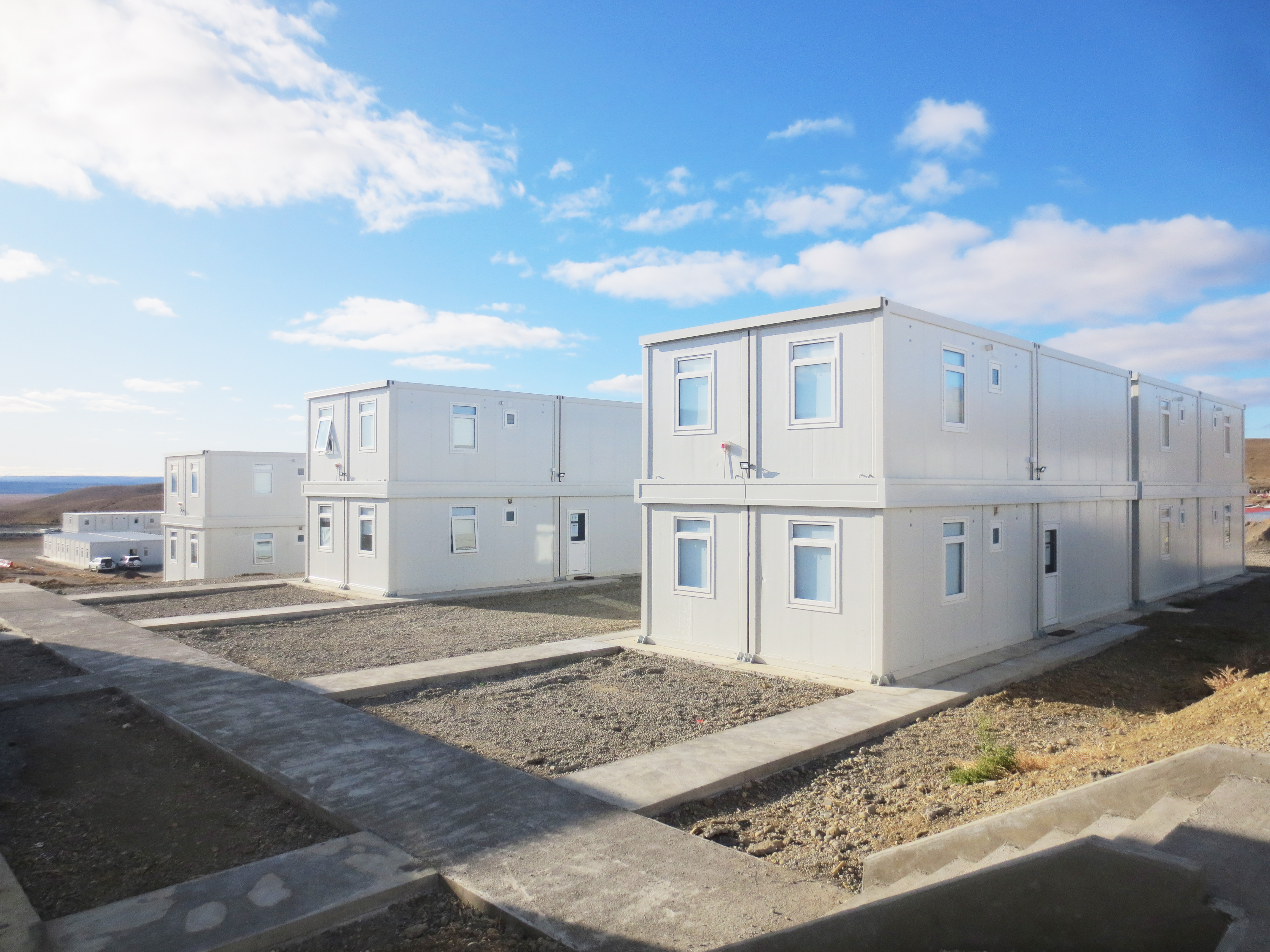
Our Modular House is a durable, flexible and reusable building solution designed for fast deployment and efficient construction. Factory-prefabricated steel modules can be used independently or combined horizontally and vertically to create customized spaces, with stacking available up to three storeys.
Featuring reliable structural performance, flexible layouts, fast installation and easy relocation, the system helps reduce on-site work and construction time. It is ideal for accommodation, offices, schools, healthcare facilities, commercial spaces and project camps. More
More
Container House (Cold Climate Version)
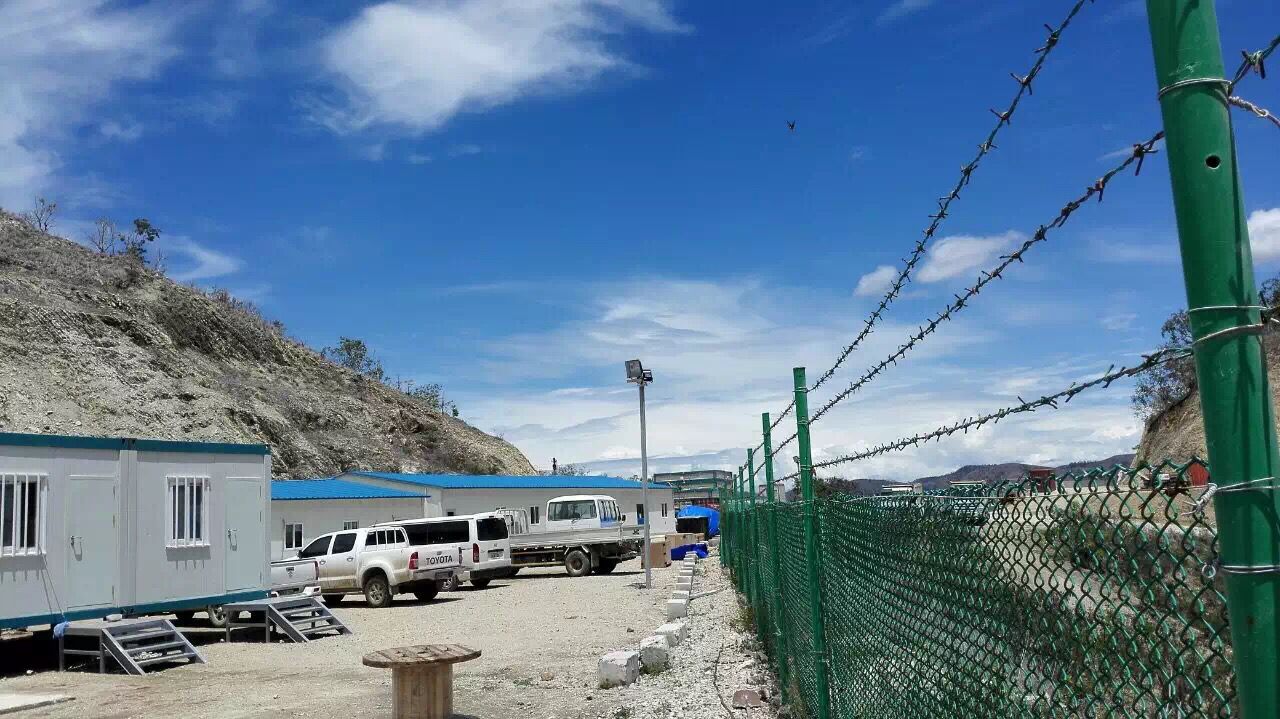
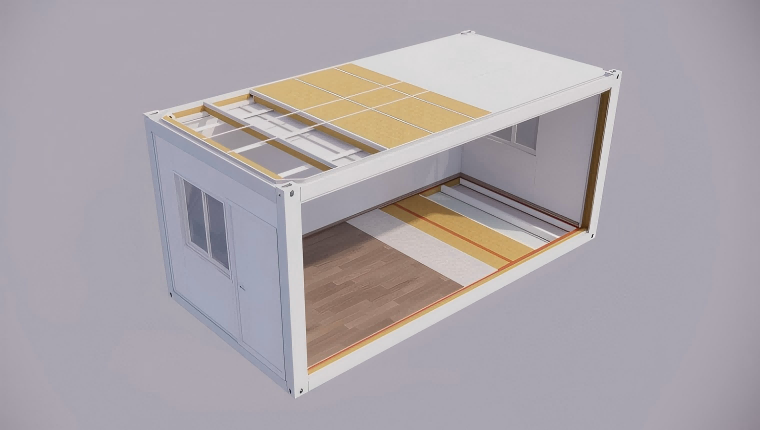
Designed for construction projects in severe cold regions, this modular building solution can perform reliably in temperatures as low as -40°C. Through a high-performance insulated envelope, optimized structural detailing, and optional heating system configurations, it enhances thermal insulation and airtightness while reducing thermal bridging and heat loss. It is suitable for accommodation, offices, and supporting facilities in mining, energy, infrastructure, and other project camps located in cold climates.
More
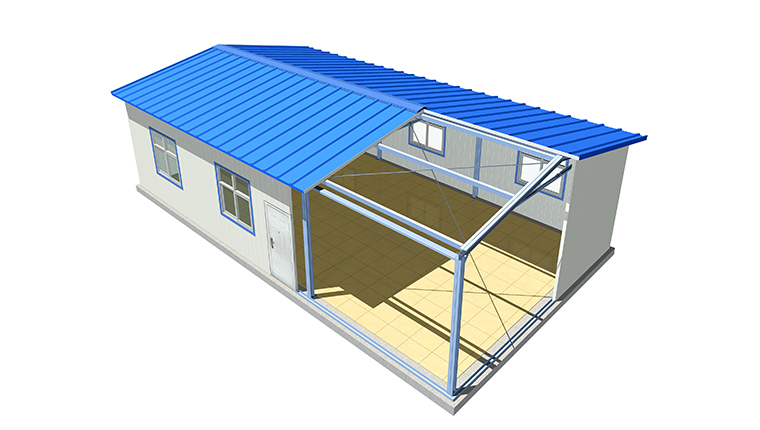
Prefab House(ZA)
"The assembled house is a highly prefabricated modular building. It forms a stable structural system through the tight connection of steel frames and composite enclosure panels. The layout and interior/exterior decoration can be customized according to actual needs. Furthermore, it demonstrates strong environmental adaptability, offering excellent corrosion resistance, sealing, and thermal insulation performance."
More
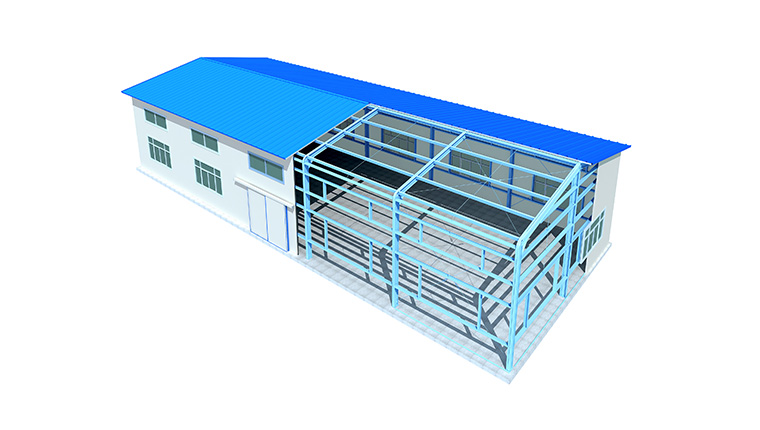
Prefab House(ZM)
"The prefabricated house is a highly modular building that forms a stable structural system through the tight connection of steel frames and composite enclosure panels. It allows for customized layouts and interior/exterior finishes based on actual needs. Highly adaptable to various environments, it offers excellent corrosion resistance, sealing, as well as thermal insulation performance."
More
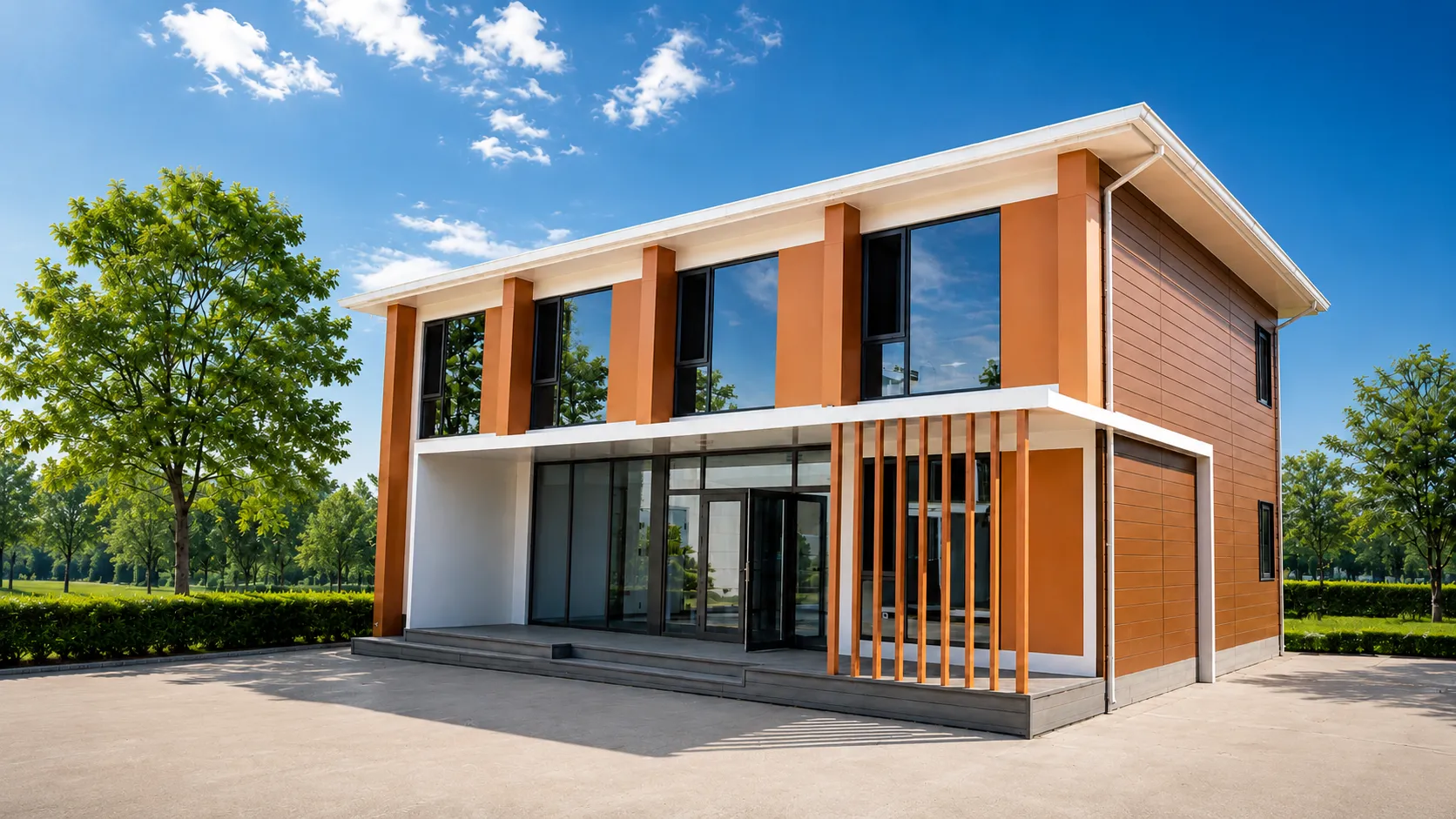
Light steel module products
Light steel module products adopt a sheet-type module system. Through the through-column design, the structural stress performance is more reasonable. The light steel integrated wall adopts an integrated modular design concept, making installation simple and fast.
According to the application scenarios, the products can be fully prefabricated in the factory and hoisted on site, or semi-prefabricated and assembled on site. They have the advantages of modular design, earthquake resistance, wind resistance, fire resistance, heat insulation, and short construction period. They are mainly used in scenarios such as apartments, hotels, commercial buildings, and offices.
More
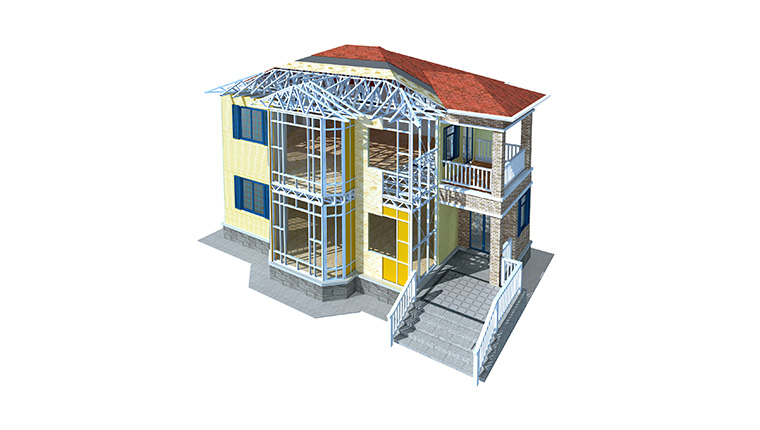
Light Steel Villa
Light steel villas are currently the application direction of high-end housing in camp construction and future civil buildings. They can be used as semi-permanent buildings. According to the individual needs of customers, the layout and decoration style can be customized in the design stage. For construction scenarios in different climate regions, building materials can be selected in a targeted manner. Compared with traditional villas, it greatly reduces the construction cycle and greatly reduces the environmental pollution on the construction site.
More
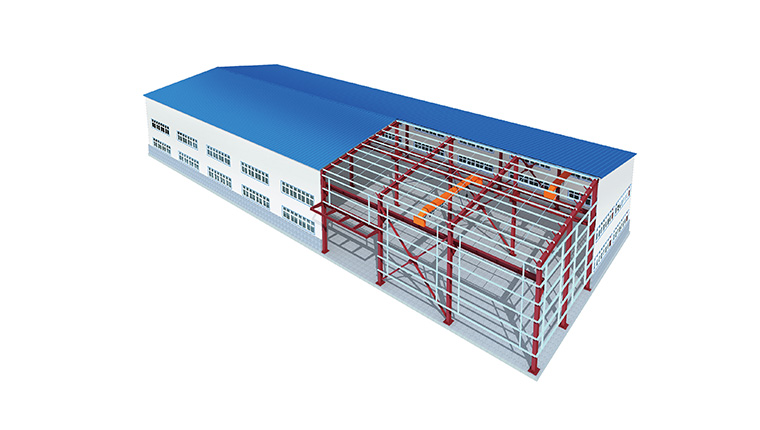
Steel Structure
In the construction project of engineering camps, not only accommodation and office buildings are needed, but also some production buildings. Due to the relatively large self-weight of the traditional H-shaped steel structure, the long processing cycle, and the relatively high comprehensive cost of long-distance transportation. The R & D team of Chengdong Camp has developed a light steel structure that is cold-formed and can be mass-produced mechanically on the basis of the traditional portal frame. After several technical improvements, it has finally been finalized into our product introduction. At present, this product is widely used in large functional buildings such as workshops, storerooms, and restaurants in the construction of engineering camps.
More
-
Case Center
Engineering Camps Mining, Oil & Gas Education Commerce Emergency and Assistances Competition Military and Assistance Culture and TourismGlobal Footprint
We have covered 100+ countries
4000+ construction projects
Learn More


- Support
- News
- Contact Us





![Top Advantages of Modular Construction Explained [2025]](/uploads/upload/images/20250424/0fb390068474145a09a8c0504c73b1d2.png)
 May 09, 2025