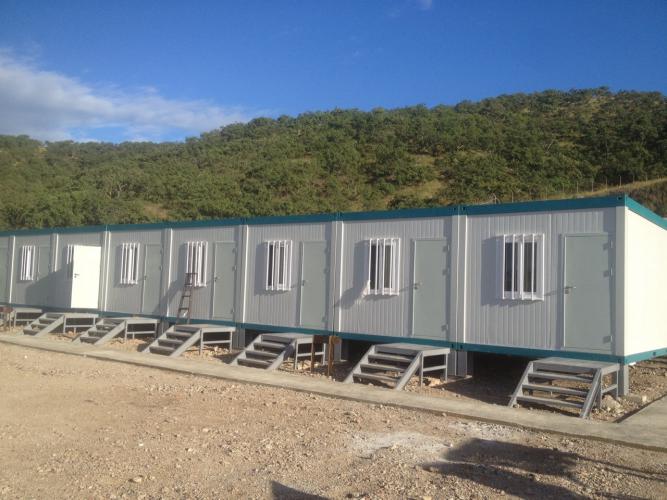
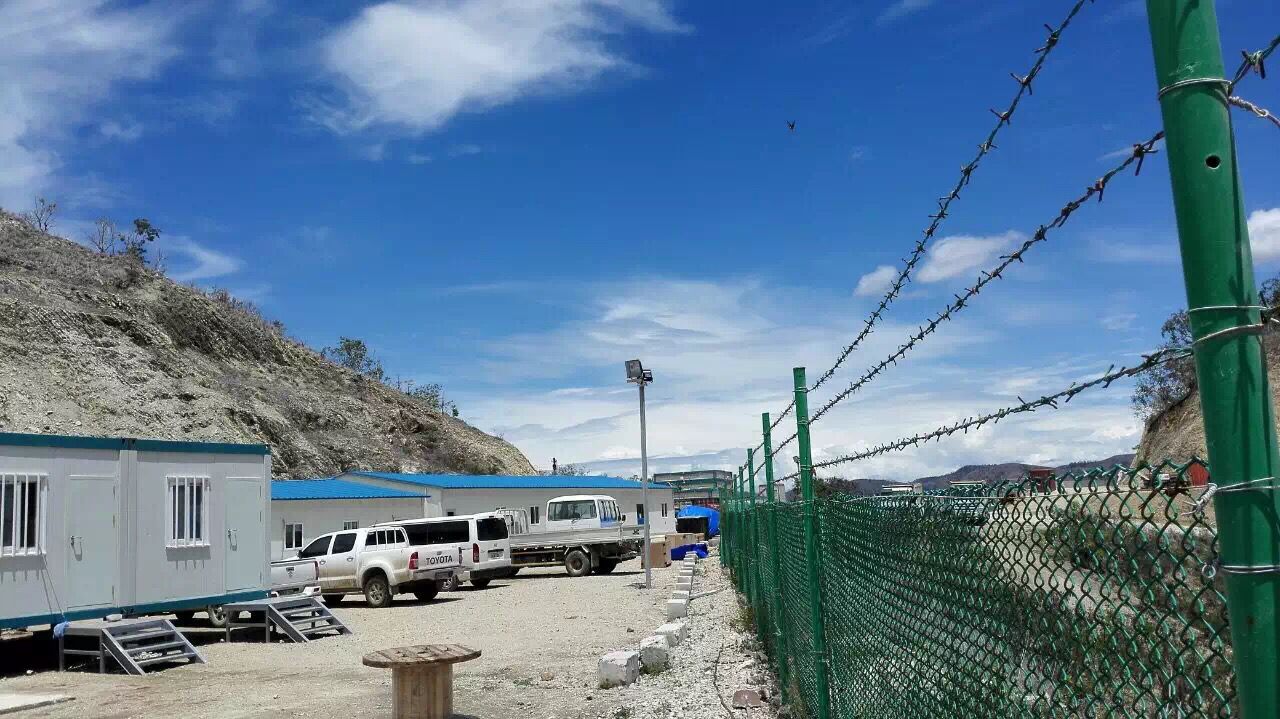
Modular accommodation units manufacturers are playing an increasingly central role in how global engineering camps and tourism projects deliver safe, efficient and comfortable living spaces. The Samoa Container Hotel case provides a concrete example of how factory-prefabricated container modules are reshaping accommodation delivery in complex coastal environments.
From Temporary Camps to Integrated Modular Accommodation
From Basic Shelter to Planned Camps
Early project camps relied on simple temporary buildings and ad-hoc layouts that mainly solved basic shelter needs for workers. These facilities were often built with traditional materials, limited thermal comfort, and minimal attention to long-term operations, so they struggled to support modern project requirements for safety, productivity and staff retention. Over the past two decades, modular accommodation units manufacturers have shifted from supplying individual prefab houses to delivering integrated modular camp systems with planned zones, circulation and shared facilities.
Container Modules as Standard Accommodation Units
In this evolution, the container frame has become a standard accommodation unit that can be used alone or combined horizontally and vertically to form dormitories, hotels, offices and service spaces. Container modules now support diverse room types—from double rooms and single rooms to suites and senior management quarters—allowing camp designers to match accommodation profiles to different workforce layers and guest segments. Manufacturers such as Chengdong have accumulated experience across more than one thousand camp projects in over one hundred countries, allowing modular accommodation technologies to migrate from construction camps into tourism and hospitality projects.
Chengdong’s Role in Global Camp Solutions
As a global engineering camp expert, Chengdong Modular House offers modular houses, container houses and steel structures that form the basis of many modern accommodation camps worldwide. You can explore Chengdong’s broader camp solutions and modular accommodation portfolio through the Chengdong Modular House site, which presents engineering camps, tourism camps and mixed-use projects under different climates and regulatory environments.
Manufacturing Logic of Modular Accommodation Units
Factory-Based Modular Production
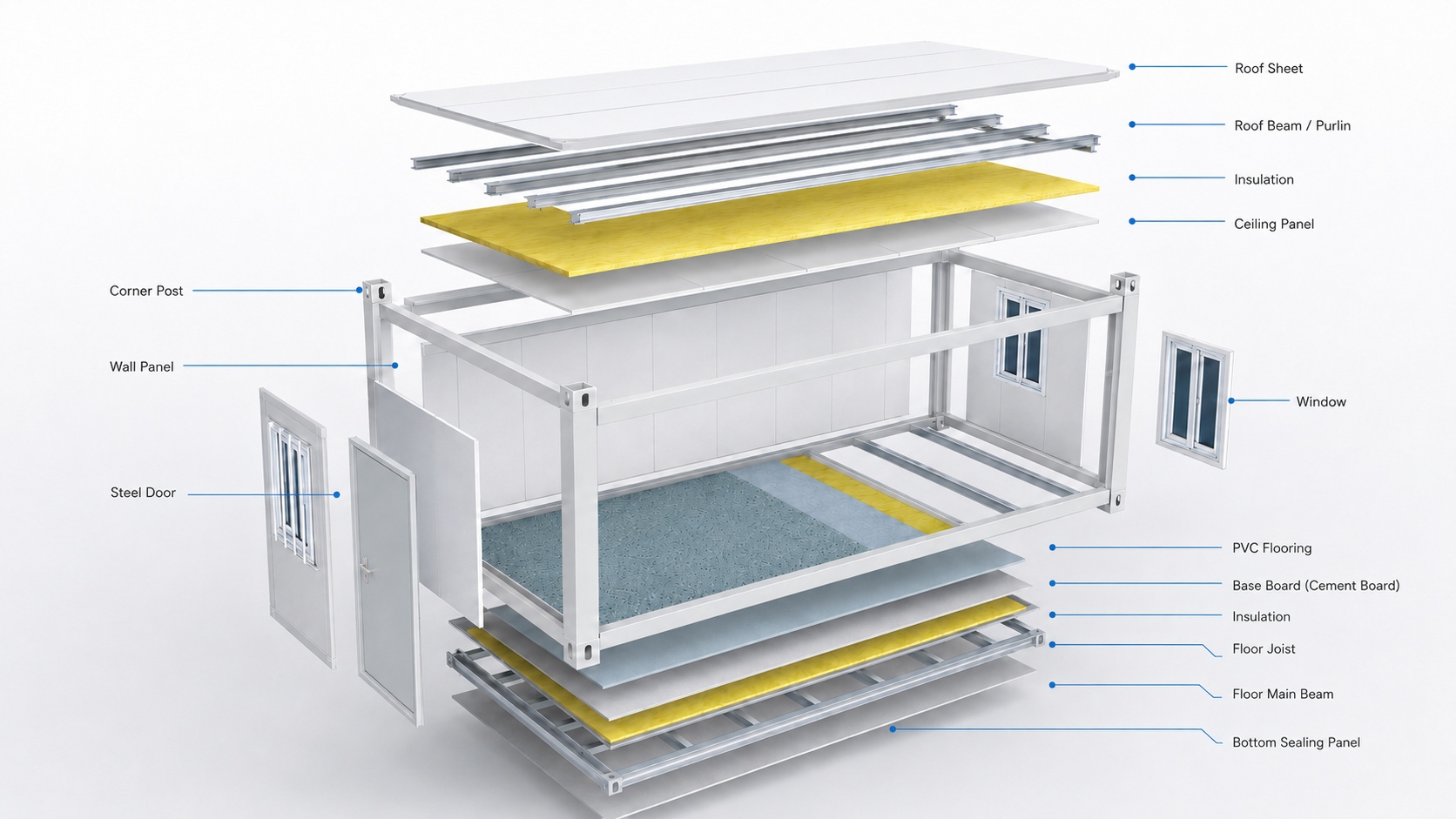
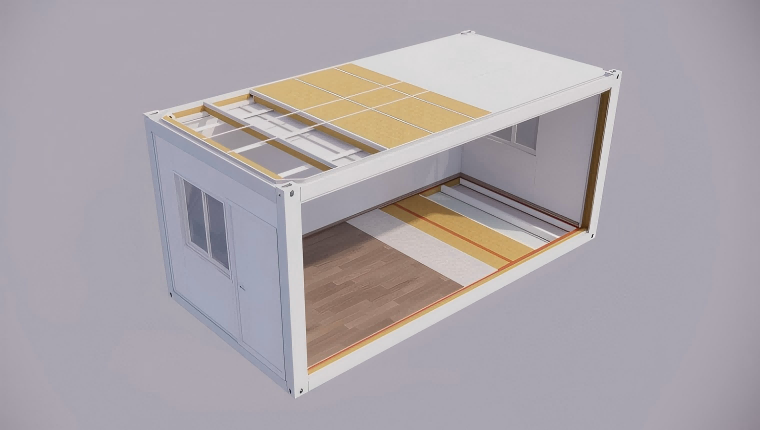
A modular accommodation units manufacturer typically organizes production around standardized steel box units, each engineered for whole-unit lifting, repeated relocation and integrated interior fit-out. In the factory, the structure, insulation, wall panels, doors, windows and basic mechanical and electrical systems are assembled under controlled processes before modules are shipped to the project site. This approach reduces on-site wet trades and compresses construction activities into predictable installation windows.
From a process perspective, manufacturing begins with structural design and steel frame fabrication, followed by corrosion protection through hot-dip galvanizing and high-performance coatings suitable for coastal or industrial atmospheres. Floor and roof assemblies are then integrated with insulation systems and sealed joints to ensure thermal continuity and weather resistance. Wall panels, doors and windows are added with attention to air-tightness and acoustic performance, while interior linings, flooring, and basic furniture are installed according to project specifications.
Logistics and On-Site Assembly
Once modules are complete, manufacturers coordinate logistics using sea and land transport, lifting plans and site handling procedures that protect structural integrity and finishes. This industrialized approach supports predictable quality, schedule control and cost management for cross-border projects such as the Samoa container hotel. Because most work is completed off-site, on-site activities focus on foundations, module positioning, connections and final commissioning, which reduces weather-related risks and local disruption while improving worker safety on site.
Using Product Portfolios for Layout Decisions
For project owners evaluating different layouts and specifications, reviewing the container systems used in real camps helps clarify how single modules scale into full accommodation blocks. A practical starting point is the container house modular units catalogue, which shows how standardized box units are configured for dormitories, offices and hotel-style rooms in CDPH projects, including variants for cold climates, deserts and tourism applications.
Technical Trends Shaping Global Modular Camps
Structural Safety and Multi-Storey Design
Structural safety is a primary design driver for modular accommodation, especially in coastal, hurricane-prone or seismically active regions. Container house systems use hot-dip galvanized steel frames, reinforced corner connections and engineered lifting points to manage loads during transport, stacking and long-term operation. Design calculations cover vertical loads, wind loads, seismic actions and dynamic effects associated with repeated lifting and relocation, ensuring modules can be stacked into multi-storey configurations without compromising safety.
Thermal, Acoustic and Climate-Specific Specifications
Thermal and acoustic performance has also advanced, with insulated wall and roof panels using mineral wool, rock wool or glass wool to balance fire resistance, sound control and energy efficiency. In hot and humid coastal climates, manufacturers focus on limiting solar heat gain, improving vapor control and preventing condensation inside walls and roofs through carefully selected insulation thickness, vapor barriers and ventilation strategies. Acoustic performance is particularly important when accommodation zones are near generator houses, loading facilities or highways, so modular units employ layered wall assemblies and double-glazing to reduce noise and improve rest quality for occupants.
In multi-climate deployment, modular accommodation units manufacturers now tailor insulation thickness, coating systems and sealing details to coastal, desert, alpine or humid environments rather than relying on a single generic specification. For example, cold-climate camps require thicker insulation, high-performance windows and attention to thermal bridges, while desert camps prioritize solar shading, reflective coatings and cross-ventilation strategies.
Integration of Nine Supporting Systems
Another trend is the integration of building systems—water supply, drainage, power, low-voltage, fire protection, security and environmental facilities—into a unified camp design. Modular accommodation units are engineered with standardized interface points for plumbing, electrical feeders, low-voltage cabling and fire detection lines, making it easier to connect them into distributed networks across the camp. By designing modules with these standardized interfaces, manufacturers facilitate EPC partners to connect container hotels or dormitories to the broader utility backbone with minimal on-site adaptation, and to adapt layouts when headcounts or functions change over time.
Samoa Modular Container Hotel as an Industry Case
Project Context and Climate Challenges
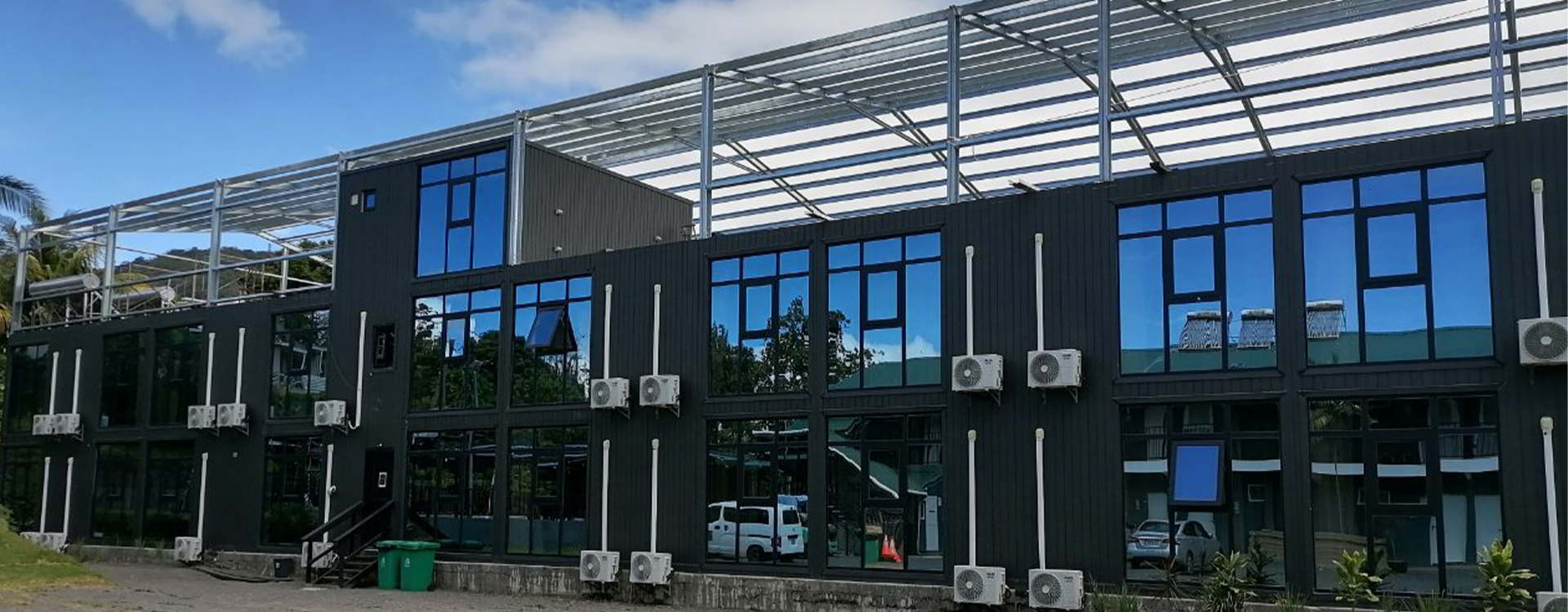
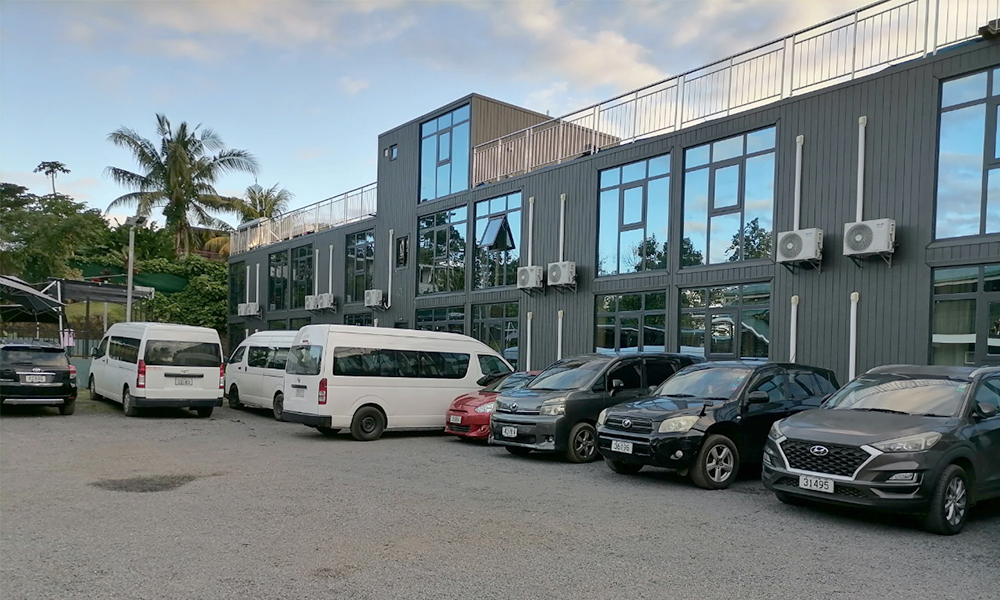
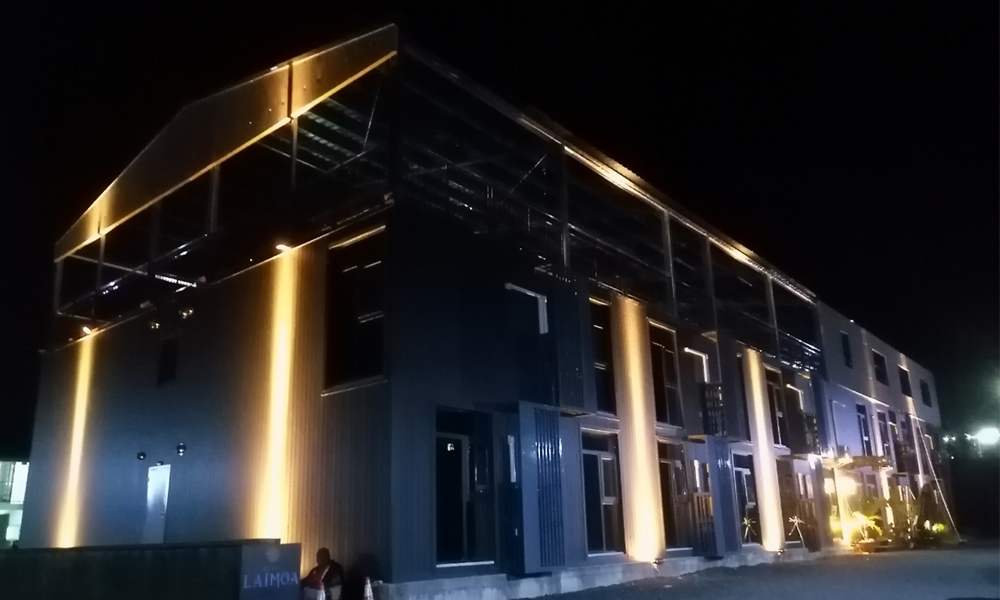
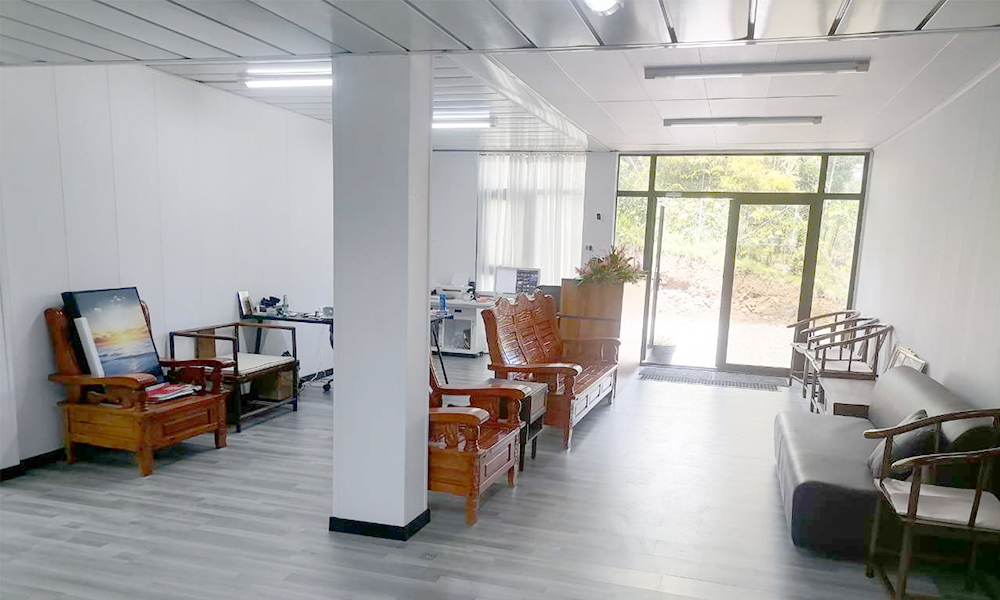
The Samoa Container Hotel Project is built on a standardized modular accommodation system that combines factory-prefabricated container modules with customized interior layouts. Located in a coastal tourism environment, the project uses modular units to create hotel-style accommodation while responding to tropical climate, wind exposure and local land constraints.
In this case, the modular accommodation units manufacturer delivers complete container hotel structures that use hot-dip galvanized frames with high-performance insulated wall panels to achieve robust wind resistance and long-term durability. The hotel adopts a multi-storey configuration with rooftop leisure spaces and balconies, demonstrating how stacked modules can generate vertical public realms without resorting to conventional concrete structures. Modules are arranged to form continuous corridors, balconies and public areas, illustrating how container-based accommodation can transition from worker dormitories to guest-oriented hospitality spaces.
Case Resources for Practitioners
For readers interested in how this transition works in practice, the Samoa Container Hotel Case: Modular Accommodation by Chengdong offers a closer look at the project’s room configuration, land use and construction features, including land area, room types and construction time. Viewed from an industry perspective, the Samoa project is not only a hotel example; it also shows how modular accommodation standards developed for project camps can be adapted to tourism environments with different expectations for comfort, layout and visual presentation.
EPC Integration: Modular Accommodation Units in Camp Solutions
Collaboration Across Planning and Engineering
Engineering, procurement and construction camp solutions require more than individual buildings—they rely on master planning, zoning and multi-system coordination. In projects like Samoa’s modular hotel, the modular accommodation units manufacturer collaborates with EPC stakeholders to align building footprints, circulation routes and utility corridors with the site’s topography and access conditions. This collaboration begins with sharing project information—location, climate, headcount, functions and schedule—followed by conceptual layouts and preliminary commercial offers that reflect modular possibilities.
Nine-System Integration for Camps and Tourism Projects
Based on experience in nine supporting systems—building, water supply and drainage, power, low-voltage, fire protection, security, roads and traffic, camp environment and environmental protection—Chengdong’s camp methodology emphasizes integrated layout rather than isolated structures. In an engineering camp, these systems combine to form what is essentially a small city, with accommodation, offices, catering, sanitation, recreation and safety infrastructure linked through coherent planning. In Samoa’s hotel case, the same nine-system thinking applies, but with more emphasis on guest experience, environmental quality and integration with existing tourism assets.
Container hotel modules are therefore planned together with dining, leisure and management spaces, enabling coherent flows for guests and staff and more efficient operation of energy, water and waste systems. For example, vertical circulation for guests and service staff needs to be separated to maintain comfort, while technical rooms for water treatment, power distribution and fire protection must be located for both accessibility and visual discretion. Such EPC integration turns modular accommodation units from isolated products into elements of a coordinated hospitality environment that can be expanded, reconfigured or even relocated as tourism demand evolves.
For decision-makers exploring similar EPC camp or tourism projects, reviewing Chengdong’s global camp cases on Chengdong Modular House can help benchmark different zoning strategies and module configurations for both engineering and tourism contexts.
Application Scenarios Beyond Construction Camps
Engineering Camps, Tourism Projects and Emergency Uses
While modular accommodation units manufacturers originally focused on engineering camps for oil, gas, mining and infrastructure projects, their solutions now extend into cultural tourism, commercial hospitality and emergency housing. In cultural and tourism applications, modular container houses and light steel villas are combined to create accommodation zones, leisure areas, service centers and management buildings within integrated camps, often in locations where permanent construction would be slow, costly or environmentally sensitive.
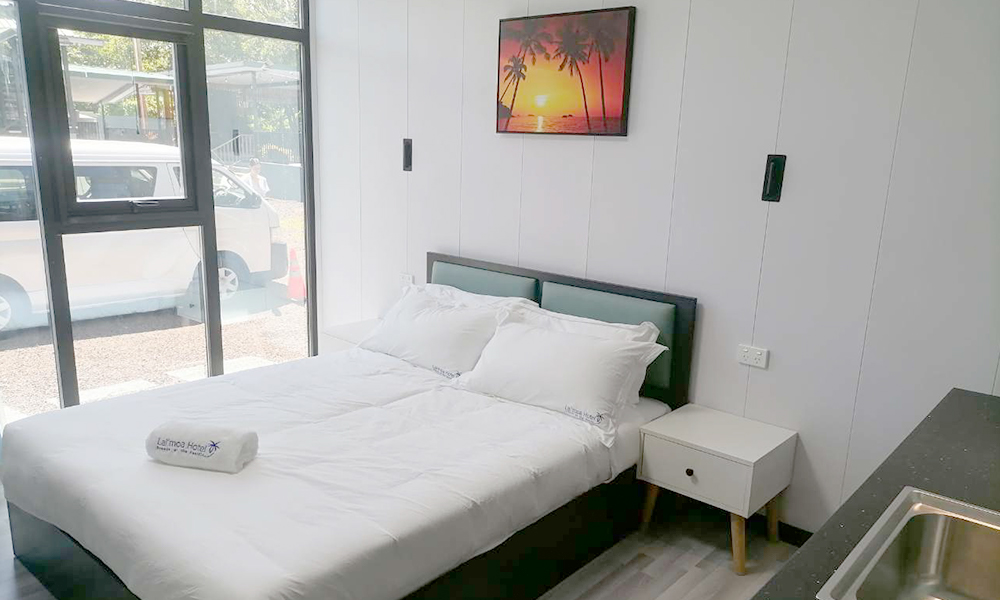
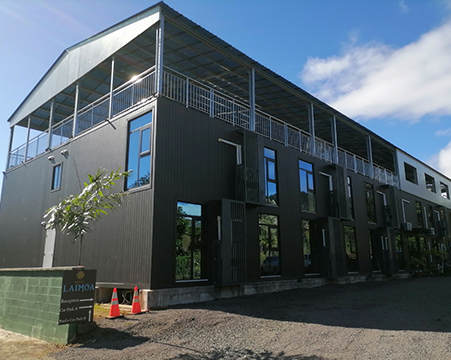
The Samoa container hotel illustrates how standardized container modules can be repurposed to deliver hotel rooms, suites and communal spaces while maintaining fast delivery and relocatability. Similar approaches are visible in other tourism camp examples, where modular units support boutique cabins, glamping pods and pop-up hospitality sites in sensitive natural environments such as islands, coastal areas and mountain resorts. In emergency or humanitarian contexts, the same manufacturing and logistics systems allow rapid deployment of temporary accommodation, medical facilities and coordination centers that can be demobilized or repurposed after relief operations end.
Comparing Modular Roles Across Scenarios
These projects show that modular accommodation units manufacturers are no longer limited to short-term worker housing but can respond to diverse user groups, including tourists, event attendees and local communities. At the same time, compliance with local regulations on safety, accessibility and environmental impact remains essential and often guides module configuration and site layout, influencing details such as escape routes, accessibility features and environmental buffers.
Engineering camps: worker dormitories, offices, canteens and maintenance buildings; focus on schedule, safety and workforce stability.
Tourism camps and hotels: guest rooms, reception areas, leisure decks and service facilities; focus on experience, aesthetics and flexible capacity.
Emergency and rapid deployment uses: short-cycle accommodation with fast transport and installation; focus on speed, resilience and reusability.
Sustainability and Lifecycle Considerations
Multi-Cycle Use and Service Life
Modular accommodation units are inherently suited to multi-cycle use because they can be dismantled, transported and reinstalled across different projects. CDPH notes that container houses for camps are typically engineered for 15–20 years of design service life under normal use and can reach 30–50 years in favorable environments with appropriate maintenance. Instead of building permanent structures for every project phase, owners can redeploy modular assets from one camp to another, improving capital efficiency and reducing embodied carbon per project.
In engineering camps and coastal projects, individual deployments often last several years, after which the same modular units are relocated to new sites, extending their cumulative economic life. Elevated foundations, controlled drainage and appropriate corrosion protection are critical in island or coastal contexts like Samoa to manage humidity, salt exposure and stormwater. These measures protect steel frames and joints from accelerated degradation and help maintain structural and aesthetic performance over successive deployments.
Environmental Performance and Camp Operations
Lifecycle thinking also extends to environmental performance, since factory prefabrication reduces on-site waste and the ability to remove modules at the end of a project helps restore land or repurpose it for new uses. Integrated environmental protection systems—covering waste management, wastewater treatment and green landscape design—support cleaner camp operations and align modular accommodation with broader sustainability goals in infrastructure and tourism sectors.
Future Outlook for Modular Accommodation Units Manufacturers
Digital Design and Standardized Module Families
Looking ahead, modular accommodation units manufacturers are likely to deepen digital integration, using data from global camp deployments to refine design standards and climate-specific specifications. Parametric design tools and standardized yet configurable module families will make it easier to adapt container hotels, worker dormitories and mixed-use camps to varied sites and regulatory contexts while maintaining manufacturing efficiency.
Bridging Engineering Camps and Hospitality Projects
The Samoa container hotel and similar cultural tourism projects suggest that modular accommodation will increasingly bridge engineering and hospitality domains. Companies such as Chengdong will continue to operate both as modular accommodation units manufacturers and as integrated camp solution partners, collaborating with EPC contractors to deliver complete, multi-system environments rather than standalone buildings. As markets evolve, modular accommodation units manufacturers will be evaluated not only on product quality and price but also on their ability to provide one-stop camp solutions that combine planning, modular systems and nine-system integration for long-term project success.
As modular accommodation units manufacturers deepen their role in EPC-style camp delivery, practical case libraries become an important reference for early planning. Stakeholders exploring future projects can combine the Chengdong Modular House case resources with the container house modular units portfolio to align accommodation design, camp logistics and multi-cycle deployment strategies across engineering and tourism projects.




 More
More











![Top Advantages of Modular Construction Explained [2025]](/uploads/upload/images/20250424/0fb390068474145a09a8c0504c73b1d2.png)
 May 09, 2025